
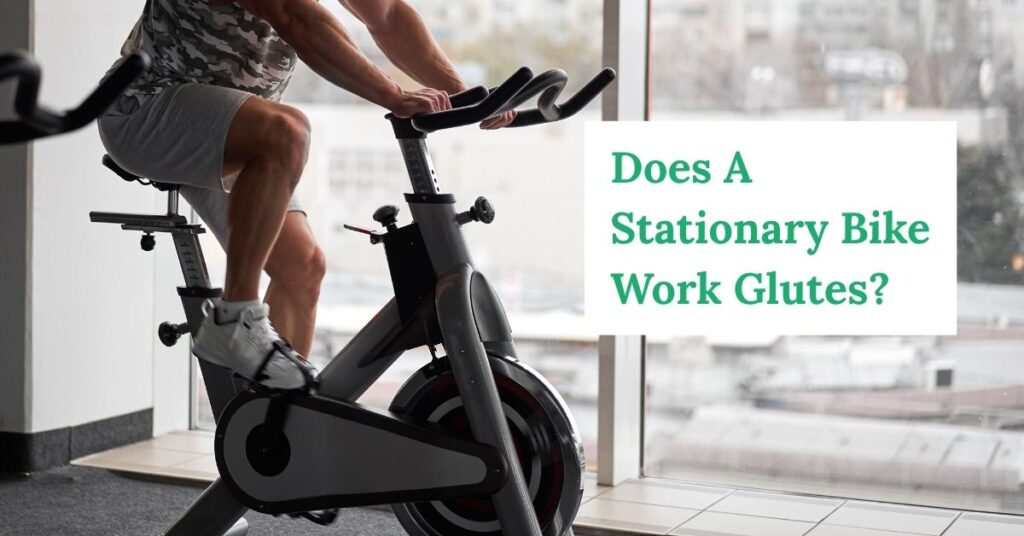
Yes, a stationary bike works the glutes when you set the bike well, drive the downstroke, and use smart resistance.
Glute Emphasis
Glute Emphasis
Glute Emphasis
Basic
- Seat near hip height
- Cadence 80–90 rpm
- Light hills
Foundation
Better
- Seated climbs
- 5–7% virtual grade
- RPE 6–7
Time In Tension
Best
- Heavy intervals
- Out-of-saddle surges
- RPE 8–9
Glute Push
How A Stationary Bike Hits The Glutes
The pedal stroke is hip extension plus knee extension. The gluteus maximus fires as you press from noon to about four on the clock face. The medius and minimus keep the pelvis steady so the knee tracks clean. Quads help a ton, yet the rear chain drives when load and range rise. That is why climbs, heavier gears, and a long stroke make the butt work.
Seat height shapes that range. Too low shortens the hip, so the quads take over. Too high rocks the pelvis and wastes power. You want a slight bend at the knee at bottom dead center, a level pelvis, and bars that let you hinge from the hips without rounding your back.
| Factor | What It Does | Quick Fix |
|---|---|---|
| Seat Height | Changes hip angle and knee bend | Soft knee at bottom, no hip rock |
| Saddle Fore/Aft | Shifts torso over the crank | Knee over pedal spindle at 3 o’clock |
| Resistance | Raises force demand on hip extensors | Use gears that slow cadence to 60–80 rpm on climbs |
| Posture | Hinge boosts glute line of pull | Long spine, ribs down, slight forward lean |
| Cadence | Alters time under tension | Mix fast spins with slower, heavier sets |
| Standing Work | Increases hip extension demand | Short bursts with even sway |
Power rises as workload climbs, and EMG data shows more glute activity with higher demand. One controlled study tracked activation across workloads and seat heights and reported shifts in lower-limb coordination with more load, pointing to bigger hip extensor drive in hard sets in controlled cycling trials. Similar lab work identifies gluteus maximus as a consistent power generator across the stroke alongside vastus lateralis and vastus medialis when cadence and load stay steady in trained riders.
Cardio gear helps more than the mirror. Better blood flow, joint-friendly load, and repeatable sessions make progress possible. Those perks tie into the ACSM activity guidance. In the same vein, glute work shows up faster when training pairs with daily movement and sleep, as the general benefits of exercise page explains.
Do Stationary Bikes Work Glutes? Form Tweaks That Change Everything
Small fits on the bike produce big changes in where you feel the work. Use these cues to steer load toward the rear chain and away from the knees.
Dial Seat Height With A Simple Check
Stand next to the bike and set the saddle near hip height. Clip in or place the heel on the pedal at the lowest point; your knee should go straight. When you ride on the ball of the foot, a soft bend appears. If your hips sway, lower a notch. If your knees lock or you reach, lower reach or slide the seat forward a touch.
Hinge, Don’t Slump
Bring the chest forward by hinging at the hips. Keep ribs down and a long neck. This puts the glutes in line for the downstroke. Slumping moves load to the quads and back.
Push Through Heel And Midfoot
Think “heels heavy” when the crank passes noon. This reduces toe pointing and helps the hip finish the press. Keep ankles quiet in heavy gears so the calf does not steal the show.
Use Resistance Like A Dimmer
Low gears teach spin and skill. Moderate gears teach control. Heavy gears teach drive. Your glutes light up when torque rises, so cap sprints and climbs with short, crisp sets. Rest long enough that your form stays clean.
Seated Versus Standing
Seated work stretches the hip less, yet it builds long time in tension without beating up the joints. It is perfect for steady climbs with clean pressure through the crank. Standing work opens the hip and adds body weight to the press, so the downstroke feels heavy. Use short bursts out of the saddle to spike glute demand, then sit to reload. Mix both styles inside one session to keep the rear chain engaged while fatigue stays in check.
Foot Setup, Shoes, And Cleats
Place the ball of the foot over the pedal axle. If you ride clipless, set the cleat so the first metatarsal sits just ahead of the spindle and the toes angle only slightly out. Too much toe-out can stress the knee; too much toe-in can jam the hip. In heavy sets, think “flat foot” to stop extra ankle flick. That cue keeps the lever long and shifts force to the hip where you want it.
Stationary Bike Workouts That Target The Glutes
Build weeks around three pillars: steady climbs, strength intervals, and short standing bursts. Mix them across seven to ten days and repeat with small bumps in gear time or cadence range.
Steady Seated Climb
Ten to fifteen minutes at RPE 6–7 with cadence at 60–75 rpm. Stay seated, keep hips level, and drive the crank. Add two to three sets across the session.
Strength Intervals
Four to eight repeats of one to two minutes in a heavy gear at RPE 8, then two to three minutes easy spin. Focus on hip drive, not knee push. If cadence drops under 50 rpm, back off a notch.
Standing Surges
Six to ten bursts of 15–30 seconds out of the saddle at RPE 8–9 with one minute easy. Keep the bike steady under you rather than swaying across the room.
| Workout | Time/Load | Glute Cue |
|---|---|---|
| Seated Climb | 2 x 8–12 min, RPE 6–7 | Hinge, heels heavy |
| Strength Intervals | 6 x 90 sec, RPE 8 | Slow press, quiet ankles |
| Standing Bursts | 8 x 20 sec, RPE 9 | Short sway, tall hips |
| Tempo Finish | 10 min, RPE 7 | Smooth pull-through |
| Recovery Spin | 10–15 min, easy | Nasal breath, tall spine |
Bike Fit Details That Shift Load To The Back
Saddle Fore/Aft And Tilt
Start with the saddle level. Slide forward if you need more quad and cadence for speed work. Slide back a touch if you want more hip drive in climbs. A big tilt can numb soft tissue and change pressure points, so stay close to level.
Handlebar Reach And Drop
Reach should let you hinge without a shrug. If your shoulders creep to your ears, bring bars up or in. If your low back feels crowded, add reach. A calm torso lets the hips work in line with the pedals.
Cadence Windows
Use 90–110 rpm in light gears to groove spin and recovery. Use 60–80 rpm under load for strength. Short dips to 50–60 rpm are fine in heavy sets, yet long grinds at that level can jab the knees.
Progression, Recovery, And Signs You Are Hitting The Glutes
Look for a deep, broad burn in the butt and the upper hamstrings after hard sets. Next-day soreness should sit high on the back of the hips, not on the kneecap. If your quads cramp while your hips feel fresh, add a touch of gear, hinge more, or shorten the cranks if fit allows.
Weekly Build Template
Day 1: intervals and bursts. Day 2: easy spin. Day 3: steady climb plus two lifts. Day 4: rest or walk. Day 5: mixed set ride. Day 6: lifts plus easy spin. Day 7: off. Keep total hard time to forty to sixty minutes per week at first. Add five to ten minutes every two weeks.
Fuel And Hydration
Eat a mixed meal two to three hours before big rides, or a light snack closer to the hour. Bring water for short sets and add electrolytes for long work. Hit protein across the day to support the tissue you train. If weight loss is on deck, aim for a small calorie gap, not a crash.
Who Should Ease Off Standing Work
If your knees ache under slow grinds, sit and lower one gear. If your back twinges when you stand, shorten the burst and brace your core before you rise. New riders can keep all climbs seated for the first month while form settles. The glutes will still work hard when the hinge is clean and the gear is honest.
Common Mistakes That Blunt Glute Work
All Spin, No Tension
Endless light cadence builds skill and heart, yet it will not grow your rear. Add climbs and intervals so torque climbs and the hips carry their share.
Rounded Back And Lazy Hips
Slumping ends the hinge and shuts the butt down. Stack the ribs, reach the tail back, and pull the bars just enough to brace.
Seat Too Low
A low seat shortens the hip and leaves the press to the quads. Lift a notch.
Bottom Line: Yes, Your Stationary Bike Can Build Your Glutes
Glute work on the bike is real when you mix setup, smart load, and a solid bit of strength off the bike. Want a fuller plan well beyond the saddle? Try our short guide on how to stay fit and healthy for day-to-day habits that back up your rides.