
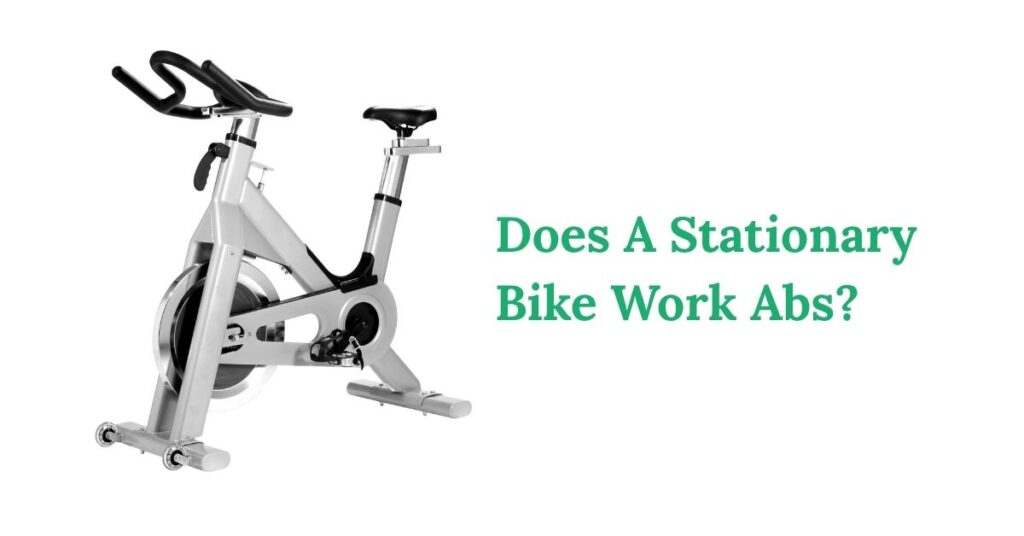
Yes, a stationary bike works your abs for stability, but it won’t define them without extra core training and steady posture.
Direct Ab Load
Core Engagement
Calorie Burn
Seated Endurance
- Upright, relaxed grip.
- Cadence 80–95 rpm.
- Breathing sets the brace.
Low Impact
Hills & Sprints
- Short standing efforts.
- Heavy gear, 50–70 rpm.
- Exhale to tighten.
Core Spike
Off-Bike Core
- Planks, side planks.
- Bird dogs, carries.
- 2–3 days per week.
Definition Driver
What “Working Your Abs” Means On A Bike
When riders ask whether a stationary bike works abs, they’re usually picturing crunch-style movement. Cycling doesn’t do that. Your rectus abdominis, obliques, and deep stabilizers hold the torso steady while the legs drive power. That steady hold is anti-movement work: resisting rotation, sway, and slouch.
Research on cyclists shows posture and intensity change the load on trunk muscles, especially the erector spinae and multifidus. More forward flexion and long static positions can raise back muscle activity, which is why a balanced brace matters on the bike. Midline control keeps the pelvis quiet and the pedals smooth.
Does A Stationary Bike Work The Abs Directly? (Stabilization, Not Crunches)
Most of the time, ab involvement is background tension. You’ll feel it more when you stand, surge, or grind at low cadence. In easy seated spins, the core still works, just with smaller forces. That’s good news if you want joint-friendly sessions while keeping some ab stimulus.
How Posture Changes Core Demand
Think “ribs over hips.” Keep a long spine, chest soft, and shoulders away from your ears. Light hands signal that your midsection—not your wrists—is managing the bike’s small wobbles. A gentle brace on each exhale adds support without holding your breath.
Cadence, Resistance, And Standing Efforts
Lower cadence with higher resistance tends to increase whole-body bracing. Short standing climbs and sprints demand more from your obliques to stop side-to-side sway. Sprinkle those efforts; they spice up the ride and nudge the abs.
Core Engagement Levels By Ride Style
The mix of cadence, resistance, and body position sets the ab challenge. Use the table to plan how you’ll feel the work and where to place tougher efforts.
| Ride Style | Core Role | When To Use |
|---|---|---|
| Easy Seated Spin | Gentle bracing; posture practice | Warm-ups, recovery, long endurance |
| Tempo/Threshold | Steadier brace; breathing focus | Aerobic base with moderate ab demand |
| HIIT Sprints | Sharp brace against sway | Short blocks to raise calorie burn |
| Standing Climbs | Oblique control; pelvis quiet | Strength feel without impact |
| Single-Arm Hold | Anti-rotation challenge | Short drills; maintain form |
Beyond looks, core strength supports breathing mechanics and pedaling efficiency. A well-trained trunk transmits leg force cleanly and may help comfort during longer sessions. That’s where the broad benefits of core strength come in.
If you’re building a general fitness routine, steady bike days can sit next to short strength blocks and simple nutrition habits. Snacks and meals land better once you set your daily calorie needs.
Close Variation: Do Stationary Bikes Work Abs Or Just Legs?
Stationary bikes target quads, glutes, and calves first. The abs keep you stable so the power line from hip to pedal stays smooth. On vigorous rides, that stabilization rises. If ab definition is the goal, pair the bike with strength moves and nutrition that supports fat loss.
Why You Still Need Off-Bike Core
The bike challenges your midsection in one plane. Off-bike work fills the gaps with anti-extension, anti-rotation, and hip-linked strength. Simple patterns—planks, side planks, bird dogs, dead bugs, and loaded carries—build a resilient trunk that makes riding feel easier.
Breathing That Helps The Brace
Use a soft inhale through the nose and a firm, hissing exhale through the mouth during harder efforts. That exhale tightens the abdominal wall naturally. Hold shape, not air; your midsection should feel active yet relaxed enough to keep cadence smooth.
Form Cues: Feel Your Abs While You Ride
Seat Height And Reach
Set saddle height so there’s a slight knee bend at the bottom of the stroke. Too low and your hips rock; too high and you overreach and arch. Bars should allow a neutral spine with elbows soft, not locked.
Five Quick Cues That Wake Up The Core
- Light hands on the bar; drive power from the hips.
- Ribs stacked over the pelvis.
- Eyes forward; chin tucked slightly.
- Steady breath; small brace on the exhale.
- Quiet hips; knees track like train rails.
Evidence Snapshot: What Studies Say
Lab work with cyclists shows that trunk muscle activity changes with posture and intensity. More flexed setups and long stints can raise erector spinae work, while an upright, supported position trims it. That lines up with the idea that cycling trains the core mostly to hold shape, not to perform a crunch motion.
Researchers also report that posture—slumped versus erect—shifts back muscle effort. Keeping a tall, stacked torso spreads the load and helps comfort on longer sessions. See the discussion on posture and erector spinae activity in this Frontiers physiology paper.
How To Program Bike Workouts For Abs
Here’s a simple way to build ab engagement over a week while keeping total workload sensible. Slot the rides to suit your schedule and adjust the times.
| Day | Session | Core Focus |
|---|---|---|
| Mon | 30–40 min easy spin | Posture cues; nasal breathing |
| Tue | 20–30 min intervals (6×30-40s hard) | Brace on each surge |
| Wed | Off-bike core (15–20 min) | Planks, side planks, bird dogs |
| Thu | 40–50 min tempo | Steady brace; relaxed grip |
| Fri | Optional mobility | Hip flexors, glutes, T-spine |
| Sat | Climb simulation (3×3-5 min heavy) | Short standing efforts |
| Sun | Rest or gentle spin | Shakeout; check posture |
Practical Drills That Turn The Abs On
One-Hand Holds
Every few minutes, ride 20–30 seconds with one hand hovering an inch above the bar. Keep the bike steady, hips quiet, and breath smooth. Swap sides. Stop the drill if your shoulders tense or the front wheel wobbles.
Exhale Bracing
During a climb or threshold block, purse your lips and exhale for two to three pedal strokes. Feel the lower ribs draw down. Keep the brace gentle, not a max squeeze.
Low-Cadence Grinds
Pick a heavy gear and turn 50–60 rpm for one to two minutes. Stay seated and tall. The slow strokes make you resist side sway—hello, obliques.
Safety Notes And When To Ease Off
If your low back flares up, shorten hard efforts and reset posture before chasing resistance. A neutral spine, light hands, and even pressure through both sit bones usually calm things down. If pain persists, scale the session and seek qualified care.
Nutrition, Hydration, And Seeing The Midsection
Visible abs come down to body fat more than ab burn. That’s why riders who want definition match interval days with protein-forward meals and reasonable portions. Hydration matters too; even mild dehydration drags power and comfort. For day-to-day targets, this guide on how much water per day keeps things simple.
Sample Off-Bike Core Block
Do this mini-circuit after easy rides or on non-ride days. Move with control and stop before form slips.
Three-Move Circuit
- Front plank, 3×30–45s.
- Side plank, 3×20–30s each side.
- Bird dog, 3×6–8 slow reps per side.
As this gets easy, add dead bugs and suitcase carries. Small, steady progress beats all-out burn.
Bottom Line: Does A Stationary Bike Work Abs?
Yes—just not like crunches. The bike trains your abs to stabilize the trunk while you produce power. Turn the dial with posture, intervals, and short standing climbs, then round things out with off-bike core and smart food choices. That mix makes rides feel smoother and the midsection stronger.