
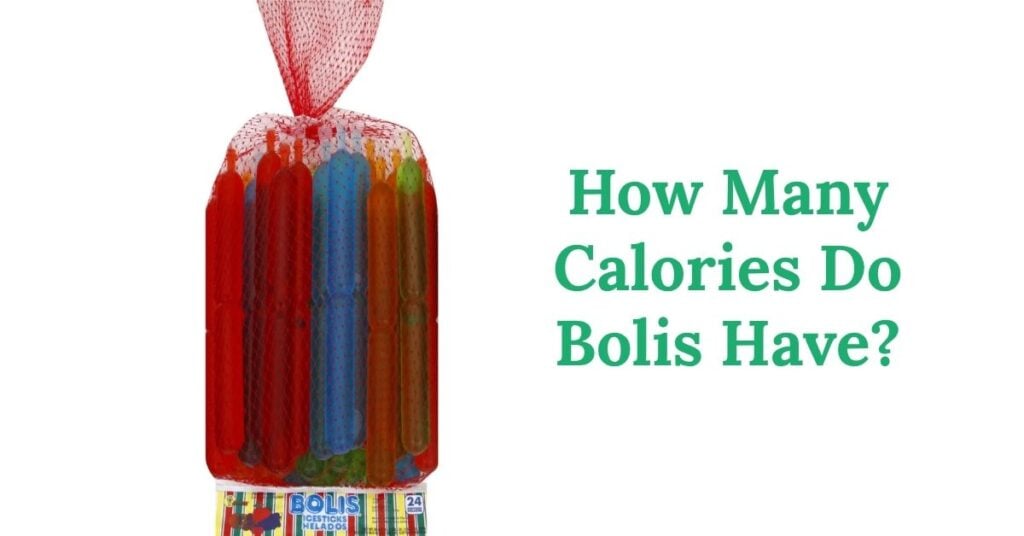
Calories in bolis vary: fruit-ice bolis average 30–80 calories, while cream-based bolis commonly land around 120–170 calories per pop.
Fruit-Ice Pop
Light Cream Pop
Rich Cream Pop
Water-Ice Choice
- Fruit juice or drink base
- Lowest calories per pop
- Simple ingredient list
Lowest kcal
Fruit-Cream Mix
- Milk with fruit purée
- Balanced texture
- Moderate sugars
Middle kcal
Creamy Dessert
- Dairy-rich base
- Heavier flavors
- Highest per pop
Highest kcal
What Counts As A “Boli”
Bolis are Mexican frozen pops sold in long plastic sleeves. You’ll see fruit-ice versions made with water, sugar, and flavor, and cream-style bolis that use milk or cream with fruit purée. Brands like Helados Mexico and La Michoacana sell both styles in multiple flavors sold as single pops or multi-packs. Because the base changes, the calories change too—sometimes by two-to-five-fold across flavors in the same display.
How Many Calories Are In Bolis: Real-World Ranges
Calories sit on a spectrum. Generic freezer-pop entries tied to USDA survey data land near the bottom of the range for water-ice styles (roughly a few dozen calories per pop), while branded creamy flavors often push into triple digits per sleeve. Fruit-ice sticks made with lime, strawberry, or similar flavors usually fall in the lower band; creamy coconut, rompope (eggnog), and cookie-style flavors trend higher.
Quick Range Table (Early Overview)
This broad table groups common styles and serving sizes seen on store labels.
| Boli Type | Typical Serving | Calories (Per Pop) |
|---|---|---|
| Water-Ice (Fruit Drink/Juice) | ~5–6 fl oz (≈140–177 g) | ~30–80 |
| Light Cream (Milk + Fruit) | ~4.5–6 fl oz (≈128–170 g) | ~90–130 |
| Rich Cream (Coconut, Rompope) | ~4.5–6 fl oz (≈128–170 g) | ~140–170 |
Those bands reflect common nutrition panels and USDA-linked survey items for freezer pops. If you care about daily totals, it helps to tune your daily calorie needs first so treats land in a range that fits the day’s plan.
What The Labels Say (With Examples)
Brand panels illustrate the spread. A lime-style water-ice pop from a major brand often lands around 80 calories per 6 fl oz sleeve, while a coconut cream version clocks near 150 calories per equal size—both posted on trusted nutrition listings. A rompope cream pop from a leading paletería brand shows about 160 calories for a 128 g serving on its product page.
Why The Numbers Vary
- Base: Water-ice pops carry fewer calories because there’s no dairy fat.
- Flavor & Mix-ins: Coconut cream, cookie crumbs, or caramel add energy quickly.
- Sleeve Size: A wider or taller tube means more grams and more calories.
- Recipe Differences: Some lines use richer dairy or more added sugar than others.
Reading A Boli Label Without Guesswork
Flip the sleeve or check the brand’s product page. Look at serving size (grams or fl oz) and calories per serving. If an online description lists a single pop in grams, you can compare across flavors. For survey-style entries and generic freezer-pops used in nutrition tools, the underlying data originates from the USDA’s Food and Nutrient Database for Dietary Studies, which is presented through FoodData Central. That pipeline explains why many nutrition tools align on freezer-pop calories and macros.
Trusted Reference Points
When you want a neutral benchmark for fruit-ice styles, USDA-linked survey foods give a helpful baseline for calories and sugars in freezer-type pops (FNDDS program page). For a cream-style reference straight from a maker, check a paletería’s published label such as a rompope cream pop that lists 160 calories per 128 g on its product detail page (Rompope nutrition facts).
Picking Lower-Calorie Bolis Without Losing Flavor
Start with water-ice fruit flavors. Citrus, strawberry, or tamarind usually sit on the lean side. If you want something creamier, look for smaller sleeves or “light” dairy bases. Some lines keep portions around 4–5 fl oz, which trims sugar and fat while keeping the same taste cues.
Smart Swaps That Work
- Lime or Strawberry Water-Ice instead of coconut cream when you’re just after a cold, sweet hit.
- Fruit-Cream With Purée instead of cookie-loaded flavors to avoid extra mix-ins.
- One Pop, Not Two—split a pack across days to keep the fun without stacking calories.
Calorie Ranges By Flavor Family
Every brand writes its own recipe, but flavor families follow patterns. Citrus and simple fruit drinks usually post the lowest numbers; dairy-forward coconut or rompope push higher. Where a brand posts a full panel online, use that number. Where it doesn’t, the freezer-pop baseline from USDA-linked survey foods provides a fair estimate for water-ice styles.
Per-100-Gram Cheat Sheet
Use these ballpark figures to compare different sleeve sizes across styles.
| Style | Approx. Calories / 100 g | Notes |
|---|---|---|
| Water-Ice Fruit | ~35–55 | Mostly water + sugar; lowest fat |
| Fruit-Cream Mix | ~70–95 | Dairy + fruit; moderate sugars |
| Rich Cream (Coconut/Rompope) | ~95–130 | Higher fat from dairy/coconut |
Portion Math You Can Use
Let’s say a water-ice sleeve posts 80 calories at 170 g. If your store stocks a 140 g sleeve in the same line, you’re looking at roughly 65 calories. With creamy flavors, a 128 g pop at 160 calories will sit closer to 200 calories if the sleeve grows to 160 g and the recipe holds steady. Real labels beat estimates, though—brands can tweak sugar and fat between packs.
Brand Panels: How To Compare Apples To Apples
When you scan the freezer aisle, try this three-step check:
- Match Size: Compare grams or fl oz across sleeves before judging calories.
- Spot The Base: Water listed first with sugar points to a leaner pop; milk/cream signals a richer sleeve.
- Watch Mix-ins: Cookies, caramel, or heavy fruit concentrates lift the number fast.
For a clear dairy example, a rompope cream pop lists 160 calories per 128 g on a maker’s page. For a lighter fruit-ice reference, freezer-pop survey entries used by nutrition tools line up far lower on a per-pop basis thanks to minimal fat and a high water fraction. Those two poles explain most of the spread shoppers see across bolis flavors and brands.
Where Bolis Fit In A Day
Cold treats are easy wins after a walk or as a sweet finish after lunch. A water-ice pop can tuck into a 1,600–2,000-calorie day with room for protein and produce. Creamy sleeves work too—just treat them like a dessert. If you plan dinner around grilled chicken and veggies, a richer coconut or rompope pop may still fit neatly.
Quick Tips For Balanced Days
- Pair With Protein: If a pop is your snack, add Greek yogurt or a handful of nuts later on.
- Hydrate: Water-ice pops help with fluids, but still drink water during hot days.
- Rotate Flavors: Keep both a fruit-ice and a cream option so you can pick the sleeve that fits the day.
Ingredient Clues That Predict Calories
Short labels often signal water-ice: water, sugar, flavor, color. Creamy labels list milk or cream early, plus coconut flakes or egg-based custard for rompope. If a brand uses fruit purée instead of juice drink, you may see a small bump in carbs with better fruit taste. Stabilizers and gums keep texture in check but don’t add many calories at typical levels.
Storage And Texture Notes
Keep multi-packs frozen solid. If a sleeve partially thaws and refreezes, crystals can grow and the texture turns icy. That doesn’t change calories, but it changes the experience. Lay packs flat for a quick firm-up; standing them upright helps prevent leaks in case a sleeve was nicked.
Putting It All Together
Here’s the simple playbook. Choose fruit-ice when you want the cold, sweet fix with fewer calories. Choose cream-style when dessert is the goal. Match sizes across sleeves before comparing numbers. When labels aren’t handy, use the freezer-pop baseline from USDA-linked survey foods for water-ice and the 140–170 window for richer dairy sleeves. That way, you’ll grab a flavor you love and keep your day on track.
Want a deeper walkthrough for planning days around treats? Try our calorie deficit guide.