
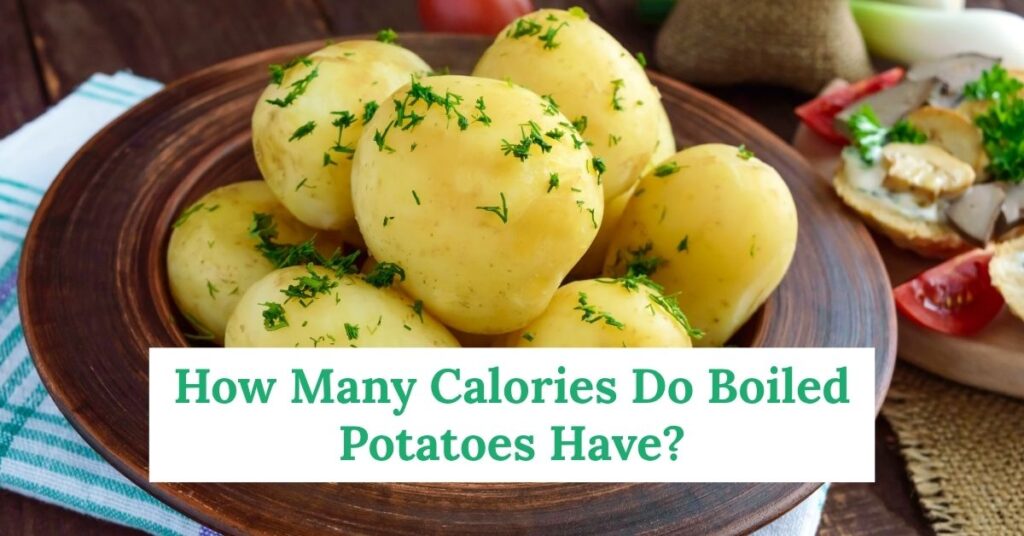
Boiled potatoes provide about 87 calories per 100 grams, or roughly 140–170 calories for a medium potato, depending on size and peel.
Calories (100g)
Carbs (100g)
Potassium (100g)
Plain & Hot
- Boiled, drained, no salt
- Skin on for extra fiber
- Serve with lean protein
Low Fat
Chilled & Reheated
- Cool overnight
- Reheat or eat as salad
- Slight resistant starch bump
Steady Energy
Herbed With Skin
- Olive oil mist
- Parsley, pepper, garlic
- Keep portions measured
Flavor Smart
Calories In Boiled Potatoes By Weight And Size
The cleanest way to answer the calorie question is by weight. Standard entries list plain, boiled potatoes at about 87 kcal per 100 grams. A single medium piece typically lands in the 140–170 kcal range because most medium potatoes weigh 160–190 grams after boiling and draining. If you leave the peel on, the calorie change is tiny, but you keep a bit more fiber and minerals.
Quick Reference: Common Servings
Use this table to map household measures to calories. Values assume plain potatoes boiled in the skin and drained (no butter, oil, or salt).
| Serving | Approx. Weight | Calories |
|---|---|---|
| Per 100 g | 100 g | ~87 kcal |
| 1/2 cup diced | ~78 g | ~68 kcal |
| 1 cup diced | ~150–160 g | ~130–140 kcal |
| Small potato | ~150 g | ~130 kcal |
| Medium potato | ~175 g | ~150 kcal |
| Large potato | ~300 g | ~260 kcal |
Portions feel easier once you’ve sketched out your daily calorie needs. Then you can slot potatoes next to protein and veg without overshooting your target.
Why Numbers Vary From Plate To Plate
Calories shift with water, size, and what you add. Boiled pieces hold more water than baked ones, so they’re a little lighter per bite. Draining well trims water weight, not calories, while butter, ghee, mayonnaise, cheese, or heavy dressings can double the energy in a hurry.
Peel On Vs. Peel Off
Leaving skins on barely affects total energy, but it does change fiber and minerals. Harvard’s overview notes that potatoes are naturally rich in potassium and vitamin B6, and that wet cooking like boiling can leach some potassium into the water—keeping the peel and avoiding long soaks helps preserve more of it (Harvard Nutrition Source).
By Variety And Shape
Waxy types (red, new, fingerlings) stay firm and feel a touch denser; starchy types (Russet) turn fluffy. The calorie difference per 100 grams is small for plain boiled pieces, but waxy varieties often need less dressing, which can save energy overall.
Nutrition Snapshot Beyond Calories
Boiled potatoes deliver carbohydrate for quick energy, small amounts of protein, and minimal fat. They’re also a source of potassium and vitamin C. A medium boiled piece (~136 g) clocks in near 118 kcal with ~27 g carbs and ~515 mg potassium in the MyFoodData listing derived from USDA FoodData Central (Boiled potatoes entry).
What About Blood Pressure?
Potassium helps counter sodium’s effects and supports healthy blood pressure. Health organizations point to potassium-rich foods—including potatoes prepared without salty add-ons—as part of heart-smart patterns; the challenge isn’t the potato itself so much as the butter, cream, and salt piled on top (American Heart Association news explainer).
Cooking Method Changes The Count
Same vegetable, different preparation, different energy density. Plain boiling keeps calories per 100 grams lower than frying or mashing with dairy.
| Preparation (Plain) | Calories Per 100 g | Notes |
|---|---|---|
| Boiled, drained, no salt | ~87 kcal | High water, minimal fat (MyFoodData) |
| Baked, skin on | ~93–94 kcal | Slightly denser per bite (MyFoodData) |
| Mashed with milk & butter | ~113 kcal | Dairy adds energy and sodium (MyFoodData) |
| French fries | ~150+ kcal | Oil raises calories; often salty (MyFoodData) |
Portion Tips That Keep You On Track
Weigh Once, Then Eyeball
Weigh a cooked portion a few times at home. You’ll quickly learn what 100 g or 150 g looks like in your bowl. From there, you can go by sight without a scale.
Pair With Protein And Fiber
Lean meat, fish, tofu, or legumes add staying power. Non-starchy vegetables fill the plate and slow the meal down. That combo keeps energy steady while keeping portions reasonable.
Dressings: Treat Them Like Toppings
Olive oil, butter, sour cream, and cheese all move the needle. Use measured amounts and reach for herbs, lemon juice, pepper, and mustard to stretch flavor with fewer extra calories.
Satiety, Starch, And Smart Timing
Plain potatoes rank high on fullness when compared bite-for-bite with refined snacks. Cooling cooked potatoes and serving them as a salad creates a modest bump in resistant starch, which may help with steadier energy after the meal. Reheating doesn’t erase that benefit entirely.
How This Compares To Other Carbs
Calorie-for-calorie, boiled potatoes sit near plain rice and below many breads when measured per 100 grams. Where spuds win is water content; the same plate space can hold fewer calories than a buttered roll or heavy pasta serving. That’s useful when you’re balancing a plate around a fixed energy target.
Labeling And Database Values
Nutrition databases compile lab values across varieties and cooking conditions. The boiled entry used here lists ~87 kcal per 100 g, with options to view by half-cup, medium piece, or gram-for-gram sizing (USDA-derived listing). For broader background and health context, Harvard’s page gives a balanced overview of nutrients, preparation, and caveats (Harvard T.H. Chan).
Simple Ways To Serve Without Overshooting
Light Potato Salad
Toss chilled chunks with Dijon, plain yogurt, chopped pickles, parsley, celery, and a small splash of olive oil. Add diced boiled eggs or tuna for protein.
Warm Herb Potatoes
Toss hot pieces with a teaspoon of olive oil, minced garlic, and fresh herbs. Finish with lemon zest. Keep oil measured; the flavor payoff is big even at small amounts.
Tray Meal Template
Fill half the plate with vegetables, a quarter with potatoes, and a quarter with protein. That plate model keeps the meal satisfying while holding calories steady.
Sodium And Seasoning
Plain boiling without salt keeps sodium minimal. If you season the water, that sodium sticks around. Taste your dish first, then add a pinch on the plate or lean on vinegars, citrus, chili flakes, pepper, and herbs. This approach protects the natural potassium-to-sodium balance that makes potatoes a solid fit in many heart-smart menus (AHA explainer).
Tracking Your Intake Over A Week
Calories balance out across days, not just one dinner. Some days you’ll want a larger serving, other days a smaller one. Matching spud portions to training days or heavier activity can help keep energy even without micromanaging every gram.
Want a deeper step-by-step on energy balance? Try our calorie deficit guide for planning and measuring without stress.