
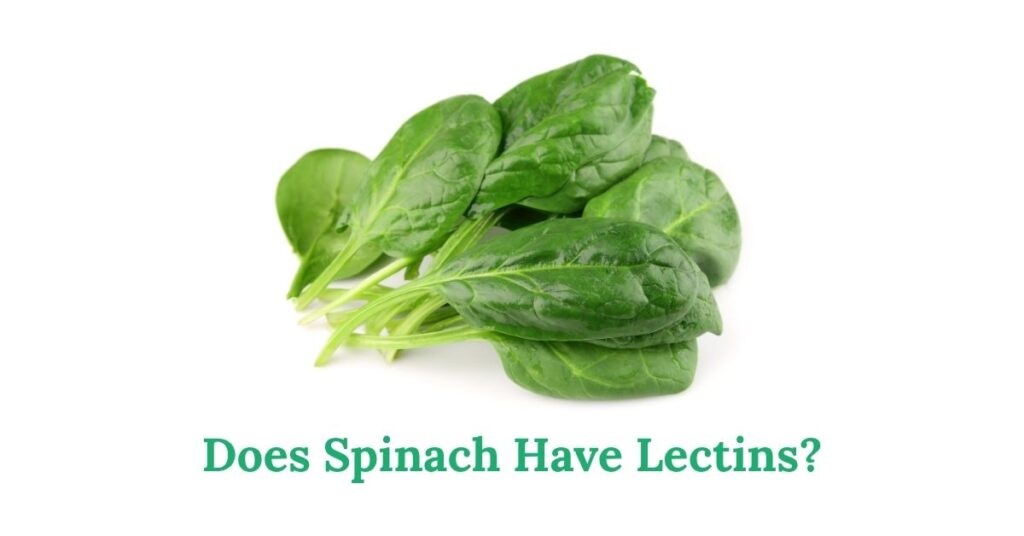
Yes, spinach contains lectins; cooking and rinsing lowers activity, and typical portions are safe in a balanced diet.
Lectin Level
Digestive Risk
Nutrition Payoff
Basic Salad
- Small bowls with baby leaves.
- Acidic dressing helps iron uptake.
- Mix with romaine for crunch.
Raw, light
Weeknight Sauté
- 2–3 minutes in olive oil.
- Finish with lemon and garlic.
- Drain off extra liquid.
Quick heat
Pressure-Cooked Greens
- Short cycle, stewy dishes.
- Fold into beans or lentils.
- Squeeze before serving.
Lowest lectins
Does Spinach Contain Lectins In Raw Vs Cooked Spinach?
Spinach does contain lectins. These are carbohydrate-binding proteins present in many plants. In spinach, the amount sits modestly next to heavy hitters like raw beans. Heat and water change the picture fast. Wet cooking breaks down lectin activity, and rinsing or draining moves some away with the cooking liquid.
Most people eat spinach cooked or lightly wilted. That means exposure to heat and moisture, which reduces active lectins. The same kitchen logic explains why beans need boiling while salads sit fine for many. Portion size and tolerance matter too. If raw leaves bring gassy days, shift part of your intake to sautéed or steamed plates and see if comfort improves.
Table: Spinach, Lectins, Prep, And What Changes
| Form | Prep | What Changes |
|---|---|---|
| Baby Raw | Cold rinse, spin dry | Lower lectin exposure at small portions; pair with acidic dressings for flavor and iron uptake. |
| Lightly Wilted | Pan, 1–3 min | Heat starts protein denaturation; texture softens; milder on the gut for many. |
| Boiled Or Blanched | In water, then drain | Wet heat deactivates most lectins; draining removes some water-soluble factors. |
| Pressure-Cooked | Short cycle | High temp with moisture drops activity fast; helpful for sensitive eaters. |
| Frozen | Thaw then heat | Often blanched before freezing; quick reheat keeps the benefit. |
Spinach brings far more than this lectin story. It supplies vitamin K for clotting and bone, beta-carotene for eye health, folate for cell growth, and natural nitrates linked with better vascular function. Fiber supports fullness and bowel rhythm. Set that against mild antinutrients like oxalate, which can tie up calcium. Balance wins; mix cooking styles through the week and pair spinach with dairy, citrus, or beans for meals that sing.
Fiber targets matter too, and many diets fall short. A handy rule is to aim for a daily range that matches your stage and appetite. Once you set your recommended fiber intake, working spinach into bowls, eggs, pastas, and smoothies gets easier without crowding the rest of the plate.
How Cooking Affects Lectins And Nutrition
Boiling, blanching, stewing, and pressure cooking hit lectins where they’re fragile: heat and water. Lectins sit on outer surfaces in many foods and wash into surrounding liquid. That’s why draining the pot liquor after boiling makes sense if you’re chasing lower exposure.
Public health sources point to these same mechanics. Harvard’s Nutrition Source notes that wet high-heat methods inactivate most lectins and that water contact helps remove them. That lines up with everyday cooking: soups, sautés finished with a splash, or quick braises fit the brief and still taste great.
Raw Spinach: Who Tolerates It Best
Plenty of people enjoy raw spinach with zero drama. Tender baby leaves carry a mild taste and pair well with acidic dressings. If your belly grumbles with big raw salads, keep servings modest, mix with crunchy lettuces, and switch part of the week to cooked sides. Small tweaks often settle things.
Cooked Spinach: Small Volume, Big Payoff
Heat shrinks spinach by a lot. A packed skillet of leaves can cook down to a few forkfuls. That opens room for more total greens without a mountain on the plate. You pick up soft texture, mellow flavor, and lower active lectins, all in minutes.
Spinach Lectins Compared To Other Foods
When people worry about lectins, the real trouble spot is raw or undercooked beans and certain grains. Spinach simply doesn’t live in that league. The leafy serving size is smaller, the texture invites quick heat, and water-based prep is the norm. That combination keeps active lectins down while preserving the nutrients that make spinach worth eating.
If you’re sorting your pantry by sensitivity, keep beans in the pressure-cooker column, whole grains in the rinse-and-boil column, and spinach in the quick-heat column. That gives your gut a break while keeping variety and flavor on the table.
Who May Want To Favor Cooked Spinach
Some folks do better with cooked greens most days. That includes anyone with a tender stomach after large raw salads, people easing back into fiber after a low-fiber spell, and those recovering from a bug where gentle foods feel better. Wilted spinach slides into eggs, wraps, dal, pasta, and grain bowls without fuss.
People on blood-thinning medication track vitamin K intake. Spinach is rich in K, so aim for steady patterns instead of big swings. Your clinician sets the plan; your kitchen delivers that steady rhythm with measured servings across the week.
Smart Shopping And Storage
Pick Fresh Leaves
Choose crisp leaves with deep color and no slimy spots. Baby spinach tastes mild and tender; mature leaves hold up in sautés and soups. Pre-washed packs save time, yet a quick rinse still helps with grit and surface compounds.
Store It Right
Keep spinach cold and dry. Tuck a paper towel in the bag or box to catch moisture. Use raw within a few days, or cook and chill for make-ahead sides. Blanch and freeze in small portions for easy add-ins.
Cooking Methods Ranked For Comfort
Boil Or Blanch
Drop spinach into salted boiling water for 30–60 seconds, then drain well. You’ll trade a bit of water-soluble stuff for softer texture and lower active lectins. Squeeze gently for dips, pies, or stuffed shells.
Quick Sauté
Film a pan with oil, add garlic, toss in the leaves, and finish with lemon. Two or three minutes does the job. The result feels silky and friendly on the stomach.
Pressure-Cooked In Soups Or Stews
Short cycles bring high heat with moisture. Fold spinach in at the end to keep color bright, or cook it through for a softer finish. Either way, the dish lands warm and easygoing.
Nutrition Snapshot Beyond Lectins
Per 100 grams of raw spinach, you get a strong dose of vitamin K, plenty of folate, and a nice bump of vitamin A precursors, along with magnesium, potassium, and fiber. The calorie load stays low, so volume eating comes naturally. For detailed numbers across baby and mature leaves, see USDA FoodData Central.
Table: Spinach Serving Ideas And What You Gain
| Serving | Why It Works | Pairing Tip |
|---|---|---|
| Egg Scramble | Heat softens texture and trims lectins while boosting veggie volume at breakfast. | Add tomatoes and a sprinkle of cheese. |
| Quick Sauté Side | Two minutes in a pan makes a dinner side that’s gentle on the gut for many. | Finish with lemon and garlic. |
| Blended Soup | Simmered leaves meet herbs and stock; smooth body with easy sipping. | Swirl in yogurt for creaminess. |
| Salad Base | Baby leaves add color, folate, and fiber in a light package. | Use citrus dressing for brightness. |
Evidence And Good-Sense Takeaways
Lectins show up in lots of plants, not just spinach. Active forms drop with soaking and cooking, and most people meet them in small amounts during normal meals. That aligns with guidance from major nutrition educators: cook foods that need it, use water contact when it helps, and enjoy the gains that come with a produce-rich plate.
Curious about nutrient specifics for spinach across brands and forms? The USDA database lists entries for baby and mature leaves with full macro and micronutrient data. It’s a handy reference for diet logs and meal planning.
Ready-To-Use Tips
- Craving raw? Keep portions modest and add an acidic dressing.
- Want gentler bowls? Blanch or sauté, then drain before plating.
- Building volume? Cook big piles; the pan will collapse them fast.
- Rotating greens keeps flavors fresh while smoothing tolerance.
Want a gentle boost for heart-friendly plates? Try more greens alongside beets, beans, and oily fish. If you’re dialing up leafy sides for blood pressure, this quick list helps: foods that lower blood pressure.