
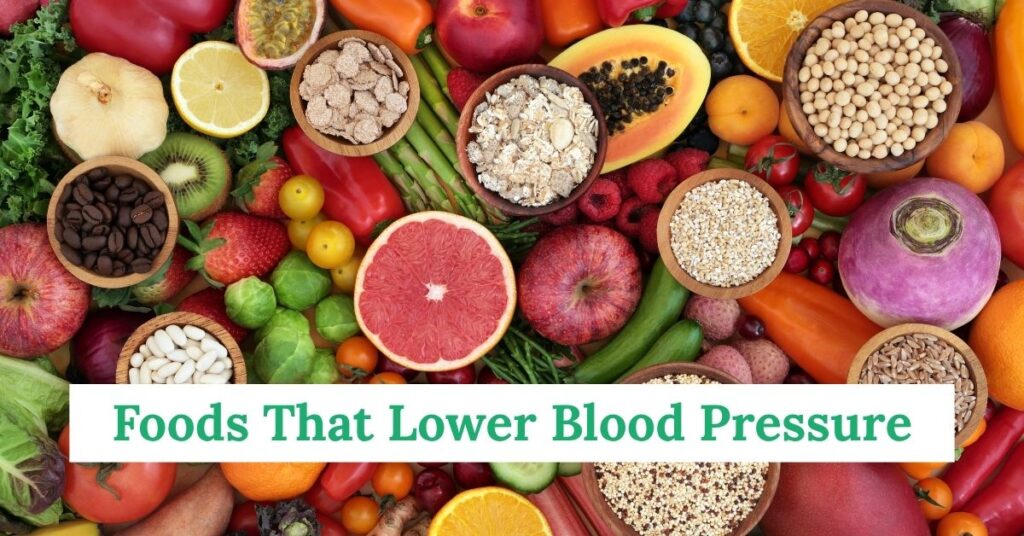
Foods that lower blood pressure include leafy greens, berries, beans, oats, nuts, low-fat dairy, and fish cooked with minimal salt.
Leafy Greens (1 cup)
Berries (1 cup)
Plain Yogurt (1 cup)
Salad Bowl Build
- Greens + beans + veggies
- Olive oil + lemon
- Herbs, no shaker
Lunch staple
Power Smoothie
- Berries + yogurt
- Handful of spinach
- Chia or flax
Fast breakfast
Hearty Dinner Plate
- Fish or tofu
- Big veg side
- Small potato or barley
Weeknight plan
Best Foods That Lower Blood Pressure For Daily Meals
You came for foods that lower blood pressure, so here’s a clear plan you can cook from tonight. Pick from the list below, build plates around plants, keep salt light, and track how you feel across a few weeks. Small swaps add up fast when you repeat them day after day.
| Food | Typical Serving | Why It Helps |
|---|---|---|
| Leafy Greens (spinach, arugula, kale) | 1–2 cups raw | Nitrate and potassium help vessels relax; minerals aid balance. |
| Beets & Beet Juice | 1 small beet or 1/2 cup juice | Dietary nitrate raises nitric oxide for smoother flow. |
| Berries (blueberries, strawberries) | 1 cup | Anthocyanins and other polyphenols aid vessel function. |
| Yogurt & Kefir (plain) | 3/4–1 cup | Calcium and peptides link with lower readings. |
| Oats & Barley | 1/2–3/4 cup cooked | Beta-glucan fiber helps with stiffness and weight. |
| Beans & Lentils | 1/2–1 cup cooked | Fiber, potassium, magnesium; steady energy. |
| Nuts & Seeds (unsalted) | 1 small handful | Healthy fats and magnesium; snack swap for chips. |
| Fatty Fish (salmon, sardines) | 3–4 oz | Omega-3s aid arteries and inflammation. |
| Garlic & Onions | 1–2 cloves or 1/2 cup | Sulfur compounds show mild lowering effects. |
| Citrus & Kiwi | 1 piece | Flavanones and vitamin C; light, hydrating pick. |
| Bananas & Potatoes | 1 banana or 1 small potato | Potassium helps counter sodium. |
| Dark Chocolate (70%+) | 1 square | Cocoa flavanols; keep portion small. |
Foods That Reduce Blood Pressure: How They Work
Most bp-friendly foods share a few traits: potassium to offset sodium, fiber for steady blood sugars, and compounds that help vessels relax. Think nitrate-rich greens and beets, polyphenol-packed berries and cocoa, and calcium-rich dairy like plain yogurt.
Potassium-Rich Choices
Bananas, potatoes, beans, yogurt, and leafy greens bring plenty of potassium. That mineral helps your kidneys manage fluid levels, which keeps pressure in a healthier range. Go light on packaged sauces so you don’t cancel the benefit with hidden salt.
Nitrate-Rich Vegetables
Arugula, spinach, lettuce, and beets deliver dietary nitrate. Your body turns nitrate into nitric oxide— a messenger that helps arteries widen just enough for smoother flow. Roast beets for salads or blend a small glass of beet juice before workouts.
Fermented And Low-Fat Dairy
Plain yogurt and kefir come with calcium and bioactive peptides. Choose low-fat or Greek styles when you want more protein per bite. Skip sugary flavors; sweeten with fruit and a pinch of cinnamon.
Whole Grains And Beans
Oats, barley, and lentils give beta-glucan and resistant starch. These fibers help with arterial stiffness and weight control, which makes a clear difference on the cuff. Rinse canned beans to shed extra sodium in seconds.
Nuts, Seeds, And Healthy Oils
Almonds, walnuts, pistachios, chia, and flax bring magnesium and unsaturated fats. They fit as snacks or toppers for salads and oats. Mind portions; two small handfuls a day is plenty for most people.
Herbs, Spices, And Tea
Garlic, onion, basil, rosemary, and cumin boost flavor so you can rely less on salt. Green and hibiscus tea are light options with handy plant compounds. Build habit by keeping a spice jar and a tea tin on the counter.
Salt, Sodium, And Smart Swaps
Restaurant plates and packaged meals hide the most sodium. Cook more at home, taste first, and use citrus, herbs, and pepper before you reach for the shaker. When a recipe calls for salt, start with half and add a little only if the dish needs it.
Aim for less than 2,300 mg sodium per day unless your clinician set a tighter target. Check labels, pick low-sodium or no-salt-added beans and broths, and drain brined foods. A steady cut of even 1,000 mg a day can move your numbers in the right direction.
DASH-Style Day You Can Repeat
The DASH eating pattern centers meals on fruits, vegetables, whole grains, beans, nuts, and low-fat dairy, with fish and lean meats in modest amounts. It keeps sodium low and pushes potassium, calcium, and magnesium higher— a combo linked with lower readings across many studies.
If you want a road map, start with the simple template below and rotate produce by season. For deeper menus and serving counts, see the NHLBI DASH guide.
| Meal | Example Plate | Sodium/Potassium |
|---|---|---|
| Breakfast | Oats with blueberries, walnuts; plain yogurt on the side | Low sodium / high potassium |
| Lunch | Big greens bowl with beans, tomatoes, cucumbers, olive oil + lemon | Low sodium / high potassium |
| Snack | Banana or kiwi; a few almonds | Minimal sodium / potassium rich |
| Dinner | Baked salmon, steamed veggies, small potato; herbs and lemon | Low sodium / balanced minerals |
Grocery List And Prep Shortcuts
Produce: spinach or arugula, beets, carrots, cucumbers, tomatoes, garlic, onions, lemons, bananas, berries, kiwi. Grains: oats, barley, brown rice, whole-grain bread. Protein: canned no-salt beans, plain yogurt, kefir, eggs, salmon or sardines, tofu or tempeh, unsalted nuts and seeds.
Prep steps that save time: roast a tray of beets and carrots, cook a pot of barley, rinse and portion beans, and wash greens. Keep olive oil, vinegar, and citrus within reach. When you need crunch, go for nuts or roasted chickpeas instead of chips.
Portions, Calories, And Weight Goals
Pressure usually improves when weight trends down a bit. Build meals with half the plate as produce, a palm of protein, and a fist of grains or potato. Yogurt, oats, and beans keep you full, which makes it easier to stick with the plan.
Watch the calorie-dense add-ins. Olive oil, nuts, seeds, and dark chocolate fit the plan, but they add up fast. Measure once or twice so your eye learns the right splash or handful.
Who Should Be Cautious
If you take warfarin, keep leafy greens consistent day to day to keep vitamin K steady; don’t swing from none to huge salads overnight. If you use ACE inhibitors or potassium-sparing meds, large amounts of high-potassium foods may not fit; check with your healthcare provider.
Grapefruit can interact with certain prescriptions. If lactose bothers you, pick lactose-free yogurt or probiotic drinks. When in doubt, bring a short food list to your next visit and ask for a quick look.
Common Mistakes That Slow Results
Relying on salty dressings and sauces. Skipping produce at breakfast. Buying flavored yogurt and thinking it’s plain. Undereating protein, which leaves you hungry and raiding the pantry later.
Pouring beet juice without tracking the rest of the day. Ignoring sleep, steps, and stress. Weighing yourself after a salty meal and assuming the plan failed. Stay patient and judge progress over weeks, not a day.