
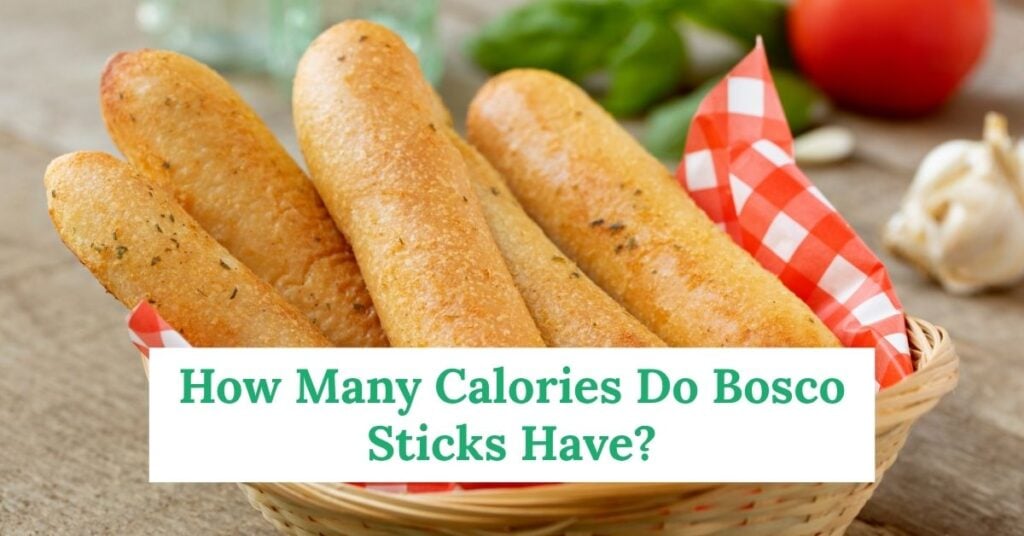
Bosco sticks land between about 150–330 calories per stick, depending on size, filling, and the brand’s labeled recipe.
Lower Calorie
Mid Calorie
Higher Calorie
Basic Cheese
- Part-skim mozzarella inside
- Light garlic-butter topping
- Small sleeve portion
Lower range
Whole Grain School
- 51% whole-grain crust
- Reduced-fat cheese blend
- Grab-and-go pack
Middle range
Pepperoni Or 7″
- Larger dough weight
- Extra fillings & sauce
- Often served with dip
Higher range
Bosco Stick Calorie Counts: Sizes And Fillings
There isn’t one fixed number because “Bosco sticks” span multiple SKUs in schools and foodservice. Labeled nutrition from the brand’s K-12 catalog shows small, reduced-fat whole-grain sticks around the mid-100s per piece, while larger 7″ originals or pepperoni-filled versions climb toward the 300 mark. Government-sourced nutrient records collated by MyFoodData for a 2.15-ounce whole-grain cheese stick list ~153 calories per stick, which fits the lower end of the spread.
Quick Comparison Table (Early Overview)
This table condenses common retail and school-spec servings pulled from manufacturer listings and nutrition databases.
| Style / Size | Calories (per stick) | Source |
|---|---|---|
| Whole-Grain Reduced-Fat, ~2.15 oz | ~150–160 | USDA-sourced listing |
| Mozzarella Cheese, ~3.0 oz | ~190–210 | GFS label summary |
| 7″ Original Cheese | ~300–330 | Brand entry |
Why The Numbers Vary
Two sticks that look similar can differ by 100+ calories. Dough weight, cheese type (part-skim vs. reduced-fat), oils brushed on the crust, and any add-ins like pepperoni all change the math. The school-menu formulations often use whole-grain flour and a reduced-fat mozzarella blend, which trims total fat per stick. By contrast, larger 7″ items or versions with pepperoni carry more dough and fillings, pushing both calories and sodium higher.
How To Confirm The Calories In Your Tray Or Box
When you’re eating at school, look for a posted spec sheet or ask nutrition services for the item code; many districts publish the exact product one-pager for each menu item. For packaged foodservice product pages, Tyson (the current owner of Bosco’s) lists each item’s code and a “Download Specification Sheet” link on the relevant product page, which typically includes the Nutrition Facts panel and serving weight. Cross-checking the code ensures you’re matching your stick to the right label.
Reading The Label Fast
- Serving Size: The number that anchors everything. School sticks often sit around 2.15–3.0 oz each.
- Calories: Note if the label shows “per stick” or “per 2 sticks.”
- Cheese: “LMPS” (low-moisture part-skim) signals the standard mozzarella used in many sticks.
- Topping Oils: Garlic-butter style toppings add calories and saturated fat.
Portion Planning For A Meal
One stick on the lower end pairs easily with a side salad and marinara. Two mid-size sticks plus sauce can cross 450–500 calories quickly. If you’re setting a daily plan, matching snacks to your daily calorie needs keeps the rest of the day balanced without guesswork.
Nutrition Details You’ll See On Common Stick Types
Here’s what turns up repeatedly on labels and spec sheets for popular variants. Exact values shift by SKU, but the patterns hold across school and retail offerings.
Whole-Grain, Reduced-Fat Cheese
This is the school-lunch staple. The crust uses a whole-grain/enriched flour blend, and the filling blends part-skim with reduced-fat mozzarella. Calories tend to land near the mid-100s per stick, with moderate protein and a sodium level that sits lower than pepperoni styles. You’ll often see these bundled in grab-and-go sleeves for easy service. Tyson’s K-12 listings document the ingredients and serving sizes for these items.
Standard Cheese, ~3 Ounces
Brands selling larger cheese-filled breadsticks commonly list numbers around 190–210 calories per stick. That bump reflects more dough and cheese. Expect a firmer chew and a slightly richer mouthfeel from the added fat and the garlic-butter style finishing oil.
Seven-Inch Originals And Pepperoni-Filled
With more dough and added pepperoni or pizza sauce, these versions sit at the top of the range. Database entries for a 7″ original show roughly the low-300s per stick. If a cup of marinara rides along, add another 35–60 calories depending on the brand and portion.
Ingredient Notes That Affect Calories
Cheese Type
Low-moisture part-skim mozzarella is the baseline in most sticks. The caloric density of part-skim mozzarella sits near ~80–90 calories per ounce in standard databases, and reduced-fat blends trim that slightly. That’s why school items can land lower even with similar dough weights.
Toppings And Brushed Oils
A light margarine or oil blend on the crust adds flavor and helps browning, but it also adds fat grams. A full teaspoon of an oil-based topping can nudge a stick up by ~40 calories. Some school spec sheets list these toppings explicitly on the ingredient line.
Whole-Grain Dough
Whole-grain crust doesn’t necessarily cut calories—it shifts the fiber profile. Many school items blend whole-grain and enriched flours to meet menu standards while keeping texture kid-friendly.
Estimating At Home Or In A Cafeteria Line
Match By Weight Or Length
If you don’t have the exact label, match by the closest weight or the 5″/7″ length. A small school sleeve stick (about 2.15 oz) sits near 150–160 calories, a ~3-ounce stick near 200, and a 7″ original around or a little above 300.
Account For Dips
Marinara is modest, queso or ranch can double the add-on. Keep a little mental table: marinara ~40 per ¼ cup, ranch ~120 per 2 Tbsp, cheese sauce ~80–100 per 2 Tbsp.
Bosco Stick Add-Ons And Sides (Calorie Adders)
Use this later-stage table to plan the tray or plate. Values are typical label numbers across common cafeteria and retail sauces.
| Add-On | Typical Calories | Portion |
|---|---|---|
| Marinara | ~35–60 | ¼ cup |
| Ranch Dressing | ~110–140 | 2 Tbsp |
| Cheese Sauce | ~80–100 | 2 Tbsp |
| Garlic Butter Brush | ~35–45 | ~1 tsp oil-based |
| Extra Parmesan Sprinkle | ~20–25 | 2 tsp |
Label-Backed Sources To Check
Manufacturer Pages
Tyson’s product listings for Bosco’s show item codes, pack sizes, and spec sheets for 7″ mozzarella sticks, pepperoni-filled versions, and multiple whole-grain school SKUs. Those PDF sheets include the Nutrition Facts panel and are the best match when you know the code or the exact length of the stick.
USDA-Sourced Databases
MyFoodData hosts pages for branded K-12 items that draw from USDA’s FoodData Central branded database. That’s where the 2.15-ounce whole-grain cheese stick sits near ~153 calories per stick. If you want to go straight to the government system, the USDA FoodData Central portal lets you search both generic and branded foods by name.
Make It Fit Your Day
If a stick is your snack, a small piece plus marinara keeps the tally modest. If it’s lunch, two mid-size sticks with a simple salad and water puts you in the 500–600 range. Anchoring everything to your plan works best when your baseline is set—your calories and weight guide can carry the rest of the choices without stress.
Source Notes
Where The Numbers Came From
Lower-end figures: USDA-sourced branded listing for a 2.15-oz whole-grain reduced-fat cheese stick shows ~153 calories per stick (one piece). Mid-range figures: labels for ~3-oz mozzarella breadsticks from foodservice suppliers cluster near ~190–210 per stick. Upper-range figures: entries for a 7″ original cheese stick hover around ~300–330 per stick. Manufacturer pages for Tyson’s Bosco items provide the item codes and spec links that cafeterias use, which helps you match your tray to the right label.