
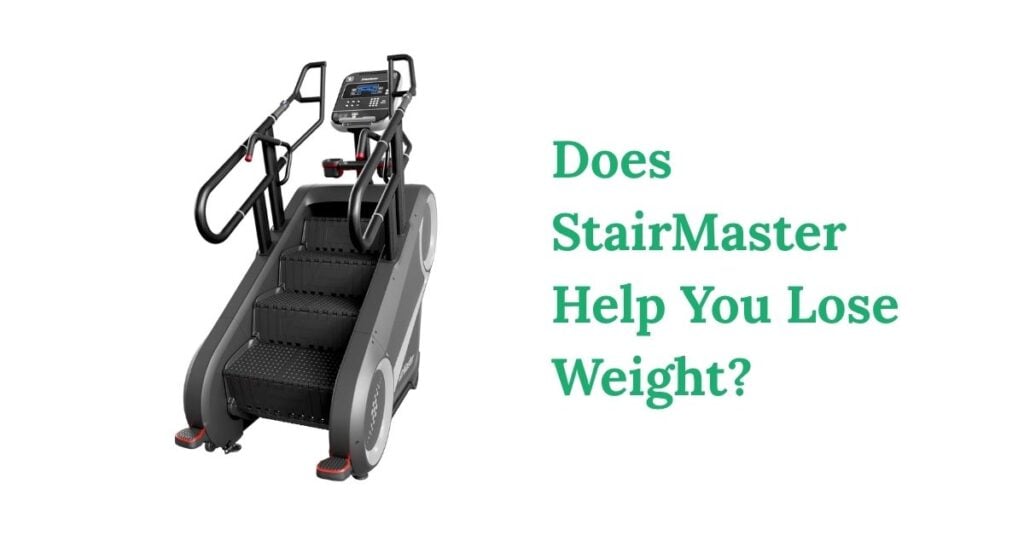
Yes, StairMaster workouts can help with weight loss when paired with a calorie deficit and consistent sessions at moderate to vigorous intensity.
Low Effort
Moderate Effort
Vigorous Effort
Basic Start
- 3×/week
- 20–25 minutes
- RPE 5–6 steady
Beginner
Better Fat Loss
- 4×/week
- 25–35 minutes
- 1:1 intervals
Intermediate
Best Burner
- 5×/week
- 30–45 minutes
- RPE 7–8 mix
Advanced
Why A StairMaster Can Help With Weight Loss
Weight loss comes from a sustained calorie deficit. You lose body fat when your daily intake stays below your daily burn over weeks, not hours. A StairMaster makes that math easier because it keeps your heart rate up while loading the big muscles in your legs and glutes. The work rate is high for the time invested, and the movement pattern is simple enough to repeat often.
Public health guidance explains that using calories through activity, paired with eating fewer calories, creates the deficit that lowers body weight. Aerobic minutes also help you keep the weight off.
How Many Calories Does The StairMaster Burn?
Calorie burn depends on your body weight and how hard you climb. Harvard Health’s chart reports the stair step machine at roughly 180, 216, and 252 calories for 30 minutes for 125, 155, and 185 pounds. Those are steady efforts at a typical gym pace, not all-out intervals.
| Body Weight | Moderate Pace | Vigorous Pace |
|---|---|---|
| 125 lb (57 kg) | ~180 kcal | ~220–260 kcal |
| 155 lb (70 kg) | ~216 kcal | ~260–320 kcal |
| 185 lb (84 kg) | ~252 kcal | ~300–380 kcal |
Those numbers come from measured energy cost tables and align with typical MET ranges for step work. Pace and step height swing the totals. Taller steps and faster cadence raise your oxygen demand and the burn.
Once you see the range, the decision is simple: stack a few reliable sessions each week and eat in a small energy deficit. A modest calorie deficit turns those climbs into steady weight change without crash tactics.
Does StairMaster Help You Lose Weight? Weekly Plan That Works
Yes—if you show up often and keep the effort in the right zone. Here’s a three-level plan that lines up with mainstream recommendations for weekly aerobic minutes and progressive overload. Pick the level that fits your base, then move up when it feels comfortable.
Level 1: Build A Habit (Weeks 1–2)
Frequency: 3 days weekly. Time: 20–25 minutes. Intensity: Rate of perceived exertion (RPE) 5–6; you can speak in short phrases. Warm up for 3–5 minutes at an easy level, then hold a steady pace. Finish with 2 minutes easy. The goal this phase is consistency without soreness.
Level 2: Add Structure (Weeks 3–6)
Frequency: 4 days weekly. Time: 25–35 minutes. Intensity: Intervals at 1:1 work:recover. After a 5-minute warm-up, climb 60–90 seconds at RPE 7, then 60–90 seconds easy at RPE 3–4. Repeat 8–10 rounds, cool down 3–5 minutes. This adds peaks without burning you out.
Level 3: Push For Results (Weeks 7–10)
Frequency: 5 days weekly. Time: 30–45 minutes. Intensity: Two interval days (1:1 or 2:1), two steady tempo days at RPE 6–7, and one easy flush day. Keep one rest day and one optional walk or mobility day.
How Often And How Hard Should You Climb?
For general health, the ACSM guidelines call for at least 150 minutes weekly of moderate aerobic work or 75 minutes of vigorous work, plus two days of strength training. A StairMaster can cover the aerobic minutes efficiently, and you can lift on separate days or after shorter climbs.
Intensity Check: Talk Test And RPE
Use simple cues to stay honest. At moderate effort, you can talk but not sing. At vigorous effort, only short sentences come out. That tracks with RPE 5–6 for moderate and 7–8 for vigorous. If you track heart rate, aim for 64–76% of HRmax for moderate and 77–93% for vigorous.
Step Height, Cadence, And Handles
Higher steps and quicker cadence raise intensity. Using the side rails for balance is fine, but avoid heavy leaning, which reduces the load on your legs and lowers true energy cost. Keep your chest up, core braced, and feet centered to avoid toe drag.
Hydrate before and during sessions; stretch after briefly.
Diet Moves That Make StairMaster Work Faster
Weight loss still comes down to energy balance. Build most meals around lean protein, produce, and slow-digesting carbs, and let the StairMaster handle the burn. Set protein at roughly 0.7–1.0 grams per pound of goal body weight, split across the day. Keep treats, sauces, and drinks within your budget.
You don’t have to count forever, but you do need awareness. Track a week to learn your baseline. Then trim 250–500 calories per day through smaller portions and swaps. That margin, paired with your stair sessions, moves the needle without white-knuckle hunger.
StairMaster Vs Other Cardio: Which Burns More?
Different machines can deliver similar totals if the effort matches. Here’s a quick side-by-side using 30 minutes at a steady gym pace for a 155-pound person; values align with the Harvard Health calorie table.
| Activity | Typical Effort | Est. Calories |
|---|---|---|
| Stair step machine | Steady climb | ~216 kcal |
| Elliptical trainer | General | ~324 kcal |
| Stationary cycling | Moderate | ~252 kcal |
Ellipticals often read higher because more muscle groups move in sync at a given pace. Cycling sits in the middle unless you push resistance. Pick the machine you’ll use often and keep the effort honest.
Form Tips That Boost Burn
Stand Tall
Stack your ribs over your hips and keep shoulder blades down. A tall torso lets your lungs fill and your legs do the work.
Drive Through The Whole Foot
Push from heel to big toe rather than tiptoeing. That engages glutes and quads and keeps your calves from doing all the work.
Use Short Handle Taps
Light fingertip taps help balance during intervals. If you’re hanging on hard, the level is too high for the goal of the day.
Sample Week That Combines Cardio And Strength
Four-Day Template
Mon: StairMaster 25–30 min at RPE 6–7. Tue: Full-body strength 35–45 min. Thu: Intervals 8×90 sec climbs with equal recoveries. Sat: Easy 30-minute climb or brisk walk. Sprinkle 5–10 minutes of core and mobility at the end of any session.
Progression Without Burnout
Move one variable at a time—either minutes, level, or interval count. Bump volume for two weeks, then hold steady for a week before the next bump. If sleep or soreness drifts the wrong way, drop back to the last comfortable load.
How To Set Your Calorie Target Around StairMaster Days
Pick a weekly loss pace first. A half-pound per week is a calm start—roughly a 250-calorie daily gap. One pound per week needs closer to 500. On climbing days, let the machine create part of that gap and keep meals steady; on rest days, hold the same intake so your weekly average stays even.
If you like tools, use a reputable body-weight planner to set calories and activity minutes. Treat its output as a starting point, then adjust 5–10% based on two to three weeks of scale data.
Small Tweaks That Multiply Results
Keep Strength Training In The Mix
Two full-body sessions per week protect muscle while the scale drops. Stick to squats or leg presses, hinges, pushes, pulls, and carries. Strong legs make climbing smoother and help you hold higher levels with less strain.
Walk More Outside The Gym
Non-exercise movement lifts daily burn. Add a 10-minute walk after meals, take stairs, and stand up for calls. These habits stack with StairMaster minutes without draining recovery.
Plateaus: Why They Happen And How To Break Them
Scale stalls are common once your body adapts. Your non-exercise movement can slide down as you get fitter, erasing some of the burn. Two fixes work well: add one extra session of 15–20 minutes at RPE 6, and trim 100–150 calories from low-value items such as sweets or late-night snacks. Recheck the trend line after 10–14 days.
Safety Notes
Start where you are. If you’re new to climbing or have joint pain, keep the step height lower and slow the cadence until your rhythm feels smooth. Hydrate, and make shoes with firm heel counters your default. Stop if you feel light-headed, chest pain, or sharp joint pain, and speak with a clinician before ramping up if you have a medical condition.
Proof Points From Research And Guidelines
Energy expenditure tables and MET listings show why climbing works so well. The Harvard Health chart lists stair step machines around 180–252 calories per 30 minutes across common body weights. The Compendium assigns high MET values to step classes and stair-style efforts, reflecting the large oxygen demand. Broad recommendations from exercise science groups line up with the weekly minutes used in the plans above.
Bottom Line And Next Steps
The StairMaster can absolutely help you lose weight when you use it consistently and pair it with smart eating. Build a routine you enjoy, aim for moderate to vigorous minutes most days, and keep your calorie target tight. Want a deeper primer on targets? Try our calories for weight loss guide.