
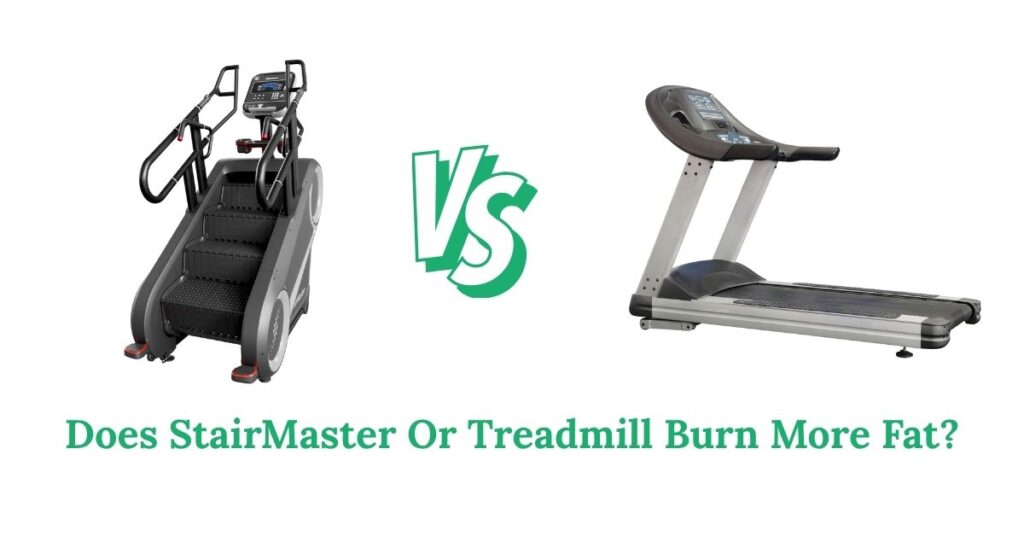
For most people, the treadmill or the StairMaster can burn more fat when the workout burns more total calories and fits a routine you’ll keep.
Joint Impact
Effort Needed
Calories/30 Min*
Steady Stair Climb
- Comfortable pace
- Hands off rails
- RPE 6–7 steady
Lower impact
Incline Walk
- 3–3.5 mph
- 5–10% grade
- RPE 6–7
All-day feel
Run Or Intervals
- Short bursts
- Flat or hills
- RPE 8–9
Max burn
StairMaster Versus Treadmill: What Decides Fat Burn?
Fat loss hinges on a calorie gap where you burn more than you take in. That principle holds whether you climb steps or rack up miles, and it’s backed by CDC energy balance guidance. So the real decider is the setup that lets you burn many calories per session and repeat it across weeks.
Both machines can deliver high burn. The StairMaster pushes vertical work, so even a modest pace can feel taxing. The treadmill gives you a wide dial, from easy walking to fast running. Your joints, preferred pace, and time window steer the choice as much as raw numbers.
Calorie Burn Ranges: Stair Climb And Treadmill Speeds
Researchers classify exercise intensity with METs, a unit that reflects energy cost. Common estimates show brisk walking near 3–4 METs, running from 6–10+ METs, and stair climbing commonly in the high range. Those values appear in the Compendium running list and the broader Adult Compendium. Multiply METs by body weight and time to see why pace and duration rule the day.
Quick Comparison Table (Estimates By Intensity)
The table below uses typical MET bands from public compendia to frame ranges by intensity. Your readings vary with stride, hand support on rails, and cardiorespiratory fitness.
| Mode | Typical Intensity | Calorie Range/30 Min* |
|---|---|---|
| Treadmill Walk | 3–4 METs (brisk) | 140–280 (70–85 kg) |
| StairMaster | 7–10 METs (steady to hard) | 330–600 (70–85 kg) |
| Treadmill Run | 8–10+ METs (moderate to fast) | 380–650 (70–85 kg) |
*Ranges scaled from METs with body weight and time. The machine with the higher sustained MET wins that session’s burn.
Snacks, meals, and movement outside the gym still decide the weekly outcome. Once you set your calorie deficit guide, the machine becomes your tool to hit the target with less stress.
Which Burns More Fat In Practice?
Match the device to your pace. If running feels natural, the treadmill can edge out the StairMaster because you can hold high speeds for longer. If joints prefer climbing, the StairMaster can beat a flat walk thanks to constant vertical work at a manageable cadence.
Grip matters. Leaning on the rails lowers effort. Keep light fingertip contact or go hands-free when safe. On a treadmill, avoid hanging on while using steep grades, since that cuts energy cost and skews the calorie readout.
Close Variation Keyword: Does A StairMaster Or Treadmill Burn More Fat For Weight Loss?
Both can drive fat loss when your weekly calorie gap stays steady. The pick that lets you repeat four to six sessions with minimal aches and fewer skipped days is the better fat burner over a month.
When To Favor The StairMaster
Time Efficiency In Short Sessions
Climbing ramps up effort fast. Ten to twenty minutes can feel like a full shift, which helps on packed days. Short bouts still add up across the week.
Lower Impact Than Running
Steps keep a constant load without the bounce of fast strides. Many lifters use it on leg days to keep knee and hip stress in check while staying active.
Natural Intervals
Step cadence lends itself to brief surges. One minute up, one minute steady, repeat. That pattern fits beginners and seasoned users alike.
When To Favor The Treadmill
Full Control Over Speed And Grade
Small bumps in speed or incline raise effort without shocking your system. You can fine-tune workload to a tight zone and ride it for long stretches.
Long, Steady Sessions
If you enjoy zoning in for forty minutes or more, walking or gentle running can rack up big totals with a relaxed rhythm and easy breathing.
Outdoor Carryover
Runners who train for events often prefer pace-based targets. The transfer from treadmill miles to outdoor miles feels direct and simple.
Evidence Corner: What The Numbers Say
Public references assign aerobic tasks to MET bands used in calorie estimates. Running entries span roughly 6–10+ METs by speed on the Compendium running page, while the Adult Compendium lists climbing and conditioning entries in the upper range frequently used for step machines. National guidance also stresses total weekly minutes and effort, which you can meet on either device following CDC activity guidance.
Plan Your Session: Workouts That Burn Fat Without Burnout
Ten-Minute Quick Hit
StairMaster: 1 min easy, 1 min moderate, repeat five rounds. Keep ribs stacked, light rail contact, and smooth steps. Finish with two minutes slow.
Treadmill: 2 min brisk walk, then 6 x 30 s fast walk or jog with 30 s easy. Cool down for two minutes. Breathe through the nose when you can to pace the surge.
Twenty-Minute Steady Burn
StairMaster: Find a pace that lands at RPE 6–7. Every five minutes, add a small bump for one minute, then settle back.
Treadmill: 3.2–3.6 mph at 5–8% grade or a gentle run you can hold. Hold a conversation in short phrases to keep a steady zone.
Forty-Minute Long Effort
StairMaster: 4 x 8 min steady with 2 min easy between sets. Shake arms loose, stand tall, and keep steps even.
Treadmill: 10 min brisk, 20 min steady, 10 min relaxed cool down. Add a slight incline for variety without spiking impact.
Form Tips That Raise Real Burn
StairMaster Technique
Keep hips over feet and press through the whole foot. Tap rails lightly if needed, but avoid draping your bodyweight. Set a cadence you can hold smooth for blocks of five minutes.
Treadmill Technique
Look ahead, not at your feet. Keep steps under your hips and let arms swing. If you use incline, shorten your stride slightly and stay tall to keep glutes engaged.
Reading The Console: What To Trust
Consoles estimate burn with generic formulas. They’re decent for tracking trends if you use the same machine and settings. Still, they often assume default weights and can drift when you lean on rails or step unevenly. Lift the intensity by one notch or extend the session by five minutes when the number stalls, and your weekly total will rise.
Recovery, Fuel, And The Weekly Picture
Sleep, protein, and daily steps set the stage for fat loss progress. Mix steady work with a couple of tougher sessions. Eat plenty of produce, lean protein, and slow-digesting carbs to stay full while trimming calories. The CDC’s page on cutting calories lays out practical swaps you can apply right away.
Table #2: Goal-Based Templates You Can Slot In
Pick one template and repeat it three to six times per week. Add two strength days to protect muscle while fat comes down.
| Goal | Session Plan | Weekly Target |
|---|---|---|
| Busy Schedule | 10–15 min StairMaster or incline walk at RPE 7 | 5–6 short bouts |
| Steady Fat Loss | 20–30 min steady; swap modes each day | 150–200 min total |
| Max Burn | Intervals: 1–3 min hard, 1–3 min easy, 20–30 min | 3–4 sessions |
Troubleshooting: Plateaus And Sore Spots
Calorie Burn Stalled
Add five minutes, bump speed or steps by a small notch, or add one extra day of light work. Rotate modes across the week to keep legs fresh.
Knees Or Hips Ache
Lower step rate or swap a climb day for an incline walk. Keep strides short and posture tall. If aches linger, book a form check with a qualified coach.
Breathing Feels Stuck
Use nasal breathing on steady days and a steady inhale-exhale rhythm on tougher sets. Keep rail grip light to give your torso room to expand.
Sample Week That Balances Burn And Recovery
Mon: StairMaster 20 min steady. Tue: Strength 30–40 min. Wed: Treadmill 25 min with gentle surges. Thu: Steps and mobility 30–45 min. Fri: Run or climb intervals 20–25 min. Sat: Strength 30–40 min. Sun: Easy walk 30–60 min.
Bottom Line: Which One Should You Choose?
Pick the option you’ll repeat without dread, then raise either the pace or the minutes over time. On days when joints feel touchy, climb steady or walk on a gentle grade. On days when legs feel springy, run or push short surges. Fat loss follows the weekly calorie sum and a plan you can live with.
Want a deeper refresher on daily calorie targets? Try our daily calorie needs guide.