
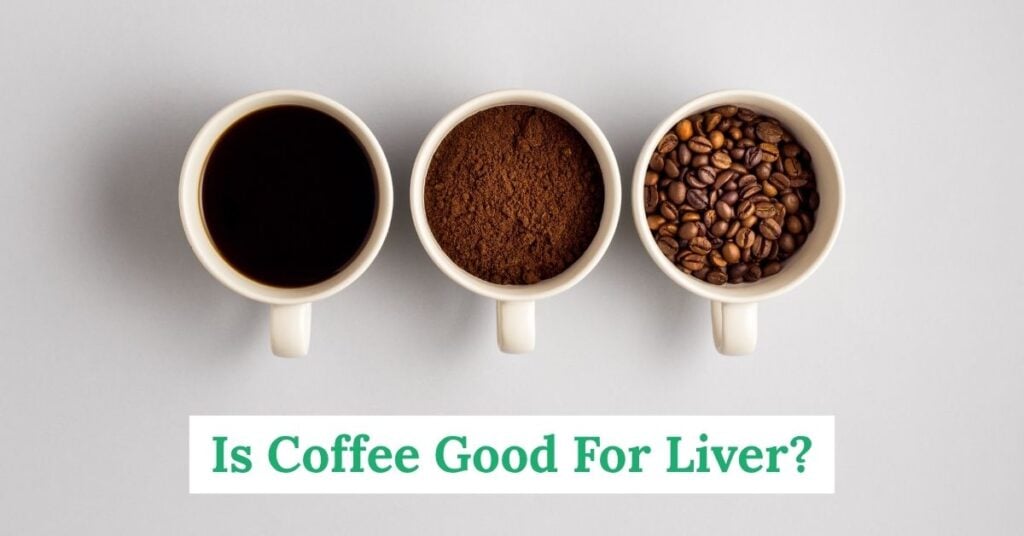
Yes, moderate coffee intake is linked to lower risks of liver disease and liver cancer, most consistently at about 2–4 cups per day.
Light Intake
Moderate Intake
Higher Intake
Filtered Routine
- Paper filter (drip/pour-over)
- Keep sugar minimal
- Aim 2–3 cups/day
Day-to-day
Half-Caf Or Decaf
- Mix regular + decaf
- Helps sleep and jitters
- Evidence includes decaf
Gentle
Occasional Unfiltered
- French press or Turkish
- Limit to treats
- Check LDL yearly
Treat
Is Coffee Good For Liver Health? Daily Cup Ranges
Across large cohorts and guideline reviews, coffee drinkers tend to post better liver outcomes. Signals show up for friendlier enzyme profiles, slower fibrosis, fewer cirrhosis diagnoses, and lower hepatocellular carcinoma rates. Both regular and decaf fit that pattern, which points to compounds beyond caffeine.
Most human data come from observational research. Coffee looks helpful, yet no cup is a stand-alone therapy. In clinics, it sits beside the basics: steady weight, minimal alcohol, vaccines where eligible, and tight control of diabetes or viral hepatitis.
What The Strongest Evidence Says
Lower Risk Across Multiple Outcomes
Meta-analyses and society guidance repeatedly show an inverse link between coffee and liver disease. Three or more cups per day tracks with fewer cases of advanced fibrosis and cirrhosis and fewer primary liver cancers. In people already living with chronic disease, higher intake also pairs with lower liver-related deaths.
Decaf Counts Too
Several cohorts report similar enzyme and outcome patterns with decaffeinated coffee. That points to chlorogenic acids and other polyphenols as likely drivers. Caffeine may add a nudge, but it is not the only actor.
Brewing Method Matters
Unfiltered styles carry more diterpenes such as cafestol and kahweol. Those compounds can push LDL higher. Paper-filtered drip removes most of them. If LDL runs high, use filters for daily cups and save press or Turkish coffee for rare moments.
Quick Evidence Map
The table below pulls common outcomes seen in reviews and large cohorts. It is a reading aid, not a diagnosis tool.
| Outcome | What Many Studies Show | Typical Intake Window |
|---|---|---|
| ALT/AST & GGT | Lower odds of abnormal enzymes in drinkers | 2–4 cups/day |
| Fibrosis & Cirrhosis | Slower fibrosis; fewer cirrhosis cases | ≈3+ cups/day |
| Hepatocellular Carcinoma | Inverse association across cohorts | 2–4 cups/day |
| Chronic Liver Disease Mortality | Lower liver-related death | ≈2–4 cups/day |
| NAFLD/MASLD | Lower prevalence and progression in several analyses | ≈3+ cups/day |
| Viral Hepatitis | Signals for slower disease in some data | ≈2–3 cups/day |
Two mid-article reads worth a click: the AASLD practice guidance summarizes lifestyle levers and mentions coffee, and the IARC evaluation removed coffee from cancer hazard lists and noted reduced liver cancer risk.
How Coffee Might Help The Liver
Less Inflammation And Oxidative Stress
Coffee beans carry chlorogenic acids and other polyphenols that act as antioxidants. In lab models, these compounds temper oxidative stress and curb inflammatory signaling in the liver. Human data lean on outcomes and enzymes, yet the biology fits the pattern.
Better Metabolic Profile
Regular intake tracks with slightly better insulin sensitivity in some cohorts. That matters because insulin resistance drives fat buildup in the liver. The link is not a cure, but it nudges risk in a favorable direction.
Bile And Enzyme Modulation
Diterpenes and other coffee compounds interact with liver enzymes and bile acid pathways. Filtered brews lower the diterpene load reaching your cup while preserving polyphenols that likely assist the benefit.
How Much Coffee Is Reasonable?
Across studies, 2–4 cups per day shows the clearest signal for liver outcomes. Health agencies set separate limits for caffeine tolerance. The FDA places a daily cap near 400 mg caffeine for most adults. During pregnancy, major groups cap caffeine at about 200 mg per day. People vary in sensitivity, so adjust to sleep, palpitations, reflux, and anxiety.
Practical Serving Math
An 8–12 oz brewed cup delivers roughly 70–200 mg caffeine depending on beans and method. Instant skews lower; café drinks can run higher. Decaf still contains a small dose.
Brewing Choices That Fit Liver Goals
Use A Paper Filter
Paper traps most cafestol and kahweol. Drip, pour-over, and many home brewers do the job. If you enjoy French press, moka pot, or Turkish coffee, keep it occasional, especially if LDL runs high or you live with heart disease risk.
Mind The Add-Ins
Large syrups and heavy cream turn a mild habit into a sugar-fat bomb. Keep add-ins small, use milk or unsweetened options, or take it black. That choice keeps the liver-linked upsides from being swamped by extra calories.
Watch The Clock
Set a mid-afternoon cutoff if sleep takes a hit. Good sleep pairs well with liver health and weight control.
Who Should Be Careful
Pregnancy
Stay near 200 mg caffeine per day. That lands close to one tall café coffee or a couple of smaller home brews. Decaf helps when you want the ritual without the kick.
Reflux, Anxiety, Or Arrhythmia
Coffee can irritate reflux and may spark jitters or palpitations. Lower the dose, switch to half-caf or decaf, and favor filtered methods. If symptoms linger, cut back further.
High Cholesterol
Unfiltered coffee can raise LDL in a dose-responsive way. If your lipid panel runs high, lean on filters and keep the cup count modest.
Second Table: Brewing Methods And Lipid Impact
| Method | Diterpene Exposure | Everyday Tip |
|---|---|---|
| Paper-Filtered Drip/Pour-Over | Lowest | Make this the default |
| Espresso | Mid | Small shots; track total cups |
| French Press/Boiled/Turkish | High | Use sparingly if LDL is high |
Putting It All Together
For most adults, a filtered 2–4 cup daily routine matches both the evidence and common caffeine limits. Decaf and half-caf extend the habit when sleep or jitters get in the way. Pair the mug with steady weight, regular movement, limited alcohol, and vaccines. That package protects the liver over time.