
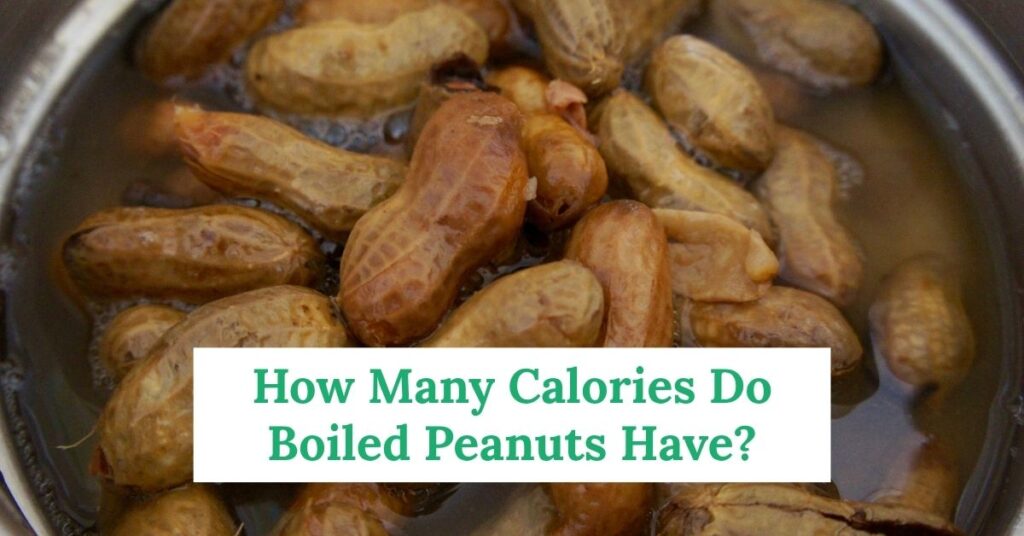
Boiled peanuts deliver about 200 calories per 1 cup in-shell edible yield; shelled portions are denser.
Calories / oz
Protein / cup
Sodium / cup
No-Salt Batch
- Plain water simmer
- Spice heavy, no brine
- Drain and dry well
Low sodium
Standard Brine
- 1–1.5 Tbsp salt/L
- Steady simmer 60–90 min
- Rinse briefly
Balanced
Cajun Style
- Spice mix + aromatics
- Higher salt load
- Serve hot
Spicy
Boiled Peanut Calories Per Serving: Handy Guide
Most folks eat this snack straight from the shell, which means the edible portion is smaller than the volume in your cup or bag. That’s why the calorie number swings based on how you measure. Here’s a clear spread using common sizes.
| Serving | Approx Calories | Notes |
|---|---|---|
| 1 cup, in shell (edible yield) | ~200 kcal | About 63 g edible; salted liquid can add sodium. |
| 33 nuts (about 1 oz shelled) | ~89–90 kcal | Handy pocket portion. |
| 1 oz, shelled kernels | ~90 kcal | Good for recipe add-ins. |
| 100 g, edible portion | ~318 kcal | Gram-based for food scale users. |
| 1 cup, shelled kernels | ~570 kcal | Packed kernels; more energy per cup. |
Portion size comes first, then the cooking liquid. If you’re tracking intake against your daily calorie needs, weigh shelled kernels when you can. Cups work, but gram weights keep things consistent from batch to batch.
Why Numbers Change Between Batches
Two pots rarely match perfectly. Kernel size, soak time, and brine strength shift both calories per cup and the sodium line on your label. The core macros—fat, protein, and carbs—stay within a familiar range, but volume measures move with water content and how tightly those kernels pack into a cup.
Serving Style: In Shell Vs. Shelled
In-shell servings look generous, yet you’re buying space around the kernels. A packed cup of shelled nuts fits many more kernels, which is why that measure lands higher on the calorie chart. Same food, different density.
Brine Strength And Sodium
Salted simmering liquid seasons the kernels and raises the sodium number. A typical cup in-shell lands near 470 mg of sodium on USDA-derived profiles, while a no-salt pot drops that line dramatically. If you’re watching salt intake, go lighter on the brine, drain well, and taste before adding extra at the table.
Flavor Add-Ins
Bay leaves, garlic, cayenne, or Cajun mixes don’t move calories much, but oil-based toppings will. If you toss kernels with butter after cooking, the calorie count climbs fast. Stick to spices for big flavor without extra energy.
Macros In Cooked Peanuts
Measured by a cup of edible in-shell yield, you’re looking at roughly 8–9 g protein, 14 g fat, and 13 g carbs, including about 5–6 g fiber. That balance explains why this snack feels satisfying: decent protein, plenty of mono- and polyunsaturated fat, and a helpful fiber boost.
Protein That Satisfies
Eight or nine grams won’t replace a full meal, but it takes the edge off. Pair a small portion with fruit or cut-up veggies when you want staying power without raiding the pantry again in an hour.
Carbs And Fiber
The carb count sits in a moderate lane, and the fiber helps slow things down. That steady release pairs well with a walk or light activity window.
Fats You Expect From Peanuts
Mono- and polyunsaturated fats make up most of the total. Saturated fat is present, yet lower than many indulgent snacks. Season at the pot, not with oily toppings, if you want to keep the profile tidy.
Boiled Vs. Other Peanut Styles
Wondering how this classic stacks up next to dry-roasted nuts or a spoon of peanut butter? Here’s a quick comparison so you can pick the right fit for your day.
| Peanut Style | Per 1 oz edible | Notes |
|---|---|---|
| Boiled, salted | ~90 kcal | Softer bite; brine drives sodium. |
| Dry-roasted, salted | ~160–170 kcal | Lower water; tighter energy per ounce. |
| Peanut butter (2 Tbsp) | ~190 kcal | Easy to over-scoop; watch portion. |
Portion Tips That Work In Real Life
Pick A Default Serving
Choose either one small handful of shelled kernels (about 1 oz) or a cup in-shell edible yield. Make that your go-to unless you’re building a meal.
Salt Awareness Without Losing Flavor
Use a lighter brine and finish with spices. Citrus zest, smoked paprika, or a Cajun blend land plenty of flavor. If you’re curious about public guidance on daily salt limits, the FDA pegs the sodium Daily Value at 2,300 mg for adults—helpful context when you plan the rest of the day.
Smart Pairings
Add crisp produce or a simple protein on the side—think apple slices or a small tub of Greek yogurt. The combo gives texture and helps you feel done.
How To Make A Lighter Pot
Dial The Brine Back
Start with half the usual salt per liter of water and taste late in the simmer. You can always add a little near the end. Spices do the heavy lifting without pushing sodium up.
Drain And Pat Dry
Let shells rest in a colander, then pat kernels dry if you’re serving them out of the shell. You’ll shed extra brine and surface salt.
Batch, Then Freeze
Cook once for the week. Portion cooled kernels into freezer bags, press out air, and freeze flat. Reheat from thawed in a splash of water on the stove or in the microwave until warm.
Shopping, Storage, And Safety
Buying Fresh Raw Peanuts
Look for firm shells without cracks or mold. If you shop frozen green peanuts, keep them cold on the ride home and cook soon after.
Fridge Time
Cooked kernels keep 3–4 days in a sealed container in the refrigerator. For longer storage, freeze portions for up to three months.
Reheating Without Sogginess
Warm gently with a splash of water to re-plump. Skip extra oil unless you’ve planned for the added calories.
Make The Numbers Work For Your Goals
If you enjoy this snack a few times a week, treat it like any other energy-dense food: measure, plate it, and move on. Folks tracking blood pressure may also want a salt cap for the day; if you’d like a quick refresher on salt targets, take a peek at the daily sodium intake limit.