
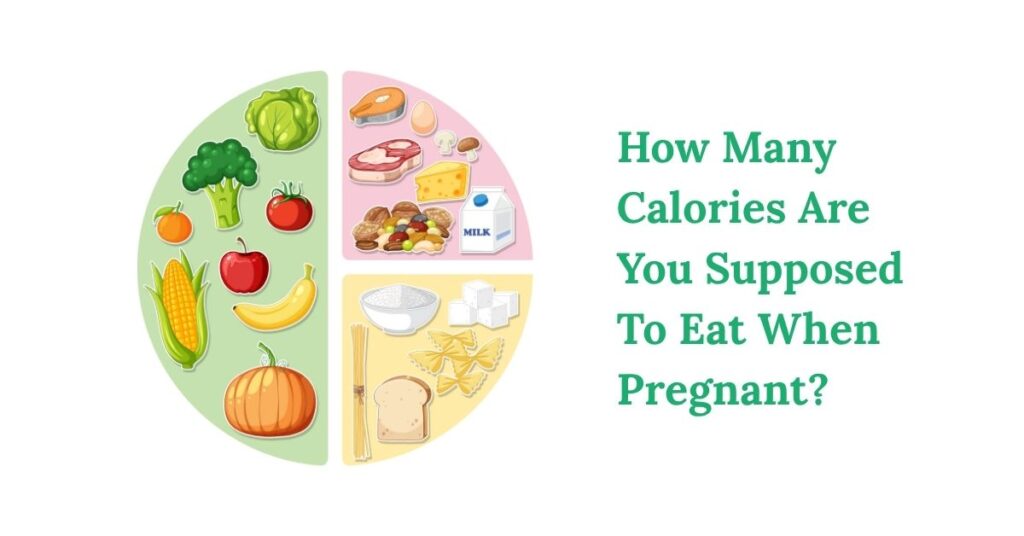
Most healthy pregnancies add ~340 calories in the second trimester and ~450 calories in the third; the first trimester usually needs none.
First Trimester
Second Trimester
Third Trimester
Light Days
- Mini meals every 3 hours
- Yogurt + fruit, eggs + toast
- Broth soups if queasy
Gentle intake
Typical Days
- Three meals, two snacks
- Whole grains + lean protein
- Colorful veg at lunch
Balanced plate
Active Days
- Post-walk carb + protein
- Trail mix or milk smoothie
- Extra fluids and salt
Fuel & hydrate
How Many Calories Are You Supposed To Eat When Pregnant: What Changes And When
Pregnancy doesn’t double calorie needs. It shifts them in stages. Early on, most bodies don’t need extra energy. Growth ramps up in the second and third trimesters, so intake rises in two sensible steps: about 340 extra calories in the middle stretch and about 450 extra calories near the end. These figures match widely used clinical guidance and work well for a singleton pregnancy.
Those add-ons sit on top of your personal baseline. Baseline depends on height, weight, age, and activity. Some people will land well under 2,000 calories for maintenance; others sit above that mark. The best way to use trimester targets is to layer them over what already keeps your weight stable before pregnancy or over what your clinician suggests in early visits.
Trimester Targets At A Glance
Here’s a compact table you can use to plan meals and snacks. It assumes your baseline is already set. Add the stage-specific bump to get your daily total.
| Stage | Extra Calories | Typical Daily Total* |
|---|---|---|
| First trimester (0–12 weeks) | +0 kcal | Baseline only |
| Second trimester (13–26 weeks) | +340 kcal | Baseline + 340 |
| Third trimester (27–40 weeks) | +450 kcal | Baseline + 450 |
*Example: if your maintenance sits near 1,900 calories, your rough targets become ~1,900 in the first trimester, ~2,240 in the second, and ~2,350 in the third.
How To Turn Targets Into Plates
Calories help with planning, but food quality carries the day. Keep protein steady across meals, swing carbs toward whole grains, fruit, and potatoes, and choose fats from olive oil, nuts, seeds, and dairy. A simple pattern works: a lean protein, a fiber-rich carb, a colorful veg, and a spoon of healthy fat. That structure delivers steady energy and micronutrients without chasing numbers all day.
Snacks can pull most of the add-on weight. Think plain yogurt with berries and oats, a tuna sandwich on whole wheat, peanut butter and banana toast, paneer and roti, hummus with pita and cucumbers, milk smoothies, or a cheese-and-crackers plate with an apple. Once you set your daily calorie needs, slide in one or two of these options to hit your trimester bump without stress.
Why The Numbers Change During Pregnancy
Energy use rises as the placenta grows, blood volume expands, and the fetus gains weight. Resting metabolism ticks up across weeks, and movement may feel different as the belly grows. The stepwise plan works because most growth in tissue and fetal mass happens after week 12. Many people also find nausea and food aversions calm down mid-pregnancy, making it easier to meet targets.
Clinical groups lay out the same ballpark figures. You’ll see the +340 and +450 pattern referenced by national health agencies and obstetric groups, and those numbers tie back to the energy cost of building new tissue. If appetite leads you a touch over or under on a given day, that’s common. Aim for the average across the week and check weight trends with your provider.
Weight Gain Ranges Guide Intake
Calorie targets connect to weight trends. Providers track gain against your prepregnancy BMI category to keep things on course. Staying inside the range lowers chances of complications like very high blood pressure or uncontrolled blood sugar. Here’s a quick guide to the typical ranges used in prenatal care.
| Prepregnancy BMI | Recommended Gain | Typical Weekly Gain (2nd–3rd) |
|---|---|---|
| Underweight (<18.5) | 28–40 lb (13–18 kg) | ~1 lb/week (~0.45 kg) |
| Healthy (18.5–24.9) | 25–35 lb (11–16 kg) | ~1 lb/week (~0.45 kg) |
| Overweight (25.0–29.9) | 15–25 lb (7–11 kg) | ~0.5–0.7 lb/week |
| Obesity (≥30.0) | 11–20 lb (5–9 kg) | ~0.4–0.6 lb/week |
These ranges are widely used in prenatal visits and trace back to research on outcomes. If your measurements sit outside a range early, your clinician may adjust targets or timing of increases so your curve tracks the band that fits you.
How To Personalize Your Pregnancy Calories
Start with your baseline. If you tracked intake before conceiving, use that maintenance level as the anchor. If you didn’t, a practical approach is to watch weight change and hunger across the first 6–8 weeks. If weight climbs quickly before week 12, trim extras. If weight drifts down and you feel dragged, fold in a small snack. Then layer in the +340 and +450 steps at the trimester marks.
Match Activity And Appetite
Daily movement changes energy burn, but you don’t need to micromanage. On a day with a long errand walk, add a glass of milk and a handful of nuts. On a day you’re resting more, swap a dense pastry for fruit and yogurt. The weekly average matters more than a single peak or dip.
Use Protein As A Steadying Rail
Most people do well with protein in the 70–100 gram range during pregnancy, split across meals and snacks. That steadies blood sugar and supports fetal growth. Pick simple anchors: eggs, fish, beans, lentils, tofu, paneer, chicken, beef, and dairy. If meat smells off to you, lean on legumes, soy foods, milk, and cheese.
Micronutrients That Matter
Folic acid from supplements and folate-rich foods supports early neural development. Iron needs rise, and low intake can drain energy. Calcium, iodine, vitamin D, choline, and omega-3 fats round out the list. You can meet most of these with varied meals; your provider may still suggest a prenatal vitamin to fill gaps.
Trusted Guidance You Can Use Today
When you want a clinical source on energy and weight trends, two pages are especially handy. The obstetrics society page on nutrition spells out the +340 and +450 steps and gives food ideas, while the national public health page outlines weight gain ranges and explains the no-extra-calories first trimester message. Here are the anchor phrases to scan inside those pages: “calories during pregnancy” and “weight gain recommendations.” You’ll find them under ACOG nutrition guidance and CDC pregnancy weight gain. These aren’t meal plans; they’re the rules of thumb your provider will likely use in clinic.
Sample Day Menus That Hit The Calorie Bump
Below are simple menus sized for the second and third trimester add-ons. They’re built from pantry foods, cook fast, and swap easily if a food aversion shows up. Mix and match items to match your tastes and cultural staples.
Second Trimester: Add ~340 Calories
Pick two items from this list to land near the target: a tuna sandwich on whole wheat; a cup of full-fat yogurt with berries and muesli; two eggs with toast and sautéed spinach; a milk, banana, and peanut butter smoothie; hummus with warm pita and olives; cottage cheese with pineapple and crackers.
Third Trimester: Add ~450 Calories
Split the bump into two snacks to ease reflux: mid-morning yogurt parfait and late-afternoon grilled cheese with tomato soup; or dal with basmati rice at lunch plus a cheese-fruit plate at 4 p.m. Keep water near you and sip between bites to handle the tighter belly space.
Menu Building Blocks Table
This table gives you quick swap ideas. Pair one option from the protein column and one from the carb column, then add a produce pick. You’ll land near your add-on without heavy math.
| Protein Choice | Carb Choice | Produce Add-On |
|---|---|---|
| Eggs, paneer, tofu, chicken, tuna, beans | Whole-grain bread, tortillas, rice, pasta, oats | Leafy greens, tomatoes, cucumbers, peppers |
| Greek yogurt, milk, cheese, lentils | Crackers, potatoes, quinoa, couscous | Berries, bananas, apples, citrus |
| Nut butter, seeds, hummus | Pita, roti, naan, corn cakes | Carrots, broccoli, zucchini, avocado |
Answers To The Most Common “What If” Scenarios
What If I’m Nauseous And Barely Eating?
Small, cold, bland foods often go down better: smoothies, yogurt cups, cheese sandwiches, salty crackers, broth soups, or fruit bowls. Keep fluids steady and ask about a vitamin B6-based remedy if queasiness lingers. Many people “catch up” on calories as the second trimester starts.
What If I Was Overweight Or Had Obesity Before Pregnancy?
Your provider may set a narrower weight gain range and emphasize quality over quantity. The trimester add-ons still apply for many, but the baseline may be lower than a standard 2,000-calorie target. The aim is steady gains inside the range, good energy, and clear labs.
What If I’m Carrying Twins?
Energy needs run higher with multiples, and the weekly gain band widens. This is individualized care. Ask early about targets and meal structure so you have a plan that fits both appetite and clinic goals.
Practical Shopping And Cooking Tips
Keep Easy Protein On Hand
Stock eggs, milk, Greek yogurt, cottage cheese, canned fish, paneer, tofu, and beans. With these nearby, you can make a fast snack that actually moves the needle on both protein and calories.
Cook Once, Eat Twice
Batch a pot of bean chili, a tray of roasted potatoes, or a pan of baked chicken. Reheat portions with a quick salad or frozen veg. Add olive oil or butter to land closer to your trimester bump.
Season For Comfort
Acidic, spicy, or very greasy foods can spark reflux late in pregnancy. Go mild when needed, and spread the add-on across two snacks instead of one dense meal.
When To Call Your Provider
Reach out if you can’t keep fluids down, if weight drops week after week, or if swelling and headaches appear with rapid weight gain. Quick guidance now keeps trends on track and helps you feel better day to day.
Bottom Line For Pregnancy Calories
Use a simple plan that respects your baseline: no extra calories in the first trimester, about 340 extra in the second, and about 450 extra in the third. Spread energy across protein-anchored meals and two smart snacks. Track weight trends against your range band and adjust with your care team. If you want a friendly refresher on hydration targets as appetite shifts, you might like our quick piece on how much water per day.