
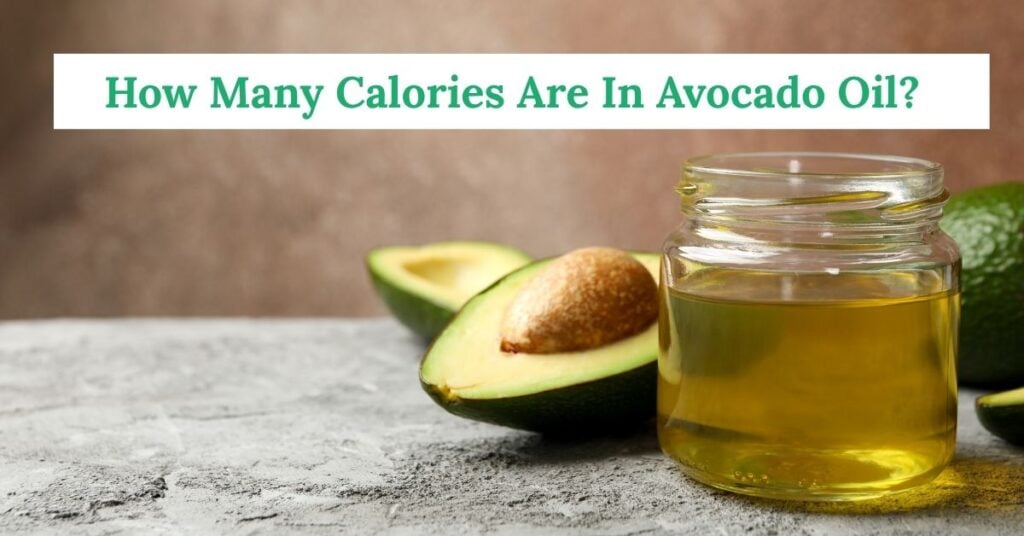
One tablespoon of avocado oil has about 124 calories; teaspoons, grams, and sprays change the count.
Per Teaspoon
Per Tablespoon
Per 100 g
Basic Use
- Measure by teaspoon
- Drizzle on salads
- Finish cooked veg
Light touch
Better Control
- Brush the pan
- Weigh 10–14 g
- Use a mister
Calorie aware
High-Heat Work
- Pick refined
- Sear or stir-fry
- Skip deep vats
Clean sizzle
Avocado Oil Calories: What One Spoonful Delivers
Pure avocado oil is 100% fat. Fat gives 9 calories per gram, so portion size drives the total. A level tablespoon weighs about 14 grams and lands near 124 calories; a teaspoon weighs about 5 grams and lands near 40 calories. Bottles round numbers for labels, which is why you’ll often see 120 instead of 124.
| Measure | Approximate Weight | Calories |
|---|---|---|
| 1 teaspoon | 5 g | 40 kcal |
| 1 tablespoon | 14 g | 124 kcal |
| 1 tablespoon (rounded label) | 14 g | 120 kcal |
| 1 ounce | 28 g | 252 kcal |
| 2 tablespoons | 28 g | 248–252 kcal |
| 100 grams | 100 g | 884 kcal |
Those numbers make planning easier once you’ve set your daily calorie needs. A splash in the pan adds up fast; the same goes for dressings and dips. Measure the pour, and the math stays friendly.
Calories In Avocado Oil: Per Spoon, Per Gram
Labels often print 120 per tablespoon. That’s a rounded figure from the 9-calories-per-gram rule. When you weigh 14 grams, the math reaches 126, and data sets often list 124 for avocado oil based on sampling. Your bottle may land on any of those and still be correct.
Refined Vs. Unrefined: Calories Don’t Change
Refined and unrefined avocado oil share the same calories per gram. The difference sits in flavor, color, and heat handling. Refined oil tastes neutral and tolerates higher burner settings, which suits searing and frying. Unrefined oil carries a grassy note and shines in cold uses or gentle heat.
Why Avocado Oil Is Popular For High Heat
Pan work sends cooks to avocado oil because refined versions handle high temperatures. A high smoke point keeps aromas clean and reduces burning during searing or shallow frying. Virgin versions sit lower, so use them for dressings, finishing, or low-to-medium heat.
How To Read The Label For Accurate Calories
Check serving size first. Most bottles list 1 tablespoon, which equals 14 grams. Calories per serving reflect the calories per gram rule for fats. Brands can round totals, so 120 and 130 can both appear across products that pour the same amount. The fastest way to stay accurate is to weigh the oil when the recipe needs precise tracking.
Health Context: What Those Calories Bring Along
Avocado oil is rich in monounsaturated fat. That profile supports a heart-friendly pattern when it replaces sources rich in saturated fat. Extra perks include vitamin E and plant pigments in unrefined bottles, which lend the deep green color.
Serving Ideas That Respect The Calorie Budget
Use teaspoons for salads and grain bowls. For pan work, heat the empty skillet, add a measured tablespoon, then add food. After cooking, blot with a paper towel to reduce the oil that clings to the surface. These small moves hold flavor while keeping calories under control.
Quick Conversions For Cooking And Tracking
One teaspoon is roughly 5 grams. Three teaspoons make one tablespoon, which is about 14 grams. Two tablespoons match one ounce. A light spray from a good mister delivers about 0.25 to 0.5 grams per pump when the nozzle is clean; that’s 2 to 5 calories per pump. Sprays vary, so test yours over a scale once and note the result.
Does Avocado Oil Have Fewer Calories Than Other Oils?
No. Pure oils land in the same range per spoon because they are all fat. The differences to weigh are flavor, stability at heat, price, and how they fit your cooking. If the goal is high heat with a neutral taste, refined avocado oil makes sense. For everyday sautéing and dressings, olive oil stays a classic choice.
| Oil | Serving | Calories |
|---|---|---|
| Avocado oil | 1 tbsp (14 g) | 124 kcal |
| Olive oil | 1 tbsp (14 g) | 119 kcal |
| Canola oil | 1 tbsp (14 g) | 124 kcal |
| Ghee/clarified butter | 1 tbsp (14 g) | ~120–130 kcal |
Heat, Flavor, And When To Pick Each Type
Refined avocado oil suits searing, stir-frying, and oven roasting. It holds up on high burners and brings a clean taste. Virgin avocado oil tastes more like the fruit and pairs with citrus, herbs, and fresh toppings. Use it in vinaigrettes, mayo, and sauces where flavor shows.
Smart Ways To Use Less Oil Without Losing Texture
Preheat the pan before the oil. Spread the oil with a brush. Add food dry and room-temperature to limit sticking. For breaded foods, oil the surface lightly with a mister, then bake on a rack. These moves deliver crunch with far less oil than deep-frying.
Storage And Freshness Tips
Keep bottles capped, away from light, and at room temperature. Air, light, and heat speed up stale flavors. Buy sizes you’ll finish in two to three months. If a bottle smells paint-like or bitter, it’s past prime.
Label Literacy: Put The Numbers To Work
Scan serving size, grams of fat, and calories per serving. Pure avocado oil shows zero carbs and zero protein, so all calories come from fat. If your day includes dressings, pan work, and a drizzle at the table, total those spoonfuls. A pre-meal plan beats guesswork.
Avocado Oil And A Heart-Smart Plate
Make the swap from sources rich in saturated fat toward oils higher in monounsaturated fat. Pair those swaps with plenty of vegetables, pulses, whole grains, nuts, and fish. That pattern builds a plate that tastes good and supports long-term health.
Bottom Line On Avocado Oil Calories
One tablespoon lands near 124 calories. Teaspoons, pumps, and drizzles add up across a day, so measure the parts that tend to run away. For high heat, pick refined bottles; for flavor, use virgin bottles where the taste can shine. If you want a steady plan, a gentle primer on the calorie deficit guide can help you frame portions around your goals.