
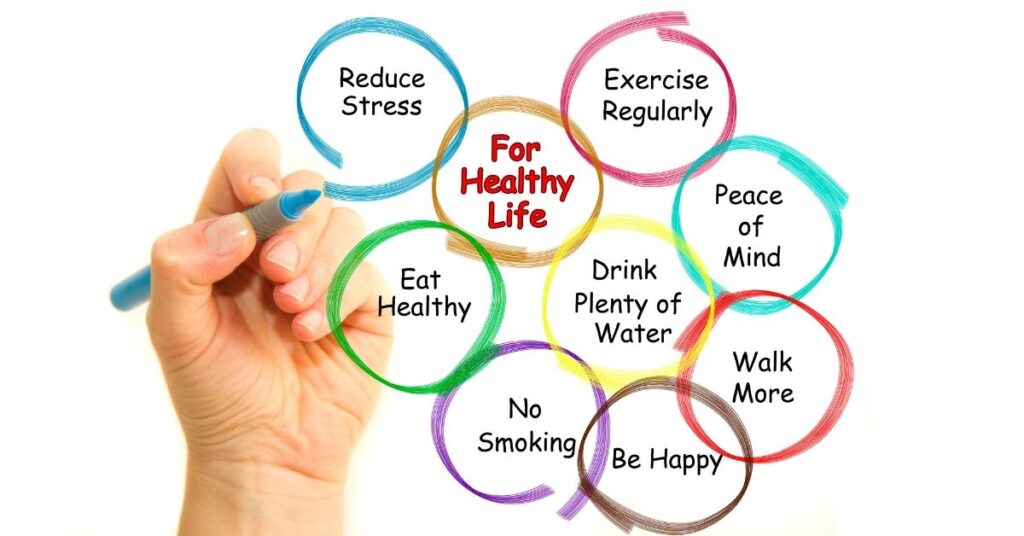
Easy steps to healthier life: build small daily habits—move more, eat whole foods, sleep 7–9 hours, manage stress, and keep up with checkups.
Cost Per Day
Time Per Day
Return On Effort
Basic: Start Here
- 22‑minute walk
- Balanced plate at two meals
- Lights‑out target set
Easy entry
Better: Level Up
- Two strength days
- Fiber with every meal
- Box breathing break
Steady gains
Best: Full Plan
- Steps + strength + mobility
- Meal plan for 3 dinners
- Track sleep and steps
All‑in week
You don’t need a boot camp or a perfect kitchen to feel better. Small, steady actions beat grand plans that fade by Friday. This guide gives you clear steps you can use today, with no special gear and no complex math. Pick one step per area—move, eat, sleep, and stress care. Stack them through the week. You’ll see momentum first in energy and mood, then in endurance, waistline, and lab results. Keep it simple and repeatable.
Easy Steps To A Healthier Life: Daily Habit Playbook
Quick Habit Gains Table
| Step | What It Does | First Move |
|---|---|---|
| Brisk Walking | Builds heart fitness and lowers sitting time. | Walk 10 minutes after breakfast and 12 after dinner. |
| Strength Sessions | Preserves muscle and bone. | Two sets of push, pull, hinge, squat, and carry. |
| Stand And Stretch | Breaks up long sitting. | Set a 60 minute timer; stand, reach, and roll shoulders. |
| Fiber Boost | Promotes fullness and digestion. | Add beans, oats, chia, or berries to a meal. |
| Balanced Plate | Simplifies choices and portion size. | Half produce, quarter protein, quarter grains. |
| Water First | Replaces sugary drinks and helps appetite control. | One glass on waking and one before each meal. |
| Sleep Routine | Restores energy and focus. | Set a fixed lights out time and a calming wind down. |
| Stress Care | Steadies breathing and heart rate. | Try box breathing for two minutes. |
| Salt Swap | Helps blood pressure. | Use herbs, citrus, and lower sodium options. |
| Alcohol Caps | Cuts empty calories and poor sleep. | Plan alcohol free days during the week. |
| Morning Light | Sets your body clock. | Step outside for 5 to 10 minutes soon after waking. |
| Routine Care | Catches small issues early. | Book one health visit you’ve delayed. |
Move More, But Make It Easy
Movement works when it fits your day. That means brisk walks, stairs, short strength sets, and fewer long sitting blocks. Aim for progress, not perfect workouts.
Your Weekly Target
Adults do well with about 150 minutes of moderate activity a week, or 75 minutes at a harder pace, plus two days of muscle work. That can look like 22 minutes a day, seven days a week. See the CDC adult activity guidelines for the full breakdown.
Walk As Your Base
Walking is friendly on joints and easy to slot between tasks. Keep a brisk pace that raises breathing while still allowing short phrases. Use a route that starts at your front door so you don’t skip it.
Short Strength Sessions
Twice a week, run two sets of five moves: push, pull, hinge, squat, and carry. Bodyweight and bands cover most needs. You get posture gains and daily tasks feel lighter.
Sit Less With Mini Breaks
Set a phone timer for each hour. When it pings, stand, stretch, and walk to a window or down the hall. These breaks reset focus and cut back stiffness.
Home Strength Plan In Ten Minutes
You can build a solid base with two short rounds. Pick five moves and run them in a loop. Aim for slow, steady reps with clean form. Stop one rep before fatigue turns into sloppy motion.
The Five Moves
Push: wall push ups or incline push ups on a counter. Pull: band rows or a sturdy backpack row. Hinge: hip hinge or Romanian deadlift with a backpack. Squat: chair squat or split squat. Carry: suitcase carry with a bag.
Cues That Keep Form
Brace your midline like you’re about to cough. Keep heels heavy during squats. On hinges, send hips back first and keep the back long. During rows, pull elbows to your ribs instead of shrugging.
Progressions
Add a second set, slow down each rep, or add load to a backpack. When ten clean reps feel easy, raise tempo slightly or extend the carry distance. Keep notes so you can see how your strength climbs week by week.
Eat Foods That Fill You Up
Food choices land best when they’re simple and tasty. Fill most plates with produce, add lean protein, and place starch and healthy fats in the remaining space.
Build A Balanced Plate
A quick template keeps meals steady: half fruits and vegetables, a quarter grains—ideally whole—and a quarter protein. This mirrors the USDA MyPlate guide and makes portion size easy without tracking.
Pick Proteins That Satisfy
Beans, lentils, eggs, fish, poultry, tofu, and lean cuts hit that fill you up mix. Rotate plant and animal sources through the week. Add a little extra at breakfast to keep late morning snacking at bay.
Smart Carbs, Smart Fats
Oats, brown rice, quinoa, and potatoes give steady energy. Nuts, seeds, olive oil, and avocado add flavor and satiety. Keep portions in line with your hunger and activity.
Make Fiber Your Friend
Most folks come up short on fiber. Aim for a fiber source in every meal—berries, greens, beans, oats. Your stomach stays content and meals stretch farther.
Meal Builder Templates For Busy Nights
Dinner comes together fast when you start with a simple template and rotate flavors.
Fast Bowl Formula
Base: brown rice, quinoa, or potatoes. Veg: roasted broccoli, peppers, carrots, or a bag of frozen mixed veg. Protein: beans, eggs, tofu, chicken, or fish. Sauce: olive oil and lemon, yogurt and herbs, or salsa.
Big Salad Template
Leaf base: romaine, spinach, or mixed greens. Add color: tomatoes, peppers, berries, or roasted squash. Protein: grilled chicken, tuna, tofu, or chickpeas. Crunch: seeds, nuts, or whole grain croutons.
One Pan Dinner
Toss chopped veg and a protein with oil and spices on a sheet pan. Roast at a moderate heat until done. Make two pans and box half for later in the week.
Drink And Sleep For Better Days
Water First, Then Coffee Or Tea
Start with water at waking and before meals. Keep a bottle near your workspace. If you like coffee or tea, keep it earlier in the day so sleep stays steady.
Sleep 7 to 9 Hours
Most adults need at least seven hours each night. A steady bedtime and wake time make the biggest difference. Clear the hour before bed of bright light and heavy meals.
Set Up Your Room
Cool, dark, and quiet helps. Park the phone away from the pillow. If you wake during the night, breathe slowly and keep lights low so your body drifts back down.
Hydration Tips That Stick
Keep water visible and within reach. Start each meal with a glass to take the edge off thirst and hunger. Carry a bottle in your bag or leave one at your desk and in the car. Unsweetened tea or coffee can count toward daily fluid needs, but keep caffeine earlier in the day. Sparkling water with citrus feels fun at dinner. If you drink alcohol, space it out, sip water between servings, and plan alcohol free days during the week. Your head and skin benefit.
Morning And Evening Routines
Bookend the day with light structure so healthy choices run on autopilot.
Morning
Open blinds, drink water, and take a short walk or stretch. Eat a protein rich breakfast if your day runs long between meals. Pack a snack and a bottle. Set a walking reminder for lunch.
Evening
After dinner, tidy the kitchen and set up tomorrow’s gear. Dim lights an hour before bed. Place your phone outside the bedroom or set it across the room. Read a few pages or breathe in bed to settle the mind.
Stress Care You Can Stick With
You don’t need long sessions. Two clean minutes can shift how you feel. Pick one method and keep it handy for breaks between tasks.
Box Breathing
Inhale 4, hold 4, exhale 4, hold 4. Repeat for two to three minutes. Shoulders drop, heart rate settles, and thoughts feel less crowded.
Light Mobility
Neck rolls, chest opens, hip circles, and a long reach overhead work well at a desk or kitchen counter. Aim for gentle range, not max stretch.
Mini Gratitude Prompt
Write a single line at the end of the day: one thing that went well and why. This quick note strengthens attention to small wins.
Build A Week That Works
Here’s a simple seven day plan that fits packed schedules. Swap days as needed and shorten sessions when life gets busy.
Seven Day Mini Plan
| Day | Key Actions | Notes |
|---|---|---|
| Monday | 22 minute brisk walk; balanced plate at lunch. | Pick a loop near home. |
| Tuesday | Strength session; water before each meal. | Two sets of five moves. |
| Wednesday | Walk breaks each hour; fiber boost at breakfast. | Oats with berries and seeds. |
| Thursday | 22 minute walk; stretch before bed. | Keep screens out of the bedroom. |
| Friday | Strength session; fish or beans at dinner. | Plan a quick recipe. |
| Saturday | Longer walk with a friend; colorful salad bowl. | Pack water for the road. |
| Sunday | Plan three simple dinners; set alarms for wind down. | Keep pieces easy to reheat. |
Habit Stacking And Tracking
Attach new habits to actions you already do. Drink water after brushing your teeth. Put walking shoes by the door right after breakfast. Lay out bands near the couch so you lift during a show opening scene.
Pick Clear Triggers
Use a cue that happens daily—waking, brewing coffee, or finishing lunch. When the cue hits, the habit follows. The less thinking you need, the better.
Track Without Overhead
Mark a calendar square, move a coin from one pocket to the other, or check a single box in a notes app. Simple tracking keeps streaks visible.
Reward The Reps
Pick a small daily reward that brings a smile—a song, a chapter, a call to a friend—right after you finish the step. The brain learns, “do step, get something good,” and repeats it.
Eating Out And Travel
Meals on the road can still fit your plan. Scan menus for a lean protein and two sides that grow the plate—salad and steamed veg or roasted potatoes. Ask for dressings and sauces on the side.
Airport And Hotel Tricks
Carry a collapsible bottle and fill it after security. In a hotel, do a short strength circuit with push ups on the desk, rows with a bag, and squats. Snack on fruit, yogurt, or a small pack of nuts.
Social Meals
Keep portions close to your usual plate and slow down the pace. Start with water, then enjoy the meal. A short walk after dinner smooths digestion and helps sleep.
Budget Friendly Healthy Eating
Healthy meals don’t need boutique items. Shop staples that stretch oats, brown rice, beans, frozen veg, seasonal fruit, eggs, and canned fish. Build repeat dinners so you can buy in bulk.
Shop Smart
Plan a short list and stick to the outer aisles for most items. Grab store brand basics. Use frozen berries and veg for year round value with less waste.
Batch And Mix
Cook a pot of grains and a tray of roast veg. Add a protein and sauce to build grain bowls, tacos, or stir fries in minutes through the week.
Salt And Flavor
Lean on herbs, garlic, vinegar, citrus, and lower sodium seasonings. This keeps taste lively while helping blood pressure goals.
Label Reading In 20 Seconds
Flip the box and scan three spots. Ingredients: short lists with foods you recognize tend to be simpler. Fiber: aim for a few grams per serving in breads, cereals, and crackers. Sodium and sugar: compare brands and pick the one with lower numbers that still tastes good to you. If a portion size looks tiny, check how much you actually eat and do a quick mental multiply.
Tech And Tools
You don’t need gadgets to get fitter, but a few tools can make habits easier. A basic pedometer or phone step counter nudges you to move more. A kitchen scale helps with recipes and reduces waste. Timers keep stretch and breathing breaks on track. A notes app or paper card holds your week plan where you’ll see it.
Common Pitfalls And Fixes
All or nothing thinking: swap it for the five minute rule. Perfection mindset: trade perfect meals for the balanced plate and move on. Weekends wipe out progress: set a simple weekend plan with a long walk and two home meals. Snack attacks: add protein and fiber to breakfast and lunch so cravings drop in the afternoon. Late nights: set an alarm for wind down, not just wake up. Food waste: cook once, eat twice. Freeze extra portions. Bored taste buds: rotate sauces, herbs, and textures so meals feel fresh without extra work.
When Motivation Slips
Everyone hits rough patches. The trick is a small fallback you can do on autopilot. Set a minimum goal that fits any day five push ups, one short walk, or a piece of fruit.
Use “Even If” Plans
Write quick plans such as “Even if I miss my walk, I’ll do 20 marching steps during two TV ads,” or “Even if I skip meal prep, I’ll grab a salad kit and rotisserie chicken.”
Reset With A Win
Pick one fast action to turn the tide a glass of water, a five minute tidy, or a brief stretch. Wins stack and your plan feels doable again.
Safety And When To See A Pro
Start at an easy pace if you’ve been inactive or have a condition. If pain, chest pressure, or breathlessness shows up during activity, stop and see a clinician. Tailor moves to your body and your day.
Medications And Meals
Some drugs shift appetite, blood sugar, or hydration. If you take daily meds, ask your care team how food and activity fit with them. Carry any supplies you need when you head out for a walk.
Screenings
Keep an eye on routine care dental cleanings, eye exams, and age based screenings. These visits pair well with your lifestyle plan and help you course correct early.
Keep It Going
You don’t need a perfect week to see change. You need a repeatable day. Pick one move from this guide and put it on your calendar today. Leave your shoes by the door, set a water bottle on the counter, and choose a bedtime. Then run the same play tomorrow.
As the steps lock in, add one more a second walk, an extra serving of veg, or a short band workout. Small moves grow into a healthier life, one day at a time.