
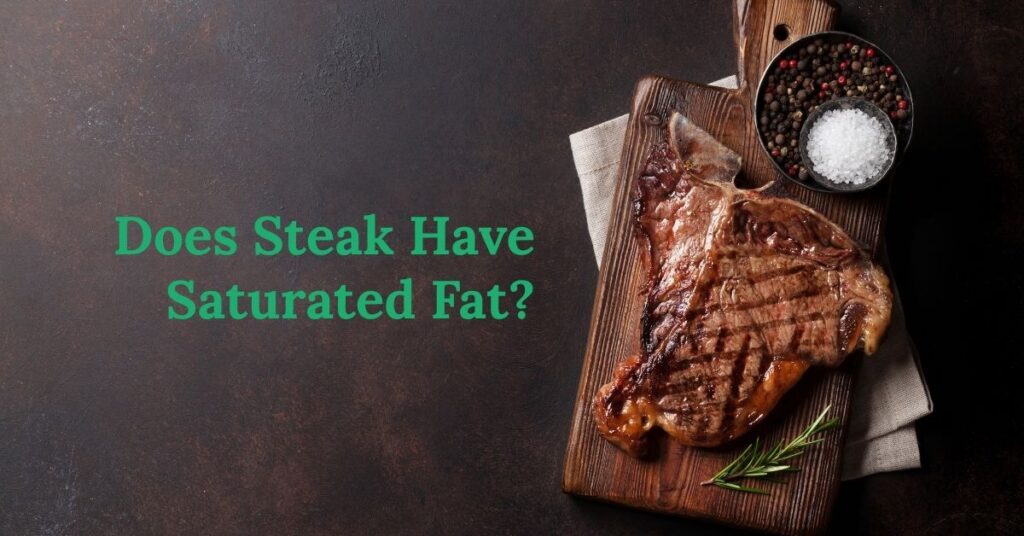
Yes, steak contains saturated fat; the amount varies widely by cut, trimming, and cooking method.
Lean Cut (Low)
Mid Cut (Typical)
Marbled Cut (High)
Lean Play
- Choose top round or sirloin
- Trim edge fat before serving
- Grill or broil on a rack
Lowest sat-fat
Balanced Plate
- Pick strip with cap trimmed
- Add beans and greens
- Olive oil, not butter baste
Middle ground
Indulgent Night
- Small ribeye, share or split
- Skip creamy sides that night
- Bank extra grams on other days
Higher sat-fat
What Saturated Fat In Steak Actually Means
Steak includes a mix of fatty acids. Some are unsaturated, and some are saturated. The saturated portion is the one dietitians ask you to watch because it tends to raise LDL cholesterol. How much you get from a serving depends on marbling, the fat cap, grade, and how you cook and trim.
Below is a comparison using laboratory data for broiled steaks trimmed to 1/8-inch external fat. Values are per 100 grams cooked to make cuts easy to compare on the same scale.
| Cut | Lean & Fat (g) | Lean Only (g) |
|---|---|---|
| Top Sirloin, Select | 5.2 | 1.9 |
| Top Sirloin, Choice | 6.6 | 2.6 |
| Rib, Small End (Select) | 7.1 | 2.4 |
| Rib, Small End (Choice) | 8.7 | 3.4 |
| Top Round, Select | 2.9 | 1.6 |
Numbers reflect USDA retail beef tables for broiled steaks, trimmed to 1/8-inch external fat; “lean only” removes separable fat at the plate.
Does Steak Have Saturated Fat? Cut-By-Cut Clarity
Lean sections like top round and eye of round carry the lowest saturated fat for the same cooked weight. Top sirloin sits in the middle once you slice away the edge fat. Richer, well-marbled steaks like ribeye push the count higher, even after trimming. The pattern is simple: more marbling and more attached fat translate to more saturated fat per bite.
Serving size matters too. A restaurant steak often lands around 8–12 ounces raw, which cooks down to about 6–9 ounces. If your plate holds 200 grams cooked ribeye, those saturated fat grams double against the 100-gram figures in the table.
Saturated Fat Limits And Daily Context
Health groups suggest keeping saturated fat on the lower side. The American Heart Association recommends about 5–6% of calories, which works out to roughly 13 grams on a 2,000-calorie plan (AHA saturated fat guidance). U.S. food labels use a Daily Value benchmark of 20 grams for a 2,000-calorie diet (FDA Daily Value illustration).
Those numbers aren’t a pass or fail grade for steak. They’re a budgeting tool. If a 4-ounce cooked portion of top sirloin brings about 3–4 grams of saturated fat when trimmed well, you still have room for yogurt, eggs, or chocolate later in the day. Pick a large ribeye and you’ll spend more of the daily budget at one meal.
Taking Saturated Fat Down With Smart Prep
Start with the cut. Top sirloin, strip with the fat cap trimmed, tri-tip, and round give you steak flavor with fewer grams. Ask the butcher for the leaner side of the case, and choose thicker steaks so you can sear the outside and still hit your preferred doneness without drying the center.
Trim before and after cooking. Most of the edge fat is separable, so you can keep marbling for tenderness but remove the wide band that adds little flavor. Cook on a rack or a hot grill so rendered fat drips away instead of pooling in the pan.
Balance the plate. Add beans, leafy greens, tomatoes, or roasted vegetables. Fiber binds with cholesterol in the gut and helps keep LDL in check. If your menu skews heavy on rich cuts or cheese, rotate in more fish, legumes, and olive-oil dishes during the week.
For people watching cholesterol numbers closely, cut choice matters even more. Foods that add extra saturated fat tend to cluster: fatty cuts, processed meats, butter sauces, and creamy sides. A menu built on lighter proteins plus produce helps even things out, as explained in our note on foods that raise cholesterol.
Steak Fat: What Cooking Method Changes
Broiling and grilling shed more fat than pan-frying. Searing in a pan is fine, but tilt and spoon off drippings, or move the steak to the oven on a rack to finish. Rest on a wire rack, not in a puddle of juices and fat. Choose rubs, herbs, and citrus over butter bastes if you’re trying to cut saturated fat that day.
Doneness shifts the math too. The longer you cook, the more moisture you lose. Less water means the same grams of fat are concentrated in a smaller cooked weight. That’s another reason to look at per-portion grams on your plate, not just per-100-gram tables.
Steak Saturated Fat Content By Cut: Practical Snapshot
This snapshot brings together how trimming and grade change the grams you’ll see on a typical plate. It helps you pick a cut that matches your goals without giving up steak night.
| Cut & Trim | Cooked Portion | Saturated Fat (g) |
|---|---|---|
| Top Sirloin, Lean Only | 4 oz (113 g) | ~2–3 |
| Top Sirloin, Lean & Fat | 4 oz (113 g) | ~5–7 |
| Ribeye, Lean Only | 4 oz (113 g) | ~3–4 |
| Ribeye, Lean & Fat | 4 oz (113 g) | ~8–10 |
| Top Round, Lean Only | 4 oz (113 g) | ~2 |
Portion estimates scale from USDA per-100-gram values for broiled steaks. Restaurant sizes can run larger; adjust the numbers to fit your plate.
How To Fit Steak Into A Heart-Smart Week
Pick A Pattern That Works
Many people do well with steak once or twice a week when the rest of the menu leans on fish, beans, tofu, poultry, and whole-grain dishes. That pattern makes room for a favorite cut while keeping weekly saturated fat in check.
Mind The Sides
Skip double-rich add-ons on the same night. If the steak is already marbled, go lighter on cheese, cream sauces, and buttery potatoes. Add a big salad with olive oil, a tomato-cucumber plate, or charred broccoli. These swaps push the fat profile toward monounsaturated and polyunsaturated fats.
Portion And Frequency
A 3–4 ounce cooked portion delivers the flavor with fewer grams. If you like a thicker steak, split it, slice thinly, and pile it over grains and vegetables. Leftovers make a strong salad topping the next day.
Reading Labels And Restaurant Menus
Butcher cases rarely show a saturated fat number for fresh cuts. Still, you can read clues. Grades labeled “choice” and “prime” usually mean more marbling than “select.” Cut names help too. Round and sirloin trend leaner. Rib and short loin trend richer. At restaurants, ask for visible fat to be trimmed and request sauces on the side.
Packaged steaks and prepared items sometimes carry a Nutrition Facts panel. When they do, scan percent Daily Value for saturated fat. The label uses a 20-gram Daily Value for a 2,000-calorie diet, so 20% DV equals 4 grams in the serving.
Practical Steak Night Template
Choose The Cut
Pick top sirloin, strip with the fat cap trimmed, tri-tip, or a modest ribeye if that’s what you crave.
Cook It Smart
Grill or broil to medium. Let it rest five minutes on a rack. Slice across the grain.
Build The Plate
Add a cup of beans or lentils, a pile of greens, and a roasted vegetable. Finish with olive oil and lemon. If you want a simple next read, try our note on omega-3 benefits for heart.