
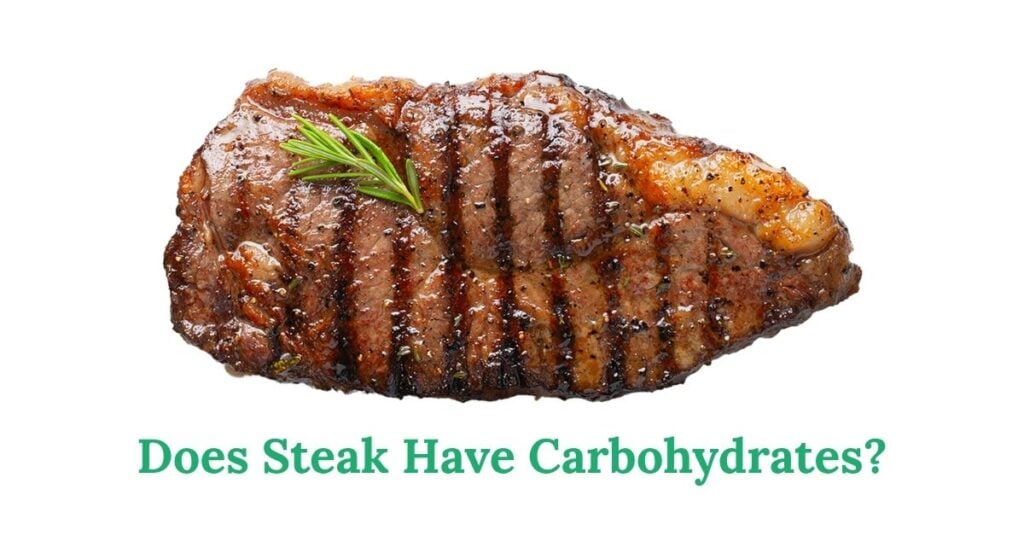
Plain beef steak contains 0 grams of carbohydrates; sauces, breading, and sides can add carbs.
Carb Risk
Prep Impact
Add-On Load
Basic: Salt & Pepper
- No sugar or starch.
- Hot pan or grill.
- Serve with greens.
Zero-carb steak
Better: Sugar-Free Marinade
- Herbs, acid, oil.
- Label check for hidden carbs.
- Sauce on the side.
Low-carb flavor
Best: Steakhouse Night
- Pick leaner cuts.
- Skip sweet glaze.
- Double vegetables.
Smart indulgence
Steak is mostly protein and fat with a lot of water. That mix makes it filling, savory, and handy for low-carb plates. The catch: the carb number changes the moment you add sugary marinades, flour, crusts, or carb-heavy sides. This guide clears up where the grams come from and how to keep a steak dinner aligned with your goals.
Steak Nutrition Basics
Lean or marbled, the meat itself shows zero grams of carbohydrate on lab panels. USDA nutrient tables for common retail cuts list “Carbohydrate, by difference: 0 g” for cooked steaks, which matches what you’d expect from pure muscle tissue (USDA retail beef data). We’ll use that baseline and then layer in the real-world add-ons that move the needle.
| Cut & Prep (100 g) | Carbs (g) | Notes |
|---|---|---|
| Top loin, cooked, broiled | 0 | Classic strip; protein ~26 g, fat varies by trim. |
| Top sirloin, cooked, broiled | 0 | Leaner profile; trims easily to 1/8" fat. |
| Ribeye, cooked, grilled | 0 | Well-marbled; calories rise with fat. |
| Tenderloin, cooked | 0 | Tender cut; lower fat than ribeye. |
| Flank steak, cooked | 0 | Lean and beefy; takes marinades well. |
| Top round, cooked | 0 | Very lean; overcooking can dry it out. |
Why is the number flat? Once an animal is harvested, muscle burns through its small glycogen stash during post-mortem metabolism. By the time steak reaches your pan, the measurable carbohydrate left in the meat is essentially zero. That’s the reason a plain steak doesn’t budge a carb tracker, while the extras around it often do. The practical takeaway: control the add-ons and you control the carb count.
Planning the meal around your daily calorie needs keeps portions sensible, then you can place your carb budget where it matters—potatoes, bread, or a simple salad if you want greens with fiber. That approach keeps the plate satisfying without surprise sugars from sauces or crusts.
Does Steak Contain Carbohydrates In Any Cut?
Across common cuts, the answer is the same: plain steak has 0 g carbs. The variables are protein, fat, moisture, and cooking loss, not starch or sugar. The only exceptions show up when ingredients are added. That means a black-pepper ribeye stays carb-free, while a brown sugar glaze, a flour dredge, or a buttery breadcrumb crust can add a meaningful count.
Where Hidden Carbs Sneak In
Sweet marinades and glazes. Bottled blends often pack sugar or honey. A few tablespoons can add 10–20 g before you serve a single side. A quick olive oil, lemon, garlic, and herb bath brings flavor with minimal carbs.
Dry rubs and commercial spice mixes. Some include sugar, cornstarch, or maltodextrin. Read the label. A DIY mix with salt, pepper, garlic, and paprika keeps it simple and steady.
Breading and dredges. Flour, panko, or crushed crackers stick to fat as steak sears. That coating pushes carbs up fast and changes texture. If you like crunch, try a peppercorn crust without starch.
Pan sauces. Wine reductions, balsamic glazes, and thickened gravies often include sugar, flour, or both. Swap in a quick pan sauce with stock and butter, and thicken by reducing, not with starch. Finish with herbs or a squeeze of lemon.
Buns and starch sides. Steak sandwiches, fries, mashed potatoes, roasted roots, mac and cheese—tasty, but carb-heavy. If carbs are tight, pair steak with leafy salads or roasted non-starchy veg and save room for a small treat you truly want.
Glycemic Impact And Steak
Glycemic index tracks how carbohydrate foods raise blood sugar. Meat doesn’t supply carbohydrate, so plain steak doesn’t have a glycemic index value (ADA on carbs). Add bread, sugar, or flour and you’ve added carbs—and a glycemic load worth tracking. That’s why the side and sauce choices matter more than the cut.
Smart Ways To Keep Carbs Low
Pick the cut for the job. Ribeye brings flavor at higher calories; sirloin and round trim easier if you want leaner plates. Tenderloin sits in the middle and loves pan sauces that aren’t sweetened.
Use salt-forward rubs. Coarse salt, black pepper, garlic powder, smoked paprika, and herbs keep flavor big without sugar. Toast whole spices, grind fresh, and mix a batch for the week.
Choose low-carb cooking fats. A light brush of avocado oil or clarified butter stands up to high heat. If you baste, keep it modest and track the spoonfuls. Measure oils so calories don’t drift upward.
Build the plate with fiber. Pair steak with roasted broccoli, asparagus, mushrooms, or a crunchy slaw to round out texture and micronutrients. A squeeze of lemon or a spoon of pesto brightens without sugar.
Mind the sauce. Chimichurri, compound butter, lemon-herb vinaigrette, or a quick pan reduction from stock bring brightness with minimal carbs. Keep sweet glazes for nights when you plan for them.
How Different Cooking Styles Change The Math
Grilling, broiling, pan-searing, and sous vide all start from the same carb-free base. The differences come from fat rendering, moisture loss, and what you add to the pan. A ribeye grilled over high heat may lose more fat to the grates. A cast-iron sear hangs on to more drippings, especially if you baste. None of that adds carbohydrate unless you toss in sugar or flour. Keep trims neat and let the crust carry the flavor.
Restaurant steaks often include hidden sweeteners in glazes and sides. If you track carbs, ask for no glaze, sauce on the side, and double vegetables. Skip the free bread if you want room for a starch you enjoy more, like a small baked potato or grilled corn in season.
Table Of Common Carb Adders
Use this shortcut chart to plan a steak plate that fits your goals. Numbers are typical ranges for a home serving; labels vary, so read them and weigh if you want precision.
| Add-On | Serving | Carbs (g) |
|---|---|---|
| Brown sugar glaze | 2 Tbsp | 16–20 |
| Sweet BBQ sauce | 2 Tbsp | 12–18 |
| Flour dredge | 2 Tbsp | 10–12 |
| Panko crust | 1/4 cup | 10–15 |
| Balsamic reduction | 2 Tbsp | 6–8 |
| Mashed potatoes | 1 cup | 35–40 |
| French fries | 3 oz | 25–30 |
| Garlic bread | 1 slice | 15–20 |
| Coleslaw (sweet) | 1/2 cup | 9–14 |
| Caesar salad (no croutons) | 1 cup | 3–5 |
| Roasted asparagus | 1 cup | 3–5 |
Label Sleuthing: What To Look For
Raw steak. Fresh, single-ingredient beef doesn’t list carbohydrate because it rounds to zero. Per USDA tables, panels show protein, fat, and minerals; carbs appear when seasonings or fillers are added. If a package reads “marinated,” expect sugars or starches unless it’s clearly sugar-free.
Marinated or “value-added” packs. Scan the ingredient list. Added sugar, corn syrup, starches, or maltodextrin show up near the top when present. If you see them, portion the sauce or rinse and re-season before cooking.
Deli steak and pre-cooked slices. Some products include dextrose or modified starch for browning and texture. The nutrition facts panel tells you exactly how many grams you’re getting per serving, so compare brands and pick the cleaner label.
Steak In Different Eating Styles
Low-Carb Or Keto Plates
A plain steak with non-starchy vegetables fits neatly. Keep sauces sugar-free and choose olive oil, avocado oil, or butter for sautéing. Track your fiber from greens and add a little avocado or olives for balance. If you’re counting net carbs, most of the plate still reads as near zero.
Balanced Plate With Carbs
If you plan carbs, add roasted potatoes, rice, or a small roll. That approach lets you dial protein from steak while meeting a moderate carb target without surprise sugars. Pick one starch, keep the portion measured, and lean on vegetables for volume.
Heart-Conscious Swaps
Trim exterior fat, pick leaner cuts more often, and cook with oils that stand up to heat. If you want a richer cut now and then, balance the day with lighter meals and vegetables. A simple herb butter is fine when it fits your plan, especially if you keep the rest of the meal light and fiber-rich.
Quick Comparisons With Other Proteins
Chicken breast, turkey, pork tenderloin, and most fish also land at 0 g carbs in plain form. Plant proteins like beans and lentils bring carbs and fiber, which is handy when you want a mixed macro plate. The point is simple: the meat itself isn’t the carb source; the seasonings, breading, sauces, and sides usually are.
Make The Most Of Your Steak Meal
Set your protein target, choose the cut, season boldly without sugar, and put most of your carbs—if any—into sides you truly enjoy. When searing, measure oils and butter so calories don’t run away. If you love a sauce, try a bright chimichurri or a quick pan reduction without flour and let the fond do the work.
Cooking fats matter, so pick heart-friendly options. A small drizzle of avocado or olive oil beats a heavy pour. If you’re curious about choices, this primer on best oils for heart health lays out the basics in plain terms.
Bottom Line For Carbs In Steak
Plain steak equals 0 g carbohydrate. Carbs enter the picture with sugar, starch, bread, and sweet sauces. Keep the meat simple, load the plate with greens, and aim your carb budget at sides you want. Want a detailed walkthrough on setting targets? Try our calories and weight loss guide for big-picture planning.