
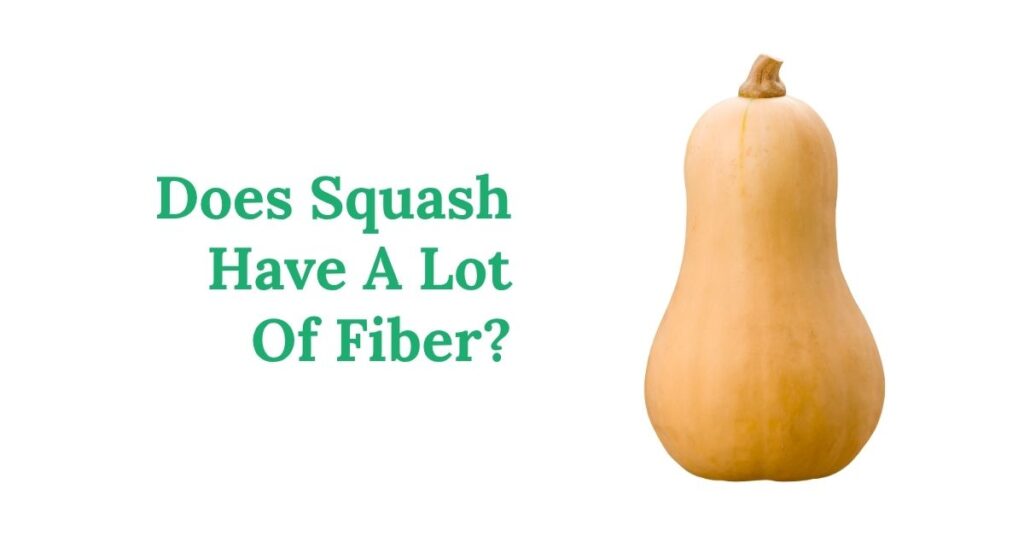
No, squash offers moderate fiber—winter types give about 6–7 g per cooked cup, while tender summer squash sits near 1–2 g.
Fiber Per Cup
Fiber Per Cup
Fiber Per Cup
Light & Low
- 1 cup spaghetti squash with marinara
- Add mushrooms or spinach
- Use herbs and olive oil
Low fiber
Balanced Plate
- 1/2 cup roasted butternut + 1/2 cup quinoa
- Add mixed greens
- Citrus and herbs for brightness
Medium fiber
Fiber-Forward
- 1 cup butternut or acorn
- Add 1/2 cup beans
- Keep edible skins on
Higher fiber
Squash covers two broad families. Winter squash like butternut and acorn carry more fiber per cooked cup. Summer squash like zucchini tastes light and brings less fiber. That split explains why shoppers hear mixed answers to this question.
Does Squash Have A Lot Of Fiber? Varieties And Portions
Here’s a clear view using cooked, one-cup portions you’ll actually serve at home.
| Type | Standard Cup Weight | Fiber (g) |
|---|---|---|
| Butternut, baked | 205 g | 6.6 |
| Acorn, boiled/mashed | 245 g | 6.4 |
| Spaghetti squash, cooked | 155 g | 2.2 |
| Zucchini, boiled | 180 g | 1.8 |
These numbers come from lab-based data sets used by dietitians and manufacturers. Butternut and acorn sit in the same range, spaghetti squash drops to the low twos, and zucchini stays under two grams per cup.
Now place those figures next to your recommended fiber intake. Most adults aim for about 14 grams per 1,000 calories eaten, which lands near 28 grams on a 2,000-calorie plan.
Why Winter Squash Scores Higher
Winter squash develops a thicker flesh and a friendly blend of soluble and insoluble fiber as it matures. The fibers live in the cell walls and just under the skin, so gentle cooking that keeps shape helps.
Portion And Cooking Method Matter
Roasting concentrates flavor, but the fiber grams per serving don’t vanish. Peeling trims a little because some fiber hides in the rind. When the skin turns tender, you can eat it on acorn and delicata for a small bump.
What About Spaghetti Squash?
It shines as a volume play. You get a mountain of strands for few calories, but the fiber per cup stays modest. If you want a higher total, serve a full cup and build the plate with beans or leafy greens.
How Squash Fiber Helps You Day To Day
Fiber in squash doesn’t match legumes, yet it still helps with fullness and steady energy. Soluble fibers form a gel that slows digestion. Insoluble fibers add bulk so things move smoothly.
Better Satiety For Fewer Calories
Butternut gives around 82 calories per cup and more than six grams of fiber. That pair lets soups and side dishes feel satisfying without heavy toppings.
Gentle On Sensitive Stomachs
Some people handle winter squash better than raw brassicas. Roasting or steaming produces soft texture with mild seasoning. Start with small portions if you’re just ramping up your daily grams.
Smart Ways To Add More Fiber With Squash
Roasted Sheet-Pan Mix
Cube butternut, toss with olive oil, salt, pepper, garlic, and thyme. Roast at high heat until edges caramelize. Fold in cooked farro or lentils for a fiber bump.
Spaghetti Squash Bowl
Scrape roasted strands into a bowl, add marinara, wilted spinach, and toasted walnuts. The mix pushes the total grams higher than squash alone.
Creamy Soup Shortcut
Simmer roasted squash with onion, low-sodium broth, and a splash of milk. Blend smooth. Swirl in a spoon of Greek yogurt and top with pepitas for crunch.
How Squash Compares With Other Fiber Foods
It’s easier to judge “a lot” when you see squash next to produce and pantry staples. Here’s a quick comparison using standard portions from federal sources.
| Food | Portion | Fiber (g) |
|---|---|---|
| Winter squash, cooked | 1 cup | 5.7 |
| Broccoli, cooked | 1 cup | 5.2 |
| Apple, with skin | 1 medium | 4.8 |
| Lentils, cooked | 1/2 cup | 7.8 |
| Pumpkin, canned | 1 cup | 7.1 |
| Spaghetti squash, cooked | 1 cup | 2.2 |
The Dietary Guidelines list winter squash at about 5–6 grams per cup. You can scan those tables on the official site. The FDA’s label guide sets the Daily Value at 28 grams, which lets you size portions fast.
For specifics, check the fiber entry in the Dietary Guidelines fiber tables. For label math, the FDA daily value reference shows the current DV.
Squash Fiber By Cooking Style
Roasted Cubes Or Halves
Dry heat keeps structure. That means each cup still reflects the raw flesh, not water that sneaks in during boiling. Spread pieces so steam can escape.
Steamed Or Microwaved
Moist methods soften fibers without extra fat. Drain well so the cup you measure isn’t soaked.
Boiled And Mashed
Great for acorn and kabocha. Keep the mash on the chunky side and skip straining. A squeeze of lemon wakes up the sweet notes without extra sugar.
Portion Tips You Can Trust
Measure cooked squash the same way you measure rice or pasta. Pack the cup lightly so you don’t compress the strands or cubes. If you weigh food, use the typical cup weights shown in the first table for quick conversions.
Cook once, use twice: roast a full tray on Sunday, then fold the leftovers into lunches for simple fiber wins all week. That habit saves time too.
Skin choices change the count a bit. A thin, edible rind can add a touch of fiber at the same portion size. If you’re sensitive, peel after roasting so the flesh stays intact and mellow.
Ways To Boost Fiber In Squash Dishes
Use Beans As Mix-Ins
Half a cup of white beans slides into soups and sauces without stealing the spotlight. Chickpeas give sheet-pan dinners a toasty edge and almost eight grams for the same amount.
Lean On Whole Grains
Quinoa, farro, or barley turn roasted squash into a hearty side. Start with a half-cup cooked grain per person. That adds three to five grams before you even reach for greens.
Add Leafy Greens
Spinach wilts fast and sits well with sweet squash. Kale and chard bring sturdier texture and more chew. A handful in the pan does the job.
Common Mistakes That Lower Your Fiber
Peeling Everything By Habit
Delicata and acorn skins soften and taste fine after roasting. Leave them on to squeeze out a bit more fiber from the same portion.
Going Heavy On Butter And Cheese
Rich toppings drown the gentle flavor and add calories without fiber. Try olive oil, herbs, citrus, tahini, or a spoon of yogurt instead.
Buying, Storing, And Prepping For Best Texture
Picking The Right Type
Choose firm winter squash with dull, hard rinds and a bit of stem attached. Zucchini should feel heavy for its size with glossy skin.
Storage That Keeps Quality
Store winter squash in a cool, dry place with good airflow. Keep zucchini in the fridge crisper and use within a few days.
Prep That Preserves Fiber
Skip aggressive peeling when the skin is edible. Cut evenly so pieces cook at the same rate. Use parchment to avoid sticking and limit extra oil.
Bottom Line On Squash And Fiber
Squash gives you a friendly boost but not a mega dose. Reach for winter squash when you want more grams per cup, and round out the plate with beans, whole grains, seeds, and greens. If you want a refresher on daily water needs, try our gentle primer on how much water per day.