
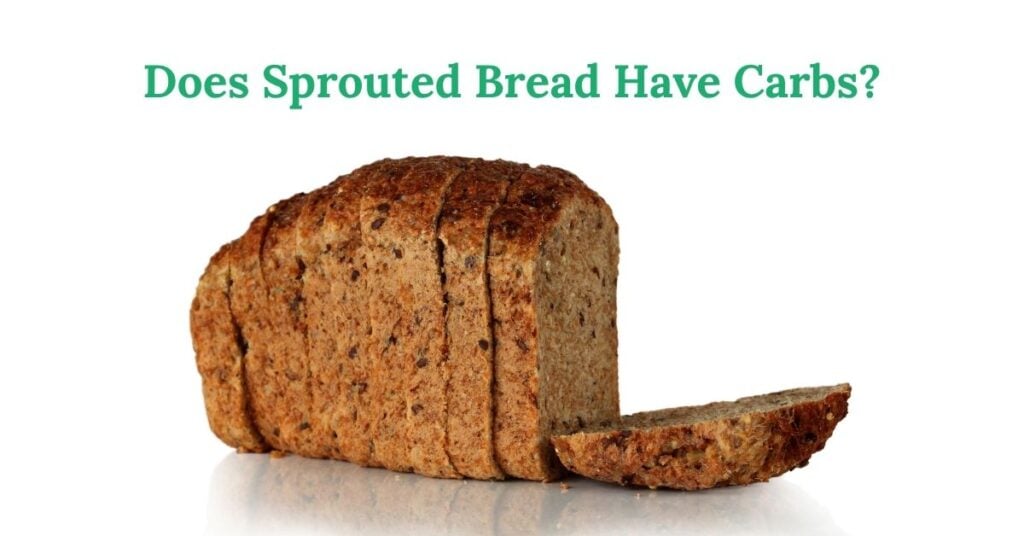
Yes, sprouted bread has carbohydrates; most slices contain about 12–15 g total carbs with 2–5 g fiber depending on brand and slice size.
Carb Load (slice)
Fiber Per Slice
Glycemic Lift
Basic Sandwich
- 2 slices + lean protein
- Add tomato/greens
- Mustard over sweet sauces
Everyday
Better Breakfast
- 1 slice + eggs or tofu
- Side of berries
- Coffee or tea, unsweetened
Balanced
Best Snack
- Toast + peanut butter
- Sprinkle chia seeds
- Water or seltzer
Filling
Sprouting turns a dormant grain into a tiny plant. Bakers mill those sprouted grains and bake bread with a mild, nutty taste. The big question for shoppers watching starches is simple: do the carbs drop when grains sprout? You get starch, but sprouting tweaks the mix a bit, nudging up fiber and lowering the glycemic punch compared with many standard loaves.
Carbs In Sprouted Bread: Slices, Sizes, And Net Carbs
Labels vary by brand, recipe, and slice weight, so you’ll see a range. The table below gives ballpark figures you can use at the store or while tracking meals.
| Serving | Total Carbs (g) | Net Carbs (g) |
|---|---|---|
| 1 slice (35 g) | 13 | 11 (≈2 g fiber) |
| Thick slice (50 g) | 18 | 15 (≈3 g fiber) |
| 2 slices (70 g) | 26 | 22 (≈4 g fiber) |
| Sprouted roll (40 g) | 15 | 12 (≈3 g fiber) |
| 100 g | 34 | 29 (≈5 g fiber) |
These numbers reflect typical nutrition panels for sprouted wheat or mixed sprouted-grain breads. A slice around 35–40 g often lands near 12–15 g total carbohydrate with 2–5 g fiber. If your brand uses seeds or legumes, fiber may climb further and pull net carbs down a notch.
For reference values and serving weights used in nutrition labeling, databases such as USDA FoodData Central catalog breads by type and portion size, though brand formulas vary.
Sprouting activates enzymes that start breaking down starch into smaller carbohydrates, and some studies report slightly lower glycemic responses compared with similar unsprouted loaves. You still count carbs the same way on the label: total carbohydrate includes starch, fiber, and sugars; net carbs subtracts fiber. If you aim for higher fiber from bread, set a realistic target aligned with recommended fiber intake.
For carb tracking and dosing decisions, clinicians point to the “Total Carbohydrate” line first. See the American Diabetes Association’s carb counting guidance for a clear method that works across brands and recipes.
Does Sprouted Bread Have Carbs? Close Variations And What They Mean
You’ll see products called sprouted wheat, sprouted whole grain, or multigrain blends with sprouted components. All of them still carry carbohydrates sourced from the grain endosperm and any added sweeteners. What changes is the ratio of available starch to fiber and the way your body responds after a meal.
How Sprouting Changes The Grain
Germination wakes up enzymes. Amylases nibble at starch; proteases trim proteins; phytases reduce phytic acid. Bakers dry the sprouted grain and mill it into flour, which can taste a little sweeter because some starch has shifted toward maltose. That shift doesn’t erase carbs, but it can influence texture and browning.
Sprouting time matters. Short sprouting keeps structure and moderate fiber. Longer sprouting can push softness and sweetness. Commercial bakeries tune time and temperature to hit a consistent slice.
How Sprouted Bread Affects Blood Sugar
Glycemic response isn’t just about grams of carbohydrate. Particle size, fiber quality, fermentation, and the presence of fat or protein in the meal all matter. Human trials comparing breads show sprouted wheat blends can produce a lower post-meal glucose rise than similar unsprouted breads of equal weight; one crossover study using 50% sprouted wheat wholemeal found reduced post-meal glucose compared with the unsprouted control (study details).
For context on how scientists compare carbs in mixed meals, Harvard’s take on the glycemic index and glycemic load shows why both the type and amount of carbohydrate matter.
If you track carbs for diabetes, dietitians recommend starting with the total grams of carbohydrate on the package and watching your meter or sensor data. Net carbs can be useful when fiber is high, but most clinical guidance still begins with the “Total Carbohydrate” line before adjustments.
Label Reading That Keeps You Honest
- Scan slice weight: One brand’s slice might be 34 g, another 44 g. More grams usually means more starch.
- Check fiber per slice: Two to five grams per slice is common for sprouted grain bread.
- Watch added sugars: Some recipes add honey or molasses; others rely only on grain malt.
- Compare sodium and protein: Both matter for your overall meal plan and satiety.
Portion Ideas That Fit Real Meals
Two slices for a sandwich fit most plans. Balance with protein and produce to slow digestion: turkey and avocado, eggs with spinach, or tofu and roasted peppers.
Sprouted Bread Versus Other Breads (Per ~35 g Slice)
| Bread | Total Carbs (g) | Notes |
|---|---|---|
| Sprouted grain | 12–15 | Often 2–5 g fiber; lower glycemic lift than many standard loaves. |
| Whole wheat | 12–14 | Fiber varies; stone-ground tends to be denser. |
| White bread | 13–15 | Lower fiber; often a higher glycemic response. |
| Sourdough (varies) | 12–15 | Fermentation can soften post-meal rise. |
| Gluten-free (varies) | 14–18 | Depends on starch blend; fiber sometimes lower. |
Who Might Choose Sprouted Bread
People building meals around whole foods and steady energy often reach for sprouted slices. The bread tastes nutty, toasts nicely, and brings dependable fiber. If you lift, train, or walk a lot, the mix of starch and protein pairs well with eggs, yogurt, or beans for recovery. If you’re managing blood sugar, the steadier glucose curve compared with many white breads can help, especially when you build meals with protein and produce.
Folks with wheat allergy or celiac still need certified gluten-free products; sprouting doesn’t remove gluten. If you’re new to sprouted bread, try one slice at breakfast first and watch how you feel across the morning.
Smart Shopping: What To Look For On A Sprouted Label
Whole Grain First
Look for “sprouted whole wheat” or “sprouted whole grains” ahead of refined flour. Some breads mix sprouted flour with regular wheat flour to manage texture; that’s fine, just know you may see fewer grams of fiber.
Short Ingredient Lists
Grain, water, yeast or starter, salt, and maybe a touch of sweetener. Seeds and legumes add texture and protein. Fewer additives usually means a denser crumb and steadier post-meal numbers.
Cooking And Toasting Tips That Nudge Carbs’ Impact
Toast changes texture and can make chewing slower and the sandwich more satisfying, which may help with portions. Pair bread with protein—eggs, tuna, hummus—or add fats like tahini or avocado to stretch fullness.
Storage And Freezing Tips
Dense sprouted loaves mold slower in cool kitchens, yet freezing keeps quality best. Slice, freeze in a zipper bag, and toast straight from frozen. That keeps portions easy and reduces waste.
Simple Carb Math You Can Trust
Grab the package. Note slice weight, total carbs, and fiber. Multiply by the number of slices you plan to eat. If you’re pairing that sandwich with fruit or yogurt, add their carbs too. Keep a small margin for condiments. Portions still count.
For most sprouted breads, a two-slice sandwich will land near 24–30 g total carbs and 4–8 g fiber. That fits plenty of meal plans when combined with vegetables and lean protein.
Bottom Line For Your Cart
Yes, sprouted bread has carbs. The win is how those carbs come packaged: more intact grain structure, helpful fiber, and a pattern that often plays nicer with blood sugar than a fluffy white loaf. Read the label, match portions to your needs, and enjoy the nutty flavor with meals that include protein and produce.
Want a friendly walkthrough for planning meals? You might like our does rice spike blood sugar explainer.