
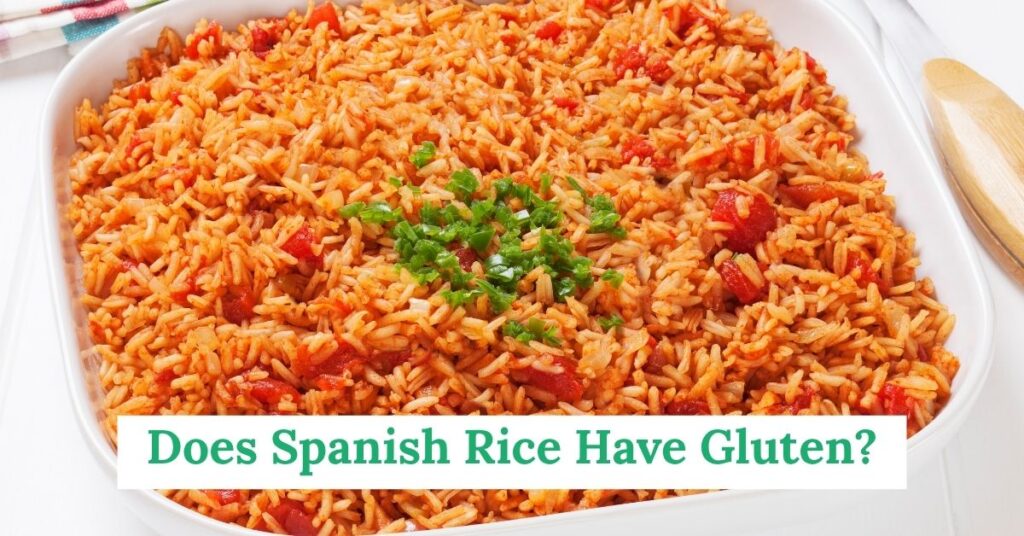
No, Spanish rice doesn’t contain gluten when made with rice, tomatoes, and spices; check mixes, broths, and cross‑contact.
Home Recipe
Boxed Mix
Restaurant
At Home
- Start with plain long‑grain rice
- Use labeled gluten‑free broth or water
- Season with single‑ingredient spices
Control every ingredient
Boxed Mix
- Scan for “contains wheat” or barley/malt
- Prefer GF‑certified brands
- Cook in a clean pot
Read the fine print
Dining Out
- Ask about base stock and seasoning blend
- Request clean pan and ladle
- Choose steamed rice if unsure
Questions prevent slip‑ups
What Spanish Rice Is And Where Gluten Can Sneak In
Spanish rice, often called arroz rojo, is a stovetop rice dish cooked with onion, garlic, tomatoes, and spices. The base grain is rice, which is naturally free of gluten. Trouble starts when recipes lean on seasoning packets, bouillon, beer, or a broth that contains wheat.
Seasoning blends can hide gluten under words like malt, hydrolyzed wheat protein, or wheat flour. Kitchen habits matter too. A clean pot, a fresh spoon, and a separate colander keep stray crumbs away. If you share equipment with pasta or breaded foods, cross‑contact can happen fast.
| Ingredient Or Step | Gluten Status | Notes |
|---|---|---|
| Plain white or brown rice | Gluten‑free | Single‑ingredient rice is safe; rinse if you like for texture, not for gluten removal. |
| Tomatoes or tomato sauce | Gluten‑free | Basic canned tomatoes are fine; avoid sauces thickened with wheat. |
| Onion, garlic, peppers | Gluten‑free | Fresh produce is safe when prepped on clean boards. |
| Spices (cumin, chili, paprika) | Usually gluten‑free | Buy single‑ingredient jars; blends may include wheat or barley malt. |
| Chicken or vegetable broth | Varies | Some stocks add wheat‑based flavorings; choose a labeled gluten‑free carton. |
| Bouillon cubes or bases | Often risky | Several brands use wheat; check the allergen line. |
| Seasoning packets or rice mixes | Often risky | Many contain wheat flour; only use if marked gluten‑free. |
| Beer or ale for depth | Contains gluten | Skip unless it is a certified gluten‑free beer. |
| Chorizo or sausage add‑in | Varies | Fillers can include wheat; pick a gluten‑free labeled product. |
| Saffron | Gluten‑free | Pure saffron threads are safe. |
| Oil for sautéing | Gluten‑free | Any pure cooking oil works; watch for shared fryers. |
Texture and nutrition shift with the grain you choose. White rice stays fluffy and mild. Brown rice brings more fiber. If you track carbs, read up on rice and blood sugar to decide which style fits your meal plan.
Is Spanish Rice Gluten Free? At Home And In Restaurants
At Home: Make It Safe
Start with plain long‑grain rice. Add onion, garlic, and tomato. Use water or a broth that clearly says gluten‑free on the front or near the Nutrition Facts. Skip seasoning packets unless they carry a gluten‑free claim.
Pick single‑ingredient spices. That means the jar lists only cumin, paprika, or chili powder. Store a clean spoon for rice, a separate cutting board, and a dedicated colander. Little routines like these cut risk in busy kitchens.
If a recipe calls for beer, swap in more broth or water. For a smoky note, use a pinch of chipotle powder. If you love chorizo, choose a product that is labeled gluten‑free and cook it in a clean pan before adding the rice.
Restaurants: Questions To Ask
Spanish rice at a restaurant can be cooked in big batches with a base stock. Ask what brand of broth they use and whether the seasoning mix contains wheat or malt. Ask if a clean pan and ladle are available for your plate.
Shared tools raise risk. A pot that simmered pasta earlier in the night isn’t a safe spot for rice. If answers feel fuzzy, order plain steamed rice and add salsa at the table. You still get the starch without the risk.
Boxed Mixes And Ready Sides
Scan the allergen line for “contains wheat.” Watch for barley malt, malt extract, and wheat flour in the ingredients. Certification marks from trusted programs are helpful, but the claim “gluten‑free” on its own must meet the federal standard.
Label Reading For Spanish Rice Ingredients
The U.S. standard says a food that makes a gluten‑free claim must contain less than 20 parts per million of gluten and no gluten‑containing grain as an ingredient in a form that adds gluten. You’ll see that claim on broths, spice blends, and packaged sides. The rule covers soups, sauces, and seasonings too.
If you want the official language, read the FDA gluten‑free labeling rule. For a simple food list that confirms rice is naturally gluten‑free, see the Celiac Disease Foundation gluten‑free foods page.
Cross‑Contact: Small Habits That Prevent Gluten
Keep a separate colander for rice and potatoes. Many families do this and label the handle. Avoid wooden spoons that also stir batter or pasta. Silicone or stainless tools clean up fast and don’t hold crumbs.
Check the rice cooker too. If it steams dumplings or barley on other nights, wipe the lid seal and the steam vent. When friends bring dishes, serve the rice first with a clean spoon, then open the rest of the buffet.
Batch cooking helps. Make a big pot, cool it on a clean sheet pan, and freeze in flat bags. You’ll always have a safe base for tacos, bowls, or burritos.
Quick Troubleshooting
If a meal leaves you bloated or itchy, think about the whole plate. Was the rice cooked in a shared pot? Did the kitchen use a bouillon with wheat? Call the restaurant and ask for the ingredient label from the broth or mix.
Next time, keep it simple. Order plain steamed rice or a baked potato if the kitchen can’t confirm a gluten‑free stock. At home, write the brand and flavor of broth you use on a note in the pantry so you can buy the same one again.
| Package Phrase | Gluten Meaning | What To Do |
|---|---|---|
| “Gluten‑free” | Meets the U.S. standard (<20 ppm) | Okay to use in Spanish rice. |
| “Contains wheat” | Allergen present | Skip; pick another brand. |
| “Malt” or “malt extract” | Usually from barley | Skip; not gluten‑free. |
| “Modified food starch” | In the U.S., wheat must be named | If it lists wheat, skip; if not, assess brand trust. |
| “Natural flavors” | Catch‑all term | Check brand policy or choose a product with a gluten‑free claim. |
| “Manufactured on shared equipment” | Advisory, not required | Pick a brand you trust or choose a certified option. |
| “Yeast extract” | Can be from barley | Verify with the maker or avoid. |
| “Vinegar” | Distilled vinegar is gluten‑free | Malt vinegar is not; read carefully. |
| “Bouillon” or “base” | May include wheat | Only buy if the label says gluten‑free. |
Nutrition Notes And Smart Swaps
Spanish rice can be light or rich depending on the fat and broth you use. Use a measured tablespoon of oil and a low‑sodium stock to keep the dish balanced. Add bell peppers, peas, or corn for color and texture.
Brown rice brings more fiber and a hearty chew. White rice cooks faster and stays tender. For extra protein, fold in beans near the end so they stay intact. Load the pan with vegetables and you’ll stretch the pot into easy lunches.
Safe, Simple Spanish Rice Recipe (Gluten‑Free)
Ingredients
- 1 cup long‑grain white rice, rinsed
- 1 tablespoon neutral oil
- 1 small onion, diced
- 2 cloves garlic, minced
- 1 teaspoon ground cumin
- 1 teaspoon chili powder
- 1 cup crushed tomatoes
- 1½ cups gluten‑free chicken or vegetable broth
- Salt and pepper to taste
- Fresh cilantro and lime (optional)
Steps
- Warm the oil in a skillet over medium heat. Sauté onion and garlic until fragrant.
- Stir in the rice and toast for 1–2 minutes.
- Sprinkle in cumin and chili powder. Add tomatoes and broth; stir well.
- Bring to a gentle simmer. Cover and cook 18–20 minutes, until the liquid is absorbed.
- Rest 5 minutes, fluff, and season. Finish with cilantro and a squeeze of lime.
Want a fuller comparison of grains? Try brown rice vs white rice.