
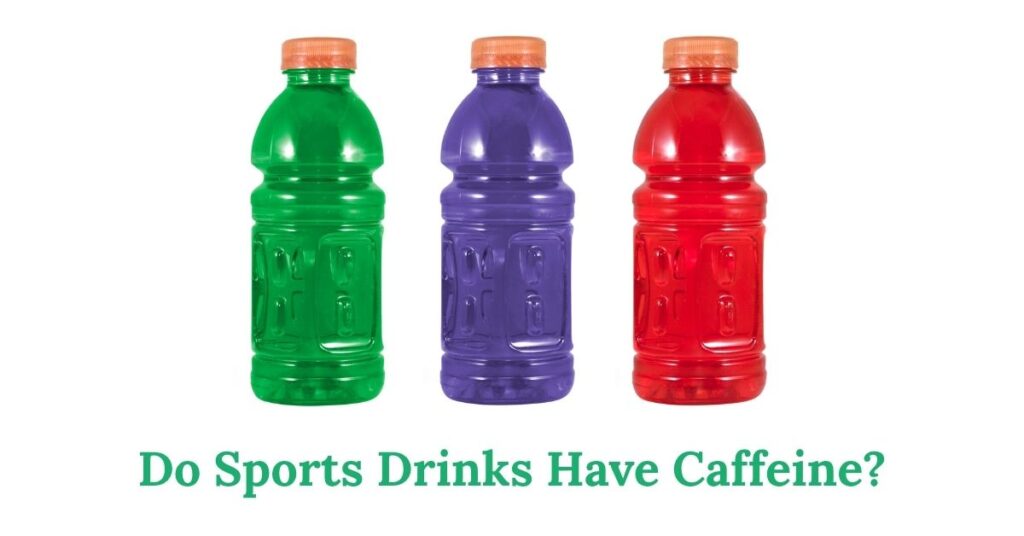
Most sports drinks are caffeine-free; a few “energy” or “performance” versions add 50–200 mg caffeine per bottle—check the label.
Classic Sports Drinks
Caffeinated Styles
Energy-Style Drinks
Hydrate
- Zero caffeine.
- Electrolytes first.
- Use for heat and long easy days.
Basic
Train
- Optional low dose.
- Test on practice days.
- Keep servings small.
Better
Race
- Known dose plan.
- Take early, not late.
- Watch daily totals.
Best
Quick Answer And Where Caffeine Shows Up
Classic sports drinks are built for hydration and fuel during effort. They deliver water, sodium, and a bit of carbohydrate. The standard lines from big brands are typically caffeine-free. Confusion starts when brands sell “performance” or “energy” versions. Those are the bottles that add caffeine, green tea extract, guarana, or coffee extract.
Here’s a simple overview of what you’ll usually see across the shelf. It’s not a brand endorsement—just the lay of the land.
| Drink Type | Typical Caffeine | What To Expect |
|---|---|---|
| Classic sports drink | 0 mg | Electrolytes + carbs for workouts >45–60 min |
| Zero-sugar sports drink | 0 mg | Electrolytes without sugar; handy between sets |
| “Performance” sports drink | 50–120 mg | Some lines add caffeine; read the front and ingredients |
| Energy drink for athletes | 150–200+ mg | Closer to energy drinks than sports drinks |
| Electrolyte mixes | 0–100 mg | Most are caffeine-free; a few offer caffeinated flavors |
| Oral rehydration solution | 0 mg | Medical-style formulas for dehydration; no stimulants |
If hydration is your main goal, plain water and electrolytes do the job. A quick refresher on how much water per day helps right-size your bottle for the session.
Do Sports Drinks Have Caffeine In Them? Practical Rules
Think in two buckets: hydration drinks and energy drinks. Hydration drinks are the classic bottles—focus on fluids, sodium, and sometimes carbs. Energy drinks are built to stimulate; caffeine is the star. A few sports brands blur the line with “performance” bottles that add caffeine. The label sorts them out quickly.
How To Read The Label Fast
Flip to ingredients. If you see caffeine, green tea extract, coffee extract, or guarana, the drink isn’t caffeine-free. U.S. rules require caffeine to appear when it’s added, but the exact milligram number isn’t mandatory on standard foods and beverages. Many brands share the number by choice, yet some do not. The FDA caffeine page sets a daily reference for adults and outlines warning signs when you’ve overdone it.
Where Caffeine Commonly Appears
Brands sometimes launch caffeinated offshoots to serve workouts that double as a pick-me-up. Examples include “energy” sticks or bottles positioned for pre-workout use. One well-known sports brand sells a bottle with 200 mg per 12 oz; another line offers about 100 mg per 20 oz in an “Edge” series. These sit closer to energy drinks than classic sports drinks.
When Caffeine Helps—And When It Doesn’t
Caffeine can sharpen alertness and reduce perceived effort during demanding training. For short evening sessions, the trade-offs rise: sleep can suffer, and recovery can lag. Not everyone tolerates the same dose. Start low, test in training, and log the response.
Sports Drinks Vs Energy Drinks
Energy drinks are built around caffeine. Many stack other stimulants or herbal blends. That’s a different lane from sports drinks that center on hydration and fuel. Public health agencies make this distinction; they flag energy drinks for youth and push limits for adults. The CDC resource explains the stimulant load and the concerns for students and teens.
For adults, many do fine within a moderate range. The FDA cites 400 mg per day as a level not generally linked to negative effects for healthy adults. Sensitive groups—kids, pregnant adults, and people on certain medicines—should avoid or limit caffeine.
Practical Dose Planning
Match the drink to the job. Morning intervals? A small, known dose before the warm-up can feel helpful. Aerobic volume in the heat? Go caffeine-free and focus on electrolytes and steady sipping. Back-to-back training days? Keep caffeine earlier in the day so sleep stays solid.
Real-World Label Clues
Front panel words like “energy,” “pre-workout,” “charged,” or “with caffeine” tip you off. Scan the fine print for caffeine, guarana, or tea extract. If the milligram number isn’t on the bottle, check the brand site. Many publish a chart, even if the Nutrition Facts panel doesn’t include it.
Common Lines And Their Usual Status
Classic Gatorade and Powerade lines are typically caffeine-free. Some offshoots are not. A sports-branded bottle called “Fast Twitch” lists 200 mg per 12 oz, while a product line labeled “Edge” carries a 100 mg hit per 20 oz. Similar patterns exist across smaller brands and sachet mixes.
How Much Is Too Much In A Day?
Stacking coffee, tea, soda, and energy-style bottles makes the totals jump quickly. Tally across the day using the FDA’s 400 mg reference for healthy adults. If sleep, jitters, or a racing pulse show up, dial back right away. Many people feel better keeping caffeine earlier in the day.
Hydration First, Stimulant Second
Most workouts need fluids, sodium, and sometimes carbs. Caffeine is optional and scenario-dependent. For long, hot sessions, replace fluids and sodium; save caffeine for key efforts where alertness and perceived effort matters.
Simple Fueling Timeline
Before: If you plan to use caffeine, keep the dose modest and test it on training days, not race day. Sip water alongside.
During: For efforts longer than an hour, use carbs and electrolytes. Keep stimulants out unless you’ve proven the plan in practice.
After: Rehydrate, eat a balanced meal, and keep caffeine low so sleep can do its job.
Quick Picks By Situation
Here’s a compact guide to common scenarios. Choose what fits the day, then adjust servings to match your sweat rate and session length.
| Scenario | Pick | Why It Works |
|---|---|---|
| Hot, long run or ride | Caffeine-free sports drink + water | Hydration and sodium without sleep or jitters later |
| Early-morning intervals | Small caffeinated bottle or coffee | Alertness boost for hard sets; stay within daily limits |
| Back-to-back training days | Zero-caffeine electrolytes | Protects sleep and recovery while replacing losses |
| Race day late finish | Low dose early only | Limits bedtime interference while still giving a lift |
| Dehydration from illness | Oral rehydration solution | No stimulants; balanced glucose-electrolyte formula |
| Teen athlete practice | Caffeine-free sports drink | Avoids stimulants; supports fluid and sodium needs |
Safety Notes You Can Use Today
Keep caffeine away from kids and teens. Pick caffeine-free for pregnancy and while nursing unless your clinician sets a limit. Mix caffeine with care if you take medicines that interact with stimulants. If you have heart rhythm issues, migraines, or reflux, many feel better with caffeine-free training days.
Labeling varies by product. Some bottles list a milligram number; others only show caffeine in the ingredients. When in doubt, check the brand’s site and plan your day using the FDA’s 400 mg yardstick. The CDC page linked above explains why energy drinks are a poor match for students and teens.
Want a deeper dive on sodium targets for bottles and snacks? Try our quick refresher on daily sodium limit before you stock up.