
Our readers keep the lights on and the coffee maker working hard! As an Amazon Associate, I earn from qualifying purchases.
Specs are compiled from manufacturer listings and verified buyer reviews and can change over time — please confirm the key details on the product page before buying.
Zero drop shoes keep your heel and forefoot level on the ground, which wakes up the muscles in your feet, calves, and legs that squishy shoes leave asleep. A stable base for heavy squats, room for toes to spread, and direct ground feedback make deadlifts and CrossFit feel planted. With nine top contenders on the table, the smart money starts with the shoe that has made 280 owners happy, then matches the rest to your foot shape and training style.
I’m Mohammad — the founder and writer behind Calories Fit. This guide is built by comparing the manufacturers’ published specifications and the patterns across verified customer reviews, so you get each pick’s real strengths and trade-offs instead of marketing spin.
Finding the best zero drop workout shoes starts with understanding the zero-drop design, toe-box shape, and sole flexibility that fit your gym routine.
Our Picks at a Glance

How To Choose The Best Zero Drop Workout Shoes
Zero drop shoes are a simple geometry change, not a gimmick. A 0mm drop means your heel and ball of foot sit at the same height, putting your body in a more natural alignment. Your calves and Achilles work harder than in heeled trainers, so the first few weeks feel different.
Check the Toe Box, Not Just the Drop
A zero drop shoe only helps if your toes have room to spread. Look for a “FootShape” fit or a wider toe box that lets your toes align naturally. Some shoes that claim zero drop are still narrow, and that squeezes your forefoot during lunges and lateral moves — so measure your foot and read the fit notes.
Match Cushioning to Your Training
Zero drop does not mean zero cushioning. Some models are thin-soled and highly flexible for ground feel, while others have a 14mm stack for more impact absorption on road runs. If you lift heavy, a firmer, more stable sole is ideal. If you run daily, a bit more cushion prevents soreness on pavement.
Build Up Slowly
Your feet and calves need time to adapt to a flat, flexible sole. Start with short sessions and gradually increase the time you wear them. Expect calf fatigue and arch soreness during break-in — that’s your body strengthening, not a defect.
Quick Comparison
| Model | Best For | Drop | Weight (oz) | Sole Type | Amazon |
|---|---|---|---|---|---|
| Xero Prio Neo★ Best Overall | All-Around Training | 0 mm | 8.7 | FeelTrue | Amazon |
| Topo ST-5Runner’s Pick | Road Running | 0 mm | 9.2 | 14mm Stack | Amazon |
| Reebok Nano ZeroLifter’s Choice | Strength Training | 0 mm | — | High Traction | Amazon |
| Xero Nexus Knit | Gym & Everyday | 0 mm | — | FeelTrue | Amazon |
| Altra Solstice XT 3 | Cross Training | 0 mm | 9.5 | InnerFlex | Amazon |
| Belleville Mini-Mil | Tactical & Hiking | 0 mm | — | 2mm Midsole | Amazon |
| Peluva Strand Sport | Toe Splay Fans | 0 mm | — | Barefoot | Amazon |
| Vivobarefoot Motus | Wide Feet Lifting | 0 mm | — | Barefoot | Amazon |
| Flux Adapt Graphene | CrossFit & HIIT | 0 mm | — | Graphene Grip | Amazon |
In‑Depth Reviews
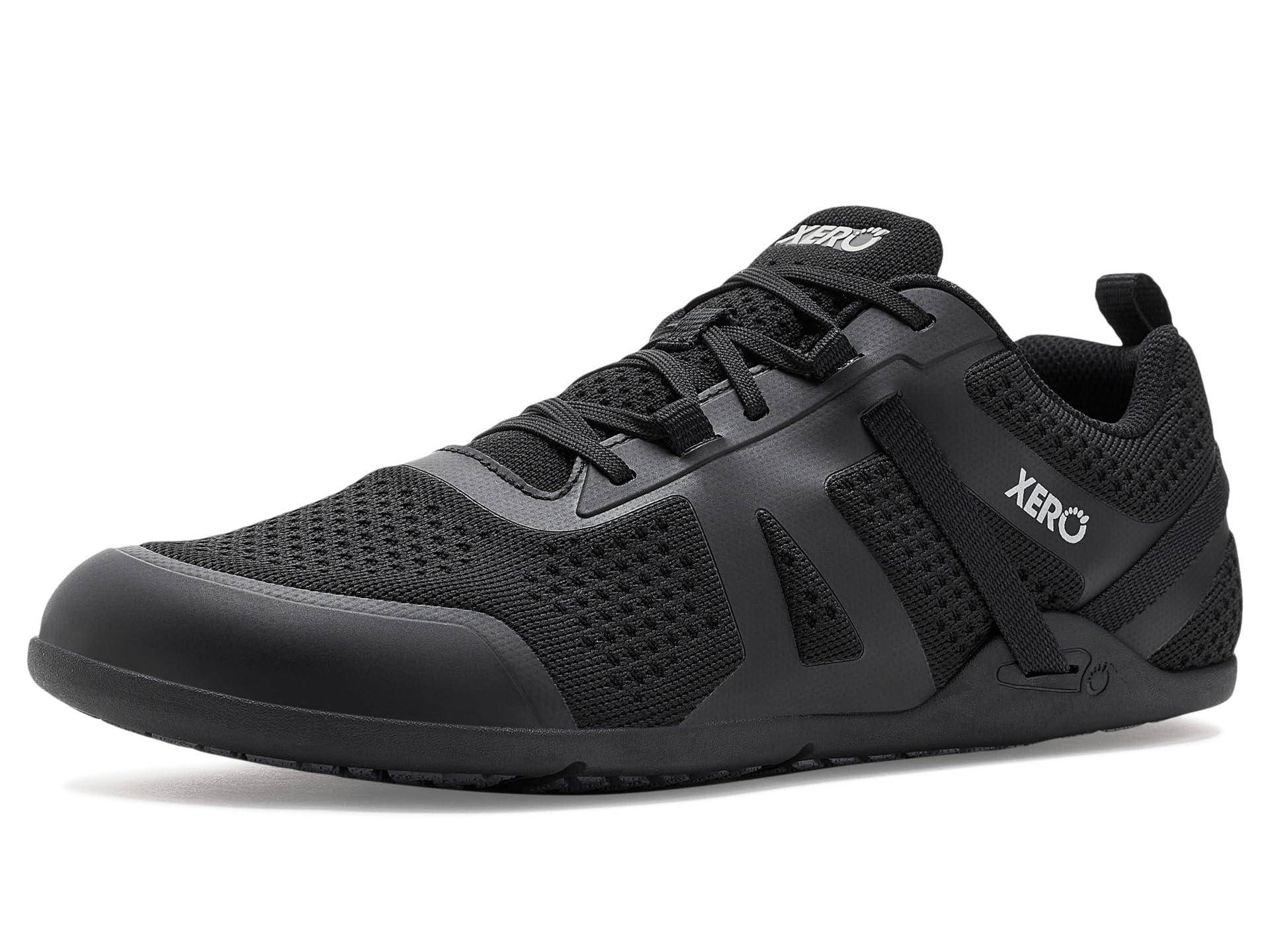
1. Xero Shoes Men’s Prio Neo Barefoot Training Shoes
Our pick — over 4★ from 250+ verified ratings; the strongest balance of quality and price.
The do-anything trainer that makes the transition to barefoot feel like a relief, not a punishment.
The Prio Neo is built to disappear on your foot. At just 8.7 oz (M9), the featherweight build plus the flexible FeelTrue® sole gives you the ground feedback your brain craves for balance. The wider, foot-shaped toe box lets your toes spread and relax, and the non-improve zero-drop heel keeps your posture honest during lifts. Adjustable midfoot and heel/instep straps mean you can dial in the fit for narrow or wide feet — a detail that buyers with narrow feet specifically call out.
Owners describe it as a quality barefoot shoe with a breathable thick upper, a flexible sole with traction, and a wide toe box that made a 2-month foot adjustment comfortable. Long-term wearers report less fatigue, better balance, and even reduced back pain when standing all day. There is a break-in period — expect a gait change, some calf fatigue, and a tapping noise as your stride adjusts — but the natural feel wins people over. The durability verdict is mixed though, so treat the lighter gray colorways with care since they show dirt and the upper is handwash only.
Versatility is the strongest card here: it rolls up for packing, works for running, lifting, and everyday wear, and is backed by the maker’s 5,000-mile sole warranty. The caveat that recurs in reviews is the toe box — some buyers with very wide feet find it narrower than other Xero models like the Mesa Trail II, and one owner found the insole holes noticeable. For most, though, the Prio Neo is the safest all-around recommendation in this category.
What Wins People Over
- Featherlight at 8.7 oz for all-day natural movement
- Wide foot-shaped toe box helps toes spread and relax
- Adjustable straps let you customize width for narrow feet
- Backed by a 5,000-mile sole warranty from Xero
Fair Warnings
- Durability draws mixed feedback, so inspect the upper
- Very wide feet may find the toe box snugger than other Xero styles
- Light gray colorways show dirt fast; upper is handwash only
Who it fits: Anyone wanting one shoe for gym, running, and daily wear — the most proven all-rounder in this list with the most owners behind it.
Reach for these if: You are making the switch from cushioned tennis shoes and want a comfortable, structured-on-top, flexible-below transition shoe.
2. Topo Athletic Men’s ST-5 Road Running Shoes
The zero-drop road shoe that adds more cushion than the barefoot crowd, without lifting your heel off the ground.
If you split your time between road miles and gym sessions, the Topo ST-5 is the bridge. Its new reduced 14mm, 0-drop platform is 2mm lower in stack height than previous versions, which delivers a more natural, flexible, and lightweight ride while still offering real cushioning. The recycled mesh upper is breathable, and the collapsible heel counter lets the shoe pack flat into a gym bag for travel — a niche feature frequent flyers appreciate.
Owners praise the zero drop, wide toebox, and moderate cushion as a great transition shoe for those who already have strong feet and lower legs. The lightweight build and ventilation mean you can even wear them comfortably without socks if you pop out the insole. What wins people over is the versatility: it handles daily runs, up-tempo workouts, gym work, and walking. The buyers report a catch though — “Rubber peeling after 37 days; feels fragile” is a real warning, and the high arches are not for those trying to avoid arch support. One owner notes the toebox is narrower than Vivo.
The anatomically shaped toe box lets toes spread naturally, and the secure heel and midfoot keep you locked in. Compared to the Xero Prio Neo above, the ST-5 has noticeably more cushioning underfoot, making it the better choice if you log serious pavement miles. The honest trade-off is durability — the outsole is the most frequent complaint, so this is a daily trainer, not a forever shoe.
The natural middle ground: zero drop with a 14mm stack, so you get ground feel plus enough cushion for road running — the best pick here for runners who find thin-soled shoes too harsh.
Grab these if: You run several times a week and want a roomy-toe, flat platform that still absorbs impact better than a barefoot shoe.
Look elsewhere if: You need a tank that survives daily hard miles on abrasive roads — the outsole durability is the recurring weak point.
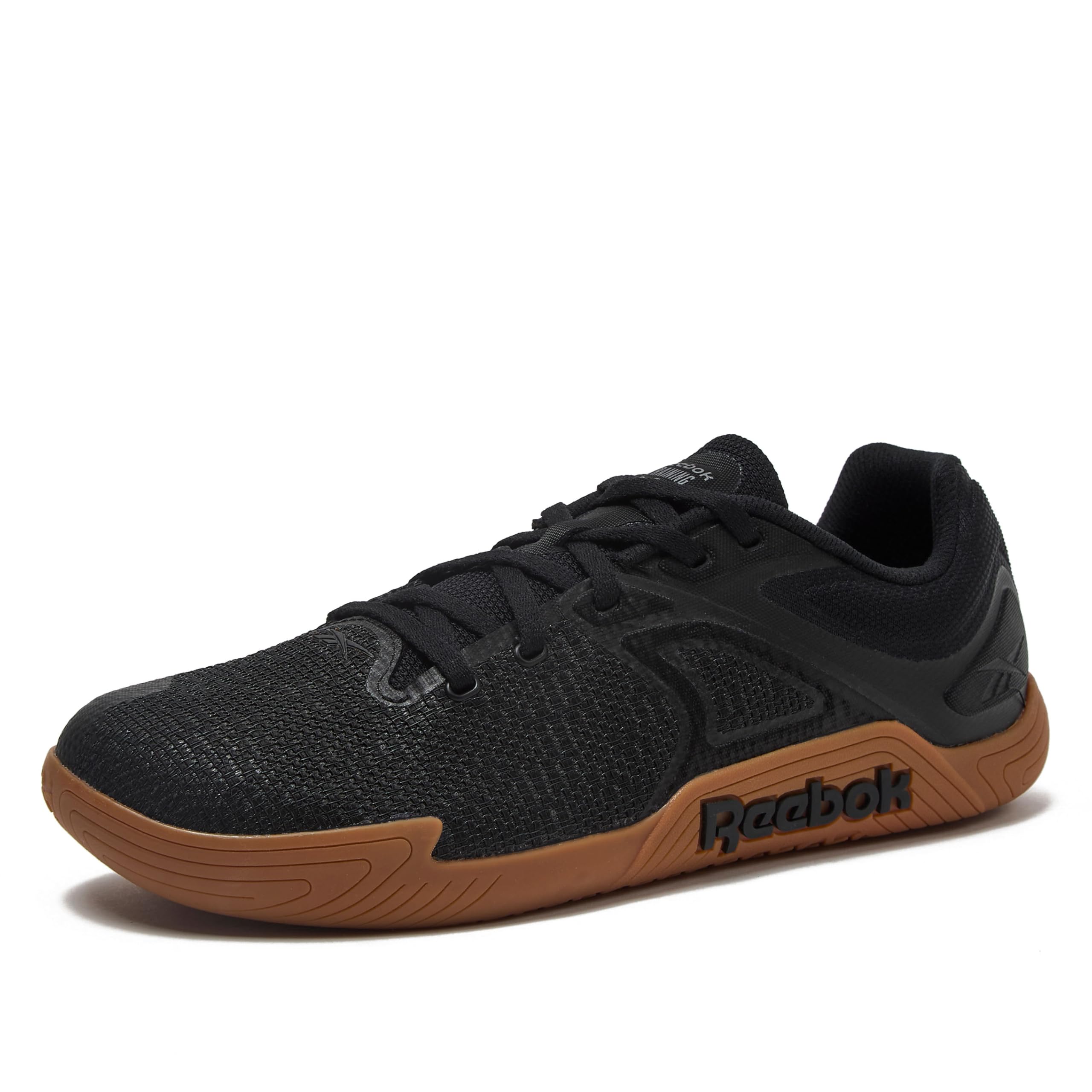
3. Reebok Nano Zero Cross Training Shoes
The crowd favorite for flat, stable lifting — and the only pick here that looks like a normal gym sneaker.
The Reebok Nano Zero takes the famous Nano platform and flattens it. A high traction outsole pairs with a zero drop midsole so you feel the ground for natural body alignment during squats and deadlifts. The breathable Flexweave engineered mesh upper gives a soft, airy feel without sacrificing toughness, and the plush foam collar adds comfort around the ankle. Owners who squat and deadlift regularly describe it as “the best zero drop gym shoe I’ve found — flat bottom, light, comfortable plus looks good.”
Fit is the first thing people rave about, with buyers confirming the shoe runs true to their normal size — one size 11.5-12 guy found the 12 too big and the 11.5 perfect. The wide toebox is praised as generous without being extreme, making it more practical for daily wear than dedicated barefoot shoes. It handles CrossFit, daily walking, and even roofing work with good traction on asphalt and cedar shake. What owners appreciate most is the stability — the flat sole gives you a solid base for lateral movement and heavy lifts.
The recurring note for wide feet is the midfoot: one EE-width owner found the laces sit too distal and rub the high midfoot crease unless the insole is removed. The sole is also stiffer than true barefoot shoes, so if you want maximum ground feel, the Xero Prio Neo above is the freer option. But if you want a zero drop shoe that feels like a normal, good-looking trainer while giving you a flat lifting base, this is the one.
Lifting Strengths
- Stable, flat bottom for squats and deadlifts
- Wide toebox praised as generous, not extreme
- Breathable Flexweave upper that looks like a regular sneaker
- Owners confirm true-to-size fit for most
Fit Notes
- Wide midfoot may feel snug for EE-width feet
- Stiffer sole than dedicated barefoot shoes — less ground feel
Best for: Lifters and CrossFitters who want a flat, stable base without looking like they’re wearing toe shoes — the most socially normal zero drop trainer here.
skip it if: You want a truly flexible barefoot sole that lets every toe articulate independently.
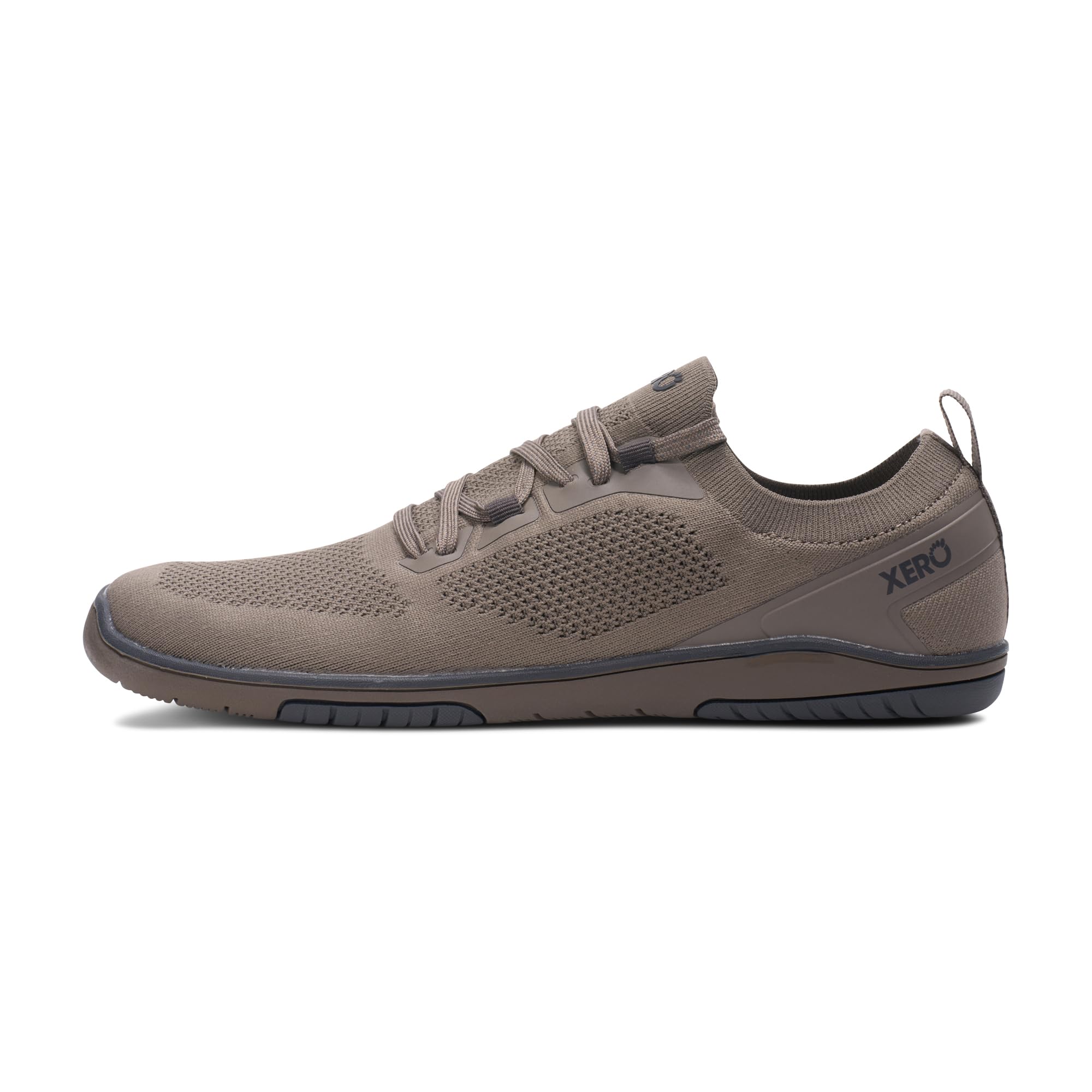
4. Xero Shoes Men’s Nexus Knit Zero Drop Sneaker
A knit lifestyle sneaker that sneaks barefoot benefits into your errands, gym bag, and casual fits.
The Nexus Knit is Xero’s answer to the everyday sneaker — breathable, lightweight, and 100% vegan, with the same FeelTrue Protection underfoot. The knit upper is the star: owners say it keeps feet cool and is slick and easy to clean, which makes it a more forgiving daily shoe than mesh versions. It shares the wide toe box of the Xero Prio Neo above but skews more lifestyle than gym, making it the shoe you grab when you want barefoot comfort off the clock.
What wins people over is the comfort — buyers find the shoe feels best without the insole, and several report it helps with knee pain and neuropathy-related balance issues. The flat sole aids balance for those with scoliosis or disability needs, and owners with neuropathy say the barefoot feel prevents wobble. The versatility sees it used for gym workouts, casual wear, and running alike. There is a real split on fit though: the toe box is very wide, but the overall shoe runs narrow for unusually wide feet, and the stretchy knit upper feels less secure than a laced mesh.
A few honest cautions: the toe spring is noticeable for some, causing heel pressure when standing, and the durability verdict is mixed — one owner’s sole separated and Xero refused warranty for a third-party purchase. Sizing also runs loose, which is actually a plus for toe spread if you wear socks. The bottom line is a comfortable, stylish zero drop shoe for errands and light workouts, not a hardcore CrossFit beater.
The lifestyle angle: comfort-first knit construction with a wide toe box that owners use for gym, daily wear, and neuropathy relief — the most casual-flexible Xero on this list.
Choose this if: You want a breathable, cool, easy-to-clean zero drop sneaker for everyday wear and light gym sessions, especially if you have foot or knee sensitivity.
Think twice if: You have unusually wide feet and need a secure, non-stretchy upper for heavy lateral training.
5. Altra Men’s Solstice XT 3 Cross Training Shoe

Altra’s classic FootShape fit — zero drop, wide toe box, and just enough stack for daily training.
The Solstice XT 3 is built for flexibility, stability, and connection, so it’s ready to train as hard as you do. An A-frame quarter panel is designed for stability to help you tackle lateral movements, while the InnerFlex midsole — a grid of grooves — provides flexibility and movement. At 9.5 oz, 0mm drop, and a 23mm/23mm stack height, it sits in the moderate cushion zone, making it a comfortable middle ground between the thin-soled Xero and the plush Topo. The padded heel collar keeps your foot comfortable, and the rubber outsole brings durability.
Owners love the classic Altra fit: zero drop, wide toe box, and minimal stack that lets toes move freely with a secure midfoot. Owners mention hip pain gone, and the shoe works well for those with neuropathy and flat feet. The stability during weight lifting is a highlight, with one 220+ lb owner noting less stress on knee and back whether running, walking, boxing, or doing lawn work. It handles runs, sprints, and box jumps with little wear, and the white colorway gets dirty fast — a recurring note.
The honest trade-offs: durability is mixed, with some owners saying the material feels “cheap” or low quality, and it’s not ideal for high arches. The midfoot is also narrower than Altra’s Escalante or Torin, which is a minor issue for wide-footed lifters. If you want the barefoot flexibility of the Xero Prio Neo but need just a touch more cushion for mixed training, the Solstice XT 3 is the balanced pick — just know it’s more of an everyday trainer than a hardcore CrossFit destroyer.
Altra’s Strengths
- Signature FootShape fit with roomy toe box
- InnerFlex midsole with grid grooves for natural flexibility
- Stable for weight lifting and lateral movements
- True to size for most, roomy enough for wide feet
Watchouts
- White colorways show dirt quickly
- Not ideal for high arches; midfoot runs narrower than other Altas
- Durability feedback is mixed
For the mixed-training crowd: handles CrossFit, runs, and daily wear with a classic Altra toe box — the most proven FootShape option in this list.
Not for you if: You have high arches that need support, or you want an ultra-flexible barefoot sole with no stack height.
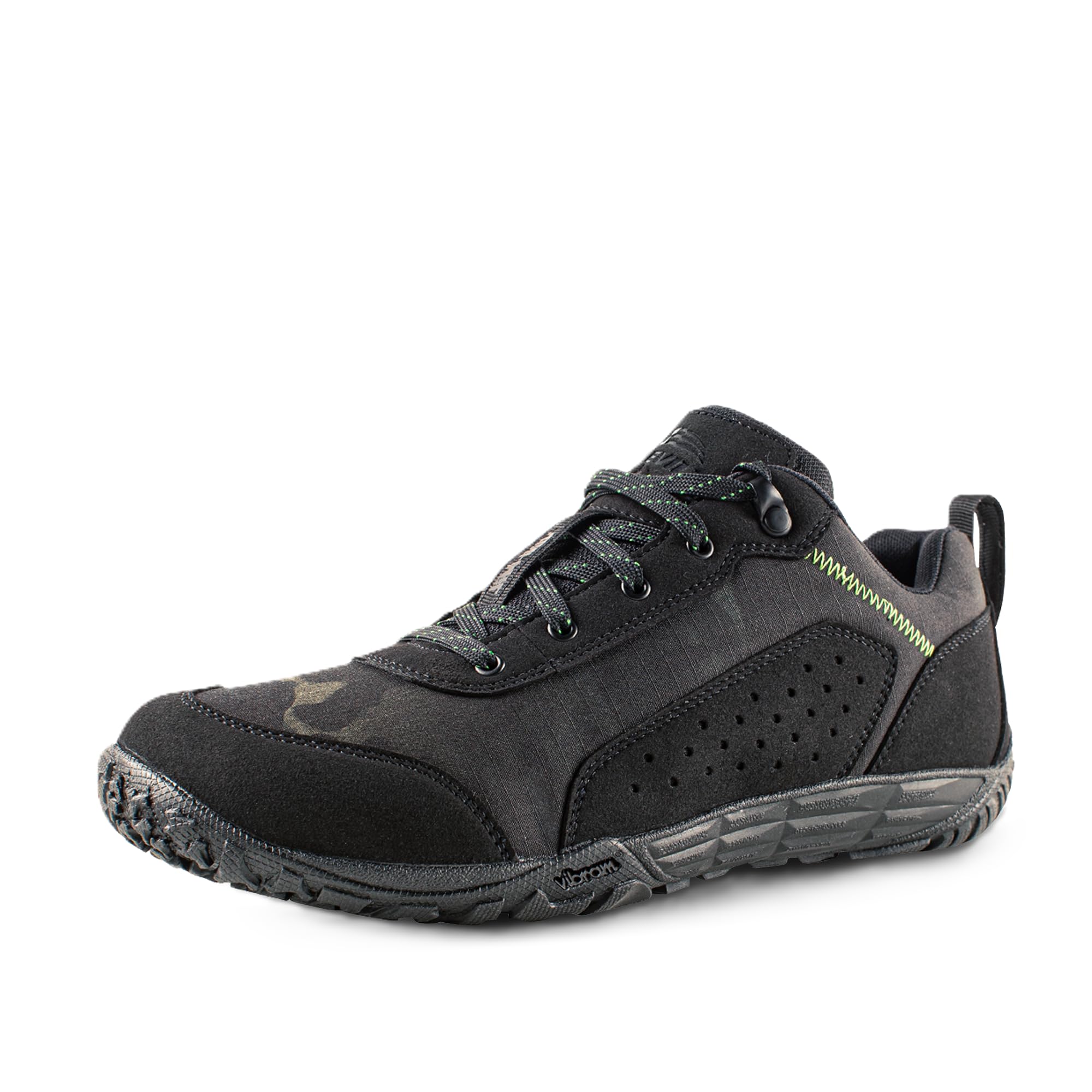
6. Belleville Mini-Mil Barefoot Hiking Shoes
Military-grade minimalism — the zero drop shoe that’s as ready for rucking as it is for the gym floor.
The Belleville Mini-Mil brings genuine military pedigree to the barefoot category. It features a zero-drop construction for a natural gait, a wide toe box for toe spread, and a 2mm shock-diffusing midsole that provides impact absorption without killing the minimalist feel. The oil- and slip-resistant rubber outsole gives you stability on slick and varied terrain, and the breathable mesh upper keeps feet cooler in warm weather. The Strobel stitch construction adds flexibility, making it a key differentiator from stiffer hiking shoes.
Owners are enthusiastic, calling it a high-quality barefoot trainer that’s true to size, zero drop, flexible, and wide-toed. The traction on ice and rugged terrain is excellent, and it holds up for running, hiking, and rucking. Customers note the natural foot position leads to all-day fatigue-free wear, and the camo black colorway looks sharp. It’s more structured than thin-soled options, which is a plus if you want some protection on rocky trails. The versatility is real — it’s used for shooting, lifting, running, and casual wear.
Fit is the mixed bag here. Some owners say it runs narrow and recommend ordering wide, while others find it runs large and suggest sizing half up. The ankle collar sits a bit high and can rub the ankle bone during very long days (12+ hours). A durability complaint mentions tears and flaking rubber dot coating after a few months, though most owners expect the build to last years. If you want a zero drop shoe that can handle tactical, hiking, and gym work without falling apart, the Mini-Mil is the rugged pick.
The strategic angle: more structure and protection than pure barefoot shoes, with a 2mm shock-diffusing midsole that makes it ideal for rucking, hiking, and all-day tactical use alongside gym training.
Best for: Military, law enforcement, and outdoor enthusiasts who need a durable zero drop shoe for hiking, rucking, and tactical use.
Caution: Sizing reports conflict — measure your foot, order accordingly, and consider the wide option if you have broader feet.
7. Peluva Strand Sport 5-Toe Trainer
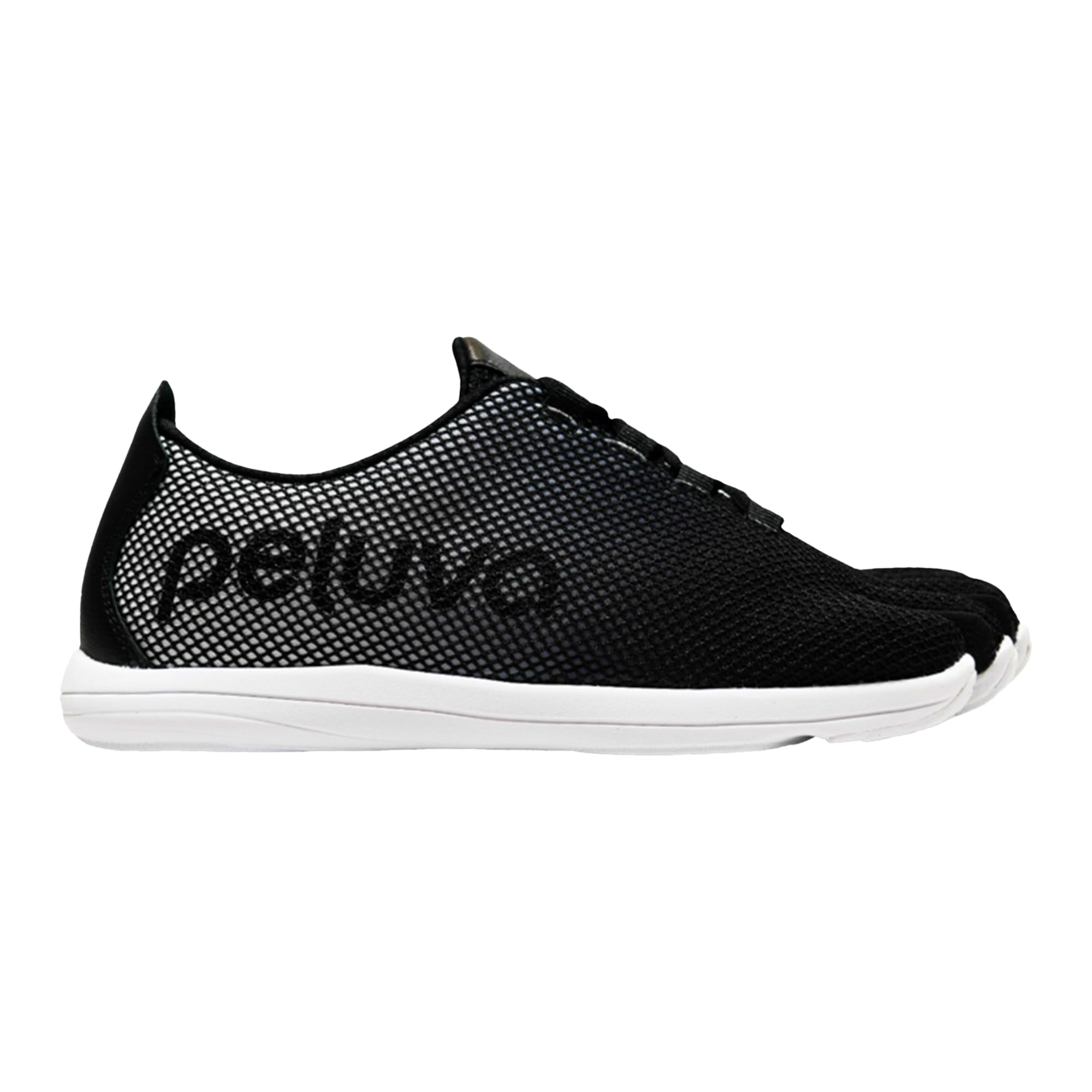
The 5-toe trainer for people who want each toe to move on its own — zero drop, zero compromise.
The Peluva Strand Sport takes barefoot to the next level with individual toe slots. The mesh upper keeps feet cool, and the snug fit plus reliable grip promotes balance and foot strength. This is a true barefoot shoe, which means no padding underfoot — one 6’4″, 240 lb owner runs 6-10 miles daily on trails and sidewalks with no calluses, high arches, and defined calves after adaptation. The toe splay improves connection through feet, calves, knees, quads, and core, making it a favorite for workouts.
Owners who make the transition describe their feet and legs feeling incredible during daily activities, with one post-knee-injury buyer calling it their go-to workout shoe. It’s easy to put on after a break-in period and very comfortable once adapted. The design is more wearable than you’d expect — even the skeptic in the household admitted the look isn’t bad, and it’s great for hiking and walking. The transition from cushioned shoes is the key: “Not for beginners” is a strong warning, and 12-hour concrete shifts are not recommended due to the lack of padding.
The honest caveats are the sizing and support. One buyer had a frustrating time trying to exchange sizes, bouncing between Peluva and Amazon customer service with no resolution. The fit is described as a little wide for narrow feet, and sizing must be handled efficiently. If you are committed to a true barefoot experience with individual toe movement, this is the most authentic option here — but it demands respect for the adaptation process.
The Barefoot Payoff
- Individual toe slots boost splay and foot strength
- Promotes balance and connection through the whole leg
- Breathable mesh keeps feet cool
- Reliable grip for trails and gym
Hard Truths
- Not for beginners — requires real adaptation time
- No padding for long concrete shifts
- Customer service on exchanges has frustrated some buyers
For the committed: experienced barefoot users who want maximum toe articulation and are ready for a genuine break-in period.
pass on it if: you’re new to zero drop shoes or stand on hard surfaces for 12-hour shifts — start with a cushioned transition shoe instead.
8. Vivobarefoot Men’s Motus Strength Training Shoe
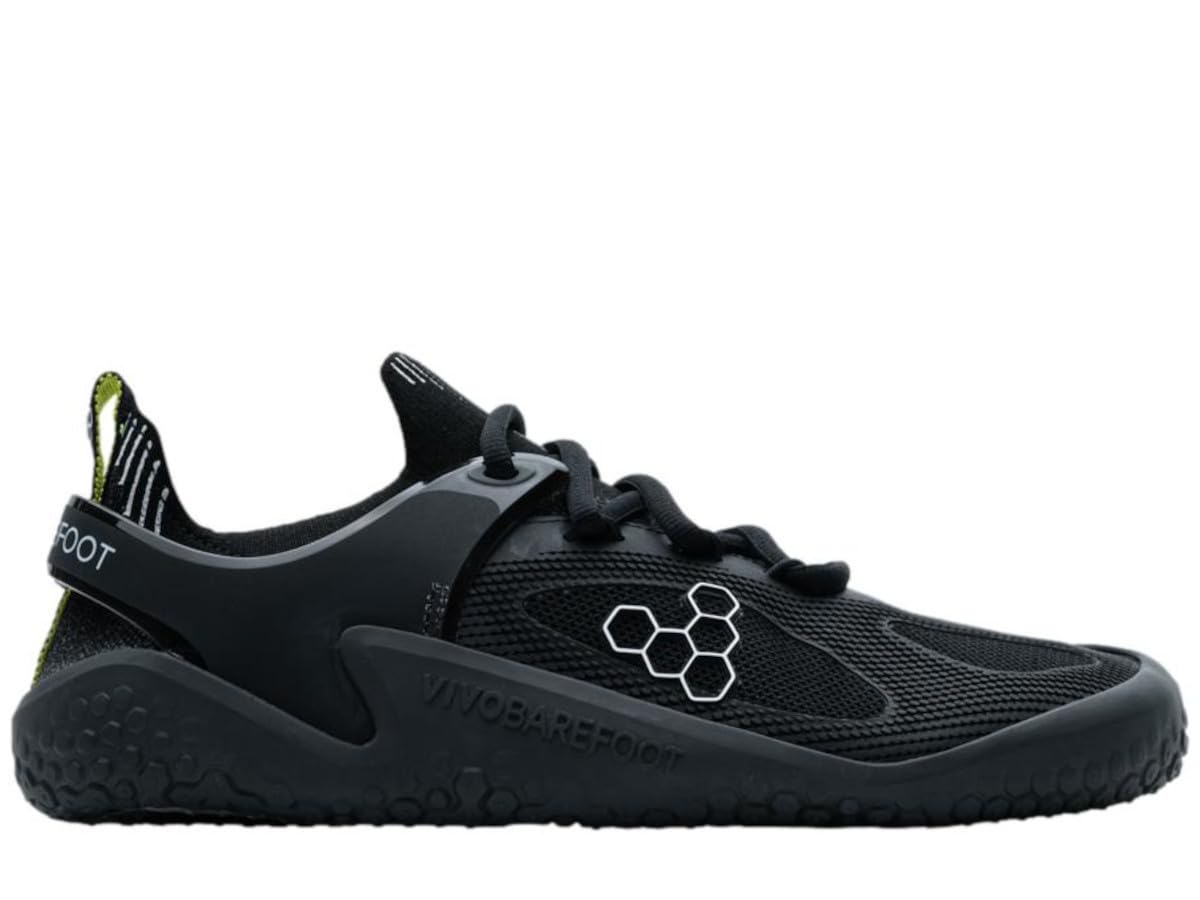
The elite weight-lifting barefoot shoe with the widest toe box in the Vivo lineup — built for serious lifters.
The Vivobarefoot Motus Strength is a purpose-built training shoe that excels at squats, power cleans, agility work, and box jumps. It’s lightweight, stable, and secure without being bulky, offering a perfect balance of ground feel and support. This is the best-fitting Vivo for wide feet — owners with 12.5 US/46 EU size and 4.6″ width find the snug heel and slight toe splay very comfortable. The flexible sole allows a full range of motion for calf raises, and the firm grip makes it stable for deadlifts and squats.
Owners describe it as “hands down the best wide toe box shoes I’ve ever used” with little foot fatigue even after all-day wear. It works for strength training, treadmill walking, rowing, and biking, and the durability is praised as excellent. The laces work well, and there’s no real break-in needed for most. The shoe runs warm and traps heat, and the sock-like fit means socks can bunch at the ball of the foot — many owners just go barefoot. The fit reports are split: most say true to size, some say it runs 1 size too big.
For running and box jumps, the super-wide toe box can be a liability — one owner tripped while running because the toe box was too roomy. Gravel underfoot feels awful due to the thin barefoot sole. But for lifting, this is an elite pick that competes directly with the Reebok Nano Zero above: the Vivo gives you more toe room and flexibility, while the Reebok offers a stiffer, more stable base for maximal lifts. If wide feet are your priority, the Motus wins.
The wide-foot verdict: the most accommodating toe box in the Vivo range, purpose-built for heavy lifting with a barefoot flexible sole — the go-to for lifters who find even Altra-style toe boxes too snug.
Ideal for: wide-footed lifters who want zero drop, barefoot flexibility, and a shoe that disappears on the foot during squats and deadlifts.
Not ideal if: you run in your training shoes or prefer a stiffer, more planted sole for maximal lifts — the Reebok Nano Zero is the firmer option.
9. Flux Footwear Adapt Graphene XT Shoes
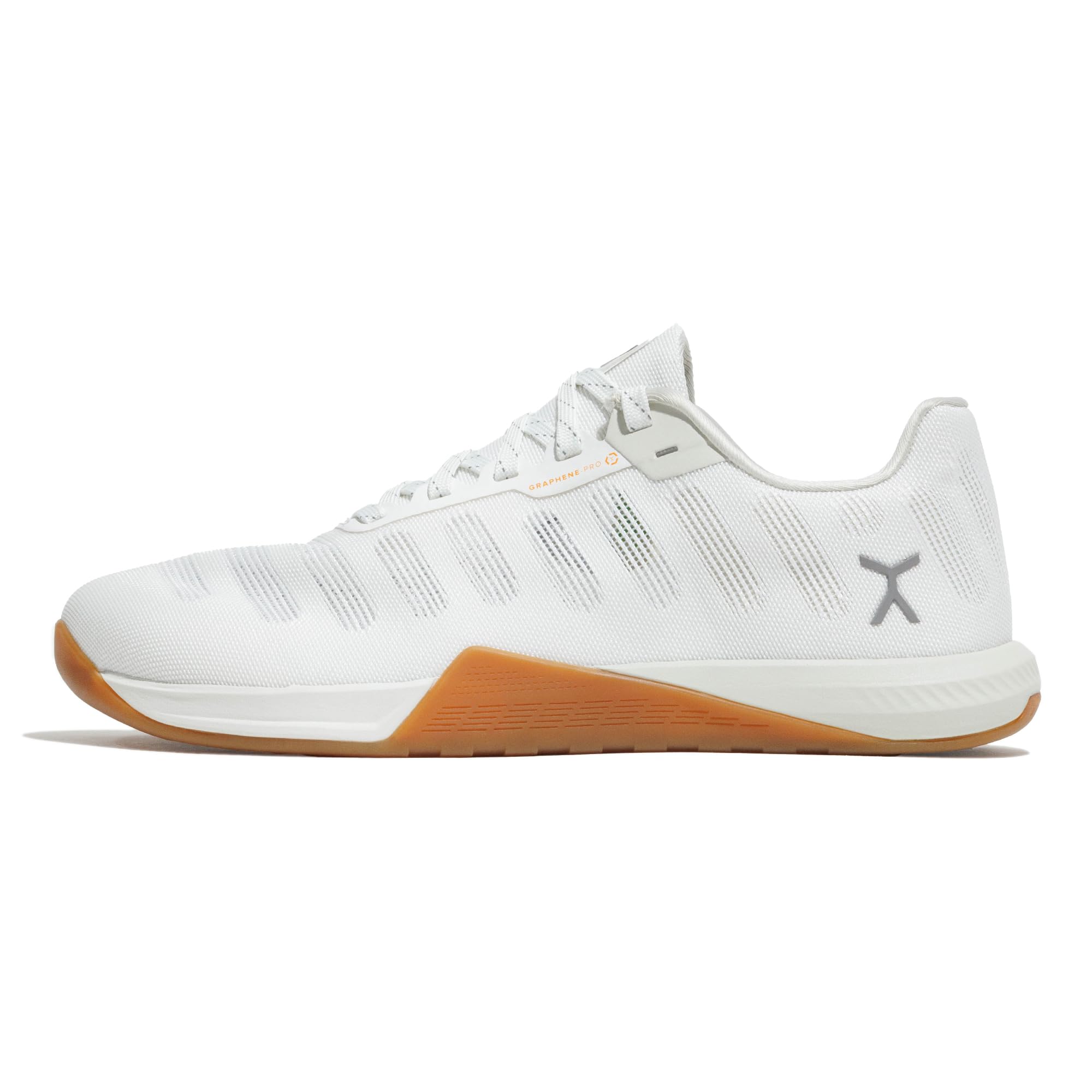
The graphene-reinforced CrossFit shoe that’s built to grip the rope and take a beating.
The Flux Adapt Graphene XT is built for the rigors of CrossFit, HIIT, lifting, and gym work. The ballistic mesh upper is durable and stain-resistant, while the graphene-reinforced outsole — graphene is a one-atom-thick layer of carbon, the strongest material ever discovered — offers exceptional grip for rope climbs. The wide toe box and zero-drop design let your feet move naturally, and the textured insole disappears underfoot for a locked-in feel. It’s sturdy, lightweight, and comfortable enough that one owner bought 4 pairs.
Owners rave about the fit and foot support, calling it the “best gym shoe I’ve had, perfect for leg day” with a comfy, tight fit that works as the perfect base for squats. The support helps your feet and ankles get stronger since there’s less assistance than mainstream brands, which buyers see as a positive. It’s great for CrossFit, rope climbs, and travel, and the material quality draws the most praise. The appearance and versatility round out the positives for general fitness and weight lifting.
The biggest caveat is sizing: the brand recommends sizing up a 1/2 size, and owners confirm this is essential — those who ignore it find the shoe too small and have to exchange. The toe box width gets mixed feedback, with some saying it’s not true to size, and a size chart complaint mentions running over an inch too long. One owner had a manufacturing issue with a squeaky midsole and fragile graphene nubs, calling customer service unhelpful. The ankle collar is also a bit high for some. For CrossFitters who want grip and durability with a wide toe box, this is a strong pick — just size up.
CrossFit Ready
- Graphene outsole provides excellent grip for rope climbs
- Ballistic mesh upper is durable and stain-resistant
- Wide toe box and zero drop for natural movement
- Foot support praised for leg day and general lifting
Size Up Warnings
- Brand recommends sizing up 1/2 size — most owners confirm it’s necessary
- Toe box width draws mixed feedback on true-to-size fit
- One owner reported a squeaky midsole and fragile graphene nubs
For the CrossFit devotee: graphene grip and a wide toe box in a package built for rope climbs and heavy lifting — the most feature-forward option in this list.
Do this first: order a half size up, per the maker’s own guidance and the consensus across owners.
Understanding the Specs
Zero Drop (0mm Heel-to-Toe)
Zero drop means your heel and forefoot sit at the same height, so your foot rests flat like it does when you’re barefoot. This keeps your spine and posture aligned and puts more work into your calves, Achilles, and foot muscles. It’s the opposite of a typical running shoe, where the heel is raised, and it takes time to adapt if you’re used to heeled trainers.
Toe Box Width
The toe box is the front section of the shoe where your toes sit. A wide toe box lets your toes spread naturally instead of being squeezed together, which improves balance and comfort during squats and lateral moves. Brands call this “FootShape” (Altra), “foot-shaped” (Xero), or simply “wide” — and getting this right matters more than the drop number itself.
Stack Height and Sole Flexibility
Stack height is the amount of material between your foot and the ground. A lower stack (like 2mm on barefoot shoes) gives you more ground feel but less impact protection. A higher stack (like 14mm on the Topo ST-5) cushions road running but reduces ground feedback. Flexible soles allow natural foot movement, while stiffer soles offer more stability for heavy lifting.
Break-In and Adaptation
Switching to zero drop shoes is a transition, not an instant fix. Your calves and Achilles will stretch and strengthen, which can cause fatigue or soreness in the first weeks. Owners across every brand here report a break-in period — start with short sessions, listen to your body, and gradually build up to full workouts to avoid injury.
FAQ
What does zero drop actually mean for my workout?
Will I need a break-in period with zero drop shoes?
Are zero drop shoes good for lifting weights?
Can I run in zero drop workout shoes?
What is the difference between zero drop and barefoot shoes?
How do I know if a wide toe box is wide enough for my feet?
Why do my calves hurt when I switch to zero drop shoes?
Are zero drop shoes good for flat feet or high arches?
What is the 5,000-mile sole warranty on Xero shoes?
Can I wear zero drop shoes without socks?
Final Thoughts: The Verdict
For most people, the best zero drop workout shoes winner is the Xero Prio Neo because it combines the lightest feel in this list, a wide foot-shaped toe box, and proven all-day comfort — the crowd favorite for good reason. If you want a flat, stable lifting platform that looks like a normal sneaker, grab the Reebok Nano Zero. And for runners who need more cushion underfoot, the Topo ST-5 with its 14mm stack is the one to reach for.
How We Picked
We do not accept paid placement. Every pick is matched to a real buyer and a real use-case; we do not hands-on test units.
Sources & Methodology
Specifications: manufacturer listings and product documentation. Review insights: verified customer reviews, as of August 2026. Pricing: not shown on this page (it changes often); check the current price via the retailer link.
As an Amazon Associate, Calories Fit earns from qualifying purchases. This does not affect which products we feature.