
Our readers keep the lights on and the coffee maker working hard! As an Amazon Associate, I earn from qualifying purchases.
Specs are compiled from manufacturer listings and verified buyer reviews and can change over time — please confirm the key details on the product page before buying.
If you want a stable, grounded base for heavy squats and deadlifts, a zero drop weightlifting shoe is the answer. Unlike traditional trainers with a raised heel, these sit flat so your foot is level with the floor, which helps you keep your weight centered and your form honest. This guide breaks down the best zero drop weightlifting shoes on the market, focusing on what actually matters: sole stiffness, ground feel, toe room, and real-world durability — not just marketing claims.
I’m Mohammad — the founder and writer behind Calories Fit. This guide is built by comparing the manufacturers’ published specifications and the patterns across verified customer reviews, so you get each pick’s real strengths and trade-offs instead of marketing spin.
We dig into the six models that serious lifters keep coming back to, comparing the zero drop weightlifting shoes that deliver on stability, fit, and long-term wear.
Our Picks at a Glance
How To Choose The Best Zero Drop Weightlifting Shoes
Choosing a flat trainer isn’t about looks—it’s about staying stable under heavy weight while your foot moves naturally. Focus on these three things first: a zero-drop sole (heel and toe at the same height) for balance, a wide toe box for toe splay, and a firm, grippy outsole for traction on the gym floor.
Sole Stiffness and Ground Feel
A weightlifting shoe should feel planted, not bouncy. A stiff, flat outsole gives you a solid platform for squats and deadlifts, while a highly cushioned sole can compress under load and make you wobble. Look for a low-profile sole — typically 0mm of drop — so your heel and forefoot sit at the same height, which encourages better balance and a more natural foot position.
Toe Box Width and Fit
Your toes need room to spread out for balance, especially when you’re bracing for a heavy lift. A wide toe box lets your foot splay naturally, which can improve stability and comfort. Pay attention to sizing — many zero drop shoes run small or large, so check whether owners recommend sizing up or down before you order.
Durability and Materials
A trainer that wears out in a few months is a bad investment. Check the outsole material — tougher rubber compounds hold up better on gym floors and pavement. The upper should also be breathable but tough, since lateral moves and rope climbs will punish flimsy fabric. Reading what long-term owners say about wear is the fastest way to judge whether a shoe will last.
Quick Comparison
| Model | Best For | Drop | Weight | Key Feature | Amazon |
|---|---|---|---|---|---|
| Vivobarefoot Motus Strength★ Best Overall | All-day wear and gym work | 0mm | Not listed | Wide toe box, flexible sole | Amazon |
| INOV8 Bare-XFNatural Feel | Natural-feel training | 0mm | 250g | 2.5mm rubber outsole | Amazon |
| Reebok Nano Zero | CrossFit and strength work | 0mm | Not listed | Flexweave mesh upper | Amazon |
| ALTRA Solstice XT 3 | Heavy lifting and daily use | 0mm | 9.5 oz | FootShape toe box | Amazon |
| Flux Adapt Graphene XT | Lifting and cross-training | 0mm | Not listed | Graphene grip outsole | Amazon |
| TYR Dropzero | Deadlifts and powerlifting | 0mm | Not listed | Stability strap closure | Amazon |
In‑Depth Reviews
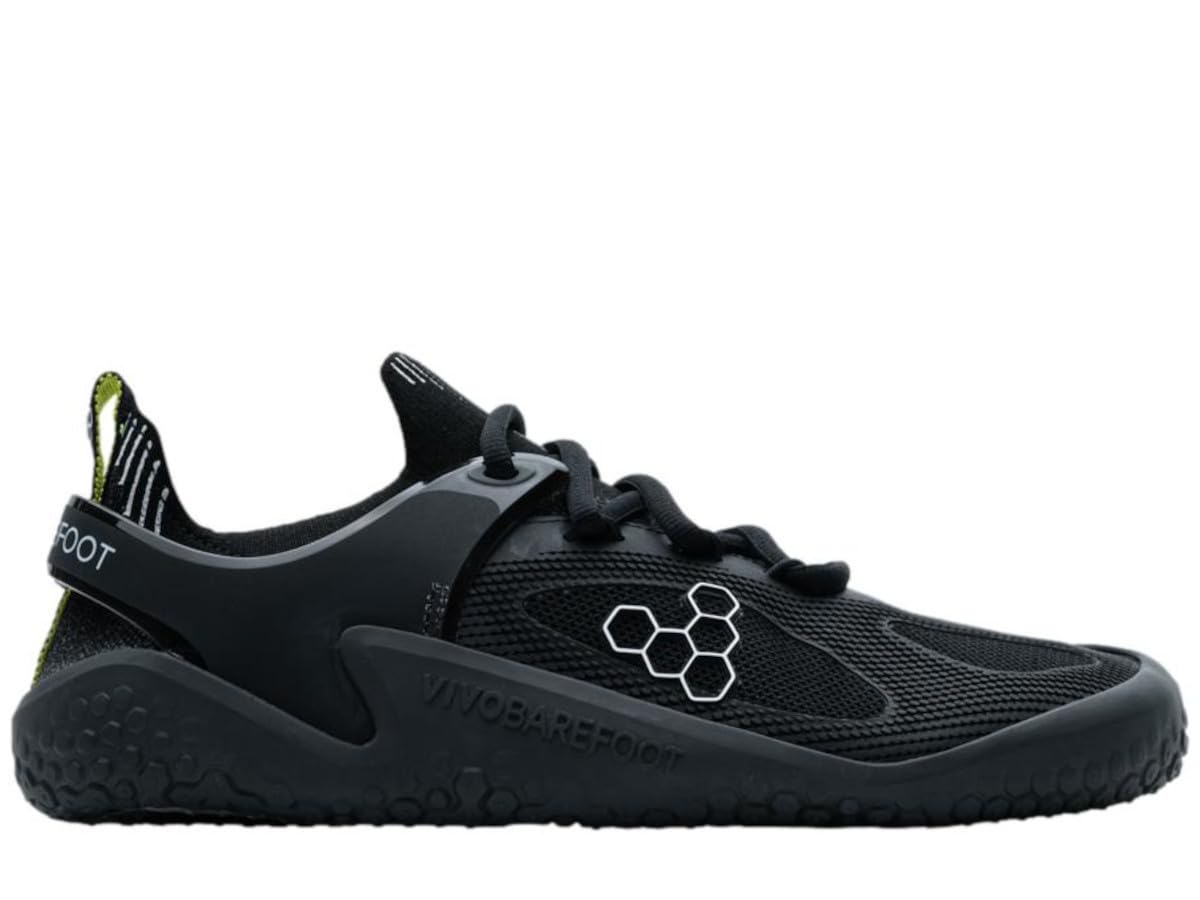
1. Vivobarefoot Motus Strength Zero-Drop Training Shoe
Our pick — 4.5★ from 250+ verified ratings; the strongest balance of quality and price.
The crowd-pleasing flat trainer that pulls double duty as a gym shoe and an all-day work shoe.
This is the shoe people reach for when they want one pair that does everything. The zero drop platform keeps your heel and forefoot level for squats, and the flexible sole lets you move through full calf raises and box jumps without fighting the shoe. Owners with wide feet (2E/4E) call it the best-fitting Vivo they’ve owned, praising the snug heel and the roomy toe box that lets toes splay naturally.
Comfort is the standout feature here. Buyers report wearing them all day—one said, “I’m on my feet all day and these don’t make me feel like it at all.” That makes them a true all-rounder for lifting, walking, and daily work. The catch: some find the fit runs about 1 size too big, so consider sizing down. A few also note the shoe runs warm, trapping heat during longer sessions.
For pure lifting, the stable, grounded platform is excellent, holding up for squats, power cleans, and agility work. It’s also note the roomy toe box can cause tripping if you try to run in them, so treat these as a trainer, not a runner. The feedback loop between the flexible sole and your foot is what makes them feel so natural — you feel the floor and can make tiny adjustments mid-lift.
What wins people over
- Comfortable enough for all-day wear at work or the gym
- Excellent wide toe box for natural toe splay
- Stable and grounded for squats, deadlifts, and cleans
What to watch
- Fit can run about 1 size too big for some feet
- Upper traps heat during long or intense sessions
- Not ideal for running — the wide toe box can cause tripping
Reach for it if: You want one zero drop shoe for lifting, walking, and standing at work all day without foot fatigue.
Think twice if: You plan to run in them — the wide toe box makes that a tripping hazard rather than a strength.
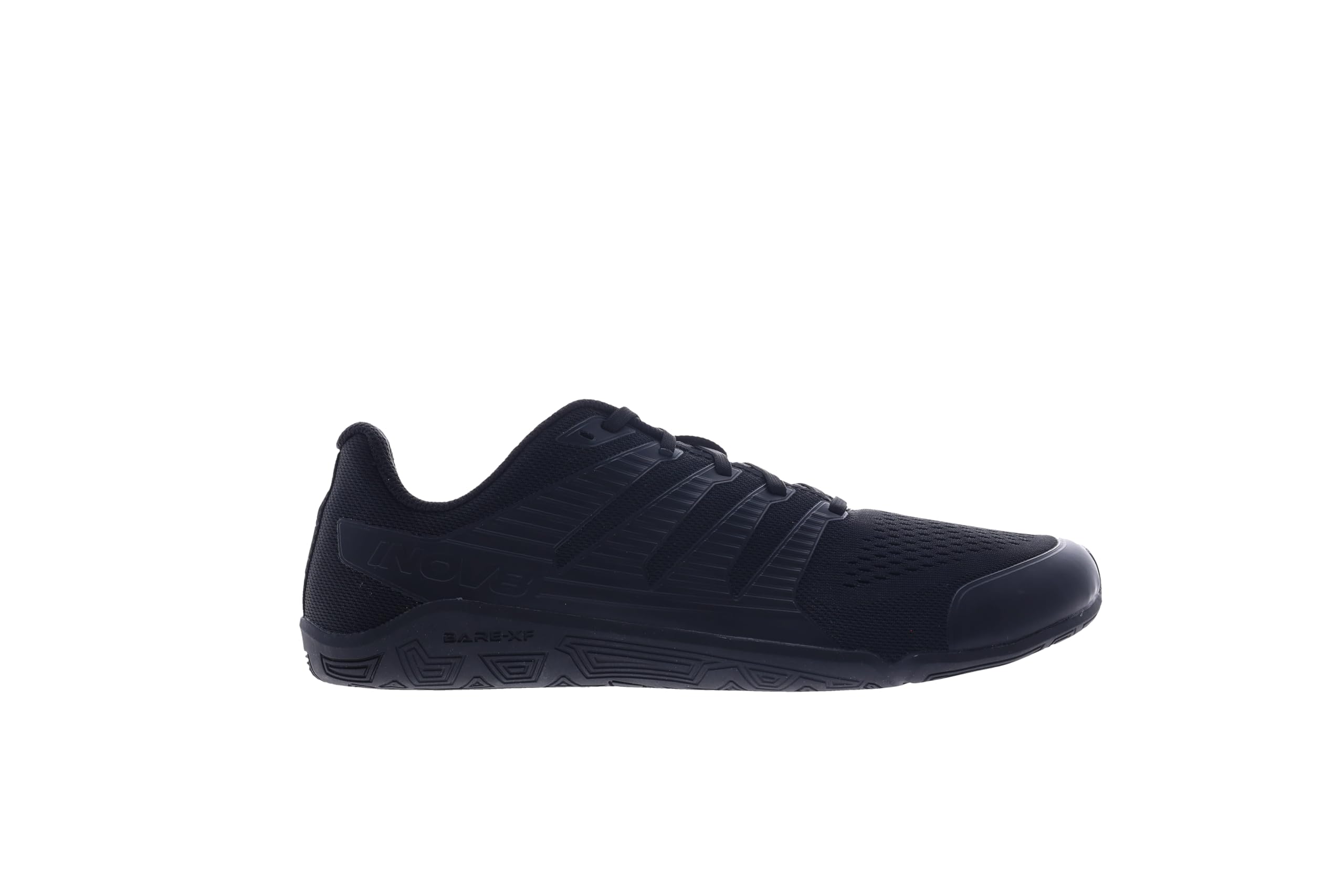
2. INOV8 Men’s Bare-XF Barefoot Training Shoes
A featherweight 250g trainer built for athletes who want to feel the floor and move naturally.
The INOV8 Bare-XF is all about stripping things back. There’s no midsole cushioning at all, which puts your foot closer to the ground for that true barefoot feel. The 2.5mm rubber outsole is grippy and flexible, and the NATURALFIT shape locks in at the heel and midfoot before widening at the forefoot so your toes can spread. It’s a favorite for calisthenics, lifting, rope climbs, and burpees.
What stands out in the feedback is the fit — it’s the most-praised feature by a wide margin, especially for wide feet. Owners love the generous toe box and the secure heel lock. The grip also earns strong praise, with buyers saying it works well both indoors and outdoors. The versatility is real: these have been used for lifting, sprints, 5Ks, and even daily wear, with one owner noting a transition from cushioned Hoka to Altra was made easier by training in these.
Durability is the honest weakness. Owners mention the sole can wear out—one said, “The sole wore out and was not capable of lasting a full year of training.” That owner got an 8-month lifespan, wearing them only for exercise. Another noted the toe rubber peeling after light use. If you train heavy and often, this is the trade-off for that incredible ground feel—the softer compound that feels great underfoot also wears faster.
Why it shines
- Zero midsole cushioning means maximum ground feel
- Light at 250g, so feet move freely for agility work
- Wide NATURALFIT shape with great grip for gym floors
The honest catch
- Sole durability is the recurring complaint from frequent trainers
- May wear through in under a year of regular use
- Some customers note toe rubber peeling early
Who this suits: Athletes who value a raw, grounded feel and rotate through several shoes so no single pair takes daily punishment.
Who should look elsewhere: Heavy-volume lifters who need one shoe to survive a full year of hard training.
3. Reebok Nano Zero Cross Training Gym Sneakers
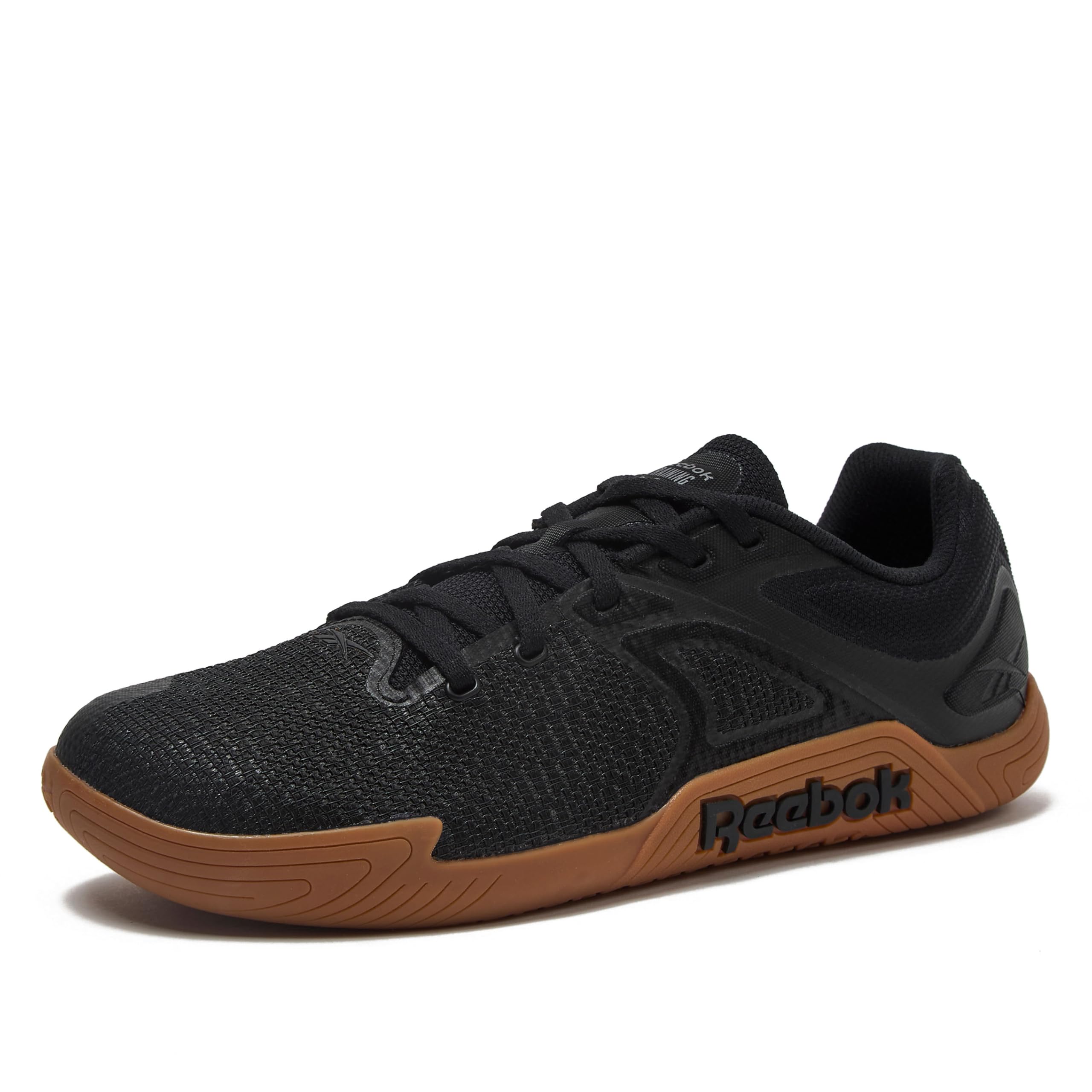
The flat-bottomed CrossFit workhorse that owners call the best zero drop gym shoe they’ve found.
The Reebok Nano Zero is built for all-around strength training, with a zero drop midsole that lets you feel the ground for natural body alignment. The high traction outsole is paired with a breathable Flexweave engineered mesh upper, so your foot stays cool during long sessions while still getting the support you need for lateral movements. The plush foam collar adds a comfortable, supportive fit around the ankle.
Owners are genuinely enthusiastic. One review sums it up: “Best zero drop gym shoe I’ve found – flat bottom, light, comfortable plus looks good.” That flat bottom makes it a favorite for squats and deadlifts—you get solid stability without any heel lift. It’s also more practical for daily wear than a strict barefoot shoe, with a wider toe box that isn’t extreme. Good traction makes it a solid option for roof work or walking.
The one fit note to flag: sizing can be tricky. A size 12 buyer found the 12 too big and swapped to an 11.5 for a perfect fit, while others say the sizing is true to your normal shoe size. A few with wide feet found the laces sit too far down and rub the midfoot. If you’re between sizes, be ready to try the smaller option first.
What makes it click
- Flat, stable zero drop platform perfect for squats and deadlifts
- Breathable Flexweave upper keeps feet cool
- Works for CrossFit, daily walking, and gym use
Fit notes
- Sizing runs large for some — a half size down may be needed
- Lace placement can rub the midfoot on wide feet
- Sole is stiff with little ground feel for a “barefoot” style
Pick this if: You want a mainstream, well-rounded zero drop trainer that feels secure for heavy lifts and comfortable for daily use.
Be ready for: A stiffer sole than true barefoot shoes — this is a trainer, not a minimalist slipper.
4. ALTRA Men’s Solstice XT 3 Cross Training Shoe

A stable, roomy 0mm drop trainer that has become a daily favorite for lifters of every size.
The Solstice XT 3 is designed for lifting heavy, with an A-frame quarter panel for stability during lateral movements and a 0mm drop (23mm/23mm stack height) for that flat, grounded feel. The signature FootShape fit gives your toes plenty of room to move freely while keeping a secure midfoot. At 9.5 oz, it’s light enough for agility work but sturdy enough for squats. A 220-pound owner says it handles running, walking, boxing, and yard work with less stress on the knee and back.
The fit is the headline here — it’s the most-praised feature, and for good reason. The wide toe box is comfortable for natural movement, and the heel cup offers solid cushioning. An 80-year-old owner with nerve issues in the feet found the wide toe space made standing around less painful. Durability gets strong marks too — one owner wore them daily for 9 months and says they’re still holding up fantastically, while another got 1.5 years of daily wear.
The caveat is that this isn’t a maximal-support shoe. Some owners find the soles lack support even with inserts, and it can feel too minimal for intense physical activity like hiking or court sports. It’s also not the most comfortable for long runs. But as an everyday cross-training shoe for lifting and gym work, it delivers a lot of value for the price.
What impresses
- Roomy FootShape toe box for natural toe splay
- Holds up well — 9 months of daily wear with little issue
- Stable 0mm platform with 23mm/23mm stack for lifting
What to know
- Minimal support — not ideal for hiking or court sports
- Not comfortable for long runs
- Some owners find the sole lacks arch support even with inserts
Grab it for: A versatile, budget-friendly zero drop trainer for lifting and daily wear that won’t wear out quickly.
skip it if: You need a heavily cushioned or supportive shoe for high-impact activities.
5. Flux Adapt Graphene XT Barefoot Shoes
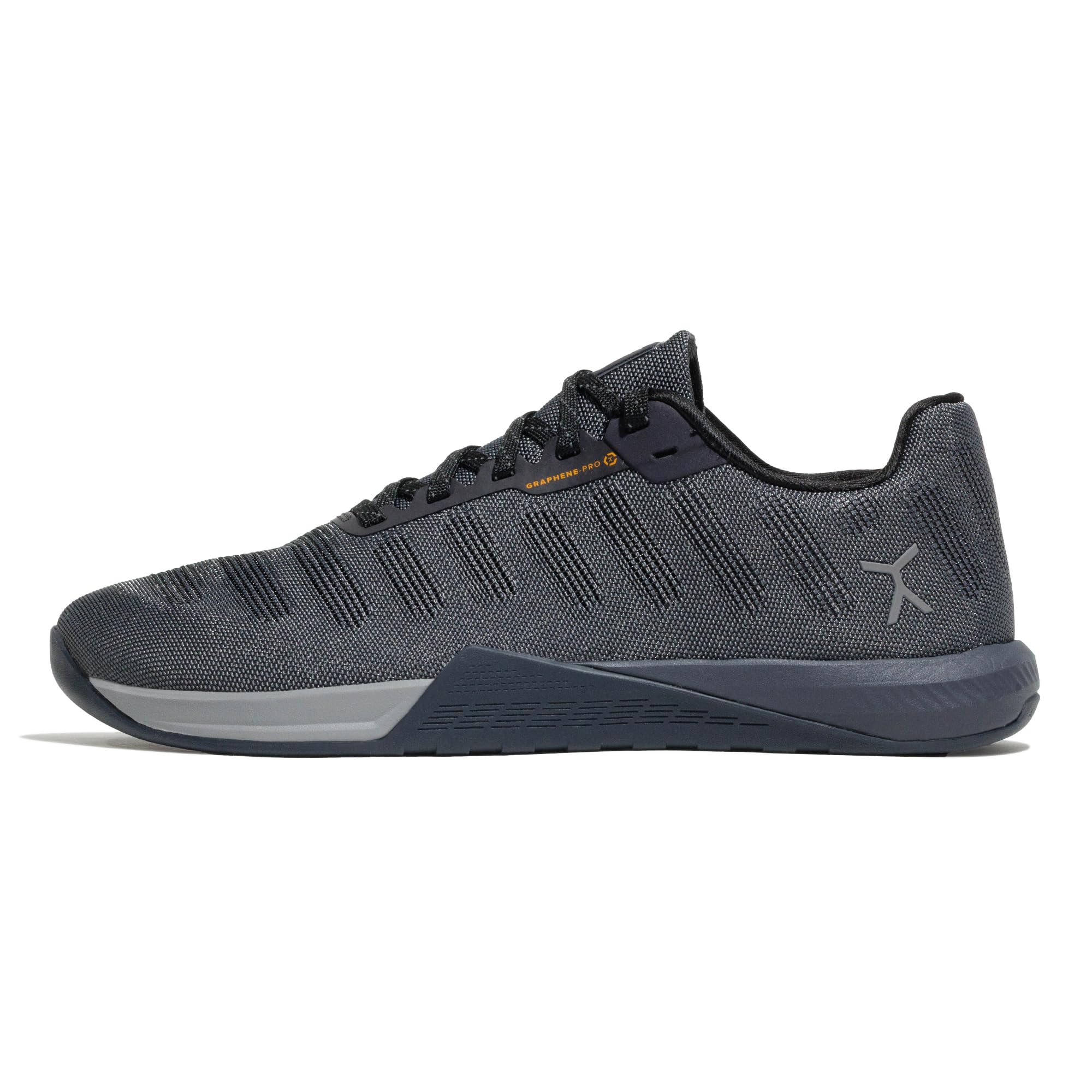
A gym-only specialist with a graphene outsole that owners say shows near-zero wear after months.
The Flux Adapt Graphene XT is built for the gym, and it doesn’t hide it. The graphene outsole — The graphene outsole is claimed by the maker to be 200x stronger than steel. — delivers serious grip for lifting, HIIT, and CrossFit. The wide toe box and zero drop design let your toes spread naturally, and the ballistic mesh upper is built to resist stains and wear. It’s a premium investment aimed squarely at dedicated gym-goers.
The material quality is what wins people over here. Owners who train hard report near-zero sole wear after about 6 months of gym-only use, and one buyer owns 4 pairs across the brand. The wide toe box is praised for giving feet room to spread during lifts, and the insoles even have a massaging texture. It handles everything from quick sprints to rope climbs, and it’s light and comfortable enough for travel and vacation wear.
The big catch is sizing. The maker itself says the Adapt Graphene XT fits small and recommends sizing up a half size — and even that isn’t always enough, with some owners going up a full size. One buyer followed the size chart to the letter and still got a shoe over an inch too long. The ankle support is also higher than some prefer, rubbing on the lateral malleolus for a few owners. Get the size right, though, and this is a durable, great-looking gym partner.
Where it excels
- Graphene outsole shows near-zero wear after months of gym use
- Wide toe box for natural toe spread during lifts
- Sturdy yet lightweight and comfortable for CrossFit
Where it’s finicky
- Sizing runs small — most owners need to size up a half or full size
- Ankle collar can rub for some foot shapes
- Really only designed for gym and turf use, not outdoor wear
Choose this if: You want a premium, durable gym shoe with excellent grip and don’t mind dialing in the size.
Heads up: Order a half size up as a starting point, and expect the fit to be snug until you find your perfect size.
6. TYR Dropzero Barefoot Trainer
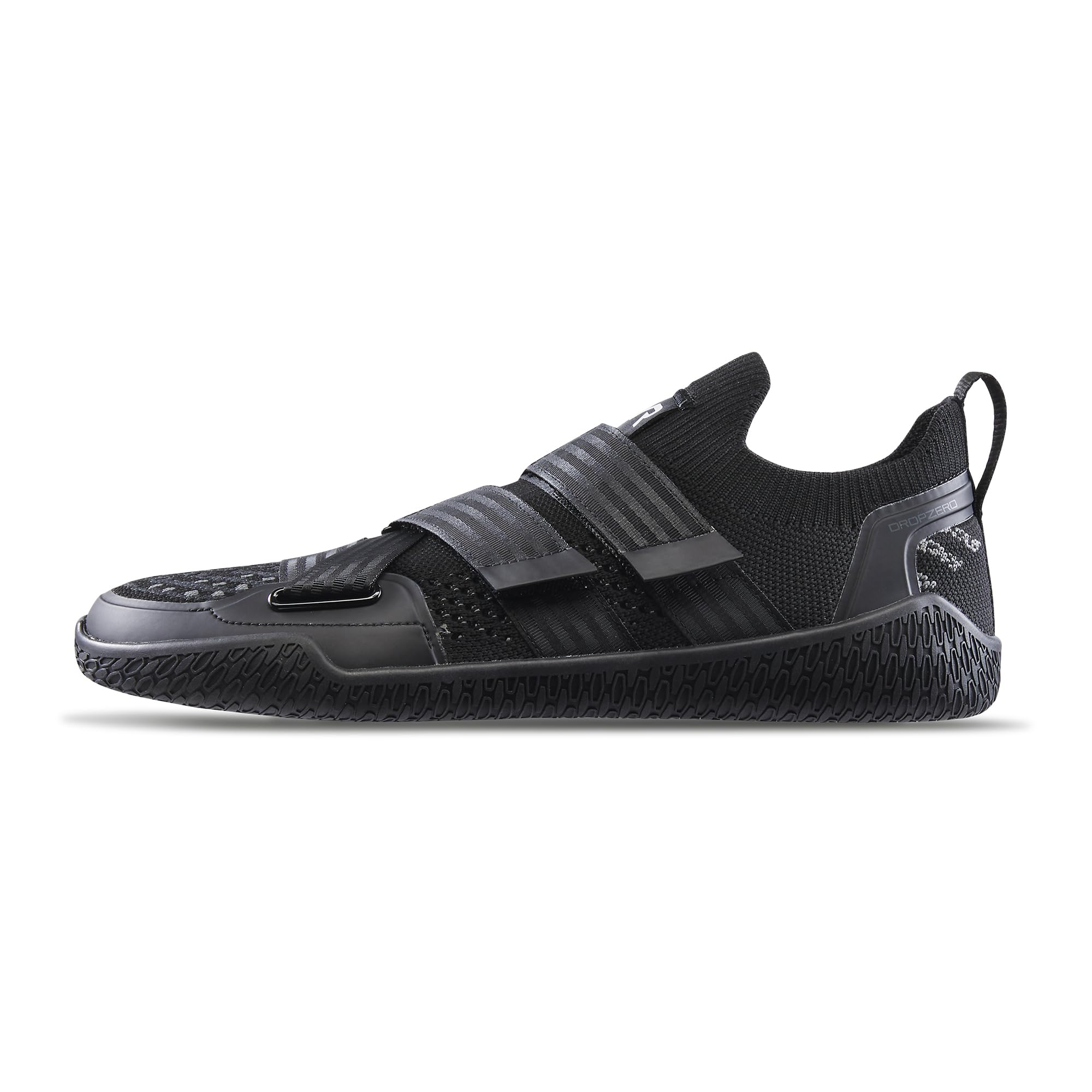
A no-nonsense flat trainer with a built-in stability strap that deadlifters swear by.
The TYR Dropzero is a purpose-built tool for the powerlifter. The ultra-thin TYRTac rubber outsole offers superior traction and ground feedback, while the built-in stability strap locks your foot in place for lifting and dynamic workouts. The barefoot-inspired design enhances movement and connection to every surface, making it a standout for strength, HIIT, and weight training. The Velcro closure combined with the wide toe box creates a secure, planted feel under heavy loads.
Owners are direct about what this does well: it’s a fantastic deadlift and squat shoe. The flat, stable platform keeps your feet planted, and the hard bottoms are a nice touch — one owner notes walking over a penny won’t hurt. It works for HIIT workouts too, staying comfortable even with that added cardio component. The strap system takes a few wears to break in, but once it’s settled, it’s a reliable choice for the big three lifts.
The sizing here is the main friction point. It’s a unisex shoe, and the sizing is described as a bit misleading — reviewers point out needing to size down, sometimes a half size or more. One buyer with a 7.5 tennis shoe size went down to a Men’s 5.5/Women’s 7. Another warns that although the listing says “women,” they received men’s sizing. There’s also a slight hotspot by the pinky toe for some, though leaving that part of the strap loose fixes it. Get the size dialed in, and this is a solid, durable powerlifting companion.
Why lifters love it
- Flat, stable platform with excellent grip for deadlifts and squats
- Stability strap provides a locked-in feel for heavy lifts
- Hard, durable bottoms that protect your feet
What to sort out
- Sizing is tricky — most owners need to go down a half size or more
- Unisex sizing can be confusing (listed as women’s but sends men’s sizes)
- Strap can create a pinky toe hotspot until broken in
Best for: Dedicated powerlifters who want a flat, stable, strapped-in feel for deadlifts and squats.
Note for buyers: Expect to order a size down and try on thin socks — sizing is the one real headache here.
Understanding the Specs
Zero Drop vs. Raised Heel
Some lifting shoes have a raised heel (often 12mm or more) to help you hit depth in squats. A zero drop shoe keeps your heel and forefoot at the same height, which promotes a more natural foot position and can improve balance. It also puts more demand on your ankle mobility and calves, so it’s a different style of lifting that takes some getting used to.
Stack Height and Ground Feel
Stack height is the amount of material between your foot and the floor. A lower stack height — like the 23mm/23mm on the ALTRA Solstice XT 3 — means more ground feel, which helps you stay connected to the floor during lifts. Some minimalist shoes like the INOV8 Bare-XF take this to the extreme with zero midsole cushioning, putting your foot almost directly on the outsole.
Toe Box Width
A wide toe box lets your toes spread naturally, which can improve balance and stability under heavy loads. Brands like Altra and Vivobarefoot are known for their roomy toe boxes. If you have wide feet or enjoy toe splay, this is a critical spec, but if you have narrow feet, an overly wide toe box can feel unstable or cause tripping during runs.
Outsole Material and Durability
The outsole is the rubber on the bottom that touches the floor. Tougher compounds like graphene or a 2.5mm thick rubber outsole hold up better on gym floors. Softer compounds give better grip and ground feel but wear out faster. If you train frequently, durability of the outsole is the single biggest factor in how long your shoe lasts before you need a new pair.
FAQ
Why are zero drop shoes better for weightlifting?
What is the difference between zero drop and barefoot shoes?
Do I need to size up or down with zero drop shoes?
How long do zero drop weightlifting shoes last?
Can I run in zero drop weightlifting shoes?
Are zero drop shoes good for people with wide feet?
What is a stability strap on a lifting shoe?
Should I lift in zero drop shoes if I’m used to raised heels?
Are zero drop shoes good for HIIT and CrossFit?
Which zero drop shoe is best for deadlifts?
Final Thoughts: The Verdict
For most lifters, the best zero drop weightlifting shoes are the Vivobarefoot Motus Strength—their all-day comfort and stable lifting platform make them the most versatile pick here. If you want a mainstream, trustworthy trainer for CrossFit and strength work, the Reebok Nano Zero offers a flat, stable base with a breathable upper. For pure powerlifting, the TYR Dropzero with its stability strap is the one to grab. Your choice depends on how you split time between the gym floor and daily life—the Vivo does both, the TYR specializes in the lifts that matter most.
How We Picked
We do not accept paid placement. Every pick is matched to a real buyer and a real use-case; we do not hands-on test units.
Sources & Methodology
Specifications: manufacturer listings and product documentation. Review insights: verified customer reviews, as of August 2026. Pricing: not shown on this page (it changes often); check the current price via the retailer link.
As an Amazon Associate, Calories Fit earns from qualifying purchases. This does not affect which products we feature.