
Our readers keep the lights on and the coffee maker working hard! As an Amazon Associate, I earn from qualifying purchases.
Specs are compiled from manufacturer listings and verified buyer reviews and can change over time — please confirm the key details on the product page before buying.
Buying zero drop training shoes means your heel and forefoot sit at the same height, so your foot stays flat and your muscles do the work modern cushioned heels usually do for you. That flat platform is why lifters love them for squats and deadlifts — you get a stable base and you can feel the floor. The catch is that your calves and feet need time to adapt if you are used to padded running shoes.
I’m Mohammad — the founder and writer behind Calories Fit. This guide is built by comparing the manufacturers’ published specifications and the patterns across verified customer reviews, so you get each pick’s real strengths and trade-offs instead of marketing spin.
The best zero drop training shoes let you lift heavy with a flat, stable base while still letting your toes spread naturally for balance and comfort.
Our Picks at a Glance
How To Choose The Best Zero Drop Training Shoes
Zero drop means the heel and forefoot sit at the same height, unlike most running shoes where the heel sits higher. That flat platform keeps your posture aligned and forces your calves, feet, and ankles to stabilize naturally, which is why lifters and natural-movement fans seek them out.
Drop, Stack, and Cushioning
Drop is the height difference between heel and toe — zero drop means no difference at all. Stack height is how thick the sole is; a lower stack gives you more ground feel, while a thicker one adds comfort. There is a real trade-off: thin soles let you feel the floor for lifting, but they can leave your feet sore if you stand all day.
Toe Box Shape
A wide toe box lets your toes spread and align naturally instead of being squeezed together. That shape reduces pressure on your toes and helps with foot function. If you have wide feet or bunions, this is often the deciding factor — brands interpret “wide” very differently, so read fit notes carefully.
Transition Time
If you are coming from heavily cushioned shoes, your feet and calves need time to adjust to a flat, flexible sole. Many buyers report calf fatigue or soreness in the first weeks. Start with short wears and build up rather than committing to all-day use on day one.
Quick Comparison
| Model | Best For | Drop | Stack Height | Weight | Amazon |
|---|---|---|---|---|---|
| Flux Adapt Graphene XT★ Best Overall | Gym & CrossFit | 0 mm | — | 10.2 oz | Amazon |
| Xero Prio NeoBest Value | All-around training | 0 mm | — | 8.7 oz | Amazon |
| Reebok Nano Zero | Squats & deadlifts | 0 mm | ~10 mm + 2 mm insole | — | Amazon |
| ALTRA Solstice XT 3 | Cross-training | 0 mm | 23 mm / 23 mm | 9.5 oz | Amazon |
| Vivobarefoot Motus Strength | Barefoot strength work | 0 mm | — | — | Amazon |
| FLUX Adapt Knit Trainer | Daily wear & light training | 0 mm | — | — | Amazon |
| Peluva Strand Sport | Toe-splay fans | 0 mm | — | — | Amazon |
In‑Depth Reviews
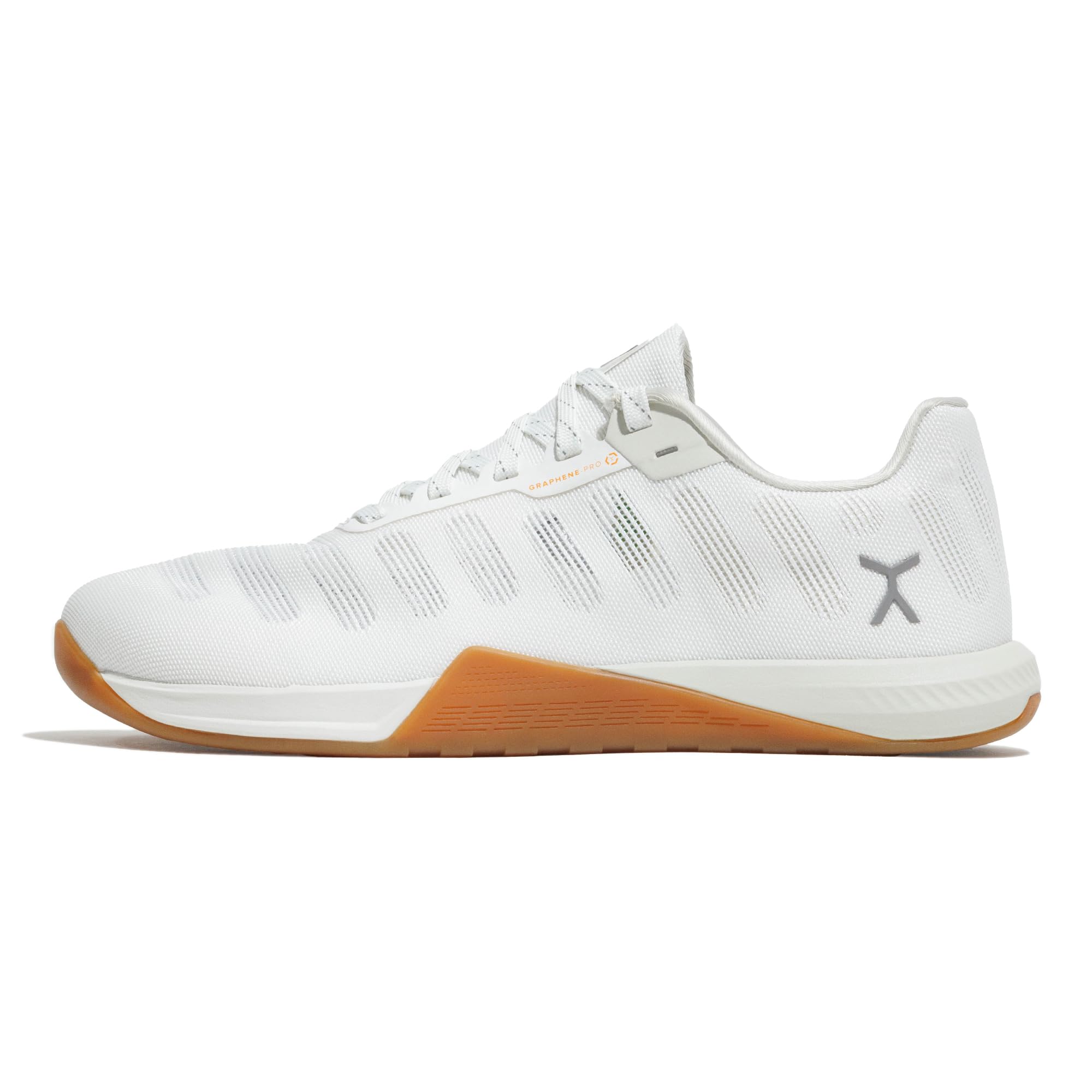
1. Flux Adapt Graphene XT Barefoot Shoes
Our pick — 4.5★ from 150+ verified ratings; the strongest balance of quality and price.
A gym workhorse that turns foot pain into an afterthought.
The standout here is the graphene-infused sole — The graphene-infused sole is marketed as 200x stronger than steel., yet the whole shoe weighs only 10.2 oz. That translates to a sole that grips and wears well while staying light enough for rope climbs and quick sprints, which owners specifically praise.
Fit is what wins people over, with the wide toe box giving toes room to spread naturally. The brand says these run small and recommends sizing up a half size; most buyers confirm that advice works. A few note the fit chart can mislead — one owner ordered per the chart and got a shoe over an inch too long, so measure carefully.
Where It Shines
- Graphene sole grips well and resists stains, even across multiple pairs
- Wide toe box fits wide feet with a secure midsole for lifting
- Featherlight at 10.2 oz, ideal for CrossFit and travel
The Trade-Offs
- Runs small — plan to size up a half size
- Minimum support means a real adjustment period
- Owners avoid wearing them outside on rough terrain
Reach for it if: you want one shoe that handles lifting, sprints, and everyday gym sessions with a wide, natural toe box.
Think twice if: you need heavy arch support or plan to walk miles on pavement daily — the sole is built for training floors.
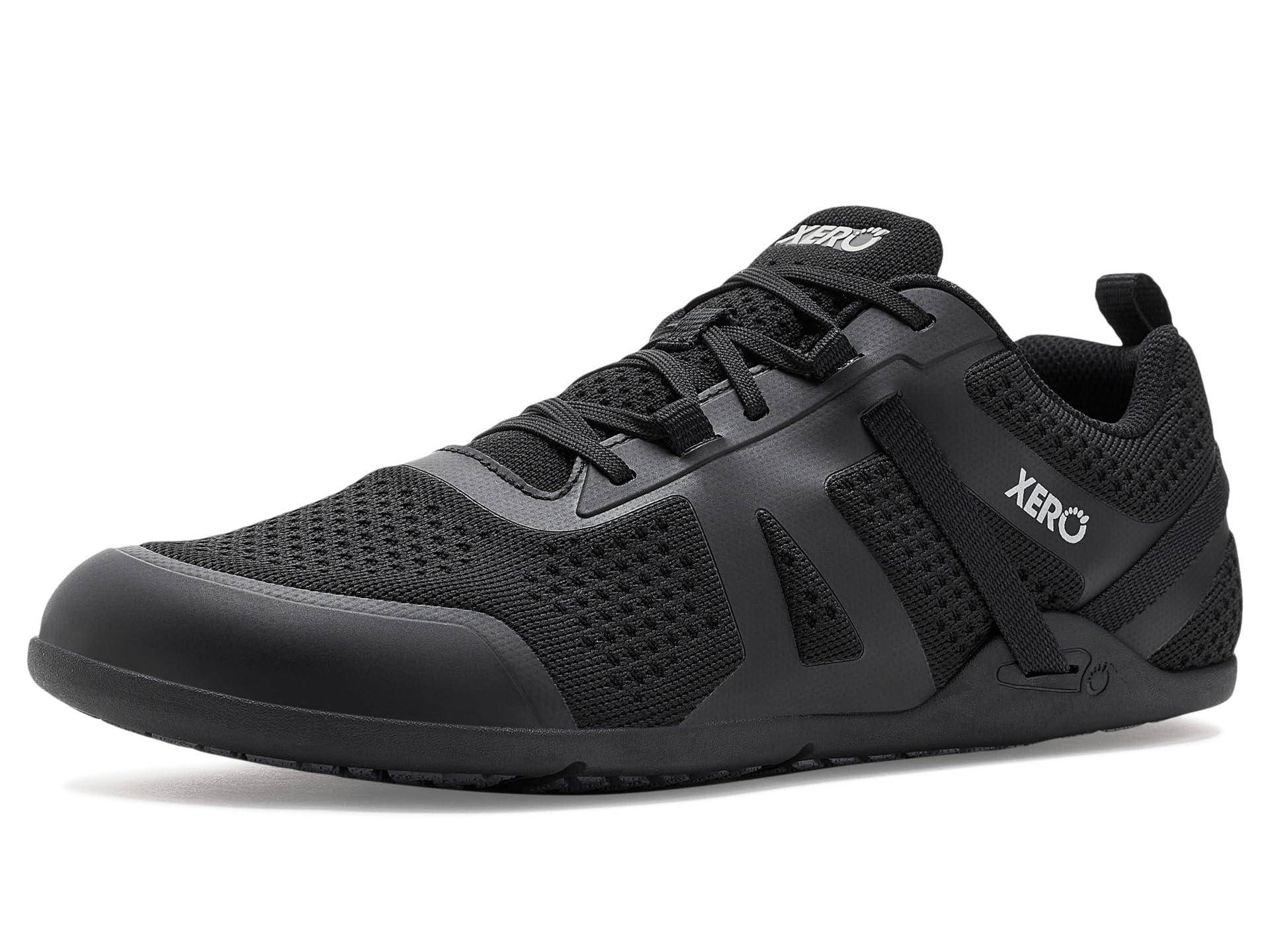
2. Xero Shoes Men’s Prio Neo Barefoot Training Shoes
A featherlight 8.7 oz trainer that rolls up in your bag yet still delivers real ground feedback.
Quality is the thing everyone raves about here, with the Prio Neo feeling like a polished upgrade to a best-selling design. The flexible FeelTrue sole gives you just-right protection so you can feel the floor without every pebble punishing you — Owners mention it activates the full foot and reduces back pain.
The adjustable midfoot and heel straps let you dial in the width, and the breathable mesh keeps feet cool on treadmill runs and long standing days alike. At 8.7 oz for a men’s size 9, it is light enough that owners describe rolling it up for packing. The 5,000-mile sole warranty backs its durability.
The thin sole is honest about its limits — some owners feel foot soreness after standing all day, and the light gray color shows dirt. The toe box runs a touch narrower than some other Xero trails, so very wide feet may need the insole removed. Durability gets mixed feedback from owners, but the consensus is a well-made minimalist trainer at a fair price.
Consensus view: The Prio Neo is the value pick that nails the barefoot balance — light, flexible, adjustable, and backed by a serious warranty, as long as your feet fit its width. It beats the heavier, pricier options on versatility while still feeling like an extension of your body.
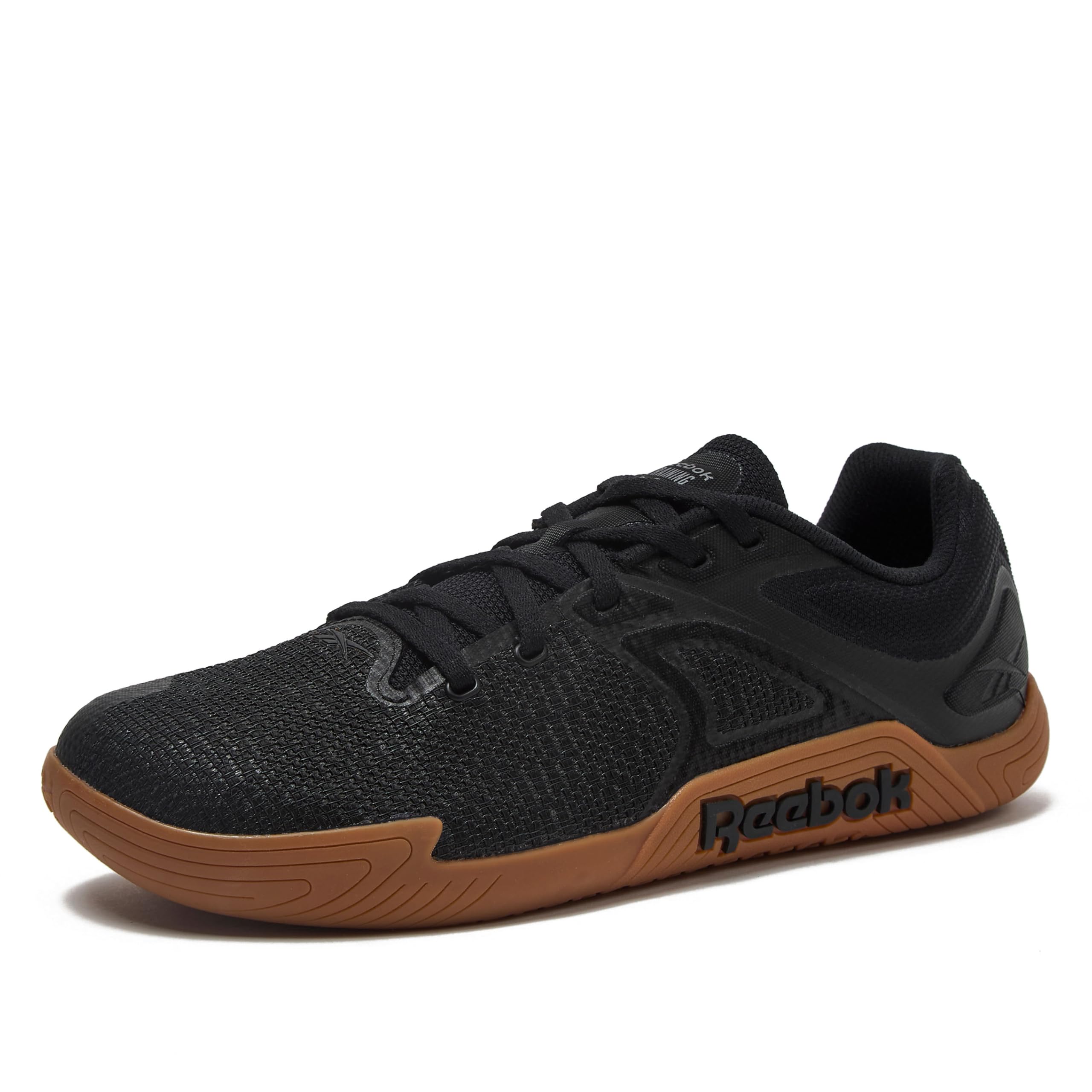
3. Reebok Mens Reebok Nano Zero Mens Shoes
A zero-drop that delivers ground feel without a barefoot sole.
This is the pick for lifters who want a flat, stable base without fully committing to the barefoot rabbit hole. The high traction outsole paired with the zero drop midsole lets you feel the ground for natural body alignment, and customers note it is stable for squats and deadlifts while staying comfortable all day. It is lighter and more flexible than most lifting shoes, with a wider toe box than the classic Nano.
The breathable Flexweave engineered mesh upper stays soft without sacrificing toughness, and the plush foam collar locks in a comfortable, supportive fit. Owners with wide feet are especially happy, calling it “perfect lifting shoe” for the combination of ground feel, stability, and all-day wear — and sizing runs true, with a size 11 matching the standard Nano.
The honest caveat: this is not a true barefoot shoe. One buyer measured roughly a 10mm stack with a 2mm insole, meaning a stiffer sole with less ground feel than minimalist rivals — and the midfoot can rub for some foot shapes. That makes it a better daily all-rounder than a pure ground-feel trainer, trading some sensitivity for practicality.
Built For
- Stable, flat base ideal for squats and deadlifts
- Flexible yet durable upper that breathes well
- True-to-size fit with a wider toe box than classic Nanos
Know Before You Buy
- Stiffer sole means less barefoot ground feel
- Midfoot can rub for some foot shapes
- Not a pure minimalist shoe despite zero drop
Best for: lifters who want a zero-drop platform with real durability and a touch more structure than barefoot brands offer.
skip it if: your whole goal is maximum ground feel and a paper-thin sole.
4. ALTRA Men’s Solstice XT 3 Cross Training Shoe

The zero-drop with real cushioning that eases the transition from padded shoes.
If the thin soles above scare you off, this is the bridge. The Solstice XT 3 pairs zero drop with a 23 mm / 23 mm stack height — meaning a 23 mm heel and a 23 mm forefoot — giving you substantially more cushion than barefoot shoes while keeping the flat platform. That extra padding helps buyers with hip pain and neuropathy.
Altra’s signature FootShape fit gives your toes room to move freely while a secure midfoot keeps you stable. The A-frame quarter panel is designed to handle lateral movements, and the InnerFlex midsole uses grid-like grooves for flexibility. At 9.5 oz it is heavier than the Xero Prio Neo above, but the comfort payoff shows — owners wear them daily for months and report they hold up well.
The trade-off is that this extra cushioning dulls ground feel, so it is not ideal for heavy, technical lifts where you want maximum feedback. A few buyers wanted more support and found the sole bendable in half, and the midfoot runs a touch narrower than other Altras. It is the best pick here for everyday wear plus gym work in one shoe.
Why it stands out: Most zero-drop shoes are thin and firm; this one keeps the flat platform but adds real cushion, making it the easiest transition shoe on the list for anyone coming from padded trainers.
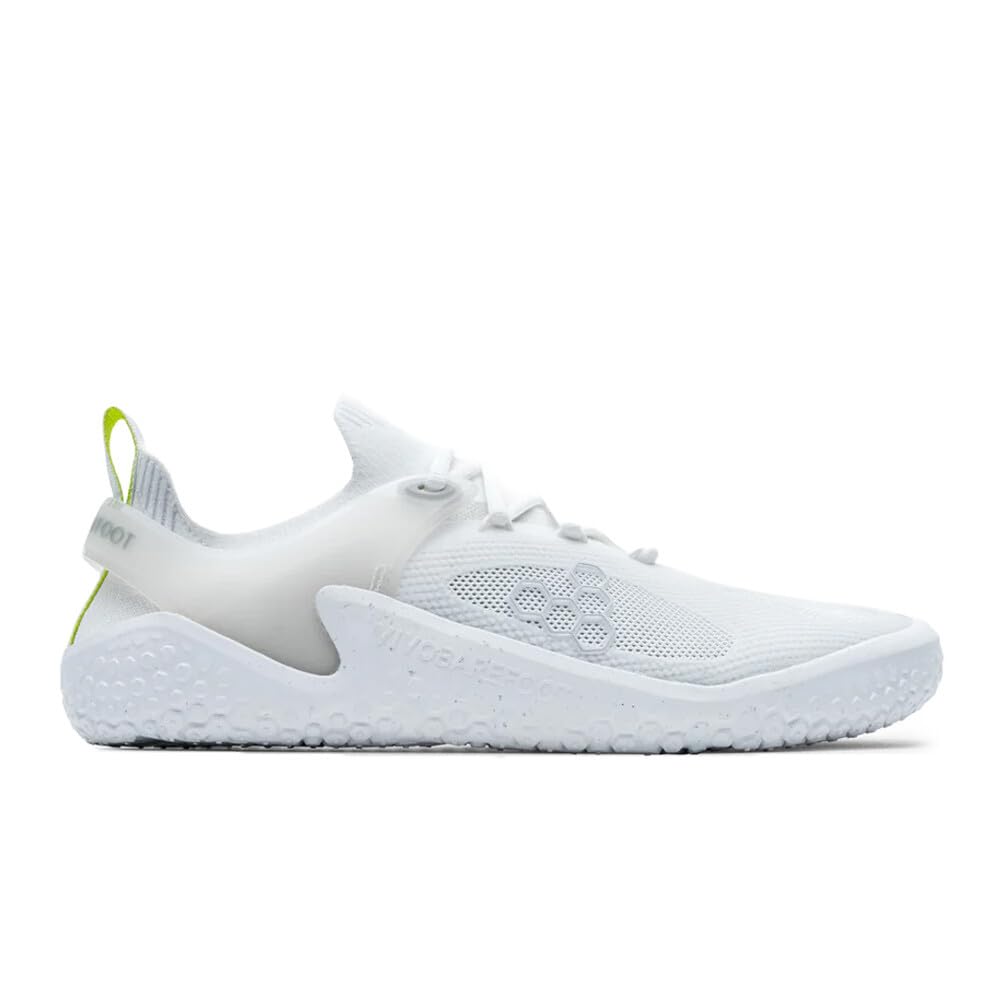
5. Vivobarefoot Women’s Motus Strength Zero-Drop Training Shoe
The first zero-drop barefoot strength trainer that holds up to boxing and heavy gym sessions.
Vivobarefoot calls this the first-ever zero-drop barefoot strength-training shoe, built for high-impact workouts with added protection that does not kill the barefoot feel. Owners who box in them report they hold up well, and it has become a go-to replacement for Nike Metcon and Reebok Nano in at least one gym bag — praised as very stable and flexible.
The look wins people over immediately, with a sleek design that reads as a genuine athletic sneaker rather than a quirky barefoot shoe. The sole feels like solid rubber with a satisfying texture, and the flexibility allows natural foot movement during lifts.
The catch is sizing, which is the most-discussed issue by far — the shoes run extremely large, and the fit does not suit every foot. Buyers with high arches report pressure on the top of the foot, and those with very wide feet find the toe box tapers more than expected. If you are between sizes, size down and test carefully.
Who it fits: barefoot devotees who want a stable, flexible strength-training shoe that looks sharp and survives boxing and gym sessions.
Who should pass: high-arch or very wide feet — sizing and fit issues dominate feedback here.
6. FLUX FOOTWEAR Adapt Knit Trainer
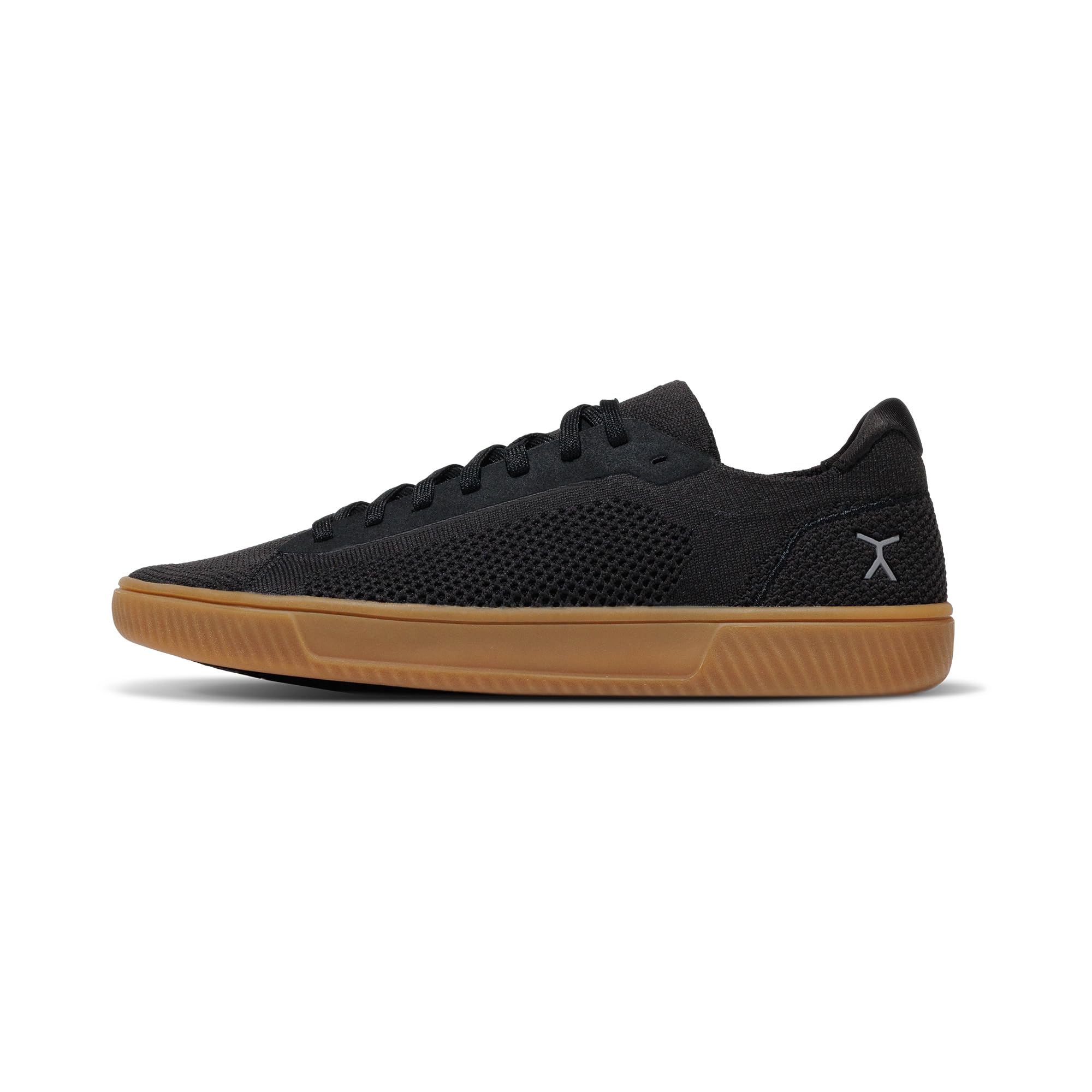
The knit zero-drop that disappears on your foot and works from the office to the gym floor.
Comfort is the headline here, with the knit upper fitting like a sock and supporting feet through full workdays and workouts alike. The wide toe box accommodates flat and wide feet comfortably, and Owners with bunions report zero pain in these. The Earth-Link grounding tech and flexible zero-drop sole keep you connected to the ground without sacrificing style.
Versatility is the other strength: buyers wear these with real clothes and workout clothes, standing on their feet all day and then training in the same pair. The knit upper breathes well for summer, and being machine washable makes upkeep easy.
Fit is genuinely mixed — some find it true to size, others say it runs short and recommend sizing up a full size. The knit stretches more than expected, which takes getting used to, and there is no arch support at all if that matters to you. It is best treated as a daily-wear minimalist shoe that can handle light training, not a heavy-duty lifting platform.
Balanced read: The Adapt Knit is the comfort-first zero-drop for all-day wear and light gym sessions — just order up a size and accept there is zero arch support.
7. Peluva Strand Sport Mesh Trainer
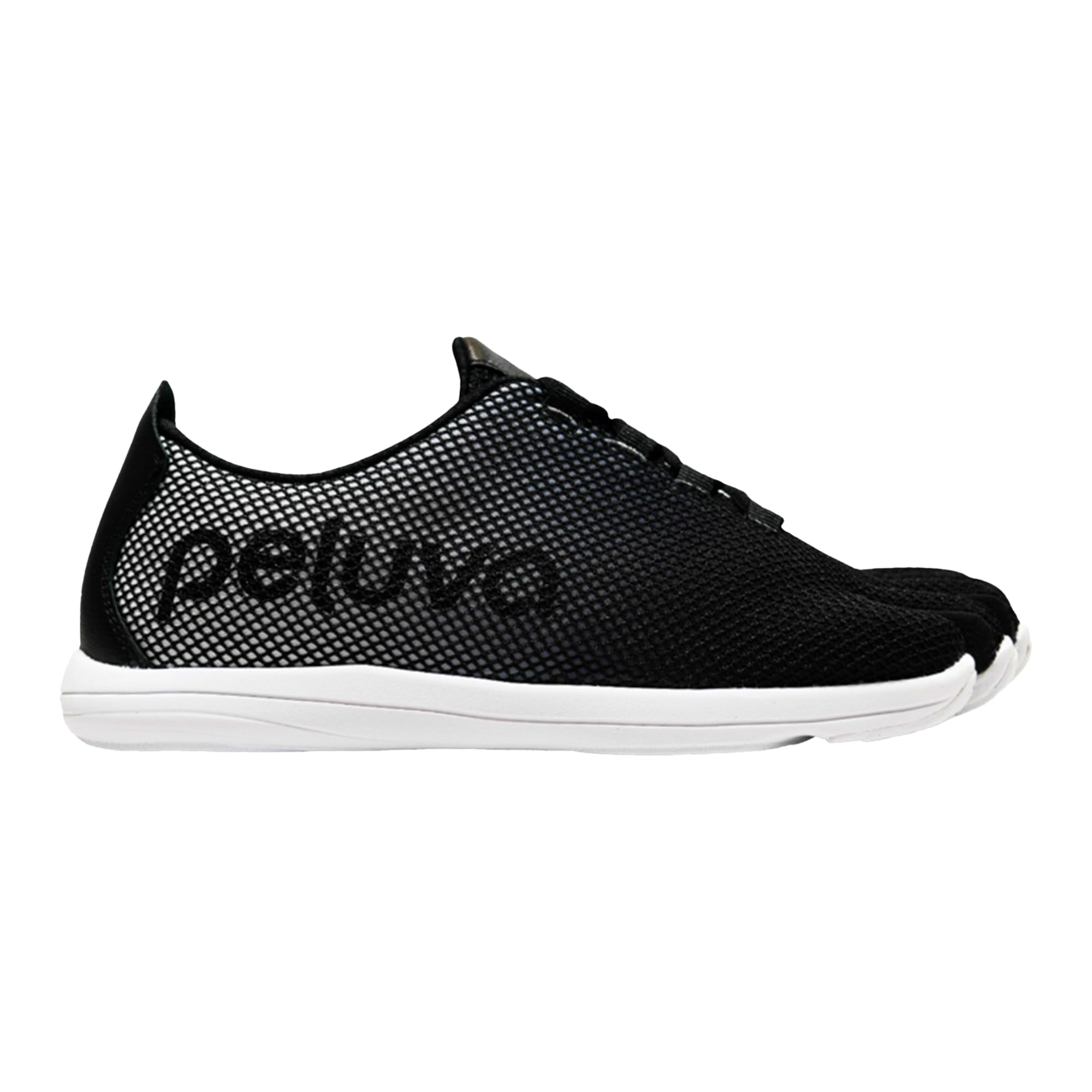
Five separate toes, one zero-drop sole — the maximum-splay trainer for balance and foot strength.
This is the most extreme take on natural movement in the list: a 5-toe design that lets each toe move independently inside the shoe. Owners who made the switch from heavily cushioned shoes report their feet and legs feel incredible after daily walks, and one post-knee-injury buyer calls them the favorite workout shoe for how toe splay improves the connection through calves, knees, and core.
The mesh upper keeps feet cool, and the snug fit with reliable grip makes it a solid daily indoor-outdoor trainer. Reviewers point out walking in them is far more comfortable and natural than expected, and the balance benefits show up quickly. For anyone curious about toe shoes, this is a well-reviewed entry point.
Break-in is real — owners advise giving them time and sizing carefully, since a too-large pair is hard to exchange when the brand and retailer point at each other. They also run a touch wide for narrow feet. But for the converted, the verdict is simple: as one owner puts it, “simply amazing.”
The Freedom
- Independent toe movement improves foot strength and balance
- Breathable mesh keeps feet cool during runs and walks
- Comfortable enough for daily all-day wear
The Friction
- Requires a real break-in period and careful sizing
- Runs slightly wide for narrow feet
- Sizing exchanges can bounce between brand and retailer
Choose this if: you want maximum toe splay and are ready to commit to the barefoot transition.
Look elsewhere if: you need a shoe you can wear straight from the start with zero break-in fuss.
Understanding the Specs
Drop and Stack Height
Drop is the height difference between your heel and forefoot — zero drop means they sit flat, which keeps your posture aligned and makes your calves and feet do the stabilizing work. Stack height is the total thickness of the sole. A lower stack (like on barefoot shoes) gives you more ground feel but less cushion, while a 23 mm stack like the ALTRA offers padding at the cost of some feedback.
Toe Box Shape
A wide toe box lets your toes spread and align naturally, reducing pressure and improving foot function. Brands interpret “wide” differently — the Peluva goes furthest with a 5-toe design, while others offer a single wide chamber. If you have wide feet, bunions, or flat feet, this spec matters more than almost anything else.
FAQ
How long does it take to adjust to zero drop shoes?
Will zero drop shoes help with foot or back pain?
Are zero drop shoes good for lifting weights?
How should I size zero drop shoes?
What is the difference between zero drop and barefoot shoes?
Can I run in zero drop training shoes?
How do I clean minimalist barefoot shoes?
Are zero drop shoes good for wide feet?
What does a 23 mm stack height mean on the ALTRA Solstice XT 3?
Why do my calves hurt when I switch to zero drop shoes?
Final Thoughts: The Verdict
For most people, the zero drop training shoes winner is the Flux Adapt Graphene XT because it blends a wide, comfortable toe box with a durable graphene sole and featherlight build at 10.2 oz. If you want the best value for all-around training and a ground-feedback sole, grab the Xero Prio Neo. And for lifters who want a flat, stable platform with a bit more structure than barefoot shoes, the Reebok Nano Zero is the one to reach for.
How We Picked
We do not accept paid placement. Every pick is matched to a real buyer and a real use-case; we do not hands-on test units.
Sources & Methodology
Specifications: manufacturer listings and product documentation. Review insights: verified customer reviews, as of August 2026. Pricing: not shown on this page (it changes often); check the current price via the retailer link.
As an Amazon Associate, Calories Fit earns from qualifying purchases. This does not affect which products we feature.