
Our readers keep the lights on and the coffee maker working hard! As an Amazon Associate, I earn from qualifying purchases.
Specs are compiled from manufacturer listings and verified buyer reviews and can change over time — please confirm the key details on the product page before buying.
The entire promise of a zero drop shoe lives in one number: 0mm—heel and forefoot sit level, so your foot lands naturally instead of tilting forward on a raised heel. This guide breaks down five genuine 0mm-drop shoes (not the 4mm or 8mm ones that blur the line), what each excels at, and which one deserves your daily miles.
I’m Mohammad — the founder and writer behind Calories Fit. This guide is built by comparing the manufacturers’ published specifications and the patterns across verified customer reviews, so you get each pick’s real strengths and trade-offs instead of marketing spin.
Whether you hit rocky trails or city pavement, the best zero drop shoes keep your heel and forefoot level for a natural stride that owners say feels like the shoe disappears. That’s the whole point: a level platform, a foot-shaped toe box, and ground connection you feel with every step.
Our Picks at a Glance
How To Choose The Best Zero Drop Shoes
Choosing a zero drop shoe is less about brand hype and more about matching the platform to your routine. The first question is simple: are you hitting trails, roads, or the gym? Each surface demands a different outsole, and no single shoe nails all three.
Match the Cushion to the Miles
Stack height is the amount of foam between your foot and the ground. A higher stack (around 29mm) gives you plush comfort for long days, while a lower stack (14mm) feels more minimal and lets you feel the terrain. If you are new to zero drop, a higher stack eases the transition; if you are chasing a barefoot feel, go lower.
Toe Box Width Is Not the Same as Shoe Width
A wide toe box lets your toes spread and align naturally, but the midfoot and heel can still be snug. This is a common myth: owners often find a shoe that is roomy at the front yet narrow through the arch. Check reviews for the midfoot fit if you have wider feet, not just the toe area.
Quick Comparison
| Model | Best For | Drop | Cushioning | Stack Height | Amazon |
|---|---|---|---|---|---|
| ALTRA Lone Peak 8★ Best Overall | Trail hiking & running | 0 mm | Balanced (Mid) | 25 mm / 25 mm | Amazon |
| ALTRA Escalante 4Best Value | Road running & daily wear | 0 mm | Moderate | 28 mm / 32 mm | Amazon |
| Topo ST-5 | Minimal road & gym | 0 mm | Low (14mm stack) | 14 mm | Amazon |
| FLUX Adapt Runner | Everyday & gym versatility | 0 mm | Minimal stretchy fit | — | Amazon |
In‑Depth Reviews
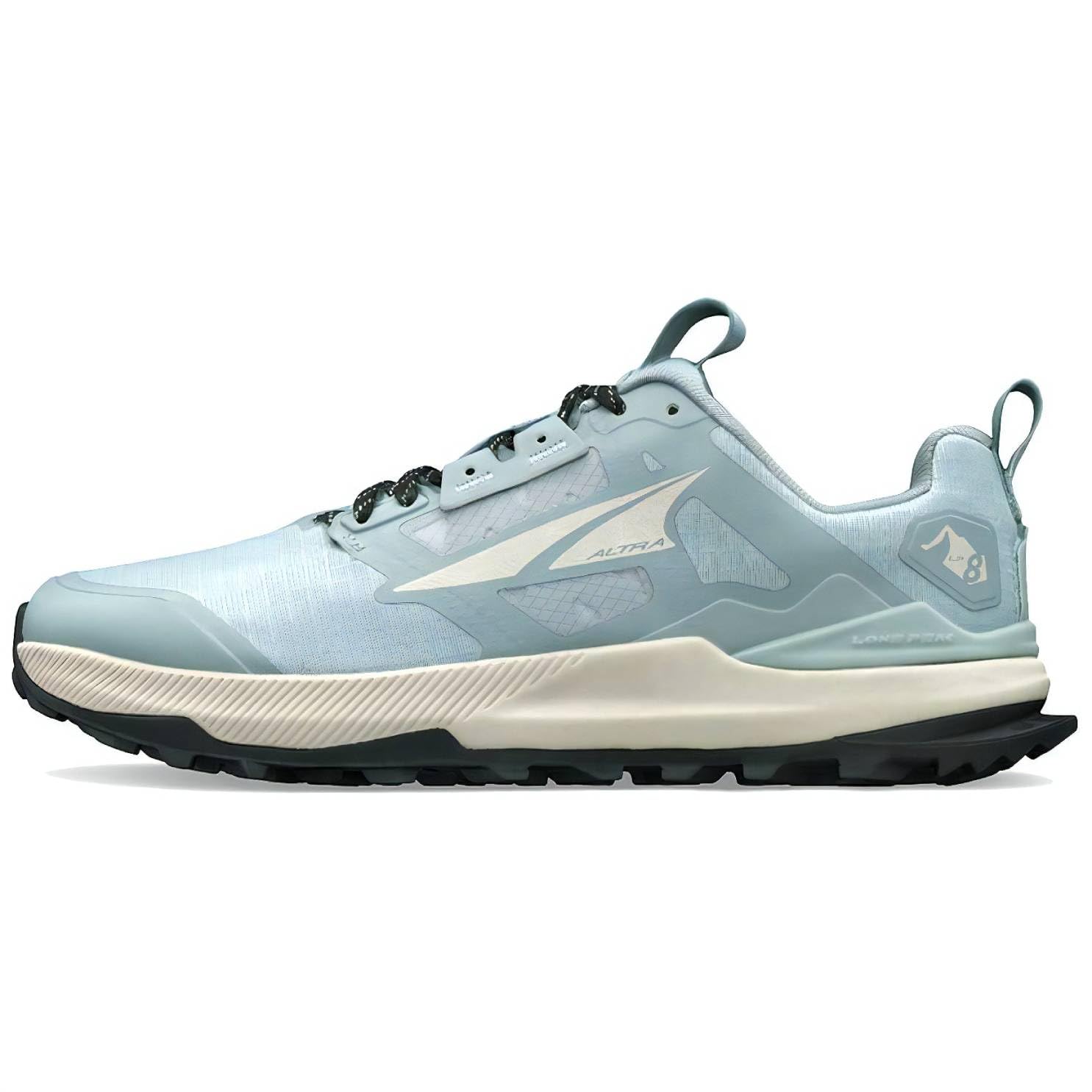
1. ALTRA Women’s Lone Peak 8 Trail Running Shoe
Our pick — over 4.5★ from 750+ verified ratings; the strongest balance of quality and price.
The trail legend that puts comfort first, with a fit owners call a lifesaver for wide toes.
For anyone living on rocky trails, the Lone Peak 8 earns its crown with a 25mm / 25mm balanced cushioning platform — meaning your heel and forefoot sit at an equal distance from the ground. That level footing, combined with the roomiest toe box Altra makes, is exactly why this is the crowd favorite: comfort and fit are the two things owners mention most, with comfort leading the praise. Buyers report it well: “Wide toe box prevents hiker’s toe; no pain on steep rocky hikes.”
The grip comes from a MaxTrac outsole with canted lugs placed beneath the metatarsals, so you get added traction on loose dirt and rocks where lesser shoes slip. At 10.7 oz / 303 g, it is light enough for long trail days yet rugged enough for thru-hiking. The refined ripstop mesh upper adds to the durability story — more than one owner is on their sixth pair, wearing them out from sheer daily use rather than failure.
The only real knock is the color lineup, which some find limited, and one owner noted that with medical insoles their foot slides side-to-side — a fit quirk for a specific use case, not a general flaw. Sizing runs true for most, and the stable, no-heel-raise feel has even won over someone with plantar fasciitis who ranked it a 10 against Hoka, Brooks, and others. Prefer a splash of color on the trail? Dark uppers hide stains well.
What wins people over
- Comfort is the #1 praise — over 140 owners call it out specifically
- Wide toe box prevents hiker’s toe on steep, rocky hikes
- MaxTrac outsole delivers sticky grip on loose terrain
- Lightweight at 10.7 oz with durable ripstop mesh
The trade-offs
- Limited color options compared to other trail shoes
- May not suit feet needing orthotic insoles — foot can slide side-to-side
- Not the most fashion-forward look, per one owner
Your trail companion: If you hike or trail run and want zero drop with zero toe squeeze, this is the one to beat — it is the reason the brand is famous.
Think twice if: you need a very wide midfoot or plan to swap in bulky medical insoles, since the fit is tuned for natural feet.
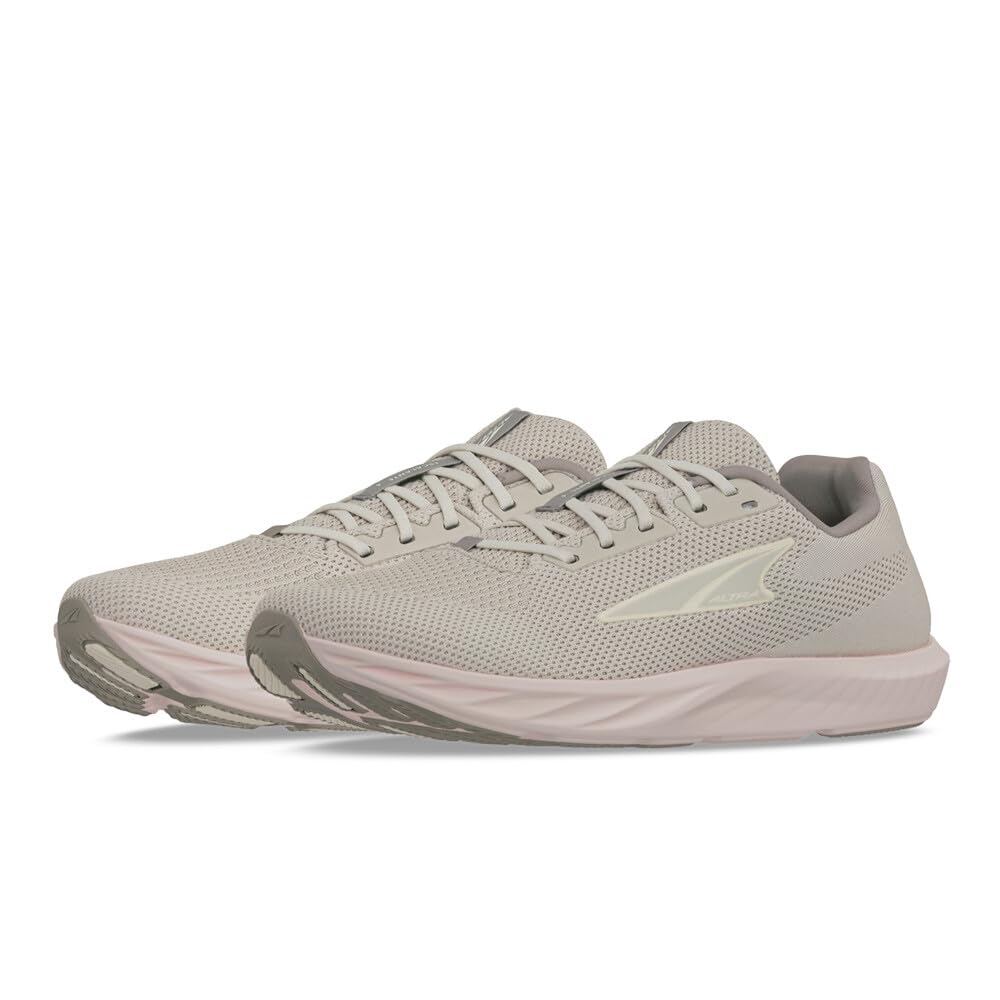
2. ALTRA Women’s Escalante 4 Road Running Shoe
A roomy-toe road shoe that owners say is a miracle for bunions and feels almost barefoot.
You get a sock-like fit with the Escalante 4, thanks to an engineered knit upper and a 28mm/32mm stack height (the amount of cushioning under your foot). That moderate cushioning balances ground feel and comfort — owners say it feels “almost barefoot” yet supports all-day wear. The wide toe box is the standout: one buyer with a bunion called it “a miracle,” reporting a perfect fit on the first wear with zero break-in.
Weighing just 8.5 oz, it is the lightest pick in this lineup, and the FootPod technology in the outsole lets the shoe flex naturally with your foot’s movement. That flexibility, paired with Altra EGO midsole foam, makes it a versatile daily driver for fast training runs, long walks, or everyday errands. Owners mention: “I have had Altras before and loved them. These are just the same high quality and comfort as the others.”
The catch is durability — the sole is the most common gripe, with owners reporting it wears out faster than they would like. Sizing also runs a touch small, so half a size up is the recurring advice, and the laces are short enough that some swap them out. Lighter colors show dirt easily, so if you want a shoe that hides grime, pick a darker shade. This is the budget-friendly road pick that delivers the brand’s signature FootShape fit without the trail-specific bulk.
Bunion relief in a box: The roomy toe box is the standout, letting toes spread freely and earning praise as a “miracle” for bunions.
One honest limit: the outsole’s durability is the trade-off for that featherlight 8.5 oz feel — road miles add up faster here.
Reach for this if: you want a light, flexible road shoe with a wide toe box and no break-in period — ideal for daily walks and errands.
Look elsewhere if: you are a high-mileage runner who needs a sole that lasts a full season, since durability is the recurring note.
3. Topo Athletic Men’s ST-5 Road Running Shoes
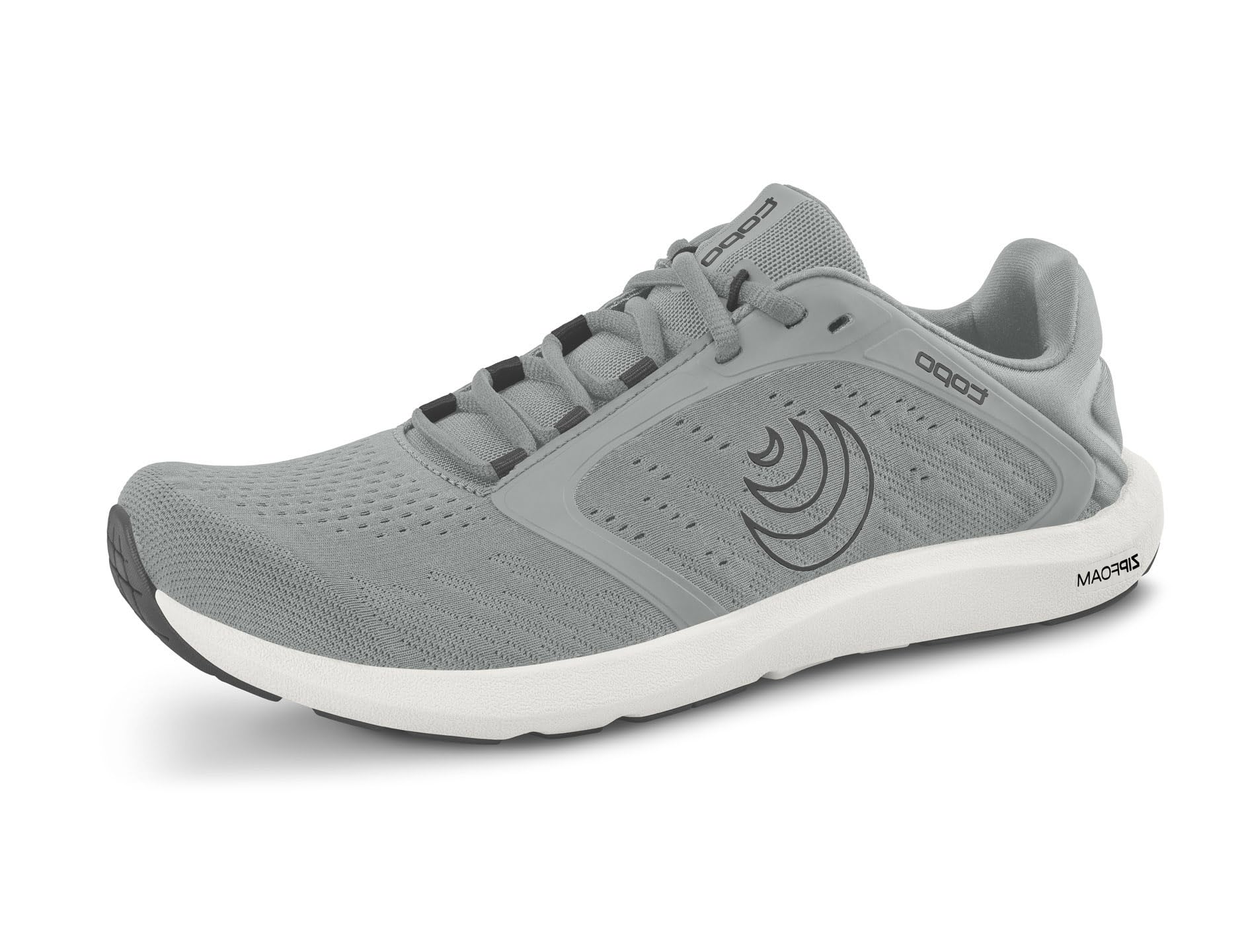
The most natural-feeling shoe in Topo’s line, built closer to the ground than any rival here.
If you are transitioning to barefoot-style running, the ST-5 is your bridge: it drops the stack to 14mm, a full 2mm lower than the previous version, for a ride that feels more like the ground itself. That minimal platform engages forefoot muscles and increases cadence, per owners who switched from higher-stack shoes. It is the closest thing to barefoot here, with a recycled mesh upper that breathes well and a roomy anatomical toe box.
A collapsible heel counter lets the shoe pack flat into a gym bag — a genuine travel bonus you will not find on the Altras. The proprietary midsole compound is springier than standard EVA foam, offering more rebound over the shoe’s life, and the solid outsole outlasted an Altra that wore out at 50k, per one owner’s comparison. At 9.2 oz for a men’s 9, it is light enough for up-tempo workouts and gym work.
The honest caveat: this is not a wide-foot shoe. Owners with 2E wide feet found the toe box deceptively narrow, causing cramping after 15-20 minutes, and one noted the arch support feels like a “lump” if you prefer a flat footbed. Removing the insole makes it even more minimal, but that also removes the arch contour. This pick shines for medium-width feet craving ground feel and a packable design, not for those needing genuine wide sizing.
Built for the transition: at 14mm stack it is the lowest ride here, perfect for building foot strength and feeling the road.
Narrow window: the fit is the split — medium feet love it, but true wide (2E) feet will feel cramped within 20 minutes.
Pick this for: gym-to-road versatility and a packable travel shoe that engages your feet more than any other option here.
skip it if: you have genuinely wide feet — the toe box is roomy, but the midfoot runs narrow and the arch is pronounced.
4. FLUX FOOTWEAR Adapt Runners
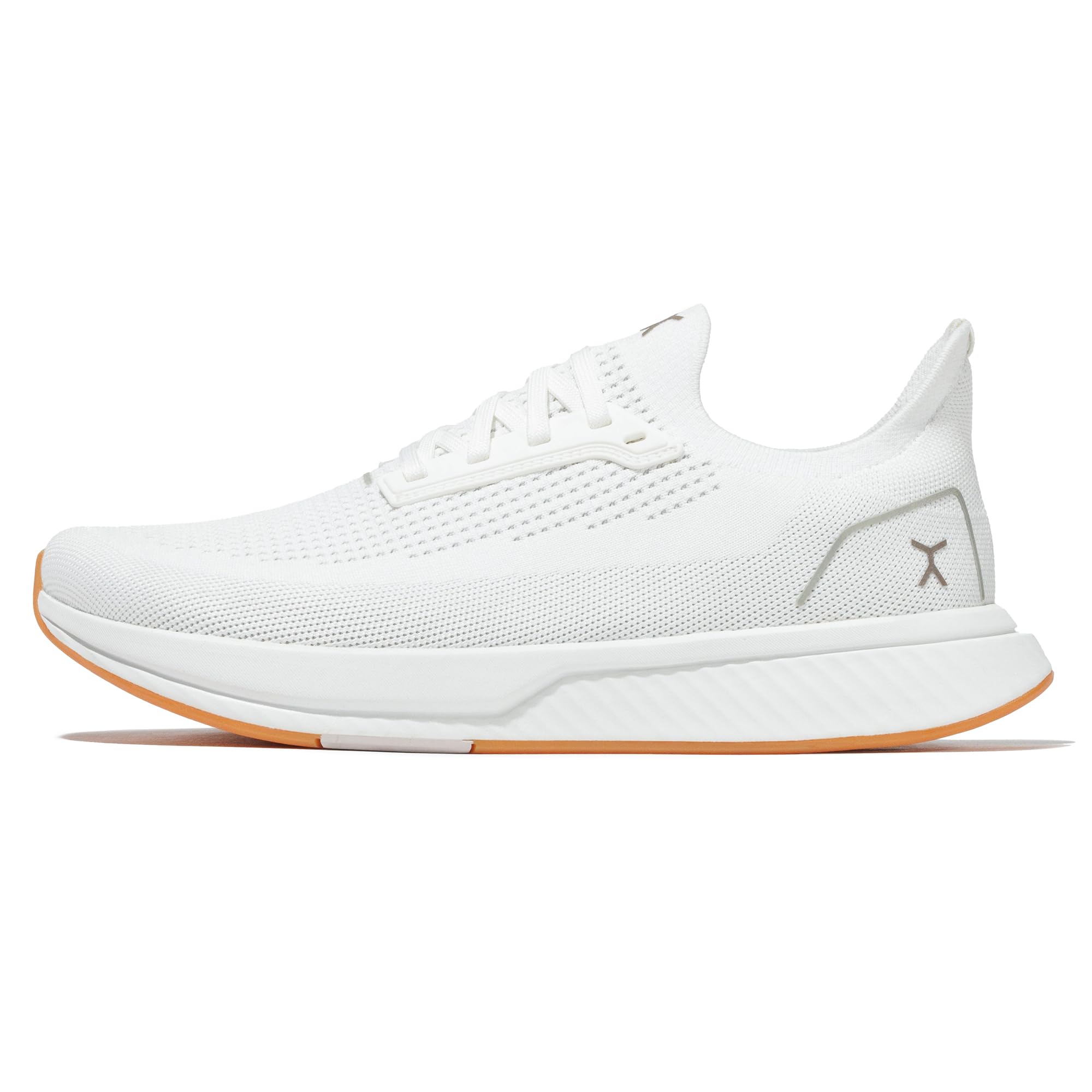
A minimalist slip-on that dresses up with jeans and feels like a structured sock all day.
The FLUX Adapt Runner is the lifestyle pick of this group — a zero-drop, wide-toe-box shoe that owners say dresses up nicely with jeans or Vuori pants while staying comfortable enough for work. The stretchy material creates a structured-sock feel that keeps the wide toe box from looking or feeling awkward, which is a clever design solution. Quality is the thing owners praise most, and the appearance is the second-most-mentioned positive — this is the rare zero-drop shoe that actually looks good in casual outfits.
At its core, the Adapt Runner delivers the natural-movement promise: a wide toe box lets toes align and spread, while the zero-drop design keeps heel and toe level for a natural stride. It is machine washable on a gentle cycle (air dry; machine drying could lead to shrinking), which is a practical edge for everyday wear. One automotive painter logging 15k steps daily reported less knee, back, and foot pain after switching.
The fit is the caveat, and it is a big one: these run small, and the sizing guidance is to go up a half size. That is the single most-discussed point in the reviews — while the wide toe box accommodates wide feet well, the overall fit gets mixed feedback. If you follow the size-up advice, owners call it the most comfortable shoe they have owned in a while — just know the fit is the hurdle to clear first.
The style-forward option: quality and looks lead the praise — this is a zero-drop shoe you can wear out to dinner, not just the gym.
Size up, seriously: the fit is the mixed note — order a half size larger or you will be returning these like several owners did.
Best for: all-day wearers who want natural-movement comfort with a shoe that looks sharp and cleans up in the washing machine.
Heads-up: the sizing quirk is real — go up half a size, and the long-term sole durability is still unproven.
Understanding the Specs
Drop (0mm vs Low-Drop)
Drop is the height difference between the heel and the forefoot. A true zero drop shoe measures 0mm — heel and toe are perfectly level. A low-drop shoe (4mm or 8mm) still tilts you slightly forward. All five picks here are genuine 0mm, so you get the full natural-stride benefit.
Stack Height and Cushioning
Stack height is the foam thickness between your foot and the ground, measured in millimeters. A higher stack (29mm) feels plush and forgiving for long miles, while a lower stack (14mm) gives more ground feel and foot-strength engagement. New to zero drop? Start higher; chasing barefoot feel? Go lower.
Toe Box Shape
A FootShape or anatomical toe box lets your toes spread and align naturally instead of being squeezed together. This is the feature owners with bunions and wide toes rave about. Note that a wide toe box is not the same as a wide shoe — the midfoot and heel can still run snug.
Outsole Traction
The outsole is the rubber that touches the ground. Trail shoes use aggressive lugs (like MaxTrac or Vibram Megagrip) for grip on loose dirt and rock, while road shoes use smoother rubber for pavement. Matching the outsole to your surface is the difference between confident strides and slips.
FAQ
What does zero drop actually mean for my feet?
How long does it take to transition to zero drop shoes?
Is a wide toe box the same as a wide shoe?
Can I use zero drop shoes for hiking?
What is the difference between a 0mm drop and a 4mm drop shoe?
Do zero drop shoes help with plantar fasciitis or bunions?
How much cushioning should I get in a zero drop shoe?
Do I need to size up in zero drop shoes?
Can zero drop shoes be used for the gym and everyday wear?
Final Thoughts: The Verdict
For most buyers, the zero drop shoes winner is the ALTRA Lone Peak 8 because it delivers comfort and a wide toe box, plus trail-ready grip that owners praise on every hike. If you prefer a lighter road feel with bunion-friendly space, choose the ALTRA Escalante 4. For technical, rough terrain needing maximum grip and plush cushion, the ALTRA Timp 5 is your pick.
How We Picked
We do not accept paid placement. Every pick is matched to a real buyer and a real use-case; we do not hands-on test units.
Sources & Methodology
Specifications: manufacturer listings and product documentation. Review insights: verified customer reviews, as of August 2026. Pricing: not shown on this page (it changes often); check the current price via the retailer link.
As an Amazon Associate, Calories Fit earns from qualifying purchases. This does not affect which products we feature.