
Our readers keep the lights on and the coffee maker working hard! As an Amazon Associate, I earn from qualifying purchases.
Specs are compiled from manufacturer listings and verified buyer reviews and can change over time — please confirm the key details on the product page before buying.
The best zero drop minimalist shoes put your heel level with your toe, letting your foot land the way it wants to. You get a wide toe box so every digit spreads, a thin flexible sole that bends with you, and zero ramp under your heel. This guide covers the top picks for daily commuters and trail runners so you know exactly which pair to buy.
I’m Mohammad — the founder and writer behind Calories Fit. This guide is built by comparing the manufacturers’ published specifications and the patterns across verified customer reviews, so you get each pick’s real strengths and trade-offs instead of marketing spin.
Whether you are healing foot pain, training for strength, or just want your feet to move naturally, the right pair of zero drop minimalist shoes can change how you walk and stand all day.
Our Picks at a Glance

How To Choose The Best Zero Drop Minimalist Shoes
Zero drop minimalist shoes change how your foot lands and your body aligns. The heel sits at the same height as the toe, so your foot lands flatter and your body aligns naturally.
Zero Drop vs. Low Drop
Zero drop means the distance from your heel to the ground is exactly the same as your forefoot — 0 millimeters. A low-drop shoe (4 mm to 6 mm) tilts your heel slightly higher. True zero drop forces your calf, Achilles, and foot muscles to work the way they evolved, which helps strengthen your feet over time.
Toe Box Width
A wide toe box lets your toes splay apart when you land. Cramped toes can cause bunions, hammertoes, and balance issues. Look for a shape that matches the natural outline of a foot — widest at the toes, not tapering to a point.
Sole Thickness and Feel
Thin soles (around 10 mm to 15 mm total stack height) let you feel the ground under you — pebbles, roots, and slope — so your feet micro-adjust. Thicker soles (around 20 mm to 30 mm) add cushion for pavement pounding. The trade-off is ground awareness vs. comfort on hard surfaces.
Materials and Durability
Mesh uppers breathe and dry fast, while full-grain leather resists water and lasts years. Look for stitched construction (often called stitch-down or Goodyear welt) if you want a boot that can be resoled. Outsole rubber compounds like MaxTrac or graphene-based material give you grip on wet rock or slick gym floors.
Quick Comparison
| Model | Best For | Stack Height | Weight | Upper Material | Amazon |
|---|---|---|---|---|---|
| ALTRA Lone Peak 8 (Women’s)★ Best Overall | Trail hiking & running | 25mm / 25mm | 10.7 oz / 303 g | Ripstop Mesh | Amazon |
| Hike Footwear HF ShadeHealthy Pick | All-day casual comfort | — | — | — | Amazon |
| Xero Shoes HFS II (Men’s)Road Runner | Road running & walking | — | — | — | Amazon |
| Vivobarefoot Primus Lite 3.5 (Men’s) | Gym & daily training | — | — | Black Mesh | Amazon |
| Vivobarefoot Motus Strength (Women’s) | Weight lifting & HIIT | — | 2.13 lb (pair) | — | Amazon |
| ALTRA Torin 8 (Women’s) | Road running & cushion | 30mm / 30mm | 8.4 oz | Jacquard Mesh | Amazon |
| FLUX FOOTWEAR Adapt Runners | Walking & everyday wear | — | — | Stretch Mesh | Amazon |
| Flux Adapt Graphene XT | Cross-training & lifting | — | — | Ballistic Mesh | Amazon |
| JIM GREEN Barefoot African Ranger Boots (Men’s) | Work & hiking | — | — | Full Grain Leather | Amazon |
In‑Depth Reviews
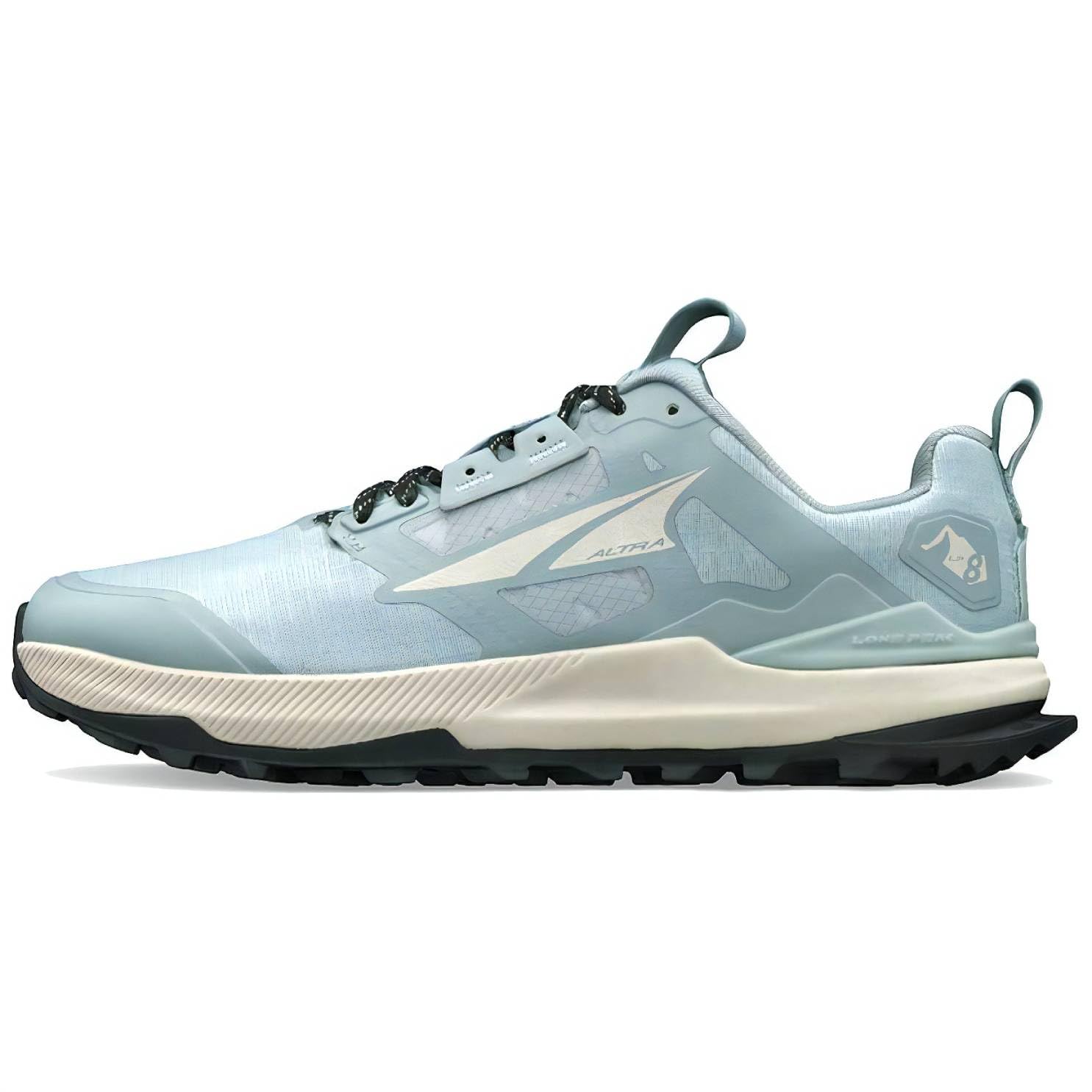
1. ALTRA Women’s Lone Peak 8 Trail Running Shoe
Our pick — over 4.5★ from 750+ verified ratings; the strongest balance of quality and price.
The trail legend lets your toes roam free mile after mile.
You get a 25 mm stack height under both heel and forefoot — the zero drop (0 mm) keeps your landing natural, while the MaxTrac outsole grabs loose dirt and rocky paths. The ripstop mesh upper resists tears when you brush past branches, and the TrailClaw lugs under the metatarsals add push-off traction when you climb.
The roomy toe box is the headline here. Owners say it prevents the dreaded “hiker’s toe” even on steep, rocky 5-plus-mile days. The shoe weighs 10.7 oz (303 g) so it feels light on your feet for a full day out. The Balanced Cushioning platform sets your heel and forefoot at equal distance from the ground, which encourages better alignment and a lower-impact landing.
Buyers report that the Lone Peak 8 needs zero break-in — they lace up and hit the trail immediately. The dark upper hides stains well, and the toe guard and Velcro gaiter tabs are welcome details for serious hikers. A few owners wish for more color variety, but the consensus is loud: this is the most comfortable zero-drop trail shoe they have worn.
Why trail lovers grab these
- Wide ForefootBox stops toe pinching on descents
- Zero drop with 25 mm cushion suits rocky terrain
- Sticky MaxTrac outsole grips loose and wet surfaces
What to know before you buy
- Not for runners who want a plush, marshmallowy ride
- Sizing can be tricky — half-size up recommended for wide feet
Best for: Trail runners and hikers who want a zero-drop shoe with real protection underfoot and zero break-in.
Think twice if: You need a high-cushion road shoe or a completely barefoot feel — the 25 mm stack still adds noticeable padding.
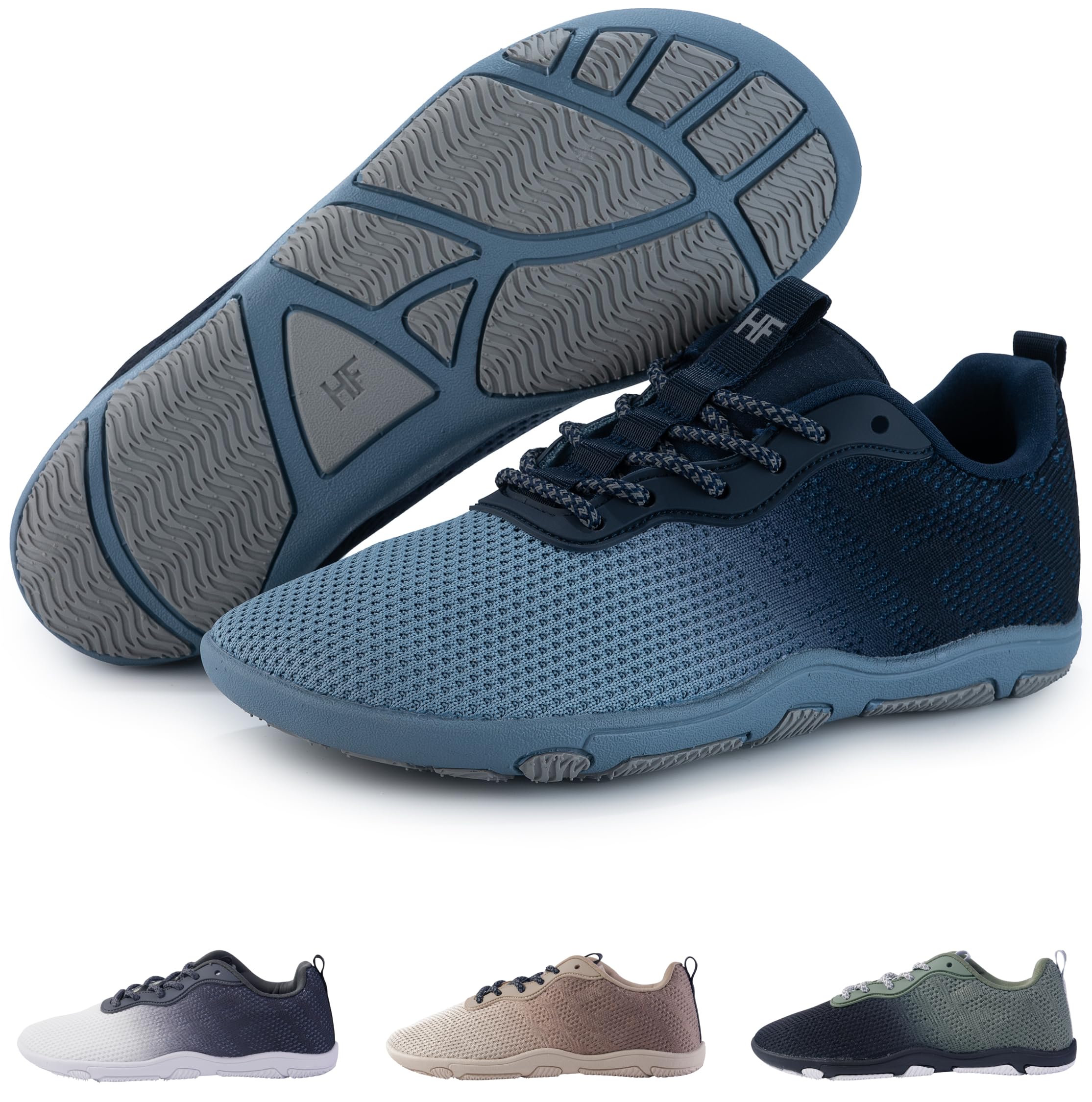
2. Hike Footwear HF Shade – Healthy Barefoot Shoes
A comfort-first shoe that older buyers trust for stability.
The HF Shade is built with a zero-drop sole and a wide toe box so your feet spread, flex, and stabilize as you walk. The unisex design and the lightweight construction make it a grab-and-go option for neighborhood strolls, travel days, or just standing around the house. Owners highlight how the shoe reduces pressure on joints and helps them feel more planted.
At 79, one buyer reports a 50% reduction in back pain from degenerative scoliosis after switching to these. Another owner, 77, says the stability in their walking improved immediately — they bought a second pair. The non-slip outsole handles pavement and indoor floors well, and the upper breathes enough to prevent sweating.
The fit can be inconsistent across the same size, a few owners note. Some find the toe box tighter than expected, while others love the room. A small number experienced a sole that felt less flexible than their previous pair. Still, the comfort and balance benefits win over most buyers.
What it delivers: A zero-drop shoe that heavy walkers and older adults use to reduce joint pain and improve balance.
Watch this: Check the return policy — a few owners received a pair that felt different from their first buy.
Best for: Anyone prioritizing comfort and posture support over performance specs.
Not for you if: You need a precise, consistent fit every time — sizing varies across pairs.
3. Xero Shoes Men’s HFS II Barefoot Running Shoes
A pavement-focused barefoot shoe that doubles for lifting.
The HFS II is the latest update from Xero, with a thicker upper and more ankle cushion than the original. The sole is stiffer and thicker than before, which reduces ground feel but gives you better protection on concrete. Owners say it is the best Xero for 5-mile commutes on hard surfaces — more supportive than the Speedforce II or Prio Neo.
Owners mention that the shoe runs small, so you should size up half a size. The wide toe box is good but not extreme — some with wide feet (EE width) find it a bit tight across the midfoot. For running on pavement or walking all day, the extra cushion makes a real difference to fatigue. A few owners have logged over 2,000 pavement miles on a single pair, praising the durability of the sole.
The catch: a specific FW25 batch had a reported outsole defect where holes appeared after 71 days of pavement use. Check the manufacturing date before you buy, and order directly to ensure smooth warranty support if needed.
Why runners pick it
- More underfoot protection than previous Xero models
- Lightweight and breathable for warm-weather commutes
- Durable sole holds up for thousands of pavement miles
Red flags to watch
- Runs small — plan to size up half a size
- Some production batches showed premature outsole wear
Reach for this: Road runners who want a zero-drop shoe with more cushion than a true barefoot shoe.
Look elsewhere: If you need a wide 4E fit or want maximum ground feel — this sole is thicker and stiffer than original HFS.
4. Vivobarefoot Primus Lite 3.5 (Men’s)

The training shoe turns every step into a foot-strengthening exercise.
You get the thinnest, most flexible sole in this lineup — the ultra-thin outsole with a hexagonal tread pattern provides reliable grip while letting you feel every contour of the floor. The black mesh upper breathes well and keeps the shoe lightweight enough for high-rep sets, sprints, or casual wear. This is the everyday barefoot shoe for people who want their foot muscles to work naturally.
Buyers with flat feet, narrow heels, and wide toes find the fit exceptional. The shoe accommodates custom insoles if you need extra arch support, but many owners remove the thin insole entirely for the purest barefoot sensation. After 10,000 steps a day, the upper holds up well, though the white color option shows stains and is not easy to clean. The durability gets mixed feedback — some report fraying mesh after months, while others say the shoe outlasts expectations.
Size down significantly. One owner notes that a size 9 fits like a 10, so try your usual length and go smaller. The low volume works well for medium-arched feet, but high-volume feet may feel cramped.
What you get: A zero-drop trainer that strengthens your feet, works for gym and casual wear, and feels like a second skin.
Keep in mind: Sizing is notoriously large — order at least half a size down, and be prepared for a toe box that is wide but not boxy.
Best for: Cross-trainers and lifters who want thin-ground feel with zero drop.
Skip it for: Long pavement runs — the thin sole lacks the cushion to absorb repetitive hard impacts.
5. Vivobarefoot Women’s Motus Strength Zero-Drop Training Shoe

A dedicated strength shoe keeps you planted during heavy lifts.
The Motus Strength is Vivobarefoot’s first zero-drop footwear built specifically for high-impact strength training. The solid rubber sole provides a stable platform for squats and deadlifts, while the flexible construction lets your foot move naturally through dynamic movements. Customers note that it replaced their Metcons and Nanos — the stable base and zero drop let them feel more connected to the ground during heavy lifts.
The shoe looks great, with a sleek silhouette that works inside the gym and as a casual sneaker. One buyer boxes in them and says the shoe holds up well under constant pivoting and jumping. The removable insole lets you dial in the ground feel — take it out for the most direct connection, leave it in for slight cushioning.
Fit is the main weak point. The shoe runs large — several owners confirm that a full size down still fit comfortably. The toe box narrows at the front, so people with truly wide feet report pinching on the pinky toe. If you have a high arch, the low-volume design can create pressure on top of your foot.
Why lifters love it
- Rock-solid stable base for squats and deadlifts
- Zero drop keeps your weight balanced over your midfoot
- Flexible enough for dynamic gym movements
Know before you buy
- Runs large — consider sizing down a full size
- Toe box tapers, not ideal for true wide feet
Best for: Women who want a zero-drop shoe for lifting, boxing, and gym classes.
Not for you if: You have wide feet or high-volume feet — the tapered toe box and low volume can pinch.
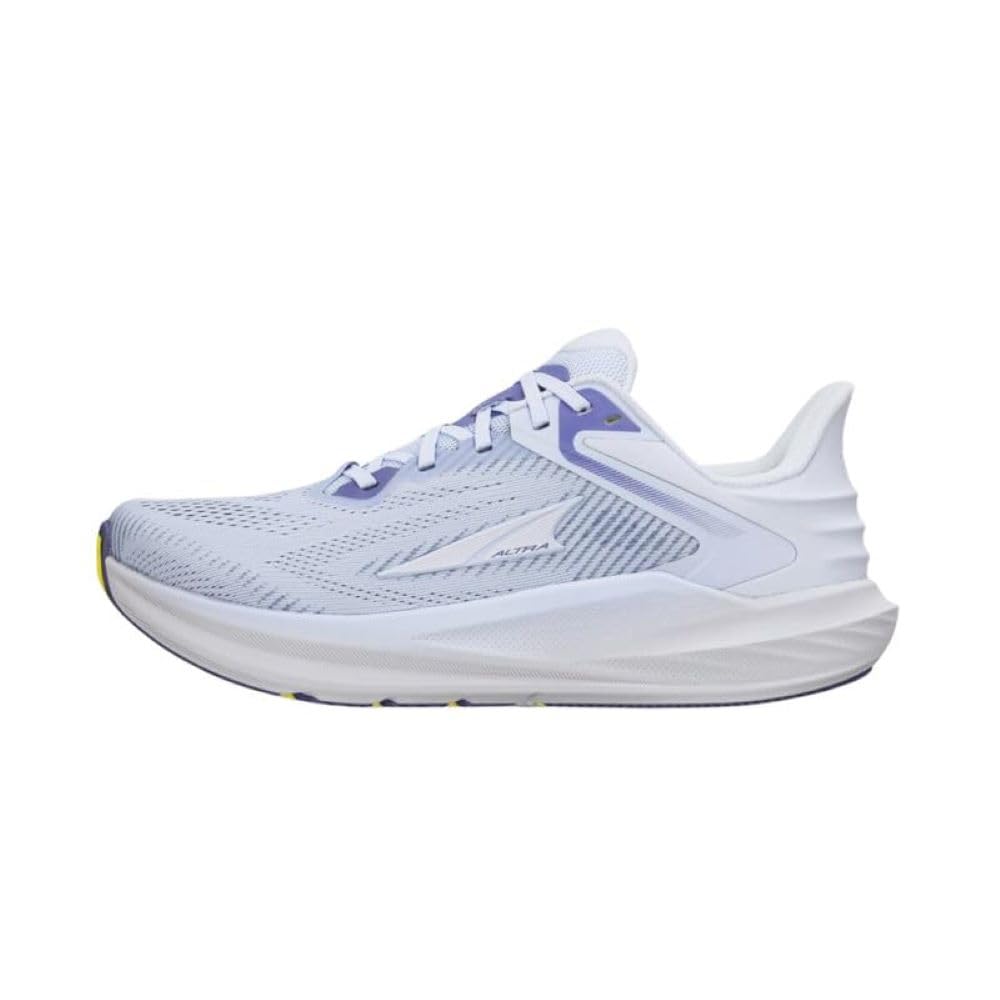
6. ALTRA Women’s Torin 8 Road Running Shoe
Plush zero-drop cushion for road runners who refuse to give up stack height.
With a 30 mm stack height under both heel and forefoot, the Torin 8 is the most cushioned zero-drop shoe on this list. The Altra EGO MAX midsole foam gives you a soft, bouncy ride that still keeps your foot at zero drop. The FootPod technology in the outsole supports natural flex, so the shoe moves with your foot rather than fighting it.
This is the shoe that owners credit with ending 18 months of plantar fasciitis pain. The combination of zero drop and ample cushion takes pressure off the heel and lets the foot move as intended. The roomy toe box (Altra’s signature FootShape fit) lets toes spread completely — owners with Morton’s neuroma call it a standout. The Jacquard mesh upper molds to your foot and breathes well for long miles.
The heel fit gets mixed feedback. A few owners find the heel cup presses on the Achilles or slips slightly, unlike the locked-in feel of Asics or Saucony. Size up half a size if you are between sizes. The weight is 8.4 oz, which is light for a 30 mm stack shoe.
What it excels at: Zero-drop road running with the highest cushion available — a rare combination.
The catch: The heel fit is not for everyone; try them on with your preferred running socks.
Reach for this: Road runners who need zero drop but cannot give up cushion for long miles.
Not for you if: You want maximum ground feel or a locked-down heel like traditional stability shoes.
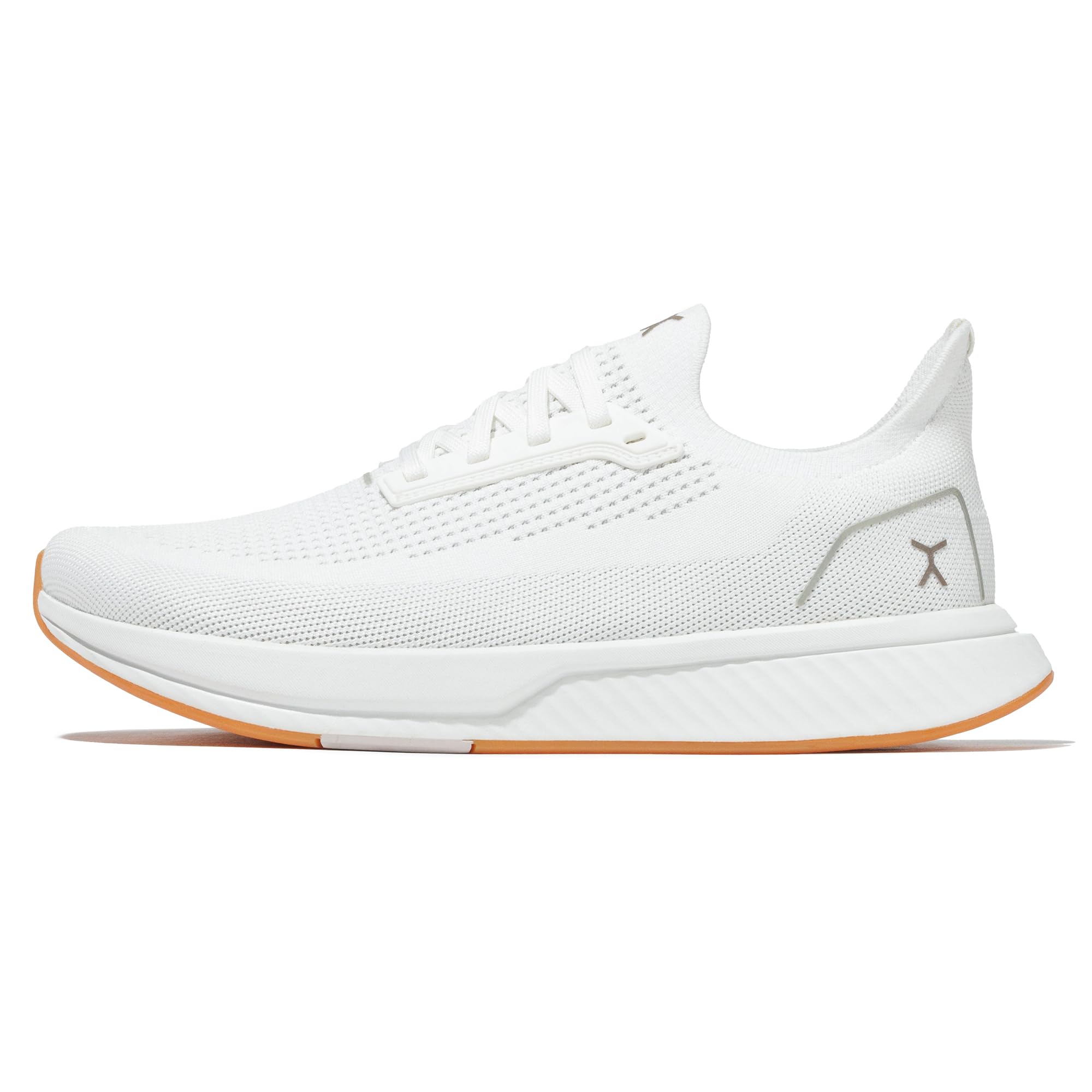
7. FLUX FOOTWEAR Adapt Runners
The slip-on zero-drop shoe that holds up to 15,000 steps a day.
The Adapt Runner from Flux is a stretchy, almost sock-like shoe with a zero-drop platform and a textured insole that buyers describe as a foot massage. The wide toe box is generous without looking clownish, and the stretch mesh upper lets the shoe mold to your foot shape. It is machine-washable — a huge plus for daily wear.
Reviewers point out wearing these for 6 days straight at Disney parks with minimal fatigue. One buyer who works 15,000 steps a day as an automotive painter says the shoe reduced knee, back, and foot pain noticeably. The size runs small — Flux recommends sizing up half a size, and nearly every owner confirms that.
The main trade-off involves the sole. A few shoppers say sole separation at the heel after months of use. The shoe is also not ideal for high arches — the stretch upper can feel tight across the midfoot if you have a high instep. For flat feet and medium arches, the fit is fantastic.
Why it works for daily wear
- Stretchy, sock-like upper with zero break-in
- Machine washable and quick-drying
- Textured insole feels like a foot massage
Keep an eye on
- Some pairs develop sole separation at the heel
- Not comfortable for high arches — tight across midfoot
Best for: All-day walkers, travelers, and flat-footed anyone who wants a comfy zero-drop sneaker.
Not for you if: You have high arches or need a shoe for heavy pronation control.
8. Flux Adapt Graphene XT Barefoot Shoes
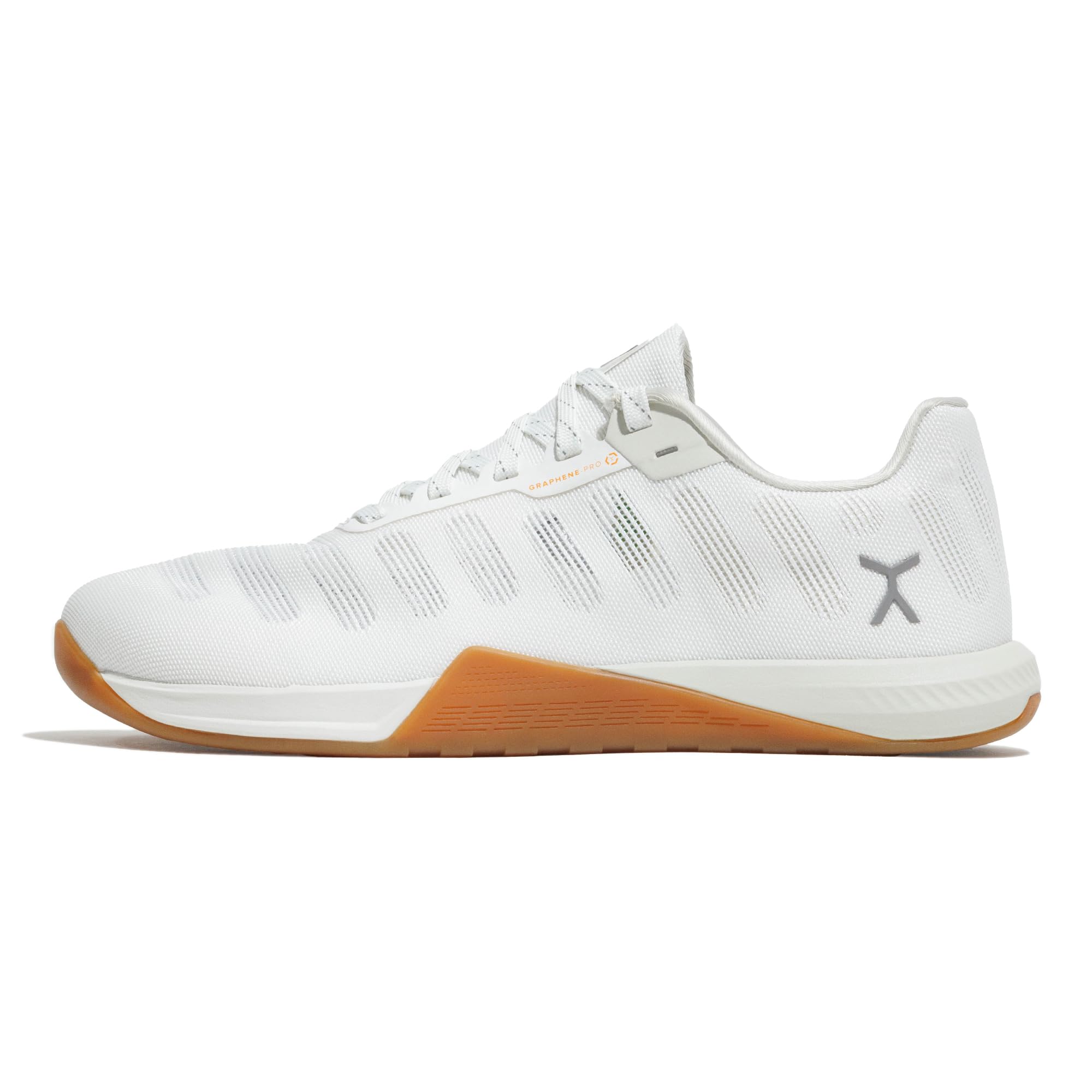
A graphene-reinforced zero-drop shoe for heavy lifting and sports.
This is Flux’s gym-focused model, using a graphene-infused outsole that the brand claims is the strongest material ever discovered — 200x stronger than steel at the atomic level. The ballistic mesh upper resists abrasion, and the wide toe box gives your toes room to splay during squats or lunges. The zero-drop platform keeps you grounded.
Buyers with wide feet love the locked-in feel during lifts — the shoe widest at the midfoot, making it a perfect match for natural foot shape. After nearly 6 months of gym use, buyers report almost zero sole wear. The shoe is comfortable enough for walking but shines in the weight room. A few owners with high arches find the midfoot too tight for 30-plus-minute sessions.
The manufacturing quality gets mixed reviews. A handful of owners mention that the right shoe started squeaking within a week due to midsole noise. The graphene outsole’s small nubs can break off on rough surfaces. Size up half a size, as the brand recommends.
What you get: A rugged, zero-drop cross-trainer designed for gym versatility with exceptional durability.
Watch for: Occasional midsole squeak and fragile outsole nubs — treat the sole gently on abrasive surfaces.
Best for: Cross-fitters, lifters, and gym-goers who want a zero-drop shoe that grips the floor and lasts.
Not for you if: You have high arches or need a shoe for long pavement runs — the minimal cushion is not for roads.
9. JIM GREEN Men’s Barefoot African Ranger Boots

A resoleable leather boot that lets your foot flex like it would barefoot.
This is a 100% zero-drop boot made from full-grain leather with a stitched-down construction that can be resoled — meaning you can wear these for years. The thin flexible sole gives you ground feel, and the wide toe box is genuinely enormous, letting your big toe and pinky toe spread completely. The boot laces up high enough to support your ankle without restricting movement.
Owners rave about the comfort. One buyer’s bunion pain disappeared after switching to the African Ranger. The boot is breathable for a leather build, and the interior leather sock liner prevents foot odor. The break-in period can be long — some report blisters in the first week — but after that, the leather molds perfectly to your foot. The outsole is soft and grippy on grass and dirt, but not ideal for concrete.
The boot runs large, similar to US brand sizing — size down if you are between sizes. It is designed without insoles, and adding them can cause ankle rubbing. The break-in time varies; the Bronco brown color needs longer to soften than the standard brown.
Why boot lovers choose it
- Stitched-down construction, fully resoleable
- Enormous wide toe box for natural splay
- Full-grain leather lasts for years with care
What to expect
- Long break-in period — expect blisters week one
- Soft outsole wears faster on pavement
Best for: Anyone who wants a zero-drop boot that can be resoled, with genuine room for wide feet.
Not for you if: You need immediate comfort from the start, or do most of your walking on concrete roads.
Understanding the Specs
Stack Height and Drop
Stack height is the total thickness of the sole between your foot and the ground. Zero drop means this thickness is identical from heel to toe — your foot sits flat. A higher stack (25 mm or 30 mm) adds cushion for road running, but you lose some ground feel. Thinner soles (around 10 mm to 15 mm) give you more sensory feedback so your foot can micro-adjust to uneven surfaces.
Toe Box Shape
A wide toe box mimics the natural splay of your foot when you walk barefoot. Brands like ALTRA and Jim Green shape the toe box to match the human foot’s actual outline — widest at the toes. A narrow or tapered toe box can crowd your toes, leading to bunions, hammertoes, and balance problems. Always measure your foot’s widest point and compare it to the shoe’s internal width at the forefoot.
FAQ
What does zero drop mean?
Can I run in zero drop shoes if I have flat feet?
How long does it take to adjust to zero drop shoes?
Are zero drop shoes good for plantar fasciitis?
Do zero drop shoes have arch support?
Can I wear zero drop shoes for weight lifting?
How do I clean my zero drop minimalist shoes?
Will zero drop shoes help my posture?
Are zero drop shoes good for wide feet?
Can I wear zero drop shoes with custom orthotics?
Final Thoughts: The Verdict
Across the board, the zero drop minimalist shoes winner is the ALTRA Lone Peak 8 because it balances trail grip, cushioned zero-drop, and a proven wide toe box that satisfied owners across 700+ reviews. If you want a road-running shoe with maximum cushion, grab the ALTRA Torin 8. For everyday walking and travel comfort, the Flux Adapt Runner is the pair to reach for — slip them on and go.
How We Picked
We do not accept paid placement. Every pick is matched to a real buyer and a real use-case; we do not hands-on test units.
Sources & Methodology
Specifications: manufacturer listings and product documentation. Review insights: verified customer reviews, as of July 2026. Pricing: not shown on this page (it changes often); check the current price via the retailer link.
As an Amazon Associate, Calories Fit earns from qualifying purchases. This does not affect which products we feature.