
Our readers keep the lights on and the coffee maker working hard! As an Amazon Associate, I earn from qualifying purchases.
Specs are compiled from manufacturer listings and verified buyer reviews and can change over time — please confirm the key details on the product page before buying.
Freezing nights in the backcountry or a sudden power outage at home — a zero-degree sleeping bag is the difference between shivering through until dawn and actually sleeping. The trick is that “zero degree” on the tag doesn’t always mean comfort at zero; some bags are truly rated for hard winters, while others are optimistic marketing. Below, nine bags that earn their temperature claims, from a 13-pound canvas fortress for ice fishing to a packable down sack for the trail, so you know exactly where your money keeps you warm.
I’m Mohammad — the founder and writer behind Calories Fit. This guide is built by comparing the manufacturers’ published specifications and the patterns across verified customer reviews, so you get each pick’s real strengths and trade-offs instead of marketing spin.
You will find a detailed, honest breakdown for every bag in this list of the best zero degree sleeping bag picks, ranked by real owner feedback and temperature performance, not just price.
Our Picks at a Glance


How To Choose The Best Zero Degree Sleeping Bag
Buying your first winter bag can feel like decoding a foreign language — ratings, fills, shapes, and shells all matter. Here is what actually makes the difference between a great night and a miserable one.
Temperature Ratings: Comfort vs. Survival
A “0°F” rating on a bag usually means the lower limit — you will survive at 0°F, but you might not sleep well. The real comfort rating (where you actually sleep soundly) is often 10 to 15 degrees higher. If you sleep cold or plan to be out in actual single-digit weather, look for a bag rated 10 or 20 degrees below your expected low.
Fill Type: Synthetic vs. Down
Synthetic insulation (like TechLoft Silver or Cirroloft) keeps you warm even when wet and dries fast — a smart choice for damp climates or car camping where pack size matters less. Down fill (550-fill or higher) is lighter and more compressible for backpacking, but loses almost all insulating power when wet unless it has a waterproof shell.
Shape: Mummy, Rectangle, or Spoon
Mummy bags are the warmest design because they minimize air space your body has to heat, but they feel restrictive to side sleepers. Rectangular bags offer the most room — think “wiggle room” — but sacrifice some thermal efficiency. Spoon-shaped bags (the Kelty Supernova, for example) split the difference: a roomier cut for your hips and knees without letting all the heat escape.
Quick Comparison
| Model | Best For | Temp Rating | Shell Fabric | Weight | Amazon |
|---|---|---|---|---|---|
| ALPS OutdoorZ Redwood★ Best Overall | Extreme cold car camping | -25°F | Cotton Canvas | 13 pounds | Amazon |
| PO PO BEAR 0°F FlannelBudget Champion | Budget family camping | 0°F | 100% Cotton Flannel | 6.6 pounds | Amazon |
| AZITREK 0° Mummy (XXL)Side Sleeper Pick | Side sleepers/sized campers | 0°F | 100% Polyester | 6 pounds | Amazon |
| Coleman North Rim 0° | Budget cold-weather camping | 0°F | Polyester | 6.3 pounds | Amazon |
| TETON Sports Deer Hunter | Hunting/rugged use | 0°F | Canvas | 8.5 pounds | Amazon |
| Kelty Cosmic Synthetic 0° | Backpacking (synthetic) | 0°F | 20D recycled nylon | 5.9 pounds | Amazon |
| Browning McKinley -30° | Sub-zero car camping | -30°F | 210T Nylon Diamond Ripstop | 12.8 pounds | Amazon |
| Big Agnes Echo Park 0° | Car camping luxury | 0°F | 40D nylon ripstop | — | Amazon |
| Kelty Supernova Down 0° | Backpacking (down) | 0°F | 100% Recycled Nylon | 4 lbs 13 oz | Amazon |
In‑Depth Reviews
1. ALPS OutdoorZ Redwood -25° Sleeping Bag
Our pick — over 4.5★ from 900+ verified ratings; the strongest balance of quality and price.
A 13-pound canvas fortress that turns freezing nights into a toasty retreat.
This is the undisputed king of extreme-cold car camping — rated to minus 25°F, not zero. The shell is rugged cotton canvas paired with a 100% cotton flannel liner that feels like a heavyweight comforter. TechLoft Silver insulation (multi-hole micro-denier fibers with a siliconized finish) traps maximum warmth, while the two-layer offset construction eliminates cold spots. At 38″ x 80″, it is an oversized rectangle, so you get huge “wiggle room” compared to restrictive mummy bags. Buyers report it works beautifully in unheated cabins and 4-degree weather, calling it “a big comforting hug.”
The catch is the weight — at 13 pounds, this bag is strictly for car camping, ice fishing, or power-outage prep, not backpacking. The thick zipper (durable and dual-slider) is praised for being chunky and reliable. One owner described it as “too warm above freezing,” so it is a cold-weather specialist. The Redwood weighs 13 pounds and is rated -25°F; the TETON Sports Deer Hunter weighs 8.5 pounds and is rated 0°F.
Real-world warmth monster: the warmth (172 mentions) and quality (123 mentions) dominate buyer feedback — the consensus is clear that this bag delivers on its promise.
Reach for it if: you drive to camp, sleep in an unheated cabin, or need a bag that laughs at single-digit temperatures.
Think twice if: you hike to your campsite or only camp in mild winters above 20°F.
2. PO PO BEAR 0° Sleeping Bag for Adults
A tall-friendly flannel bag that feels like sleeping in your favorite shirt.
This rectangular bag is built from 100% cotton flannel — think soft, thick, and cozy like a heating blanket, as several buyers put it. At 84″ x 40″, it offers generous space (the data confirms it fits a model 6’3″ tall). The budget-friendly price does come with a couple of trade-offs. The zipper is described as tricky but functional — one owner called it “challenging but manageable.” The bag also sheds a small amount of cotton lint at first, which is normal for terry cloth-style fabrics.
The PO PO BEAR is 40 inches wide and uses a flannel interior; the Coleman North Rim is 32 inches wide and has a Thermolock draft tube and no-snag zipper. It is a better choice if you need a two-in-one feature — the left and right zippers let you combine two bags into one double sleeping bag. The included compression bag helps shrink it for storage, but at over 6 pounds it is still a car-camping bag.
Softness first: quality and warmth are the most-praised aspects, and owners mention it “eliminates the need for guest linen” at home — it works as an extra bed too.
Best if: you want a budget-friendly, oversized flannel bag for occasional winter camping or guest use.
Look elsewhere if: you need a bag for below-freezing temperatures more than a few times a year — the flannel is warm but not as wind-resistant as polyester shells.
3. AZITREK 0° Mummy Sleeping Bag (XXL)
A peanut-shaped mummy that actually lets side sleepers roll over.
This is a mummy bag with a twist — a “peanut” shape that is wider at the shoulders and hips but still tapers at the feet to reduce dead air space. The Dually double-layer insulation technology traps body heat effectively, while the U-comfort draft collar and soft cuff around the face seal warmth in. At 90″L x 37.5″W, it is oversized (extra-long and wide) and weighs a manageable 6 pounds — at 6 pounds, while the ALPS OutdoorZ Redwood is 13 pounds. Customers note that a 6’4″, 230-pound person fits comfortably, and the foot box (a roomy square shape) helps you sleep in a natural position.
The main trade-off is the zipper: it is described as not the most fluid and can snag occasionally. One owner mentioned sweating at 40°F, which means the 0°F rating is genuine — you will want to vent it in milder weather. It works well down to 0°F, and owners have used it on Scout Klondike Derbies in 19°F conditions with an internal liner. The included compression sack helps you pack it, but at 6 pounds, it is heavy for serious backpacking — better for car camping or short hauls.
Warmth-focused design: the draft collar and face cuff are real features that buyers praise for stopping drafts, and the spacious cut earns consistent positive mentions.
Pick this if: you are a side sleeper or a larger person who finds traditional mummy bags claustrophobic.
skip it if: you plan to hike miles to camp — the weight and bulk are manageable but not minimalist.
4. Coleman North Rim 0°F Sleeping Bag

Coleman’s cold-weather contender that punches above its price point.
The North Rim is a mummy-style bag designed for campers up to 6’2″, with Coletherm hollow polyester insulation that traps heat while keeping weight reasonable (about 6.3 pounds). The Thermolock draft tube runs the length of the zipper to stop heat from leaking out — a feature that buyers consistently call effective. The adjustable hood lets you cinch down for warmth or open up for ventilation, and the no-snag zipper is a welcome upgrade from older Coleman designs. Several owners reported staying “super warm” camping in temperatures below 40°F and even down to 14°F.
The downsides are real: the zipper quality has drawn complaints — one buyer broke theirs off (though it still worked), and durability gets mixed marks. At 82″ x 32″, it is narrower than many of the competitors; some larger campers found it tight. It is also too bulky for backpacking, as owners note. The Coleman is 32 inches wide; the AZITREK is 37.5 inches wide. The Coleman lacks the face-cuff features of the AZITREK but has a Coleman warranty and proven insulation.
Cold-weather specialist: warmth (31 mentions) leads the positives, and owners say it shines in actual winter conditions despite the zipper concerns.
Ideal for: car campers who want a reliable no-frills 0°F bag from a major brand.
Not for: broad-shouldered or plus-size sleepers who need more than 32 inches of width.
5. TETON Sports Deer Hunter 0° Sleeping Bag

A tough-as-nails canvas shell built for hunters and cold-weather veterans.
At 8.5 pounds, the Deer Hunter splits the difference between the heavy ALPS OutdoorZ and the lighter synthetic options. The shell is Teton Tough canvas — durable enough for elk camp and rough terrain — while the interior uses soft poly-flannel lining and a half-circle mummy-style hood. The double-layer construction includes zipper and shoulder draft tubes to seal out cold drafts. At 90″ x 39″, it is spacious enough for a 6’3″, 210-pound person to move around comfortably, as one buyer confirmed. It works well in rain (35-45°F range) and keeps sleepers warm in basic pajamas.
The zipper is a common sticking point: owners recommend keeping a finger inside the bag when zipping to prevent the liner from catching. The bag also requires airing out on first use due to a chemical treatment — one reviewer noted a strong smell that caused pulmonary distress. Buyers praise its warmth (62 mentions) and quality (47 mentions), but the bulkiness and zipper sensitivity are the trade-offs. The TETON weighs 8.5 pounds; the ALPS Redwood weighs 13 pounds. The TETON is rated 0°F; the ALPS is rated -25°F.
Field-tested warmth: the bag earned high marks from hunters in cold climates, with draft-proof zippers and a roomy cut earning consistent praise.
Choose it for: hunting camp, cold-weather car camping, or any rugged use where durability matters more than pack weight.
Pass on it if: you need a bag for backpacking — this one stays in the truck.
6. Kelty Cosmic Synthetic 0° Sleeping Bag
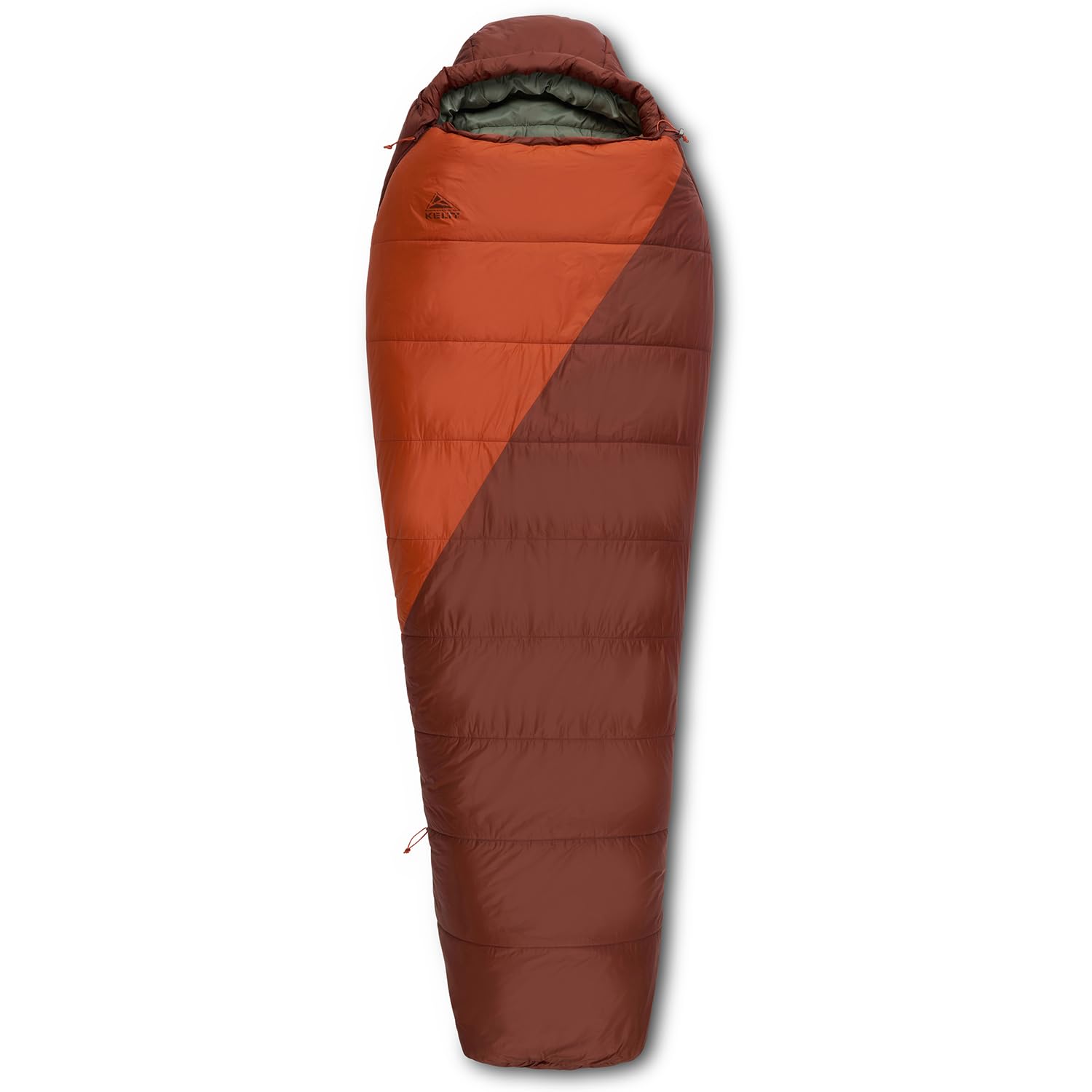
A synthetic bag that packs small enough for the trail without sacrificing warmth.
The Kelty Cosmic Synthetic 0° uses Cirroloft synthetic insulation — which maintains its loft (and thus its warmth) even in damp conditions where down would fail. At 5.9 pounds (the long version weighs 4.95 lbs), it is the lightest synthetic bag here and compresses nicely into its integrated compression stuff sack. The ISO-tested comfort temperature is 18°F, meaning you will sleep well at that level. Buyers have used it in sub-freezing Massachusetts winters and on Scout trips, calling it “warm and cozy.” The bag features a natural-fit spacious footbox for toe wiggling and an exterior stash pocket for overnight essentials.
The zipper is the main complaint: it can snag near the bicep area, and there is no Velcro closure to seal the top. It is definitely a winter-only bag — owners say it is too warm for anything but cold weather. The Kelty Cosmic Synthetic is cheaper and uses synthetic insulation for wet climates; the Kelty Supernova Down is lighter (4 lb 13 oz) and more compressible. It fits tightly into a 55-liter backpack.
Wet-cold performer: the synthetic fill shines in damp winter conditions, and buyers consistently mention warmth and spaciousness as the top strengths.
Reach for it if: you backpack in wet or humid winter conditions and need reliable synthetic insulation.
Consider the down version if: you prioritize maximum packability and dry-cold performance.
7. Browning McKinley -30° Sleeping Bag

Built for the coldest nights — a -30°F bag that Arctic veterans actually use.
Like the ALPS Redwood, it uses TechLoft Silver insulation, but with a 210T nylon diamond ripstop outer shell that is both tougher and lighter than canvas. The two-layer offset construction eliminates the cold spots that plague cheaper bags. At 90″ x 36″, it provides ample room for larger sleepers (one Arctic paratrooper reviewer called it “roomy like a twin mattress”). The brushed polyester liner feels soft, and the large hood with separating zippers gives you ventilation options.
At 12.8 pounds, it is nearly as heavy as the ALPS Redwood (13 pounds) — strictly for car, truck, or sled camping. Reviewers point out it is so warm that at 50°F you will sweat in a tank top. The Velcro patch can snag the bag material, so some recommend removing it. One buyer described repacking as difficult but possible. Compared to the ALPS Redwood (-25°F), this Browning is rated lower (-30°F vs -25°F) and uses a more packable nylon shell, though both are too heavy for a backpack.
True extreme warmth: the 135 mentions of warmth dominate buyer feedback, with one owner using it comfortably at -8°F and another at -2°F in silk long johns.
Ideal for: ice fishing, northern winter camps, or any trip where temperatures will drop below zero.
Not for: anyone who needs to carry their bag more than 50 feet from the car.
8. Big Agnes Echo Park 0° Sleeping Bag
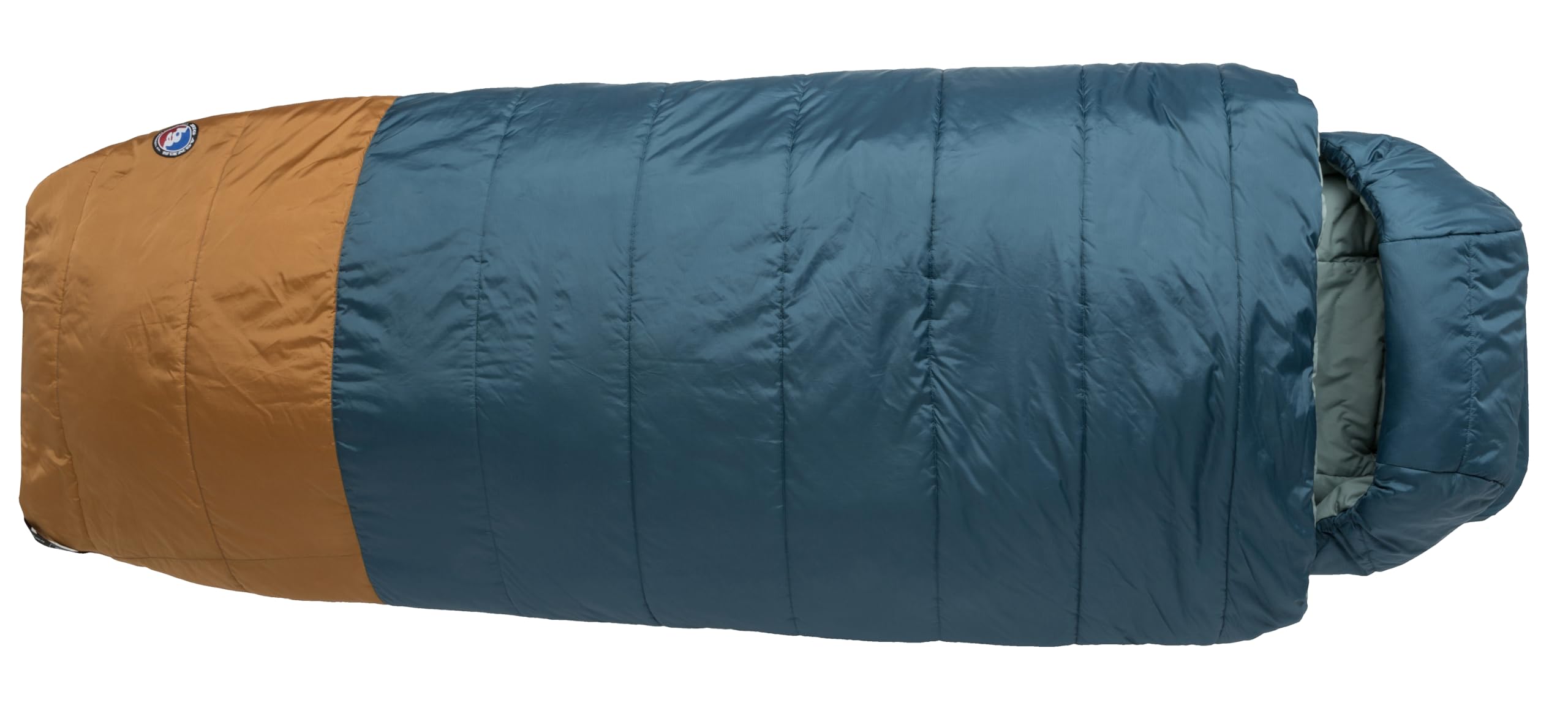
A roomy, quilt-like bag that turns your sleeping pad into a real bed.
The Echo Park is a unique take on a zero-degree bag — it is more of a “quilt” system that attaches to your sleeping pad via the Padlok design. This eliminates the problem of rolling off your pad in the night. A Cinch Pad Sleeve adjusts to fit most pads (25-30″ wide x 78″ long, sold separately). The bag uses FireLine Max Eco recycled polyester insulation with a cotton/polyblend lining that is soft and quiet. The oversized draft collar and zipper draft tube seal in heat, while the Pillow Barn (a sleeve on the pad) keeps your pillow in place. The double zippers allow entry from either side and easy venting.
At a minimum, this is a car-camping luxury bag — it is wide and long (78″ x 80″) and does not pack down small without a compression sack (sold separately). Shoppers say it is warm enough for 20°F but note you will want a sleeping pad underneath for best results. One owner said at 50°F they were sweating, which confirms the 0°F rating is genuine. Compared to the tight mummy designs above, the Echo Park is king for campers who hate feeling cocooned.
Room and comfort first: buyers consistently mention the spaciousness (12 mentions) and warmth (13 mentions) as the standout features, calling it “extremely cozy.”
Pick this if: you value a bed-like sleeping experience and usually car camp with a good sleeping pad.
pass on it if: you need a traditional zippable mummy for serious backpacking weight limits.
9. Kelty Supernova Down 0° Sleeping Bag

A down-filled spoon shape that packs tiny and sleeps big.
The Kelty Supernova is the lightest bag on this list — the Long version packs 41 ounces of 550-fill gray duck down (RDS Certified) into a 4 lb 13 oz total weight, compressing down to 17″ x 10″. The “spoon” shape is wider at the hips and knees than a traditional mummy, giving stomach and side sleepers real room to turn without losing heat through dead air space. The shell and liner are 100% recycled nylon, and the bag uses PFC-free fabrics. A nice bonus: you can zip two Supernovas together to create a 2-person bag with room for two full pillows.
The Kelty Supernova Down weighs 4 lb 13 oz; the Kelty Cosmic Synthetic weighs 5.9 lb. The Supernova is more compressible but loses insulation when wet. The zipper has a draft collar but requires care to avoid snagging the baffle. Some buyers found the Regular size restrictive for stomach sleeping and sized up to the Long. It is designed for dry-cold backpacking where pack weight and volume are critical. Owners praise its warmth (7 mentions) and quality (12 mentions), with one calling it “the best sleeping bag I’ve owned.”
Ultra-packable warmth: the combination of down fill and spoon shape earns high marks for portability and comfort, with positive zipper feedback too.
Ideal for: backpackers who need a warm, light bag for dry winter conditions and who appreciate a roomier cut.
Look elsewhere if: you camp in wet snow or rain — synthetic insulation is safer for those conditions.
Understanding the Specs
Temperature Rating (EN/ISO Standard)
This is the most important number on a winter bag. A “0°F” rating typically means the lower limit — you will survive, but you may shiver. The comfort rating (where you actually sleep soundly) is often 10-15°F higher. Bags rated below zero, like the ALPS OutdoorZ Redwood (-25°F) or Browning McKinley (-30°F), are designed for true extreme conditions. If you sleep cold, always choose a bag rated at least 10 degrees lower than your expected low temperature.
Synthetic vs. Down Insulation
Synthetic fill (TechLoft Silver, Cirroloft, Coletherm) retains warmth when wet and dries quickly — a solid choice for damp winters, wet snow, or humid climates. Down fill (like the 550-fill in the Kelty Supernova) is lighter and more compressible for backpacking, but loses nearly all insulating power when soaked. Some down bags use a water-resistant shell, but synthetic is the safer bet for any trip where moisture is likely. Down is the better choice when weight and packed size are critical and conditions are reliably dry.
FAQ
Can I use a zero degree sleeping bag in summer?
Do I need a sleeping pad with a zero degree bag?
What is the difference between a comfort rating and a survival rating?
Can I machine wash a zero degree sleeping bag?
How do I store a zero degree sleeping bag long-term?
What is a draft tube and why does it matter?
Can I zip two zero degree bags together?
What does “two-layer offset construction” mean?
Final Thoughts: The Verdict
For most people, the best zero degree sleeping bag winner is the ALPS OutdoorZ Redwood because it combines a -25°F rating, a durable cotton canvas shell, and overwhelming buyer confidence — a true crowd favorite. If you want a lighter, backpackable bag, grab the Kelty Supernova Down for its 4-pound weight and spacious spoon shape. And for a rugged hunting camp bag, the TETON Sports Deer Hunter is the one to reach for.
How We Picked
We do not accept paid placement. Every pick is matched to a real buyer and a real use-case; we do not hands-on test units.
Sources & Methodology
Specifications: manufacturer listings and product documentation. Review insights: verified customer reviews, as of July 2026. Pricing: not shown on this page (it changes often); check the current price via the retailer link.
As an Amazon Associate, Calories Fit earns from qualifying purchases. This does not affect which products we feature.