
Our readers keep the lights on and the coffee maker working hard! As an Amazon Associate, I earn from qualifying purchases.
Specs are compiled from manufacturer listings and verified buyer reviews and can change over time — please confirm the key details on the product page before buying.
You miss the real thing when you cut rice — the fluffy bite, the way it soaks up gravy, that little chew that makes a meal feel complete. Cauliflower can work in a pinch, but it has a grassy smell and turns to mush fast. The real challenge is finding something that acts like rice on your plate and in your bowl, without the blood-sugar spike or the carb hangover.
I’m Mohammad — the founder and writer behind Calories Fit. This guide is built by comparing the manufacturers’ published specifications and the patterns across verified customer reviews, so you get each pick’s real strengths and trade-offs instead of marketing spin.
After looking closely at the top substitutes — from hearts of palm to konjac (a root vegetable fiber) to organic cauliflower — the real best zero carb rice does not just have a low number on the label; it also keeps a texture you actually want to eat again tomorrow.
Our Picks at a Glance

How To Choose The Best Zero Carb Rice
“Zero carb rice” is an ideal, not a strict legal category. Most products land between 0 and 4 grams of net carbs per serving — and that range makes a big difference when you are deep into keto or managing blood sugar. The base ingredient decides everything: konjac (shirataki) rice is almost entirely water and glucomannan fiber (a soluble fiber your body cannot digest), so it can score as low as 0 net carbs, while hearts of palm rice carries a few more carbs but brings a noticeably better texture and a mild, pleasant flavor that konjac often lacks.
Form Factor: Wet Packs vs. Dry Konjac
You will see two main formats on the shelf. Wet-packed shirataki rice comes submerged in liquid and needs a thorough rinse to remove a briny smell, then a dry pan-fry to improve the texture. Dry konjac rice (sometimes called “konnyaku rice”) is lighter and stores longer, and buyers report that it “pops” in the pan like real rice — a serious texture bonus. The dry format usually costs more per serving, but the cooking experience is closer to traditional rice.
Added Ingredients and Hidden Carbs
Not everything labeled “konjac rice” is pure konjac. A few brands mix konjac flour with white rice flour to improve the mouthfeel, which pushes the carb and calorie count up significantly. If you are strictly tracking net carbs (carbs minus fiber), scan the ingredient list for added flours or starches. A pure konjac or hearts-of-palm product should have just one or two ingredients on the label.
Serving Size and Portion Control
The per-serving calorie and carb numbers can be misleading because serving sizes vary wildly — a pouch might claim “5 calories per serving” but list a tiny 3-ounce serving. Look at the drained weight of the whole pack and calculate from there. For meal prep, you generally want at least 4 ounces (drained) per portion to feel satisfied alongside protein and vegetables.
Texture and Preparation
Every zero-carb rice alternative demands more preparation than instant white rice. The baseline is a good rinse and a dry sauté — skipping that step leaves you with a watery or rubbery dish. Some buyers enjoy the chewy bite of shirataki, while others find it unsettling. If texture is make-or-break for you, hearts-of-palm rice (which looks, feels, and even smells closer to real cooked rice) is the safer bet, even though it costs a little more in carbs.
Quick Comparison
| Model | Best For | Base Ingredient | Net Carbs | Servings per Pkg | Amazon |
|---|---|---|---|---|---|
| Palmini Rice (Pack of 6)★ Best Overall | Best Overall Taste | Hearts of Palm | 4g | 6 pouches | Amazon |
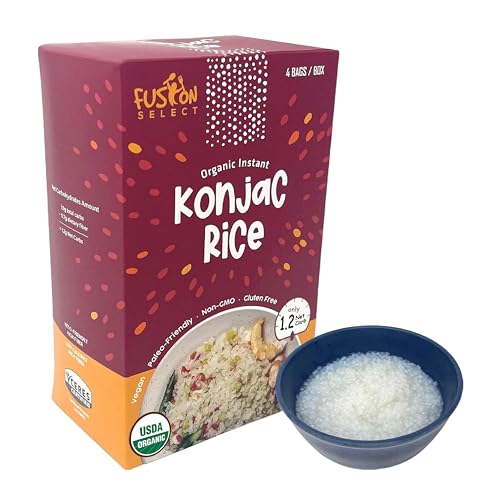
| Fusion Select Organic Konjac Rice (4 Pack)Budget Starter | Budget Starter Pack | Konjac | Not stated | 4 packs | Amazon |
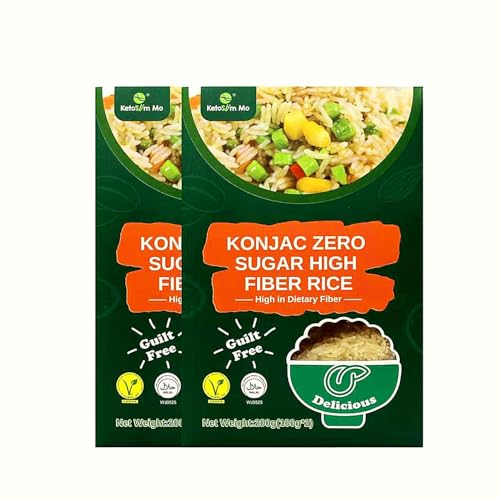
| Ketoslim Mo High Fiber Konnyaku Rice (2 Pack)Best Dry Konjac | Best Dry Konjac | Konjac (dry) | Not stated | 2 packs, 200g each | Amazon |
| Soeos Organic Dried Konjac Rice (6 Pack) | Quick Prep | Konjac + Rice Flour | Higher than pure | 6 packs, 60g each | Amazon |
| MOKI Shirataki Konjac Rice (12 Pack) | Bulk Value | Konjac | 2g | 12 packs, 3.53 oz each | Amazon |
| Hethstia Shirataki Rice (10 Pack) | Zero Odor | Konjac | Not stated | 10 packs | Amazon |
| Natural Heaven Brown Rice (6 Pack) | Premium Texture | Hearts of Palm | Low (not stated) | 6 pouches, 9 oz each | Amazon |
| Miracle Noodle Miracle Rice (6 Pack) | Minimal Calories | Konjac | 3g (from fiber) | 6 packs, 8 oz each | Amazon |
| Kitchen & Love Organic Riced Cauliflower (6 Pack) | Traditional Flavor | Cauliflower | ~4g (approx) | 6 packs, 8 oz each | Amazon |
In‑Depth Reviews
1. Palmini Rice (12 Ounces Pouches, Pack of 6)
Our pick — over 4★ from 600+ verified ratings; the strongest balance of quality and price.
The crowd favorite that actually tastes like rice — it earned the Shark Tank bump because buyers keep coming back.
Each serving of this hearts-of-palm rice gives you 20 calories and 4g of carbs — low enough for most keto plans but not zero, which is a worthwhile trade given what you get back. There is no weird fishy or briny smell (a common complaint with wet konjac), and reviewers consistently call the flavor the standout feature, with 30 mentions praising it. People use it in everything from stuffed peppers to Instant Pot creations, and a surprising number say it helped them stick with a restrictive diet — one couple reportedly dropped 25 lb each over three months using it. Compared to the Ketoslim Mo dry konjac, Palmini wins on flavor and ease of prep but gives up 4g of carbs per serving.
The honest catch is the price per pouch. For a pack of six 12-ounce pouches, you are paying a premium over fresh alternatives, and that value-for-money complaint shows up in reviews (10 mentions, negative). But the flavor and ease of prep — just rinse and sauté — keep buyers coming back. It is also a vegetable product with no refrigeration needed until opened, so it works for pantry stockpiling.
palmini palm heart
- Best flavor in the category — neutral, slightly nutty, no off-putting smells.
- 20 calories and 4g carbs per serving keeps it keto-friendly.
- Quick to prepare: just rinse and pan-fry for a few minutes.
- Pre-portioned 12-ounce pouches reduce meal-prep guesswork.
slightly chewy
- Price per serving is noticeably higher than fresh or frozen alternatives.
- Texture is firm, not exactly fluffy like jasmine rice — best as a replacement in saucy dishes.
best for: anyone who tried cauliflower rice and hated the moisture or the taste — Palmini gives you a convincing rice experience for 4g of carbs.
skip if: your budget is tight or you need a true zero-carb option (4g is low but not zero).
2. Fusion Select 4 Packs Organic Konjac Noodles – Shirataki Rice
The cheapest entry point into konjac rice — but quality control is a coin flip.
At just 7.05 ounces for the entire box — significantly lighter than the 14.11-ounce Ketoslim Mo pack — this is among the most affordable ways to try konjac rice. It is organic, vegan, and grain-free, and the rice shape absorbs seasoning like a blank slate. The low calorie count is the main draw, with 9 reviewers specifically calling that out as a win.
The flip side is hard to ignore. Taste (24 mentions) is the most-discussed aspect, and Amazon itself flags it as MIXED — some buyers find it works fine in a stir-fry, but others describe the flavor as “really off putting.” A concrete warning from the reviews: “5 of 8 packages defective: noodles came out as a solid sponge-like block, wouldn’t separate even after rinsing and boiling in broth for 30 minutes.” That kind of consistency gap makes it a gamble for weekly meal prep.
konjac variety pack: at this price you can test the konjac waters without a large investment, but be ready to give each pack a careful rinse and cook. The portion size is small — about two servings per box, not four — so factor that into your pantry math.
reach for: you have never tried konjac rice and want the lowest-risk price to see if you like the texture.
look elsewhere: you need consistent quality for daily meals — the defect rate is too high for a reliable pantry staple.
3. Ketoslim Mo High Fiber Konnyaku Rice 2 Pack
The dry konjac rice that pops in the pan like the real thing — no briny smell to fight.
This product solves the two biggest konjac complaints: smell and soggy texture. Unlike wet-packed shirataki, this is a dry konjac rice made from glucomannan fiber (a soluble fiber from the konjac root), and owners mention it “looks, smells, tastes, and textures like real rice.” A 200g pack lasts about two meals, and the firmness holds up even after reheating. Compared to the wet-packed MOKI, Ketoslim Mo gives you a much better texture and no brine odor — but it costs more per serving and comes in smaller packs. The rice quality (19 mentions) and taste (18 mentions) are the top positive aspects, and the zero sugar, zero sodium, and zero saturated fat labels make it one of the cleanest options in the lineup.
The downside is portion size and price. Two packs come in the package, each roughly one serving, and at the mid-range price point, the cost per meal is higher than wet konjac. A few buyers also flag the carb content as MIXED — while the fiber is high, the net effect depends on your personal macros. Customers note not to follow the package instructions verbatim; the winning prep is “rinse well, then cook in pan no oil until it POPS.”
who fits: experienced keto cooks who know how to dry-sauté and want the closest texture to real white rice without the smell.
who passes: anyone on a strict budget or looking for big bulk portions — you get two small packs, not a family-size bag.
4. Soeos Organic Dried Konjac Rice, 6 Pack (60g Each)
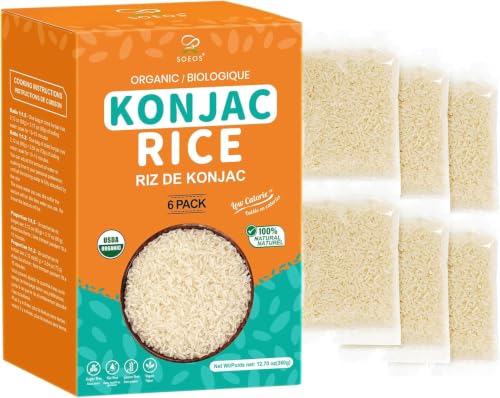
The fastest soak-and-heat konjac rice — three minutes from pantry to plate.
Soeos uses a dried format that rehydrates in minutes: just soak, rinse, and heat. The 60g individual packs are easy to stash in a desk drawer or hiking bag, and reviewers point out it is “better than the wet option I bought after, like chewing rubber.” It also mixes well with real rice to stretch a meal while slashing carbs — a smart trick for households where not everyone is low-carb.
The important catch: this is not pure konjac. A close look at the ingredient list shows white rice flour mixed in, which pushes the carb and calorie count higher than 100% konjac products. One buyer flagged this with a 1-star review, calling it “high in carbs and high calories.” If you are strictly keto, this change matters. For general low-carb eating, the convenience and decent rice substitute quality (it avoids the gummy chew of pure konjac) make it a solid value pick.
best for: flexible carb-counters who want speed and don’t mind a little rice flour in the mix.
skip it: you need a zero-carb product — the white rice flour content is a dealbreaker for strict keto or diabetic protocols.
5. MOKI Shirataki Konjac Rice, 12 Pack
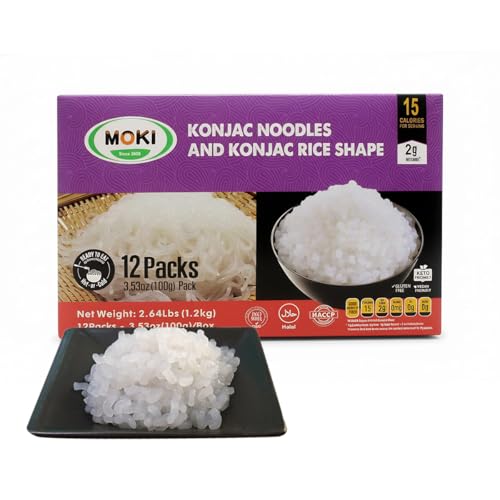
A 12-pack of wet konjac rice with solid macros — 15 calories and 2g net carbs per serving.
MOKI claims to be “odorless and great texture,” and the reviews generally agree on taste (7 mentions, positive) and quality (10 mentions, positive). Each pack has a drained weight of 3.53 oz, which is a modest single serving — good for portion control, less ideal if you want a big bowl. The 12-count box means fewer re-orders, and the product carries Halal and HACCP certifications for production standards.
Where it stumbles is the consistent experience. One buyer describes the rice texture as “like pouring tapioca in your dish,” which is a common complaint with wet konjac that has not been dried properly in the pan. The packages are also noticeably watery, requiring a solid strain and a longer dry sauté. At the mid-range price, the cost per pack is competitive, but the preparation demands are higher than dry formats.
works for: bulk buyers who know the konjac drill — rinse, dry fry, season aggressively — and want a constant supply without running to the store.
bounce off: anyone who expects to open a pack and eat immediately; this demands a few extra minutes of pan work.
6. Hethstia Shirataki Rice, 10 Packs
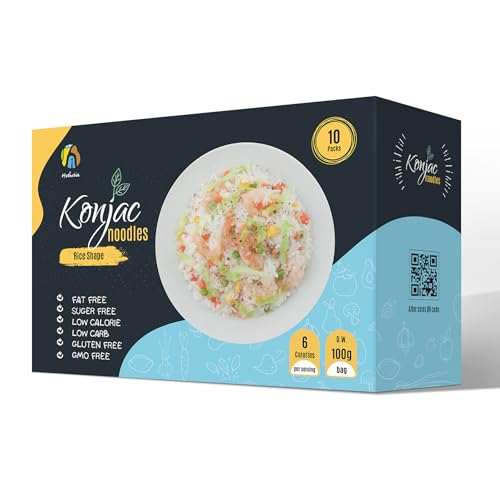
The no-smell konjac rice that keeps you full for hours without the dreaded fishy aftertaste.
Made from glucomannan fiber (3% fiber, 97% water), this is about as close to zero-calorie as rice gets. Reviewers consistently note the absence of any bad smell or aftertaste, which is the main reason people abandon konjac rice entirely. The texture is like soaked chia or tapioca — not exactly rice-like, but pleasant enough when used as a base in soup, stir-fry, or even a quick chicken soup addition. One owner said, “This also keeps me full for hours.” The 10-pack format gives you plenty of chances to experiment without committing to a giant bulk order.
The main trade-off is the texture — it is soft and gelatinous, not firm, so it works best in dishes with sauce or broth where the rice absorbs the surrounding flavor. For fried rice, you would want to sauté it longer to firm it up.
best for: konjac newbies who are terrified of the smell — this batch truly delivers no odor and a neutral flavor.
not for: anyone who wants a chewy, al-dente rice texture for dry dishes like pilaf or fried rice.
7. Natural Heaven Brown Rice, Hearts of Palm, 6-Pack

The hearts-of-palm rice that looks, feels, and cooks like the real thing — no rinsing required.
If texture is your non-negotiable, this is the alternative most likely to fool a dinner guest. Like Palmini but with 9-ounce pouches instead of 12-ounce, this hearts-of-palm rice has a mild, slightly nutty flavor and a consistency that several buyers call “the closest to real rice” in the category. It is fully cooked, so you can microwave it in one minute or toss it on the stove for two — and you skip the rinsing step entirely. At 9 ounces per pouch, the portions are generous, and the 6-pack covers a full week of lunches.
The value-for-money complaint (18 mentions, negative) is the recurring theme. The price is a clear step up from konjac options, and the carb count, while low, is not as negligible as a pure konjac rice. Taste (64 mentions, positive) and rice substitute (57 mentions, positive) are the top praised aspects, and several owners say it works better than cauliflower rice in every way — it holds up in curries, pilafs, and even as a crust base. The texture can turn mushy if overcooked, so keep the heating time short.
reach for: you have tried konjac and hated the rubbery feel or the smell — hearts of palm is a completely different eating experience.
think twice: you need the absolute lowest carb count possible (konjac wins that race) or you are on a tight weekly food budget.
8. Miracle Noodle Miracle Rice, Plant Based Shirataki Rice (6 Pack)
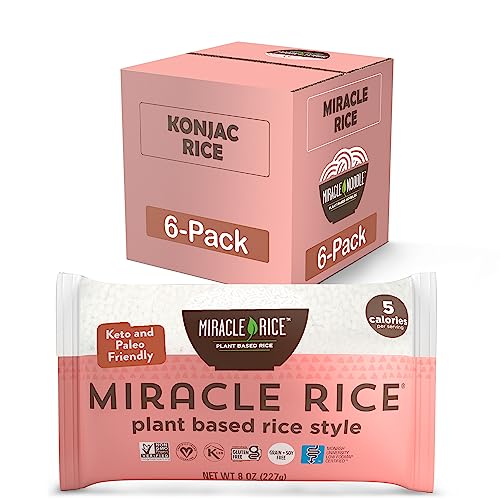
The original konjac rice brand — 5 calories per serving and a loyal keto following since 2011.
Miracle Noodle has been in the low-carb game longer than most, and their Miracle Rice is 97% water and 3% soluble plant fiber (glucomannan). Each serving comes in at only 5 calories and 3 grams of carbs (all from fiber and a natural calcium additive that keeps the shape). It is certified gluten-free, vegan, kosher, and soy-free, making it among the most diet-friendly options on the shelf. Reviewers who stick with it use it as a base for fried rice, stir-fries, and even rice pudding, calling it “a big help in cutting calories and carbs.”
The split in reviews is classic konjac: some owners say the texture is spot-on, while others describe it as “rubber-like” or “tapioca pearls.” The trick is to rinse thoroughly and cook three times longer than the package suggests, drying it in the pan before adding sauce. An occasional buyer notes that the pieces are “small noodle balls, not rice,” so do not expect fluffy grains. The price is premium, but the brand’s long track record and dietary certifications provide confidence.
best for: keto veterans who already know their konjac prep and want a reliable brand with third-party certifications.
not for: first-timers who expect a drop-in replacement for rice — this product demands extra cooking attention to hit a decent texture.
9. Kitchen & Love Organic Riced Cauliflower, 8 oz (6 Pack)
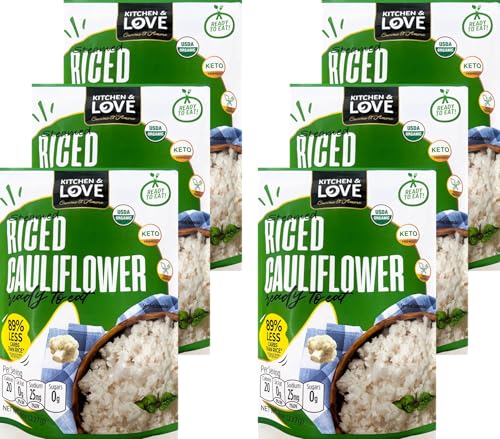
Shelf-stable cauliflower rice that tastes like cauliflower — exactly what you want if you enjoy the real vegetable.
This is the outlier in the zero-carb rice category because it is not trying to mimic the texture of rice. It is real cauliflower, riced, and packed in shelf-stable pouches. Each 8-ounce container has about 40 calories and is rich in vitamin C, vitamin K, and potassium. The convenience is class-leading — no rinsing, no draining, just heat and eat. Owners use it for camping, hiking, and quick desk lunches where refrigeration is not an option.
The drawback, if you are chasing the “rice” experience, is that cauliflower has its own flavor and a softer, more watery texture than grains. A few shoppers say the color can be off-putting and that it lacks the crunchy bite of fresh baked cauliflower. The price per pouch is higher than frozen cauliflower rice by a visible margin, but the shelf stability and single-serve format justify the cost for travelers and meal preppers who cannot keep a freezer stocked.
works for: campers, hikers, and anyone who already likes cauliflower and wants a healthy pouch to toss in a bag without a fridge.
might skip: anyone who dislikes the taste of cauliflower or needs a convincing rice substitute — this tastes like vegetables, not grains.
Understanding the Specs
Glucomannan (Konjac Fiber)
The key ingredient in shirataki rice. It is a soluble fiber (a type of plant fiber that absorbs water and forms a gel) that absorbs many times its weight in water, which creates the filling, gel-like texture. Because your body cannot digest most of this fiber, the net carb count usually sits close to zero. The trade-off is that glucomannan can cause digestive discomfort if you eat too much too quickly — your gut needs time to adjust.
Net Carbs vs. Total Carbs
Net carbs are total carbs minus fiber, and on a keto diet this is the number you track. A product like Miracle Rice lists 3g total carbs, but nearly all of that is fiber, so the net effect is negligible. Always look for the fiber number on the label — a product with 5g total carbs and 4g fiber has just 1g net carbs, making it suitable for most low-carb plans.
Dry Weight vs. Drained Weight
Wet-packed konjac rice sits in liquid, and the drained weight (the actual rice you eat) is usually about half the listed package weight. A 7.05-ounce box of wet konjac might yield only 3.5 ounces of rice. Dry konjac formats give you the full weight as edible product — a 200g dry pack is actually 200g of rice, which makes them more efficient for meal planning.
Hearts of Palm Carb Profile
Hearts of palm rice comes from the inner core of certain palm trees. It has a mild, slightly artichoke-like flavor and a firmer, more grain-like texture than konjac. The carb count is higher — typically 4g per serving — but the eating experience is closer to real rice. For many people, the improved satisfaction makes that carb trade-off well worth it.
FAQ
Does zero carb rice actually have zero carbs?
How do I remove the fishy smell from konjac rice?
Can I eat zero carb rice every day?
Is konjac rice safe for diabetics?
What is the difference between shirataki and konjac rice?
How long does an opened pack of konjac rice last in the fridge?
Which has better texture: hearts of palm rice or konjac rice?
Can I use zero carb rice in a rice cooker?
Why are some konjac rice packs so watery?
How many servings does a 200g pack of dry konjac rice make?
Final Thoughts: The Verdict
Across the board, the best zero carb rice is the Palmini Rice (Pack of 6) because it delivers the closest-to-real-rice texture and flavor at 4g of carbs per serving — the reviews prove it is the crowd favorite for good reason. If you need the absolute lowest net carbs and do not mind a little extra prep, the Ketoslim Mo Dry Konjac Rice gives you zero sugar and zero sodium with a satisfying pop in the pan. And for camping or a shelf-stable pantry backup, the Kitchen & Love Riced Cauliflower is the one to grab — real vegetable flavor that does not need a fridge.
How We Picked
We do not accept paid placement. Every pick is matched to a real buyer and a real use-case; we do not hands-on test units.
Sources & Methodology
Specifications: manufacturer listings and product documentation. Review insights: verified customer reviews, as of July 2026. Pricing: not shown on this page (it changes often); check the current price via the retailer link.
As an Amazon Associate, Calories Fit earns from qualifying purchases. This does not affect which products we feature.