
Our readers keep the lights on and the coffee maker working hard! As an Amazon Associate, I earn from qualifying purchases.
Specs are compiled from manufacturer listings and verified buyer reviews and can change over time — please confirm the key details on the product page before buying.
I’m Mohammad — the founder and writer behind Calories Fit. This guide is built by comparing the manufacturers’ published specifications and the patterns across verified customer reviews, so you get each pick’s real strengths and trade-offs instead of marketing spin.
Your child needs a helmet that stays put, protects against a foul ball, and doesn’t turn into a sweatbox. The nine options here cover NOCSAE-certified helmets for fastpitch softball, T-ball first-timers, and elite travel-ball players — so you can match the shell, the liner, and the size to your kid without second-guessing. Whether you are shopping for the best youth batting helmet for a two-year-old just starting or a 12-year-old facing live pitching, the right one makes the game safer and way more fun.
Our Picks at a Glance


How To Choose The Best Youth Batting Helmet
Choosing a helmet for a young player depends on three things: a fit that won’t shift, a shell that can take a foul ball, and a liner that won’t turn the helmet into a sweatbox. Here is what to watch for before you add one to your cart.
NOCSAE Certification Is Non-Negotiable
Every helmet on this list meets the NOCSAE standard — the safety benchmark set for all levels of organized play. If a helmet does not carry this certification, most leagues will not let your child step into the batter’s box. It means the shell and foam have passed impact testing designed to reduce the risk of head injury from a pitched or batted ball.
Fit and Sizing: Measure First
Most youth helmets use hat sizes, measured in inches around the head just above the ears. A helmet that is too large will slide down or tilt during a swing. A helmet that is too small will pinch and cause headaches. Look for dual-density foam liners that mold to the head for a snug fit. Many brands offer junior sizes spanning roughly 6 ¼” to 7 ⅛”.
Ventilation and Weight
A helmet with poor ventilation makes a player uncomfortable and unfocused. Helmets with venting channels or COOLFLO-style airflow systems pull heat away from the head between innings. Weight matters too — a heavy helmet fatigues the neck over a full game. Look for ABS thermoplastic shells that stay light without sacrificing impact strength.
Quick Comparison
| Model | Best For | Shell Material | Sizing (Hat Size) | Weight | Amazon |
|---|---|---|---|---|---|
| Easton Ghost★ Best Overall | Fastpitch/Softball | Plastic | 11 sizes | Lightweight | Amazon |
| Rawlings Remix COOLFLOBest Value | T-Ball starters | Plastic | 6 ¼” – 6 ⅞” | 1.1 lbs | Amazon |
| Easton Alpha MoxieBest Style | T-Ball (small heads) | ABS Thermoplastic | 6 ¼” – 6 ⅞” | 16 oz | Amazon |
| Easton Z5 2.0 | Youth baseball | ABS Thermoplastic | Multiple sizes | Lightweight | Amazon |
| Boombah DEFCON | Style-seeking players | ABS | 6 ¼” – 7″ (Junior) | 1.38 lbs | Amazon |
| Marucci DuraVent | Added jaw protection | Multi-layer ABS | 6 ½” – 7 ⅛” (Junior) | 1.5 lbs | Amazon |
| EvoShield XVT 2.0 | Competitive players | Polycarbonate | 6 ½” – 7 ⅛” (S/M) | 0.61 kg | Amazon |
| Rawlings R16 Velo | Youth/high school | Plastic | 6 ⅜” – 7 ⅛” | Lightweight | Amazon |
| Rawlings MACH | Serious travel ball | Foam/Composite | 6 ⅜” – 7 ⅛” (JR) | Lite weight | Amazon |
In‑Depth Reviews
1. Easton Ghost Batting Helmet with Mask (Fastpitch)
Our pick — over 4.5★ from 500+ verified ratings; the strongest balance of quality and price.
A helmet so comfortable and durable that young players stick with it for years.
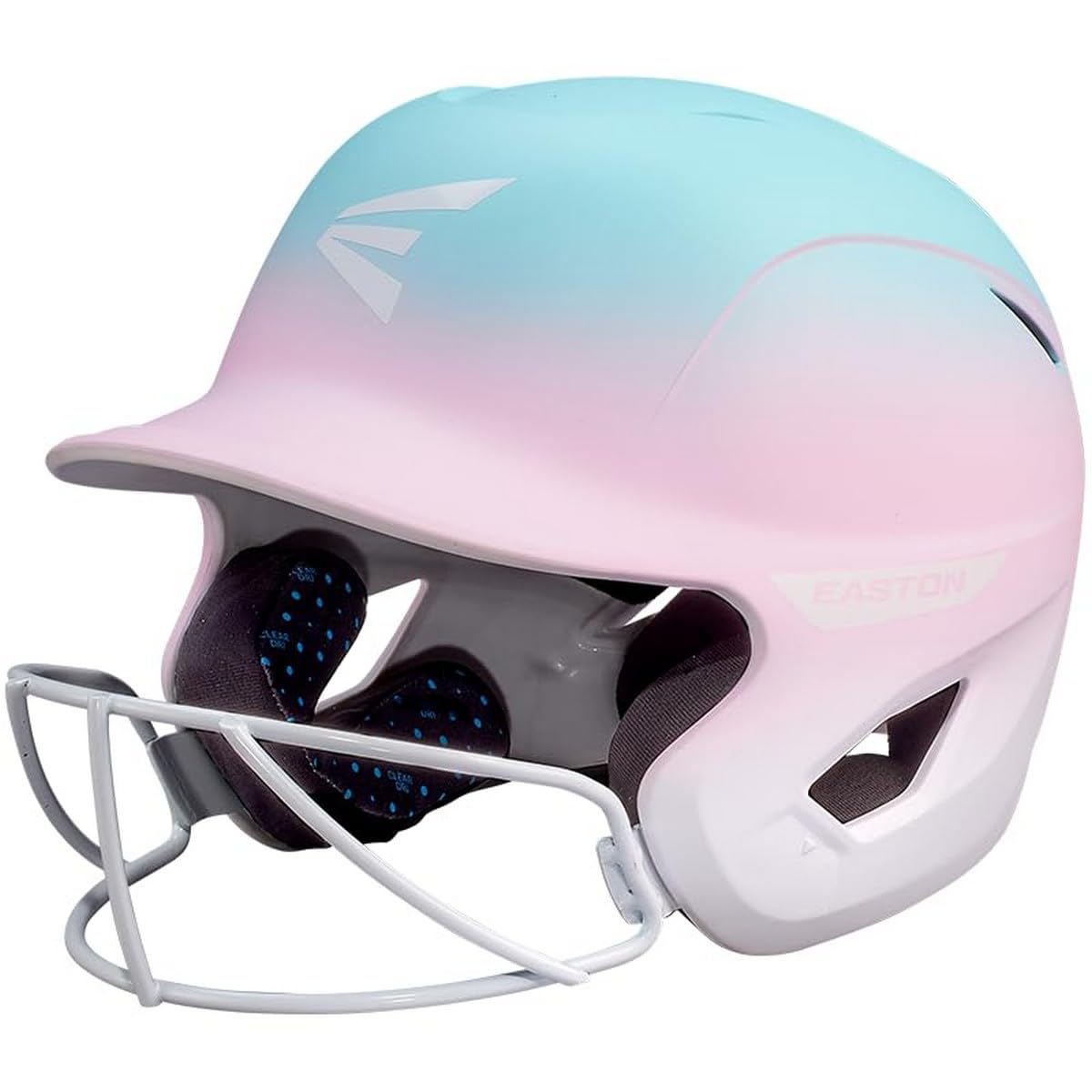
Fit is the detail that defines this Easton Ghost. It comes in 11 distinct sizes — far more range than most youth helmets offer — with extra plush foam that accommodates various hairstyles without sacrificing a snug hold. The reinforced shell and padding support critical impact regions while keeping the whole build light enough for a younger player to wear without complaint. Parents report a player who “used it 2 years so far (4 seasons)” and still refuses to switch to anything else.
The improved facemask sits lower and closer to the face, adding jaw coverage while maximizing visible field. That is a meaningful upgrade for a child learning to track a pitched ball. NOCSAE certification covers all levels of play, so this helmet works for both recreational league and more competitive fastpitch tournaments. The two-tone matte finish gives it a polished look that stands out on the field — buyers report the color is the first thing teammates notice.
What Wins Families Over
- 11 distinct sizes for a truly custom fit
- Lower-profile facemask improves field visibility
- Reinforced padding in high-impact zones
- Lightweight build for younger athletes
Who This Isn’t For
- Designed for fastpitch; not ideal for T-ball or baseball leagues
- Premium-tier sizing may feel overbuilt for very casual play
Reach for this if: your young fastpitch player is in a league with live pitching and you want a helmet that grows with them across multiple seasons.
Think twice if: you only need a basic T-ball helmet for a weekend rec league — simpler options cost less and work just as well at that level.
2. Rawlings Remix & COOLFLO Batting Helmet (T-Ball)
A T-ball helmet designed for the smallest heads with fade-resistant colors.
The COOLFLO venting system is the standout feature here — it pulls heat and moisture away from the head, which matters a lot when a 4-year-old is standing in the sun waiting for a pitch. The dual-density foam lining provides both comfort and shock absorption on impact, and at just 1.1 pounds the whole helmet stays light enough that even a 3-year-old can wear it without fussing. Buyers confirm it fits a “small 3 year old” perfectly.
The color hold is genuinely impressive. As parents note, “the colors are vibrant even after using for 3 seasons.” The one-size-fits-most design covers hat sizes 6 ¼” to 6 ⅞”, which covers most early T-ball ages. NOCSAE certification means it is league-legal from the first practice onward. The aerodynamic profile gives it a sleek look without the bulk that makes young kids want to pull a helmet off. The overall rating reflects near-unanimous approval — this is one of the highest-reviewed options in its price tier.
The Real Trade-Off: Color consistency can vary — some owners mention the shade they ordered is not the exact shade they received, so if matching a specific team color is critical, order early enough to exchange.
Best for: the first-time T-ball player who needs a lightweight, well-ventilated helmet that fits small head sizes.
Who should skip: anyone beyond T-ball who needs a fit above 6 ⅞” — the one-size approach stops there.
3. Easton Alpha Moxie T-Ball Batting Helmet
A helmet so fun and comfortable that toddlers wear it even when not playing.
The MOXIE pattern is what catches a kid’s eye, but the ABS thermoplastic shell is what should catch a parent’s. It is engineered to keep young hitters safe in the batter’s box while weighing only 16 ounces — light enough that a 2-year-old handles it without complaint. The dual-density foam liner provides shock absorption, and the Bio Dri liner wicks moisture away so the inside stays dry even during a long practice.
The 6 ¼” to 6 ⅞” hat size targets the youngest players, and reviews confirm it fits a two-year-old perfectly. That is a hard size range to find in most youth helmets. The design is fun enough that kids wear it voluntarily — one owner says their son “wears it all over the house.” NOCSAE certification keeps it league-ready for any T-ball or introductory baseball program.
Why It Stands Out
- MOXIE pattern adds personality young players love
- Fits the smallest heads (down to 2-year-olds)
- Bio Dri fabric liner fights sweat buildup
- Very lightweight at 16 oz
One Limitation
- T-Ball / Small size only — does not extend to older youth or junior sizes
Reach for this if: you are introducing a toddler to T-ball and want a helmet that fits well, looks fun, and meets safety standards.
Look elsewhere if: your player is already past age 5 or has a head circumference exceeding 6 ⅞”.
4. Easton Z5 2.0 Baseball Batting Helmet
A sturdy, dual-density shell that stays put while a kid runs the bases.
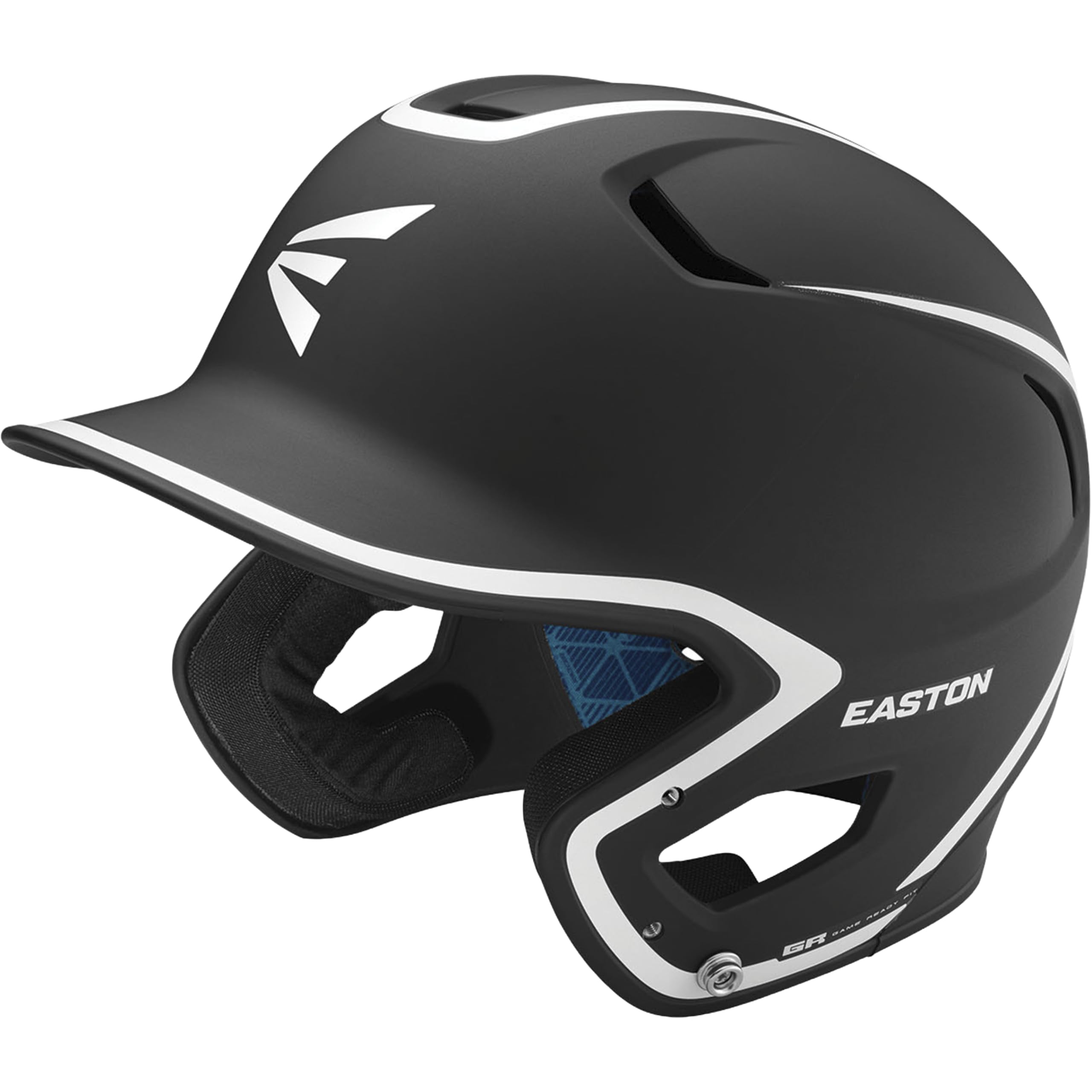
The high-impact resistant ABS thermoplastic shell is the core of this helmet. It provides maximum protection at the plate without adding bulk that throws a young hitter off balance. The dual-density foam liner handles shock absorption and comfort at the same time, and the padded Bio-Dri liner helps fight off sweat during warm weather games. Parents note it stays in place while their child runs — no reaching up to push it back.
One detail that separates this from simpler helmets is the removable forehead sticker, which lets a player add team colors or a number for a more customized look. The matte two-tone finish is available across multiple sizes and color combos. Buyers specifically call out the “true athletic orange” for matching a school uniform. NOCSAE approval means it is legal for all levels of play, from Little League through middle school. Compared to the Ghost above, this is the right pick for baseball rather than fastpitch and at a slightly more accessible price tier.
The Honest Caveat: A small number of units arrive with cosmetic scratches — check the helmet on delivery and exchange if needed. The protection itself is solid, and the fit is widely praised.
Best suited for: the youth baseball player moving from T-ball to kid-pitch who needs a dependable, adjustable helmet with team-color options.
Not ideal for: fastpitch softball — the Ghost model is better shaped for that sport.
5. Boombah DEFCON Baseball/Softball Helmet

A sleek, low-profile design that enhances airflow and looks fast on the field.
Boombah engineered the DEFCON around a lightweight high-impact ABS shell with a sleek, low-profile shape that cuts a more modern silhouette than the rounded helmets of a decade ago. The dual-density padding system handles both protection and comfort, while the moisture-wicking liner and integrated venting system are designed for maximum airflow. The junior size fits hat sizes 6 ¼” to 7″, which covers the majority of youth players.
A practical detail is the pre-drilled holes ready for an attachable mask and chin strap — no need to drill into the shell yourself. The clean matte finish draws positive comments from owners, who say it “definitely stands out from everybody” on the field. NOCSAE certification covers both baseball and softball. Boombah positions this as performance gear, and the 1.38-pound weight keeps it comfortable for extended wear during tournaments.
The Subtle Trade-Off: The matte finish can show scuffs from normal use — something owners of lighter-colored helmets often note. The protection itself is unaffected.
Reach for this if: your player wants a modern, low-profile look and you plan to attach a separate facemask.
Think twice if: you prefer an all-in-one helmet with a built-in mask — this one is shell-only and needs a separate face guard purchase.
6. Marucci DuraVent Batting Helmet with Jaw Guard

Three layers of ABS and a jaw guard that has already proven itself in live at-bats.
Most youth helmets stop at a single layer. The Marucci DuraVent uses three layers of impact-grade ABS material (a tough plastic that absorbs force) combined with high-density contour comfort foam. The result is noticeably more sturdy impact protection. The included DuraVent Universal Jaw Guard adds coverage on either side of the helmet — it is reversible, so right- and left-handed batters can both position it where a wild pitch is most likely to arrive. Buyers who have taken hits to the face guard report it “saved me from a broken jaw.”
Ventilation is equally well-thought-out. 17 sleek ventilation portals move air through the shell, keeping the head cooler than standard small-vent helmets. The junior sizing fits 6 ½” to 7 ⅛” hat sizes, and the fully wrapped ear pads and laminated moisture-wicking liner add comfort. The trade-off is that the fit runs snug initially — owners say “the more you wear it the better it forms to your head” — so if your child is at the top end of the size range, the senior size may be the safer choice.
Protection Highlights
- Three-layer ABS construction for higher impact resistance
- Reversible jaw guard that fits lefty or righty
- 17 ventilation portals for airflow
- Laminated moisture-wicking liner
Fit Note
- Runs slightly tight until the foam molds — size up if in doubt
- Heavier than single-layer shells at 1.5 lbs
Best for: the player who wants the most protective shell available in a youth size, especially those already facing live pitching.
Who should skip this: a T-ball beginner who does not need jaw-level protection yet and would be better served by a lighter, simpler helmet.
7. EvoShield XVT 2.0 Matte Batting Helmet
A ventilated polycarbonate shell that stays cool through a double-header.
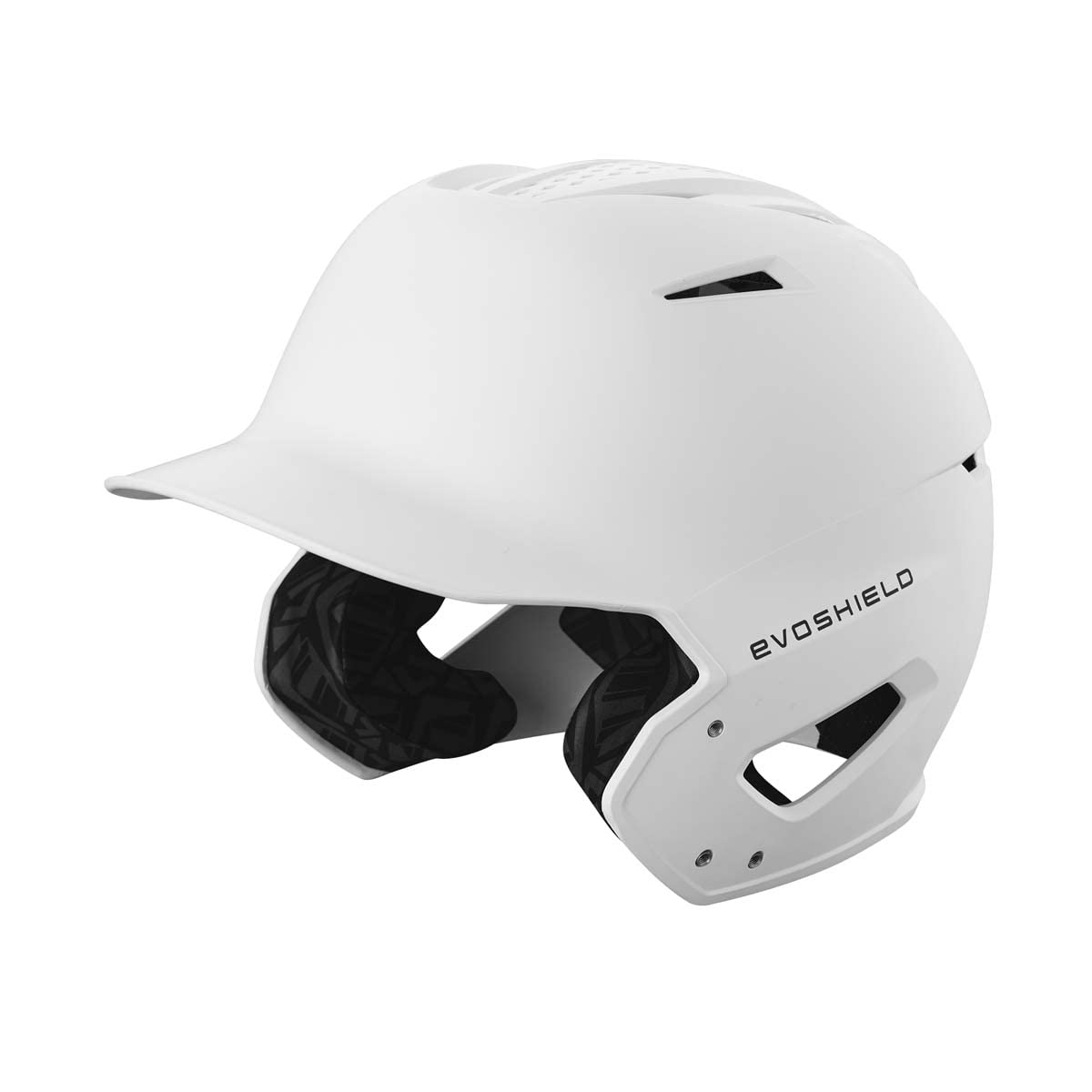
What sets the EvoShield XVT 2.0 apart from most youth helmets is the outer material — polycarbonate (PC) instead of standard ABS, which gives it a harder, more impact-resistant surface at a lower weight. The shell is paired with lightweight dual-density padding that is strategically placed so the helmet is protective without pressing evenly across the whole head. The top-plate venting system is engineered for maximum airflow, cutting down heat buildup between innings.
EvoShield offers four size brackets (XS, S/M, M/L, L/XL), which is rare in the youth space — most brands offer just one or two. The S/M size fits hat sizes 6 ½” to 7 ⅛”, which covers the typical 8- to 13-year-old range. The matte finish resists scratches better than gloss helmets, and owners consistently call out the sharp appearance on the field. NOCSAE certification is present, making it league-legal at any level.
The Fit Catch: Some in-between players find the S/M just large enough or the M/L just loose. Owners suggest wearing a hat underneath if the fit is slightly big — a practical fix that works during cooler games.
Reach for this if: your child is between typical youth sizes and you want a multi-bracket sizing system to fine-tune the fit, plus a strong, scratch-resistant shell.
Look elsewhere if: you prefer the lowest possible weight — the polycarbonate shell is durable but not the lightest option here.
8. Rawlings R16 Velo Reversible EXT Batting Helmet

A helmet that switches its jaw guard from right to left without tools — smart for any lineup.
The defining feature on the Rawlings R16 Velo is the reversible extension piece. A TPU rubber piece conceals the flap hardware, letting a right-handed or left-handed batter move the jaw guard to either side in seconds. The Heat Exchange ventilation technology helps release built-up heat and circulate cooler air, keeping the head drier.
Wrapped jaw pads improve the overall fit, and the sizing spans 6 ⅜” to 7 ⅛” hat sizes, covering the typical youth to junior range. NOCSAE certification is in place. Owners call this a “no-nonsense option for little league” and note that padding comfort is a step up from older Rawlings models. The build feels solid without being overly heavy, and the reversible design is genuinely rare at this price level.
The Paint Quality Note: A few customers note minor issues with the inner coating. The helmet still protects well and the shell itself is durable, but check the interior lining on arrival.
Best for: households with both lefty and righty young players who want one helmet that adapts, or a developing switch-hitter.
Not ideal for: players who prefer a fixed, non-adjustable jaw guard for simplicity — the reversible mechanism adds a small moving part.
9. Rawlings MACH Baseball Batting Helmet (JR)
The official helmet of Major League Baseball, sized down for serious youth players.
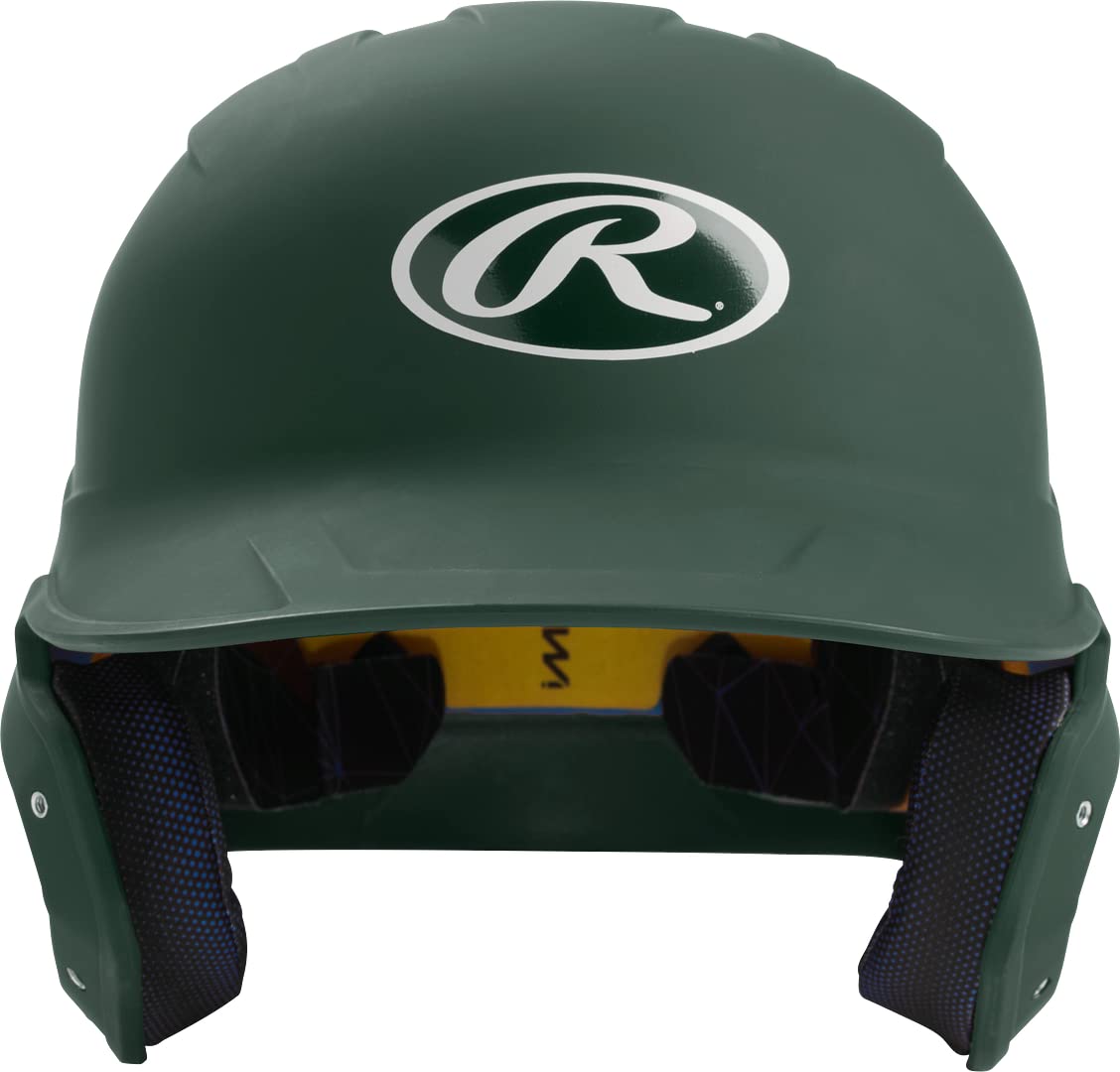
Rawlings built the MACH to be the helmet worn by MLB players, and the junior version brings that same technology to younger athletes. The headliner here is IMPAX foam — a high-performance material designed to absorb and disperse force more effectively than standard foam. That translates into a helmet that feels noticeably padded and comfortable on the inside. Owners say it is “very padded and comfy” and that a 15-year-old specifically requested it after years of wearing a different brand.
tune ventilation keeps airflow moving, and the pro-style matte design looks like what the big leaguers wear. The junior size fits hat sizes 6 ⅜” to 7 ⅛”, which covers the older youth bracket — think 11 to 16 years old depending on head size. NOCSAE certification is standard. For a player who is serious about the game and wants professional-grade gear in their size, this is the closest option on the list.
Why It Wins
- IMPAX foam absorbs and disperses impact force
- Pro-inspired design for competitive players
- tune vent system keeps head cool
- NOCSAE certified for all levels
One Recurring Issue
- Adhesive on interior pads can loosen — some owners re-glue them after a season
Reach for this if: your player is in travel ball or school teams and wants the same technology that MLB players use.
Look elsewhere if: you are on a tighter budget and a simpler foam liner design is sufficient for your child’s league level.
Understanding the Specs
NOCSAE Certification
This is the safety standard that almost every organized baseball and softball league in the US requires. A NOCSAE-certified helmet has passed impact testing at multiple points on the shell, designed to protect against head injuries from thrown or batted balls. If the listing does not say “NOCSAE certified” or “Meets NOCSAE standard,” your child’s league may not allow it.
Dual-Density Foam Liner
A single layer of foam provides basic cushioning. A dual-density liner uses two layers — a softer one against the head for comfort and a firmer one for impact absorption. This is the feature to look for if your child will face live pitching, because it handles harder hits without transferring all the force to the skull.
ABS vs Polycarbonate Shell
ABS (acrylonitrile butadiene styrene) is a common thermoplastic used in most youth helmets. It is tough, lightweight, and affordable. Polycarbonate (PC) is a more expensive, harder plastic that offers higher impact resistance per unit of weight. You see PC in premium helmets like some EvoShield models. For T-ball and beginner leagues, ABS is perfectly adequate. For high school or travel ball, PC may be worth the upgrade.
Venting Systems
Different brands name their ventilation differently — Rawlings calls it COOLFLO, Marucci uses 17 vent portals, EvoShield has a top-plate system. Regardless of the name, what you want is a helmet that moves air across the scalp rather than trapping heat. A well-ventilated helmet makes a larger difference in comfort than most buyers expect, especially in summer tournaments.
FAQ
What does NOCSAE certified mean for a youth batting helmet?
How do I measure my childs head for a batting helmet?
At what age should I move from T-Ball to a junior or senior size helmet?
Can my child use a baseball helmet for softball?
How long should a youth batting helmet last?
Does every youth helmet come with a face mask?
What is the difference between single-density and dual-density foam?
Can I clean the inside of a batting helmet?
How tight should a youth batting helmet be on a childs head?
Is a more expensive helmet always safer?
Final Thoughts: The Verdict
For most players, the best youth batting helmet is the Easton Ghost because it offers the widest size range (11 distinct sizes), a lower-profile facemask that improves field vision, and a track record of young athletes refusing to switch to another model. If your child is still in T-ball and needs a lightweight, affordable start, the Rawlings Remix COOLFLO delivers at a fraction of the weight and complexity. And for the competitive travel ball player who wants pro-level impact foam, the Rawlings MACH is the one to reach for.
How We Picked
We do not accept paid placement. Every pick is matched to a real buyer and a real use-case; we do not hands-on test units.
Sources & Methodology
Specifications: manufacturer listings and product documentation. Review insights: verified customer reviews, as of July 2026. Pricing: not shown on this page (it changes often); check the current price via the retailer link.
As an Amazon Associate, Calories Fit earns from qualifying purchases. This does not affect which products we feature.