
Our readers keep the lights on and the coffee maker working hard! As an Amazon Associate, I earn from qualifying purchases.
Specs are compiled from manufacturer listings and verified buyer reviews and can change over time — please confirm the key details on the product page before buying.
Outfitting a young ballplayer means balancing three things at once: safety that lets you relax, gear that actually fits a growing body, and pieces that will not fall apart by mid-season. The right setup covers the head, the hands, and the bag — and this guide walks through the nine pieces that earn their spot in the dugout.
I’m Mohammad — the founder and writer behind Calories Fit. This guide is built by comparing the manufacturers’ published specifications and the patterns across verified customer reviews, so you get each pick’s real strengths and trade-offs instead of marketing spin.
From helmets with face guards to lightweight bats and roomy backpacks, these are the essentials every parent should know before buying youth baseball gear that fits, protects, and lasts the season.
Our Picks at a Glance

How To Choose The Best Youth Baseball Gear
Youth baseball gear is not just scaled-down adult equipment. Kids have different strength, head sizes, and hand spans, which means a wrong-size bat or a loose helmet can ruin both the experience and the safety. Start with the three pieces that touch the body most: the helmet, the glove, and the bat.
Safety first: helmets and face protection
A batting helmet is the single most important purchase. Look for a NOCSAE-certified shell (a safety standard for baseball headgear) and a face guard if your child is in kid pitch, where wild throws are common. Fit matters more than brand — measure the head circumference just above the ears and match it to the helmet’s size range.
The bat: weight and drop explained simply
The glove: break-in and fit
Gloves come in “ready-to-play” and “soft” break-in levels. A ready-to-play glove works immediately — ideal for beginners and young kids with less hand strength. A glove that needs a long break-in period will frustrate a child who just wants to catch. Sizes run 9″ to 12.5″ for youth, with smaller sizes for t-ball and bigger sizes for older kids.
Quick Comparison
| Model | Best For | Key Protection | Weight | Fit/Sizing | Amazon |
|---|---|---|---|---|---|
| Rawlings R16 Velo Reversible EXT Batting Helmet★ Best Overall | Kid-pitch face protection | Reversible face guard | Not listed | 6 ⅜” – 7 ⅛” | Amazon |
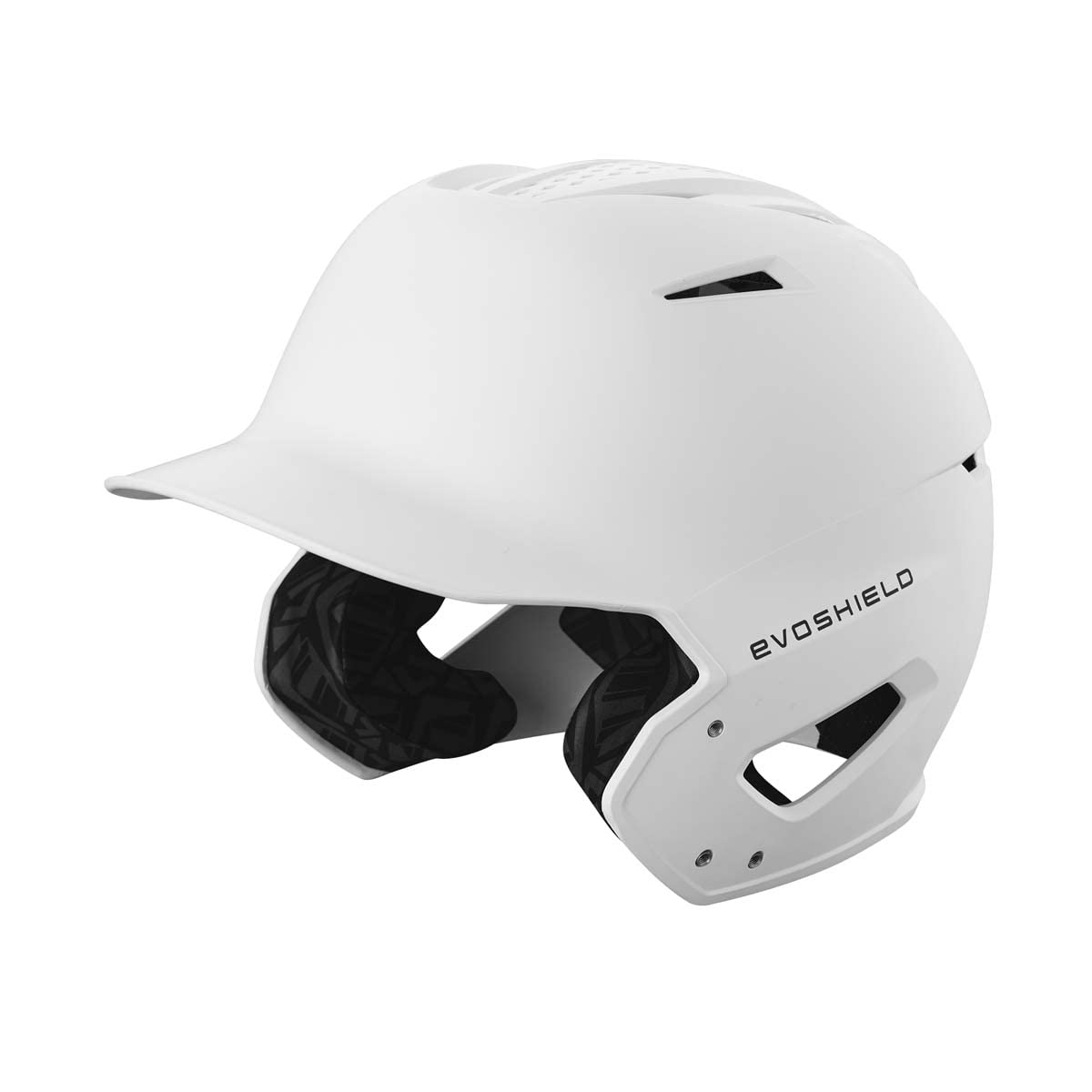
| EvoShield XVT 2.0 Batting HelmetPremium Pick | Athletes who want airflow | Top plate venting | 0.61 kg | S/M: 6 ½ – 7 ⅛” | Amazon |
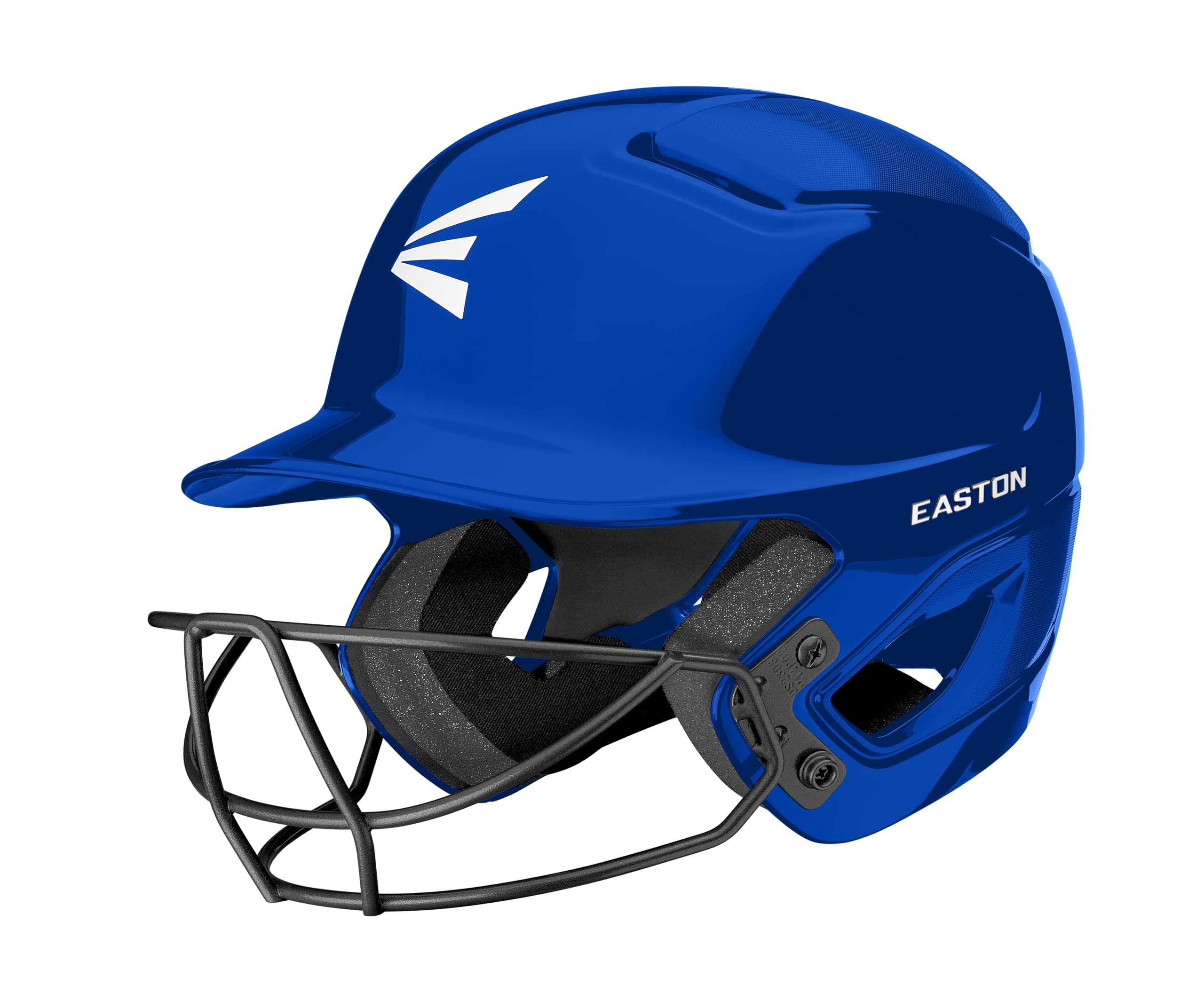
| Easton Alpha 3.0 Batting Helmet with FacemaskTop Performer | T-ball and softball | Attached facemask | Not listed | Multiple sizes | Amazon |
| Defender Fielder’s Wire Mask | Youth infielders | High-impact steel | 15 oz | Youth | Amazon |
| Easton Moxie T-Ball Bat | Ages 7 & under | All-aluminum build | 11.64 oz | 25″ length | Amazon |
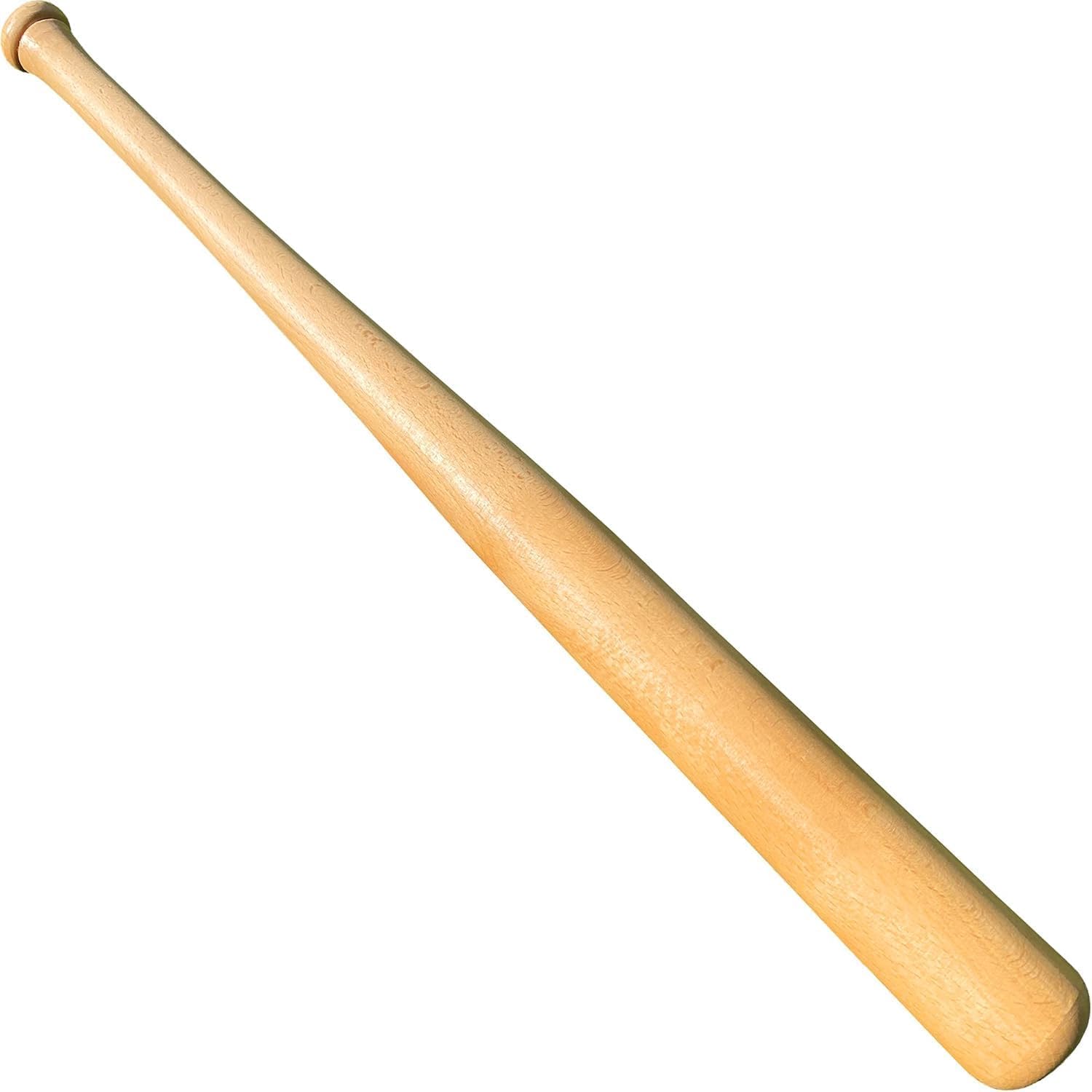
| KOTIONOK Solid Beech Wood Bat | Backyard practice | One-piece beech | 19 oz – 24 oz | 27″ – 31″ | Amazon |
| RAINSMORE Baseball Backpack | Hauling full gear | Waterproof oxford | 1.96 lbs | 40L main | Amazon |
| Wilson A200 EZ Catch Glove | T-ball beginners | Pro Stock Leather | Not listed | 9″ – 10″ | Amazon |
| Wilson A500 Youth Glove | Ages 8-10 all positions | Top grain leather | Not listed | 12.5″ utility | Amazon |
In-Depth Reviews
1. Rawlings R16 Velo Reversible EXT Batting Helmet | Reversible Face Guard
Our pick — over 4.5★ from 900+ verified ratings; the strongest balance of quality and price.
The crowd favorite for kid-pitch parents who want face protection without a fight
When kids start pitching, a wild throw to the face is every parent’s nightmare. This Rawlings helmet puts that worry to rest with a reversible extension piece that lets both right-handed and left-handed batters adjust the extra face coverage to whichever side they need.
Your kid stays cool and comfortable through the whole game because the shell uses Heat Exchange ventilation technology (a venting system that releases heat and pulls in cooler air), so an 8-year-old does not end up with a sweaty, miserable head by the third inning. Wrapped jaw pads (padded cushions around the chin area) improve comfort and fit, and the smooth TPU rubber piece (a smooth, flexible plastic cover) hides the flap hardware for a clean look.
NOCSAE certified and sized for hat fits from 6 ⅜ inches through 7 ⅛ inches, this helmet covers most youth and teen heads. Buyers report it has set an anxious 8-year-old’s mind at ease in kid pitch, and lefty hitters love how easy the adjustment is. The main gripe is paint quality, with some inner coating complaints — a cosmetic issue, not a safety one.
dual-mode value: families in kid pitch or any league where face hits are a real risk — the reversible guard earns the top spot.
weight watchers: your player is purely t-ball with no pitching involved; a lighter, simpler helmet would do the job.
2. EvoShield XVT™ 2.0 Baseball + Softball Batting Helmet
The premium shell that keeps a hot head cool and a nervous parent calm
Heat is the silent enemy of focus in the batter’s box. This EvoShield helmet answers with a strategically engineered top plate venting system that pushes hot air out, and owners mention the ventilation makes it one they forget they are wearing. Lightweight dual density padding is placed for both comfort and protection, with a polycarbonate outer shell.
Certified by SEI to meet NOCSAE standards, the XVT 2.0 weighs just 0.61 kg and fits hat sizes from 6 ½ to 7 ⅛ inches in the small/medium size. The matte finish resists scratches — a real plus for a kid who tosses gear in a bag. Customizable padding molds to the head for a snug, secure fit, which customers note makes it stand out for a 13-year-old.
The catch is sizing: several buyers found theirs ran small, so measure the head circumference just above the ears before ordering. Color also reads more off-white than pure team white to some owners, so if exact uniform matching matters, order the gloss finish instead.
custom comfort: your athlete sweats a lot or plays long tournaments — the airflow is the standout feature.
streamlined heads: your kid is between sizes; the snug fit could mean sizing up.
3. Easton Alpha 3.0 Batting Helmet with Facemask
A one-piece answer for parents who want face protection already attached
Some kids lose detachable face guards, and some parents just do not want another piece to track. This Easton helmet solves that with a facemask that comes attached, designed for both baseball and fastpitch softball. The ABS thermoplastic shell — a hard, impact-resistant plastic — keeps hitters safe in the box.
Inside, a dual-density foam liner provides comfort plus shock absorption when a ball does get through. The Bio Dri liner absorbs moisture to keep a hitter cool and dry, and the whole thing meets the NOCSAE standard for all levels of play. Buyers specifically call out the soft padding and snug fit for smaller heads — a common struggle for young girls in softball.
Appearance gets mixed feedback, with some buyers noting the helmet does not quite match the product images, and a few received theirs scratched. But the fit quality earns the praise here, with families buying a second one for team use. For a kid just getting into the sport, this is a solid, safe start.
face protection: young players with smaller heads who need that locked-in, cushioned feel right away.
hot heads: anyone who wants a glossy, exactly-matching team color — the finish is hit-or-miss.
4. Defender Fielder’s Wire Mask – High-Impact Steel Infielder Face Guard

The featherweight face guard that a 6-year-old forgets they are wearing
Infielders take sharp grounders and line drives straight at the face, which is where this wire mask steps in. At a mere 15 ounces, the Defender is engineered to eliminate neck fatigue — compare that to the KOTIONOK wood bat’s 19 ounces, and you see how light 15 oz really is for something worn on the head.
The advanced wire geometry deflects impact away from the face while keeping an open line of sight, so a child never chooses between safety and seeing the ball. It is contoured specifically for smaller frames, meaning no more “one size fits all” wobble during a sprint to first base. Reviewers point out it fits a 6-year-old even with glasses, and a 6-year-old softball player can put it on and take it off by themselves.
Adjustable straps and good padding round out the package. The only real note is that a wire mask is niche — a player who is not in the infield hot corner may not need it. But for the right spot, this one is a steal at the price.
infield defense: you have a young infielder who needs face protection without giving up visibility or comfort.
outfield range: your player is an outfielder or pitcher where face hits are rare — a batting helmet guard covers them better.
5. Easton Moxie T-Ball Bat | -13 Drop | 2 1/4″ Barrel

The ultra-light stick that lets a 4-year-old actually swing at the ball
A T-ball bat that is too heavy creates bad habits before a kid ever learns to swing. The Moxie solves this with a -13 drop weight (the bat length in inches minus the weight in ounces), which makes it extremely easy for young players to swing and make consistent contact. At 11.64 ounces and 25 inches long, it is built for entry-level players ages 7 and under.
Your child will make contact more often and build confidence early because the 2 ¼-inch barrel (the thickest part of the bat) enlarges the balance. The one-piece aluminum design is durable and delivers consistent performance all season, and it is approved for all USA Baseball sanctioned T-Ball leagues (official leagues that follow USA Baseball rules). Shoppers say it works great for kids from 2 ½ years old up through coach pitch, with the -13 drop (a weight ratio that makes the bat lighter and easier to swing) perfect for developing muscles.
The main caution: adults should not use this with regular baseballs or softballs — it is strictly for T-ball. Durability is also mixed, with a few buyers reporting dents within a week of hard use. For a first bat on a budget, it is tough to top the value.
t-ball starters: the youngest players, 4-6 year olds, who need a light bat to learn proper mechanics.
power hitters: older kids who have outgrown T-ball — they need a heavier drop for more power.
6. KOTIONOK Genuine Solid Beech Wood Baseball Bat – 27″ 19Oz, 29″ 21Oz, 31″ 24Oz
The old-school wooden bat that has found a second life in backyards
There is something about the crack of a wooden bat that aluminum cannot match. This KOTIONOK is a one-piece solid beech wood bat with a traditional tapered end cap and a comfortable pommel knob for a secure, controlled grip. Available in 27-inch at 19 ounces, 29-inch at 21 ounces, and 31-inch at 24 ounces, it gives growing players room to move up.
Wooden bats increase strength, mechanics, and eye for the ball — swinging a heavier wood bat in practice makes the alloy bat in a game feel faster. Buyers report it is perfect for batting cages, pickup games, and backyard practice, and one even notes the 19-ounce weight is ideal as a “protection bat” they could not find in stores. The deep wood grain makes it a display-worthy piece when not in use.
The honest caveat is sizing — some buyers found the 27-inch runs smaller than expected. And while it works with soft-core tee balls, machine and hard balls, it is a trainer, not a game-day weapon. For the tradition-loving family, this is a great value.
traditional wood: you want a durable wood bat for practice, strength training, or just backyard fun.
composite fans: your kid needs a game-ready alloy bat for league play — this one is for the cage, not the plate.
7. RAINSMORE Baseball Bag for Youth & Adult – 40L Waterproof Backpack

The one bag that swallows a full catcher’s kit and still fits in a car trunk
Carting a helmet, glove, cleats, and bat to the field is a juggling act without the right bag. This RAINSMORE backpack holds it all, with a 40L main compartment that owners mention fits two bats, a glove, a helmet, and full catcher’s gear — tight but it works. At just 1.96 lbs, the bag itself adds almost no weight.
The standout feature is the separate shoe compartment with two ventilation holes to keep cleats dry and air out after intense games. There is also a wet/dry compartment so sweaty, dirty clothes never mix with clean gear. On the outside, a hidden pocket holds a batting helmet, secured by a helmet holder so it does not take up interior space.
Made of durable, waterproof oxford fabric with reinforced stitching and strong zippers, it is designed to survive practice, tournaments, and night games. Buyers call it a great value that holds everything for practice and games, though the zipper quality draws some mixed notes. The bat holders need a stretch to fit larger bats at first, which actually keeps them secure.
gear haulers: families who need everything in one carry — the shoe compartment alone justifies it.
minimalists: minimalist players who carry just a bat and glove; the size is overkill.
8. Wilson A200 EZ Catch Youth T-Ball & Baseball Glove – 9″- 10″

A ready-to-play glove that fits a 3-year-old and a promising 8-year-old alike
This Wilson A200 is labeled Ready-to-Play, meaning it works right out of the bag — no long break-in process. Built from Pro Stock Leather with a comfortable, secure pocket, it is a small yet sturdy option for kids moving from infield to outfield without switching gear.
The classic H web design creates a clear window to the ball, helping kids track every hop and catch with confidence. A stable pocket supports quick transfers for a young shortstop or a kid learning the pitcher’s mound. The rolled dual welting sits inside the liner, reinforcing the pocket so it resists flattening and keeps its shape season after season.
Customers note it fits an 8-year-old well, is very lightweight and durable, and one even notes their 3-year-old loved it. The Velcro strap helps keep the ball inside the glove, and it can be taken on or off. Some find the size runs small and note it feels more like a catcher’s mitt, so measure before ordering.
young fielders: t-ball and beginner players who need a glove that works the first day — no break-in required.
deep snaggers: your kid is older or has bigger hands; the 9-10 inch size is on the smaller side.
9. Wilson 2023 A500 Youth Baseball Glove – 12.5″ Utility

A real leather glove with near-zero break-in that fits 8 and 10-year-olds perfectly
Many youth gloves use synthetic materials that wear out fast. This Wilson A500 uses top grain leather for a durable, lightweight feel that holds its shape, with an open single post and two horizontal bars web designed for utility play across positions. At 12.5 inches, it is one of the bigger youth gloves, suitable for ages 8 to 10 or older.
The break-in is where this glove shines — reviewers point out almost zero break-in time, making it great for beginners with lots of padding and softness. The Quick Fit Wrist uses an elastic system that adjusts to hug the wrist for a secure fit. The rolled dual welting is integrated into the liner, giving better support and helping the glove hold its shape over time.
Shoppers say it fits an 8 and 10-year-old comfortably, and the stitching looks solid right out of the bag. The caveat is durability of the laces, with several reporting the lacing knots loosen within a month of casual use — one buyer just checks and tightens them weekly. For the price, the real leather construction is a genuine value.
multi-position use: you want real leather and instant playability for a growing 8-10 year old — it beats the break-in wait.
quick break-in: you have a younger, smaller-handed player; the 12.5-inch size may feel too big.
Understanding the Specs
NOCSAE Certification
This is the safety standard for baseball helmets and face guards. A NOCSAE-certified helmet has passed impact tests designed to protect against the specific forces of a baseball hit. Always check for this — it is the difference between a toy and real protection.
Bat Drop Weight
FAQ
How do I measure my child’s head for a batting helmet?
What is the difference between a ready-to-play and a break-in glove?
What bat drop weight should my 6-year-old use?
Why do some helmets have a face guard and others do not?
Can a youth baseball glove fit both right and left hand throwers?
How long should a youth baseball bat last?
What is the difference between the Rawlings and Easton batting helmets?
Can my child use a t-ball bat for coach pitch?
Is the Defender wire mask worth it for a youth infielder?
How much gear does the RAINSMORE backpack actually hold?
Final Thoughts: The Verdict
For most families, the youth baseball gear winner is the Rawlings R16 Velo Reversible EXT Batting Helmet because it answers the single biggest fear in kid pitch — face protection — with a reversible guard that fits both lefty and righty hitters and ventilation that keeps young heads cool. The overwhelming quality and fit praise across hundreds of owners makes it the safest first buy. If you want a glove that needs no break-in, the Wilson A200 EZ Catch gets kids catching on day one, and for hauling the full kit, the RAINSMORE 40L backpack keeps every piece organized and dry.
How We Picked
We do not accept paid placement. Every pick is matched to a real buyer and a real use-case; we do not hands-on test units.
Sources & Methodology
Specifications: manufacturer listings and product documentation. Review insights: verified customer reviews, as of August 2026. Pricing: not shown on this page (it changes often); check the current price via the retailer link.
As an Amazon Associate, Calories Fit earns from qualifying purchases. This does not affect which products we feature.