
Our readers keep the lights on and the coffee maker working hard! As an Amazon Associate, I earn from qualifying purchases.
Specs are compiled from manufacturer listings and verified buyer reviews and can change over time — please confirm the key details on the product page before buying.
I’m Mohammad — the founder and writer behind Calories Fit. This guide is built by comparing the manufacturers’ published specifications and the patterns across verified customer reviews, so you get each pick’s real strengths and trade-offs instead of marketing spin.
Finding the right youth baseball bats usa means matching length, drop, and barrel to your player’s size and league, and these nine picks cover every budget and skill level.
Our Picks at a Glance

How To Choose The Best Youth Baseball Bats USA
Before you pick a bat, match it to your child’s league rules first, then to their size. Most youth leagues in the USA require bats stamped with the USA Baseball (USABat) standard, and every bat on this list carries that certification, so you won’t get turned away at the plate.
Drop Weight Is Everything
The drop is the bat’s length in inches minus its weight in ounces. A 30-inch bat with a -10 drop weighs 20 ounces. A bigger negative number (like -12) means a lighter bat for its length, which is easier for smaller kids to swing fast. A smaller negative (like -5) means a heavier bat that bigger, stronger players can handle for more power.
Barrel Size Creates the balance
Youth bats come in two main barrel widths: the 2 5/8-inch “big barrel” and the smaller 2 1/4-inch version. The bigger barrel simply gives more surface area to make contact, which is forgiving for players still developing their hand-eye coordination. Smaller barrels demand a more precise swing but can feel lighter through the zone.
One-Piece vs. Two-Piece Construction
A one-piece bat is made from a single piece of material, usually alloy, which gives a stiffer feel and transfers more energy on contact — but you feel more sting on mishits. A two-piece hybrid has a separate handle and barrel joined by a connection system, which absorbs vibration for a smoother feel, often at a higher price.
Quick Comparison
| Model | Best For | Drop Weight | Barrel Size | Length | Amazon |
|---|---|---|---|---|---|
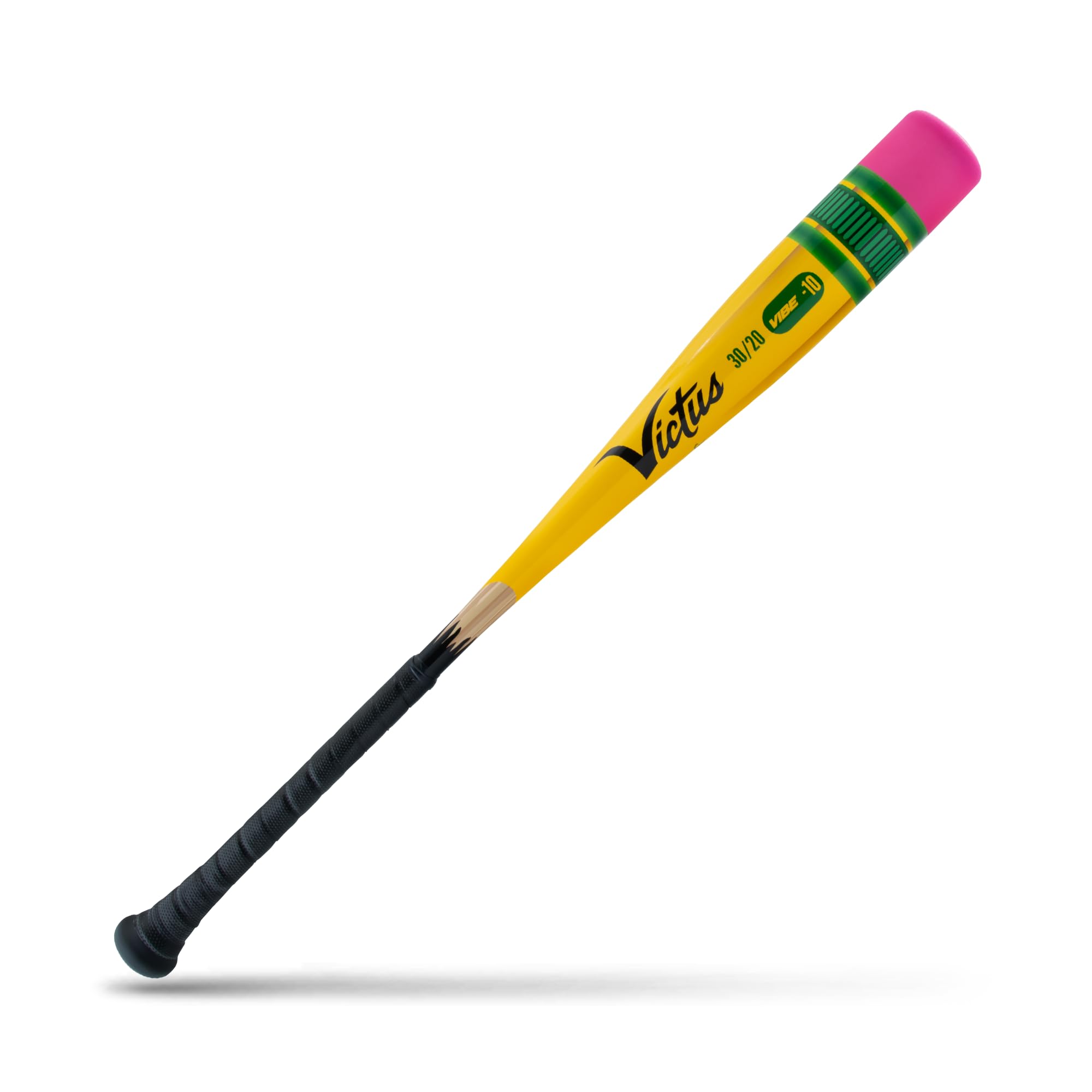
| Victus Vibe Pencil★ Best Overall | Balanced power for growing hitters | -10 | 2 5/8″ | 28″ | Amazon |
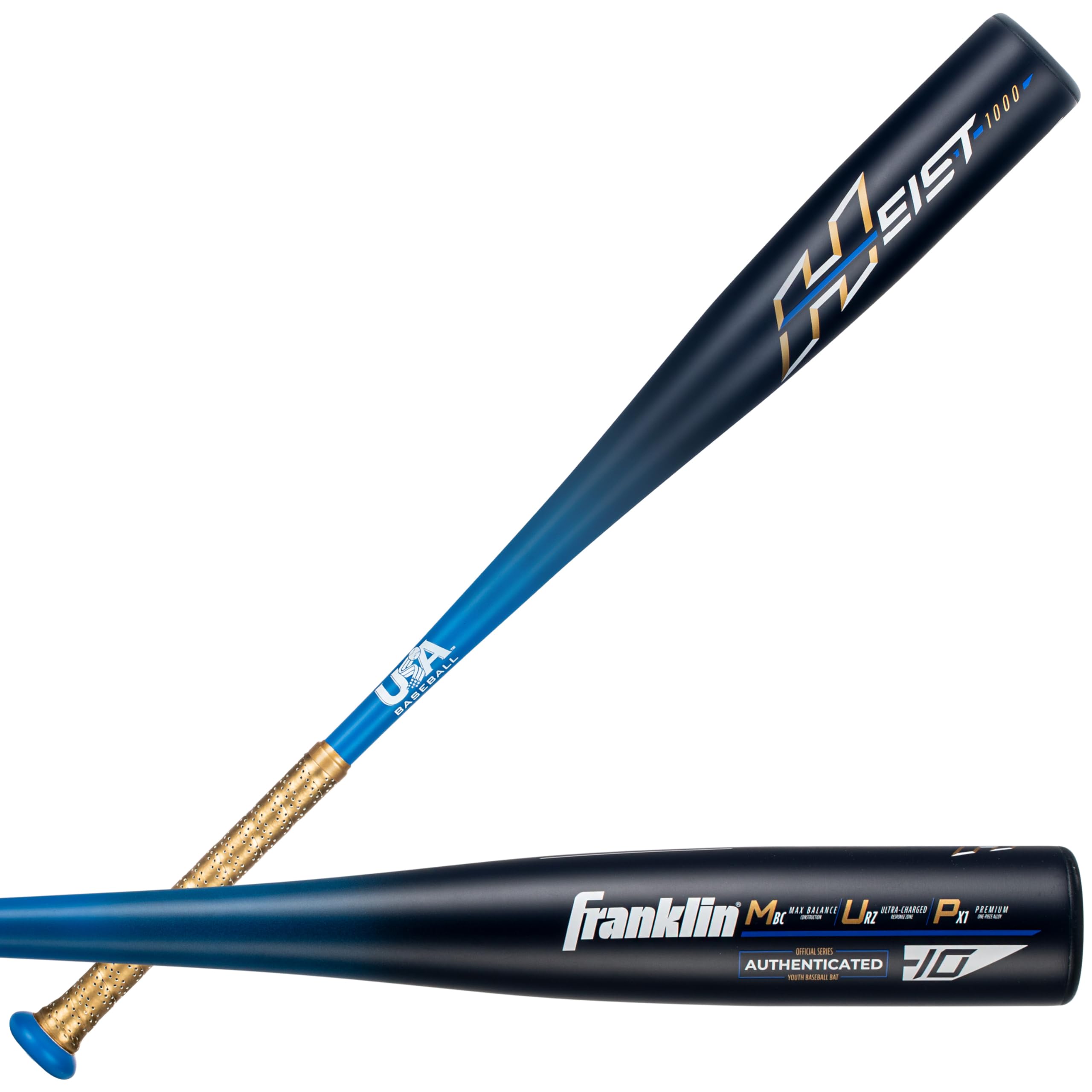
| Franklin Sports HeistBest Value | Light swing for ages 8-12 | -9 / -10 | 2 5/8″ | 29″ | Amazon |
| Easton SpeedStarter Pick | Durable starter bat for beginners | -10 | 2 5/8″ | 30″ | Amazon |
| Easton Moxie | Ultra-light swings for young kids | -12 | 2 1/4″ | 30″ | Amazon |
| Rawlings 5150 | Rec and Little League all-rounder | -11 / -10 / -5 | 2 5/8″ | 30″ | Amazon |
| Louisville Slugger Solo 619 | Budget-friendly pop for smaller kids | -11 | 2 5/8″ | 31″ | Amazon |
| Mizuno PWR ALLOY | First step up from a cheap bat | -10 | 2 5/8″ | 29″ | Amazon |
| Louisville Slugger Select PWR | Hybrid comfort with big pop | -10 / -8 / -5 | 2 5/8″ | 29″ | Amazon |
| Marucci CATX2 Connect | Serious travel-ball performance | -5 / -8 / -11 | 2 5/8″ | 29″ | Amazon |
In‑Depth Reviews
1. Victus Vibe Pencil Baseball Bat
Our pick — over 4.5★ from 450+ verified ratings; the strongest balance of quality and price.
The crowd-pleasing pencil bat that blends huge sweet-spot pop with a vibration-eating knob.
The one-piece VXP alloy frame (a single-piece aluminum construction) keeps the bat from flexing on contact, so your young hitter gets a clean, consistent feel while learning proper mechanics. The mid-balanced swing weight (a medium M.O.I., or moment of inertia — the bat’s resistance to rotation) makes it easy to whip through the zone while still allowing power generation, and the vibration-reducing knob cuts down the sting on off-center hits.
The barrel is where this bat stands out at 2.63 inches wide, which is noticeably larger than the 2.25-inch barrel on the Easton Moxie — buyers consistently say the balance feels huge. At just over 1.3 pounds in its 28-inch form, it’s not the lightest bat here, but the balance makes it swing lighter than the number suggests.
What wins people over is the build quality and the look — the pencil design earns compliments in the dugout, and the finish resists chipping. The one honest catch: the grip tape can peel at the top, a few owners note, and a handful of units show durability questions over a long season.
Why It Wins the Cage
- VXP alloy one-piece frame transfers energy cleanly
- Mid-balanced swing weight, easy to control
- Vibration-reducing knob softens mishits
- Standout pencil design players love
Read the Fine Print
- Grip tape can peel at the top
- A few owners flag long-term durability
Best all-around pick: The balance, pop, and looks make this the bat most kids will beg to swing.
A fair warning: If your player is on the smaller side, the heavier feel of a -10 drop might be more than they can whip fast.
2. Franklin Sports Heist Youth Baseball Bat
A budget-friendly big barrel that makes connecting with the ball genuinely easier for young hitters.
Franklin aimed squarely at ages 8-12 with a bat that pairs a drop-9 (and drop-10) length-to-weight ratio with even, balanced weight distribution — the formula for quick bat speed. The one-piece aluminum alloy frame is built for official-size baseballs, so it holds up season after season, and the 2 5/8-inch barrel gives kids a generous balance to work with.
Buyers who grabbed this for their kids report exactly what the design promises: “The 2 5/8-inch barrel drop -10 is just right for him, making it easy for him to connect with the ball,” as one parent put it. A 7-year-old’s team loved the colors, and a coach-pitch parent found the weight perfect for his 4’8″, 100-pound 10-year-old.
The trade-off is that this is an entry-level bat, not a performance stick. It won’t have the elite pop of a premium alloy or hybrid, but for rec league and practice, it delivers solid contact and durability at a price that’s hard to argue with.
Perfect first real bat: Light, balanced, and forgiving — ideal for kids moving up from a plastic tee-ball bat.
Reach for this if: You want a quality, affordable bat for a young player still learning to hit.
Consider something else if: Your kid is already crushing the ball and needs maximum pop.
3. Easton Speed Baseball Bat
The no-nonsense alloy stick that takes six weeks of hard use without a single complaint.
Easton’s Speed is built as a straightforward, durable one-piece alloy bat for younger or newer players, and it nails that brief. At 30 inches and 1.3 pounds with a -10 drop, it’s notably heavier than a lighter -12 model like the Easton Moxie at 1.1 pounds — a difference that matters if your child is small. That added weight, however, is exactly what some developing hitters need to feel the bat through the zone.
The consensus from owners is simple: it’s a great bat for the price. “This bat was a great price and has been used for about six weeks now with no complaints!” one reviewer noted, adding it’s durable and not too heavy for a 10-year-old. Another 11-year-old’s parent says it has good “pop.”
There’s no fancy vibration control or hybrid construction here — just a solid, dependable stick. If your kid is moving up from a cheap departmental-store bat, this is a major step up in quality without the premium price tag.
Dependable and simple: It’s the bat you hand to a player who just needs a reliable tool to learn with.
Choose this for: A 10-year-old or younger player who’s ready for their first serious bat.
skip it if: You need a lighter swing weight or premium vibration dampening.
4. Easton Moxie Baseball Bat

The featherweight choice for younger kids who need maximum swing speed to make contact.
Easton designed the Moxie specifically for younger players in USA Certified Baseball Leagues, and the -12 drop weight makes it dramatically easier to swing than heavier options. At just 1.1 pounds for a 30-inch bat, it’s noticeably lighter than the 1.3-pound Speed model — a gap that translates directly to faster bat speed for a small frame.
The 2.25-inch barrel is smaller than the 2.63-inch barrel on the Victus Vibe, which means less surface area to make contact, but the enlarged balance and light weight make it easy for kids to get the bat on the ball. The ALX100 Military Grade Alloy construction and concave endcap give it durability and balance that parents appreciate.
Buyers report their kids hitting home runs with it, and one family noted it survived two full fall and spring seasons and is still going — proof of its toughness. The cushioned 2.2mm grip adds comfort without making the handle feel bulky.
Made for contact: This is the bat that helps a young player finally start squaring the ball up.
Best for: A smaller or younger player who struggles to swing a heavier bat fast enough.
When to pass: If your child is big and strong, a heavier -10 bat will give them more power.
5. Rawlings 5150 Youth Baseball Bat

The most proven bat on this list, with nearly a thousand owners vouching for its balance and pop.
Rawlings built the 5150 from aerospace-grade alloy and gave it a large 2 5/8-inch barrel to help players make contact and hit the ball farther. It comes in multiple drop weights (-11, -10, and -5) so you can dial in the exact swing weight your kid needs, and the ultra-lightweight construction is designed to create faster swing speeds for young athletes.
This is the bat that shows up in Little League and rec ball constantly, and the feedback is consistent: kids hit better with it. One 11-year-old’s parent says he’s “been hitting a lot better” and his teammates enjoy using it too. Multiple owners mention home runs, and the balance gets singled out again and again.
The honest caveat is the weight — some owners find it heavier than a typical drop-10 should feel, with one comparing it to a much bigger bat. If you have a smaller kid who struggles with heavier bats, this might not be the right fit, but for a bigger player who can swing it, the results speak for themselves.
What Makes It a Staple
- Aerospace-grade alloy is durable
- Large 2 5/8″ barrel for a bigger balance
- Available in -11, -10, and -5 drops
- Proven by thousands of rec league at-bats
The One Caveat
- Some units swing heavier than the drop suggests
Grab this if: Your kid plays Little League or rec ball and needs a reliable, well-balanced stick.
Think twice if: Your child is on the smaller side and needs the lightest possible swing.
6. Louisville Slugger Solo 619
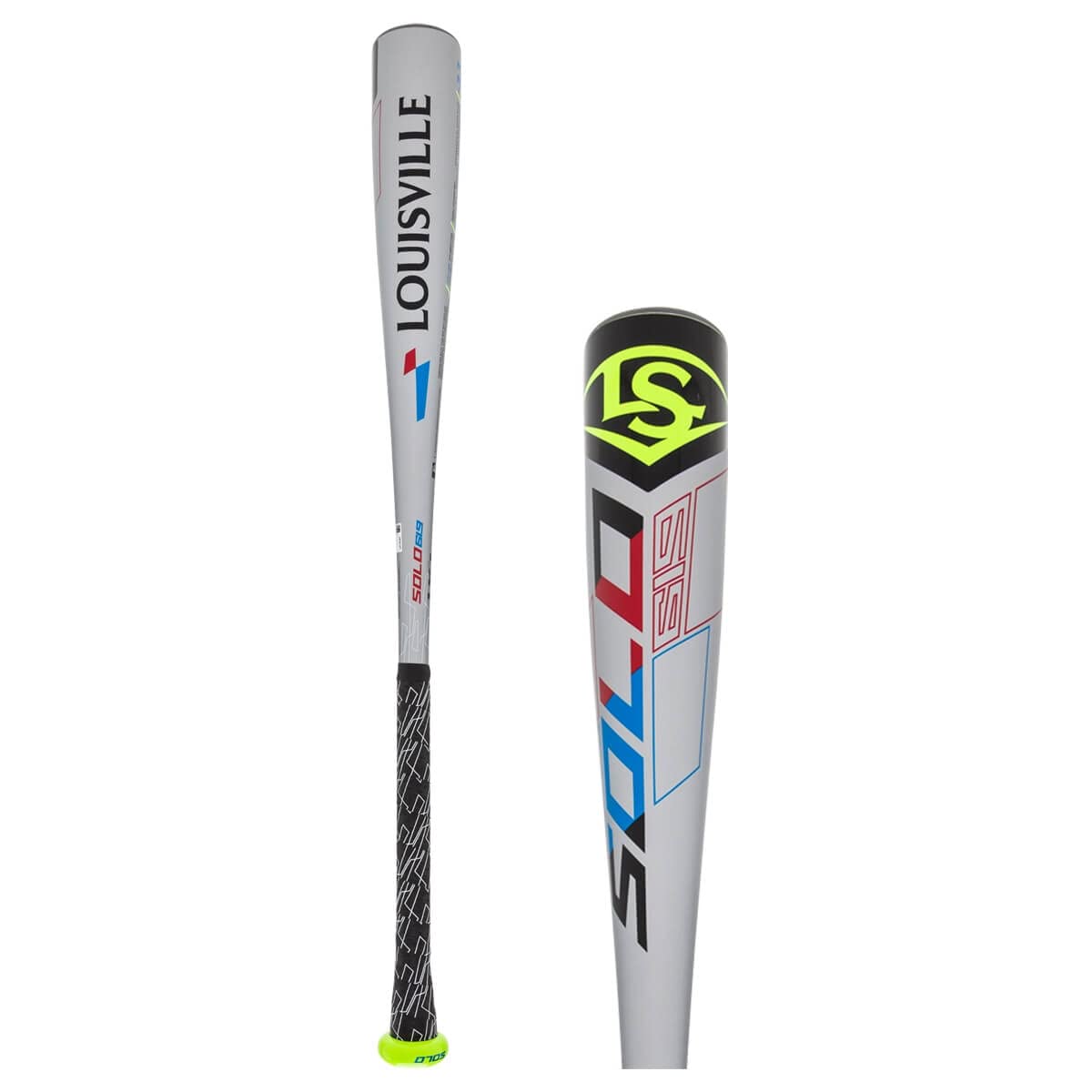
A budget bat that outperforms pricier USA bats, with a light swing and serious pop.
Louisville Slugger’s Solo 619 uses a one-piece SL Hyper Alloy construction for a stiffer feel that boost energy transfer on contact — the secret to its surprisingly good pop. The -11 drop makes it light and easy to swing, and the Speed Ballistic composite end cap is designed to increase swing speed and control through the zone.
This bat has a cult following among parents who want performance without the premium price. One owner called it the “probably best USA bat for money,” noting it retains its pop and delivers consistent hard hits, including home runs. Another says it outperforms the much pricier DeMarini Voodoo One, which lacked pop and dented.
The catch is vibration: it’s a stiff one-piece bat, so off-center hits can sting the hands. But for the price, the combination of light swing weight, durability through thousands of swings, and real pop is tough to top.
Best budget performance: You get the pop of a bat costing twice as much, just with a little more sting on mishits.
Pick this up if: You want maximum value and your kid can handle a stiffer feel.
Look elsewhere if: Your player is sensitive to hand sting on off-center contact.
7. Mizuno PWR ALLOY

The noticeable step up from a Walmart bat that adds power while staying affordable.
Mizuno’s Multiband Barrel design uses multiple thickness levels along the barrel to create a wider balance, which translates to more forgiveness and power on contact. The aerospace-grade alloy construction keeps it durable, and the cushioned grip provides a soft, comfortable feel in the hands. It’s a one-piece bat with a -10 drop, making it a solid middle ground for developing players.
Parents who upgraded their kids from bargain bats noticed the difference immediately. One owner with two 7-year-old sons says both like the added power compared to their Walmart-purchased bat, calling it “a noticeable improvement from the beginner.” An 11-year-old’s parent, who was trying baseball for the first time in years, found it well-designed with good weight and balance.
The bat weighs 1.5 pounds, which is on the heavier side for its length, so it’s not the best choice for the smallest players. But for a kid with some strength who’s ready to grow into a bat, it’s a smart, affordable upgrade that won’t need replacing after one season.
Smart middle step: More power than an entry bat, less cost than a premium hybrid — ideal for a first serious season.
Go for it if: Your child is outgrowing a cheap bat and needs more performance.
Be cautious if: Your kid is small — the 1.5-pound weight might be too much to swing fast.
8. Louisville Slugger Select PWR

The two-piece hybrid that brings premium comfort and a balanced swing to young power hitters.
Louisville Slugger’s Select PWR is the modern answer to the sting problem. Its VCX2 Vibration Control Connection System uses a patented elastomeric connection (a flexible rubber-like joint) that lets the barrel and handle move independently, absorbing vibration for a smooth feel on contact. This is a genuine step up in comfort from one-piece alloy bats, especially for kids who flinch on mishits.
The EXD Premium Alloy barrel delivers a larger yet responsive balance, and the balanced swing weight aims for the ultimate combination of speed and power. The SPD-Gen2 End Cap uses lightweight composite materials to tune barrel performance. It’s a two-piece hybrid: alloy barrel performance with composite handle comfort.
The reviews are glowing. An 8-year-old’s parent says it’s got good pop and their kid got better results with it than a heavier bat they swing. A 7-year-old “has had no problem hitting home runs,” and an 11-year-old’s confidence “has exponentially raised.” The only note: it’s not a balanced bat for everyone — the barrel material adds some weight, so it’s not recommended for players who struggle with swing speed.
Comfort meets power: The vibration control makes this the bat for kids who want premium feel without the sting.
Ideal for: A player with a solid swing who’s ready for the smooth feel of a hybrid.
Not for: Smaller players who need the lightest possible swing weight.
9. Marucci CATX2 Connect

The high-end choice for competitive players, with a balance that turns doubles into triples.
Marucci’s CATX2 Connect is built for serious young hitters. Its multi-variable wall design creates a wider balance for consistent contact across the barrel, and the patented Liquid-Gel Endcap reduces and absorbs vibration for a smoother, solid feel with each hit. It’s a premium tool for a player who’s already putting the ball in play consistently.
The feedback from competitive families is strong. One 9-year-old’s parent saw “immediate improvement on the length of his hits,” and another reports their son was hitting doubles and triples all season. The sting resistance gets specifically praised, with one owner noting it doesn’t sting, especially with batting gloves.
At 29 inches and a -11 drop (weighing 19 ounces in that configuration), it’s a light, fast-swinging bat that performs at a travel-ball level. The main consideration is the price — this is the premium end of the spectrum, so it’s worth it only if your kid is playing enough baseball to justify it.
Competitive performance: The expanded balance and reduced vibration make it the standout choice for travel ball.
Splurge on this if: Your child is playing competitive ball and needs every edge at the plate.
Save your money if: Your kid is just starting out — a mid-range bat will serve them fine.
Understanding the Specs
Drop Weight
The drop is the bat’s length in inches minus its weight in ounces, shown as a negative number like -10. A -10 drop on a 30-inch bat means it weighs 20 ounces. The bigger the negative number, the lighter the bat feels for its length. A -12 bat swings much faster than a -5 bat, making it easier for small kids to make contact, while the -5 bat gives bigger, stronger players more mass to drive through the ball.
Barrel Diameter
Youth bats typically come in 2 5/8-inch or 2 1/4-inch barrels. The larger 2 5/8-inch “big barrel” provides a larger balance, meaning more forgiveness when you don’t hit the ball dead-center. Smaller barrels are lighter-swinging but demand more precise contact. For beginners, the bigger barrel is almost always the right call.
FAQ
What does USA Baseball certification mean for a youth bat?
What is the difference between a -10 and a -12 drop bat?
How do I choose the right bat length for my child?
Is a 2 5/8-inch barrel better than a 2 1/4-inch barrel?
What is the difference between a one-piece and a two-piece bat?
Why do some youth bats sting my child’s hands?
How long should a youth baseball bat last?
Can my child use a USABat in any league?
What grip size should I look for?
Final Thoughts: The Verdict
For most families, the youth baseball bats usa winner is the Victus Vibe Pencil because it delivers the best blend of balance, pop, and comfort that suits the widest range of young hitters. If you want the best value and your kid needs a light, forgiving swing, grab the Franklin Sports Heist. And for a competitive player ready for premium performance, the Marucci CATX2 Connect is the one to reach for.
How We Picked
We do not accept paid placement. Every pick is matched to a real buyer and a real use-case; we do not hands-on test units.
Sources & Methodology
Specifications: manufacturer listings and product documentation. Review insights: verified customer reviews, as of August 2026. Pricing: not shown on this page (it changes often); check the current price via the retailer link.
As an Amazon Associate, Calories Fit earns from qualifying purchases. This does not affect which products we feature.