
Our readers keep the lights on and the coffee maker working hard! As an Amazon Associate, I earn from qualifying purchases.
Specs are compiled from manufacturer listings and verified buyer reviews and can change over time — please confirm the key details on the product page before buying.
The question is simple: you have tight, achy muscles from yesterday’s workout or a long day at a desk, and you need something to roll them out. The confusion comes from the sheer range of cylinders on the market, each promising deep relief. This guide cuts through that noise, focusing only on what makes a difference: density, durability, length, and what thousands of real owners actually report after months of use.
I’m Mohammad — the founder and writer behind Calories Fit. This guide is built by comparing the manufacturers’ published specifications and the patterns across verified customer reviews, so you get each pick’s real strengths and trade-offs instead of marketing spin.
You want a yoga foam roller that actually works for your body, not just a piece of foam that looks the part. The ProsourceFit 18-inch EPP roller is the one most buyers should start with because it balances firmness, size, and price better than any other single pick here.
Our Picks at a Glance

How To Choose The Best Yoga Foam Roller
The wrong foam roller is either a useless, soft lump that offers no pressure or a concrete log that leaves you bruised. Here is what actually separates the good from the painful.
Density and Material: The Core of the Matter
This is the single most important decision. Standard foam rollers are made from EVA foam, which can be soft and wears down quickly. For recovery and deep tissue work, look for EPP (Expanded Polypropylene) foam. It is much denser, retains its shape after hundreds of sessions, and provides the firm pressure needed to release muscle knots. The spec “High-Density” or “Extra Firm” is a good sign, but the material (EPP) is the real proof.
Length: Full Body vs. Portable
Rollers come in lengths from 12 inches to 36 inches. A 36-inch roller is ideal for tall people and for rolling your entire back at once, including the shoulder blades. An 18-inch roller is the most versatile, covering your back and legs while still being easy to store. A 12 or 13-inch roller is best for portability (fits in a gym bag) and targeting smaller areas like calves and the IT band.
Surface Texture: Smooth vs. Textured
Smooth, high-density rollers are best for general muscle recovery and beginners. Textured rollers with bumps or ridges simulate the hands of a massage therapist, offering more targeted trigger-point release. The trade-off is that textures can be too intense for some users or sensitive areas, and some textured rollers can slip against clothing.
Quick Comparison
| Model | Best For | Material | Length | Surface | Amazon |
|---|---|---|---|---|---|
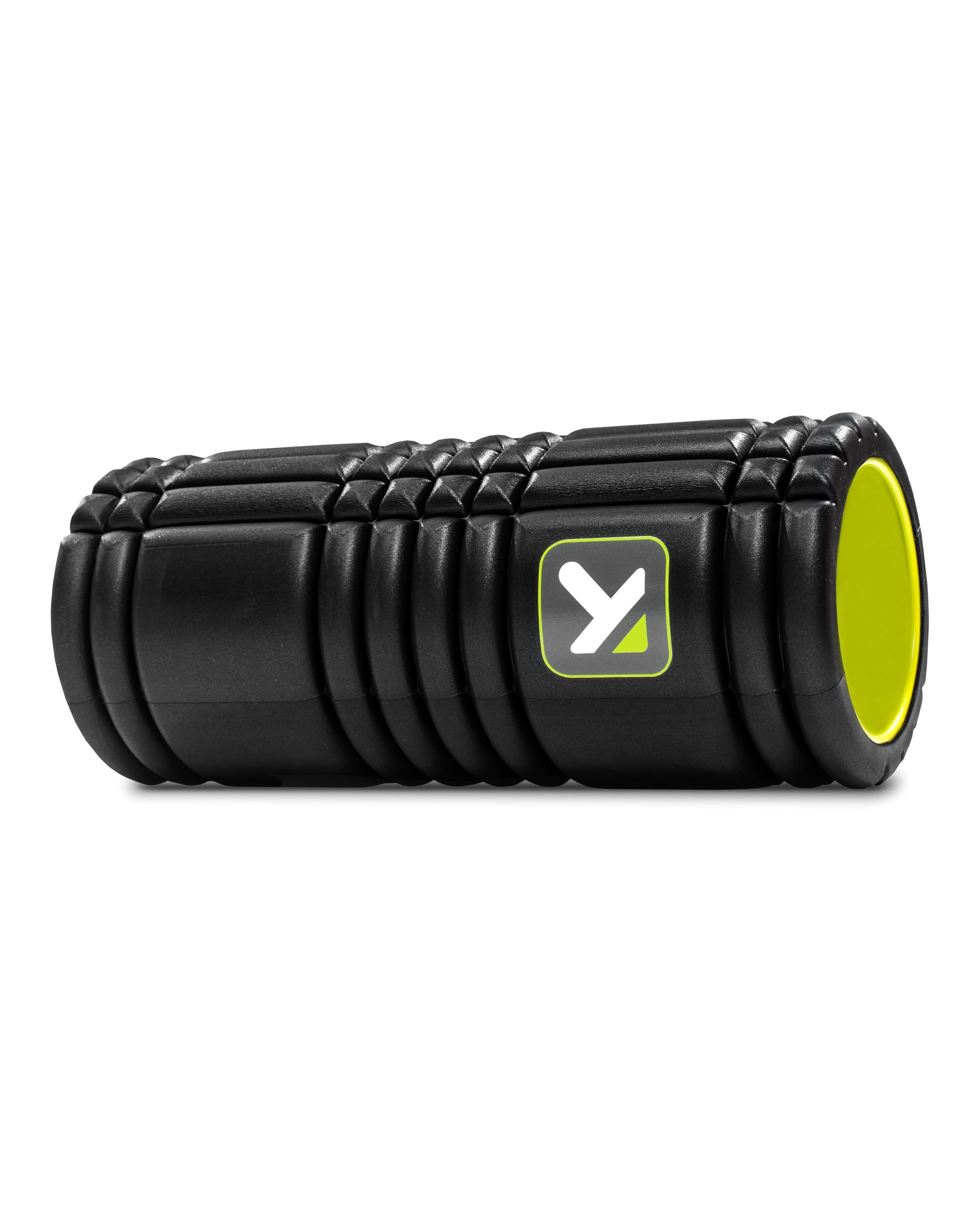
| TriggerPoint Grid 1.0★ Best Overall | Multi-density deep tissue | EVA Foam | 13″ | Textured (GRID) | Amazon |
| OPTP AXIS FirmPro Grade | Professional PT & tall users | Closed-cell EPP Foam | 36″ | Smooth | Amazon |
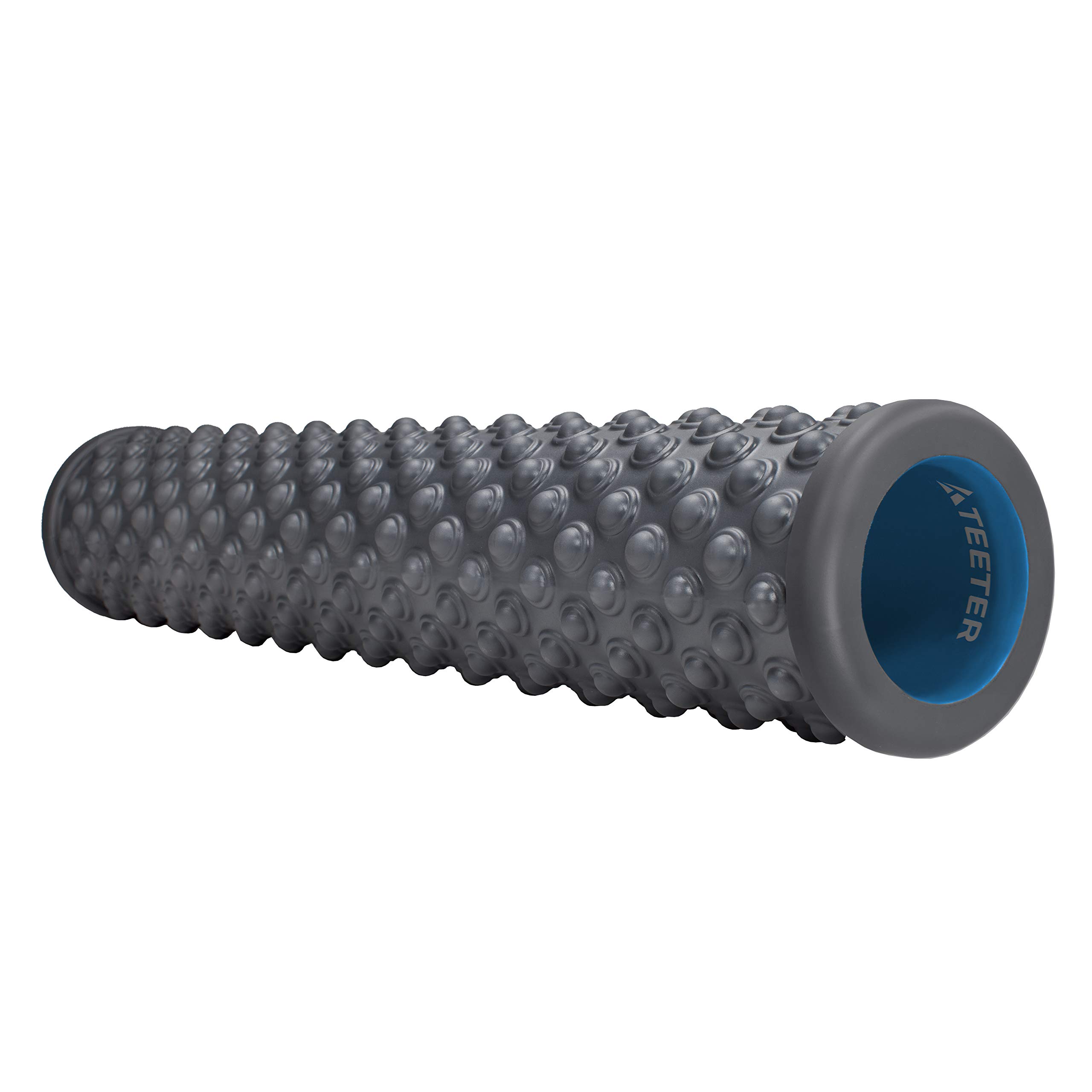
| Teeter Massage Foam RollerTextured Specialist | Textured trigger-point therapy | PU Foam | 26″ | Textured (Bumpy) | Amazon |
| JFIT High Density | Budget extra-firm work | Polypropylene (EPP) | 18″ | Smooth | Amazon |
| Amazon Basics High Density | Value & reliability | Polypropylene (EPP) | 18″ | Smooth | Amazon |
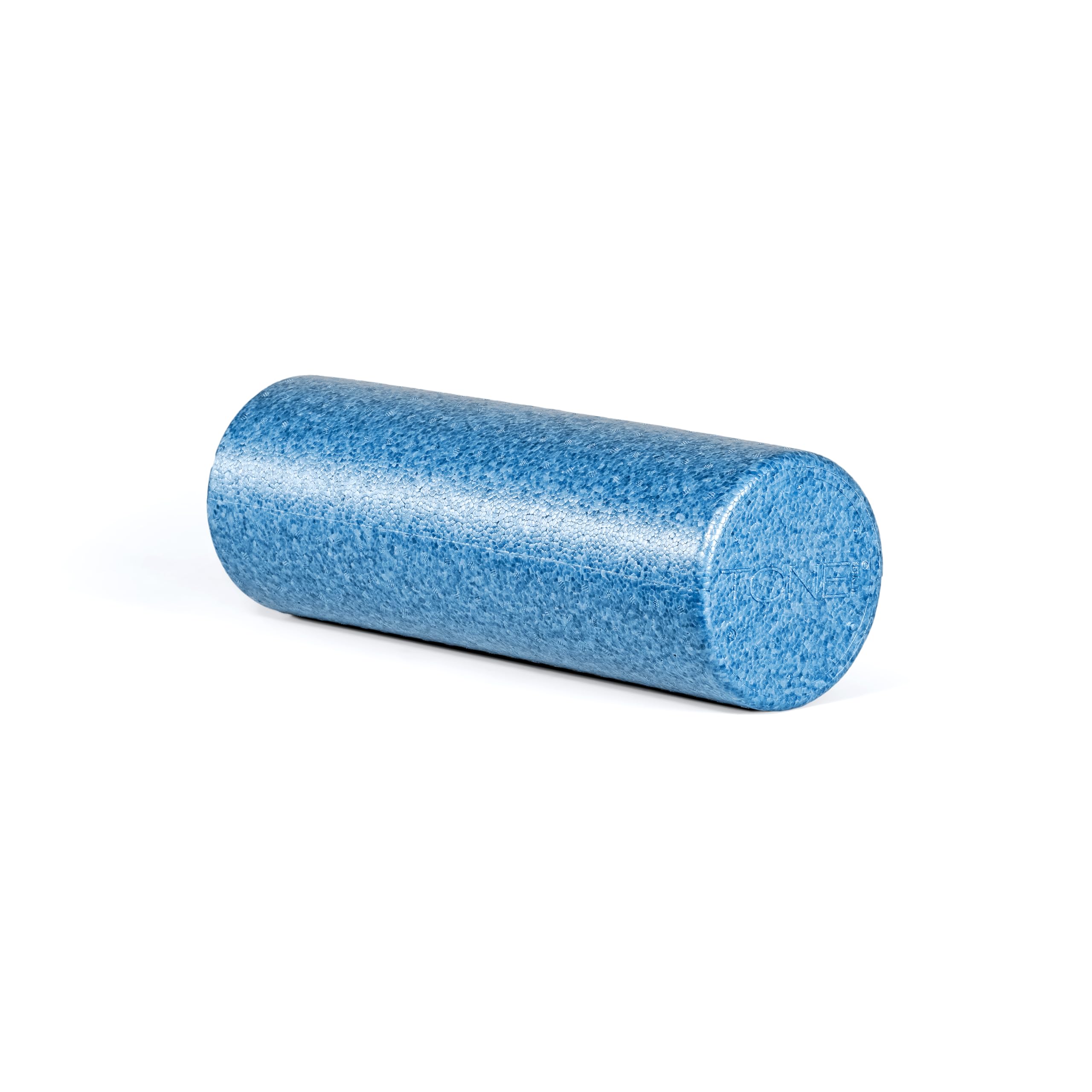
| Tone Fitness High Density | Lightweight yoga & Pilates | Expanded Polypropylene | 18″ | Smooth | Amazon |
| Retrospec Relief | Firm value pick | EPP Foam | 18″ | Smooth | Amazon |
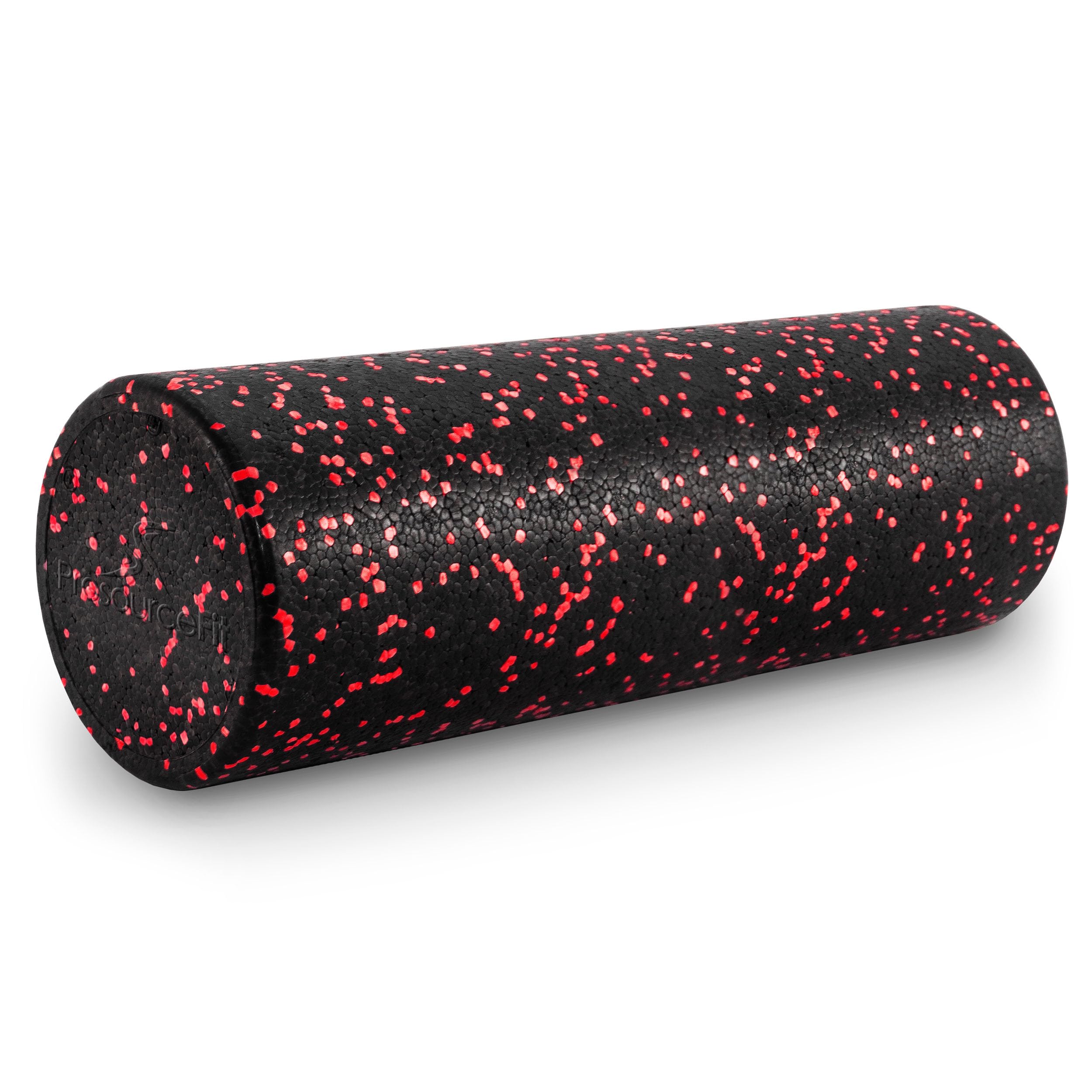
| ProsourceFit High Density | Versatile full-body use | Expanded Polypropylene (EPP) | 18″ | Smooth | Amazon |
| Black Mountain Products | Long reach for tall users | High Density Foam | 36″ | Smooth | Amazon |
In‑Depth Reviews
1. TriggerPoint Grid 1.0 Foam Roller
Our pick — over 4.5★ from 23,000+ verified ratings; the strongest balance of quality and price.
The crowd favorite that feels like a therapist’s hands, not a block of foam.
This is the roller that changed what people expect from recovery tools. Unlike a simple smooth cylinder, the Grid 1.0 uses a multi-density GRID pattern with ridges and nodules that are meant to mimic a massage therapist’s hands. A firm EVA foam wrap over a hollow core gives it more intense compression than a standard roller, so you get deep tissue work without having to press so hard. The 13-inch length makes it incredibly portable — this fits in a carry-on or a gym bag, which is why it shows up at so many studios and homes.
What wins people over is the build quality — the roller maintains its shape after repeated use, which is a common failure point of cheaper foam. The feedback is consistent: it offers a medium-firm feel that is intense but not punishing, and buyers report immediate relief, with one noting it helped “pop my ribs and back as well the first day.”
The main trade-off is the shorter length. At 13 inches, it is perfect for calves, hamstrings, and the upper back, but it is less stable for rolling the full length of your spine or both legs simultaneously. Taller users or those wanting full back coverage should consider a longer model.
Why It Dominates
- Multi-density surface targets knots more effectively than smooth foam
- Extremely durable hollow core holds shape for years
- Compact size makes it the best travel companion for muscle relief
The Real Limit
- 13-inch length is too short for full back rolling or tall users
- Textured surface is intense for absolute beginners
Your best match: If you want the most effective, durable roller that fits in a gym bag and feel like the investment is worth it, this is your pick.
Think twice if: You have a long back or want to roll both legs together — the 13″ length limits that.
2. OPTP AXIS Firm Foam Roller
The physical-therapy standard that does not compress under serious weight.
When physical therapists recommend a roller, this is often the one. The OPTP AXIS is made from high-quality, closed-cell EPP foam that is described as extremely firm — so firm that some users find it painful at first. This is not a purchase for casual stretching; it is a tool for deep myofascial release and spinal work. At 36 inches long, it is one of the longest standard rollers available, making it ideal for tall users who need full back and shoulder blade coverage.
The standout feature is its unyielding durability. The foam supports well over 250 lbs without flattening, and owners mention using it daily for months without any change in shape. The smooth surface allows for a consistent roll without the distraction of texture, which is preferred for core exercises and Pilates. One owner shared that using it twice daily for five minutes eliminated back aches and shoulder strains, reducing their need for professional visits.
The catch is the severe firmness. While great for deep work, it can be uncomfortable for anyone with sensitive bones or new to foam rolling. It is significantly firmer than the Amazon Basics or ProsourceFit options.
The professional edge: Best for serious athletes and PT patients who need a long, uncompromisingly firm tool for back, hamstrings, and full-body recovery.
Reach for this if: You are tall, need full spine coverage, and prefer a “no-nonsense” ultra-firm roller.
Look elsewhere if: You are a beginner or find firm pressure painful — start with a softer density.
3. Teeter Massage Foam Roller
A bumpy surface that digs into knots like a thumb, in a longer format.
While the TriggerPoint Grid uses a multi-density pattern, the Teeter takes a different approach with distinct bumpy nodes that feel like fingertips pressing into tight muscle. This is a focused trigger-point tool. It comes in two firmness levels: a blue roller with “wavy” ridges (gentler) and the gray version we are reviewing, which is more firm with a deeper, bumpy texture. The core is a firm plastic hollow wrapped in coated PU foam, so it stays rigid and does not sag.
At 26 inches long and 5 inches in diameter, it is longer than the TriggerPoint but slightly narrower than the standard 6-inch rollers. Buyers find this width perfect for doing both legs at once and for working wide shoulders. The textured surface is overwhelmingly effective for removing “kinks,” but owners note it can be slick on clothing, so it works best directly on skin.
The main downside is the “the just-right” confusion — choosing between the blue and gray versions is a real dilemma. The gray (firm) is excellent for those who want deep pressure, but several buyers found it firmer than expected and needed to “work up to it.”
Deep relief weapon: If your goal is to erase specific trigger points in your shoulders, IT band, or thighs, the Teeter’s bumpy texture provides a more aggressive, focused massage than any smooth roller.
Perfect for: Experienced rollers who want a targeted, deep tissue feel and a versatile 26″ length.
skip it if: You prefer a smooth, predictable roll and do not like the slipping sensation on fabric.
4. Black Mountain Products High Density Extra Firm Foam Roller

A seriously long and dense cylinder for those who do not want to be limited by size.
If the TriggerPoint is too short and the OPTP is too expensive, the Black Mountain Products roller is the practical middle ground. It is a 36-inch, 6-inch diameter monster of high-density foam. This length is a standout for rolling your entire spine and shoulder blades in one smooth motion, or for lying on it to open up the chest. The extra-firm feel holds its shape perfectly.
Owners consistently praise the firmness as “exactly what I wanted” and note it is an essential part of their morning routine for back stretching. It is light enough to bring to the gym but large enough for comprehensive home use. Unlike the OPTP, this one uses a standard high-density foam rather than closed-cell EPP, which means it is still firm but slightly more forgiving.
The only real complaint is that the 24-inch version is smaller than some expect, which is a selection error, not a product flaw. The 36-inch version is widely praised for its size and durability, making it a better value for the price.
Why It Works
- Full 36-inch length provides complete back coverage
- Extra firm density for deep stretching and massage
- Warranty included for confidence
The Catch
- Large size is not portable for travel or a gym bag
- Smooth surface lacks the texture of the Grid or Teeter
Who it fits: Tall athletes and anyone who needs a big, firm roller for full-body work at home.
pass on it if: Portability is a priority or you prefer a shorter, more targeted tool.
5. ProsourceFit High Density Foam Roller (18-inch)
The standard-length roller that balances firmness with a manageable price.
The ProsourceFit is a classic 18-inch by 6-inch EPP roller that hits the balance of size, density, and cost. It is an entry-level-to-intermediate pick that is firm enough for deep work (“firm without being hard,” as some put it) but not so unyielding that it scares off beginners. It has a maximum weight capacity of 300 lb, which is higher than many competitors in this price bracket.
what separates it is the variety. It comes in four sizes (12, 18, 24, and 36 inches) and a wide range of colors, so you can tailor the length to your space. The 18-inch version is ideal for smaller muscle groups and apartments, while the longer options offer more stability. The EPP material is water-resistant and easy to clean, a practical advantage for sweaty post-workout sessions.
The firmness is a point of division — while many love it, an honest number of owners find it too hard. This is not a fault of the roller, but a fit issue: if you are very sensitive or have bony areas, consider a softer option.
Standout Strengths
- Water-resistant EPP foam is hygienic and easy to maintain
- Available in 4 lengths, making it adaptable for any user
- Supports up to 300 lb, sturdy for all body types
The Trade-off
- Firmness is too much for some beginners and sensitive areas
- Smooth surface lacks the grip of textured rollers
Best for: Shoppers who want a reliable, versatile EPP roller in a standard 18-inch length at a fair price.
Not for: Those who need a super-soft roller for light stretching or massage.
6. Amazon Basics High Density Foam Roller

The best-selling value that proves you do not need a big brand for solid results.
With tens of thousands of owners, the Amazon Basics roller is the undisputed volume leader in the category. It is a simple, high-density polypropylene (EPP) roller that is firm, durable, and does exactly what it says. It is 18 inches long, which is the perfect middle ground for home use, and weighs very little (under 7 ounces), so you can toss it in a tote for class.
The consensus is clear: it is “firm but good,” with most buyers noting it remains perfectly stiff for deep tissue work and holds its shape without denting. A key point from the research is its genuine durability — one review explicitly states it is “durable after 6 months of consistent use.” The molded edges add a bit of comfort compared to sharper-cut rollers.
The honest feedback is that it is often firmer than expected. This is not a soft, squishy roller. It is designed for people who want pressure. For the price, it is hard to argue with the value, though some owners note the surface is not as dense or long-lasting as the TriggerPoint over several years.
The no-frills workhorse: This is the entry-level roller that does not feel cheap. It provides real, firm pressure for muscle recovery at a price that makes it an easy first purchase.
Grab it if: You are on a budget and want a proven, firm roller for standard muscle work.
Pass if: You have a very specific need for texture, a different length, or a softer density.
7. Tone Fitness High Density EPP Foam Roller
An incredibly light EPP roller that outperforms pricier rivals.
At just 0.46 pounds, the Tone Fitness roller is one of the lightest high-density options on the market. It is made from expanded polypropylene (EPP) and offers a very firm pressure that is suitable for advanced users who want deep tissue massage. It targets the back, legs, IT band, and shoulders effectively, and many customers note it “cracking my back” with satisfying results.
The design is straightforward and the material is durable for its weight class. It is available in multiple sizes, making it compact for travel. The firmness is a major talking point; buyers clearly agree it is stiff and effective, but a few note it feels more like a dense styrofoam than a professional-grade foam, which is a fair observation of its material feel compared to the rubberier EVA of the TriggerPoint.
Despite its low weight, it holds up well for daily use. The main concern is that for some, the firmness can be jarring at first, but those who stick with it find the relief effective.
Perfect for the minimalist: If you want a firm, lightweight roller that is easy to pack and very affordable, this is a solid choice.
Reach for this if: You need a lightweight travel option that still provides firm pressure.
Not ideal for: Users who prefer a less intense, more forgiving roller for sensitive muscles.
8. Retrospec Relief Foam Roller

An extra-firm roller that feels harder than most “high-density” ones.
The Retrospec Relief roller positions itself as an “extra-firm” option, and reviews confirm it delivers. Owners who have used many rollers note it is “a bit harder and more firm than many of the other high density rollers I’ve used.” It is made from EPP foam and is designed for low-intensity force application to reduce post-workout soreness. It targets the whole body, from the back and neck to the legs.
This roller is praised for its effectiveness and durability, particularly for its price. It is a good alternative to the Amazon Basics, offering a similar spec sheet. One buyer specifically noted it holds up well for their son’s baseball workouts, speaking to its daily use stamina. The 18-inch length is standard and works well for most users.
The main sticking point is, again, firmness. It is very hard. If you are used to a softer Giam-style roller, this will be a shock. The firmness is the primary reason for the mixed feedback on that aspect. It is excellent for those who like a punishing roll, but not for those with light pain thresholds.
Why It Stands Out
- Noticeably firmer than the average high-density roller
- Non-toxic, durable EPP construction for long life
- Great for athletes and those with tough knots
The Catch
- Firmness is too intense for casual stretching or beginners
- Size may be too large for smaller framed users
Ideal for: Experienced rollers who want a very firm, value-priced EPP tool for deep tissue work.
Consider other options if: You are sensitive to hard pressure or need a softer starter roller.
9. JFIT High Density Foam Roller

An extra-firm, no-nonsense roller for the dedicated user.
This JFIT roller is a serious tool made from molded polypropylene to maintain its shape. It is described as “extra firm,” and the reviews are clear that this is not an exaggeration. Buyers consistently note it is “extremely hard” and suitable for those who “prefer a very hard roller.” It comes with a bonus workout guide, which is a nice touch for beginners unfamiliar with exercises. It is lightweight, easy to clean, and has molded edges that are more comfortable than sharp corners.
The feedback is polarized. Those who want extreme firmness love it, calling it “super firm” and “great for back stretches.” However, it is a common point that the density is too much for casual use or for a first-time buyer. The low price point makes it a tempting entry, but the hardness is a real barrier for many. It is an honest fit-note: this is a specialized tool for people who know they want the hardest surface available.
The quality is there — it is well-made, dense, and meets the specs. But it is a very specific product. Unlike the more approachable Amazon Basics or ProsourceFit, this roller does not try to please everyone.
The specialist’s choice: If you have a high tolerance for pain and need a very hard, dense roller for rehab or deep stretching, this is the cheapest entry point.
Get it for: Deep, intense myofascial release where you need maximum pressure.
Avoid it if: You have any sensitivity or are looking for a more forgiving, beginner-friendly roller.
Understanding the Specs
EPP vs. EVA Foam (Density)
This is the biggest differentiator. EVA foam (used by the TriggerPoint Grid) is a rubberier material that is often wrapped over a hard core. It provides a specific, controlled give. EPP foam (used by most budget and mid-range rollers) is a closed-cell polypropylene. It is lighter, very firm, and holds its shape indefinitely. EPP is excellent for deep pressure, while EVA can offer more texture variety.
Length and Diameter (Coverage)
The standard diameter is 6 inches. Most home users prefer 18 inches of length for versatility. If you are 5’10” or taller or want to roll your entire spine, look for 36-inch models like the OPTP or Black Mountain. The 12-13 inch models (TriggerPoint) are for travel and targeted muscle groups only.
FAQ
Is a harder foam roller always better for muscle recovery?
How does a textured roller compare to a smooth one for trigger points?
What length of foam roller do I need for my height?
How long does a high-density foam roller typically last?
Can a foam roller help with lower back pain?
What is the difference between a yoga foam roller and a massage foam roller?
How do I clean a foam roller?
Will a foam roller help with shin splints or IT band syndrome?
Final Thoughts: The Verdict
For most buyers, the best yoga foam roller is the TriggerPoint Grid 1.0 because it balances effective texture with durable construction and a highly portable size. If you need the standard length for home use and want the best value, the Amazon Basics High Density is a proven, affordable crowd-pleaser. And if you are a taller athlete or need full spine coverage for physical therapy, the OPTP AXIS Firm is the long-lasting professional standard.
How We Picked
We do not accept paid placement. Every pick is matched to a real buyer and a real use-case; we do not hands-on test units.
Sources & Methodology
Specifications: manufacturer listings and product documentation. Review insights: verified customer reviews, as of July 2026. Pricing: not shown on this page (it changes often); check the current price via the retailer link.
As an Amazon Associate, Calories Fit earns from qualifying purchases. This does not affect which products we feature.