
Our readers keep the lights on and the coffee maker working hard! As an Amazon Associate, I earn from qualifying purchases.
Specs are compiled from manufacturer listings and verified buyer reviews and can change over time — please confirm the key details on the product page before buying.
Yellow gym shoes are a bold choice, but only if they handle the real work: stable lifts, quick lateral moves, and all-day comfort without falling apart. The best pairs balance a flat, planted base for squatting with enough cushioning for jump rope or a treadmill warm-up. This guide breaks down nine standouts—from budget-friendly trainers to premium lifters—so you can match the shoe to your actual workout, not just the colorway.
I’m Mohammad — the founder and writer behind Calories Fit. This guide is built by comparing the manufacturers’ published specifications and the patterns across verified customer reviews, so you get each pick’s real strengths and trade-offs instead of marketing spin.
Your next pair of yellow gym shoes should feel as bold as they look, with the grip and support to match every rep.
Our Picks at a Glance

How To Choose The Best Yellow Gym Shoes
Your gym routine decides which shoe you need. If you lift heavy, you want a flat, stable sole so your feet stay planted. For high-intensity interval training (HIIT — short bursts of intense exercise with rest periods), you need grip and moderate cushioning to handle quick moves. For casual wear or walking, comfort comes first. Match the shoe’s build to your workout, and the yellow color is just the fun part.
Drop: The Heel-Toe Height Difference
The drop is the difference in height between the heel and the toe of the shoe. A zero-drop shoe sits flat, like a barefoot shoe, which helps with balance and proper lifting form. A shoe with a raised heel, often called a heel lift, shifts your weight forward, which can help you hit depth in squats. Think about your ankle mobility and your main lifts—flat is versatile, while a raised heel is specific to squatting.
Upper Material: Breathability vs. Structure
The upper is the part of the shoe covering the top of your foot. Mesh and knit uppers let air flow, keeping your feet cool in a hot gym. They also stretch to fit wider feet. Sturdier materials like synthetic leather last longer but can trap heat. If your gym sessions run long or your feet run hot, pick breathable mesh and skip the heavy materials.
Outsole Grip and Stability
The outsole is the bottom rubber that touches the floor. A non-slip, high-abrasion outsole keeps you planted during lateral movements and prevents sliding during heavy lifts. Look for rubber soles with patterns (sometimes called traction or honeycomb structures) that grip the floor. A shoe that feels stable under a loaded barbell is worth more than any colorway.
Quick Comparison
| Model | Best For | Weight | Drop / Heel | Fit | Amazon |
|---|---|---|---|---|---|
| Adidas Amplimove★ Best Overall | HIIT & all-purpose training | 2.43 lbs | — | Runs narrow | Amazon |
| Jakcuz High TopStyle Standout | Style-first casual wear | — | — | Size up half | Amazon |
| CUSHIONAIRE KicksValue Pick | Fashion & walking | 1.3 lbs | — | True to size | Amazon |
| ASITVO Barefoot | Barefoot-style training | — | Zero Drop | Runs big | Amazon |
| MANUEKLEAR Lifters | Powerlifting & squats | — | Heel lift | Runs small | Amazon |
| Nike MC Trainer 3 | Versatile cross-training | — | Flat & stable | True to size | Amazon |
| Reebok Nano X4 | HIIT & lifting mix | 1.9 lbs | — | Narrower fit | Amazon |
| Xero Prio Neo | Barefoot & lifting | — | Zero Drop | Size up half | Amazon |
| ASICS SUPERBLAST 3 | Long runs & daily training | 1.44 lbs | — | True to size | Amazon |
In‑Depth Reviews
1. Adidas Mens Amplimove Training Shoes
Our pick — over 4.5★ from 750+ verified ratings; the strongest balance of quality and price.
The all-day versatile trainer that keeps up with HIIT and casual wear.
At 2.43 pounds, these Adidas trainers are noticeably heavier than the featherlight CUSHIONAIRE Kicks (1.3 pounds), and that weight pays off in stability during your sessions. The sculpted EVA midsole (a foam layer that absorbs impact) delivers the comfort needed to dominate your next set, while the mesh upper keeps air flowing so your feet stay cool mid-workout.
Buyers report a year of 3-4 weekly gym visits with no flaws. The fit gets mixed feedback though—some find them perfect while others note they run tight in width, so if you have wider feet, consider sizing up. They’re not built for running, but for resistance training and all-purpose gym work, they hold up beautifully.
Quality and comfort win buyers over, and the design doubles as a street shoe. If you want one pair of yellow trainers that handles gym work and looks good out on the town, this is your pick.
Solid All-Rounder
- High quality lasts through a year of regular gym visits
- Comfortable for all-day wear and daily use
- Versatile for both workouts and casual street wear
- Lightweight feel despite the 2.43-pound build
Fit Notes
- Runs narrow in width for some buyers
- Not ideal for running—built for training
Reach for these if: you want a durable, comfortable all-rounder for HIIT and daily wear that doesn’t look out of place anywhere.
Look elsewhere if: your priority is running or you have a wider foot that needs extra room in the toe box.
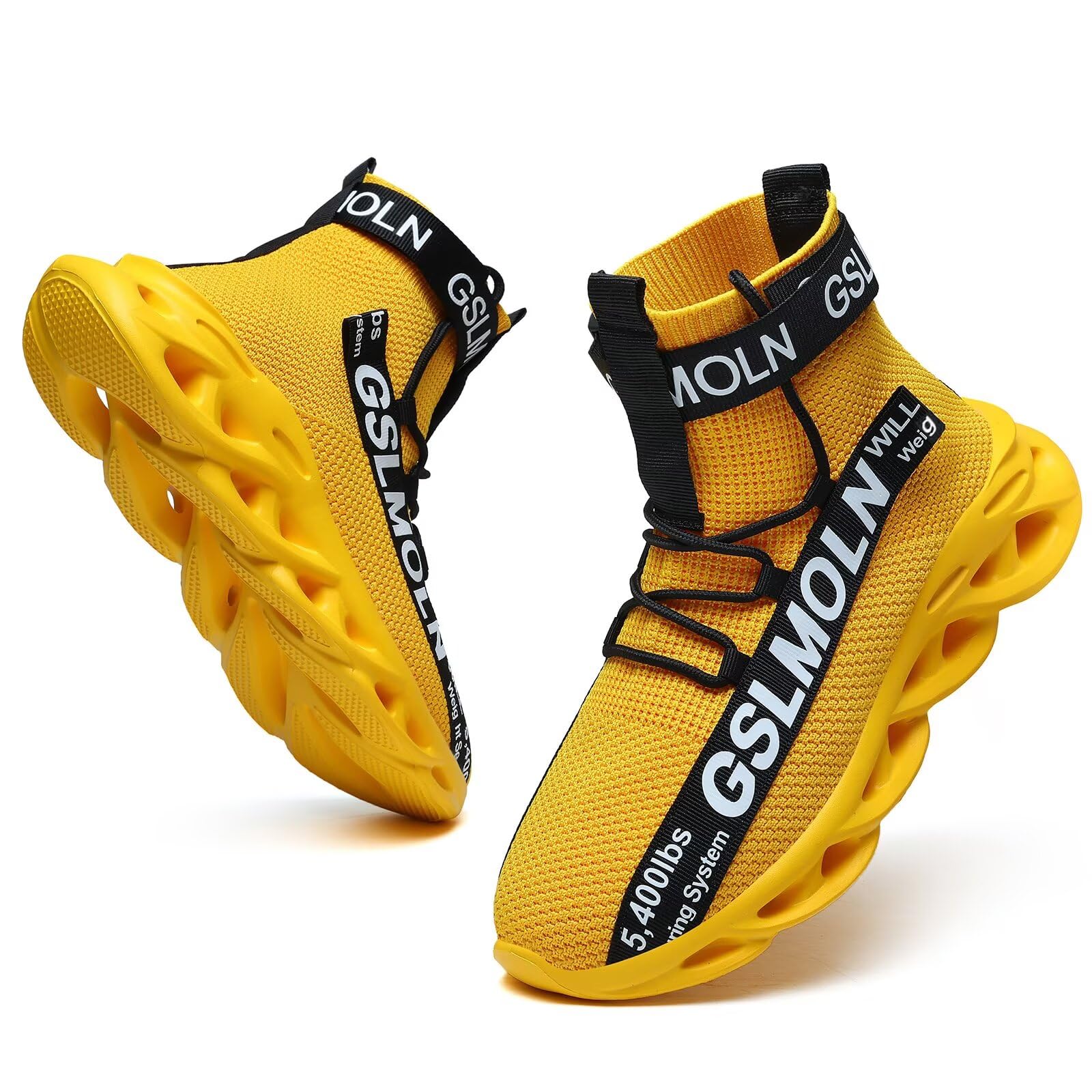
2. Jakcuz Men’s High Top Sneakers
The head-turning high top that walks the line between gym and street.
What wins people over is the appearance—these high-top sneakers collect compliments and look just like the picture. The foam sole is described as incredibly comfortable, easy to slip in and out of, and the sock-like top hugs your foot. They’re extremely lightweight too, which makes them feel like walking on a mattress.
But the fit is where things get tricky. Several owners mention they run small and suggest ordering a half size up, and one found the shoe makes your feet fall forward with toes smashed—a clear sign these are better for casual wear than serious athletic training. The foam sole can also thin quickly and feet may burn after 4+ hours of activity.
These are aesthetic-first sneakers. They’ll turn heads and feel soft underfoot, but if you’re planning heavy squats or long runs, the instability of the foam and the fit quirks make them a risky choice for actual gym work.
Style over substance: If your gym look matters as much as your workout, these deliver on appearance and comfort for light activity.
Know the limit: The fit runs small and the foam sole isn’t built for intense, repetitive training sessions.
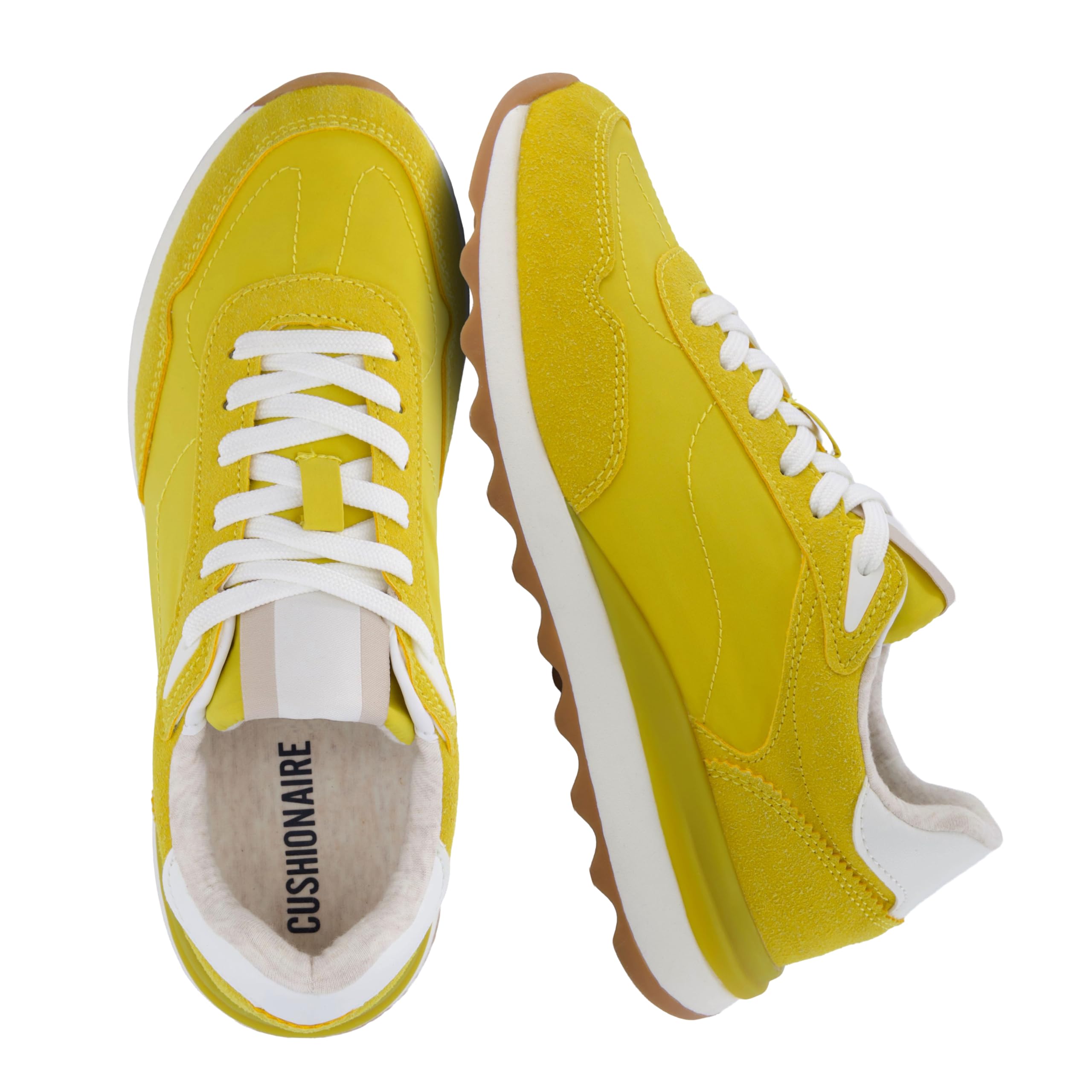
3. CUSHIONAIRE Kicks Fashion Sneakers for Women
The lightest pick here at 1.3 pounds, built for everyday comfort.
At just 1.3 pounds, these sneakers disappear on your feet, and the Comfort Foam technology keeps them comfy through long days. They’re the lightest option in this roundup—the Adidas Amplimove weighs 2.43 pounds, nearly double—and that featherlight feel makes them perfect for all-day wear. Buyers rave about comfort, wearing them daily on an 18-day trip with foot pain only after ~4.5 miles.
These are fashion sneakers, not athletic trainers. The thin, parachute-like toe material is not meant for gym workouts, and there’s no ankle support. One buyer notes the sole pitches forward, feeling like walking on tip-toes, which triggered knee pain. But for those with high insteps or wide feet, the regular width fits fine and they accommodate comfortably.
If your gym routine is walking, light activity, or you need a stylish casual sneaker that runs errands and handles daily steps, these are a smart value choice. For heavy lifting or HIIT, they’re out of their depth.
Comfort-first casual: Memory foam cushioning and a 1.3-pound build make these ideal for walking, travel, and all-day wear.
Not for lifting: The soft sole and lack of ankle support mean they’re best left out of intense workout sessions.
4. ASITVO Wide Barefoot Shoes
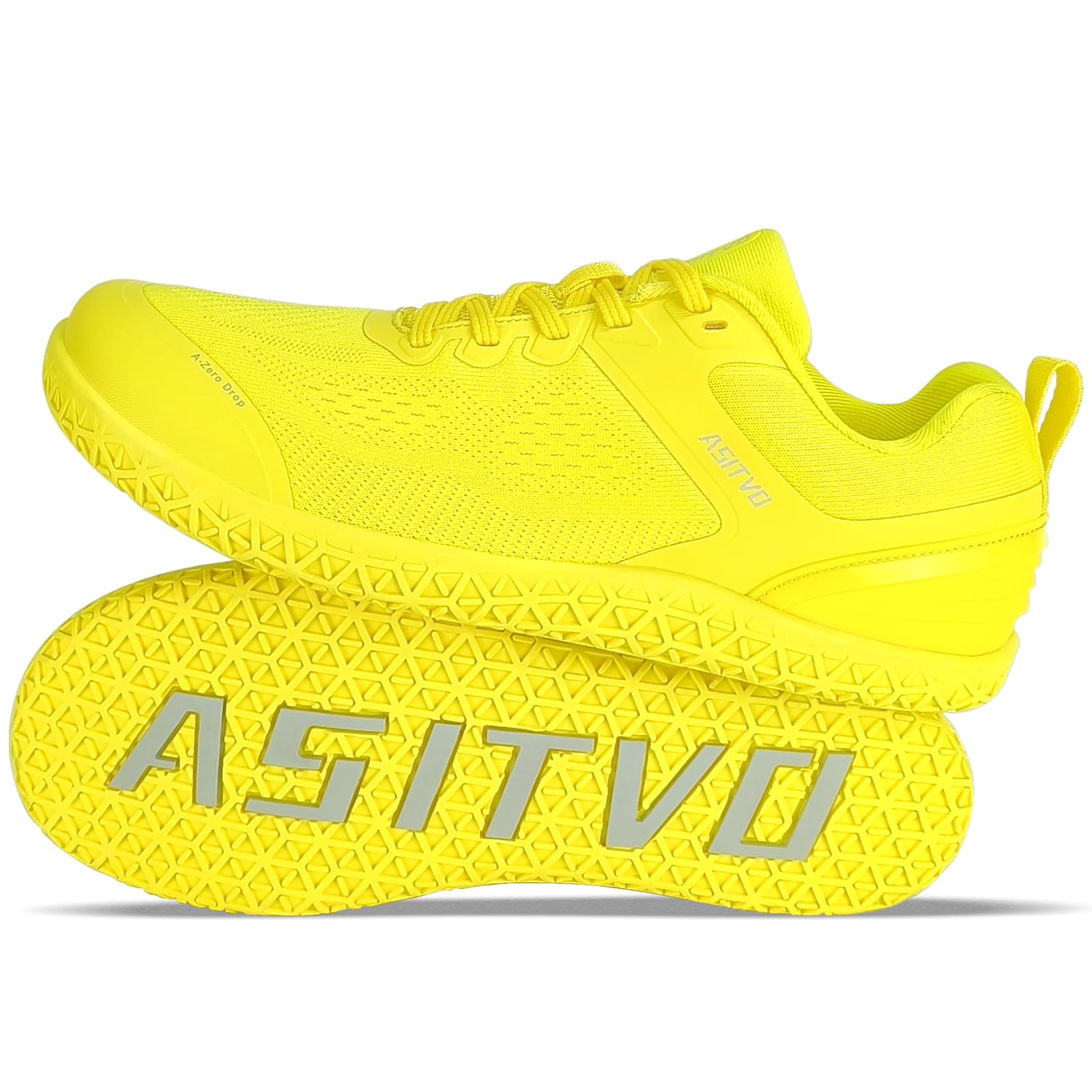
The minimalist trainer that lets your toes spread and your feet feel the floor.
These barefoot-style shoes feature a zero drop sole (meaning the heel and toe sit at the same height, like being barefoot) and a wide toe box that lets your toes spread naturally. Buyers with flat feet report no more squished toes rubbing together, and the comfort and quality are what win people over. They even come with an extra set of insoles and spare laces—a thoughtful touch.
The ground feel is the draw here, with one buyer noting improved balance on uneven terrain. But the sizing runs big—several owners say to order down, with one normally wearing 11.5 and finding the 12 too big even for a super wide foot. They’re also not ideal for warm weather, as they can trap heat and cause excessive foot sweating.
For cross-training, walking, or anyone curious about minimalist footwear, these are a solid entry point with a normal look that won’t scream “barefoot shoe.” Just size down and save them for cooler gym days.
Minimalist Appeal
- Zero drop and wide toe box for natural foot movement
- Comfortable with good ground feel and flexibility
- Comes with extra insoles and laces
- Quality holds up to high-mileage walking
Fit & Weather
- Runs big—size down for the right fit
- Feet can sweat in warm weather
Ideal for: barefoot-curious lifters and walkers who want a wide toe box and natural ground feel in a normal-looking shoe.
Skip if: you need arch support or plan to train in hot, humid conditions.
5. MANUEKLEAR Weight Lifting Shoes
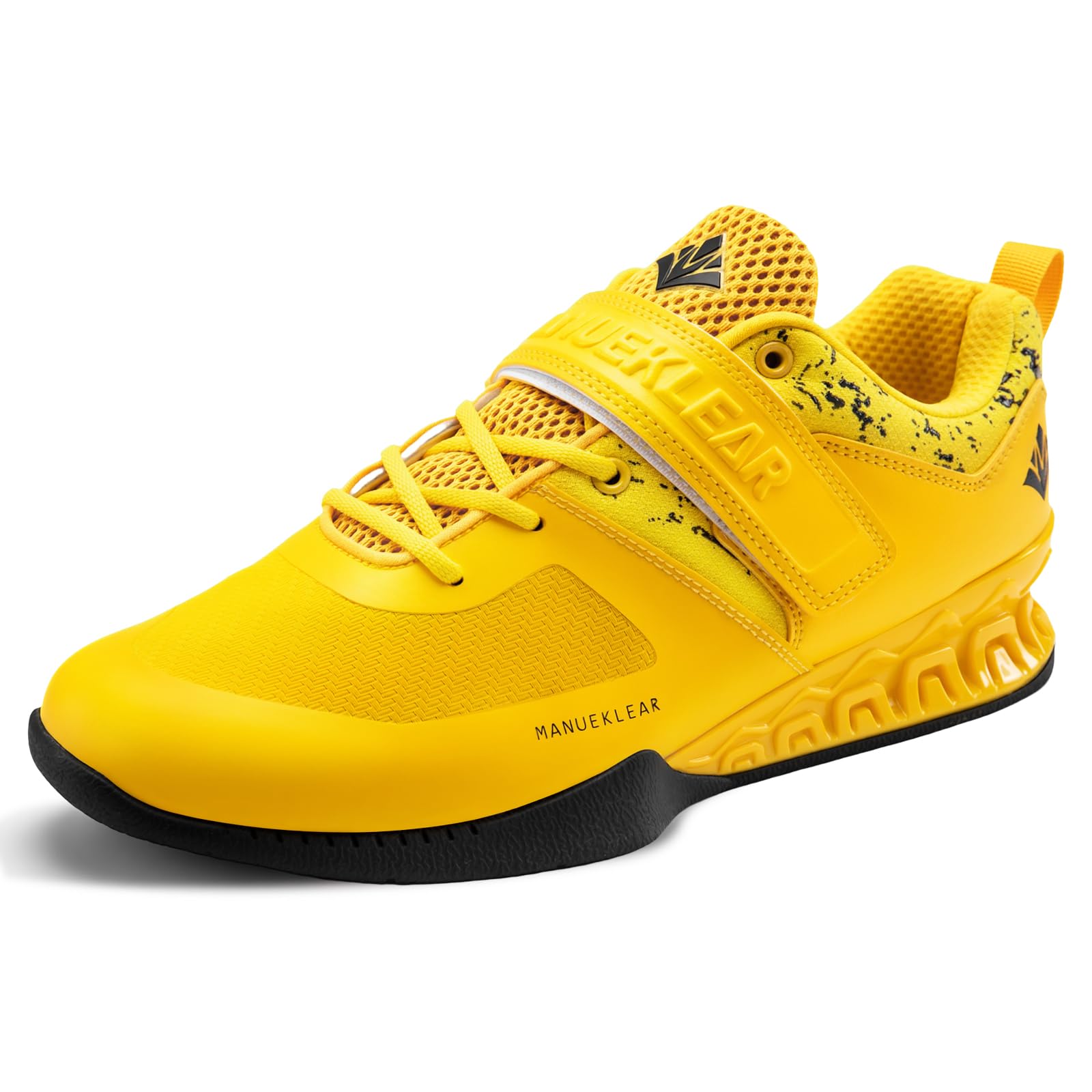
The dedicated squat shoe with a raised heel and glued-to-the-floor grip.
These are purpose-built lifting shoes. The heightened heel and enhanced heel support shift your weight forward, helping you hit depth in squats, and the high-abrasion outsole with a honeycomb structure provides exceptional slip-resistance. Customers note they feel glued to the floor, with excellent grip even on a wet aquatic area—that stability is the whole point.
The raised heel (the height difference between heel and toe) is what sets these apart from flat trainers, and it makes a real difference under a loaded barbell. They’re solid, with no give, and take pressure off the knees during lifts. But sizing is a real quirk—they run small, with one buyer typically wearing 10.5 ordering an 11 that barely fit before breaking in. The heel padding also needs a break-in period.
If squats and powerlifting are your priority, the stability and heel lift here are worth the sizing hassle. This is not an all-day walking shoe—it’s a tool for the lifting platform.
Built for the barbell: Raised heel and rock-solid grip make these ideal for squats, powerlifting, and kettlebell work.
Size up: The fit runs small and narrow, so order at least a half size up and expect a break-in period.
6. Nike Men’s MC Trainer 3
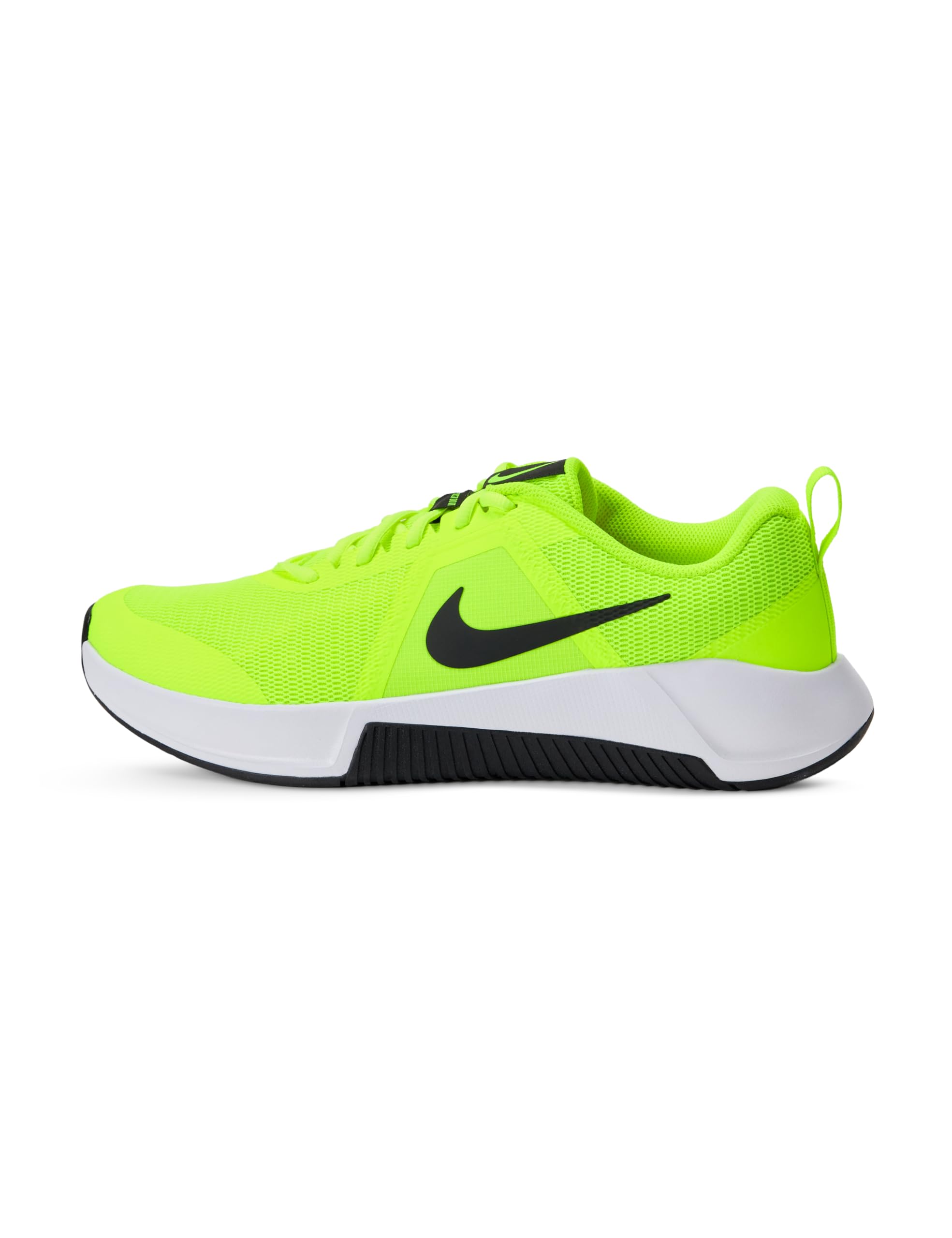
The one-shoe-for-everything trainer that moves from pickup basketball to deadlifts.
The defining feature here is the high, flat, stable base that keeps you grounded during lateral movements. The forefoot flex grooves give you flexibility where you need it, and the foam midsole provides moderate cushioning for a secure fit during rigorous activity. Buyers describe it as the one sport shoe that can handle everything—park, pickup basketball, gym, and it works great across the board.
Durability and versatility are the strengths, with a wide toe box and low drop making it comfortable for running, rowing, stairs, deadlifts, squats, and burpees. It’s stylish enough for social wear too, which is rare for a dedicated trainer. The fit is generally true to size, though some buyers suggest ordering a half size up if you’re between sizes or have wider feet.
Compared to the Reebok Nano X4 below, the Nike MC Trainer 3 offers similar versatility with a slightly simpler build. The heel cup can feel a bit fragile when putting the shoe on, but the materials and stitching seem decent overall.
All-Purpose Power
- Flat, stable base keeps you grounded for lifts
- Versatile for running, lifting, and casual wear
- Wide toe box and low drop for comfort
- True-to-size fit for most buyers
Minor Gripes
- Heel cup can feel fragile when putting on
- Some buyers need a half size up for width
Grab these if: you want one versatile trainer that handles everything from lifting to pickup games without looking out of place.
Think twice if: you need heavy cushioning for long-distance running or have very wide feet that need extra room.
7. Reebok Men’s Nano X4
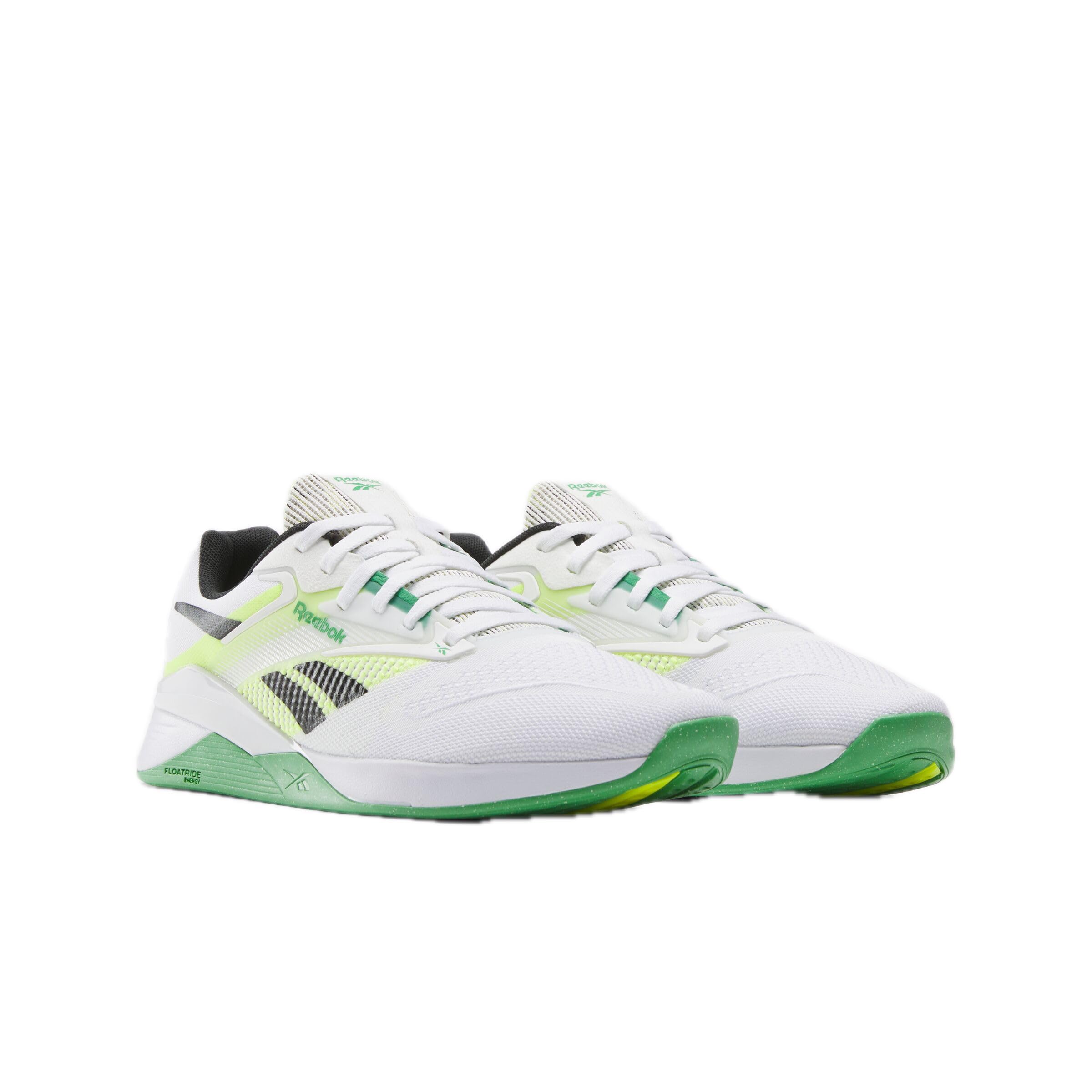
The athlete’s hybrid that compresses for lifts and softens for runs.
The Nano X4’s a neat extra is the Lift and Run Chassis system—a dome-shaped heel piece that compresses under load for a stable platform, then softens when you push off to run. At 1.9 pounds, it’s lighter than the Adidas Amplimove’s 2.43 pounds, making it easier to move through a fast-paced HIIT session. The Flexweave knit upper is breathable yet durable, and the Floatride Energy Foam provides responsive cushioning that keeps running feeling easy.
Quality and comfort win buyers over, with a strong base praised for leg days and HIIT. The Fit aspect gets the most discussion, and honestly—the Nano runs narrow, with several buyers advising a half size up if you’re between sizes. If you have a larger foot, the toe box offers plenty of space without needing a wide version.
For medium-intensity incline walks, lifting, and everything in between, this shoe holds its ground. It’s a serious all-rounder that handles cardio and weights without compromise, though the narrow fit demands attention when ordering.
Lift and run hybrid: The dome-shaped heel compresses for stable lifts and softens for runs, making this superb for HIIT and mixed sessions.
Order carefully: The Nano X4 runs narrower than previous versions, so try a half size up if you’re between sizes.
8. Xero Shoes Women’s Prio Neo
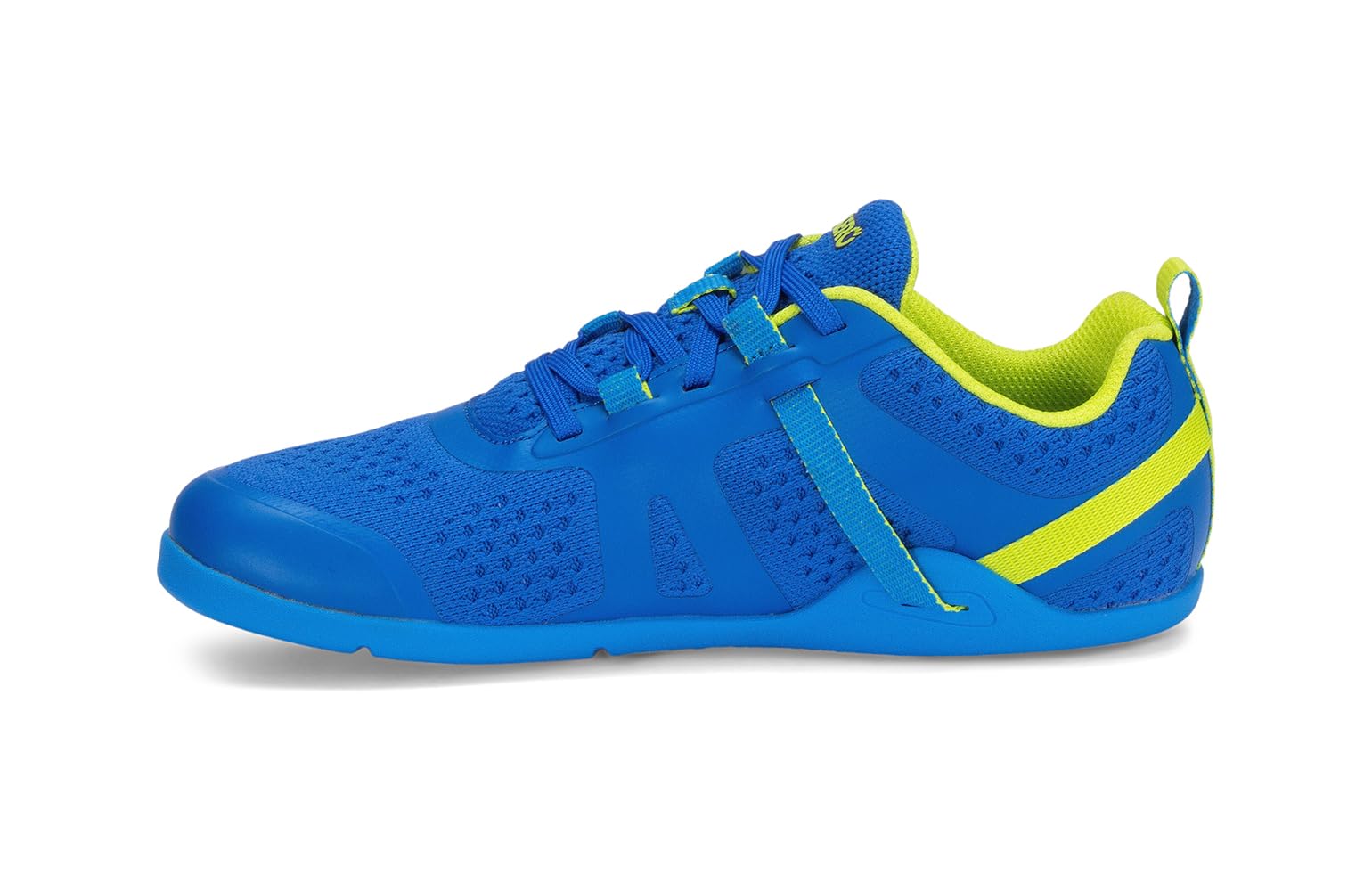
The barefoot trainer that treats your feet to natural movement and true protection.
This is the premium barefoot option, and it earns the price with a breathable, lightweight build that’s 100% vegan. The wide toe box and stable arch support get steady praise, with buyers noting they’re comfortable enough for concrete and asphalt. The sole is very bendy but doesn’t feel cheap or unstable—it grips like a tire and lets you walk naturally.
Comfort earns raves, but the barefoot transition takes time. Buyers coming from heavily cushioned shoes report an adjustment period with calf or knee pain, and some found they needed an orthotic insole at first. Sizing is genuinely inconsistent—some say true to size, others need a full size up. One buyer’s usual 9 was too small while 9.5 fit perfectly, and another advises going a whole size larger, not half.
If you’re ready to ditch the cushion and train in a shoe that lets your feet work naturally, this is a top-tier choice. Just budget time for your feet to adapt and order a size up to be safe.
Natural movement: Zero drop, wide toe box, and a bendy sole give true barefoot feel with road protection for walking or lifting.
Plan for adjustment: Transitioning from cushioned shoes takes time, and sizing runs inconsistent—size up to be safe.
9. ASICS Unisex SUPERBLAST 3

The cloud-soft runner that turns long miles into an easy cruise.
At 1.44 pounds, the SUPERBLAST 3 is impressively light for a shoe with this much cushioning. Comfort headlines here—buyers call it super cushiony, soft, and roomy in the toe box for long runs. The fit is true to size for most, though some runners size down half a size for a snugger feel.
This is a running shoe first and a gym shoe second. It’s not built for heavy lifting—the soft, bouncy midsole sacrifices the stable base that squatting needs. But for gym sessions that start with a long run on the treadmill or the track, then move to light accessory work, this is a stellar choice. The cushioning is responsive, and reviewers point out no foot pain even after long runs.
The durability draws mixed reviews though, with some reporting the shoes aren’t built to last. They also squeak on some surfaces. If your yellow gym shoe needs to double as a serious running shoe, this is the most comfortable option here—just don’t expect a lifting platform.
Run-first comfort: Super-soft, lightweight cushioning makes this ideal for long runs and treadmill-heavy gym sessions.
Not a lifter: The plush midsole lacks the stable base needed for heavy squats, and durability draws mixed feedback.
Understanding the Specs
Drop (Heel-Toe Height)
Drop is the height difference between the heel and the toe of a shoe, measured in millimeters. A zero-drop shoe sits completely flat, like being barefoot—this is ideal for lifting and natural foot movement. A shoe with a raised heel shifts your weight forward, which can help you reach proper depth in squats. Think about your main lifts and ankle mobility when deciding between the two.
Midsole Cushioning
The midsole is the foam layer between the outsole (bottom rubber) and the upper (the part covering your foot). More cushioning means more comfort for running and long sessions, but it also means less ground feedback and stability under heavy loads. Less cushioning, like in barefoot shoes, gives you better floor feel for lifting but can be harsh for long runs. Match the cushioning to your workout mix.
FAQ
Are yellow gym shoes a practical choice for everyday training?
What’s the difference between zero drop and a raised heel for lifting?
Will yellow gym shoes fit the same as my regular sneakers?
Can I use running shoes for weightlifting?
How long do yellow gym shoes typically last?
What does a wide toe box do for my training?
Are high-top gym shoes better for ankle support?
How do I clean yellow gym shoes without ruining them?
What’s the best yellow gym shoe for someone with flat feet?
Final Thoughts: The Verdict
For most gym-goers, the yellow gym shoes winner is the Adidas Amplimove because it balances durability, comfort, and versatility for everything from HIIT to daily wear at a reasonable price. If you want a shoe that’s built specifically for heavy squats and powerlifting, grab the MANUEKLEAR Lifters. And for a gym shoe that doubles as a serious running shoe, the ASICS SUPERBLAST 3 is the one to reach for.
How We Picked
We do not accept paid placement. Every pick is matched to a real buyer and a real use-case; we do not hands-on test units.
Sources & Methodology
Specifications: manufacturer listings and product documentation. Review insights: verified customer reviews, as of August 2026. Pricing: not shown on this page (it changes often); check the current price via the retailer link.
As an Amazon Associate, Calories Fit earns from qualifying purchases. This does not affect which products we feature.