
Our readers keep the lights on and the coffee maker working hard! As an Amazon Associate, I earn from qualifying purchases.
Specs are compiled from manufacturer listings and verified buyer reviews and can change over time — please confirm the key details on the product page before buying.
Cross-country skiing is a workout, and a workout makes you sweat — so the wrong gloves leave you either freezing or clammy within the first kilometer. The right XC ski glove blocks wind without trapping heat, keeps fingers dexterous for pole grip, and fits snugly to feel the snow. For cross-country skiing, breathability and a precise fit matter as much as warmth.
I’m Mohammad — the founder and writer behind Calories Fit. This guide is built by comparing the manufacturers’ published specifications and the patterns across verified customer reviews, so you get each pick’s real strengths and trade-offs instead of marketing spin.
Whether you’re a weekend tourer or a daily classic skier, the best xc ski gloves balance windproofing with breathability and a snug fit that won’t let cold air in.
Our Picks at a Glance

How To Choose The Best XC Ski Gloves
Cross-country skiing generates serious body heat while exposing you to cold wind. The ideal glove manages heat and sweat while keeping fingers nimble for hours of pole grip.
Start with windproofing, not just warmth
At speed, wind chill steals heat from your hands. A windproof layer like GORE-TEX INFINIUM keeps fingers warmer than thicker insulation without a wind barrier.
Dexterity decides your technique
You need a firm pole grip and snow feel through your hands. Bulky insulation hinders finger bending, ruining pole plant and rhythm. Look for gloves with a leather palm for grip and a slim profile — you want warmth without losing the ability to move each finger freely.
Fit is the quiet make-or-break
A glove that’s too loose lets cold air circulate inside; one that’s too tight restricts blood flow, which ironically makes your hands colder. Many cross-country gloves run small, so check sizing carefully — and if you’re between sizes, consider sizing up to accommodate a thin liner.
Quick Comparison
| Model | Best For | Insulation | Palm Material | Windproof | Amazon |
|---|---|---|---|---|---|
| Hestra Comfort Tracker★ Best Overall | Very cold active days | G-Loft Fiberfill | 3-layer interlock polyester | Yes | Amazon |
| Swix Star XC 3.0 (Men’s)Top Performer | Racing and all-level skiing | PrimaLoft chopped | Synthetic with padding | — | Amazon |
| Hestra Windstopper Tour | Ski touring with sweat | Hestra Melange Fleece | Impregnated goat leather | Yes (GORE-TEX INFINIUM) | Amazon |
| Swix Women Star XC 2.0 | Breathable cold-weather sport | PrimaLoft at top of hand | Lycra | — | Amazon |
| Barnett Sports NBG-03 | Budget mild-weather skiing | Neoprene | Neoprene | Yes | Amazon |
| NBG-05 Cross-country Gloves Pro | Budget leather-grip skiing | Microfiber fleece | Pittards cabretta leather | Yes | Amazon |
In‑Depth Reviews
1. Hestra Comfort Tracker 5-Finger Glove
Our pick — over 4.5★ from 20+ verified ratings; the strongest balance of quality and price.
The glove that survives 18°F mornings while you’re still moving fast enough to work up a sweat.
This is the pair that dedicated cold-weather skiers and runners keep coming back to, and the reason is in the insulation — G-Loft Fiberfill that keeps hands warm without the bulk that gets in the way of gripping poles. Owners with poor circulation (the kind who run 35-60 miles a week) report it handles 18°F (-8°C) with a liner and mid-20s°F (-4°C) without one, which is warmer than the Hestra Infinium Momentum.
The construction is what wins people over — quality materials and a fit that feels custom, with a brushed polyester lining that’s warm without being too thick. You get a neoprene cuff that seals out snow and an elastic wrist that keeps the glove in place during vigorous arm swings. It’s a 5-finger design, so you keep full finger separation for pole control, unlike the mitten-style alternatives that trade dexterity for warmth.
The honest trade-off is that this isn’t an extreme-cold mitten — owners note it’s “not extremely warm, but that’s not what they’re totally for.” Above freezing, it’s described as perfect for spring skiing, but on sub-zero days a mitten is the better choice. The crowd — a small but devoted group of 24 owners — rates it 4.7 stars, while the Hestra Powder Gauntlet comparison lists 4.6 stars from 23 owners.
Built for motion: the windproof shell and slim insulation mean your hands stay warm through hard exertion, not just while standing still.
Reach for these if: you ski or run hard in genuinely cold conditions and want warmth that doesn’t sacrifice finger movement.
Look elsewhere if: your coldest days drop well below zero — you’ll want a mitten for that kind of cold.
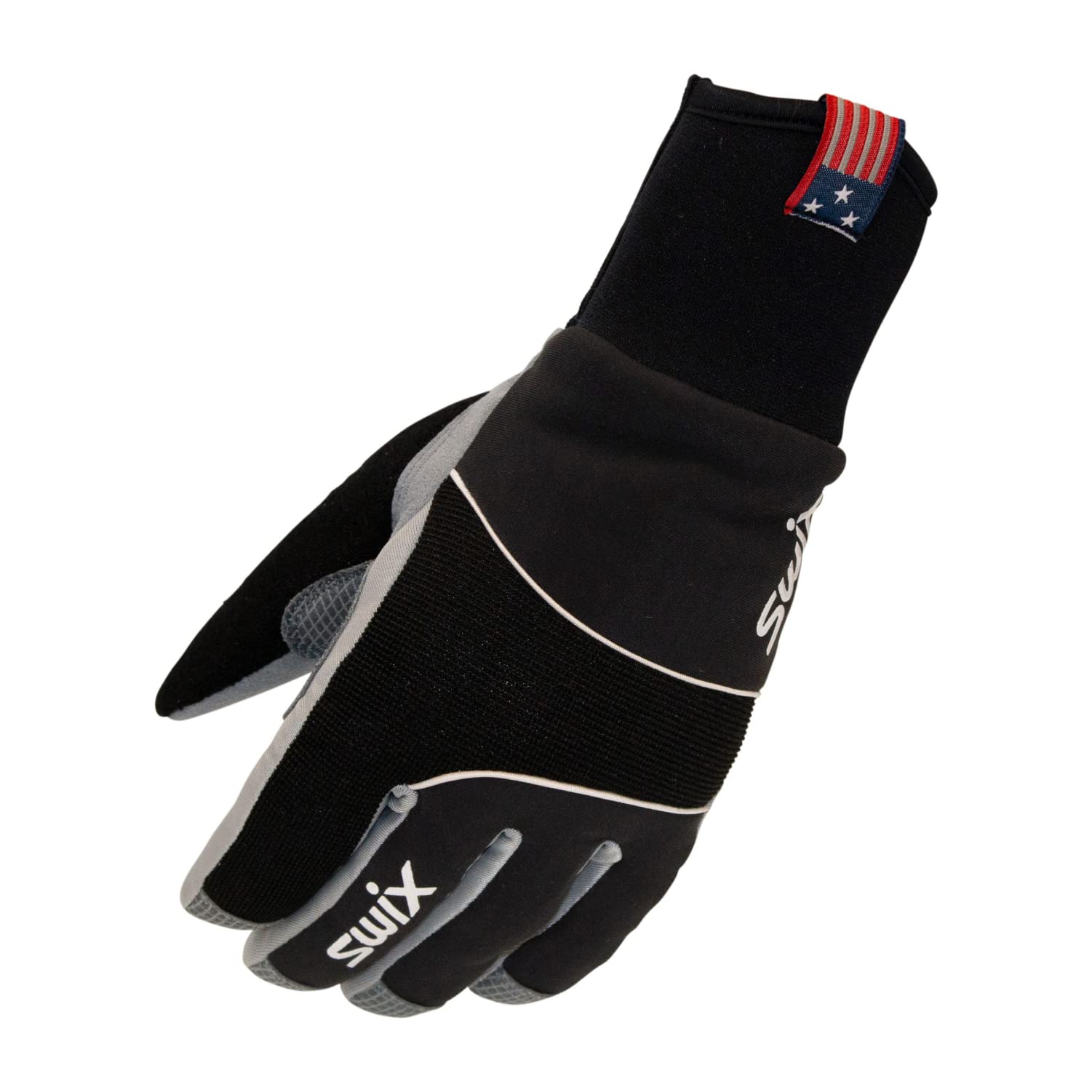
2. Swix Star XC 3.0 Glove (Men’s)
A ski-racing glove that earns decade-long loyalty by staying warm even when soaked through.
This heavyweight racing glove is built for skiers who push hard, with PrimaLoft chopped insulation lining both the palm and the upper hand. The 4-way stretch lycra main fabric moves with you, while the synthetic palm features padded reinforcement and side and thumb pads add durability where you grip your poles. It’s the glove for all-level skiers who want race-day performance without the frostbite risk.
The standout trait owners rave about is that these gloves aren’t waterproof, yet they “stay warm even when soggy” — a huge deal when you’re working up a sweat that soaks through from the inside. One long-term fan has skied every season with this brand for a decade and keeps buying the exact same style. Fit is the aspect owners praise most, and the gloves handle low-20s°F temperatures without getting sweaty during climbs.
Be realistic about the insulation level, though. These aren’t for extreme cold — one owner describes them as “great for outdoor activity but not in extreme cold,” perfect for warmer winter days and walks. The warmth feedback is genuinely mixed: most owners stay warm even when wet, but a few find them insufficient for their coldest days. At 4.3 stars from 23 owners, it’s a solid pick for active skiers who run warm.
Race-ready warmth: the PrimaLoft lining and padded palm keep you warm and protected during high-exertion skiing, not just casual outings.
Best for: skiers who generate serious heat and want a glove that stays warm even after it gets soaked through.
Not for: extreme-cold days — the insulation is moderate by design, so pair with liners for deep freezes.
3. Hestra Windstopper Tour Glove

A fleece-lined glove with an impregnated goat leather palm that blocks wind while you work up a sweat.
Hestra has been making gloves since 1936, and the Windstopper Tour is built specifically for cross-country skiing and ski touring — sports where you sweat but still need wind protection. The key is the GORE-TEX INFINIUM WINDSTOPPER Micro Check lining, which is windproof and breathable, so cold air stays out while moisture escapes. The Hestra Melange Fleece keeps hands warm without the bulk.
The impregnated goat leather palm is what makes this glove stand out — it stands up to tough use, protects your hands, and gives you a secure grip on poles. A pull strap with Velcro closure makes it easy to get on and off, even with cold, stiff fingers. Buyers report it keeps hands warm in temperatures as low as the teens for dog walks, with the leather palm a definite plus. It runs small, so size up — one owner found size 11 fits like a Men’s Large, with size 10 being too tight.
The warmth expectations need a reality check. One owner notes that “not near as warm as expected” — when you touch anything that’s been outside, the cold comes right through. But for active sports where you generate your own heat, the balance of warmth and dexterity is exactly right. It’s a 4.4-star glove from 26 owners who praise its durability and comfort for all outdoor activities.
Swedish craftsmanship: the combination of goat leather durability and windproof fleece makes this a glove that lasts for years of winter adventures.
Choose this if: you want a premium glove with a leather palm that handles both ski touring and everyday winter wear.
skip it if: you expect mitten-level warmth — it’s a breathable active glove, not a deep-freeze barrier.
4. Swix Women Star XC 2.0 Glove
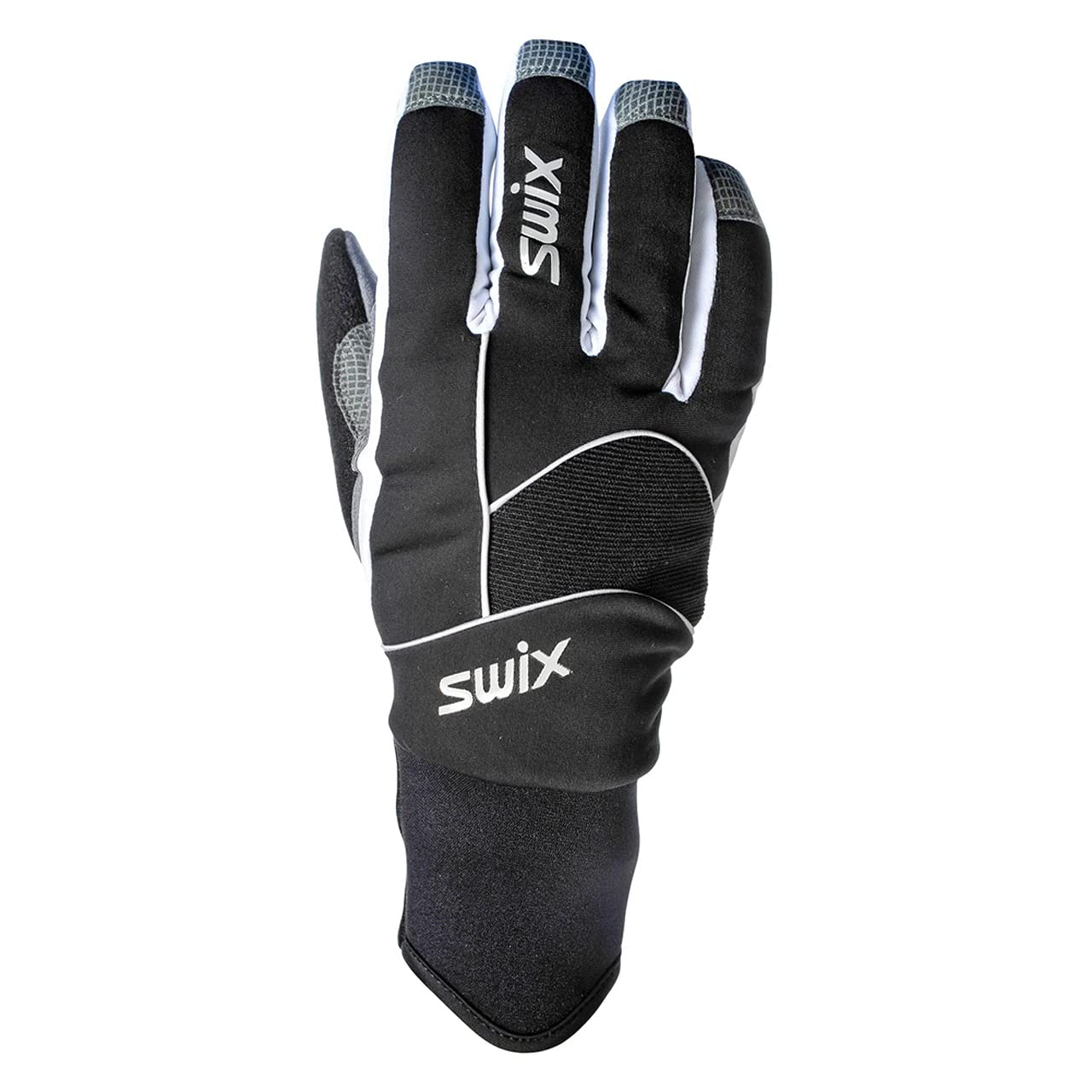
A breathable Lycra glove that keeps your hands warm where they need it — the top — while staying flexible.
This women’s glove takes a smart approach to insulation: PrimaLoft at the top of the hand for low-bulk warmth, with Lycra in key areas for uninhibited stretch. That means your palms stay flexible for gripping poles while the back of your hand — where the wind hits — gets the thermal protection. The 3D anatomical design is shaped to match how your hand actually moves during skiing.
It’s built for breathable protection during active sports in cold conditions, with reinforced fingers that increase durability where you grip your poles. The acrylic, neoprene, and polyester blend gives it structure without stiffness, and the elastic closure keeps it snug against your wrist. This is a glove designed for the skier who runs warm and needs ventilation more than heavy insulation.
The catch is in the flexibility. Owners mention these “look great, they fit great, but are stiff and make bending your fingers difficult” — a real drawback when you’re trying to maintain a relaxed grip on your poles. At 4.6 stars from 29 owners, the quality is solid, but the stiffness means this is best for skiers who prioritize warmth and durability over maximum finger freedom.
Targeted warmth: the PrimaLoft placement on the top of the hand delivers heat where wind hits, leaving palms free to grip.
Best for: women skiers who want breathable warmth and a snug fit for active cold-weather training.
Think twice if: you need maximum finger flexibility — the stiffness can slow down your pole work.
5. Barnett Sports Cross-country Ski Gloves NBG-03
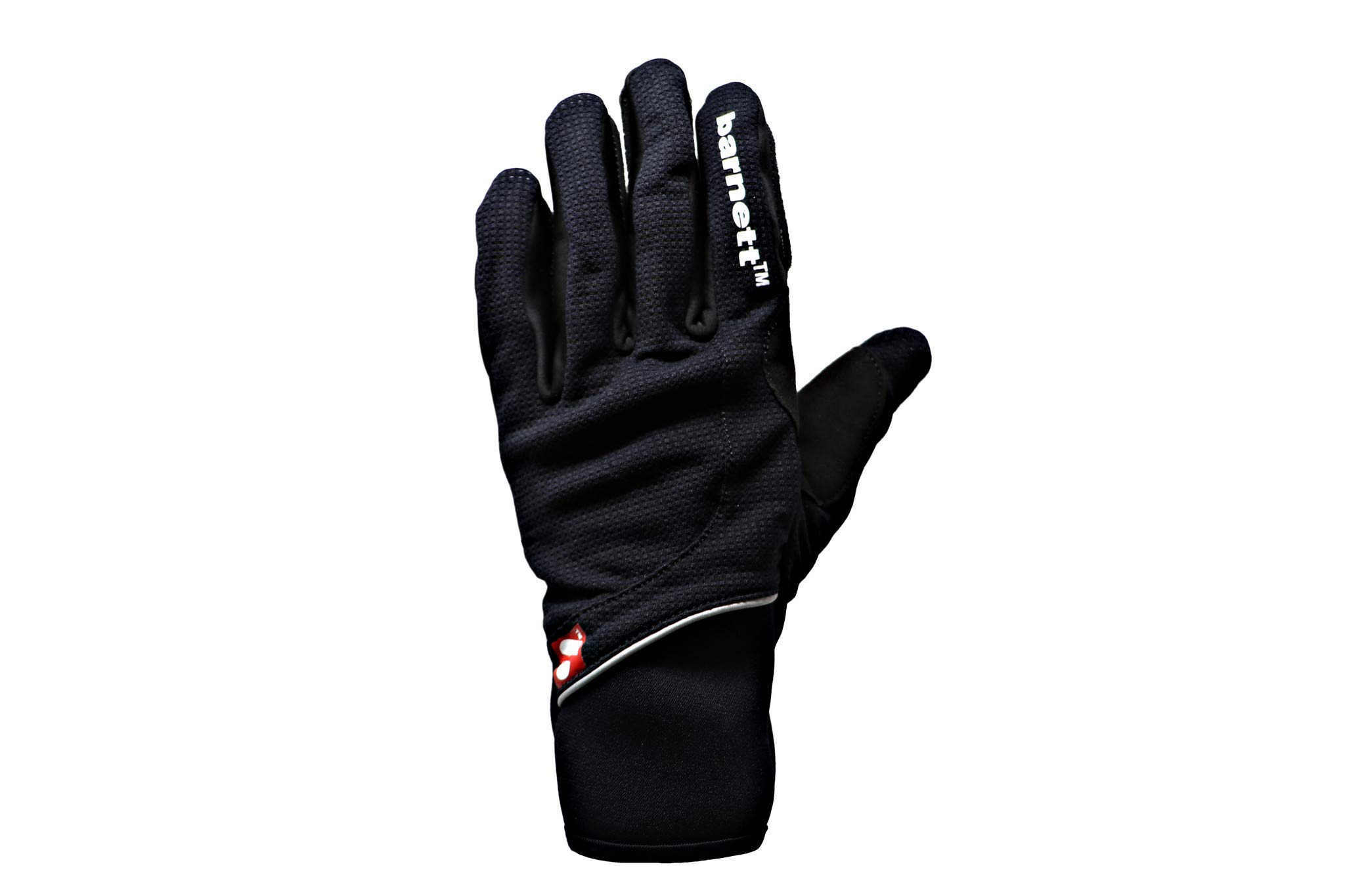
A no-frills neoprene glove that seals out wind and water for mild-and-dry cross-country days.
This budget pick keeps things simple — a neoprene glove that’s windproof and water resistant, with efficient sweat removal and insulation against cold. It’s a pull-on design with an ambidextrous fit, meaning you don’t have to fiddle with left-and-right labeling. At just 3.84 ounces, it’s light enough to forget you’re wearing it.
Owners who’ve tested it confirm it “fits well, and can sustain head up to its suggested -15 degrees” — but they’re quick to add you’d “need something thicker for anything beyond that.” The temperature range is listed for +5°/-10°C, which translates to roughly 41°F down to 14°F. For that mild-to-cold range, it’s described as “perfect xcountry gloves” by multiple owners who use them exactly for this sport.
The reality check: some owners find them “not warm at all” for cold weather and unusable without a liner underneath. The warmth is genuinely borderline — fine for active skiing in mild conditions, insufficient for deep cold. Sizing and temperature claims have also drawn criticism from a few buyers, so treat the -15°C claim with caution and plan for the milder end of its range.
Simple and light: the neoprene construction offers windproofing and water resistance without the weight of insulated racing gloves.
Grab these if: you ski in mild conditions around freezing and want a cheap, effective glove for active days.
Pass on these if: your ski days regularly drop well below 14°F — you’ll need a liner or a warmer glove.
6. NBG-05 Cross-country Gloves Pro

A leather-palm glove that delivers excellent grip and wind protection — if you nail the sizing.
This glove leads with its materials: Pittards cabretta leather on the palm for a quality grip, soft microfiber fleece on the hand’s back for cozy comfort, and a wind blocker to cut the chill. The Clarino Amara fabric adds excellent resistance to wear. It’s a cross-country glove that prioritizes feel and grip over heavy insulation — ideal for active skiing where you need to handle poles confidently.
Owners who got the fit right call it “almost perfect” — excellent leather grip, minimal insulation and padding, wind and sun protection, and great dexterity. For cross-country skiing specifically, it’s described as great value, keeping hands warm in milder winter conditions. Those who sized up correctly found it well-made with good grip and wind resistance, working great for biking and winter sports down to about 40°F.
But the sizing is the recurring issue — it runs small, with an XL fitting like an L, and no XXL available. The warmth claims are also disputed: the advertised -4°F rating is optimistic, since hands froze at +10°F in one test. Quality feedback is genuinely mixed, with some owners praising the construction and others reporting issues. This is a budget glove that rewards careful sizing and realistic temperature expectations.
Leather grip, low bulk: the cabretta palm gives you pole control that neoprene gloves can’t match, with minimal insulation for dexterity.
Reach for these if: you want a leather-palm glove for mild cross-country days and you’re confident sizing up.
Look elsewhere if: you need genuine deep-cold warmth — the temperature rating runs optimistic, so pair with liners for anything below freezing.
Understanding the Specs
Windproofing vs. Insulation
A windproof membrane (like GORE-TEX INFINIUM) stops cold air from flushing away your body heat, which is the real enemy when you’re moving fast. Insulation (like PrimaLoft or G-Loft) traps your own heat, but more insulation means more bulk — and bulk hurts your grip on ski poles. The best cross-country gloves balance both: enough insulation for the cold, plus a windproof layer to keep that heat from being blown away.
Fit and Dexterity
Cross-country skiing demands a glove that fits snugly enough to feel the poles but loosely enough to maintain circulation — a glove that’s too tight actually makes your hands colder by restricting blood flow. Leather palms (like goat or cabretta) give you the grip you need, while a 4-way stretch fabric like Lycra keeps fingers moving freely. If you’re between sizes, size up to accommodate a thin liner on colder days.
FAQ
How warm do XC ski gloves need to be?
What temperature rating can I trust on a ski glove?
Are leather-palm ski gloves better than synthetic?
Do XC ski gloves run small in size?
Can I use running gloves for cross-country skiing?
What’s the difference between the Swix Star XC 2.0 and 3.0?
Should I get mittens instead of gloves for XC skiing?
Are XC ski gloves waterproof?
Final Thoughts: The Verdict
For most skiers, the best xc ski gloves are the Hestra Comfort Tracker because they nail the balance of windproof warmth, dexterity, and fit that cross-country skiing demands. If you race hard and run warm, the Swix Star XC 3.0 is the one to reach for — it stays warm even when soaked. And on a budget, the Hestra Windstopper Tour brings premium leather-palm durability without the premium price tag.
How We Picked
We do not accept paid placement. Every pick is matched to a real buyer and a real use-case; we do not hands-on test units.
Sources & Methodology
Specifications: manufacturer listings and product documentation. Review insights: verified customer reviews, as of August 2026. Pricing: not shown on this page (it changes often); check the current price via the retailer link.
As an Amazon Associate, Calories Fit earns from qualifying purchases. This does not affect which products we feature.