
Our readers keep the lights on and the coffee maker working hard! As an Amazon Associate, I earn from qualifying purchases.
Specs are compiled from manufacturer listings and verified buyer reviews and can change over time — please confirm the key details on the product page before buying.
The honest truth about cross-country ski gloves is that they are not a frozen-pinkie punishment—they are a dexterity tool. You need to grip a thin pole, adjust a zipper, and manage a phone, all while your core works hard and your hands run the risk of sweating. The best X Country Ski Gloves balance a windproof shell with a slim profile so your fingers stay nimble instead of stuffed in a bulky mitten.
I’m Mohammad — the founder and writer behind Calories Fit. This guide is built by comparing the manufacturers’ published specifications and the patterns across verified customer reviews, so you get each pick’s real strengths and trade-offs instead of marketing spin.
Focus on what actually drives your decision: insulation weight, palm material for grip, and whether the cuff seals out snow. Choose x country ski gloves that prioritize a snug fit and wind resistance over raw bulk, because a heavy glove will tire your grip long before it warms you.
Our Picks at a Glance


How To Choose The Best X Country Ski Gloves
Start with the type of skiing you do. A classic tourer who skis for two hours at a steady pace needs a breathable, windproof glove. A sprinter or racer wants something even lighter with maximum feel for the pole. A beginner on a cold, windy day might prioritize a warmer, insulated option.
Insulation and Temperature Range
Cross-country skiing generates significant body heat, so you often need less insulation than you think. A glove rated for mild winter conditions will keep you comfortable during active effort, but you will feel the cold when you stop. Look for a stated temperature range and consider whether you run hot or cold before choosing.
Palm Material and Grip
The palm is where you grip the pole, so its material dictates control. Leather palms, like goat or cabretta, offer a secure, durable grip that molds to your hand. Synthetic materials like Clarino are lighter and often more affordable but may not last as long. Choose based on how often you ski and how much friction your pole grip creates.
Cuff and Fit
A snug fit prevents blisters and helps you feel the pole, while a longer cuff keeps snow out. A tight, stretchy knit cuff is ideal for dry, fast skiing. A longer neoprene or hook-and-loop cuff offers more protection against snow and wind. Make sure you can move your fingers freely without the glove bunching.
Quick Comparison
| Model | Best For | Weight | Insulation | Palm Material | Amazon |
|---|---|---|---|---|---|
| Seirus All-Weather★ Best Overall | Everyday active use | 1.28 oz | Polartec Fleece | Ultragrip | Amazon |
| Hestra Comfort TrackerHigh Output | High-output touring | — | G-Loft Fiberfill | Polyester | Amazon |
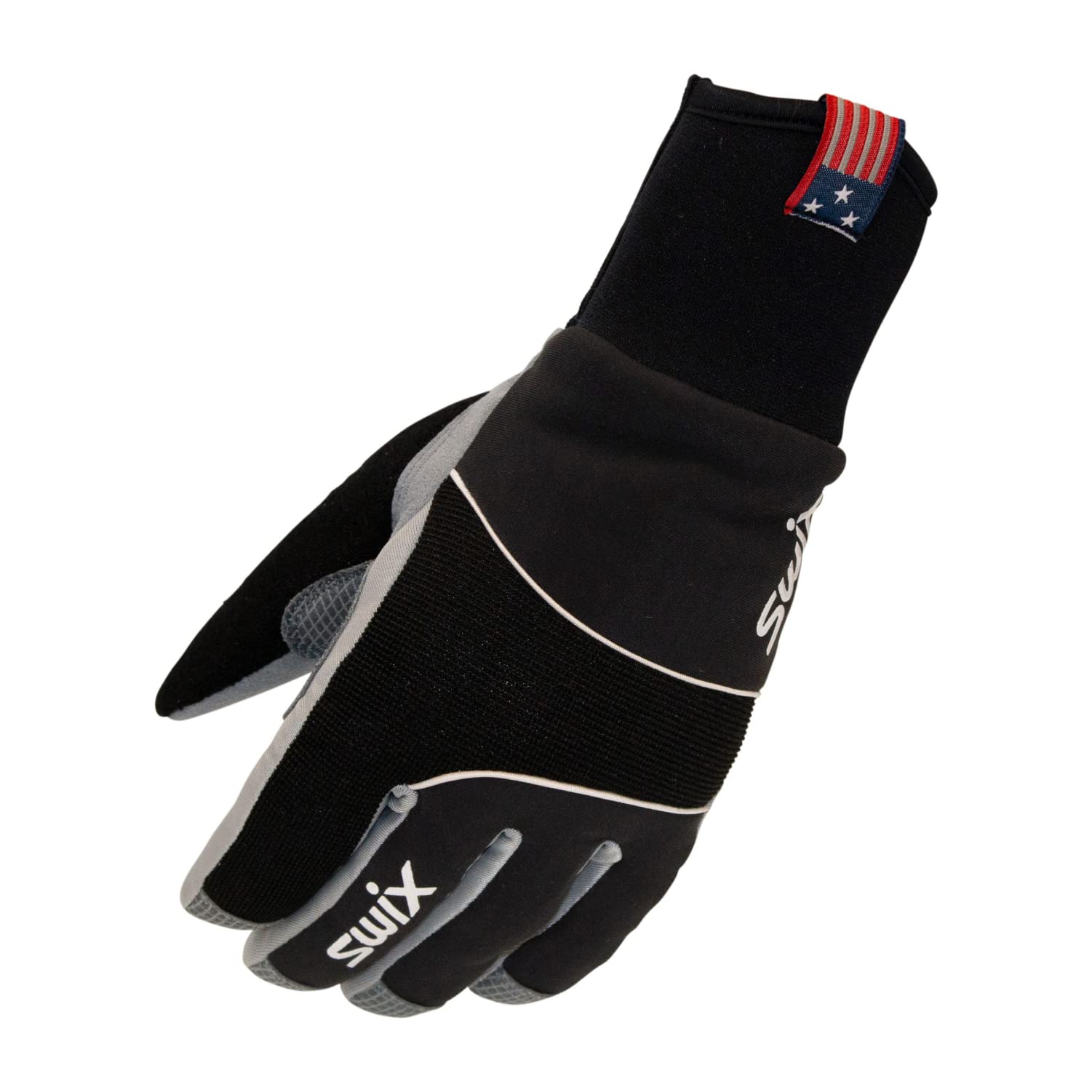
| Swix Star XC 3.0Warm Weather | Warm-weather skiing | 0.14 kg | Primaloft Chopped | Synthetic | Amazon |
| HYLA Wool Blend | Wet, rainy conditions | 0.09 kg | Wool Blend | Non-Slip Grip | Amazon |
| SKYDEER Deerskin | Extreme cold | — | 150g 3M Thinsulate | Deerskin Suede | Amazon |
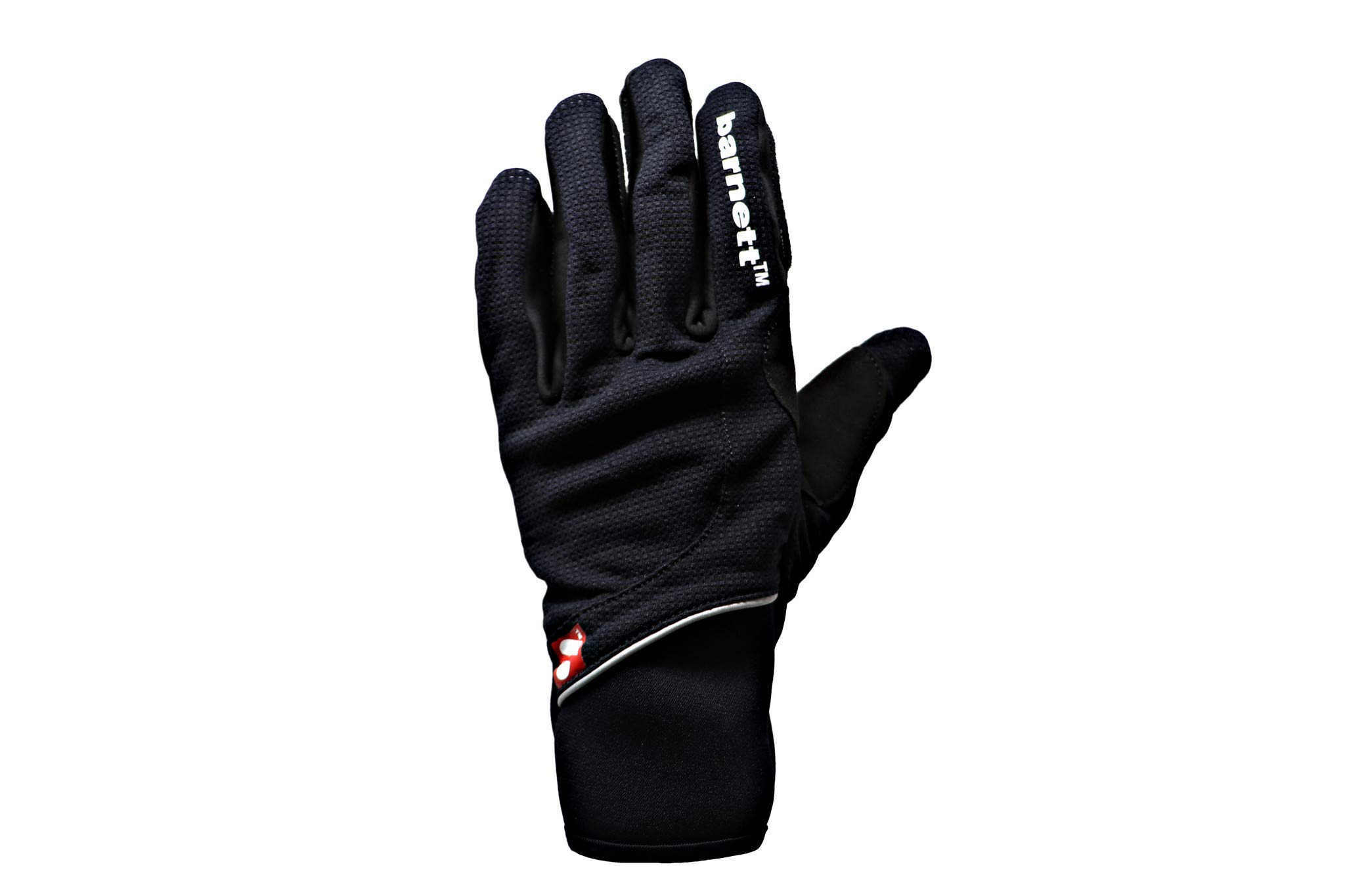
| Barnettsports Pro | Dexterity-focused skiers | — | Microfiber Fleece | Pittards Cabretta | Amazon |
| Barnettsports +5/-10C | Budget-friendly layering | 3.84 oz | Neoprene | Neoprene | Amazon |
| Hestra Windstopper Tour | Ski touring versatility | 6.4 oz | Melange Fleece | Goat Leather | Amazon |
| Black Diamond Spark | Resort & backcountry | 200 g | Primaloft Gold 60/170g | Goat Leather | Amazon |
In‑Depth Reviews
1. Seirus Innovation 1425 Men’s Original All-Weather Lightweight Form Fit
Our pick — over 4★ from 300+ verified ratings; the strongest balance of quality and price.
The featherweight that disappears on your hand while blocking the wind.
The defining trait of this glove is its complete lack of bulk. Weighing just 1.28 ounces, it is dramatically lighter than the 3.84-ounce Barnettsports +5/-10C model, making it the choice when you want to forget you are wearing anything at all. The 100% polyester shell with Polartec fleece lining delivers warmth without the weight, so your grip on the pole stays relaxed for hours.
The fit is what buyers consistently praise, with a stretch knit cuff that hugs snugly and allows easy on-and-off. The Hyperlite Weathershield Shell and Ultragrip palm provide a secure hold on poles, and the fleece lining keeps the inside soft against your skin. For active use above freezing, this is the glove that disappears on your hand while blocking the wind.
Touchscreen compatibility is a genuine bonus—the fingertips work with your phone, which is rare at this weight. The trade-off shows when temperatures drop below freezing: the warmth is real but limited, and a few buyers report the pointed fingers feel less refined. It earns a 4.4-star average from over 300 ratings, making it a crowd favorite.
Who it wins over: The skier who wants a barely-there glove for active days. The grip earns its keep, and the wind resistance is the main event, not the insulation.
The honest limit: This is not a deep-cold glove. For bitter sub-zero starts, you will want a heavier option underneath.
2. Hestra Comfort Tracker 5-Finger Glove
The runner-turned-skier’s pick for high-output days where sweat is the enemy.
This glove is engineered for exactly the kind of sustained effort that cross-country skiing demands. It is built with G-Loft Fiberfill insulation and a brushed polyester lining, a combination that keeps your hands warm without letting them overheat. A runner logging 35-60 miles weekly wore these at 18°F with a liner and praised their breathability for high-aerobic output.
The design philosophy is clear: this is not a resort glove. Fit is the standout feature, with the elastic wrist and neoprene cuff creating a secure, low-profile seal. The 3-layer interlock polyester outer material keeps the glove light and flexible, so pole grip and finger movement remain natural even when you are pushing hard.
Reviewers describe it as warm but not extreme, ideal for “above freezing” spring skiing or days when you are working up a serious sweat. This is a specialist tool—a glove for the skier who values breathability and dexterity over raw insulation. The 4.7-star average across two dozen ratings reflects a niche but very satisfied audience.
Built for tempo: A glove that vanishes during hard efforts, keeping hands breathable and warm. The G-Loft insulation handles active cold, not static cold.
Look elsewhere if: You ski slow and stop often. This is an output glove, and on a frigid, low-exertion day, your fingers will want more.
3. Swix Star XC 3.0 Glove – Men’s
The specialist’s glove for warmer days when too much insulation ruins the fun.
Swix builds this as a heavyweight ski racing glove, but the name is misleading—it is made for all-level skiers who want a precise, sensitive feel. The 4-way stretch lycra main fabric hugs your hand and moves with your grip, making pole control feel almost like an extension of your arm. The Primaloft chopped insulation is strategically placed to add warmth without sacrificing dexterity.
Fit is the most discussed aspect, and for good reason. The side and thumb pads add durability where you need it most, while the synthetic palm with padded reinforcement offers a secure, if not premium, grip. This glove excels on a “warmer winter day” when you want to head out for a walk or a ski without overheating, and owners mention it keeps hands warm in the low 20s without getting sweaty.
This is a niche pick for the skier who runs warm and prioritizes feel. It is not built for extreme cold—reviewers are clear on that—but for its intended window, it is a precision instrument. It holds a 4.3-star average from a smaller pool of verified buyers.
The specialist edge: A glove that moves like a second skin, perfect for when you need maximum feedback from the pole.
The boundary: This is a warm-day tool. On a sub-zero morning, the lack of heavy insulation will be felt.
4. HYLA Waterproof Wool Blend Gloves

The rain-sleet-and-slush glove that keeps your hands dry when the sky opens up.
This glove is a different beast: it is built to keep water out, which matters on wet, slushy tracks. The 100% waterproof and breathable membrane stops moisture from getting in while letting sweat escape, and the advanced wool blend warmth is rated for temperatures of 37°F and above. For a rainy commute or a damp spring ski, this is the one that keeps your hands comfortable.
The wool and polyester blend provides a snug, contoured fit that moves with you. The non-slip grip is made for handling poles, tools, or a bike, and the touchscreen fingertips let you use your phone without stripping off a glove. In heavy rain, it stays dry for 60 minutes before the shell soaks through and takes hours to dry.
The compromise is bulk. Customers note it is not the most dexterous glove, and the touchscreen can be clumsy, but the waterproofing is the star. With a 4.2-star average from over 650 ratings, it’s a proven workhorse for damp, chilly conditions, not deep cold.
Reach for this if: Your ski days involve more wet snow than dry cold. The membrane keeps you dry where fleece gloves fail.
Look elsewhere if: You need fine finger feel for quick pole adjustments or you ski in freezing temperatures—this glove is not built for that.
5. SKYDEER 100% Waterproof Deerskin Leather Ski Gloves
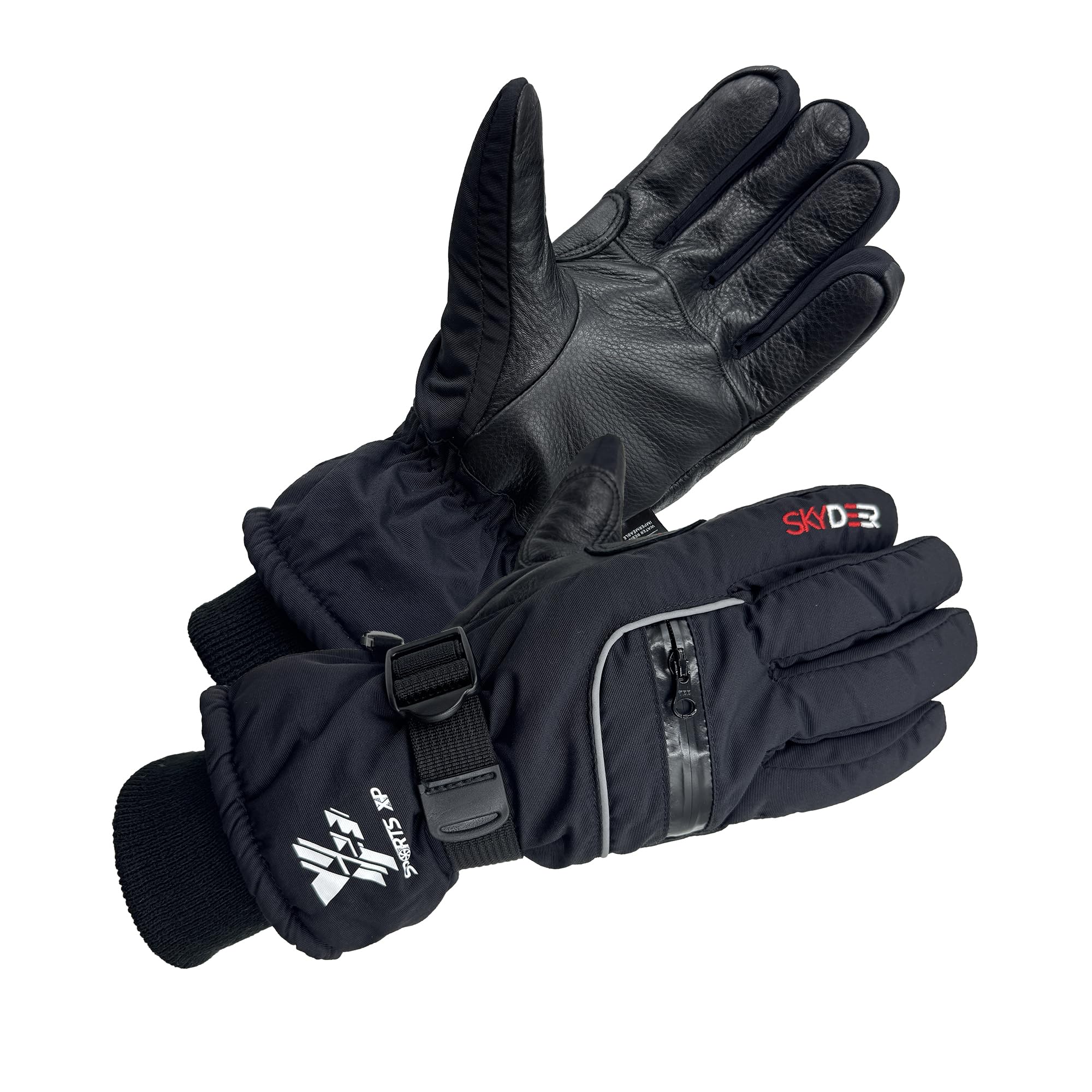
The sub-zero specialist that brings the warmth when the forecast gets serious.
When the thermometer drops, this glove earns its keep. It is built with 150g 3M Thinsulate insulation, which provides serious warmth while staying thin and light. The genuine deerskin suede leather palm is naturally soft and flexible, offering good abrasion resistance and a secure grip on your poles. SKYDEER rates it to -40°F, and owners confirm solid warmth on sub-zero commutes at -7°F.
What wins people over is the warmth—it is the most discussed aspect by a wide margin, with owners consistently praising how well it handles bitter cold. The 100% waterproof design uses a bladder inside to keep snow and moisture out, and the utility zip pocket on the back is perfect for stashing hand warmers or a key. The knitted inner cuff seals out drafts and fits most hand sizes.
The trade-offs are real. The inner lining can pull out when you remove the glove, making it hard to get your fingers back in. Some find the small zipper pockets impractical for anything but small items like money or chapstick. It is a warm, affordable option with a 4.4-star average from over 200 ratings, but it demands careful handling.
What owners rave about
- Warmth is the headline—great for very cold, active days
- Deerskin suede palm is soft yet durable for pole grip
- Zip pocket stores hand warmers for extreme conditions
Where it stumbles
- Inner lining can pull out on removal, requiring patience
- Small zipper pockets hold little beyond cash or lip balm
- Nothing to attach them to your coat or poles when off
6. Pro Cross-country Gloves by Barnettsports

The minimalist’s glove where leather grip and fine feel beat heavy insulation.
This glove takes the opposite approach to warmth: it trusts your ski effort to generate heat and focuses purely on feel. The Pittards cabretta leather palm gives you a secure, precise grip on the pole, and the microfiber fleece lining on the back of the hand adds a touch of warmth. A wind blocker on the back keeps the chill off without adding bulk.
When the sizing works, buyers describe it as “ideal”—minimal insulation, excellent dexterity, and great wind and sun protection. It is a glove for the purist who wants to feel every ounce of pole pressure. The use of Clarino Amara on the back adds durability to a design built for the repetitive motion of skiing.
The recurring theme, however, is fit. The gloves run small, with an XL fitting like a standard L and no XXL available for those who need it. Warmth is also a mixed bag: good to around 40°F for some, while others found it inadequate below 25°F. This is a high-dexterity tool with a modest 3.4-star average, best for those with average-sized hands who value grip over warmth.
The winning trait: Cabretta leather grip that connects you to the pole like nothing else at this level.
The catch: Sizing is the deal-maker or breaker—order carefully, and treat the warmth rating as optimistic for cold days.
7. Cross-Country Ski Gloves by Barnettsports: +5/-10C
The budget workhorse that handles the wind but asks you to manage its limits.
This is a simple, no-frills neoprene glove built for the basics of cross-country skiing. It is windproof and water-resistant, which handles the two biggest enemies of a skier’s hands, and the neoprene construction provides efficient sweat removal to keep your hands from getting clammy. At 3.84 ounces, it is noticeably heavier than the 1.28-ounce Seirus at the top of this list, but it offers more structure and wind protection.
For the intended temperature window, it performs. One review confirms it fits well and holds heat to its -15°F rating, but you’ll need a thicker glove beyond that. It is a glove that does what it says within its range, and for an entry-level or budget-minded skier, that can be enough. The neoprene cuff and pull-on closure keep things simple and effective.
The honest caveats are significant. Multiple reviewers point out the sizing is unreliable, with some saying the temperature claims are optimistic and finding the gloves “not warm at all” without a liner beneath. This is a glove for mild winter days or for wearing as a base layer under a heavier shell, and its modest 3.5-star average reflects that it is a niche tool rather than a complete solution.
Best for: A skier on a budget who skis in milder conditions and understands the value of layering. The windproof shell is the core strength.
skip it if: You need deep-cold performance from the start—this glove expects you to add insulation when the mercury drops.
8. Hestra Windstopper Tour Glove

The Swedish-crafted touring glove where breathable warmth meets a durable leather grip.
Hestra brings decades of glove craftsmanship to the table, and the Windstopper Tour is proof of that heritage. It is made with Hestra Melange Fleece and an impregnated goat leather palm, materials chosen to stand up to tough use while keeping your hands warm and breathable. The GORE-TEX INFINIUM WINDSTOPPER Micro Check lining is windproof and breathable, making it ideal for ski touring where you work up a sweat but need wind protection.
Fit is a core Hestra philosophy, with the recommendation that a ¼ inch of material sits at your fingertips to allow air to trap heat. The pull strap with Velcro closure makes it easy to get on and off, and the 6.4-ounce weight is substantial enough to feel durable without being a burden. At 4.4 stars from a small pool of owners, it earns praise for retaining finger dexterity while staying warm at ski resorts.
The main limitation, as with many breathable gloves, is water. If snow melts on them, they get wet—owners advise patting off the snow to keep them dry. Some find the warmth lacking when touching objects that have been sitting outside in the cold. This is a high-quality, versatile glove for active touring, but it is not a waterproof or extreme-cold solution.
The craftsmanship edge: The goat leather palm and windproof lining make this a durable, breathable choice for high-effort touring.
Who should pass: Skiers facing wet snow or bitter static cold need a waterproof or heavier glove, not this one.
9. BLACK DIAMOND Men’s Spark Gloves
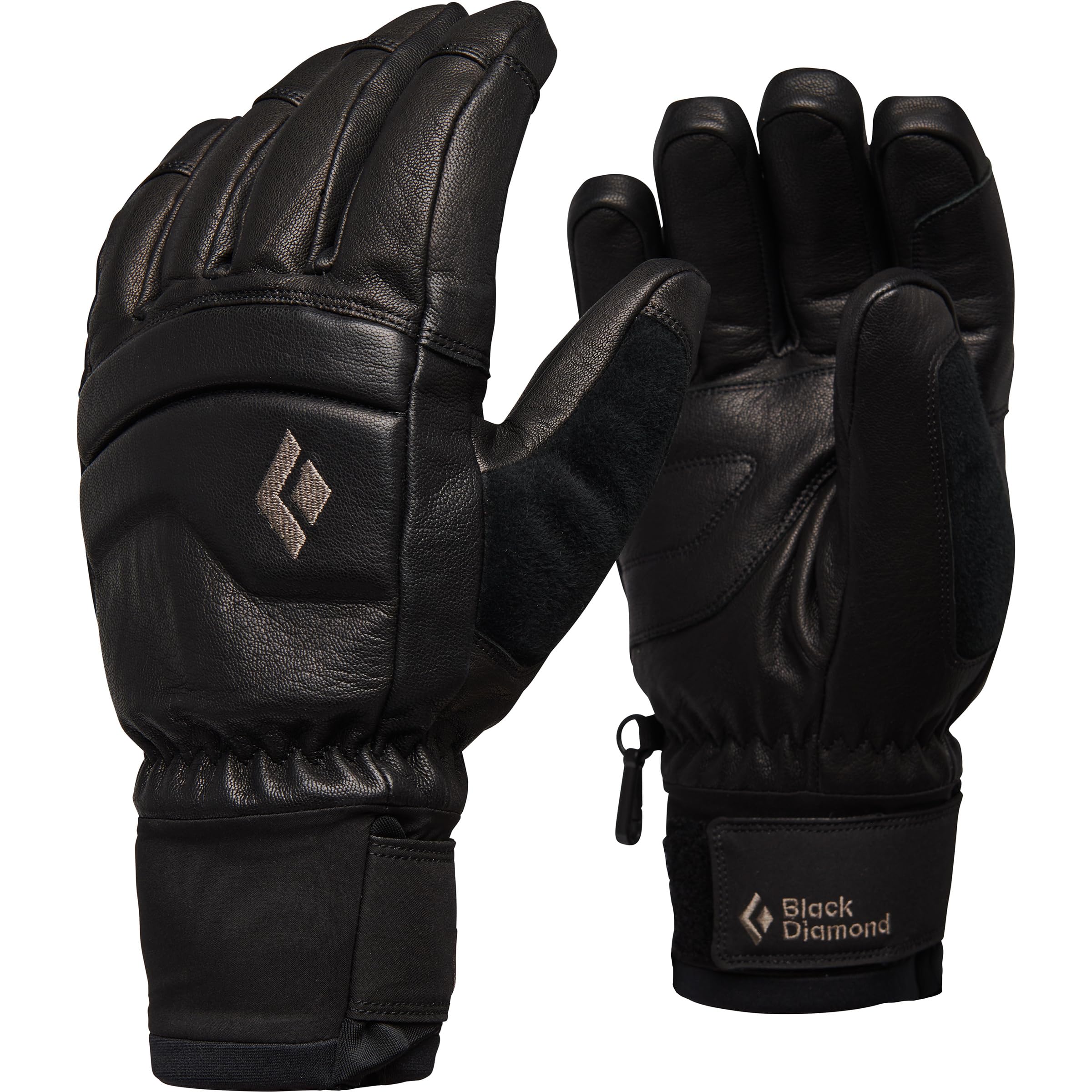
The all-mountain performer that bridges resort warmth with backcountry control.
Black Diamond positions the Spark as a bridge between resort and backcountry, and the build backs that up. It features a BD.dry insert—an engineered waterproof, breathable, and windproof layer that keeps snow out while letting moisture escape. The Primaloft Gold insulation is smartly distributed: 60g on the palm for dexterity and 170g on the back of the hand for warmth, striking a balance that is hard to find.
The premium goat leather shell provides exceptional grip and abrasion resistance, with reinforced palm and fingers that handle heavy wear from poles, gear, and rope. The fixed fleece lining adds a layer of softness and warmth, while the neoprene cuff with hook-and-loop closure seals out snow. Owners confirm it delivers on its promise: “wet on the outside but warm and dry on the inside.”
This is the most polished all-rounder on this list, sitting at a 4.6-star average from a small but very satisfied group of buyers. The one recurring note is that the inner lining can scrunch up when you pull the glove off, a minor annoyance against an otherwise stellar build. At 200 grams, it is heavier than a pure XC race glove, so it suits the skier who splits time between grooming and powder.
What makes it stand out
- BD.dry waterproofing keeps hands dry in wet snow
- Primaloft Gold insulation balances warmth and dexterity
- Goat leather shell is tough and grippy on poles
The small gripes
- Inner lining can bunch up during removal
- Heavier than dedicated XC race gloves
- Primarily suited for snow sports over pure racing
Understanding the Specs
Insulation Weight and Type
The amount and kind of insulation determine the warmth-to-weight ratio. Lightweight fills like Primaloft or Polartec fleece trap heat without bulk, making them ideal for high-exertion activities. Heavier fills like 150g Thinsulate offer more warmth for extreme cold but can tire your grip. Match the insulation to how hard you will be working.
Palm Material and Grip
Your palm does the critical job of gripping the pole all day. Leather palms, like goat or cabretta, offer the most secure, durable grip and mold to your hand over time. Synthetics like Clarino are lighter and cheaper but may not last as long. Consider how much friction your pole grip creates and how often you ski.
FAQ
Should I buy cross-country ski gloves a size up?
Are waterproof gloves better than windproof gloves for XC skiing?
Can I use my phone with cross-country ski gloves?
How warm do I need cross-country ski gloves to be?
Is a leather palm worth the extra cost?
Can I use alpine ski gloves for cross-country skiing?
How do I keep my cross-country ski gloves from getting soggy inside?
What is the difference between a knit cuff and a neoprene or hook-and-loop cuff?
Final Thoughts: The Verdict
For most skiers, the x country ski gloves winner is the Seirus All-Weather because it nails a strong balance of featherlight weight and wind protection for active days. If you want a high-output specialist glove that breathes like a running accessory, grab the Hestra Comfort Tracker. And for wet, miserable tracks where only waterproofing will do, the HYLA Wool Blend is the one to reach for.
How We Picked
We do not accept paid placement. Every pick is matched to a real buyer and a real use-case; we do not hands-on test units.
Sources & Methodology
Specifications: manufacturer listings and product documentation. Review insights: verified customer reviews, as of August 2026. Pricing: not shown on this page (it changes often); check the current price via the retailer link.
As an Amazon Associate, Calories Fit earns from qualifying purchases. This does not affect which products we feature.