
Our readers keep the lights on and the coffee maker working hard! As an Amazon Associate, I earn from qualifying purchases.
Specs are compiled from manufacturer listings and verified buyer reviews and can change over time — please confirm the key details on the product page before buying.
Picking the wrong pair of workout shoes can turn a great session into a day of regret. You need something that handles heavy squats, quick side-to-side cuts, and hours on your feet without breaking down. This guide looks at the specs and patterns from verified buyer reviews to find the models that actually deliver.
I’m Mohammad — the founder and writer behind Calories Fit. This guide is built by comparing the manufacturers’ published specifications and the patterns across verified customer reviews, so you get each pick’s real strengths and trade-offs instead of marketing spin.
A shoe that wiggles under a barbell or squeaks on every step can wreck your focus. For most gym-goers, best workout shoes for men means finding a pair that balances comfort, stability, and durability. The picks below cover nine solid options for different needs.
Our Picks at a Glance
How To Choose The Best Workout Shoes for Men
Workout shoes are not one-size-fits-all. The pair that feels great on a treadmill might feel wobbly under a barbell, so you need to match the shoe to your main activity.
Match the Heel Drop to Your Movement
The offset (the height difference in millimeters between the heel and forefoot) changes how your body sits during a squat or a run. A higher drop of 10mm favors runners who land on their heel first. A lower drop of 4mm to 6mm puts you closer to the ground for better balance during lifting. Most daily trainers land between 8mm and 10mm, striking a compromise for mixed gym use.
Cushioning vs. Stability
Plush foam like PWRRUN+ or DNA LOFT v3 feels great on long walks and recovery runs, but that same softness can make a heavy deadlift feel unstable. For strength work, look for a denser midsole or a molded heel clip that locks your foot in place. For cardio and running, prioritize energy return and forefoot flexibility.
Width and Toe Box
A narrow toe box pinches toes during lateral moves and can cause blisters on long sessions. Many of the products below are available in wide (2E/4E) sizing or naturally have a wider forefoot. If you have flat feet or high arches, this is the single most important fit factor to check before you order.
Quick Comparison
| Model | Best For | Cushioning | Heel Drop | Weight | Amazon |
|---|---|---|---|---|---|
| Nike Uplift SC★ Best Overall | All-day wear & walking | Thick foam midsole | — | — | Amazon |
| Adidas Ultradream DNAMost Stylish | Casual comfort & light gym | Dreamstrike+ foam | — | 1 lb | Amazon |
| Under Armour Charged Pursuit 4Budget Champion | Budget running & gym | Charged cushioning | — | — | Amazon |
| Adidas Terrex Tracefinder | Trail running & light hikes | Cushioned midsole | — | 2.13 lb | Amazon |
| UA Project Rock BSR 5 | Lifting & stability training | UA cushioning | — | 2.09 lb | Amazon |
| New Balance 608 V5 | Cross-training & long shifts | ABZORB heel + EVA | — | 2.14 lb | Amazon |
| Saucony Ride 18 | Daily running & speed work | PWRRUN+ foam | 8mm | 9.1 oz (259g) | Amazon |
| Reebok Nano X5 | CrossFit & lifting | Flexweave + molded heel | — | — | Amazon |
| Brooks Ghost 18 | Neutral road running & walking | Balanced, soft cushion | 10mm | 10.3 oz (292g) | Amazon |
In‑Depth Reviews
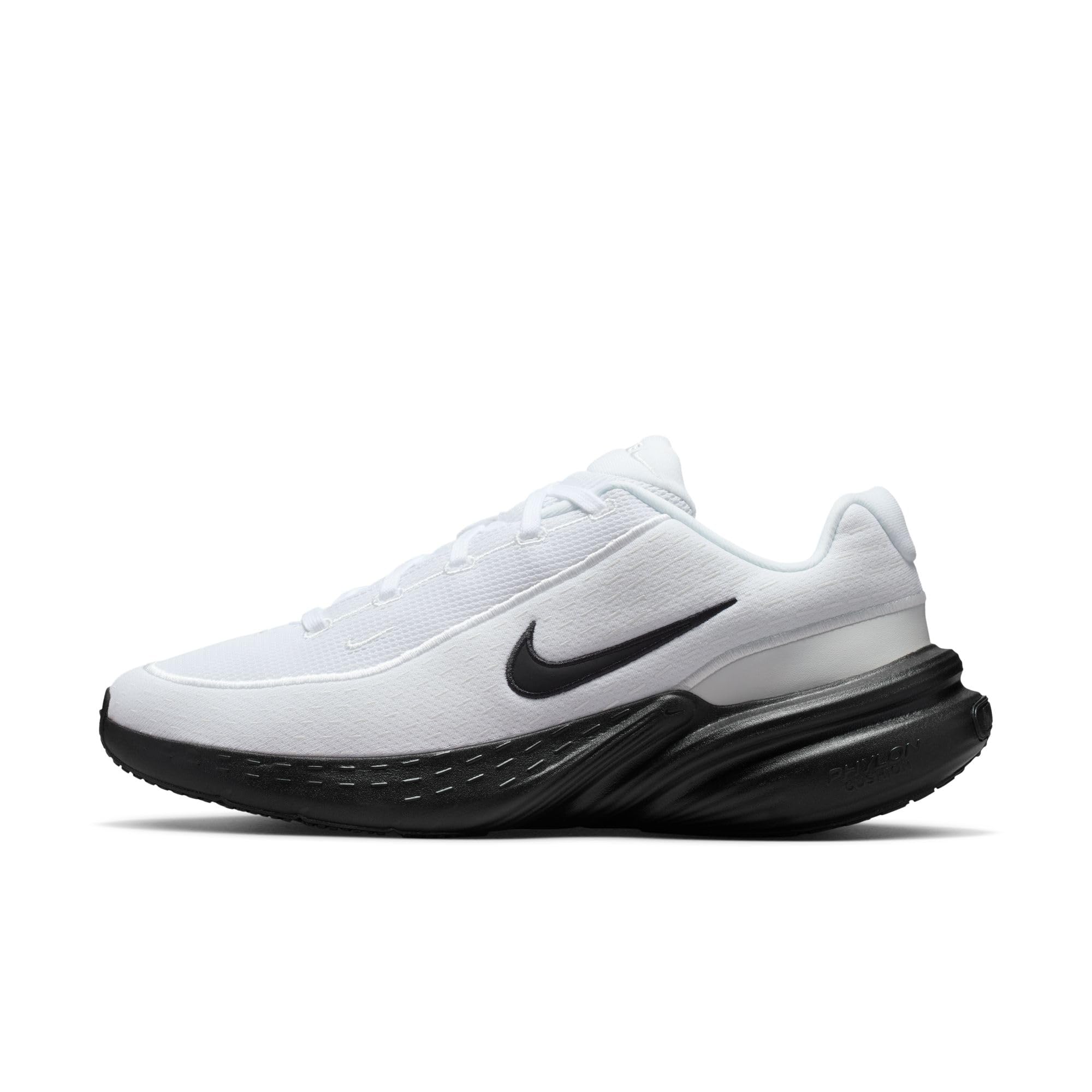
1. Nike Men’s Uplift SC Shoes
Our pick — over 4.5★ from 700+ verified ratings; the strongest balance of quality and price.
The do-everything trainer that owners say they never complain about sore feet in.
What wins people over here is the comfort — the thick foam midsole feels soft immediately, and buyers report the cushioning holds up for long hours without packing out (losing its shape and support over time). The textile upper is breathable enough for walking fast for exercise, and the rubber outsole has forefoot grooves that move with you rather than fighting your natural stride.
Unlike the budget Under Armour Charged Pursuit 4 below that sometimes squeaks or wears fast, this Nike earns high marks across the board for quality and appearance. The all-black version is versatile enough for the gym and casual wear, with many owners calling the fit true to size. The only real trade-off is that the white colorway gets dirty quickly, which is expected for a light shoe.
It holds a higher rating than the New Balance 608 V5 — which has far more reviews at nearly a hundred thousand — but this one scores better at 4.7 stars across 700+ owners. For most people walking into a gym or heading out for daily wear, this is the one to beat.
Crowd Favorites
- Lightweight and breathable textile upper
- Thick foam midsole for all-day cushioning
- True-to-size fit, versatile all-black design
Heads Up
- White color shows dirt quickly
- Not designed for heavy trail or technical lifts
Reach for this if: you want one pair that handles gym sessions, walking, and everyday errands without fatigue.
Look elsewhere if: you need a specialized lifting shoe with a flat, stable platform — the Reebok Nano X5 is better for that.
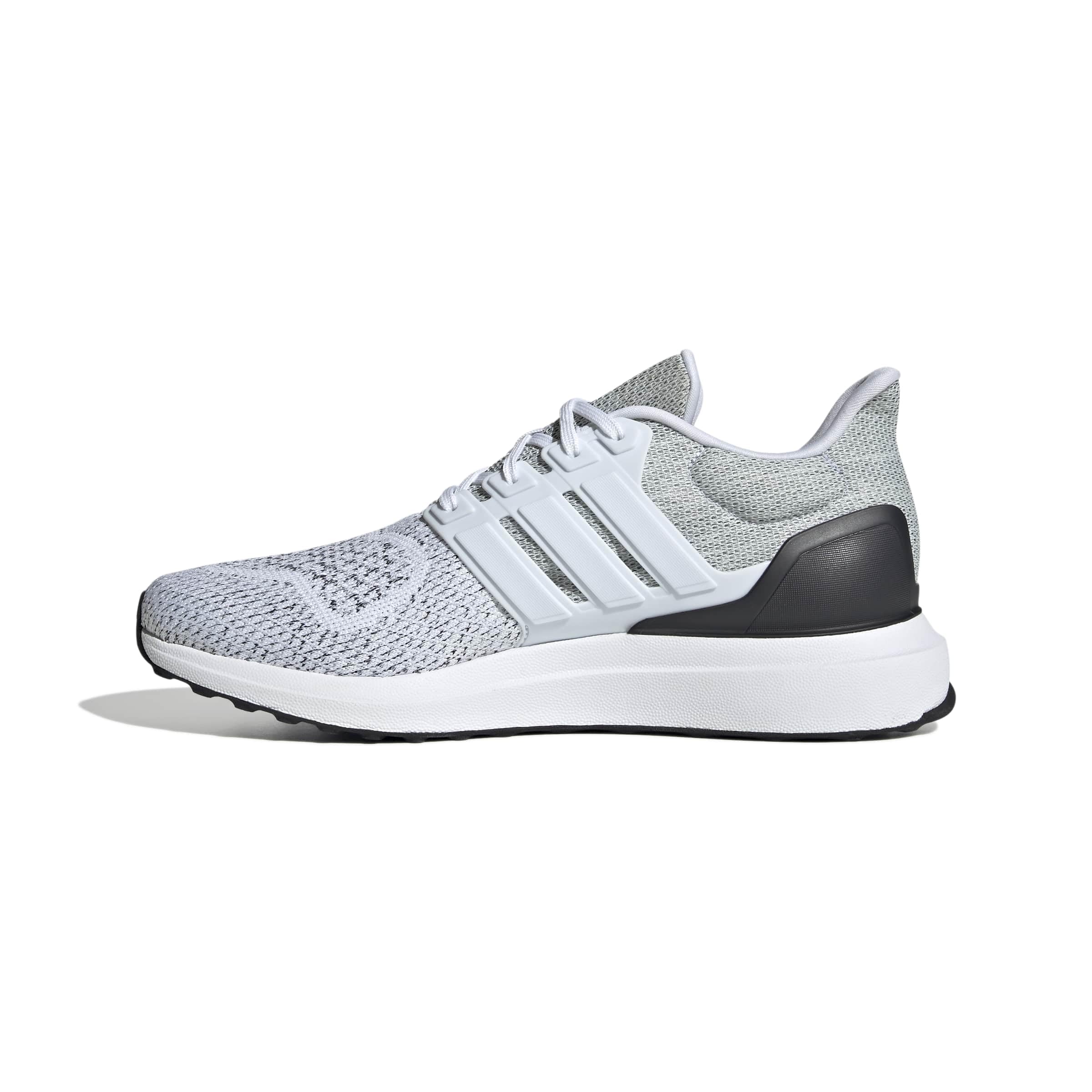
2. adidas Men’s Ultradream DNA Shoes
Inspired by the Ultraboost silhouette but priced for everyday use.
The Dreamstrike+ midsole (a lightweight, durable foam from adidas) provides comfort and durability, and the knit upper pairs with a quarter cage and external heel counter for extra support around your ankle. That combination means a soft step that still feels stable enough for moderate gym work, though owners mention that moderate use lasts about 1.5 years before showing wear.
Compared to the Nike Uplift SC above, the Ultradream DNA has a wider toe box that owners with narrow feet say fits snug, while those with wider feet may find it a little tight. The sock-like stretchy toe adds a comfortable, almost smooth feel. However, the durability gets mixed marks — some report holes developing with daily use, so this is best treated as a comfortable lifestyle trainer rather than a heavy-duty workhorse.
Perfect for style-conscious users: great design, excellent summer breathability, and a price that undercuts most premium adidas models.
Best for: light gym days, casual wear, and anyone who prioritizes a soft, sock-like fit.
Skip if: you need a shoe that survives daily heavy training without showing wear — choose the Reebok Nano X5 for that.
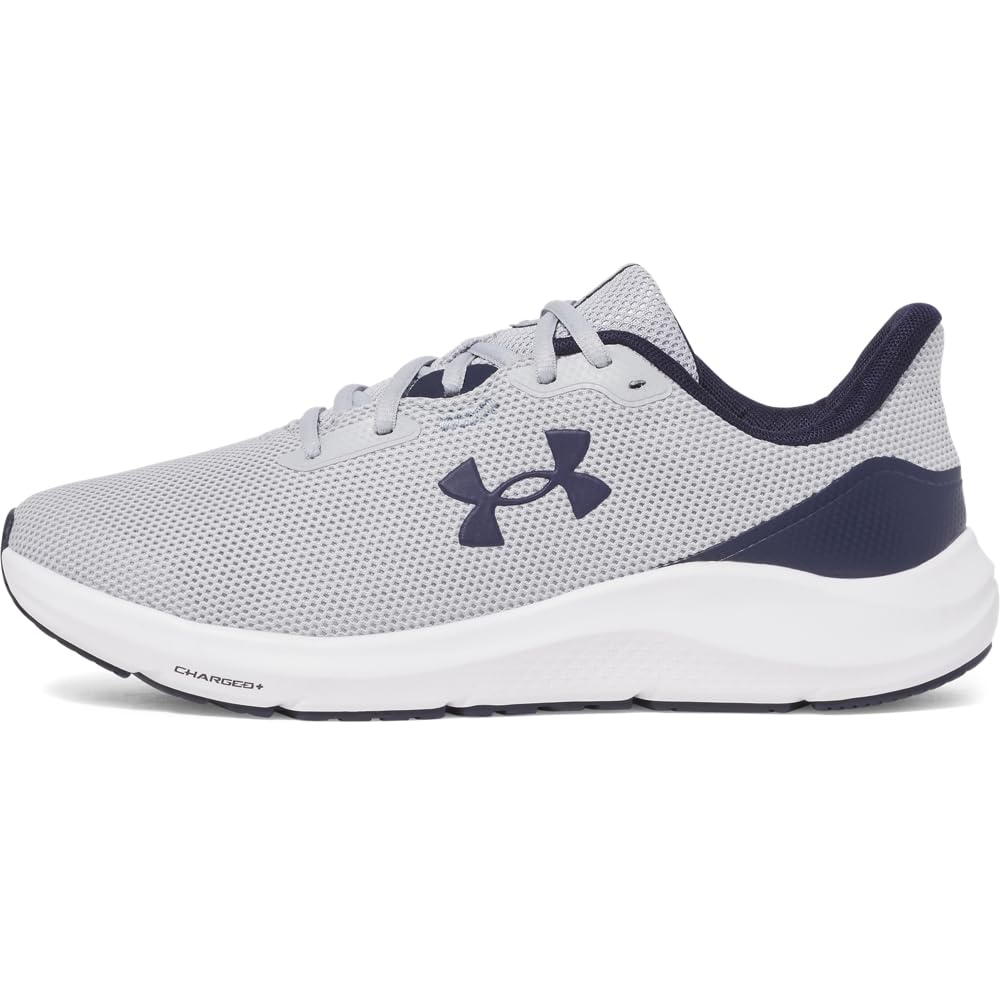
3. Under Armour Men’s Charged Pursuit 4 Sneaker
A low-cost entry that brings real comfort but comes with one loud catch.
The Charged Pursuit 4 delivers soft uppers and good cushioning at a price that is hard to argue with. Owners consistently praise the comfort and fit, with many calling it true to size and great-looking for the money.
This is echoed widely, with some owners saying they avoid wearing the shoes to certain places because of the squeak. It is a real design quirk, not a one-off defect. If you can tolerate the noise or plan to use them in a loud gym environment, the value is undeniable.
tough to top on Price
- Comfortable, soft uppers with good cushioning
- True-to-size fit and great color options
The Trade-off
- Loud squeaking on all walking surfaces is very common
- Jeans can stain the white upper easily
Grab these for: a budget-friendly gym shoe when noise does not matter (or you use headphones).
Pass if: you need a quiet shoe for an office walk or a library-quiet gym.
4. adidas Men’s Terrex Tracefinder Trail Running Shoes

After 500 miles on sidewalks and trails, the tread wear is minimal.
The Terrex Tracefinder balances cushioned comfort with off-road durability. The Traxion rubber outsole (a lugged tread from adidas designed for grip on loose surfaces) gives you a sure-footed feel on uneven ground, and the reinforced upper holds up to trail debris. Owners note that after 3 months and 500+ miles of mixed use, the tread still looks great — a sign that the rubber compound is genuinely tough.
Fit is where opinions split. Some find the shoe true to size, while others call it too narrow. One buyer with a wide foot said the size chart was off and the shoe ran big. A smaller group reports a loud duck-like noise from the left shoe after a few months, though this is less common than the Charged Pursuit 4 issue. If you have a standard-to-narrow foot and want a trail shoe that goes the distance, this is a strong choice.
Standout durability: the tread holds up far better than most shoes at this level, and the breathable upper keeps feet cool on long runs.
Best for: trail runners and hikers who need a breathable, long-lasting shoe for mixed terrain.
Not ideal if: you have wide feet or need dead silence on every step.
5. Under Armour Men’s Project Rock Blood Sweat Respect 5

Built for stability training — owners say these are excellent for squats and lunges.
The Project Rock BSR 5 is a purpose-built training shoe that shines under heavy weight. Customers note it is perfect for lifting, walking, and stationary bike work, with a stable platform that does not compress under load. The fit leans slightly tight at first, but the material stretches, and owners with wide feet find it accommodates them well.
Compared to the Reebok Nano X5 below, this Under Armour is slightly more versatile for daily wear and casual use, though the cushioning is firmer than a pure running shoe. A few wish for more midsole plushness, but for stability training and gym sessions, it is among the most praised options in this list. The bold color schemes and branding draw compliments.
Why Lifters Love It
- Excellent stability for squats, deadlifts, and lunges
- Wide-foot friendly; material stretches for a custom fit
- Lightweight and breathable for all-day gym wear
The Catch
- Not as cushioned as dedicated running shoes
- Best bought on discount rather than at full retail
Reach for this if: weight training and stability are your priority, and you want a shoe that feels locked in under a barbell.
Skip if: your main activity is long-distance running where maximum cushion matters more — the Saucony Ride 18 is better for that.
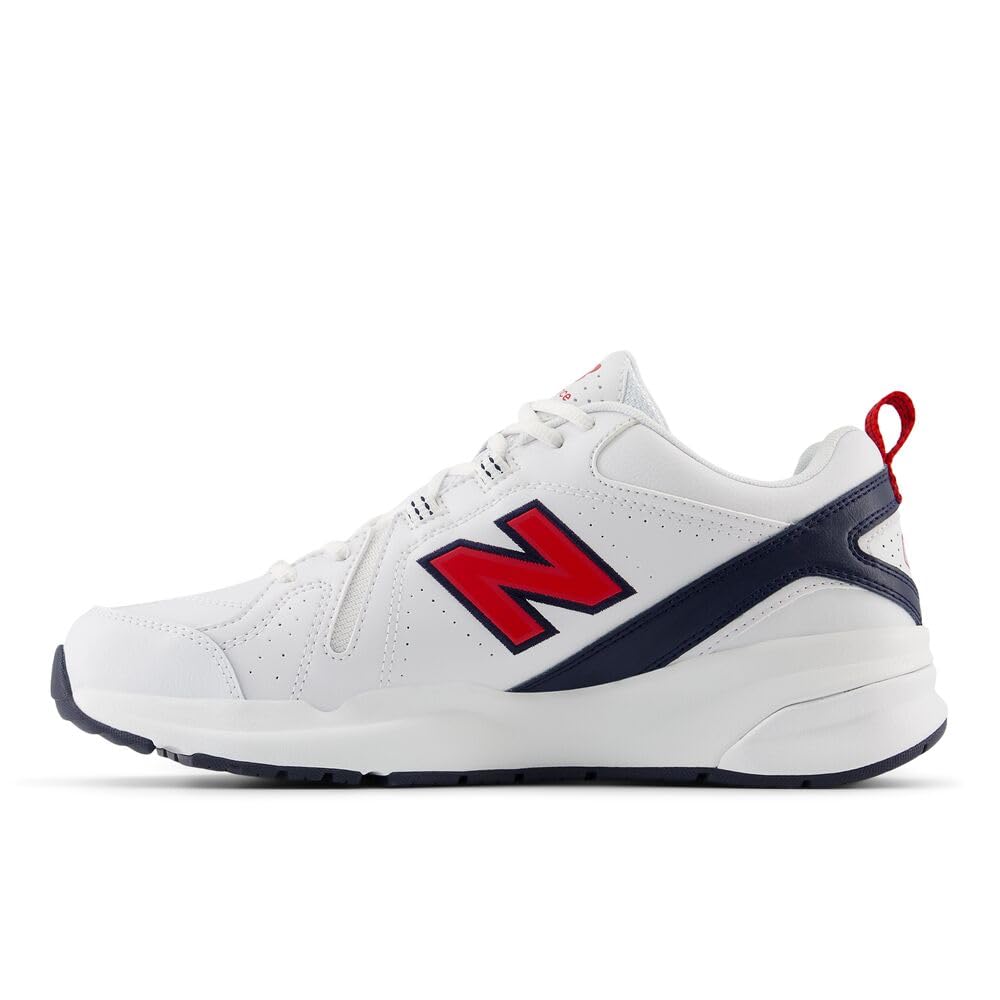
6. New Balance Men’s 608 V5 Casual Comfort Cross Trainer
The “dad shoe” that converts every skeptic after five hours at a theme park.
The 608 V5 is a proven workhorse with a massive following — nearly a hundred thousand owners have weighed in. The ABZORB heel crash pad (a New Balance foam that absorbs impact) cushions every step, and the molded PU (polyurethane) insert plus relaxed fit last make this among the most comfortable shoes for standing all day. One owner said they walked over five hours at a local theme park and their feet did not hurt once.
It holds more reviews than any other pick here, but the Nike Uplift SC edges it out on rating (4.7 stars across 700+ owners, compared to 4.6). The main cautions: the laces are thick and long, and a few reviewers point out the sole separating or heel padding fraying after six months. For wide feet, the fit is excellent — buyers with wide feet consistently praise the roomy toe box and supportive arch. It is heavier at 2.14 lb than the Saucony Ride 18 at 9.1 oz, but for cross-training and long shifts, few shoes are as proven.
class-leading value for wide feet: the combination of arch support, relaxed fit, and durable suede upper makes this a no-brainer for anyone on their feet all day.
Best for: nurses, warehouse workers, and gym-goers who need a supportive, wide-friendly trainer for mixed activity.
Consider another if: you need a lightweight performance shoe for speed work or competitive running — the Saucony Ride 18 is lighter.
7. Saucony Men’s Ride 18 Sneaker
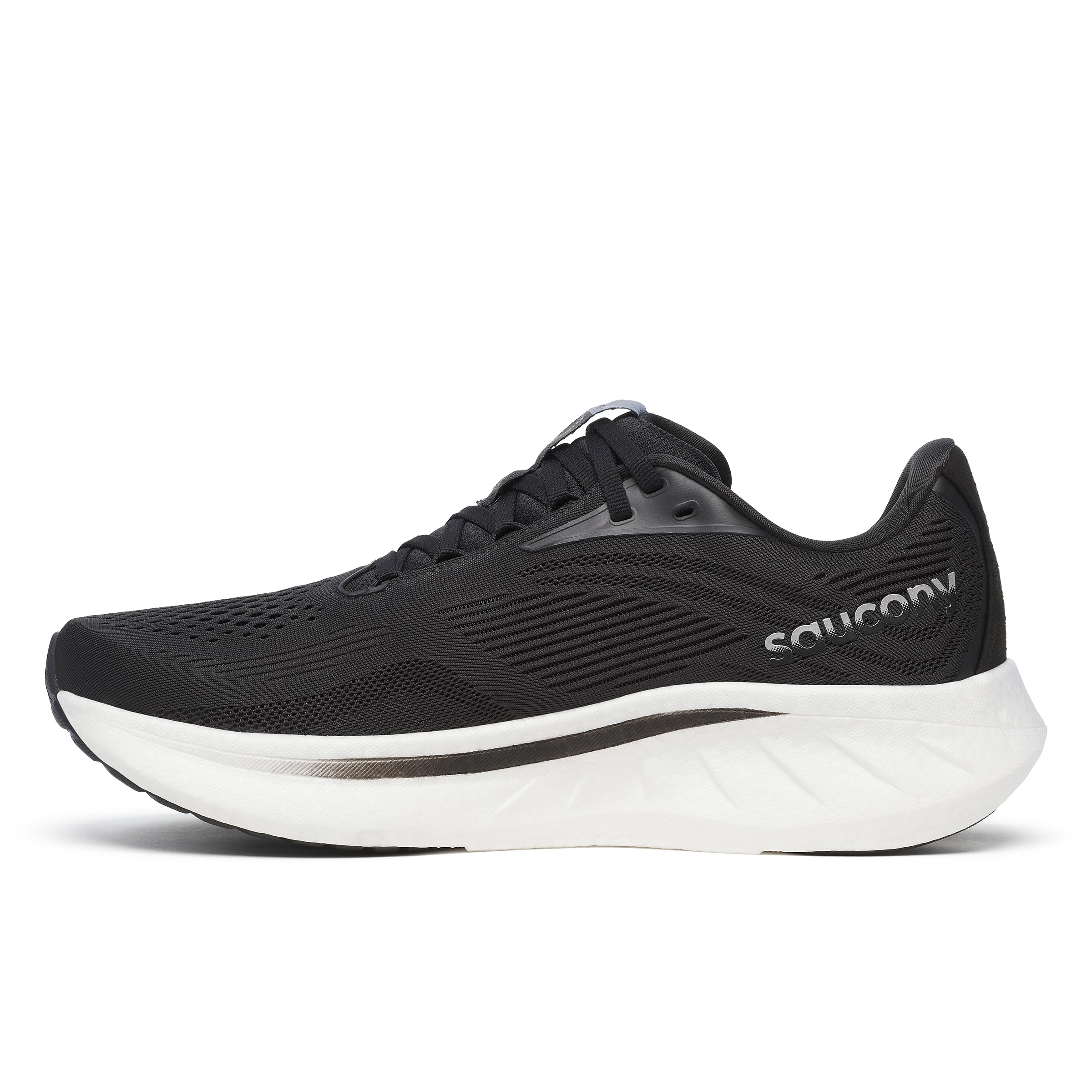
A do-it-all runner that is lighter, softer, and more responsive than its predecessor.
The Ride 18 uses reformulated PWRRUN+ foam that is lighter and more energetic than the previous version, with increased foam content for better energy return (the bounce you get back with each step, making you feel less tired). At just 9.1oz (259g), it is significantly lighter than the New Balance 608 V5 at 2.14 lb and the Brooks Ghost 18 at 10.3 oz, making it ideal for speed work and longer runs. The 8mm offset (the heel-to-toe drop of 35mm in the heel and 27mm in the forefoot) suits neutral runners who want a balanced ride between heel and forefoot.
Owners highlight the spacious toe box and excellent breathability, with one runner noting it was great for an 8-mile run without heel slippage. The main trade-off: some find the heel cushion tight, which can aggravate tendonopathy issues (pain in the Achilles tendon or surrounding area). So it is less plush than the Brooks Ghost 18, but for daily training where you want a responsive feel, the Ride 18 is a top contender.
Runner’s Pick
- Lightweight 9.1oz build for speed and endurance
- Reformulated PWRRUN+ foam offers great energy return
- Spacious toe box, excellent breathability
Watch For
- Heel area can feel tight for some runners
- Less supportive for over-pronators (runners whose feet roll inward too much) than stability models
Best for: neutral runners who want a lightweight daily trainer that handles everything from tempo runs to long distances.
Not for: runners who need maximum heel cushion or have a history of Achilles/tendon sensitivity — try the Brooks Ghost 18 instead.
8. Reebok Nano X5
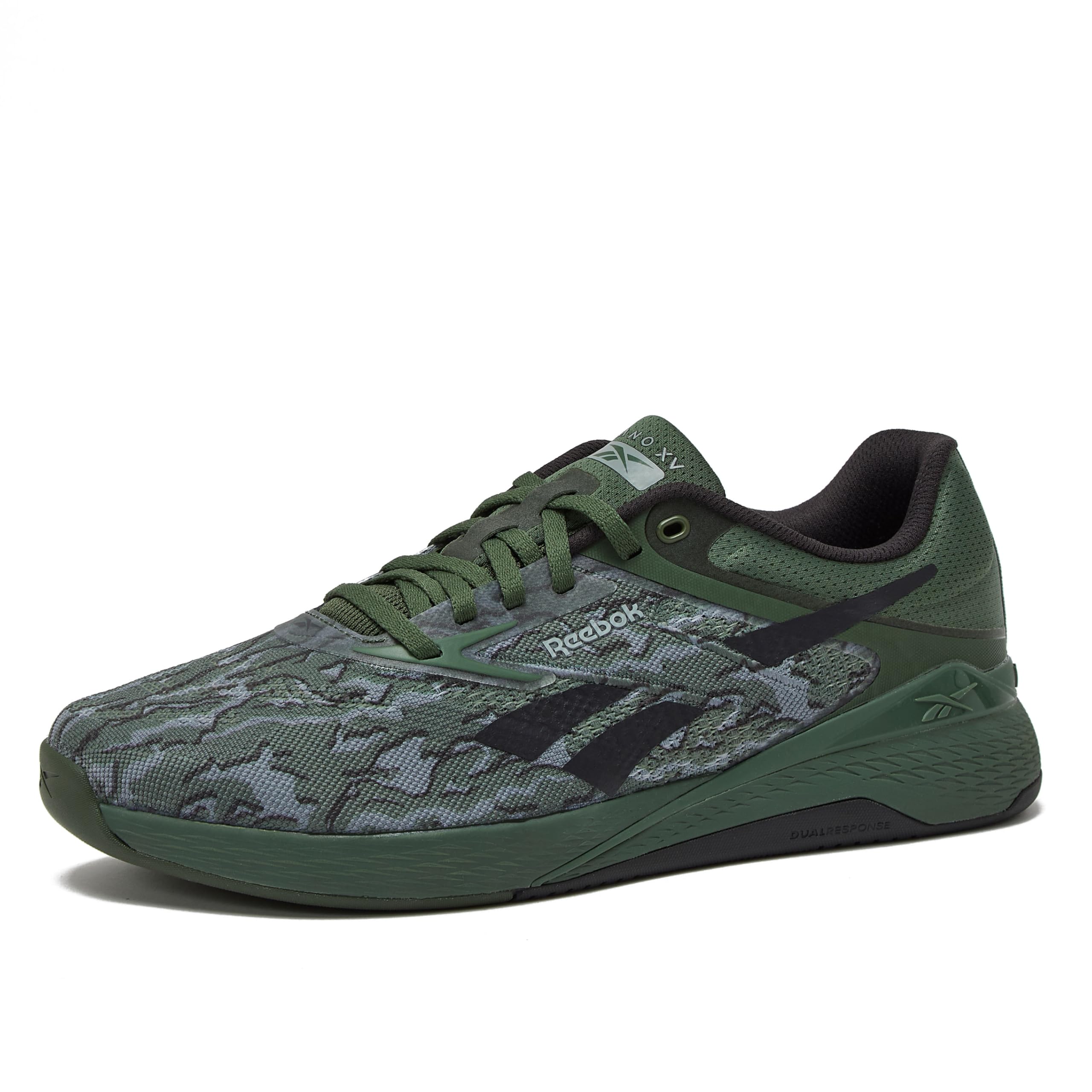
Built for explosive lateral movement and heavy lifts, not for running miles.
The Nano X5 is a dedicated cross-training shoe. The high-traction outsole and molded heel clip provide exceptional stability for lateral movements (side-to-side shuffles and cuts), squats, and deadlifts. The Flexweave knit upper is soft and breathable but tough enough for rope climbs and aggressive training sessions. Owners call it the best cross trainer they have worn, noting it reduces ankle roll risk during explosive moves.
The shoe runs about half a size small, so order up. The flat sole and minimal toe spring (the slight upward curve at the front of the shoe) give excellent ground contact, but that same design means the Nano is less suited for running. It is narrower than the New Balance 608 V5, and some women report the sizing is mismarked on Amazon. For CrossFit, bouldering, or general strength training, the Nano X5 is a clear specialist.
Top marks for stability: the ground contact and lateral grip beat most gym shoes, making this the go-to for lifting-heavy workouts.
Reach for this if: your gym sessions are built around weightlifting, CrossFit, or explosive movements.
Look elsewhere if: running or cardio is the main focus of your workout — the Saucony Ride 18 handles that better.
9. Brooks Men’s Ghost 18 Neutral Running & Walking Shoe
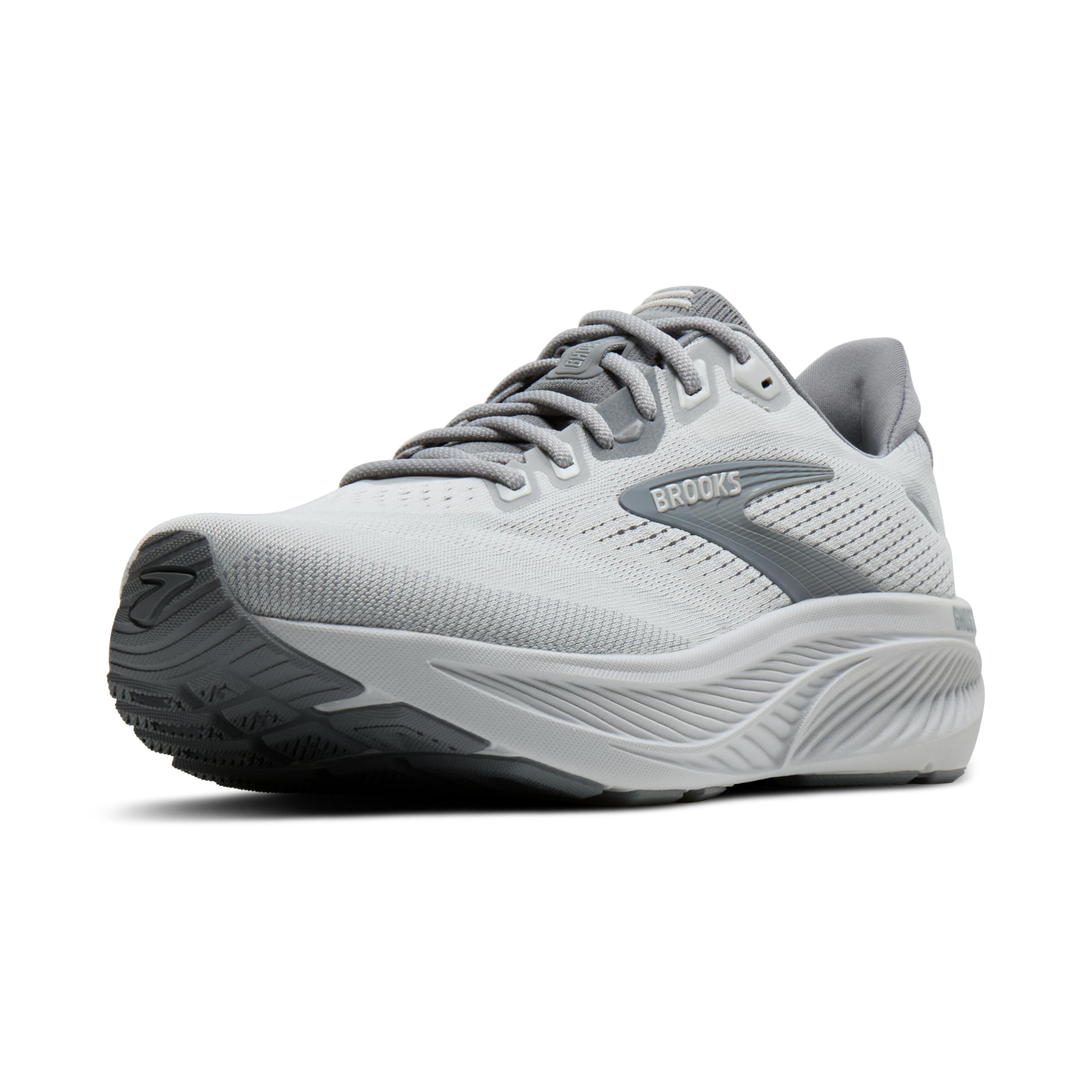
The neutral runner that beats Hokas for support, according to converted owners.
The Ghost 18 is a benchmark in the neutral road-running category, and it shows in the feedback. It offers a balanced, soft, and dynamic cushioning with a 10mm drop (the height difference between heel and forefoot, encouraging a heel-strike stride), and it weighs 10.3oz (292g). The APMA Seal of Acceptance means podiatrists reviewed the shoe and confirmed it supports natural foot function. Switchers from Hoka or Nike report the Ghost relieves tendon pressure and reduces foot, knee, and back pain.
It is the most expensive pick in this list, but the build quality is evident. One long-term user reports the tread life runs about 300 miles before holes develop in the sole, which is average for a premium road shoe. If you log high mileage and want a shoe that combines lightweight feel with serious support, the Ghost 18 is the investment pick.
Premium Feel
- Superior support and cushioning for neutral runners
- Lightweight 10.3oz build for daily miles
- APMA accepted for foot health
Premium Price Trade-offs
- Tread lasts about 300 miles before wearing through
- Price is high compared to equally capable mid-range options
Best for: dedicated road runners and walkers who want a top-tier neutral shoe with proven support.
Consider a different pick if: your budget is tight or you need a trail-specific outsole — the Terrex Tracefinder covers trails.
Understanding the Specs
Heel-to-Toe Drop (Offset)
This is the height difference between the heel and forefoot, measured in millimeters. A higher drop of 10mm encourages a heel-strike gait (landing on your heel first), common in road running. A lower drop of 4mm to 6mm promotes a midfoot strike (landing on the middle of your foot) and feels more stable under a squat. Most gym cross-trainers sit around 8mm to 10mm as a compromise.
Cushioning Foam Types
Brands use proprietary foams — PWRRUN+ (Saucony), Dreamstrike+ (adidas), ABZORB (New Balance), DNA LOFT (Brooks) — that vary in softness and durability. Softer foams feel plush but may compress faster under heavy lifting. Denser foams offer more stability for weight training but feel firmer on long runs. Know your primary activity before choosing.
Outsole Traction
A rubber outsole with deep lugs (like the Traxion on the Terrex) grips loose dirt and gravel. A flatter, smoother outsole (like the Nano X5) gives solid contact for gym floors and prevents slipping during lateral cuts. Road running shoes use a tighter tread pattern for asphalt grip without the noise of trail lugs.
Shoe Weight
Lighter shoes under 10 oz feel faster and less tiring on long runs, while heavier shoes over 12 oz often pack more cushioning and durability. For gym use, weight matters less than stability — a slightly heavier shoe with a locked-down heel is better for squats than a featherweight trainer that shifts under load.
FAQ
Can I use running shoes for weightlifting?
How long should workout shoes last?
What is the best heel drop for gym workouts?
Should I buy wide or regular width workout shoes?
Can I wear workout shoes for everyday casual use?
Why do some shoes squeak when I walk?
What does APMA acceptance mean for a shoe?
Is a heavier shoe always worse for running?
Final Thoughts: The Verdict
Across the board, the best workout shoes for men is the Nike Uplift SC because it delivers the best balance of all-day comfort, lightweight feel, and gym versatility at a price that undercuts many rivals. If you want a specialist shoe for heavy lifting, grab the Under Armour Project Rock BSR 5 or the Reebok Nano X5. For daily road running and walking, the Brooks Ghost 18 is the premium choice that thousands of runners trust.
How We Picked
We do not accept paid placement. Every pick is matched to a real buyer and a real use-case; we do not hands-on test units.
Sources & Methodology
Specifications: manufacturer listings and product documentation. Review insights: verified customer reviews, as of July 2026. Pricing: not shown on this page (it changes often); check the current price via the retailer link.
As an Amazon Associate, Calories Fit earns from qualifying purchases. This does not affect which products we feature.