
Our readers keep the lights on and the coffee maker working hard! As an Amazon Associate, I earn from qualifying purchases.
Specs are compiled from manufacturer listings and verified buyer reviews and can change over time — please confirm the key details on the product page before buying.
If you have spent years jamming your toes into narrow shoe tips, you already know the squeeze — the cramped forefoot, the bunion pressure, the numbness that creeps in by mile three. Wide toe box running shoes change that by letting your toes spread and splay the way your foot was designed to move. They reduce pinch points, improve balance, and many owners say they can run pain-free for the first time in decades. The three picks here range from a hefty trail-ready model built for rocks and roots to a light minimalist shoe that feels like a sock, so you can match the cushion and drop to exactly how and where you run.
I’m Mohammad — the founder and writer behind Calories Fit. This guide is built by comparing the manufacturers’ published specifications and the patterns across verified customer reviews, so you get each pick’s real strengths and trade-offs instead of marketing spin.
After looking at how each shoe handles cushion, drop, outsole grip, and the shape of its toe box, here is the shortlist of women’s wide toe box running shoes that relieves the squeeze without giving up performance.
Our Picks at a Glance

How To Choose The Best Women’s Wide Toe Box Running Shoes
Wide toe box shoes all give your toes room, but the differences between a trail shoe and a road shoe, or between a 0 mm drop and a 4 mm drop, change how each stride feels. Focus on three things first: the drop height, the amount of cushion, and the shape of the toe box itself.
Drop Height — Zero Drop vs Low Drop
Drop is the difference between heel height and forefoot height. A 0 mm (zero drop) shoe puts your heel and forefoot level, mimicking barefoot posture and encouraging a midfoot or forefoot strike (hitting the ground with the middle or front of your foot first). Many fans say it relieves hip and knee pain, but the shift in your stride takes getting used to — your calves and Achilles work harder at first. A 4 mm drop, like the Experience Flow 2 offers, is a gentler transition if you have worn conventional running shoes with an 8-10 mm drop.
Cushion Amount — High vs Mid vs Low
Cushion stack height (the total thickness of foam under your foot) ranges from about 25 mm to 30 mm in these shoes. A 28 mm stack (the Torin 7) feels plush and is forgiving on asphalt and concrete, which makes it a favorite for long road runs. A 25 mm stack (the Lone Peak 9) gives you more ground feel and stability on uneven trail surfaces. If you run on pavement and want soft landings, lean toward the higher stack. If you want trail feedback or a minimalist feel, the lower end works better.
Toe Box Shape — Standard Wide vs FootShape
Not every wide toe box is the same. Each shoe here uses some version of a natural toe-splay shape, but buyers report meaningful differences: the FootShape design (Altra’s toe that widens at the front to match your foot’s natural outline) on the Lone Peak 9 is famously roomy through both the toes and the midfoot, while some find the Experience Flow 2’s toe box less generous than they expected, leading to a mixed reception. The FLUX Adapt Runners have a stretchy sock-like upper that adapts to your foot’s shape, which several buyers call the most comfortable wide toe box they have worn — but others with high arches find the midfoot too tight. Always check the reviews for sizing notes: most buyers here recommend going up half a size.
Quick Comparison
In‑Depth Reviews
1. ALTRA Women’s Lone Peak 9 Trail Running Shoe
Our pick — 4.5★ from 750+ verified ratings; the strongest balance of quality and price.
The trail shoe that turned into a walking-footwear legend, built for toes that need to breathe.
The Lone Peak 9 earns the top spot because its toe box is roomier than the Experience Flow 2’s and it combines a 0 mm drop (heel and forefoot level) with a 25 mm stack height for trail feedback instead of plush cushion. It uses Altra’s FootShape design, so your toes get space not just at the tips but all through the forefoot, and owners mention that bunion pressure disappears. One owner notes the Lone Peak 9 actually has a wider toe box than the 8, so it improved on an already roomy design.
The revamped upper uses recycled ripstop mesh (a tough, tear-resistant fabric made from recycled plastic bottles — the spec is RPET) that holds up over high miles. The MaxTrac outsole gives you grip on wet rock and dirt — the kind of traction that makes you stop worrying about the footing and just run. The 0 mm drop and 25 mm stack height keep your foot close to the ground, which most owners say improves stability on uneven terrain. At 11.15 oz / 316 g it is not the lightest shoe here (the Experience Flow 2 is lighter at 7.05 oz), but the tread and the Stoneguard insert (a protective layer underfoot) make it the most capable on rough trails. Customers note it outperforms standard running shoes on trails.
The durability score is mixed in owner feedback. The sole on the 9 sticks out a bit more than on the 8, and a few owners find the grip and color less appealing at this price. Most say it still outperforms standard running shoes on trails, and plenty buy it again. If you want the widest toe box available and need grippy tread for trails, this is the obvious choice.
Toe-Room Champ: The roomiest toe box in the test, plus a MaxTrac outsole that sticks to wet surfaces — it is the shoe that keeps your feet happy whether you are on dirt, rock, or asphalt.
Reach for these if: you run or hike on trails and want zero-drop positioning with wide forefoot space. Also great if you have bunions or a neuroma (a pinched nerve between the toe bones) — the room helps prevent pinching.
Think twice if: you need a high-cushion shoe for long days on concrete — the 25 mm stack is moderate, not plush. The 11.15 oz weight also feels heavier than the road-focused picks here.
2. ALTRA Women’s Torin 7 Road Running Shoe
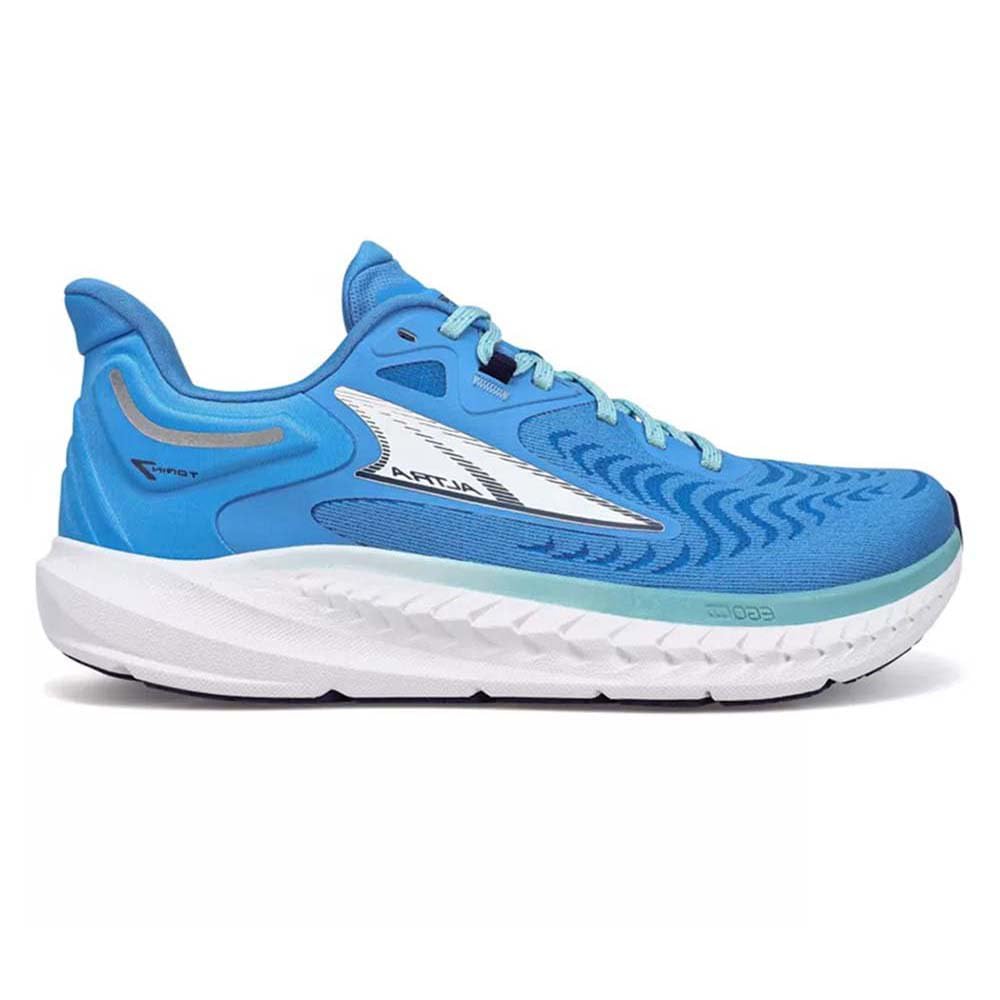
The marshmallow-road shoe that fixes your stride and never squeezes a pinky toe.
If you run on pavement and want the most forgiving landing, the Torin 7 is your shoe. It stacks 28 mm of EGO MAX foam (Altra’s softest cushioning compound) underfoot, and several owners describe the feeling as walking on pillows. At 9.8 oz (women’s) it is noticeably lighter than the Lone Peak 9, and it is the highest-cushion shoe in the group — designed for daily training and long road miles where concrete is your surface. It delivers plush landings that the Lone Peak 9’s 25 mm stack cannot match on hard pavement.
The 0 mm drop puts you level, and buyers with bunions, plantar issues, and neuromas say this shoe changed how their feet feel after runs. The toe box fits both wide and narrow feet comfortably; owners note they did not need to size up aggressively, though several who have wide feet do recommend going half a size up for extra room. After seven months of daily wear — 15k steps per day — one owner reports heel wear but says the shoe delivers better durability than cheaper shoes, with no knee or hip pain.
The FootPod outsole (a flex-grooved bottom designed to mimic your foot’s natural movement) is built for natural flex, not aggressive grip — it is designed for smooth roads, not trails. A small but noticeable minority mention a squeak developing in one shoe after a month of use, and a few find the cushioning feels less responsive for faster paces, with feet feeling heavy on longer runs. For the road runner who values toe room and plush landings over quick turnover, this is the proven pick.
Why Owners Love It
- Plush 28 mm EGO MAX cushion soaks up sidewalk and asphalt impact
- Wide toe box fits bunions, neuromas, and wide feet without irritation
- Lighter than the Lone Peak 9 at 9.8 oz for road efficiency
- Zero drop aligns posture and relieves hip and knee strain
Know Before You Buy
- Quieter on roads but not designed for trail grip — stick to pavement
- Some reviewers point out a left-shoe squeak after a month
- Light colors show dirt quickly, though they are washable
Best for: anyone who runs mostly on roads and wants the highest cushion while keeping a wide, natural toe box. Also ideal if you are transitioning from conventional shoes — the plush feel is an easier adjustment than a minimalist shoe.
Not ideal for: trail runners or runners who prefer a firm, responsive feel underfoot. The EGO MAX foam is soft, not springy.
3. FLUX FOOTWEAR Adapt Runners for Women and Mens
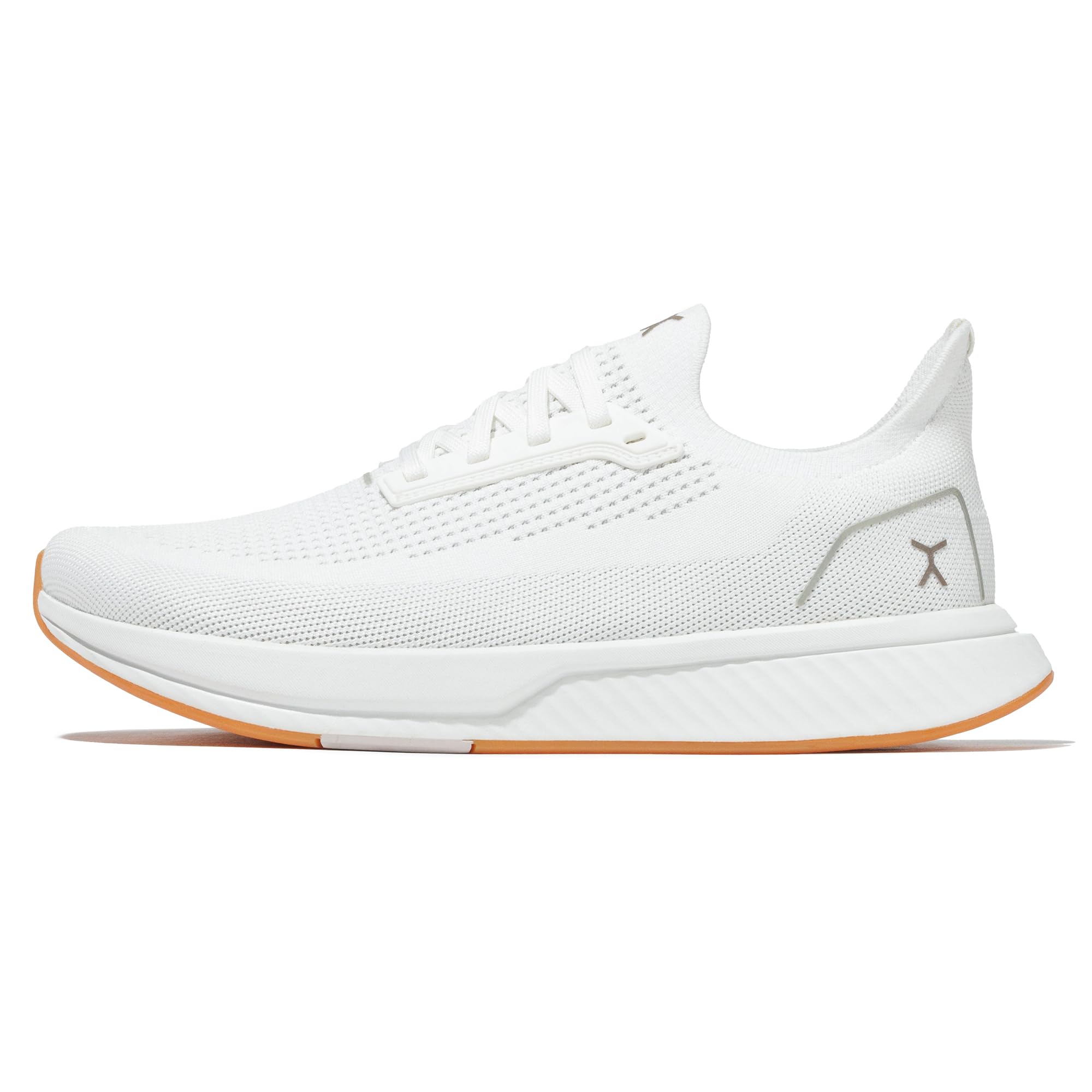
The stretchy, zero-drop shoe that disappears on your foot — if your arches let it.
The FLUX Adapt Runners are built for everyday barefoot-style wear at a lower price than the three Altras above. They have a zero-drop sole that keeps your heel and forefoot level, a wide toe box, and a stretchy upper that feels like a structured sock. Owners are enthusiastic: one calls it the most comfortable shoe they have owned, and another says it survived six days at Disney without fatigue. Good for walking, gym use, and casual running.
The material is stretchy and machine-washable (cold, gentle cycle, air dry), which makes it easy to keep clean. The hexagon-pattern sole provides grip on most surfaces. Most owners say the toe box is genuinely wide and accommodates wide feet well. However, the Adapt Runners run small, and the manufacturer recommends sizing up half a size — a point nearly every review repeats. Comfort is the most-praised aspect by a huge margin, with hundreds of owners noting the footbed feels like a massage.
The catch: the fit over the midfoot is tight for some. Owners with high arches specifically report pressure on top of the arch, causing discomfort after about 30 minutes. The arch support itself receives mixed feedback, so if you need significant arch structure, these may not work. Durability is also mixed — the outsole rubber shows some separation at the heel for a few owners after heavy use. Best for casual wear and those ready to experiment with a minimalist foot shape on a budget.
Why Owners Love It
- Stretchy sock-like upper adapts to your foot’s shape without pressure points
- Zero-drop and wide toe box let toes spread naturally
- Machine-washable, easy to clean after gym or daily wear
- Extremely light, easy to slip on and off
Know Before You Buy
- Runs small — order half a size larger than usual
- Tight over the midfoot for wide feet and high arches — can cause pain after 30 minutes
- Some shoppers say outsole rubber separating at the heel after extended wear
Best for: anyone transitioning to barefoot-style footwear who wants a wide, stretchy toe box and a machine-washable shoe. Good for walking, work, and light gym use.
Not ideal if: you have high arches or very wide feet through the midfoot — the snug fit over the arch is a recurring issue. Also avoid if you need sturdy trail traction or high road cushion.
Understanding the Specs
Drop (Heel-Toe Offset)
Drop tells you how much higher the heel sits than the toes. A 0 mm (zero drop) shoe keeps you level, like a barefoot stride, and many runners say it reduces knee and hip pain by encouraging a more natural midfoot landing. A 4 mm drop, like the Experience Flow 2, is a softer transition if you are moving from standard running shoes with 8-10 mm drops — less strain on your calves while still letting your foot sit relatively flat.
Stack Height (Cushion Amount)
Stack height is the total thickness of foam underfoot, measured in millimeters. A 25 mm stack (seen on the Lone Peak 9) gives you moderate cushion for trail feedback and ground connection. A 28 mm stack (Torin 7) feels noticeably plusher and absorbs more road impact. When both numbers are listed — 26 mm forefoot / 30 mm heel — the shoe has a slight heel-to-toe drop by design. Higher stacks weigh more but soften landings, while lower stacks give you more stability and trail feel.
Zero Drop vs Low Drop
Zero drop (0 mm offset) means your foot sits flat — no heel lift. This shape forces your calves and Achilles to work harder initially, but fans say it strengthens feet long-term and relieves joint pain. Low drop (2-4 mm) is a compromise: you still have a natural feel but a little extra heel cushion eases the transition. If you have ever felt tight calves switching to barefoot shoes, a 4 mm drop like the Experience Flow 2’s can be the bridge you need.
FootShape and Natural Toe Box
Altra’s FootShape fit is a proprietary toe-box shape that follows the natural outline of a human foot — it widens at the toes rather than tapering. This lets your toes spread and splay, improving balance and reducing pressure on bunions. The shape varies slightly between models, so a shoe like the Lone Peak 9 is noticeably roomier than the Experience Flow 2, which some owners find too narrow for true splay. Always check the reviews for toe-box fit notes specific to the model.
FAQ
What is the best women’s wide toe box running shoe for someone with bunions?
Do wide toe box running shoes help with foot pain like neuroma and plantar fasciitis?
Should I size up in wide toe box running shoes?
How does zero drop affect running form?
What is the difference between a wide shoe and a wide toe box shoe?
Can I wear wide toe box running shoes for hiking and daily walking too?
How do I clean wide toe box running shoes without damaging them?
Are FLUX Adapt Runners really women’s wide toe box shoes even though the department says mens?
What cushion level is best for running on concrete and asphalt?
How long does a wide toe box shoe like the Torin 7 or Lone Peak 9 typically last?
Final Thoughts: The Verdict
For most people, the women’s wide toe box running shoes winner is the ALTRA Lone Peak 9 because it pairs the widest toe box in the test with rugged trail grip and a moderate stack that works for both trails and everyday wear. If you run on roads and want plush cushion, grab the ALTRA Torin 7
How We Picked
We do not accept paid placement. Every pick is matched to a real buyer and a real use-case; we do not hands-on test units.
Sources & Methodology
Specifications: manufacturer listings and product documentation. Review insights: verified customer reviews, as of July 2026. Pricing: not shown on this page (it changes often); check the current price via the retailer link.
As an Amazon Associate, Calories Fit earns from qualifying purchases. This does not affect which products we feature.