
Our readers keep the lights on and the coffee maker working hard! As an Amazon Associate, I earn from qualifying purchases.
Specs are compiled from manufacturer listings and verified buyer reviews and can change over time — please confirm the key details on the product page before buying.
You can go from a stuck squat to a new personal record just by changing what is on your feet. Regular running shoes have soft, squishy soles that absorb your power and make your ankles work overtime, robbing you of stability. That is exactly why a dedicated pair of weightlifting shoes exists: the improve, solid heel puts your body in a better position to lift heavier and safer, right from the first rep.
I’m Mohammad — the founder and writer behind Calories Fit. This guide is built by comparing the manufacturers’ published specifications and the patterns across verified customer reviews, so you get each pick’s real strengths and trade-offs instead of marketing spin.
Every shoe here has been selected for its ability to deliver a stable platform, a secure fit, and the right heel elevation for serious strength training. This is your complete guide to the best women’s weightlifting shoes for your specific goals and gym routine.
Our Picks at a Glance

How To Choose The Best Women’s Weightlifting Shoes
Picking the right shoe is about matching your specific training style to the right heel height, sole stiffness, and fit. A powerlifter squatting once a week needs something different from a CrossFit athlete doing burpees between sets.
Heel Height Matters More Than You Think
An improve heel, usually between 0.6 and 1.4 inches, is the defining feature of a weightlifting shoe. It shifts your center of gravity forward, allowing you to squat deeper with a more upright torso. Shorter heels (around 0.75 inches) are great for beginners, while taller heels (1.2 to 1.4 inches) help lifters with limited ankle mobility get into a deep squat position.
Flat vs. Heeled: The Right Sole For The Right Workout
A fully flat and stiff sole works best for deadlifts and clean pulls because it keeps you connected to the floor. A heeled shoe is ideal for squats and overhead presses. If you do a mix of everything, look for a “flat and firm” trainer (like the Reebok Nano series) that offers a low drop and solid ground contact for both lifting and dynamic movements.
Fit and Foot Shape
Weightlifting shoes should feel snug, especially around the heel and midfoot, to prevent your foot from sliding inside the shoe when you are under a heavy load. Those with wide feet often need to go half a size up, especially in brands like adidas that are known for a more narrow fit. Look for models that mention a wider toe box if you need room for your toes to splay.
Quick Comparison
| Model | Best For | Heel Type | Fit | Key Feature | Amazon |
|---|---|---|---|---|---|
| Under Armour Project Rock 4★ Best Overall | All-Day Gym Versatility | Flat with cushioning | True to size, wide friendly | UA TriBase for ground grip | Amazon |
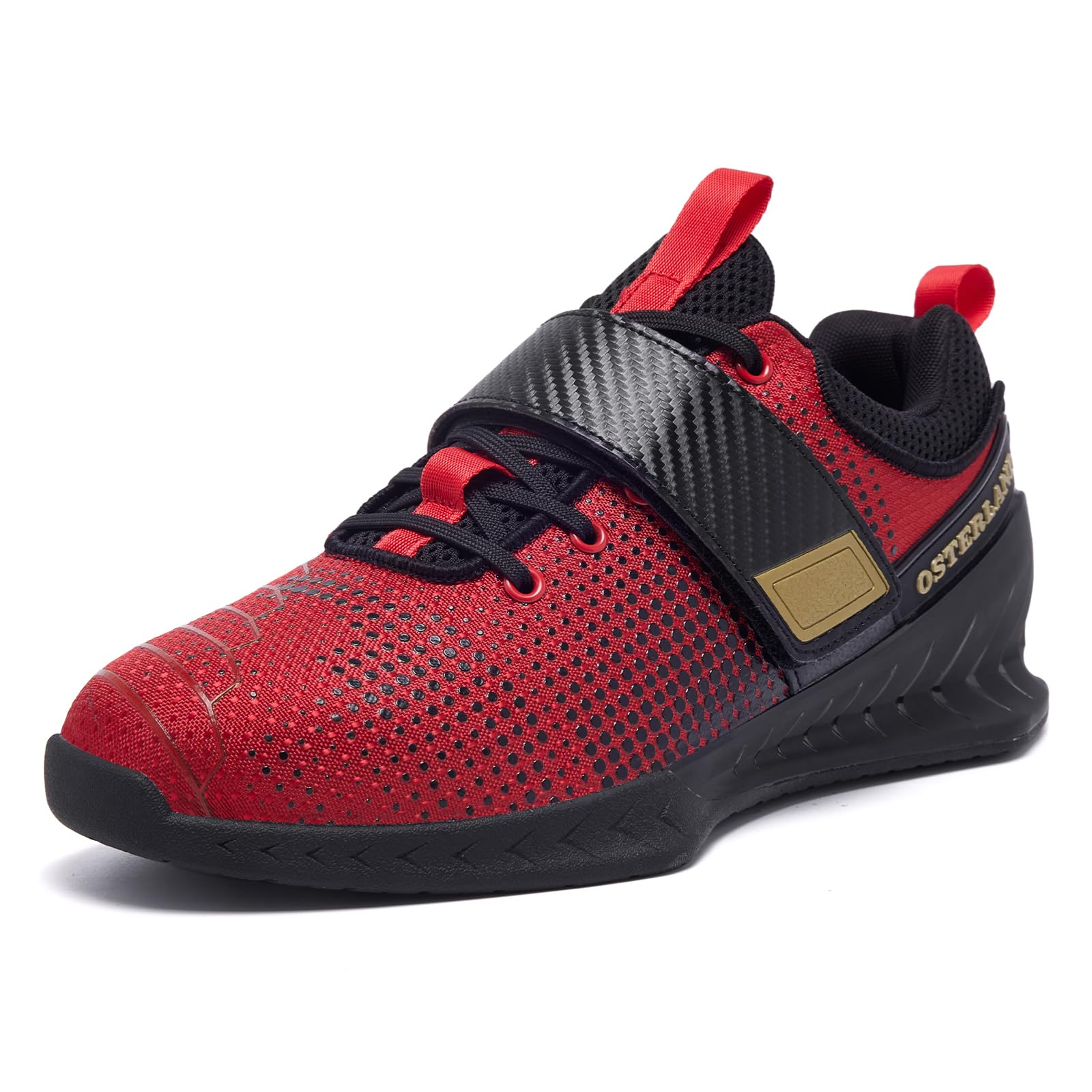
| Osterland 1.4-Inch Squat ShoesBest Value | Deep Squats & Budget Value | High heel (1.4″) | True to size, wide friendly | Solid hard rubber outsole | Amazon |
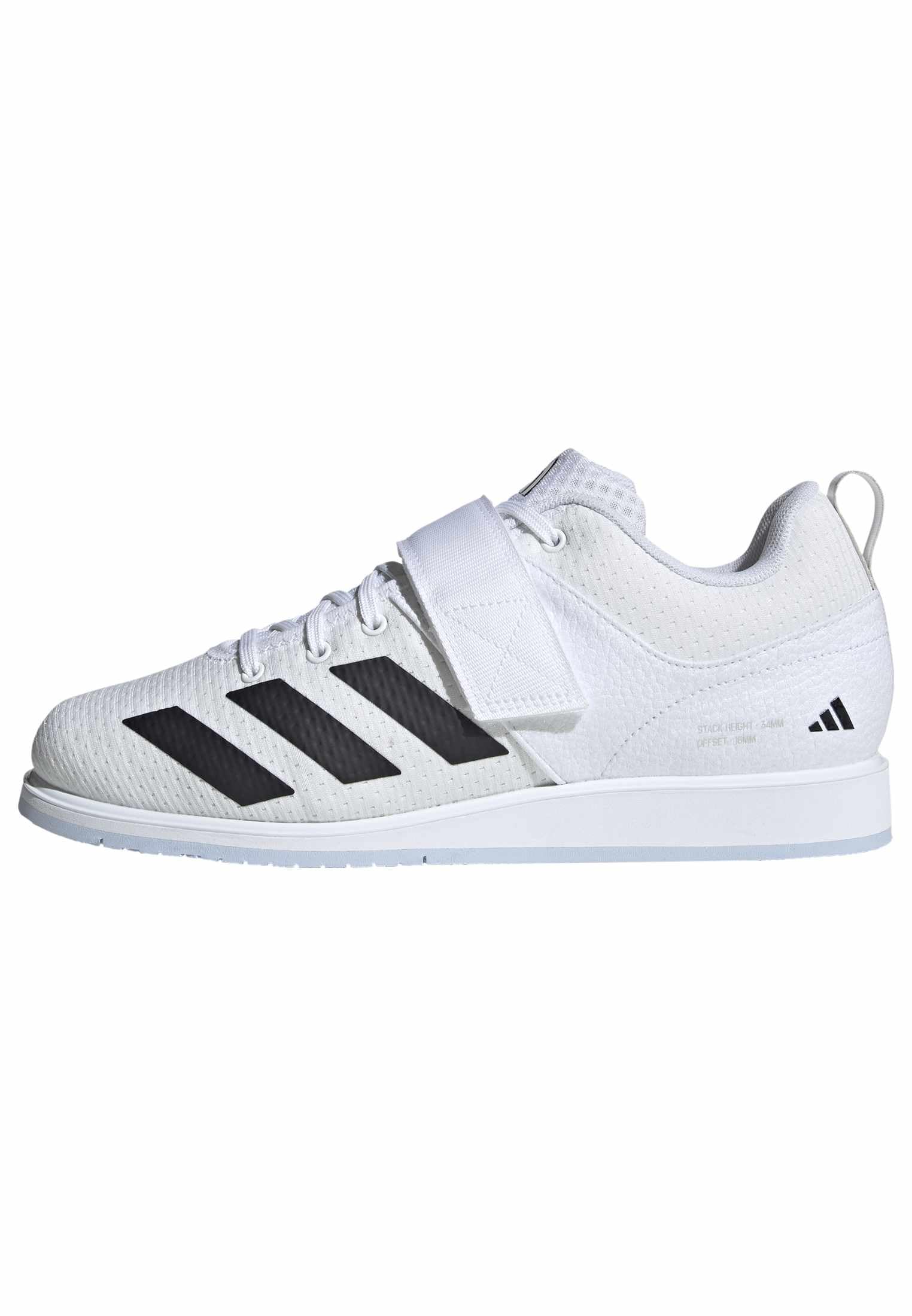
| adidas Powerlift 5Best Beginner | Beginner Heeled Lifters | Moderate heel | Narrow, size up 0.5 | Stable plastic heel platform | Amazon |
| adidas Dropset Control | CrossFit & Strength Hybrid | Flat, solid midsole | Wide fit available | Repetitor foam & TPU torsion | Amazon |
| Castiron Lift Weightlifting Shoes | Dedicated Squat & Clean Work | Raised heel | True to size, wide friendly | Velcro strap & solid build | Amazon |
| Reebok Nano X5 (Women’s) | Weight Lifting & Walking Combo | Flat, firm base | Runs wide | Firm base for heavy lifts | Amazon |
| Reebok Nano X5 (Women’s, Wide Toe) | HIIT & CrossFit | Low drop, flat sole | Wide toe box, true size | Flexweave knit upper | Amazon |
| Reebok Legacy Lifter III | Competition-Level Squatting | High heel | True to size, order up 0.5 | Rigid heel for max stability | Amazon |
In‑Depth Reviews
1. Under Armour Women’s Project Rock Blood Sweat Respect 4
Our pick — over 4.5★ from 450+ verified ratings; the strongest balance of quality and price.
The gym workhorse that handles heavy lifts and all-day wear without complaint.
The Project Rock 4 does not look like a traditional heeled lifting shoe, and that is exactly its superpower. It uses a flat UA TriBase outsole (a rubber base with flex grooves) that boost ground contact and promotes natural motion, giving you a solid grip during lifts without the stiff, walking-on-blocks feeling. The Charged Cushioning midsole (a foam layer) absorbs impact and converts it into a responsive burst, so you can wear these for a full circuit training session, not just the squat rack. One owner summed it up simply: “These are the most comfortable shoes I have ever had.” The wide toebox is a standout, earning praise for not pinching toes or rubbing ankles raw, a common pain point with other training shoes. Comfort leads the buyer conversation by a wide margin, and the consensus is that these fit true to size and are built for the long haul.
The catch? They are not a dedicated heeled shoe. If your main goal is hitting a 1.5-inch heel for the deepest possible squat, a purpose-built lifting shoe will serve you better. But for anyone who wants one shoe that transitions from deadlifts to HIIT to walking around the gym, this is the crowd favorite. It is a heavier, more durable shoe, but buyers find the quality and color options make it well worth it. Compared to the Osterland squat shoe, the Project Rock 4 trades a high heel for all-day versatility, making it the right choice for the lifter who does a bit of everything.
What Wins People Over
- Extremely comfortable for all-day wear and walking
- True-to-size fit with a wide toebox that avoids pinching
- Versatile enough for lifting, running, and daily errands
The Trade-Off
- Not a dedicated heeled shoe; offers less leverage for deep squats
- Slightly snug fit reported for half-sizes; try a half size up if between sizes
Reach for these if: you need one comfortable shoe for lifting, HIIT, and walking all in one package.
Look elsewhere if: you are a competitive powerlifter who needs a high, rigid heel for maximum squat depth.
2. Osterland Weightlifting Shoes 1.4 Inch Squat Shoes
A surprisingly capable high heel that open up deep squats while staying affordable.
This is a classic heeled lifting shoe at a price that undercuts most competitors. With a 1.4-inch solid hard rubber outsole, it provides the uncompressed stability you need for heavy lifting — no squish, no wobble. The improve heel is designed to improve ankle flexibility and support a deeper squat, making it a fantastic tool for lifters who struggle with mobility. The breathable mesh and microfiber upper aim to keep your feet dry during long sessions, and buyers report the fit is comfortable, with enough room for wider feet (though going half a size up is a common recommendation).
The honest trade-off is durability at the edges. A few owners have noted the pull tab on the shoe’s tongue ripped after a few months of weekly use, suggesting the stitching in that one spot is not as tough as the rest of the shoe. The stiff toe box also got a mention for causing pressure during long sessions. That said, the overall build quality and lifting performance get high marks, and many consider it a perfect affordable alternative to pricier brands. Compared to the adidas Powerlift 5, it offers a much higher heel at roughly the same price point, which makes it better for deep squatting but less suited for beginners who want a moderate heel.
The Highlights
- Excellent stability for squats, deadlifts, and leg presses
- 1.4-inch solid rubber heel provides a stable force transfer
- Comfortable fit that accommodates wide feet (size up 0.5)
The Catch
- Pull tab has known durability issues with regular use
- Stiff toe box can cause discomfort during longer training sessions
Get these for: a high-heel lifting shoe that helps with deep squats without a premium price.
Skip them if: you need a shoe for cardio or wide-ranging gym workouts — this is for strength training only.
3. adidas Unisex Adult Powerlift 5
The classic starter shoe that teaches your body what a proper squat feels like.
The Powerlift 5 is a staple in gyms for a reason: it gives you a stable, raised heel platform without the dramatic angle of a competition shoe. This makes it the ideal entry point for anyone moving from flat sneakers into heeled lifting. The moderate heel (about 0.6 inches) helps with squat form and quad engagement, and owners mention it is a total standout for squat alignment and eliminating knee pain. As one reviewer noted, “I am a size 11.5 but that was a bit short on me, so I exchanged them for size 12 and they fit great” — a clear signal that this shoe runs narrow and typically requires going half a size up, especially for wider feet.
The biggest limitation is the narrow toe box. It is not a shoe for anyone with wide feet, and a few buyers found it too tight even after sizing up. The flexible plastic heel is also less rigid than the Osterland, meaning it offers a gentler transition but slightly less stability under maximal loads. Still, for a lifter focused on improving squat depth and technique without the cost of a competition-level shoe, this is the right tool. Compared to the Reebok Nano X5, the Powerlift 5 is more specialized for squatting, while the Nano X5 is a better cross-trainer for HIIT and agility work.
Why It Shines
- Excellent for improving squat form, quad activation, and reducing knee pain
- Solid, stable feel that boosts confidence under the bar
- Reputable adidas quality at an accessible price
The Drawback
- Very narrow toe box; not suitable for wide feet without sizing up 0.5-1 size
- Lower heel height than dedicated competition shoes
Best for: the lifter who wants a proven, stable, and moderately-heeled shoe to improve squat form.
Not for: anyone with wide feet or a need for a high heel for deep ankle mobility issues.
4. adidas Womens Dropset Control Training Sneakers
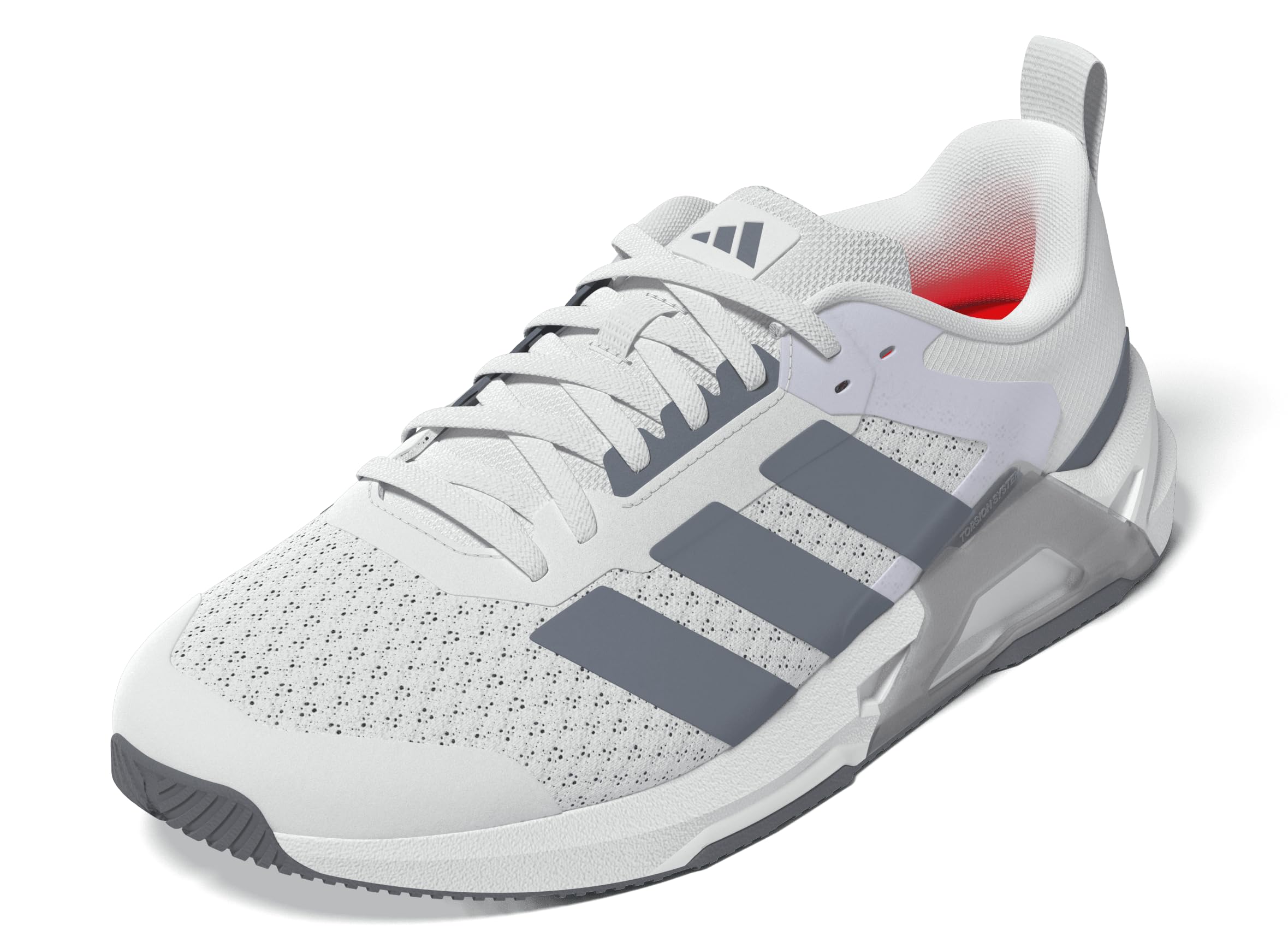
The flat, compression-resistant platform that holds you steady during CrossFit and heavy lifts alike.
The Dropset Control is built for the lifter who needs a stable base for strength work but also has to move through warmups and accessory lunges. Its solid midsole resists compression under load, keeping you connected to the floor, while the Repetitor foam provides consistent cushioning without the collapse of a running shoe. A TPU torsion system through the midfoot adds support for multidirectional movements, making it a solid choice for CrossFit workouts where you alternate between heavy squats and agility drills.
Comfort here is a mixed bag among owners. While many praise the wide fit and stability, others find the shoe too stiff for anything beyond pure weightlifting. The mesh upper is breathable, but the stiffness means it is not recommended for running or long cardio sessions. Sized correctly, it is a great option for women with wide feet who find other training shoes too narrow. Compared to the Under Armour Project Rock 4, the Dropset Control feels more planted for lifting but less forgiving for all-day walking. Customers note it is perfect for CrossFit starters, but a few noted the arch support could be better for extended use.
The Selling Points
- Resists compression during heavy lifts, keeping you stable
- Wide fit that accommodates wider feet comfortably
- Good for training that mixes weights with multidirectional movement
The Limitations
- Very stiff; only good for weightlifting, not cardio or lunges
- Mixed feedback on arch support; some find it uncomfortable
Pick this for: CrossFit or hybrid training where you need stability for lifting and some flexibility for movement.
Pass on it if: your workout is mostly running, walking, or requires a flexible, cushioned sole.
5. Castiron Lift Weightlifting Shoes
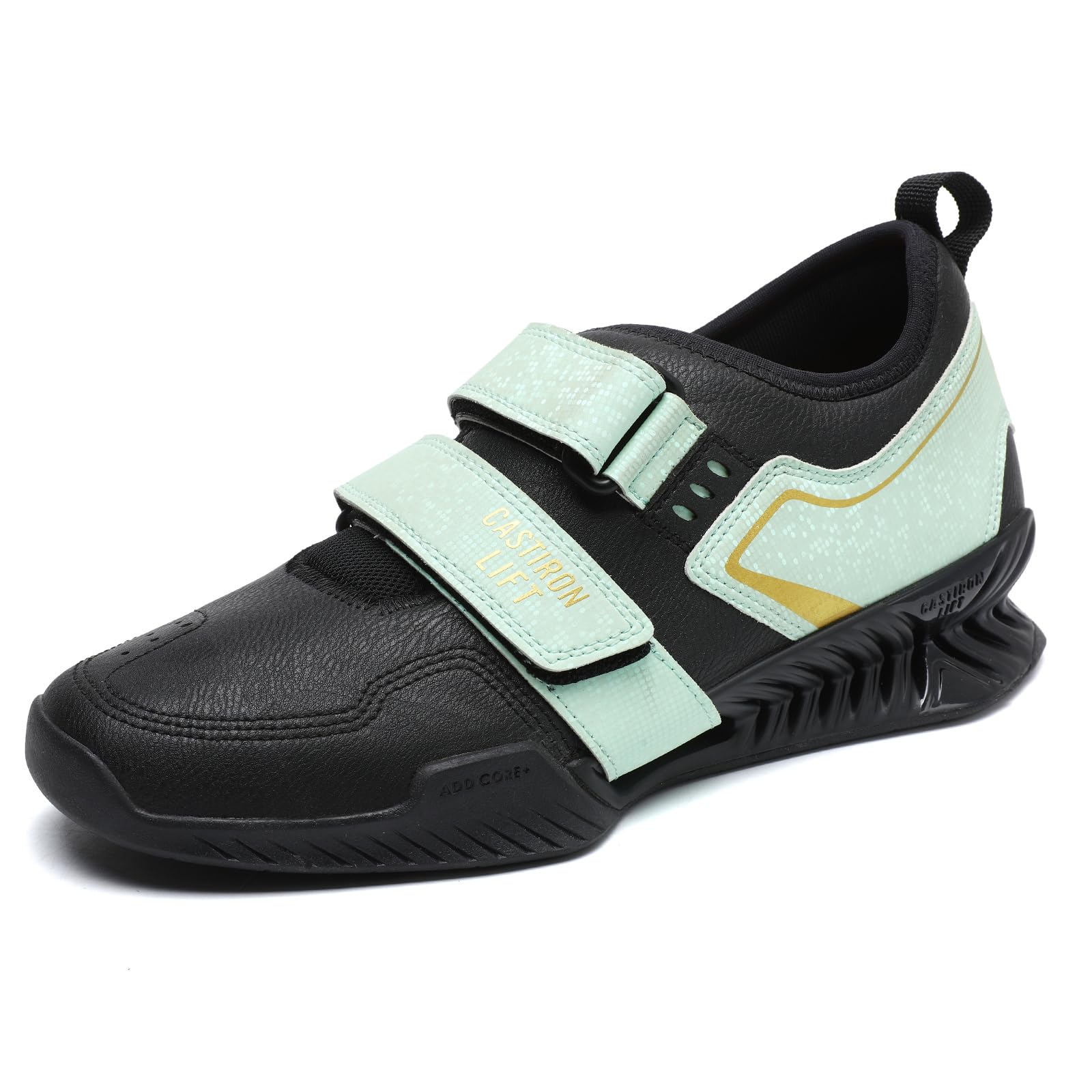
A solid, well-built heeled shoe that holds its own against more expensive brands.
At its price point, the Castiron Lift shoe delivers surprising quality and performance. The angled sole provides a stable platform for planting your feet during squats, deadlifts, and overhead presses, and the improve heel helps with deeper squatting. A key feature is the velcro straps, which buyers consistently praise for securing the foot snugly. The fit runs true to size for narrow to medium feet, and the consensus on the toe box is that it offers great support without being too restrictive. As one owner noted, “I have a wide 8.5 women’s foot. In men’s I’m a 6. These fit like a snug, perfect glove.”
The downsides are mostly cosmetic. While the build is sturdy, the color schemes have been described as unexpectedly mismatched, with one buyer resorting to painting the straps black. The tall heel (about 0.75 inches) also takes some getting used to, especially if you are new to lifting shoes. Durability is solid, with many buyers reporting years of use, but the occasional report of the velcro wearing out over time means it is a shoe to maintain rather than abuse. Compared to the Osterland squat shoe, the Castiron offers a similar heel height with a more reliable strap system, making it a strong alternative for dedicated squat work.
What Works
- Excellent stability for squats and clean and jerk movements
- Velcro straps keep the foot locked in securely
- Good quality materials that feel durable after long use
The Downsides
- The color designs can look mismatched or ugly in person
- Heel takes a session or two to adjust to; not for casual walking
Ideal for: the lifter on a budget who needs a dedicated, stable heeled shoe for squats and Olympic lifts.
Avoid if: you want a versatile gym shoe that works for cardio or walking.
6. Reebok Nano X5 (Women’s)
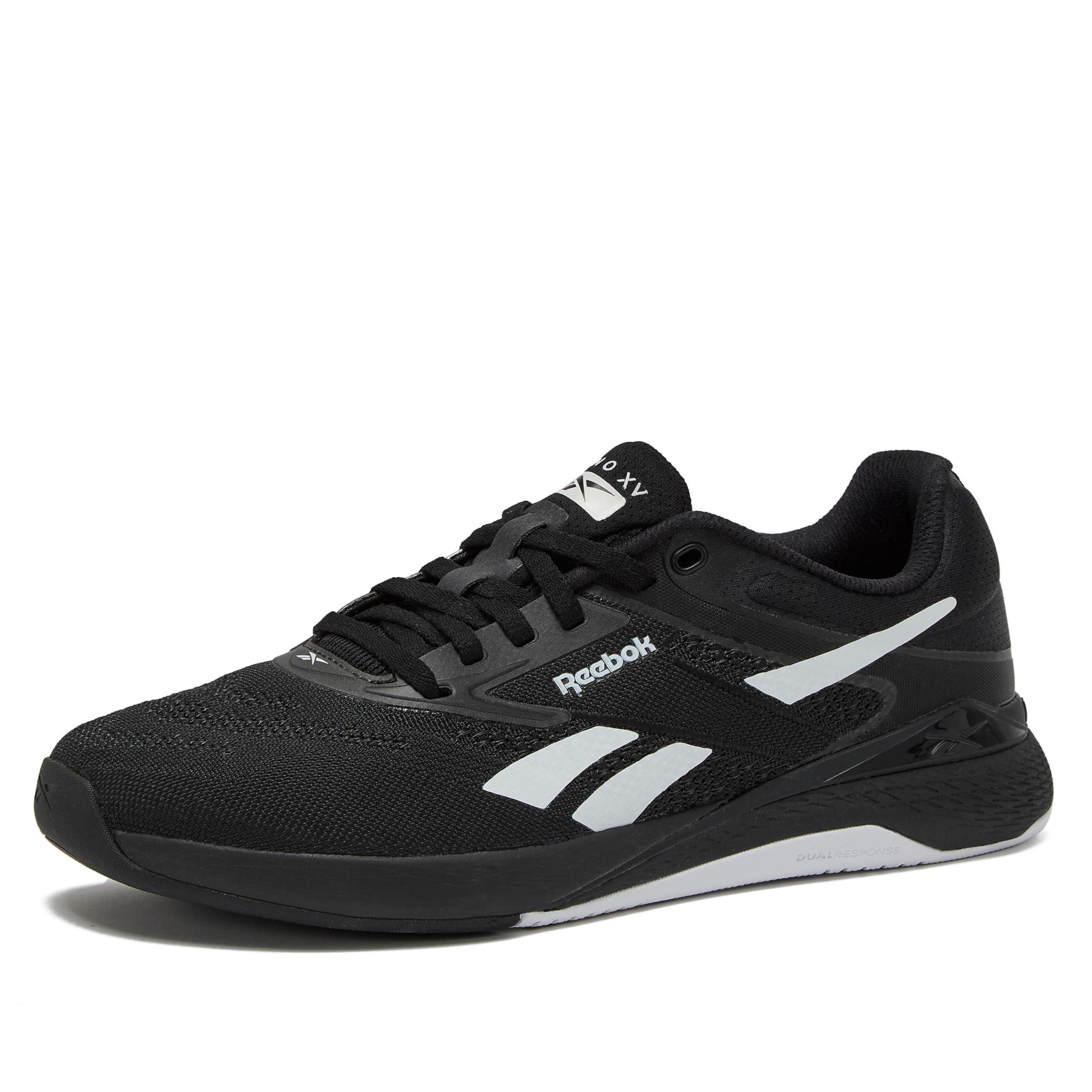
The flat, firm base that turns heavy squats into a stable, grounded experience.
The Nano X5 is a flat training shoe with a very firm sole, which gives you the solid platform needed for heavy lifting without the elevation of a heeled shoe. It is designed for the lifter who wants stability but also needs to move through treadmill warmups and stair climbs. The hard bottom provides excellent grip, and the flexibility is just enough to handle dynamic movements without feeling like a board. A women’s size 12 owner praised the fit, calling them comfortable and sturdy, and noting she gets compliments every time she wears them.
The main source of debate is the fit. The shoe runs wide, and those with narrow feet or skinny ankles may find it loose, even when sizing down. The arch support has also received mixed feedback, with some buyers finding it uncomfortable and far back in the shoe. It is not a dedicated heeled lifting shoe, so if your entire focus is maximal squat depth, a higher heel like the Legacy Lifter III is a better choice. Compared to the adidas Dropset Control, the Nano X5 feels more comfortable for walking and general gym use, but both prioritize a solid base for strength work over cushioning for running.
The Strengths
- Firm, stable base that feels great for heavy weightlifting
- Durable construction; holds up well over time
- Flexible enough for treadmill and stairs, not just lifting
The Issues
- Runs wide; not ideal for narrow feet without sizing down
- Arch support placement is uncomfortable for some buyers
Choose this for: a stable, flat training shoe that handles heavy lifts and light cardio without any heel elevation.
Not for: those with narrow feet who need a snug, locked-in feel.
7. Reebok Womens Nano X5
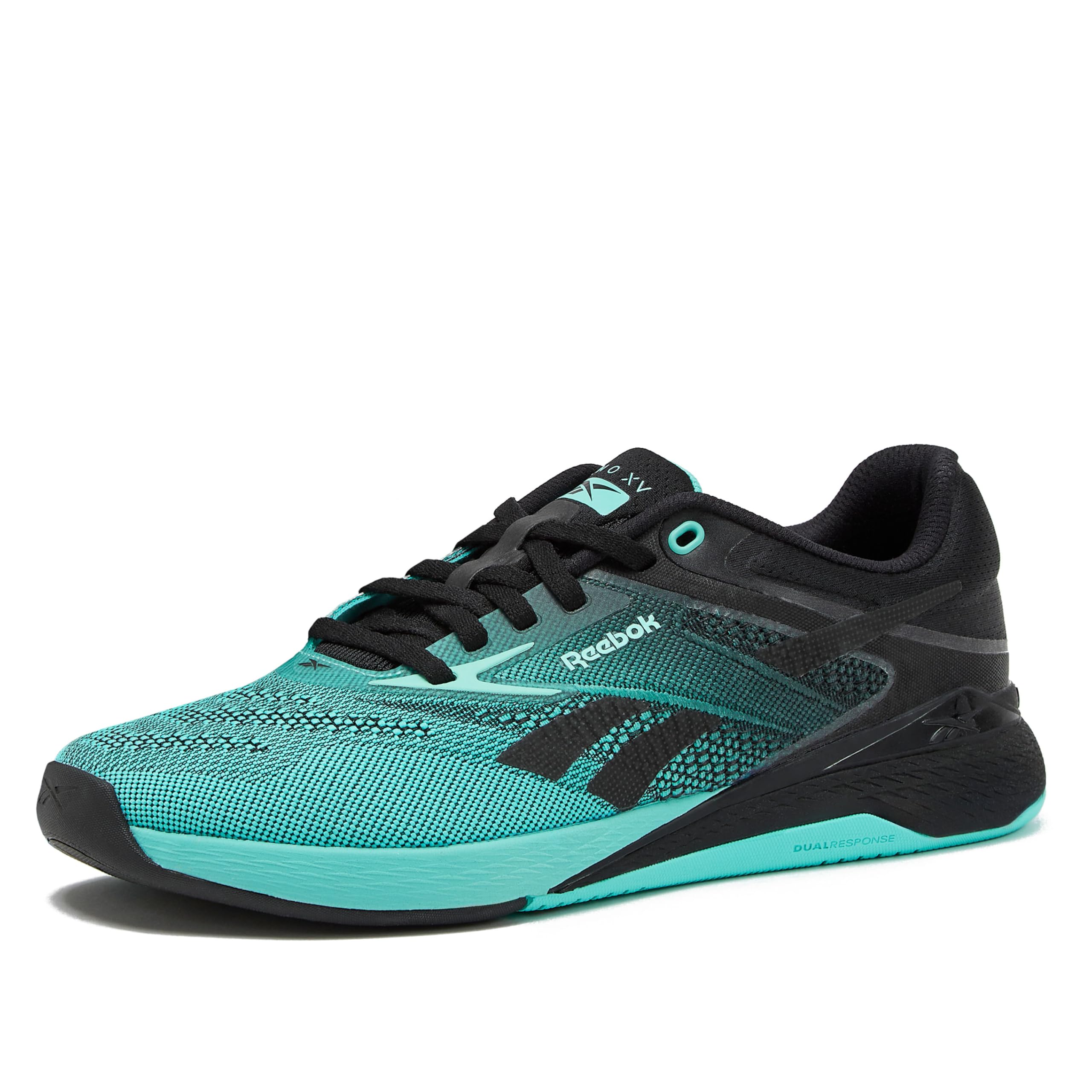
The cross-training hybrid that feels as stable for squats as it does for HIIT burpees.
This version of the Nano X5 uses a Flexweave knit upper that is soft and breathable, paired with a high-traction outsole and a molded heel designed for lateral stability. The wide toe box allows your foot to spread naturally, which is great for maintaining balance during strength training. The sole is flat, stiff, and non-flexible, which is perfect for weight training because it minimizes rocking. As some owners put it, this shoe feels like a hug for your feet, and the wide toe box is a significant upgrade over more narrow alternatives like the adidas Powerlift 5.
The trade-off is that the sole is stiff, so it is not an ideal shoe for running or long-distance walking. The fit also runs true to length but is slightly snug, and a few buyers noted a loose heel. However, the wider toe box helps with foot swelling during long sessions, and the overall traction is excellent. It has a very loyal following, with one owner calling it “the absolute perfect cross trainer” and noting she is on her third pair. If your workout mixes HIIT boot camp with weights, this is the shoe that does both well, unlike more specialized options.
What Makes It Great
- Wide toe box allows toes to splay for better balance
- Flat, stable sole is ideal for squats and deadlifts
- Very comfortable for HIIT and strength training combos
The Catch
- Stiff sole is not suitable for running or extended walking
- Fit can be slightly loose in the heel for some foot shapes
Reach for this if: you do CrossFit, HIIT, or any workout that alternates between heavy weights and high-intensity cardio.
skip it if: you need a dedicated running shoe or a high-heeled competition lifting shoe.
8. Reebok Legacy Lifter III
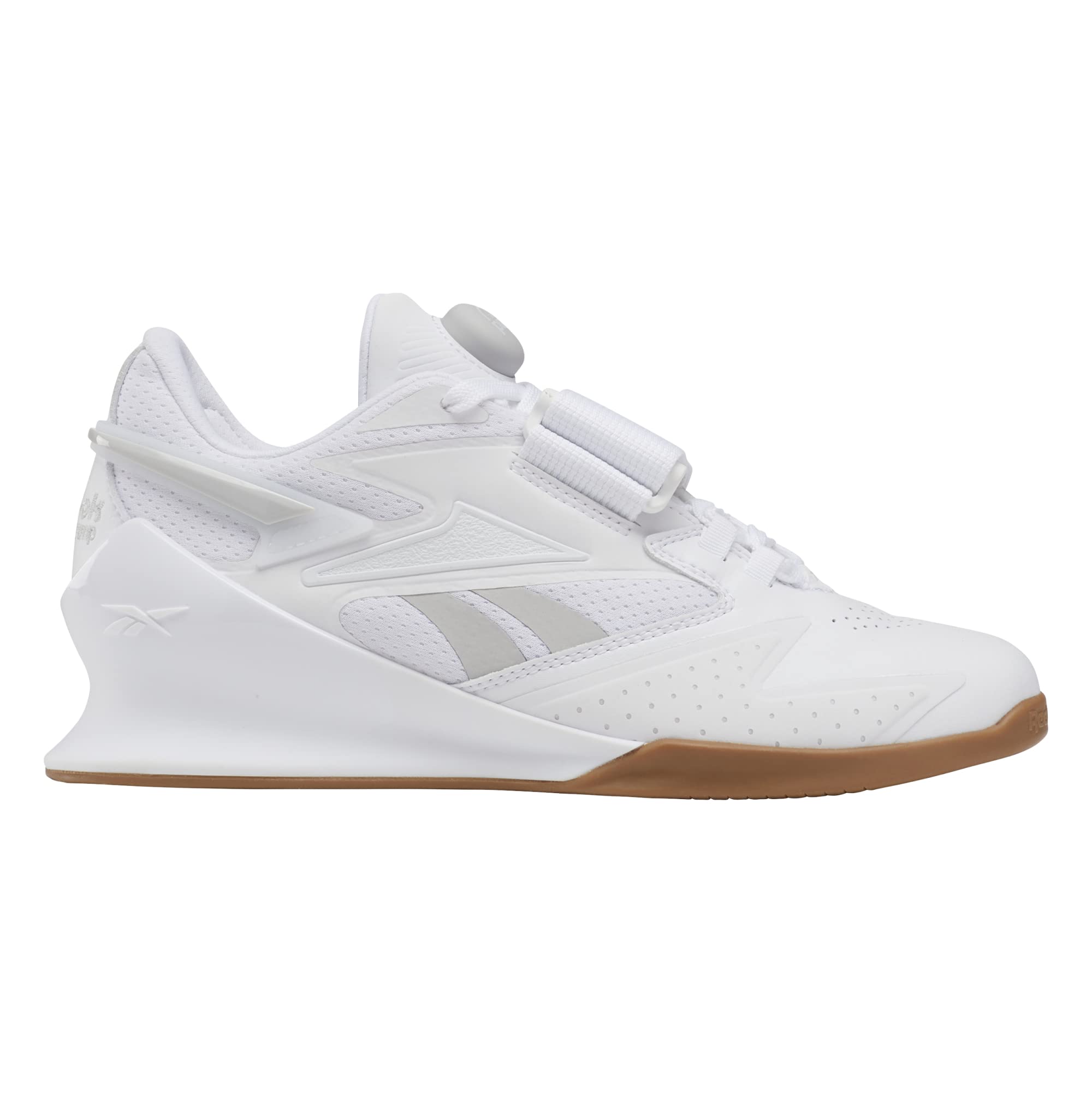
The competition-grade platform that turns ankle mobility limits into deep, stable squats.
The Legacy Lifter III is a serious tool for serious lifters. It features an improve heel, one of the tallest available, designed to help athletes with limited ankle flexibility get into a deep squat position while maintaining an upright torso. The construction is rigid and durable, providing maximum stability under heavy loads. As one buyer described, it is “game-changing for squats,” and owners love the secure fit and roomy toe box. A woman who ordered a 6.5 in what was listed as a men’s shoe noted it was “sturdy snug and plenty of room for me in the toe box.”
The main frustrations here are with sizing and retail logistics, not the shoe’s performance. The sizing conversion between men’s and women’s sizes is confusing, and there have been cases of the wrong size being shipped. The shoe is also noticeably less rigid than the previous Legacy Lifter 2 model, which disappointed some returning customers. Despite this, for the dedicated powerlifter or weightlifter who needs a tall, uncompromising heel for competition-style squatting, this shoe delivers. Compared to the adidas Powerlift 5, the Legacy Lifter III offers a much higher heel and more rigid construction, making it the better choice for advanced lifters but a less forgiving shoe for beginners.
The High Points
- High heel provides maximal assistance for deep squats with poor ankle mobility
- Sturdy, secure fit with plenty of room in the toe box
- Excellent stability for squats and deadlifts
The Low Points
- Confusing men’s/women’s sizing; order half a size up
- Less rigid than the previous Legacy Lifter 2 model
Perfect for: the advanced or competitive lifter who needs a high, rigid heel for maximal squat depth and stability.
Too much for: beginners or general gym-goers who do not need a competition-spec heel for their routine.
Understanding the Specs
Heel Height
This is the most important spec. It measures the difference in height between the heel and the toe. A higher heel (often measured in inches or cm) allows you to squat deeper by reducing the need for ankle flexibility. Beginners usually start with a lower heel around 0.6 inches, while more experienced lifters often prefer a taller heel, sometimes up to 1.4 inches, for a more upright torso during squats.
Flat vs. Raised Heel
Flat shoes (like the Reebok Nano series) keep your foot parallel to the ground, which is best for deadlifts and exercises where you need to feel the floor. Raised heel shoes (like the Legacy Lifter III) tilt your foot forward, shifting weight to your midfoot and quads. This helps with squat depth but can feel unstable during deadlifts or walking. Your choice depends on your primary movement.
Sole Stiffness and Material
A weightlifting shoe’s sole should be hard and non-compressible. Soft, cushioned soles (like those on running shoes) absorb your energy and make you wobble under heavy loads. Look for “solid rubber,” “hard rubber,” or “TPU” (a type of thermoplastic polyurethane) in the sole construction. This ensures the force from your legs goes directly into the ground, not into squishing the shoe.
Fit and Toe Box Width
A secure fit prevents your foot from sliding inside the shoe during a heavy lift, which is critical for safety. Many weightlifting shoes run narrow, so those with wider feet often need to order half a size up or look for models that specifically mention a “wide toe box.” A snug heel and midfoot, with enough room for your toes to splay, is the ideal balance.
FAQ
Do I really need weightlifting shoes or can I just use my running shoes?
What heel height is best for a beginner?
Can I wear weightlifting shoes for deadlifts?
Will weightlifting shoes help with my ankle mobility issues?
How tight should weightlifting shoes fit?
Are CrossFit shoes the same as weightlifting shoes?
How long do weightlifting shoes typically last?
Can I use weightlifting shoes for walking or all-day wear?
Should I size up or down when buying weightlifting shoes online?
What is the difference between a flat shoe and a shoe with a raised heel?
Final Thoughts: The Verdict
For most buyers, the women’s weightlifting shoes winner is the Under Armour Project Rock 4 because it offers the best all-around balance of comfort, versatility, and stability for the majority of gym-goers. If you want a dedicated high heel for deep squats on a budget, grab the Osterland Squat Shoe. And for the competitive lifter who needs a competition-grade platform, the Reebok Legacy Lifter III is the one to reach for.
How We Picked
We do not accept paid placement. Every pick is matched to a real buyer and a real use-case; we do not hands-on test units.
Sources & Methodology
Specifications: manufacturer listings and product documentation. Review insights: verified customer reviews, as of July 2026. Pricing: not shown on this page (it changes often); check the current price via the retailer link.
As an Amazon Associate, Calories Fit earns from qualifying purchases. This does not affect which products we feature.