
Our readers keep the lights on and the coffee maker working hard! As an Amazon Associate, I earn from qualifying purchases.
Specs are compiled from manufacturer listings and verified buyer reviews and can change over time — please confirm the key details on the product page before buying.
The biggest problem with most weight lifting belts is simple: they’re built for a man’s torso. They pinch at the hips, gape at the waist, and dig into your ribs when you brace. A women’s belt must sit snugly on the lower back, support the spine during heavy squats and deadlifts, and stay comfortable through a full session. This guide cuts through the leather vs. nylon debate to find belts that fit a woman’s frame and lifting style.
I’m Mohammad — the founder and writer behind Calories Fit. This guide is built by comparing the manufacturers’ published specifications and the patterns across verified customer reviews, so you get each pick’s real strengths and trade-offs instead of marketing spin.
From padded lumbar support to tapered cuts that avoid hip pinching, these are the top-rated belts women wear for squats and deadlifts. compare the best women’s weight lifting belts here and find your perfect fit.
Our Picks at a Glance


How To Choose The Best Women’s Weight Lifting Belts
Your lifting style dictates the belt you need. A powerlifter grinding through a 1-rep max deadlift needs a stiff, wide belt, while a CrossFit athlete doing high-rep metcons needs a flexible one.
Decide Between Leather and Nylon
Leather belts are thick and stiff, offering maximum support for heavy, slow lifts like squats and deadlifts. They give your core a solid wall to push against. Nylon belts are thinner and more flexible, ideal for dynamic movements, high-rep workouts, and quick on/off between sets.
Consider the Width and Fit
Most belts are 4 inches wide, which provides a good balance of support and mobility. Some belts taper in the front, which prevents them from digging into your ribs or hips when you bend. A belt that is too wide or too straight can pinch and restrict your movement, especially for shorter torsos.
Quick Comparison
| Model | Best For | Material | Thickness | Closure | Amazon |
|---|---|---|---|---|---|
| Jaffick Leather Belt★ Best Overall | Curvy fit & style | Buffalo Hide Leather | 6 mm | Dual-Prong Buckle | Amazon |
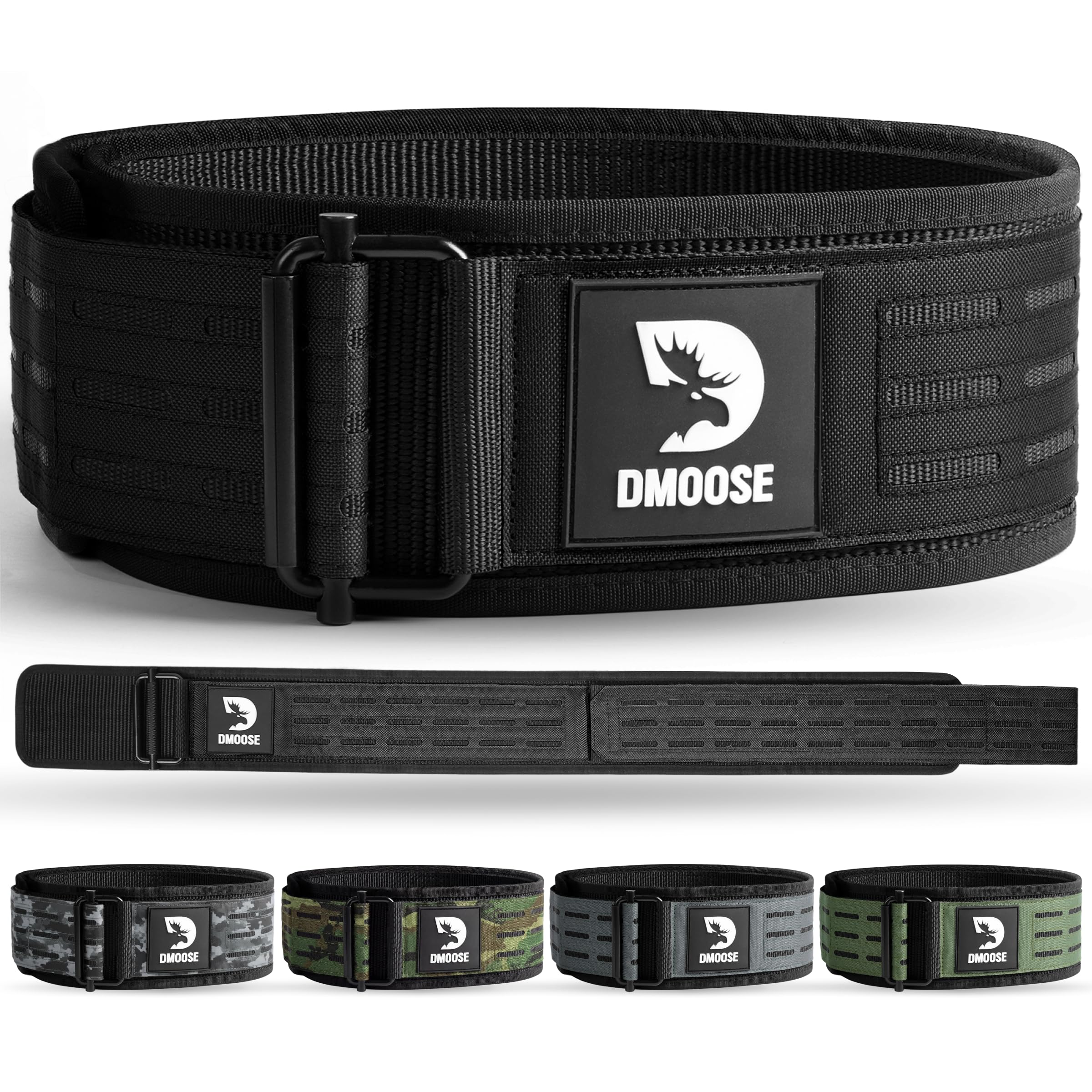
| DMoose Auto LockingQuick-Release Pick | Quick adjustments | Nylon | 4 inches | Hoop & Loop | Amazon |
| Bear KompleX 4″ StraightMetcon Favorite | CrossFit & WODs | Nylon, Polyester | 0.25 inches | Buckle & Velcro | Amazon |
| Mytra Fusion Leather | Heavy lifting support | Genuine Leather | 7 mm | Buckle | Amazon |
| GurZinn 9mm Leather | Extra lumbar padding | Leather | 9 mm | Buckle | Amazon |
| Bear KompleX 6″ Belt | Maximum core stability | Nylon | 6″ back panel | Buckle & Velcro | Amazon |
| Fitgriff Classic Leather | Traditional leather feel | 100% Cowhide | 5 mm | Double Prong Buckle | Amazon |
| Nike Strength Training Belt | Trusted brand quality | — | — | — | Amazon |
| Iron Bull Strength 7mm | Competition lifting | A-Grade Leather | 7 mm | Double Roller Buckle | Amazon |
In-Depth Reviews
1. Jaffick Weight Lifting Belt For Ladies
Our pick — over 4.5★ from 700+ verified ratings; the strongest balance of quality and price.
A pink leather belt designed specifically for female hips, with a tapered waist that won’t pinch.
This belt stands out because it was designed with a woman’s body in mind. The back section is 4-1/6 inches wide and features a 20mm padded lumbar support, giving you a cushioned wall to brace against during squats and deadlifts. The waist is tapered so it won’t dig into your hips, and the suede lining on the inside adds extra comfort against your skin.
Made from 100% genuine buffalo hide leather, it’s 6 mm thick — sturdy enough for heavy lifting but soft and flexible to the touch. The dual-pronged steel buckle has 10 precision-drilled holes so you can fine-tune the fit, and the extra leather flap in front prevents the buckle from pressing into your body. A 5’1″ lifter around 138 lb found it ideal for a short torso, praising how easy it is to get on and off.
Quality is what wins people over here — owners consistently praise the quality, appearance, and the soft back padding. It’s a crowd favorite, holding a 4.7-star average across 700+ ratings. The only real trade-off is the price, which sits in the mid-range for leather belts, but the flattering fit and strong build justify it.
Lady fit comfort
- Specifically tapered for women’s hips to avoid pinching
- 20mm padded lumbar support adds comfort
- Adjustable with 10 different holes for a precise fit
Sizing quirks
- Leather can feel stiff before it breaks in
- Pink color won’t suit everyone’s taste
Women’s pick: you want a supportive leather belt that fits a curvier frame without digging in. The 6mm thickness provides solid support without the bulk of a powerlifting belt.
Men’s option: you prefer a flexible nylon belt for high-rep workouts, the stiffness of leather will feel restrictive.
2. DMoose Fitness Auto Locking Belt
A self-locking belt that cinches tight for your set and releases with a flick for the next one.
If you hate fumbling with prongs between sets, this belt solves that problem. The self-locking buckle cinches down and holds firm through heavy lifts, then a quick-release flick loosens it in seconds. This makes it perfect for workouts where you’re moving from squats to deadlifts to accessories without wanting to adjust your gear constantly.
At 4 inches of uniform width, this nylon belt distributes pressure evenly across your lower back, helping you brace your core. Unlike stiff leather belts, the lightweight nylon flexes with your body so it won’t dig in during a long session. Fit feedback is a bit mixed—a buyer with a 32-33″ waist found the Medium fits well, but warned that the Large runs big and the Small exposes the Velcro. Another owner noted it’s slightly harder to get super tight than other belts, but the support is solid.
Owners praise this belt for combining solid support with a fair price. Buyers report the stitching holds up well for both beginners and experienced lifters, and the 1-year warranty from DMoose adds confidence.
Speed setup: you want a no-fuss belt that you can whip on and off quickly between exercises. It’s a great all-rounder for gym sessions at home or in a commercial gym.
Slim waist: you’re dead-set on traditional leather support for maximal lifts, or you have a very specific waist measurement that falls between sizes.
3. Bear KompleX 4″ Straight Belt
A featherlight, flexible belt for athletes who need support without restricting movement.
This belt is about as minimal as it gets for support. At just 0.25 inches thick and 7.04 ounces in weight, it’s incredibly light and flexible. The 4″ strong Velcro closure means you can get it on and off quickly, which is why it’s a favorite for CrossFit workouts, Olympic lifts, snatches, and cleans where you’re constantly moving between exercises.
The trade-off for that flexibility is a super firm back panel. The material is a blend of nylon, polyester, and spandex, which gives it a different feel to both thick leather and pure nylon belts. Owners love that it stays in place even during high-rep WODs and doesn’t move around. As one buyer put it, “This belt is fantastic, I have worn it 6 times since getting it 2 weeks ago and I’m blown away.”
The durability gets some mixed feedback in the long run, with a few owners reporting the Velcro or material wearing out after a few weeks of heavy use. Sizing can also be tricky — one athlete between 36-38″ found the Large ran loose, so it’s worth measuring carefully. The Pink Leopard colorway is a fun bonus for those who want style.
Light lifting: you do CrossFit, high-rep metcons, or Olympic lifting and need a belt that moves with you. Its low profile makes it easy to wear for long sessions.
Heavy loads: you’re a powerlifter chasing maximal support; the thin construction won’t give you the same rigid wall as a leather belt.
4. Mytra Fusion Women’s Leather Belt

A solid 7mm genuine leather belt known for its perfect pink color and snug fit.
This is the belt you’ll see in a lot of gym bags for good reason. It’s made from 100% genuine leather at 7mm thick and 4 inches wide, offering a substantial level of support for heavy lifting. Owners repeatedly mention how the pink color is spot on and the fit is perfect, making it a popular choice for women who want both performance and style.
The stiffness is what makes it great for heavy squats and deadlifts. One reviewer noted it fits perfectly on their girlfriend who is 5’2″ and 100 lb, which shows it can work for petite frames. Another owner who trains daily calls it a solid replacement for belts they’ve had in the past, praising the good support.
There is one recurring issue that comes up: rust. A few owners mention the metal pieces on the buckle arriving with signs of rust, which can be a concern for a brand-new product. Quality and color are the top positives, but if you’re fussy about hardware condition, it’s worth checking on arrival.
Casual wear: a classic, dependable leather belt that offers sturdy support for heavy lifts. It’s a proven design with a large base of happy owners.
Hardcore PRs: a few units have arrived with rusted metal hardware, so inspect the buckle when it arrives. Also, a 27″ waist buyer found the size small too small and needed a medium.
5. GurZinn 9mm Leather Belt

A thicker 9mm belt with a padded waistband for extra lower back protection.
If you want more cushioning than a standard belt, this one adds a sponge pad in the waistband on top of its 9mm thickness. At 4 inches wide, it provides substantial support for weight-bearing training and is designed to prevent injuries during high-intensity lifts. The padding helps protect your lower back, which is a big plus for anyone who feels discomfort with firmer belts.
The leather is double-sided and reinforced with top stitches to resist breaking and tearing, and it’s designed to be soft and supple to minimize friction against your skin. The sizing runs small, which is actually good news for thinner women — one buyer specifically mentioned it was hard to find a belt for their very thin daughter, but this one worked. Owners also praise the 10 rows of adjustment holes and the 6 stainless steel rivets for a durable, customizable fit.
Comfort is a mixed bag in reviews, which makes sense since a thicker belt naturally feels more rigid. The quality and the fit are the standout features, with buyers noting it distributes weight well and stays in place during heavy lifts.
Sturdy choice: lifters who want maximum lumbar cushioning and need smaller sizes that actually fit. The 9mm thickness gives you serious support for heavy compound movements.
Flexibility: the extra padding and thicker leather mean it can feel stiff at first. It needs a break-in period before it feels comfortable.
6. Bear KompleX 6″ Adjustable Belt

A wider 6-inch back panel that wraps your lower back in firm, evenly distributed support.
When you need maximum core stability, this wider belt delivers. The 6″ firm back panel covers more of your lower back, distributing pressure evenly and helping you brace your core more effectively during heavy squats and deadlifts. It’s a step up in support compared to the 4″ competitors, making it a favorite for powerlifting-style training.
The construction blends a steel roller buckle with heavy-duty Velcro, so you can lock it in tight and it won’t slip mid-set. The soft inner lining prevents friction and pinching, a common complaint with stiffer leather belts. Owners who’ve switched from expensive leather Rogue belts praise how comfortable it is and how well the Velcro holds, even under heavy clean and jerks. It’s a big upgrade in comfort for those with thinner waists, fitting a 31/32-inch waist perfectly.
Quality is the single most-praised aspect of this belt, with owners also highlighting its support and fit. It strikes a great balance between the rigidity of a leather belt and the flexibility of a nylon belt, making it versatile for snatches, rows, and pressing movements.
Max support: you want serious support without the stiffness of leather. The 6-inch width gives you more coverage for heavy lifting, while the Velcro keeps it comfortable.
Squat depth: those who prefer a minimal belt for CrossFit-style metcons; the wider back panel can feel bulky for high-rep dynamic movements.
7. Fitgriff Classic Leather Belt

A no-frills, traditional cowhide belt that gives you the classic leather feel on a budget.
This is for the purist who wants the traditional look and feel of a leather lifting belt without paying a premium. Made from 100% premium cowhide with a three-layered, 5mm thick construction, it’s a balance of durability and flexibility. The double prong buckle and solid rivets are engineered to hold up over years of training.
It’s noticeably thinner than the 7mm and 9mm leather belts on this list, so you can move more easily, but it still gives the firm support leather is known for. A beginner lifter who bought it for squats and deadlifts says it gives “noticeable support when bracing on heavier sets.” The 29.53″ length means you’ll need to measure your waist at the navel to get the right size, and feedback on sizing is mixed — some find it perfect, others say it runs small.
Owners mention fit, quality, and support as the top positives, and it comes with a 2-year guarantee for added confidence. It’s a straightforward, honest leather belt that does the job.
Budget friendly: you want a simple, reliable leather belt for your first lifting belt or as a backup. The 5mm thickness is a good middle ground between too stiff and too flexible.
Advanced needs: it can be quite stiff at first and will need a break-in period. Be careful with sizing as the listed waist circumference can be misleading.
8. Nike Unisex Strength Training Belt
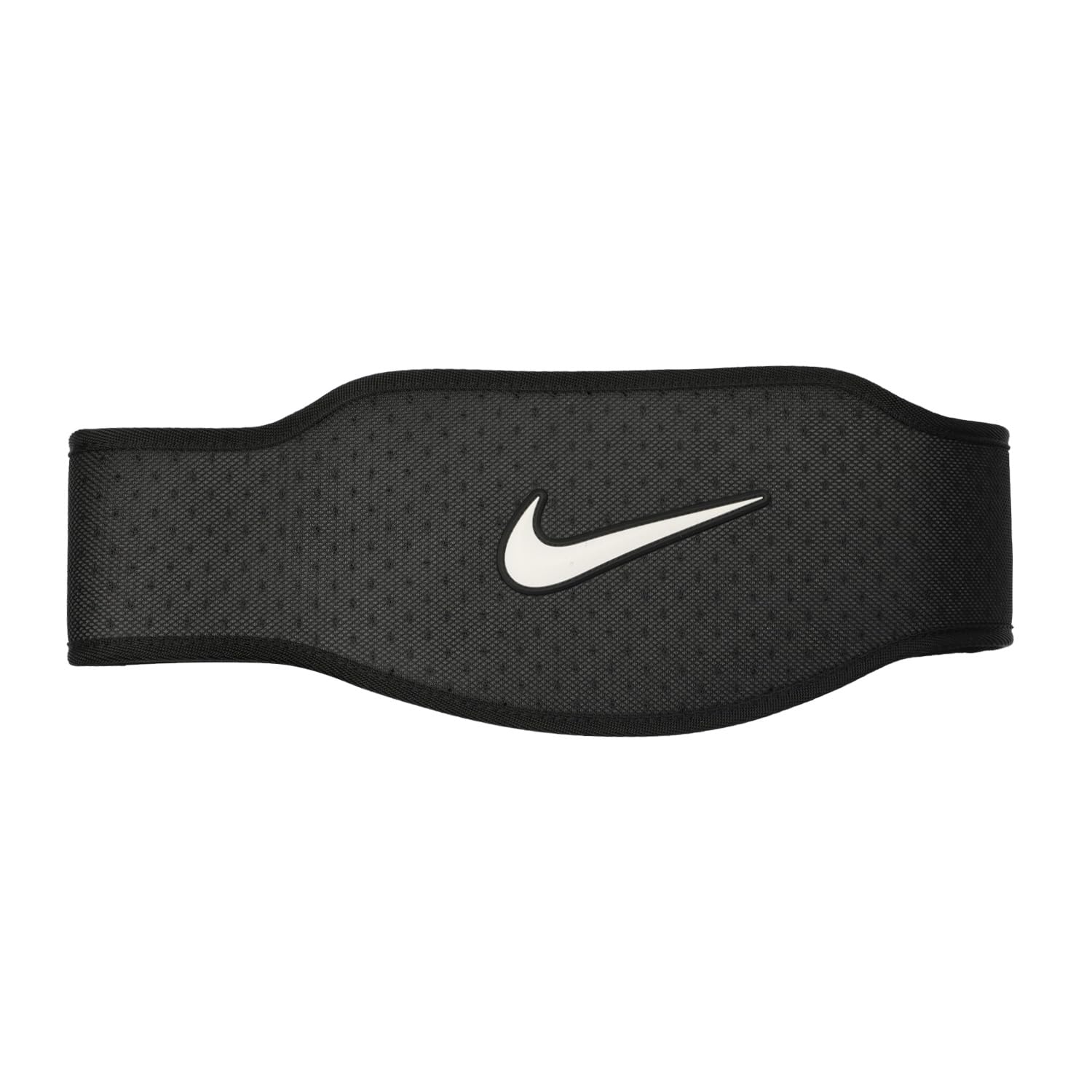
A brand-name belt for lifters who trust Nike’s quality and want a simple, effective design.
Sometimes you just want a belt from a brand you already know and trust. This Nike belt keeps things simple, with a focus on quality and back support rather than flashy features. The reviews are consistently positive, with owners praising its build quality and the support it provides for the back.
The lack of detailed specs in the listing makes it hard to compare exactly how thick or wide it is, but the consensus is that it’s a well-made belt that does what it should. It’s a unisex design, so it’s not specifically tailored to a woman’s hips like some of the other options on this list.
For a mid-range price, you get the assurance of a major sportswear brand and a belt that owners say will “last a long time.” If brand recognition and a guarantee of quality matter more to you than specialized features like tapered cuts or extra lumbar padding, this is a solid, no-nonsense choice.
Versatile use: you value the Nike brand and want a dependable, straightforward belt for general strength training. It’s a safe, quality pick.
Specialized: while quality is praised, there aren’t many specific specs to go on. For a more tailored fit for a woman’s waist, you might find better options among the dedicated women’s belts.
9. Iron Bull Strength 7mm Leather Belt
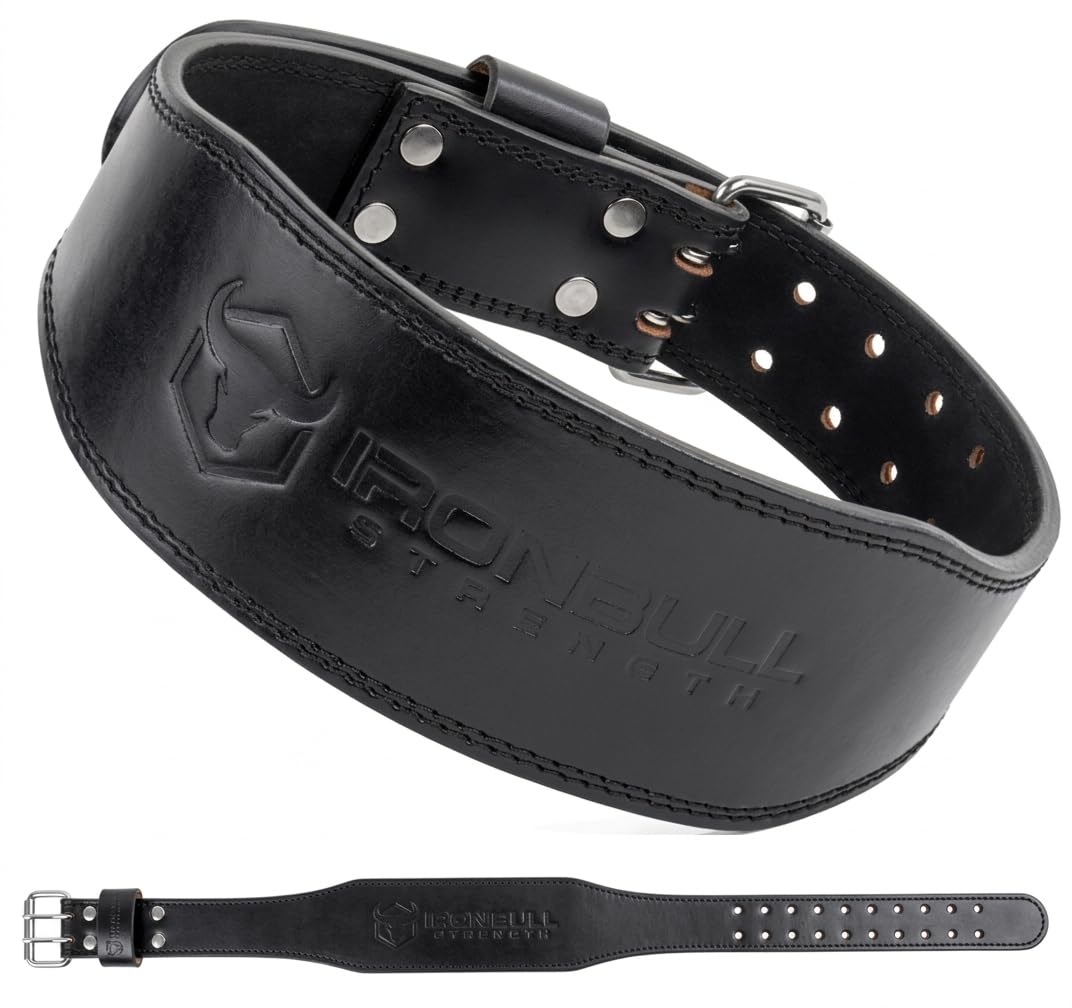
A competition-approved, tapered 7mm leather belt for serious lifters chasing PRs.
If you plan on competing, this is the belt to consider. It’s approved for IPF, USAP, USPA, IPL, USAW & IWF certifications, which means it meets the standards for powerlifting and Olympic lifting competitions. The 4-inch tapered design narrows to 2 inches at the front, providing excellent support for your back and abs while staying out of the way on front lifts like cleans and snatches.
The 7mm thickness is a balance for many lifters — thick enough to give you a solid wall to brace against but not so thick that it’s uncomfortable or stiff. Made from premium A-Grade leather with a black-coated double roller steel buckle, it’s built for heavy, intense training sessions. A 5ft lifter found it hugs the body well, specifically recommending it for smaller people, which is helpful feedback for petite women.
The top positives are its quality and support, with many calling it the best belt they’ve tried compared to other brands. It also comes with a lifetime warranty against manufacturing defects, which is a huge vote of confidence. Some owners do mention the sizing runs small, so you’ll definitely want to measure your waist rather than guess based on pants size.
Powerlifting: you’re a serious lifter or planning to compete. The IPF approval and tapered design make it a top-tier choice for heavy squats, deadlifts, and Olympic lifts.
Light training: you size up. The feedback is clear that it runs small, so measure your true waist with a tape and order accordingly.
Understanding the Specs
Thickness and Stiffness
This is the most important spec to understand. Thicker belts (7mm to 10mm) are stiffer and provide the most support for maximal lifts, but they can be uncomfortable and dig in during high-rep work. Thinner belts (like the 0.25 inch nylon ones) flex and move with you, which is why they’re better for CrossFit and dynamic movements. For most lifters, a 7mm leather belt offers the best all-around balance of support and comfort.
Width and Taper
The width of a belt determines how much of your torso it covers. A 4-inch belt is standard and offers good support. A 6-inch belt provides more coverage for your lower back but can be restrictive for shorter torsos. Tapered belts are wider in the back (like 4 inches) and narrower in the front (like 2 inches), which prevents them from digging into your ribs or hips when you bend forward — a key comfort feature for squats.
FAQ
How tight should a weight lifting belt be?
What’s the difference between a leather and nylon lifting belt?
How do I measure my waist for a lifting belt?
Is a 4-inch belt or a 6-inch belt better for women?
Why is a tapered lifting belt more comfortable?
How long does a leather lifting belt last?
Is it better to size up or down on a lifting belt?
Can I use a leather belt for CrossFit?
Final Thoughts: The Verdict
For most women, the best choice is the Jaffick Leather Belt because it’s one of the few options designed with a female hip shape in mind, offering comfort and support without the pinching common in unisex belts. For a quick-release option that’s perfect for high-rep and CrossFit-style training, the DMoose Auto Locking Belt is the easiest belt to get on and off. And for serious or competitive lifters who need IPF-approved support, the Iron Bull Strength 7mm belt is the premium pick that will last you for years.
How We Picked
We do not accept paid placement. Every pick is matched to a real buyer and a real use-case; we do not hands-on test units.
Sources & Methodology
Specifications: manufacturer listings and product documentation. Review insights: verified customer reviews, as of August 2026. Pricing: not shown on this page (it changes often); check the current price via the retailer link.
As an Amazon Associate, Calories Fit earns from qualifying purchases. This does not affect which products we feature.