
Our readers keep the lights on and the coffee maker working hard! As an Amazon Associate, I earn from qualifying purchases.
Specs are compiled from manufacturer listings and verified buyer reviews and can change over time — please confirm the key details on the product page before buying.
The real test for a winter walking boot isn’t how it looks on the shelf—it’s whether you still have feeling in your toes after the third mile on a slushy sidewalk. Cold, wet feet ruin any outing fast, and the wrong pair turns a simple errand into a miserable shuffle. A waterproof upper is table stakes; the real split between good and great depends on how much insulation you actually get, whether the tread bites into ice, and if the fit still works after six hours on your feet.
I’m Mohammad — the founder and writer behind Calories Fit. This guide is built by comparing the manufacturers’ published specifications and the patterns across verified customer reviews, so you get each pick’s real strengths and trade-offs instead of marketing spin.
These seven boots represent the best of what’s available right now for serious winter walking, and here you will find the most direct comparison of women’s waterproof winter walking boots that actually deliver on their promises of warmth, dryness, and all-day comfort.
Our Picks at a Glance

How To Choose The Best Women’s Waterproof Winter Walking Boots
A winter walking boot needs to do three things at once: keep water out, hold heat in, and let you walk without your feet aching. The hardest part is that these goals often push against each other. Heavy insulation makes a boot warm but stiff; a soft lining is cozy but can make your foot slide inside. Start with the climate you actually face and how far you actually walk, not what looks most rugged on the box.
Insulation Weight and Rating
Insulation is measured in grams per square meter—a 200g boot handles a typical 20°F day without needing a thick sock, while a 400g boot is built for extended exposure below zero. Some brands also use a temperature rating in degrees (like -25°F) to take the guesswork out of pairing boots with your local weather. Keep in mind that your own circulation and sock choice change the real-world warmth by a noticeable margin.
Waterproofing Method
A seam-sealed membrane (like KEEN.DRY) blocks water from leaking in through stitch holes, while a DWR (Durable Water Repellent) coating on the outer fabric sheds surface moisture. For slush, snow, and puddle walking, you want a boot that has both a water-resistant outer material and an interior membrane—relying on just a spray-on coating will leave you with damp feet after a half-hour walk.
Traction for Slick Surfaces
Look at the outsole rubber compound and lug pattern. Some brands inject microscopic particles into the rubber (Polar Traction) to improve grip on black ice, while others rely on deep, multi-directional lugs that dig into packed snow. A flat, wide sole helps on wet pavement; a knobby sole helps on loose snow. Your walking surface dictates which pattern works best.
Quick Comparison
| Model | Best For | Insulation | Waterproof Type | Weight | Amazon |
|---|---|---|---|---|---|
| Sorel Explorer Next Joan★ Best Overall | Sneaker-like comfort & style | Fleece lining | Waterproof construction | Lightweight | Amazon |
| XPETI Crest ThermoBest Value | High-value travel & hiking | Thermo insulation | Waterproof membrane | Lightweight | Amazon |
| Kamik Momentum 3 | Extreme cold & deep snow | HEAT-MX technology | Seam-sealed waterproof | Moderate | Amazon |
| North Face Thermoball II | Zip-up convenience & fit | ThermoBall insulation | Waterproof membrane | Lightweight | Amazon |
| Comfy Moda Legend II | Style & wool warmth | Full wool lining | CanDry waterproof | Moderate | Amazon |
| North Face Chilkat V 400 | Deepest cold & durability | 400g premium | Waterproof membrane | Heavy | Amazon |
| KEEN Revel 4 | Hiking & snowshoeing | 200g KEEN.WARM | KEEN.DRY membrane | 20.32 oz | Amazon |
In‑Depth Reviews
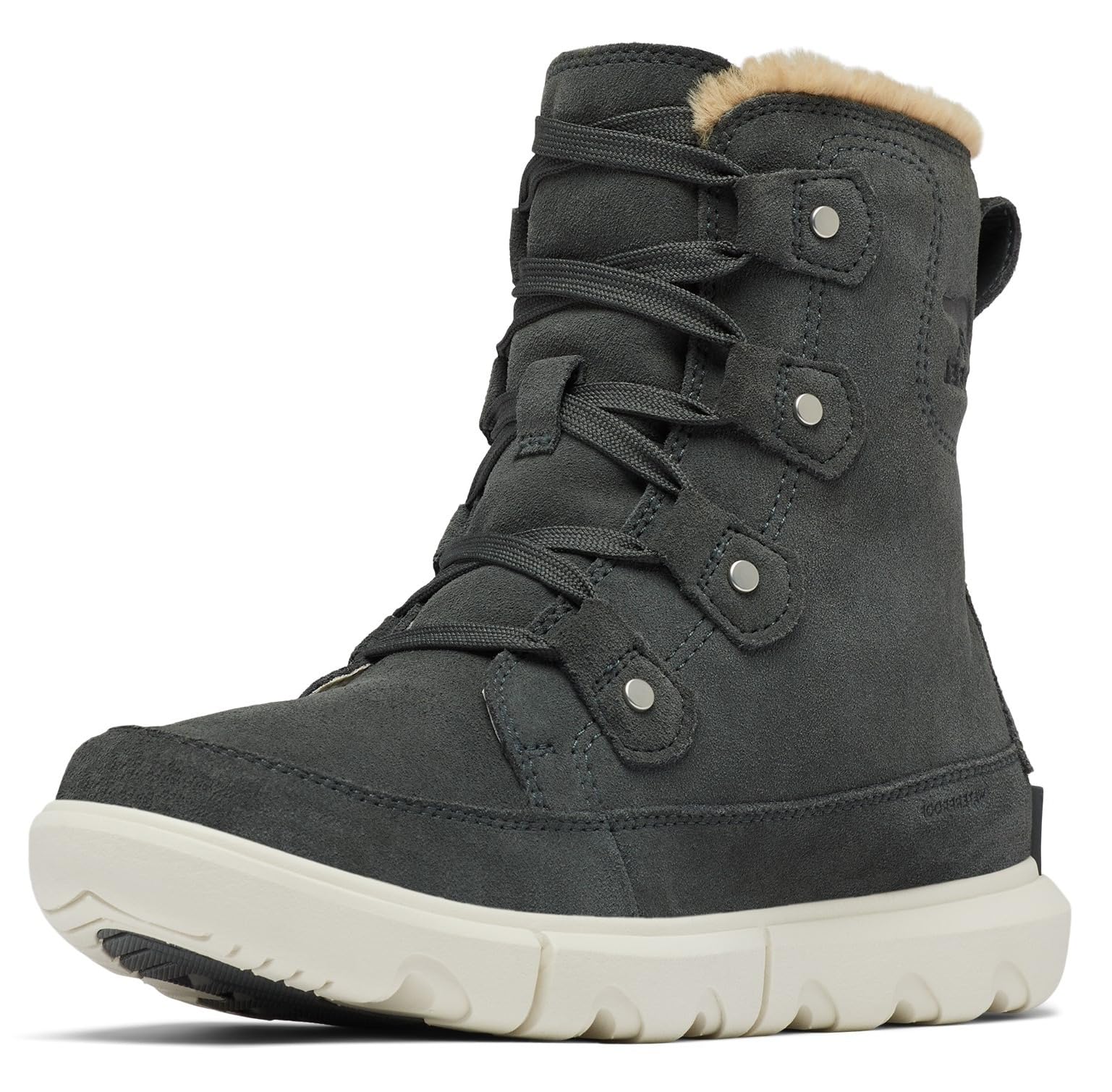
1. Sorel Women’s Explorer Next Joan Waterproof Boots
Our pick — over 4.5★ from 750+ verified ratings; the strongest balance of quality and price.
The joy of a sneaker fused with real winter boot protection for everyday walking.
If you walk on plowed sidewalks and want your feet to feel like they are wearing cushioned trainers, this Sorel is the easy winner. The fleece lining traps warmth without adding bulk, and the combo works so well that buyers report staying warm in 18°F with a normal sock—no need for expedition gear. It is also lightweight enough that you don’t think about the boot after you lace up, which is the whole point of a walking-first design.
The trade-off shows up on rougher terrain. While water beads off in ankle-deep snow, the boot leans toward “water resistant” rather than fully submersible waterproof; standing in a puddle for minutes can seep through. Also, the toe box runs narrow, so if you have a wider forefoot, you will want to order a half-size up. The crowd consensus lands on comfort as the top reason to buy, and that is precisely why this is the best all-rounder for daily winter errands.
The thing that wins people over is that feeling of walking in sneakers when the snow is blowing. One buyer summed it up: “very comfortable, warm in 18°F with normal sock.” Another noted that the boot is “toasty in 0°F” when you size up for a thicker sock. That real-world span—from a mild frost to single digits—makes the Joan the pair you grab first every morning.
Sneaker-Like Comfort
- Fleece lining feels warm without being heavy
- True to size for most, with room for thicker socks
- Stylish enough to wear with jeans or leggings
What to Watch
- Narrow toe box can feel snug for wider feet
- Not fully submersible—deep puddles may soak through
- Minimal arch support for longer walks
Reach for these if: your winter means city streets, errands, and cold mornings where you want your boots to feel like sneakers.
Think twice if: you have a wide forefoot or plan to walk through deep slush for extended periods.
2. XPETI Women’s Crest Thermo Waterproof Winter Snow Boots Insulated
Budget-friendly winter hiking boots that punch far above their price tag for travel and trails.
Buyers with flat feet took them straight from the start onto trails in Iceland and reported no blisters, and the traction on ice, wet terrain, and uneven ground gets consistent praise. The boot is lightweight enough to pack for a trip without weighing down your luggage.
The catch is sizing. This boot runs narrow, and the feedback is loud: size up a half to a full size. One owner with a narrow foot who normally wears an 8 needed a 9. That room also lets you layer a thick wool sock underneath, which is the real path to warmth in a boot rated for hiking rather than extreme cold. A few owners noted that the shoelace hooks can catch each other, so check the laces before a long walk.
Owners describe the feel as “a hug for your feet” right from the start, and that comfort combined with the low price is the defining reason to buy. The top aspect that buyers single out is comfort, followed by quality, and the price to value ratio makes this a strong option if you walk hard on mixed surfaces all winter.
Hiking-Ready Comfort: No break-in needed, good support for flat feet, and excellent traction on ice and wet rock. Size up for a reliable fit.
Grab these for: hiking, travel, and anyone who walks on icy, mixed terrain and wants solid performance on a leaner budget.
Pass if: you have a wide foot—the narrow fit makes this a struggle even after sizing up.
3. Kamik Momentum 3 Insulated Snow Boots
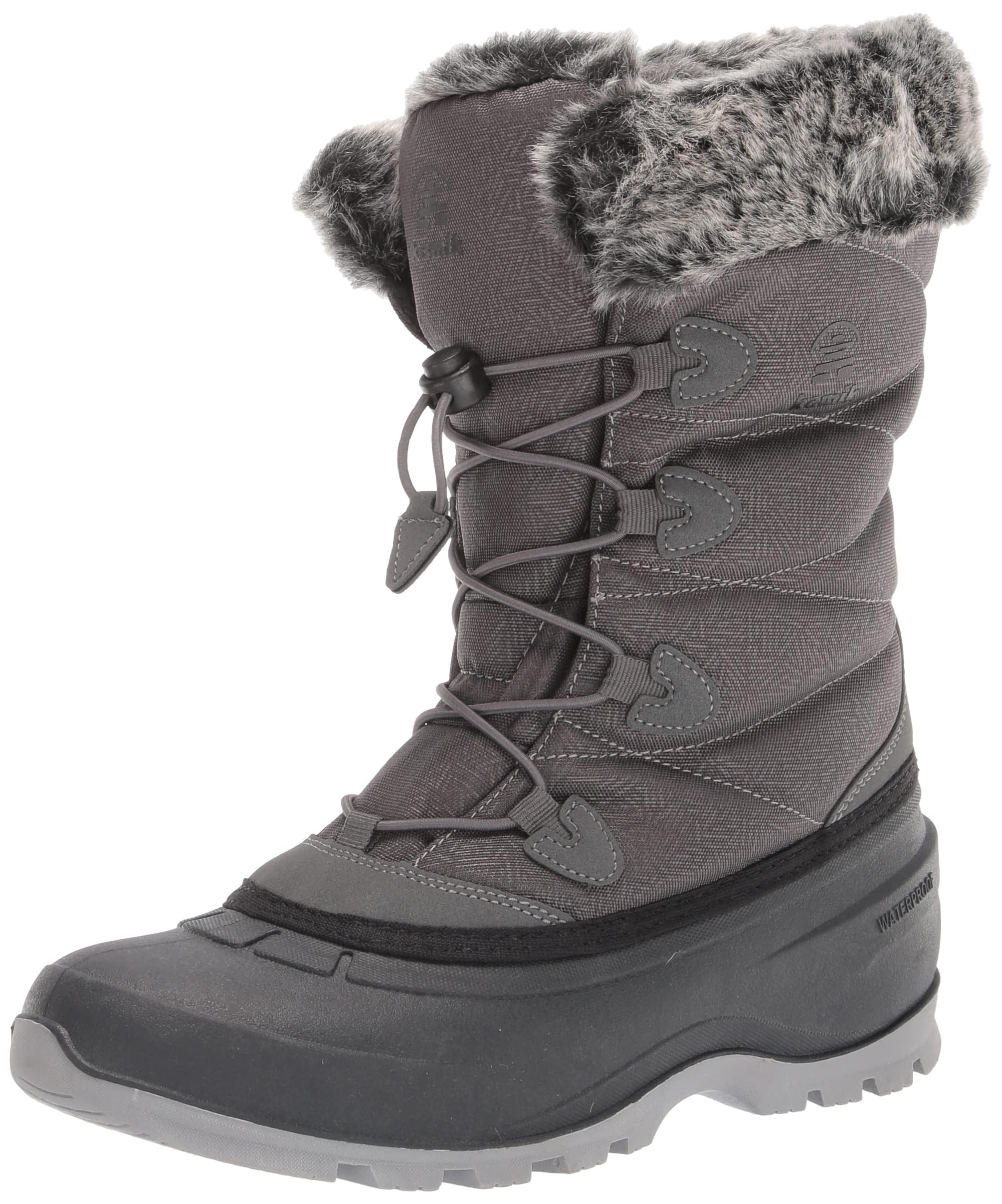
Serious warmth for subzero walks, with a quick pull-on closure that keeps snow out.
When the temperature drops below zero and you still need to walk the dog, the Kamik Momentum 3 is the pair to trust. The HEAT-MX insulation keeps feet warm even without a sock, and the elastic lace system combined with a fuzzy top collar makes it simple to pull on and off without fighting laces. The traction on ice earns high marks from owners who walked through a snowy Lapland for nine days without a slip.
The durability is where opinions split. A small number of owners mention the seam coming undone after a few months of light use, causing water to leak through—this is the minority experience, but it shows up in the data. For the price, the warmth performance is excellent. The boot runs true to size for most, though half-size buyers need to go up a full size to fit a thick sock. One owner found the ankle slightly narrow.
The thing everyone raves about is warmth: it is the most-mentioned aspect in the reviews by a wide margin. One buyer summed up the best-case experience: “we walked for 9 days in snowy Lapland—warm, dry, no slipping, no foot pain.” That is the promise of this boot, and it delivers for the vast majority of owners.
Arctic Warmth
- HEAT-MX insulation works in subzero temps
- Easy on/off with elastic lace and drawstring
- Fuzzy top prevents snow from entering the shaft
Build Reality
- Seam durability is a known weak point for a minority of owners
- Minimal arch support; replace the insole if walking far
- Half-size buyers must size up a full size
Grab these if: you need deep-cold warmth and easy on/off for quick trips into the snow.
Look elsewhere if: you walk miles every day on pavement—the limited arch support and occasional seam issue aren’t ideal for daily high-mileage use.
4. THE NORTH FACE Women’s Thermoball Progressive Zip Up II Snow Boot

A lightweight, zip-up winter boot that hugs your foot like a sneaker for snowy commutes.
The North Face Thermoball II is built for people who value ease of entry above all else. The side zipper and elastic gore let you step in and zip up in seconds, and the ThermoBall insulation provides warm protection without anything bulky. On snowy New Hampshire mornings, customers note their feet stay warm and dry while feeling like they are still wearing trainers. The white rubber sole stands out visually, but it is also functional—the outsole handles wet grass and light snow well.
The biggest constraint is fit. This boot runs narrow and does not come in half sizes, so anyone between sizes or with a wider foot faces a real problem. Several buyers ordered a full size up and still found the boot too tight. If you are a true size 7 or 8 with a narrow-to-medium foot, this boot is remarkably comfortable from day one. Quality and style are widely praised, but the narrow fit makes it a risky blind buy.
Owners say the boots are “super comfy” and “lightweight,” with one calling them “the best winter footwear” for daily snow conditions. The Thermoball technology delivers consistent warmth without the puffiness of traditional insulation, and the boot packs down easily for travel.
Zip-and-Go Warmth: Excellent for someone with a narrow foot who wants a lightweight, stylish boot with no laces to tie. Half sizes do not exist—buy carefully.
Best for: narrow-footed women who prioritize a quick slip-on and a sleek silhouette for everyday winter wear.
Not for: anyone with wide feet or who falls between half sizes—the fit is simply too restrictive.
5. Comfy Moda Women’s Waterproof Leather Wool Lined Chelsea Winter Boots Legend II
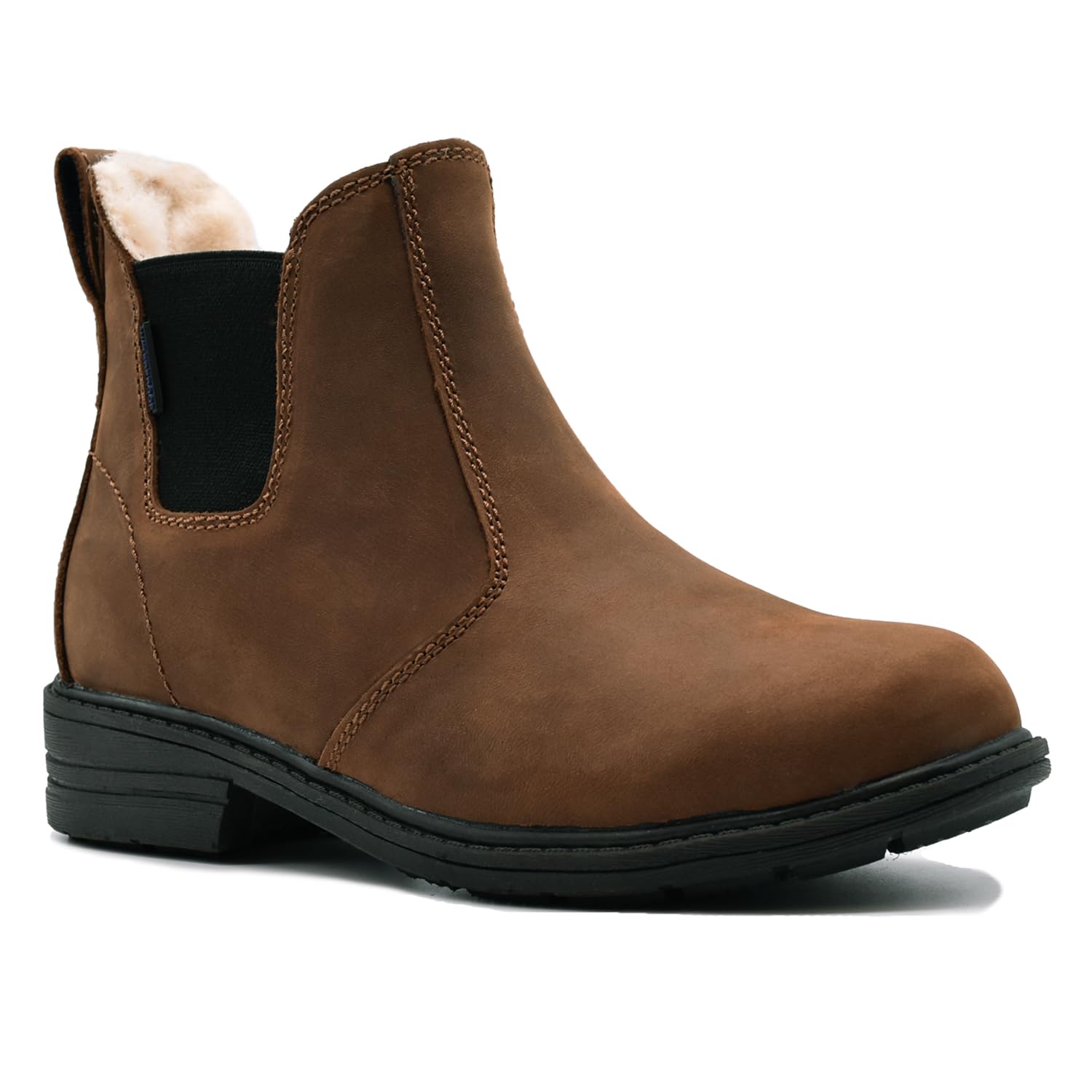
A Chelsea boot that brings serious wool warmth and timeless style to snowy commutes.
If you want a boot that looks good at the office and still keeps your feet dry on the walk there, the Legend II Chelsea boot from Comfy Moda is the most stylish option on this list. The full wool lining wraps your foot in natural warmth without making you overheat, and the CanDry waterproof membrane keeps slush and rain from soaking through the premium leather upper. Owners who wore these in Montana and Minnesota winters report that they handle snow, slush, and salt without falling apart.
The pain point is traction. Several owners note that the rubber outsole does not grip well on snow and ice—you will feel yourself slip on packed snow, which is a real safety issue for winter walking. The top of the boot also rubs some ankles during the break-in period. If your winter consists mostly of wet pavement and light snow, these are comfortable, warm, and incredibly easy to slip on. If you face steep icy sidewalks every day, consider a boot with more aggressive lugs.
The most common praise centers on comfort—buyers describe them as the best everyday winter boot, with one owner saying “I love these boots so much” and noting they wore them across all terrains in Iceland. The removable insoles and two-layer fit (add a spacer for a snugger feel) let you dial in the sizing better than most cold-weather Chelsea boots.
Wool-Lined Luxury
- Natural wool lining regulates temperature and moisture
- Waterproof leather with sealed seams
- Slip-on design with elastic side panels is convenient
Winter Reality
- Sole lacks traction on ice and packed snow
- Ankle collar can rub before break-in
- Tapered toe box may feel snug for wider feet
Reach for these: if your winter involves urban commutes, café stops, and wanting a boot that pairs with jeans and dresses.
Skip if: you walk on icy steep hills—the slick outsole is a genuine hazard on glare ice.
6. THE NORTH FACE Women’s Chilkat V 400 Waterproof Snow Boot

400 grams of premium insulation for the coldest walks—backed by years of owner loyalty.
The Chilkat V 400 is built for a colder world than most boots here can handle. With 400g of premium insulation packed into a leather-and-textile upper, this boot keeps toes warm through long hours in single-digit weather. A mail carrier in Colorado wears them for 8 to 12-hour shifts in the snow and reports warm, dry feet season after season. The outsole has solid grip on snow and ice, and the build quality has kept one owner’s pair going through five Rocky Mountain winters without the sole failing or the interior tearing.
The honest trade-off is weight and sizing. At over a pound and a half per boot, these feel substantial on your feet—you notice them with each stride. The sizing runs small: most owners go up a full size to fit a thick sock, and even then some find the toe box tight during the first few wears. The warmth is unquestionable, but this is a boot for standing in deep cold and walking moderate distances, not for sprinting through the city.
Reviewers point out the boots are “super warm, comfortable, super lightweight” (relative to the insulation level) and praise how well they hold up. One owner who put them through five winters on hikes, dog walks, and snowshoeing said the soles are still intact and the interior is undamaged—that kind of longevity is rare in winter boots.
Serious Cold Protection: If your winter hits -20°F or you stand outside for hours, this is the boot. Expect a break-in period and size up a full size for comfort.
Choose this for: prolonged exposure to deep cold, long winter hikes, and jobs that keep you outside all day.
skip it if: you walk mostly on pavement and need a lightweight boot for short trips—the bulk and weight are overkill for mild conditions.
7. KEEN Women’s Revel 4 Mid Height Polar Insulated Waterproof Snow Boots
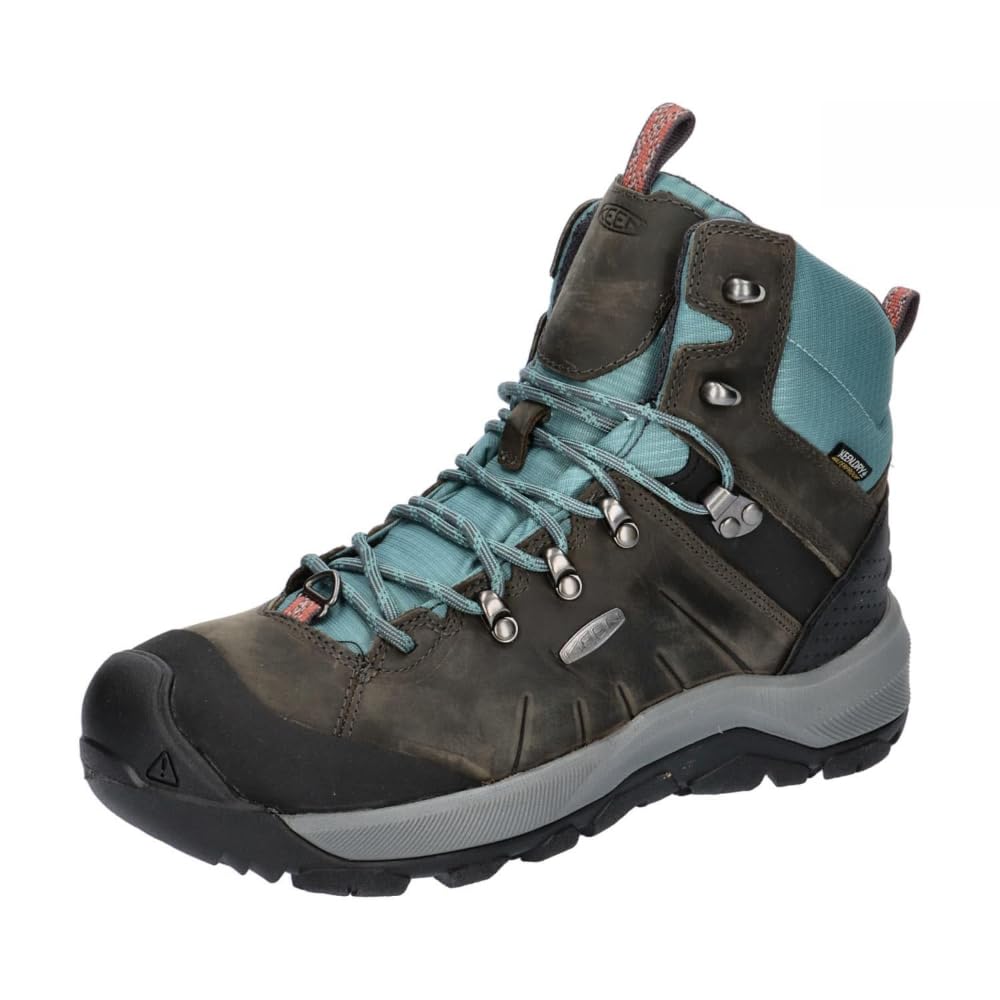
A light hiker that packs 200g of insulation and winter-lab tested ice grip for serious trails.
KEEN’s Revel 4 walks the line between a winter boot and a warm hiking shoe better than most options here. With 200g of recycled PET insulation and a three-layer thermal footbed, it is rated to -25°F/-32°C while keeping the weight down to 20.32 ounces. The Polar Traction outsole uses microscopic rubber shards to bite into ice, and it is the only boot here with a lab-confirmed grip rating. The fit is KEEN’s classic “Original Fit”—generous space in the forefoot for toes to spread, which is a relief if the narrow boots on this list felt restrictive.
The warmth rating is credible for active walking, but a few owners in extreme Alaska winter found it insufficient for standing still in -20°F conditions. This boot works best when you are moving: hiking, snowshoeing, or brisk winter walking. The toe box can feel snug for very wide feet (size D), and the boot runs short, so sizing up a half size is typical. Buyers who wore them for snowshoeing and on hikes like Angels Landing report excellent traction and all-day comfort.
Owners say these are “my favorite winter boots ever” and buy a second pair for the color, not because the first wore out. The durability over multiple seasons, combined with real arch support and the best ice traction here, makes the Revel 4 the strongest hiking-focused choice.
Winter Hiking Specialist
- Polar Traction rubber delivers the best ice grip on this list
- KEEN.DRY membrane is fully waterproof
- Wide toe box suits natural foot shape
Know Before You Buy
- Warmth is best for active use—not for standing still in extreme cold
- Runs short; plan to size up a half size
- Heavier than a standard hiking boot at 20.32 oz
Best for: women who want a hiking-boot feel with winter-grade insulation and verified ice traction—ideal for snowshoeing and long winter walks.
Consider another boot if: you need to stand still in -20°F without moving—the active-warmth design won’t keep up.
Understanding the Specs
Insulation Weight (grams)
This number tells you how much padding traps heat inside the boot. A 200g rating is good for a typical 20°F day with a medium wool sock; 400g is for prolonged exposure below zero. Active walkers often prefer lower insulation weight because their own movement generates heat, while standing in deep cold demands a higher gram count. Some brands also provide a temperature rating (like -25°F) that merges the insulation, lining, and outsole into one cold-weather ceiling.
Waterproof Membrane Types
Look for a seam-sealed membrane—this means the waterproof layer is bonded across every stitch hole so water cannot sneak in through the seams. KEEN.DRY and CanDry are brand-specific membrane names; ThermoBall and HEAT-MX describe the insulation material, not the waterproofing. The outer fabric also matters: a full-grain leather or treated textile sheds surface water better than a mesh panel, which needs the membrane to do all the work.
FAQ
Should I size up for winter walking boots?
How do I tell if a boot is truly waterproof or just water resistant?
Can I wear winter walking boots for light hiking?
How do I clean waterproof winter boots without damaging the membrane?
What is the difference between 200g and 400g insulation?
Are pull-on Chelsea boots warm enough for winter?
Will these boots fit my high arches or flat feet?
How long do waterproof winter boots typically last?
Should I buy boots with a zipper or laces for winter walking?
Final Thoughts: The Verdict
For most people, the women’s waterproof winter walking boots winner is the Sorel Explorer Next Joan because it delivers the best balance of sneaker-like comfort, fleece warmth, and everyday style for city winter walking. If you need deep-cold protection for active hiking, the KEEN Revel 4 offers the strongest ice grip and hiking-specific build. The XPETI Crest Thermo is the smart value pick for budget-minded travelers who want a warm, lightweight boot without spending premium money.
How We Picked
We do not accept paid placement. Every pick is matched to a real buyer and a real use-case; we do not hands-on test units.
Sources & Methodology
Specifications: manufacturer listings and product documentation. Review insights: verified customer reviews, as of July 2026. Pricing: not shown on this page (it changes often); check the current price via the retailer link.
As an Amazon Associate, Calories Fit earns from qualifying purchases. This does not affect which products we feature.