
Our readers keep the lights on and the coffee maker working hard! As an Amazon Associate, I earn from qualifying purchases.
Specs are compiled from manufacturer listings and verified buyer reviews and can change over time — please confirm the key details on the product page before buying.
Finding a winter hiking boot that actually keeps your feet dry and warm on a snowy trail, without feeling like you’re strapping on concrete blocks, is the real challenge. This guide cuts through the marketing to show you which insulated, waterproof boots hold up on ice, slush, and single-digit treks—and which ones just look the part.
I’m Mohammad — the founder and writer behind Calories Fit. This guide is built by comparing the manufacturers’ published specifications and the patterns across verified customer reviews, so you get each pick’s real strengths and trade-offs instead of marketing spin.
You deserve boots that conquer frozen trails without frozen toes, so here are the best women’s waterproof winter hiking boots that balance warmth, traction, and all-day comfort.
Our Picks at a Glance

How To Choose The Best Women’s Waterproof Winter Hiking Boots
To get the right winter hiking boots, match the specs to what you’ll actually do—a casual snowy walk, a serious snowshoe trek, or standing still while ice fishing. The two biggest challenges are keeping moisture out and trapping heat in.
Decoding Insulation and Warmth Ratings
Insulation is measured in grams, and it’s the biggest factor in how warm your feet stay. 200g insulation (the amount of synthetic fill) suits active hiking where your body generates heat, while 400g suits extreme cold and low activity. Some brands also list a comfort rating, like -40°F, which tells you the warmth limit when you’re standing still.
The Waterproofing System
True waterproofing comes from a membrane inside the boot, often with brand names like KEEN.DRY or B-DRY, which stops water from getting in while letting sweat vapor escape. This is different from just a “water-resistant” coating on the outside, which will fail in slush or deep snow. A sealed construction and waterproof leather uppers add another layer of defense against wet conditions.
Quick Comparison
| Model | Best For | Insulation | Shaft Height | Warmth Rating | Amazon |
|---|---|---|---|---|---|
| MUCK Arctic Sport II Tall★ Best Overall | Extreme cold & deep snow | Neoprene + Fleece | Tall | -40°F / -40°C | Amazon |
| KEEN Revel 4 Mid PolarTop Performer | Icy trails & snowshoeing | 200g KEEN.WARM | 3.94 in / 100 mm | -25°F / -32°C | Amazon |
| Kamik Momentum 3Best Value | All-day winter walks | HEAT-MX™ | Mid | — | Amazon |
| Columbia Newton Ridge Omni-Heat | Versatile winter hikes | Omni-Heat™ | Mid | — | Amazon |
| Oboz Bridger 7″ Insulated | Backcountry snowshoeing | 200g Freeze Guard | 7 inches | — | Amazon |
| KEEN Greta Waterproof | Winter day hikers | 200g | Mid | — | Amazon |
| Merrell Siren 4 Thermo | Long hikes & Iceland trips | 200g SOLARCORE® | Mid | — | Amazon |
| North Face Thermoball Lace Up Luxe | Cushioned casual winter wear | ThermoBall™ | Mid | — | Amazon |
| North Face Chilkat V 400 | Deep cold & glacier walks | 400g | Mid | — | Amazon |
| KEEN Revel III Cold Weather | Everyday winter wear | KEEN.WARM + Heat Trapolator | Mid | — | Amazon |
| Kenetrek Mountain Extreme 400 | Extreme mountain hunting | 400-Gram | 8 inches | — | Amazon |
In‑Depth Reviews
1. MUCK Arctic Sport II Tall Boot
Our pick — over 4.5★ from 5,000+ verified ratings; the strongest balance of quality and price.
The tall rubber boot that turns thigh-deep snow into a non-event, rated to an astonishing -40°F.
Its tall rubber shaft and -40°F rating handle deep snow and extreme cold. The MUCK Arctic Sport II pairs a 5 mm neoprene bootie with a fleece lining to earn its -40 °F/-40 °C comfort rating, which means your feet stay warm in conditions that would freeze most other boots solid. The tall rubber exterior extends up the calf, so you can tromp through 22″ of snow and slush without a drop sneaking over the top.
Warmth is the thing everyone raves about here—it’s the most-praised feature by a wide margin—but the fit deserves equal credit. There’s room for thick wool socks, and the high-instep design makes it easy to slip on and off hands-free, which is a godsend when you’re carrying firewood or just want to get out of the cold quickly. The aggressive outsole digs into slick surfaces, giving you confidence on icy driveways and packed trails.
The liner isn’t sewn in and can pull out when removing your feet; some owners fix this with adhesive spray. Also worth noting: they run in whole sizes only, so a half-size wearer should size up to the next full size for the right fit with thick socks.
What Wins People Over
- Serious cold-weather protection with a -40°F rating that handles single-digit hikes comfortably.
- Waterproof up to the tall shaft, keeping feet bone-dry in deep powder and slush.
- Easy slip-on fit that accommodates thick socks and high arches or insteps.
The Trade-offs
- The liner isn’t sewn in and can pull out when removing your feet; some owners fix this with adhesive spray.
- Only available in whole sizes, so half-size wearers need to size up.
Reach for these if: you face extreme cold, deep snow, and want a slip-on boot that shrugs off everything winter throws at it.
Look elsewhere if: you need a precise half-size fit or plan to wear them in milder, wetter conditions where the tall shaft is overkill.
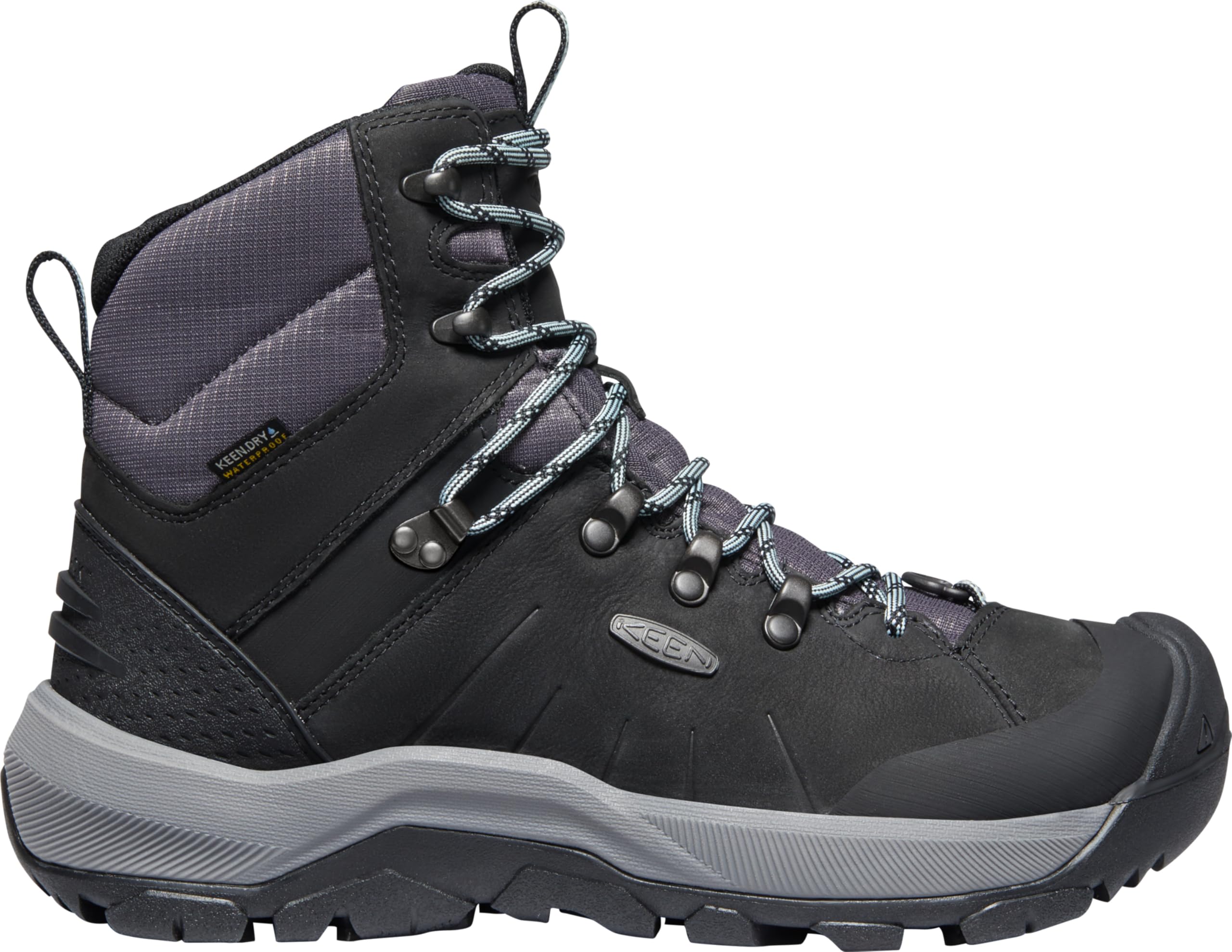
2. KEEN Revel 4 Mid Height Polar Insulated
The agility of a light hiker with the warmth of a down jacket, gripping ice like it’s dry pavement.
Its light 20.32oz build and agile feel let you focus on the trail, not your gear. It pairs 200g of KEEN.WARM recycled P.E.T. insulation with a three-layer Heat Trapolator system underfoot, earning a warmth rating down to -25°F/-32°C. The KEEN.DRY waterproof, breathable membrane works with PFAS-free water repellency to keep wet snow and puddles out, so your socks stay dry on long slushy hikes.
What wins people over is the fit—specifically the iconic KEEN toe box that gives your toes generous space to spread out and stay warm. The KEEN.POLAR TRACTION outsole uses microscopic shards in the rubber to dig into icy, frigid terrain, which makes a real difference on slick patches. The 5mm multi-directional lugs provide extra bite, and the compression-molded foam midsole cushions every step on frozen ground.
Some owners find the toe box snug rather than truly wide, and a few note the boot runs heavier and boxier than expected. It’s also not for extreme Alaskan cold despite the rating—one owner in Fairbanks found that out. On the flip side, buyers report it’s “definitely warm and water proof” for hiking and snowshoeing, with a quick break-in that gets you on the trail faster.
Standout spec: The 20.32oz / 576g weight keeps it light enough for all-day wear, while the 200g insulation and -25°F rating handle serious winter conditions.
Best for: hikers who want a light, agile winter boot with proven ice grip and a roomy (if not wide) toe box for snowshoeing.
Think twice if: you have wide feet or need serious warmth for standing around in extreme sub-zero climates.
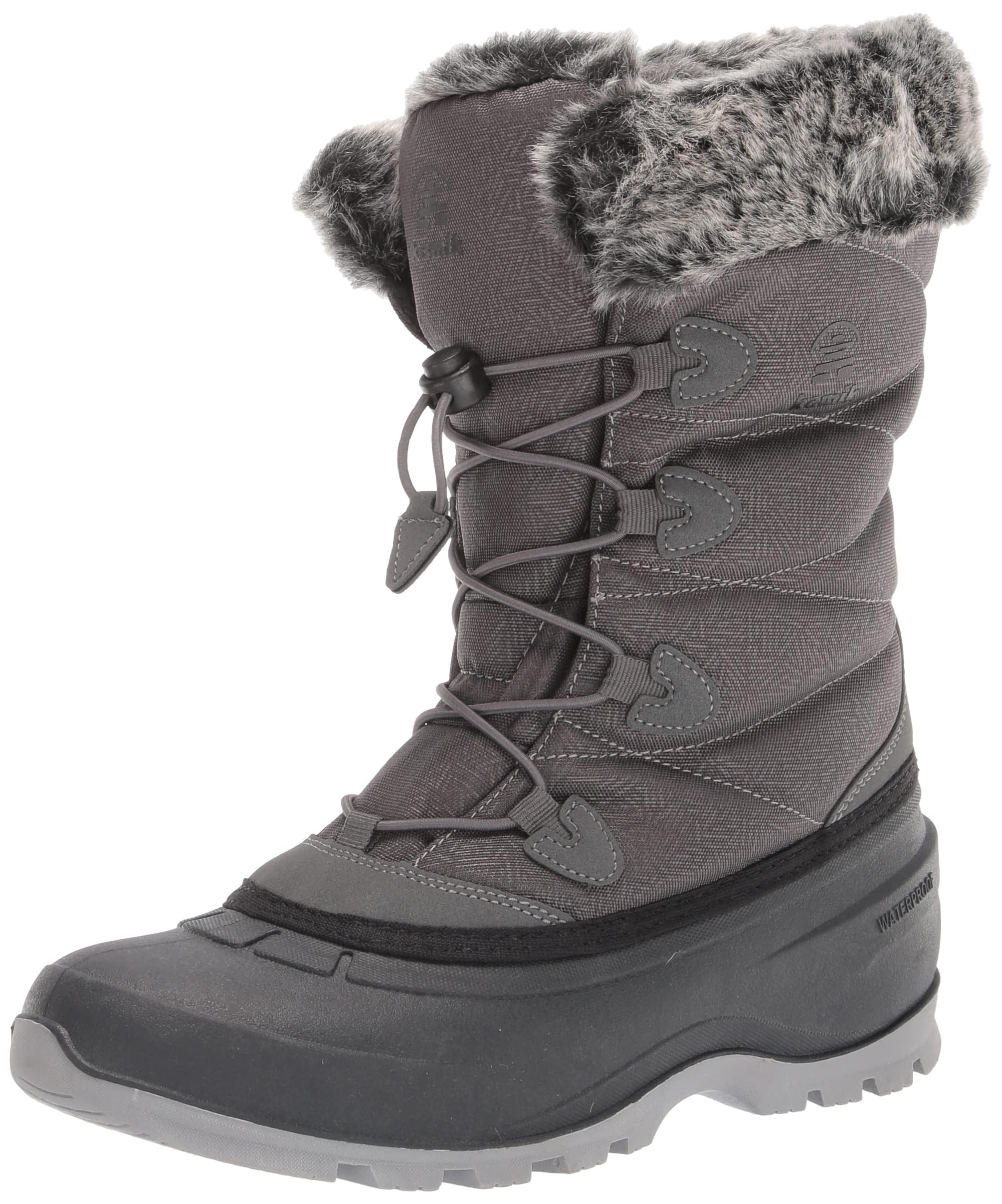
3. Kamik Momentum 3 Insulated Snow Boots
A cute, featherlight winter boot that proves comfort and cold-weather performance don’t require a big budget.
If you want a winter boot that looks good with leggings and still delivers serious warmth, the Momentum 3 is a hard act to beat. Its HEAT-MX™ technology provides all-day warmth, and the waterproof, seam-sealed construction means you can happily tromp through slush and snow without worrying about wet feet. The drawstring zip closure makes getting them on and off a quick, fuss-free affair.
What owners praise most is the warmth—the most-mentioned aspect by far—with buyers reporting comfortable wear for 6+ hours below freezing and 3+ miles of walking without a single blister. The fur lining extends to the toes, and the thick sole insulates you from the frozen ground beneath. It’s lightweight enough to forget you’re wearing winter boots at all.
The honest trade-off is durability, which shows up as the mixed aspect here; a few owners mention seams coming apart after a few months of light use. Also, sizing is a genuine quirk: half-size wearers should buy a full size up to accommodate thick socks, and the ankle runs slightly narrow. For the price, though, it delivers a lot of warmth per dollar.
Why It’s a Fan Favorite
- Exceptional warmth for the price, keeping feet comfortable in subzero conditions.
- Waterproof, seam-sealed build handles snow, slush, and icy trails.
- Lightweight and easy to slip on with the drawstring zip closure.
Where It Falls Short
- Durability is a mixed bag, with some owners reporting seams failing after a few months.
- Sizing runs small, so most buyers need to order a full size up.
Choose this one if: you want a budget-friendly, warm, and stylish boot for everyday winter wear and moderate hikes.
Pass on it if: you need a boot that will survive heavy, multi-season use or you have wide feet.
4. Columbia Newton Ridge Waterproof Omni-Heat II
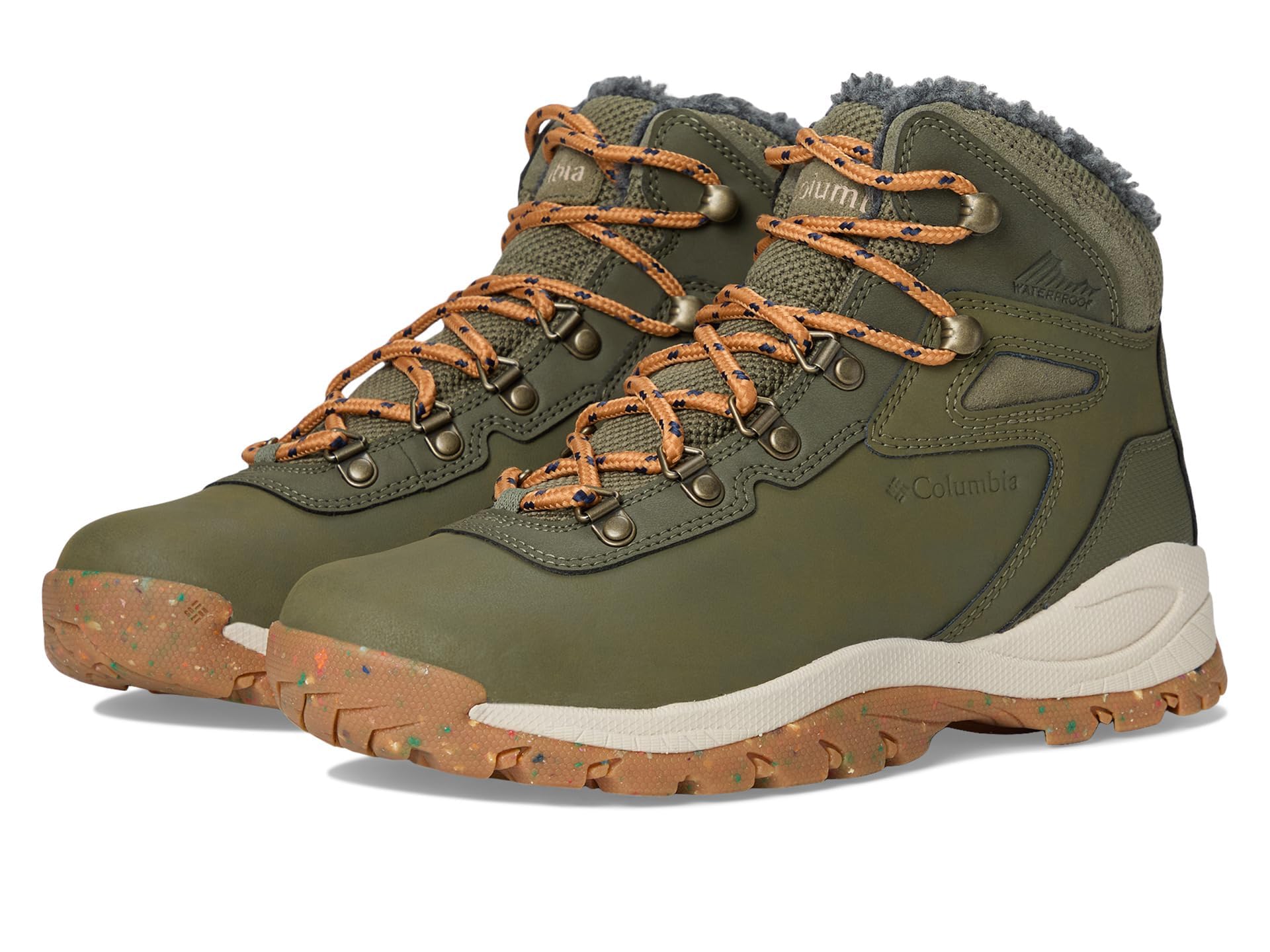
The do-everything winter boot that’s just as happy on a sledding hill as it is on a snowy country road.
It handles school runs, dog walks, and weekend hikes in one versatile pair. The Omni-Heat lining reflects your body heat back to your feet, keeping them warm even with thin socks, while the waterproof construction stands up to snow and mud. Customers note it “kept my feet dry and warm today while I took my kids sledding,” which sums up its all-rounder appeal.
Comfort is the thing that gets the most praise here, particularly on hard surfaces like cement and tile floors. The boot provides good sole support, and the faux shearling top adds a touch of style while keeping snow out. It’s also notably lightweight for a winter boot, which makes it easy to wear all day without fatigue.
The main fit note is that the toe-bend area can dig into the top of your foot for some wearers, so trying them on is wise. Sizing runs true, but if you plan on thick merino socks below 32°F, consider going up half a size. The Omni-Heat lining keeps things warm without the bulk of heavier insulation, making it a great four-season option.
Why it works: The Omni-Heat reflective lining is the quiet hero here, bouncing your own body heat back at you for warmth that doesn’t require heavy, bulky insulation.
Reach for it: if you want one versatile, lightweight boot that handles everything from sledding to snowy commutes in style.
Not ideal if: you’re planning extreme cold-weather expeditions where dedicated 400g insulation is non-negotiable.
5. Oboz Bridger 7″ Insulated B-DRY Hiking Boot
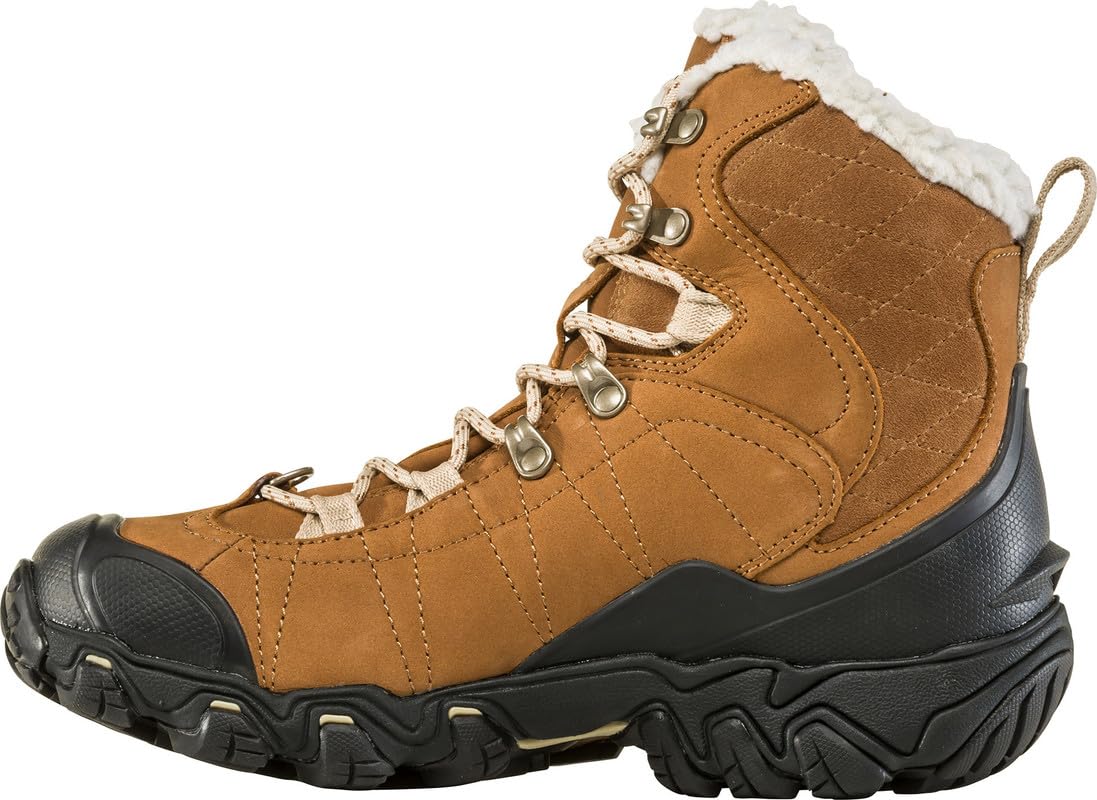
The rugged all-leather hiker that eats up miles on snowshoe treks without overheating a step.
Designed for snowshoeing and other high-intensity winter activities, the Bridger 7″ hits a perfect warmth-to-breathability balance with its 200g Freeze Guard insulation. You won’t overheat on a strenuous climb, but you also won’t get cold during a casual stroll. The waterproof all-Nubuck leather upper, paired with the B-DRY waterproof membrane, keeps feet dry through puddles, mud, and knee-deep snow.
What wins people over is the support—specifically the excellent arch support that owners say hits the right spot. The O FIT Insole Thermal traps and reflects heat, and the Granite Peak Midsole provides stability with a TPU chassis and EVA cushioning for lasting comfort. The molded rubber toe cap and heel kick add durability where you need it most.
One owner noted the traction “beats Keen Revel IVs on ice,” though others find the tread weaker on ice with snow balling up on the midsole. The fit runs narrow in the heel with a roomy toe box, so sizing up half a size is a common recommendation for thick socks. The 7″ height hits a happy medium for ankle support without restricting movement.
Standout feature: The Gaiter D-ring and 7-inch height make this a top choice for backcountry snowshoeing, where keeping snow out of the boot is half the battle.
Best for: serious winter hikers who prioritize arch support, ankle stability, and a boot that can handle high-output activities.
skip it if: you need maximum ice traction or have wide feet that need a broader toe box.
6. KEEN Greta Waterproof Boot
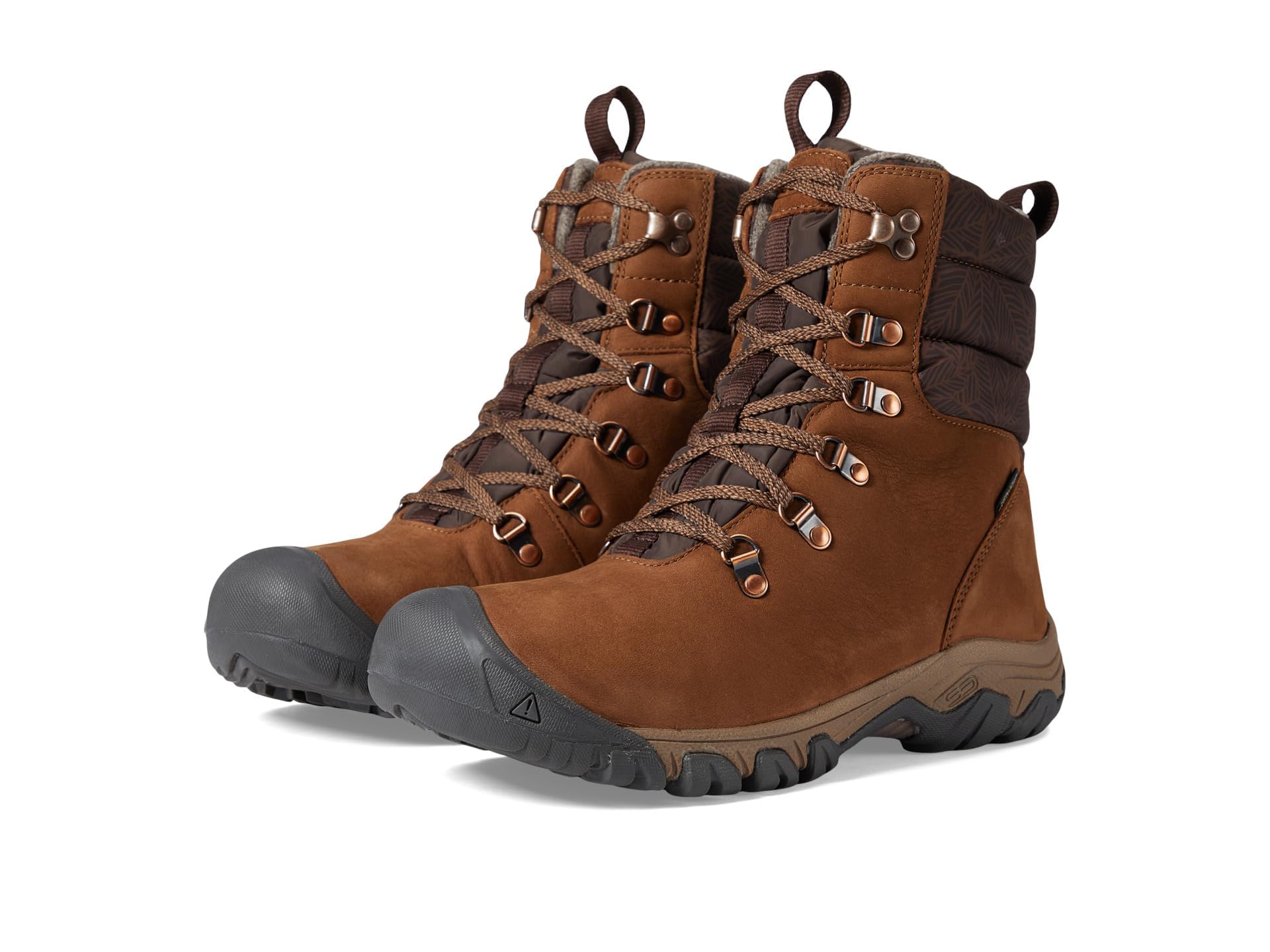
The smart-looking leather hiker that’s rugged enough for Iceland and cute enough for a winter market.
This boot threads the needle between trail function and street style. The waterproof leather upper is winter-ready with 200g of insulation and a quilted collar, while the cold-weather traction keeps you sure-footed on icy sidewalks. Owners heading to Iceland found the grip “perfect,” reporting they “was not worried about ice or slippery rocks,” and cleaning off dirt and sand is as simple as wiping it away.
Quality is what gets the most praise here—it’s the most-mentioned aspect—with owners calling it a “smart-looking rugged winter snow boot” that holds up season after season. The fit is built off KEEN’s traditional wider footwear form, giving your toes room to spread out. It’s comfortable and light enough for all-day wear, with minimal break-in needed.
The mixed feedback centers on fit, with some owners finding it runs true to size while others recommend sizing down or up depending on foot shape. The leather scuffs easily, so it’s not for the perfectionist. Surprisingly, a few reviewers point out cold feet at 30-35°F when standing still, so it’s best for active use rather than stationary winter sports.
The Highlights
- Top-rated quality with durable leather that wipes clean easily after muddy trails.
- Reliable cold-weather traction for icy rocks and slippery surfaces.
- Comfortable, roomy toe box with minimal break-in required.
The Drawbacks
- Leather scuffs easily, and fit can be unpredictable depending on foot shape.
- Some owners find warmth lacking when standing still in above-freezing temps.
Reach for it: if you want a stylish, quality-built leather boot for active winter hikes and city wear alike.
Look elsewhere: if you plan to stand around in the cold for long periods or have very wide feet.
7. Merrell Siren 4 Thermo Mid Zip Waterproof

The zero-break-in marvel with NASA-born insulation that’s comfortable straight from the start.
If there’s one word that defines the Siren 4 Thermo, it’s comfort—the most-praised aspect by far. Built on 25 years of Merrell’s women’s-specific fit, it cradles the distinct contours of female feet for support that lasts even on the longest hikes. The 200g of added insulation uses SOLARCORE® technology, a lightweight insulation material initially designed for NASA, so you get serious warmth without the bulk.
Shoppers say taking these to Iceland and hiking waterfalls and volcanoes “without any trouble,” with no break-in period needed. The waterproof construction and slip-resistant Vibram® sole provide reliable grip on ice and snow, and the mid-zip design makes them easy to get on and off. The leather upper looks beautiful and cleans up well.
Sizing runs small, so most owners recommend sizing up at least half a size, or a full size for thick socks. A couple of owners mention the laces run short with all the connectors, forcing you to skip an eyelet. But for those who get the fit right, it’s a boot that disappears on your foot all day long.
Why it stands out: The SOLARCORE® insulation delivers warmth that punches above its weight, keeping you comfortable without the heavy, clunky feel of traditional winter boots.
Best for: hikers who prioritize all-day comfort and want a boot that fits well from the first wear with no break-in period.
Who should skip: anyone between sizes, since the small fit means you’ll likely need to size up a full size.
8. North Face Thermoball Lace Up Luxe Waterproof
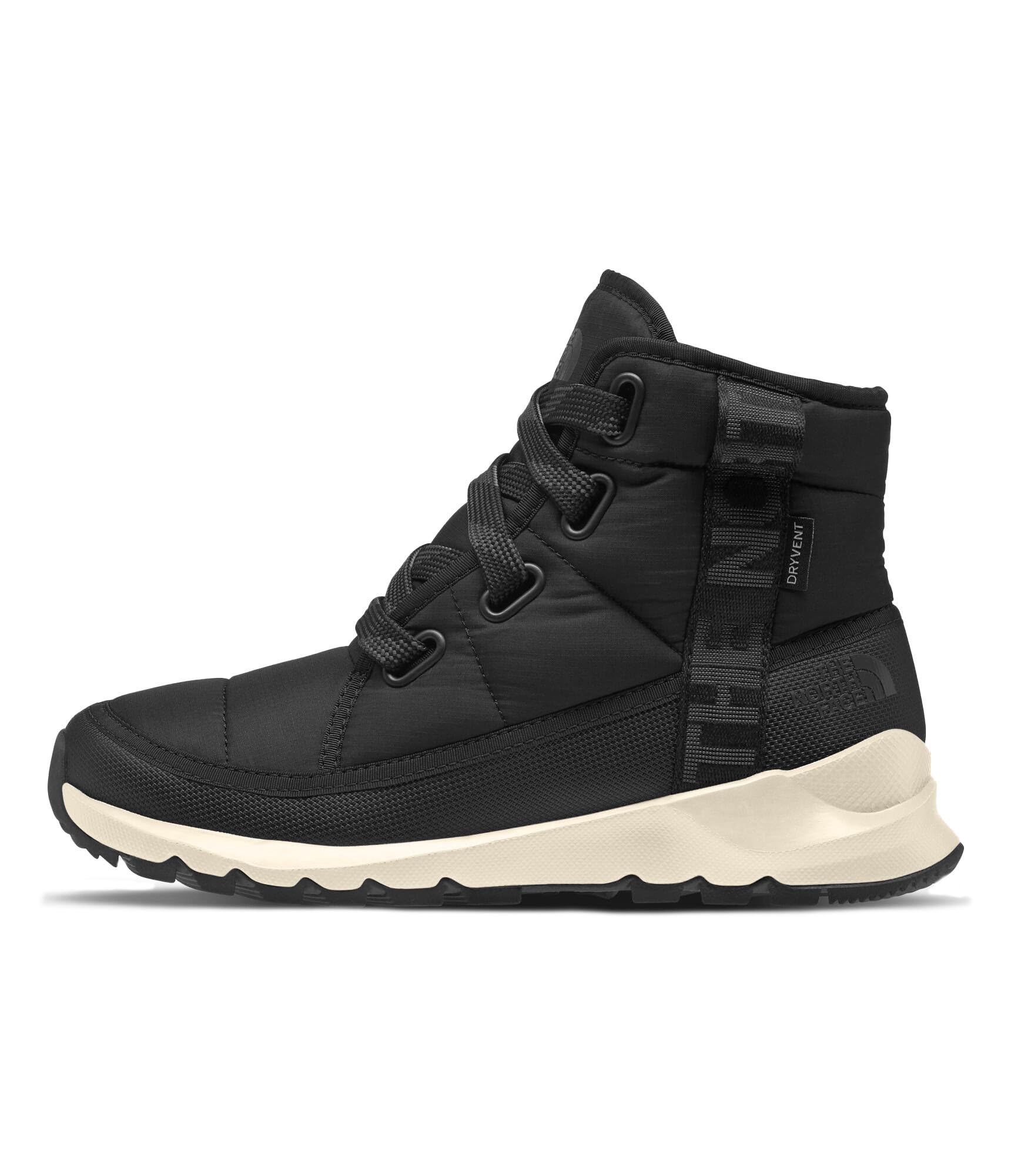
The cloud-like winter boot that makes you wish you could wear it every single day.
If plush comfort is your top priority, the Thermoball Lace Up Luxe delivers what one owner calls “extremely comfortable and extremely lightweight like walking on clouds.” Its ThermoBall™ insulation (a synthetic fill that traps heat) keeps feet warm in “really low temperatures in the mid west,” yet stays light enough for long walks. The waterproof build handles snow and slush without issue.
Appearance and comfort are neck-and-neck as the most-praised aspects, making this a great choice for anyone who wants a winter boot that looks good with everything. The collar adds a stylish touch, and the boot provides good arch support, which is often missing in winter footwear. Owners also report it’s compatible with snow spikes for added ice traction.
Sizing runs slightly small, especially for wide feet, so consider sizing up. Owners with narrow feet say the fit feels perfect, while others recommend sizing up to accommodate thick socks. It’s also note this boot leans more toward casual winter wear than hardcore technical hiking, so it’s best for lighter trails and everyday cold-weather use.
The catch: The plush, cushioned feel is genuinely lovely, but the snug fit means narrow-footed owners will be happiest here.
Reach for it: if you want a supremely comfortable, stylish winter boot for everyday wear and light snow adventures.
Pass on it: if you have wide feet or need a technical boot for serious backcountry hiking.
9. North Face Chilkat V 400 Waterproof

The 400g winter workhorse that’s spent five Colorado winters on the trail and still won’t quit.
When the thermometer drops into dangerous territory, you want the Chilkat V 400 in your corner. Its 400g of premium insulation is nearly double what most hiking boots offer, making it a top choice for glacier walks, snowshoeing, and standing around in brutally cold conditions. One owner has put five years of Colorado Rockies hiking, snowshoeing, and work into a pair, reporting the soles are still intact and the interior is good as new.
Warmth is the most-praised feature by far, with owners saying feet stay toasty on Alaska glacier walks and long treks on slick roads without slipping. The waterproof rubber extends to the lacing, keeping feet dry in snow and rain, and the boot is notably “super light weight” for its insulation level. It’s also great for wide feet, accommodating thick socks comfortably.
The recurring theme in owner feedback is sizing: the boot runs small, and most buyers need to size up significantly—sometimes a full size or more—especially if you plan on wearing thick socks. A few owners also note the boots are heavy and bulky, which is the trade-off for that serious insulation. And while it’s highly water-resistant, it’s not fully submersible, so avoid deep puddles.
Where It Excels
- Serious 400g insulation keeps feet warm in extreme cold and on glacier treks.
- Proven durability, with one owner logging five years of heavy use.
- Wide-foot friendly with waterproof rubber extending to the lacing.
Consider This
- Runs small, so expect to size up a full size or more for thick socks.
- Heavier and bulkier than lower-insulation boots, which some find tiring.
Choose this one if: you face deep cold, glacier hikes, or long periods standing in snow and need maximum insulation.
pass on it if: you need an agile, lightweight boot for high-output hiking or have a half-size that falls between whole sizes.
10. KEEN Revel III Cold Weather Hiking Boot
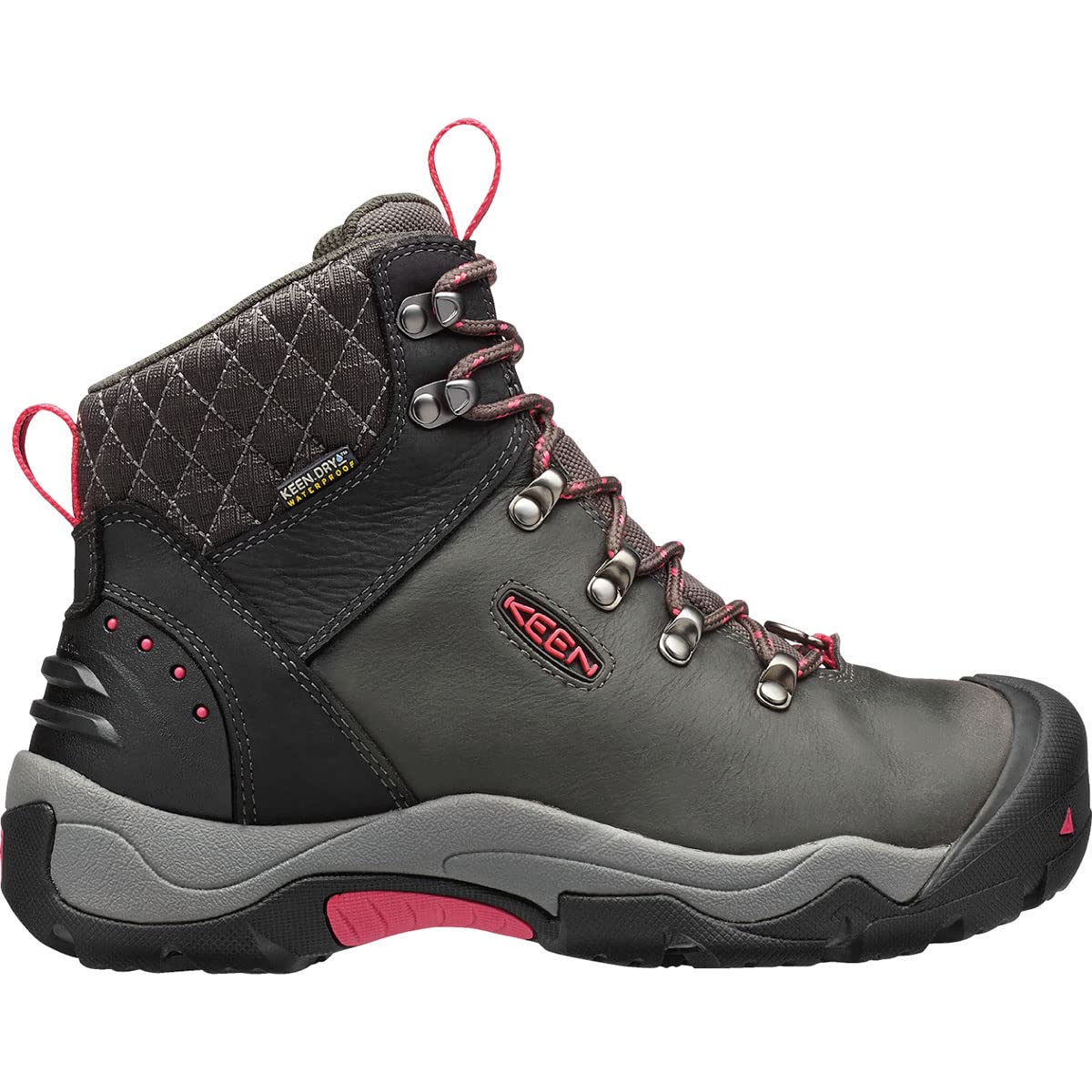
The trusty winter everyday boot that’s so comfy you’ll forget you’re wearing boots at all.
It pairs a durable nubuck leather upper with a KEEN.DRY membrane for daily winter wear. The Revel III combines a durable nubuck leather upper with the KEEN.DRY waterproof, breathable membrane, so neither rain nor snow keeps you from your plans. It’s lined with two types of insulation—KEEN.WARM up top and a tri-layer Heat Trapolator system underfoot—to cut the chill, while the dual-compound snow-and-ice grip outsole holds its ground on slippery surfaces.
Fit and comfort are the standout aspects here, with owners praising how comfortable the boots are right from the start with no blisters. The fit accommodates orthotics and thick socks, and the boots stay warm and dry even on long walks in soggy terrain. One owner reports hosing them off with no leaks, proving the waterproofing is legit. The ankle height provides good support while staying flexible.
The fit runs wide, so some owners recommend sizing down or wearing two pairs of socks for a snugger feel. The toe box is roomy but could be short for some foot shapes, and a few owners note the sole rubber can peel over time. For icy sidewalks and everyday winter wear, though, it’s a dependable choice that keeps you steady on your feet.
What makes it click: The combination of a roomy toe box, flexible ankle support, and solid grip makes this a set-and-forget boot for daily winter life.
Best for: anyone who wants a comfortable, versatile winter boot for daily wear, icy sidewalks, and 2-3 mile walks.
Who might pass: those with narrow feet who find the wide fit too sloppy, or those needing deep-snow ankle coverage.
11. Kenetrek Mountain Extreme 400 Hiking Boots

The 8-inch leather behemoth built for hunters and biologists who live on steep, unforgiving ridges.
Its 8-inch leather upper and 400g insulation are built for multi-day mountain work. The 8″ tall leather upper provides exceptional ankle support that owners say stops ankle rolling completely, while the 400-gram insulation keeps feet warm into the single digits. The flexible waterproof membrane works with leather conditioning wax to keep moisture out, and the high-traction outsole grips rocks, leaves, and branches with authority.
Quality is what owners praise most, calling it the most comfortable and supportive boot they’ve ever worn. A wildlife biologist reports wearing them year-round and having “feet, ankles and legs” that “aren’t sore after wearing them all day.” Another owner packed out a deer on a steep ridge with “next to no foot pain on the first wear,” which shows the support on offer.
The obvious trade-off here is the investment, which is significantly higher than the other boots on this list. They’re also very stiff at first and take a bit to break in, though owners say the comfort is worth it. Sizing runs true to size, with some recommending a half size up for thicker socks. This is a niche boot for a specific kind of outdoorswoman, but for that person, nothing else compares.
The verdict: This is a premium, purpose-built mountain boot that excels at high-mileage, load-bearing treks where ankle support and durability are non-negotiable.
Invest in these if: you’re a serious hunter, biologist, or mountaineer who spends long days on steep terrain and needs uncompromising support.
Think twice if: you’re a casual hiker who doesn’t need this level of ruggedness or doesn’t want the break-in period and premium cost.
Understanding the Specs
Insulation Weight (grams)
This number tells you how much insulating material is packed into the boot. A 200g boot is a versatile all-rounder, great for active hiking where your body generates heat. A 400g boot is for extreme cold and low-activity situations like standing around or ice fishing. Higher grams mean warmer feet, but also more bulk and weight.
Warmth Rating (Temperature)
Some brands rate their boots to a specific temperature, like -40°F or -25°F. This is a general guide to the lowest temperature at which the boot will keep your feet warm when you’re not generating much body heat. Remember that everyone runs at different temperatures, so treat this as a starting point, not an absolute guarantee.
FAQ
How many grams of insulation do I need for winter hiking?
Will these boots fit my calves?
Should I size up for thick winter socks?
What’s the difference between waterproof and water-resistant?
How do I keep my feet from sweating in insulated boots?
Are these boots good for snowshoeing?
How do I care for leather winter hiking boots?
What does a mid-height vs tall boot shaft mean for me?
Can I wear these boots for everyday winter errands?
Are these boots good for wide feet?
Final Thoughts: The Verdict
For most people, the women’s waterproof winter hiking boots winner is the MUCK Arctic Sport II because it combines an extreme -40°F warmth rating with a tall, truly waterproof design that handles deep snow with ease. If you want a lighter, more agile boot with excellent ice grip for snowshoeing, grab the KEEN Revel 4. And for the best warmth-to-value ratio on the trail, the Kamik Momentum 3 is the one to reach for.
How We Picked
We do not accept paid placement. Every pick is matched to a real buyer and a real use-case; we do not hands-on test units.
Sources & Methodology
Specifications: manufacturer listings and product documentation. Review insights: verified customer reviews, as of August 2026. Pricing: not shown on this page (it changes often); check the current price via the retailer link.
As an Amazon Associate, Calories Fit earns from qualifying purchases. This does not affect which products we feature.