
Our readers keep the lights on and the coffee maker working hard! As an Amazon Associate, I earn from qualifying purchases.
Specs are compiled from manufacturer listings and verified buyer reviews and can change over time — please confirm the key details on the product page before buying.
You want trekking shoes that grip slick rock and keep your feet comfortable all day—not just ones that look the part. The right pair balances outsole grip, arch support, and a foot-shaped fit that skips the painful break-in. Here are the strongest women’s trekking shoes, from waterproof boots for wet trails to light, fast hikers for quick miles.
I’m Mohammad — the founder and writer behind Calories Fit. This guide is built by comparing the manufacturers’ published specifications and the patterns across verified customer reviews, so you get each pick’s real strengths and trade-offs instead of marketing spin.
Whether you are a thru-hiker logging big miles or a weekend walker on rocky paths, this breakdown of the best women’s trekking shoes shows you which pairs earn their keep on the trail and which to leave behind.
Our Picks at a Glance
How To Choose The Best Women’s Trekking Shoes
Before you scroll through photos, get clear on the terrain you actually walk. A shoe that shines on a dry, packed dirt path feels very different from one built for muddy climbs and stream crossings. Match the shoe to the actual ground you walk, not the scenery.
Match the grip to the ground
The outsole—the rubber bottom—is your only contact with the ground. Deep, widely spaced lugs — the little teeth on the sole — dig into mud and loose gravel, while a tighter tread pattern feels steadier on hard rock. If you walk on slick, wet stone or steep dirt, a shoe with an aggressive tread and sticky rubber compound is worth the extra money. For mostly pavement and easy paths, a lighter trail-shoe tread is plenty and feels less clunky.
Decide on waterproof before you fall in love with a color
Waterproof shoes use a membrane, a thin inner liner, to keep water out while letting sweat escape. That keeps feet dry in rain and wet grass, but it also traps heat and dries slowly once water gets in over the top. Non-waterproof shoes breathe better and dry fast, which makes them the smarter pick for hot, dry trails or stream crossings where water will pour over the collar anyway.
Read the drop and the toe box
The drop is the heel-to-toe height difference in millimeters. A 10 mm or higher drop tilts you forward and suits heel-strikers. A zero-drop shoe keeps heel and toe level for a natural mid-foot stride, often with a roomier toe box for toe splay. Know your heel-strike style and toe room before choosing a stack height and fit.
Quick Comparison
| Model | Best For | Waterproof | Weight | Drop | Amazon |
|---|---|---|---|---|---|
| Salomon Speedcross★ Best Overall | Slick, muddy rock | No | 262 g | 10 mm | Amazon |
| Columbia TransverseZero Break-In | Wet trails, no break-in | Yes | — | — | Amazon |
| adidas Terrex Free Hiker 2.0Ankle Support | Wet, uneven terrain | Yes (GORE-TEX) | 12.2 oz | — | Amazon |
| Merrell Accentor 3 | Value, arch support | No | — | — | Amazon |
| Merrell Speed Strike 2 | Roomy toe box | No | 1.5 lb | — | Amazon |
| Oboz Sawtooth II Low | Wide feet, daily hikes | Yes (B-DRY) | 17.4 oz / 493 g | 15 mm | Amazon |
| New Balance Hierro V8 | Cushioned, long miles | No (mesh upper) | 1.5 lb | — | Amazon |
| ALTRA Lone Peak 8 | Zero-drop, wide toe box | No | 11.15 oz / 316 g | 0 mm | Amazon |
| Columbia Peakfreak II Outdry | Waterproof, light weight | Yes (Outdry) | — | — | Amazon |
In‑Depth Reviews
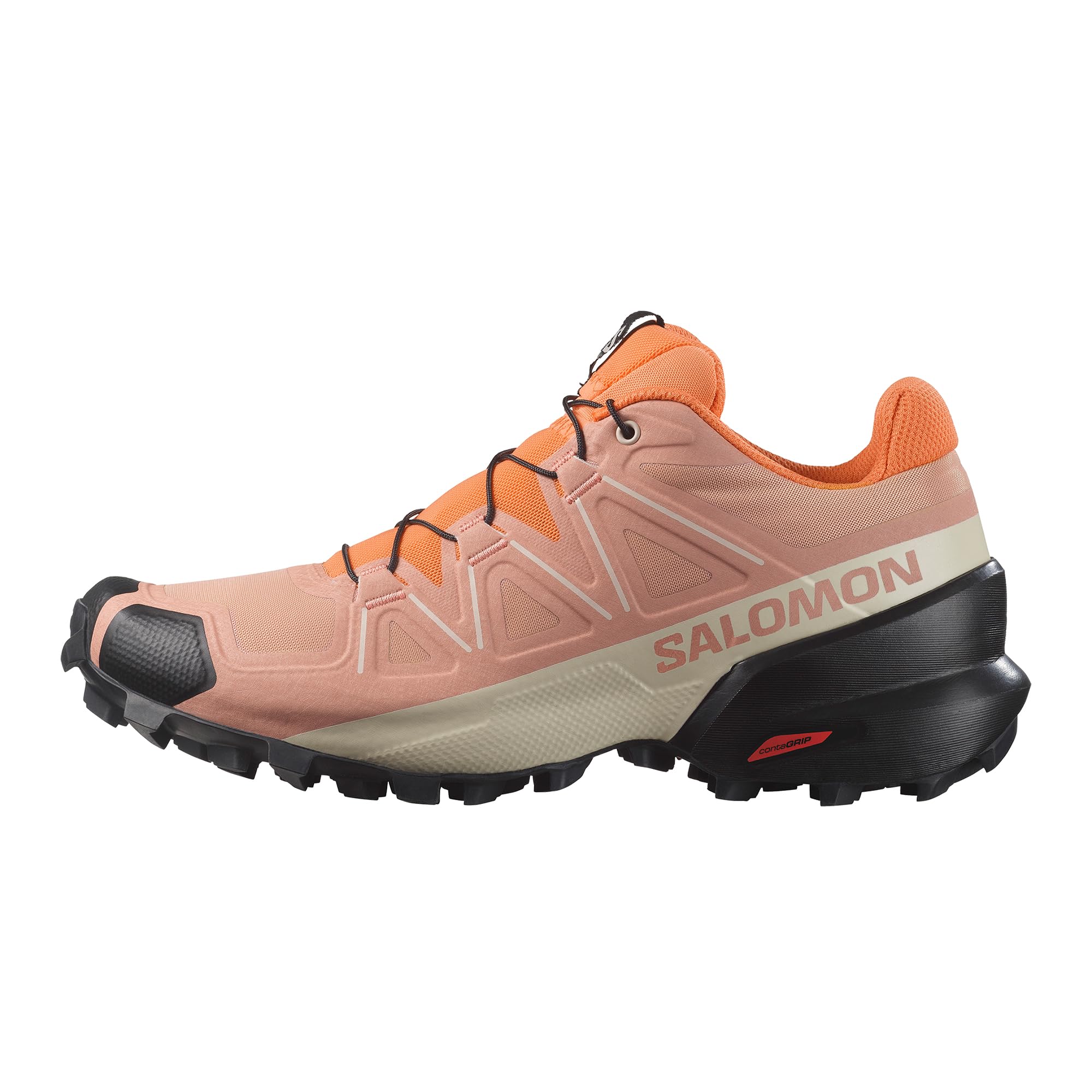
1. Salomon Women’s Speedcross Trail Running Shoes
Our pick — over 4.5★ from 500+ verified ratings; the strongest balance of quality and price.
The mud-and-slick-rock specialist that crowds love for its glove-like, confidence-inspiring fit.
For wet stone, loose gravel, and steep pitches, the Salomon Speedcross earns its spot with 5 mm lugs—deep rubber teeth that bite into soft ground and slick rock. Buyers confirm the grip: “I do not slip on the challenging slick rock climbs I do.” That traction is the headline, but the comfort keeps people loyal.
The fit is the other half of the story. Owners describe the shoe as feeling like a glove on the foot, with strong arch support that suits medium-to-high arches and a 10 mm drop that keeps heel-strikers stable on descents. At 262 g it disappears on your feet, which is why a 20-mile hike ended with no blisters and minimal fatigue, and why the breathable upper dries fast and washes clean after muddy days.
The one honest caveat is that this is not a waterproof shoe. Mud and creek crossings will soak through, so if you walk in constant rain or snow, you will want a boot with a membrane instead. For dry trails, summer rock, and any terrain where slipping is the real fear, this is the pair that wins people over — the comfort and traction get the most praise by a wide margin.
The grip that sells it
- Deep 5 mm lugs hold on slick rock and mud
- Featherlight at 262 g, easy to forget you are wearing them
- Strong arch support for medium-high arches
- Breathable fabric dries fast after washing
Know before you buy
- Not waterproof — expect wet feet in creeks and downpours
- Runs narrow, so order a half size up if you have wide feet
The fit for you: Reach for the Speedcross if your trails are steep, slick, and rocky and you want a light shoe that grips like a boot.
The honest limit: Skip it for wet-season hiking or snowy walks — there is no waterproof membrane here.
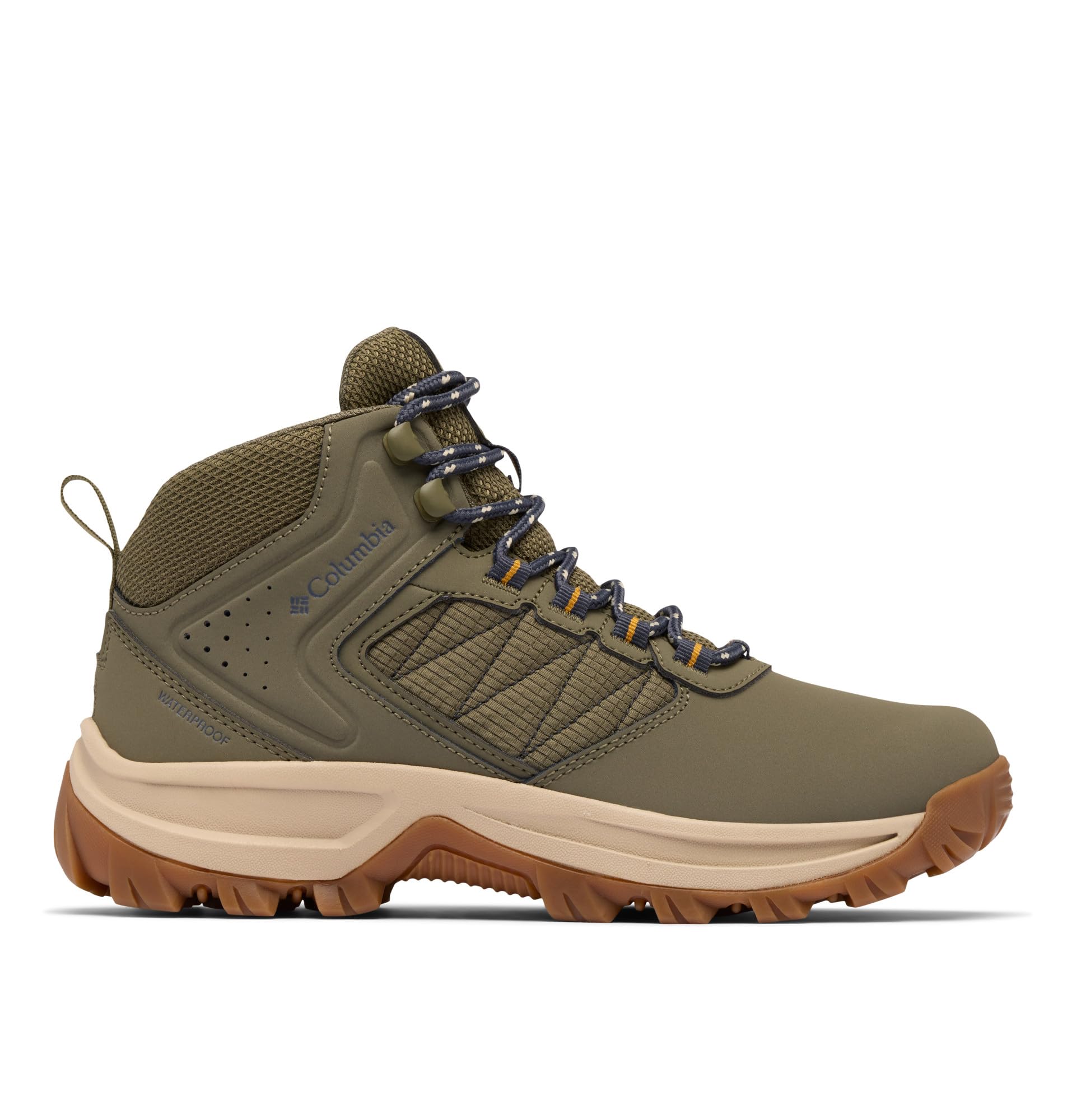
2. Columbia Women’s Transverse Hike Waterproof Hiking Boots
The waterproof boot you can lace up and hit the trail the same day, no sore heels required.
Nobody wants to spend two weeks breaking in boots before a big trip, and the Transverse solves that completely. Owners pull these from the start and go straight onto wet, cobblestone paths in Ireland and Scotland without a single blister, and the waterproof construction keeps feet dry through rain-soaked days. As buyers report: “I wore these all over Alaska and they served me well.”
The ankle support is the quiet hero here. The collar wraps high enough to feel stable on uneven ground, and the lightweight leather build keeps it from feeling like a clunky work boot. The fit runs true to size, with several owners noting it suits narrow heels and high arches well, and the comfort is the most-praised trait by far — feet simply do not hurt after a long day.
The trade-off: waterproof boots like this run warm, and the fit leans narrow. Some owners with wider feet found the toe snug and had to size up or lace tightly around the ankle. If you have broad feet or hike mostly in hot, dry conditions, you might skip the waterproofing—but for wet trails with zero break-in, this is tough to top.
Why it wins: Immediate comfort straight from the box plus real waterproofing make it the easiest boot to live with for wet-trail walkers.
Reach for this if: You have a trip coming up fast and need waterproof ankle support without a break-in period.
Look elsewhere if: You have wide feet or hike in hot weather where a breathable shoe beats a warm boot.
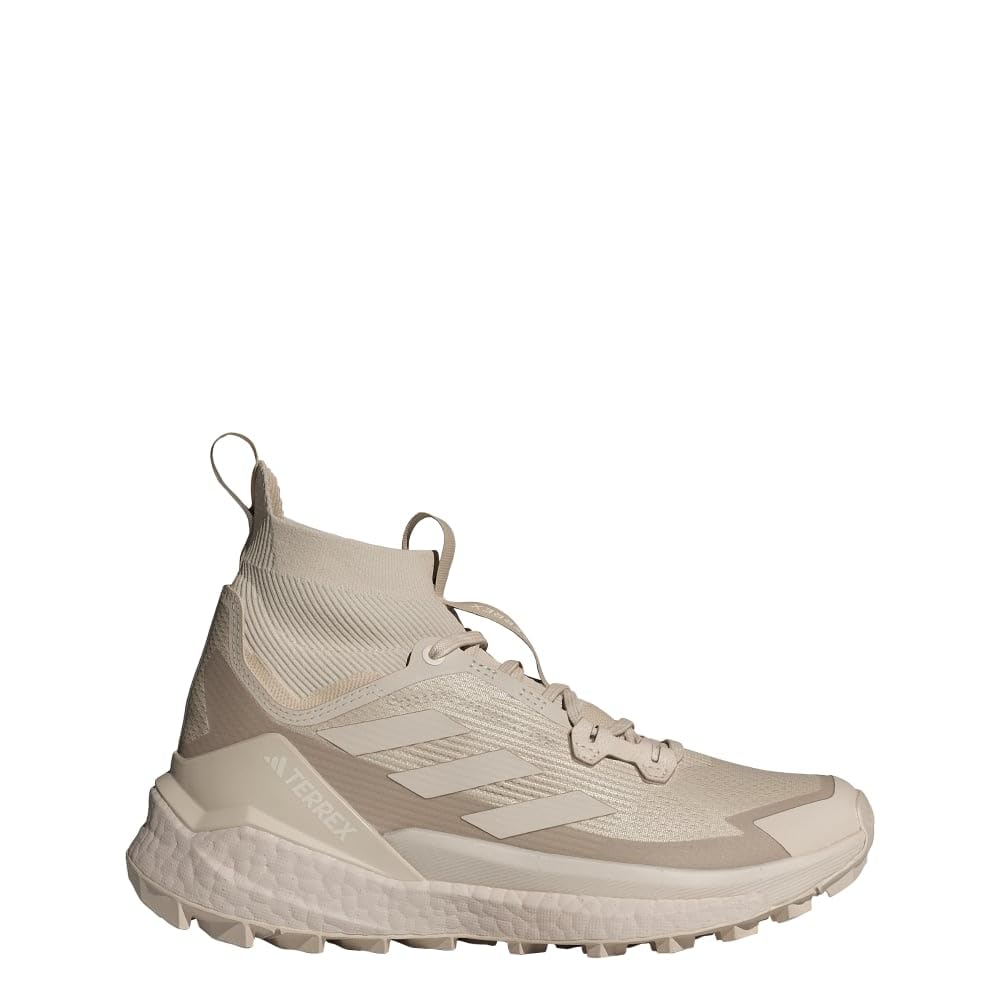
3. adidas Women’s Terrex Free Hiker 2.0 Hiking Shoes
A mid-height shoe that bridges trail-runner agility and boot-level protection for wet, uneven ground.
If you’ve ever rolled an ankle, the Terrex Free Hiker 2.0 offers quiet relief. Its mid-cut collar rises above the ankle bone, and that support is why athletes with a history of sprains reach for it daily—one owner said, “I LOVE THESE. Growing up as an athlete I’ve had bad ankle sprains and these shoes help my feet feel very supported.” The stability pairs with a GORE-TEX waterproof build (a breathable membrane that blocks water) to keep your socks dry in a downpour.
The ride is cushioned and all-day comfortable, with an aggressive tread that grips wet, uneven terrain and loose gravel with confidence. Owners took them straight to Iceland’s wet trails and came back impressed with the grip, and the shoe is light enough at 12.2 oz to feel more like a sneaker than a boot. The fit runs snug — that is part of the locked-in feel — and the comfort is the most-discussed strength.
The catch is that a snug ankle collar does not suit everyone. A handful of owners found that collar too tight and painful, and no amount of stretching fixed it. If you have a high instep or thick ankles, this is not the shoe for you — but if the collar fits your foot, the support is the standout.
The support story: The mid-cut collar and GORE-TEX membrane make this the pick for wet, rocky trails when ankle stability is your top worry.
Best for: Hikers with a history of ankle sprains who want waterproof protection without a heavy boot.
Think twice if: Your ankles or instep are on the thicker side and a snug collar could cause pain.
4. Merrell Women’s Accentor 3 Hiking Shoes
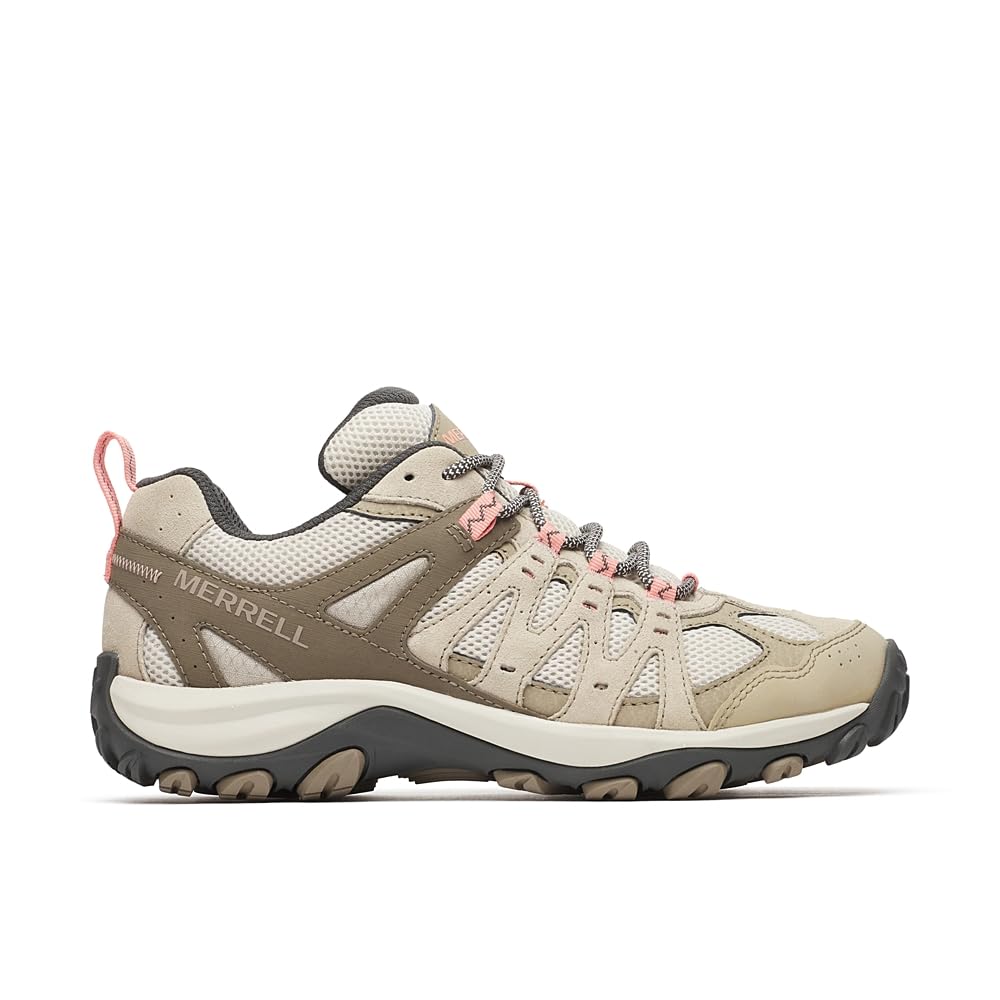
A budget-friendly suede hiker whose arch support punches well above its price point.
The Accentor 3 delivers arch support without the extra cost. Owners praise this trait most—one said, “It provides excellent support which I need.” The suede-and-mesh upper wraps your foot comfortably with no blisters, and the grippy rubber sole holds on for daily walks up and down hills.
The real-world test that matters came in the Grand Canyon — a full hike with zero foot problems and an easy on-and-off fit that made the shoe feel broken-in from day one. The comfortable, true-to-size fit and the well-made build earn steady praise, and at this price it is a genuine value pick for walkers who want support without a premium tag. The color options, like the tan-and-pink combo, get compliments too.
Where it gets complicated is the waterproofing. Despite some claims around it, owners found this is not a shoe for stream crossings or heavy rain — one field school in Ireland proved that. The fit also runs a touch wide and the sole is on the stiffer side, so it is better for firm trails than technical, rocky scrambles where a more flexible outsole helps.
The honest read: Excellent arch support and all-day comfort at a friendly price, but keep it on dry trails — this is not the shoe for wet weather.
Pick this if: You want strong arch support and a comfortable, true-to-size hiker for dry daily trails without spending big.
skip it if: You hike in rain or need a softer, more flexible sole for rocky ground.
5. Merrell Women’s Speed Strike 2
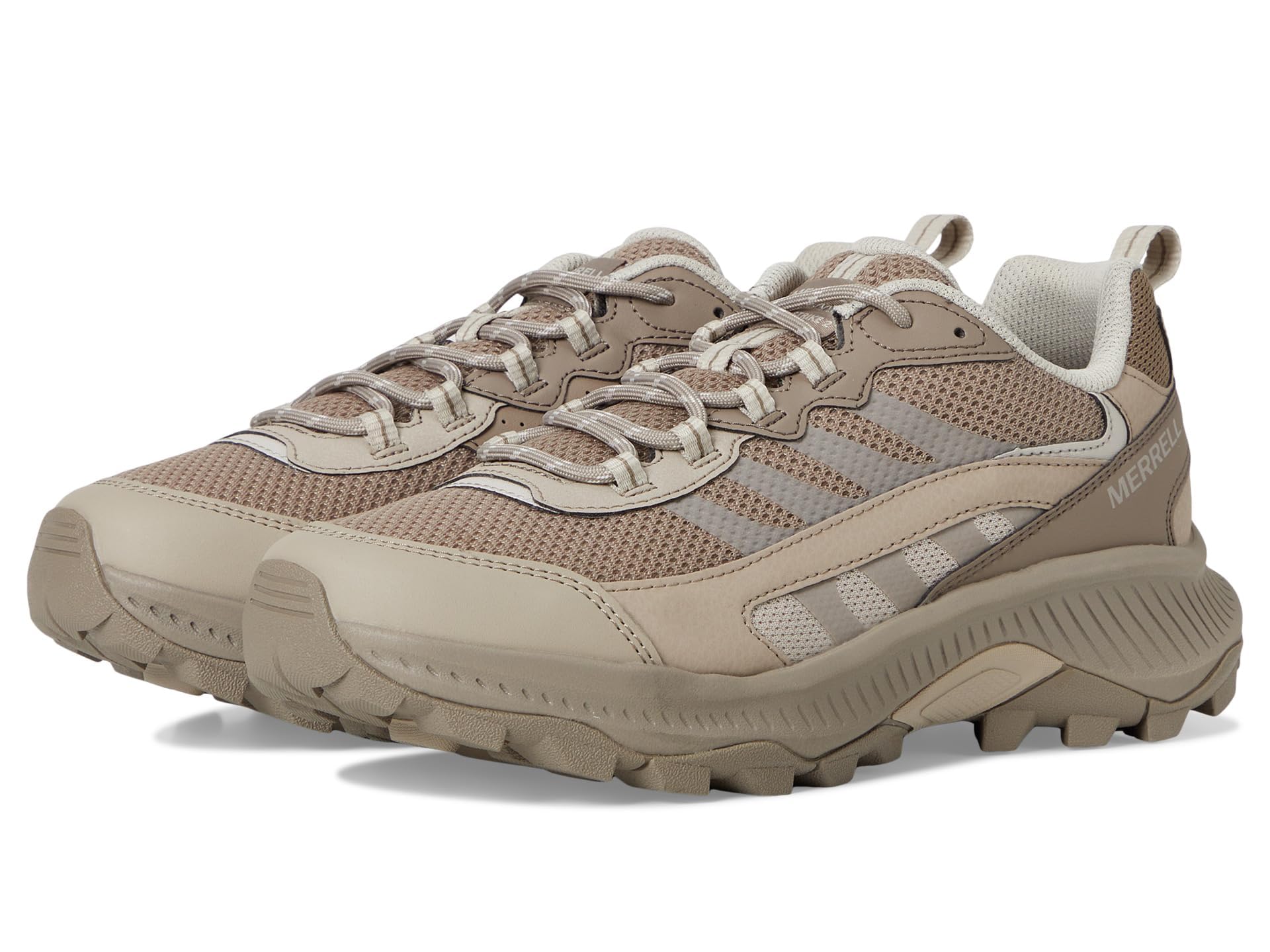
The fast, athletic hiker that gives your toes room to spread while still gripping the trail.
If your hikes often start with a stretch of pavement and end up on loose rock, the Speed Strike 2 is built exactly for that mix. The Merrell sticky rubber outsole grips when you need it — owners took it to Sedona and never slipped — and the shoe moves faster than a traditional hiker, feeling more like a light trail runner. The athletic styling means it looks right on a casual lunch stop too.
The ALTRA Lone Peak 8’s defining feature is its toe box—wider through the toe and length, giving your toes room to spread and fitting thick socks on cold days. Owners with wider feet note this as the reason the fit works: “I wear a 7, need a wider toe box and the 7 fit well.” Comfort is the most-praised trait, with feet staying pain-free through long wear, and the arch support keeps your stride steady on rocky ground.
The trade-offs are small but real. The laces are thick and have a habit of not staying tied, and the insole is thin enough that some owners swap in their own arch support. This is also not a waterproof shoe — fine for dry trails, but stream crossings will soak you. It is a light, fast, roomy hiker, not a rugged boot.
What stands out
- Wide toe box fits thick socks and wider feet comfortably
- Sticky rubber outsole grips rocky terrain and light snow
- Lightweight, athletic feel with zero break-in
What to know
- Thick laces slip loose without a double knot
- Thin insole — plan to swap in your own if you need more cushion
Reach for this if: You have wider feet or like wearing thick socks and want a light hiker you can also wear around town.
Look elsewhere if: You need waterproofing or a sturdier boot for heavy, wet trail conditions.
6. Oboz Women’s Sawtooth II Low B-Dry Hiking Shoe
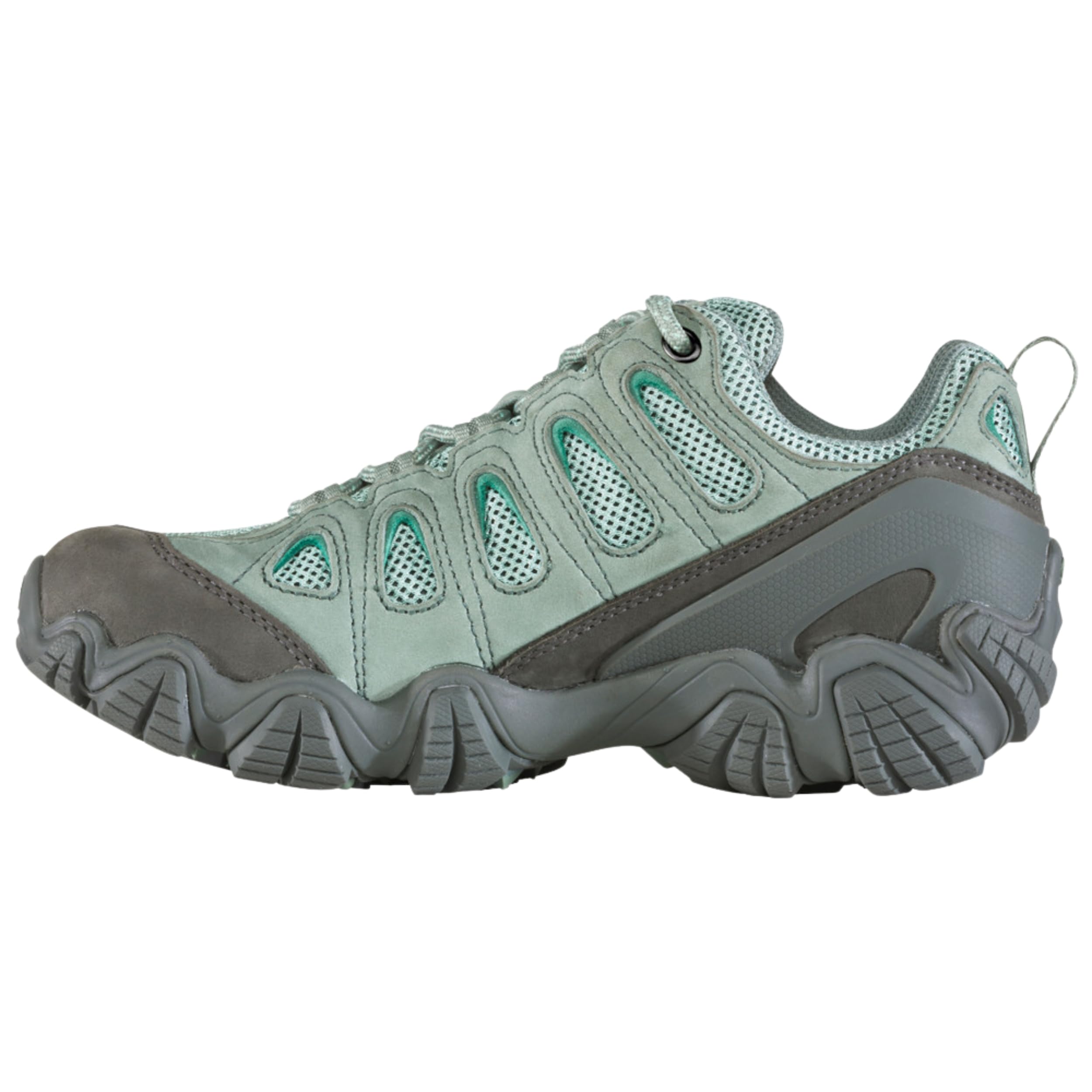
The sturdy, waterproof daily hiker with a wider fit that thru-hiker fans swear by.
Some shoes need a week to mold to your foot; the Sawtooth II is comfortable from the first step and only gets better. Owners took it straight from the box onto a 5.2-mile hike up Angels Landing with 1,500 feet of gain and came down with feet that still felt fresh—the supportive fit and stable ankle feel make it a favorite for long days. The B-DRY waterproof membrane (a breathable layer that blocks water) keeps moisture out while letting sweat escape.
The wide fit is a genuine draw here. It is offered in a wide width that gives toes more room without heel slip, which is exactly why people with bunions or broad forefeet keep coming back for multiple pairs. The O FIT insole is molded to the shoe for a snug, held-in-place feel, and the dual-density midsole with a nylon shank delivers underfoot support on any trail. Comfort is the most-praised trait by a long stretch, with owners noting it even helps prevent plantar fasciitis pain.
The honest downside is the weight. At 17.4 oz / 493 g this is the heaviest shoe in this lineup, so it is not the pick for running or fast miles. Some owners also find it runs short and advise sizing up, and the break-in on the stiff sole takes about 10-12 miles before it fully flexes. If you want a sturdy, supportive, waterproof workhorse for daily hikes, it is worth the heft.
The sturdy take: The Sawtooth II’s right-out-of-the-box fit and wide-width options make it a favorite for supportive daily hiking, if you can handle the weight.
Best suited to: Hikers with wide feet or sensitive arches who want a waterproof, supportive shoe for regular trail miles.
Not for: Runners or anyone who wants a light, fast shoe — this one is built sturdy and it shows.
7. New Balance Women’s Fresh Foam X Hierro V8
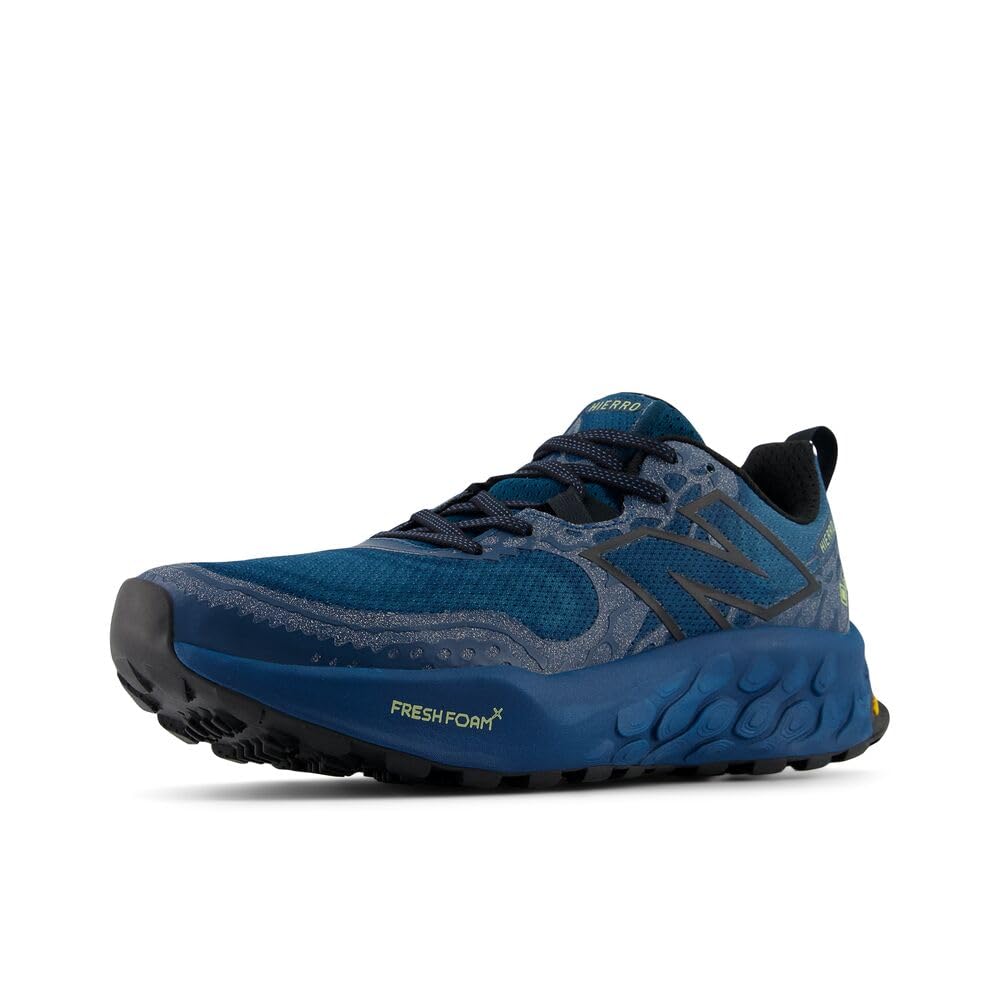
The plush-cushioned trail shoe that turns rough miles into a soft landing for weary joints.
When every step on hard trail feels like a jolt, the Hierro V8 is the answer. The Fresh Foam X cushioning is the hero here — owners with fibromyalgia and even a knee-replacement recovery found it genuinely comfortable, praising the cushy-but-not-too-stacked feel. The Vibram Eco-Step Natural Outsole wraps that soft foam in a durable, grippy shell, so you get pillow-like comfort without sliding on the trail.
The fit is true to size for most, with a wide toe box and a narrower heel that locks your foot in place. The arch support is strong, the traction holds on decent terrain, and the breathable, lightweight upper keeps your feet cool on warm days. Owners also love the look — the pink soles get repeated compliments — making this a shoe you can wear to the gym or on a rainy travel day as easily as on a trail.
The biggest confusion here is the waterproofing. The upper is mesh, and while some owners call it waterproof and even took it to Iceland, others found it lets water straight in — it is not a guaranteed waterproof shoe. The fit also runs small for some, so sizing up is a common move, and a few find the toe narrows more than they would like. Treat it as a cushioned trail shoe for fair weather, not a wet-trail boot.
The comfort case
- Plush Fresh Foam X cushioning softens hard miles
- Vibram outsole gives durable grip
- Wide toe box with a snug, locked-in heel
The honest caveats
- Mesh upper is not reliably waterproof despite some claims
- Runs small for some — consider a half size up
Pick this if: You want maximum cushioning for long, hard miles and your joints demand a softer landing.
pass on it if: You specifically need guaranteed waterproofing or a shoe that runs true to size for your foot.
8. ALTRA Women’s Lone Peak 8 Trail Running Shoe
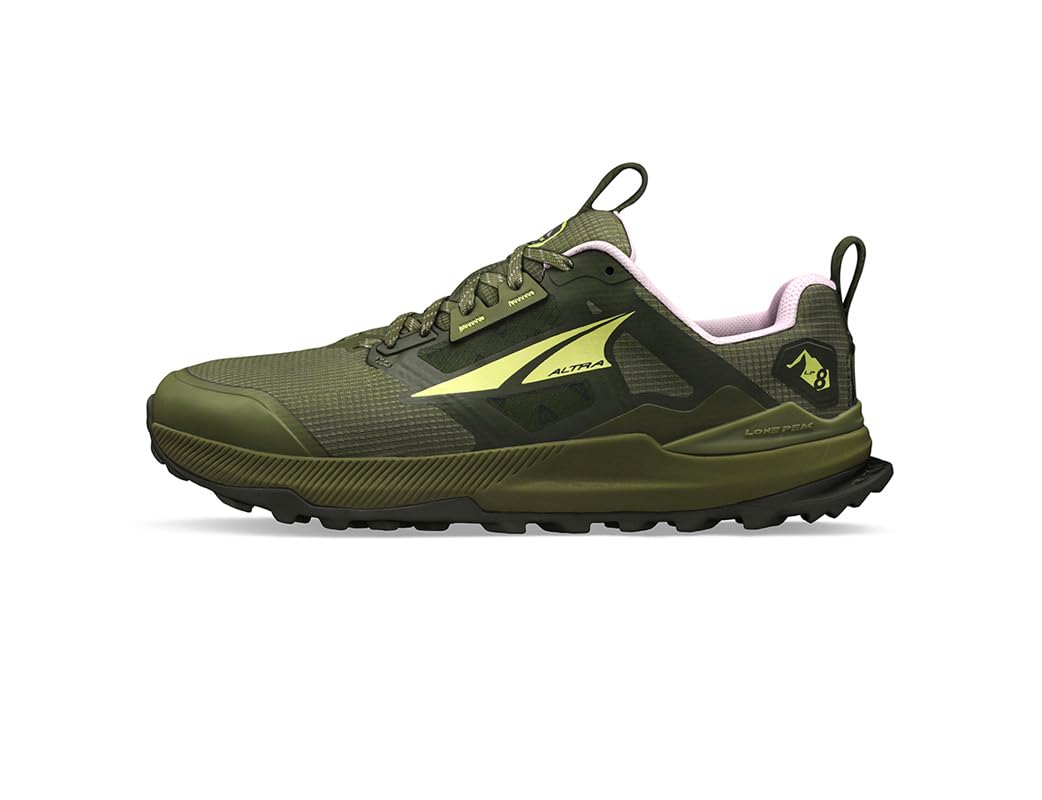
The zero-drop legend whose roomy toe box and sticky MaxTrac sole win over thru-hikers for life.
For hikers who want their toes to move naturally and their feet to sit level, the Lone Peak 8 is the destination. It is built on ALTRA’s roomiest FootShape toe box, giving your toes generous space to splay — which owners credit with ending hiker’s toe and keeping feet pain-free on steep, rocky climbs where other shoes cause rubbing. The 0 mm drop means your heel and forefoot sit at the same height, encouraging a natural, aligned stride.
The grip is the other reason people buy six pairs. The MaxTrac outsole with TrailClaw canted lugs under the ball of your foot delivers sticky traction on loose dirt and rock, and the 11.15 oz / 316 g weight keeps it light enough for long days. Owners describe it as comfortable from the start with no break-in, durable enough to last over a year of hard use, and reliable for thru-hiking, trail running, or even just daily wear. Comfort is the most-praised trait by a huge margin.
The zero-drop platform is not for everyone. If you are used to a high-heel-drop running shoe, your calves will need time to adapt to the level footing, and owners with medical insoles note their foot can slide side-to-side without extra lacing care. It is also not a waterproof shoe. But for natural-foot fans, it beats the bigger names — owners who tried Hoka, Brooks, Kuru, and New Balance came back to ALTRA.
The natural-movement case: A zero-drop, wide-toe-box shoe with sticky grip that keeps feet pain-free on big-mile days — if your body adapts to the level ride.
Reach for this if: You want your toes to spread naturally and your heel and forefoot level on long, rocky trails.
Look elsewhere if: You are not ready to transition to zero-drop or you need a waterproof shoe for wet seasons.
9. Columbia Womens Peakfreak II Outdry
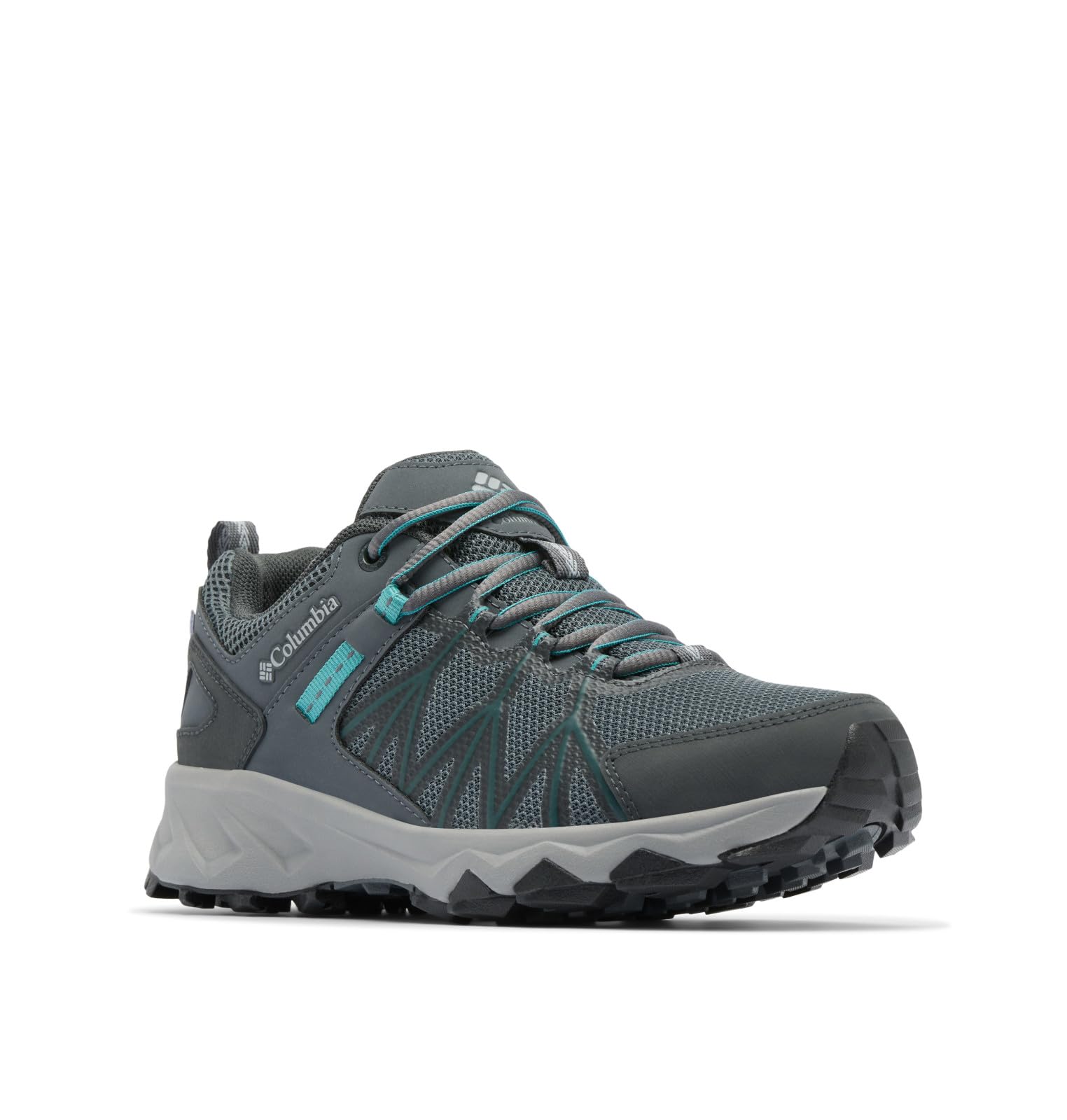
The featherweight waterproof sneaker that stayed dry even while standing in deep icy water.
The Peakfreak II Outdry refuses to believe it’s waterproof—and proves it. It uses Columbia’s Outdry membrane (a waterproof layer bonded to the upper), and owners tested it hard: one stood in deep icy water and came out with dry feet, while others crossed Europe and Iceland in the rain without a drop getting in. It’s also genuinely light, so you get real waterproof protection without feeling like you’re wearing boots.
The comfort is instant. Owners describe it as extremely comfortable right from the start with no break-in needed, plenty of support and cushioning, and a fit that runs roomy in the toe for hiking socks. The traction is sure-footed on slick rock inclines and damp stone, making it a go-to for Machu Picchu-style trails and Pacific Northwest weather. The wide, flat-foot-friendly fit also means no heel lift for walkers with bunions or wide feet — comfiness is the most-mentioned strength.
The main caution is sizing. Some owners found the wide width still a touch narrow, and the general advice is to order a half size up if you plan to wear thicker hiking socks. The look also takes a couple of wears to love for some, though the performance wins them over. For a light, dry, comfortable shoe that handles wet weather with ease, this is the one.
The dry-and-light case: Real waterproofing in a featherweight package with instant comfort makes this the easy pick for rainy travel and wet trails.
Best for: Travelers and light hikers who want waterproof feet in a shoe that feels like a sneaker, not a boot.
Think twice if: You have very wide feet — the wide width still runs a bit snug, so order up.
Understanding the Specs
Lug Depth and Outsole Grip
The lugs are the rubber teeth on the bottom of the shoe, and their depth in millimeters tells you how aggressive the grip will be. Deep lugs around 5 mm dig into mud and loose dirt for uphill confidence, while shallower, tighter tread feels steadier on hard rock and pavement. A sticky rubber compound, like Vibram or MaxTrac, adds grip on wet or smooth surfaces. Match the tread to your trails: deep for soft ground, tighter for rock.
Waterproof Membranes and Breathability
A waterproof shoe uses a thin liner, such as GORE-TEX, B-DRY, or Outdry, to keep water out while letting sweat escape. That keeps your socks dry in rain and puddles but makes the shoe warmer and slower to dry if water gets in over the top. Non-waterproof shoes breathe better and dry quickly after stream crossings. Choose waterproof for wet, cold climates and breathable for hot, dry trails or hiking where you will step through water.
Drop, Cushioning, and Stack Height
The drop is the height difference in millimeters between your heel and forefoot. A higher drop, like 10 mm or 15 mm, tilts you slightly forward and suits heel-strikers, while a 0 mm zero-drop shoe keeps your foot level for a natural mid-foot stride. Cushioning — the soft foam layer — soaks up impact on hard miles; more cushion means softer landings but less ground feel. Think of stack height as the total thickness of the sole under your foot.
Toe Box Width and Fit
The toe box is the front section of the shoe around your toes. A roomy, wide toe box lets your toes spread naturally and prevents jamming on descents, which matters for hikers with bunions or wide feet. A narrower toe box locks the foot in place for a precise feel but can pinch on long days. Check whether the shoe comes in a wide width and whether owners say it runs true to size, runs small, or runs large before you order.
FAQ
What is the difference between a trekking shoe and a hiking boot?
Should I size up in women’s trekking shoes?
How long should a pair of trekking shoes last?
Are waterproof trekking shoes worth it?
What does zero drop mean in a trekking shoe?
Can I use trail running shoes for trekking?
How do I know if a trekking shoe fits correctly?
What is the best way to break in new trekking shoes?
Are wider trekking shoes available for wide feet?
What should I wear with my trekking shoes for the best comfort?
Final Thoughts: The Verdict
For the majority of shoppers, the women’s trekking shoes winner is the Salomon Speedcross because its deep 5 mm lugs and light 262 g build deliver class-leading confidence on slick rock and mud. If you want waterproof ankle support with zero break-in, grab the Columbia Transverse. And for toe room with a natural feel on long trails, the ALTRA Lone Peak 8 is the one to reach for.
How We Picked
We do not accept paid placement. Every pick is matched to a real buyer and a real use-case; we do not hands-on test units.
Sources & Methodology
Specifications: manufacturer listings and product documentation. Review insights: verified customer reviews, as of August 2026. Pricing: not shown on this page (it changes often); check the current price via the retailer link.
As an Amazon Associate, Calories Fit earns from qualifying purchases. This does not affect which products we feature.