
Our readers keep the lights on and the coffee maker working hard! As an Amazon Associate, I earn from qualifying purchases.
Specs are compiled from manufacturer listings and verified buyer reviews and can change over time — please confirm the key details on the product page before buying.
You are buying a boot that has to do three things at once: keep your feet dry in a creek crossing, hold your ankle steady on a loose-rock descent, and feel comfortable enough that you stop thinking about your feet entirely. That is a tall order for one piece of footwear, and the wrong choice can ruin a weekend. This guide walks you through the models that actually deliver on all three promises — no marketing spin, just what the specs and thousands of real owners say works.
I’m Mohammad — the founder and writer behind Calories Fit. This guide is built by comparing the manufacturers’ published specifications and the patterns across verified customer reviews, so you get each pick’s real strengths and trade-offs instead of marketing spin.
Whether you are an overnight backpacker or a day-hiker who wants dry feet and solid grip, the right pair of women’s trail boots is the one piece of gear that makes every step feel safe.
Our Picks at a Glance

How To Choose The Best Women’s Trail Boots
The best boot for you depends on the terrain you tackle most, the shape of your foot, and how much weight you carry. Start with these three decisions.
Waterproofing: Membrane vs. Treatment
A waterproof membrane (like Gore-Tex, B-DRY, or KingTex) physically blocks water from entering while letting sweat vapor escape. That is the gold standard for wet trails and creek crossings. A water-resistant treatment sheds light rain but fails under immersion. If you hike in wet climates, look for a boot with a named membrane in the spec sheet.
Fit: The Toe Box and the Heel Lock
Your toes need room to spread on descents, which is why a wide toe box is the most mentioned positive across many of these boots. At the same time, your heel should not lift when you step uphill. A boot that fits well in the store may feel tight after five miles of downhill pounding — that is why owners often recommend sizing up half a size or ordering a wide width.
Traction: Lug Depth and Rubber Compound
A deep lug pattern (4mm or more) bites into mud and loose soil. The rubber compound determines grip on wet rock — Vibram Megagrip is the benchmark here. If your trails are smooth granite or slick clay, pay closest attention to the outsole brand and the buyer reports of slip resistance.
Quick Comparison
| Model | Best For | Waterproof | Weight | Upper Material | Amazon |
|---|---|---|---|---|---|
| Merrell Moab 3 Mid★ Best Overall | Best Overall / All-Purpose | Yes (Membrane) | 1.5 lb | Leather / Mesh | Amazon |
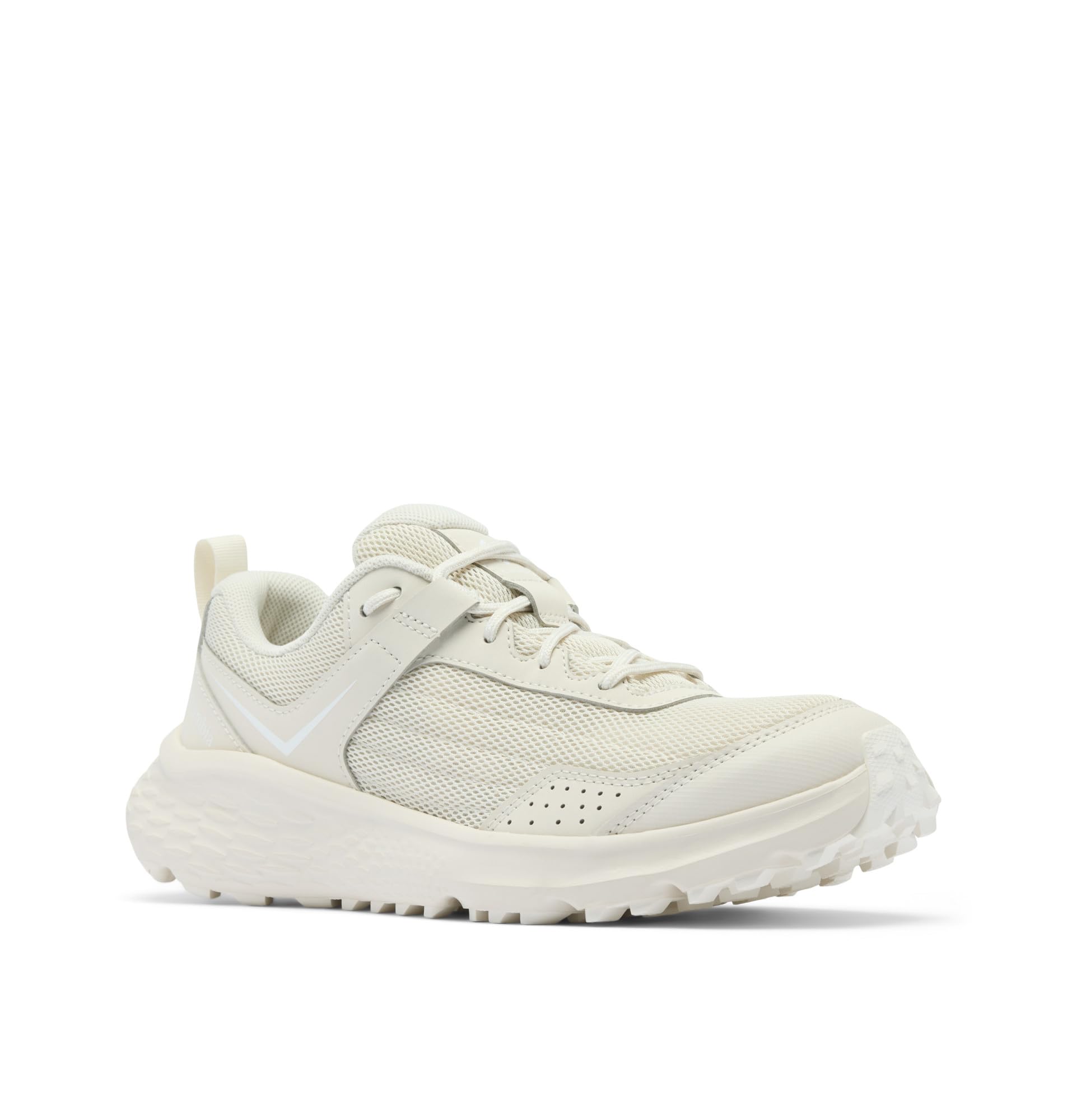
| Columbia Vertisol TrailInstant Comfort | Zero Break-In / Light Hikes | No | Lightweight | Mesh / Synthetic | Amazon |
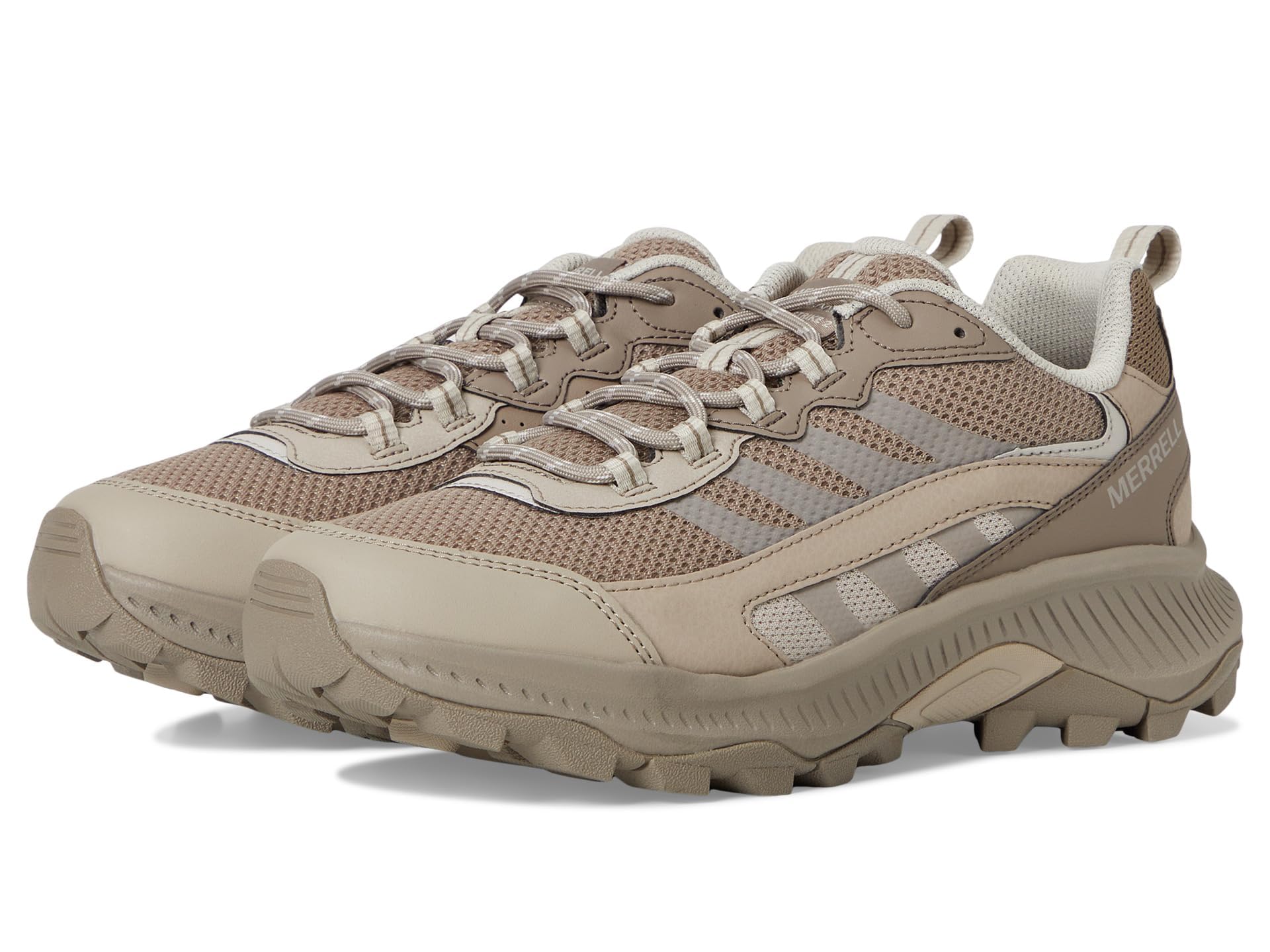
| Merrell Speed Strike 2Athletic Edge | Athletic Fit / Fast Pace | No | 1.5 lb | Mesh / Recycled | Amazon |
| Oboz Bridger Mid B-DRY | Serious Hiker / Arch Support | Yes (B-DRY) | 19 oz | Nubuck Leather | Amazon |
| ARIAT Terrain | Riding & Hiking Combo | Yes | Lightweight | Leather | Amazon |
| Foxelli Suede Leather | Budget-Friendly / Wide Feet | Yes (KingTex) | Lightweight | Suede Leather / Mesh | Amazon |
| Columbia Newton Ridge Plus | Classic Style / Rainy Day | Yes (Membrane) | 15.4 oz | Leather / Mesh | Amazon |
| Danner Mountain 600 | Recraftable / Long-Term | Yes (Gore-Tex) | Lightweight | Suede | Amazon |
| Viakix Monterra Mid | Ultra-Light / Thru-Hiking | Yes | 11.7 oz | Mesh | Amazon |
| Orthofeet Dakota | Foot Pain / Orthopedic | Yes | Lightweight | Leather | Amazon |
| Danner Adrika 5″ | Premium Comfort / Travel | Yes (Danner Dry) | 14.8 oz | Suede | Amazon |
In‑Depth Reviews
1. Merrell Women’s Moab 3 Mid Waterproof Hiking Boots
Our pick — over 4.5★ from 3,500+ verified ratings; the strongest balance of quality and price.
The legendary all-rounder that has put 20 million pairs on the trail for a reason.
This is the boot that defines the category. A new more supportive insole and a softer, more cushioned midsole make version 3 the most comfortable Moab yet, while the Vibram outsole — a name synonymous with grip — keeps you planted on loose rock and wet roots. The thing that wins people over is comfort, with well over half a thousand owners calling it the most comfortable boot they have worn right from the start. The wide toe box gets nearly as much praise, letting your toes splay naturally on long descents. The verdict from the trail: it is lightweight enough for a day hike at 1.5 pounds, yet durable enough to hold up in rain and mud without falling apart.
Compared to the Merrell Speed Strike 2 below, the Moab 3 is a 15 x 10 x 5 inch boot — a noticeably more substantial build that offers more ankle coverage and protection. The trade-off is that buyers report needing to size up half a size for thick socks, so factor that into your order.
Moab comfort trusted
- Out-of-the-box comfort that eliminates break-in pain
- Excellent arch and ankle support that prevents rolling
- Vibram outsole delivers reliable grip on varied terrain
size runs small
- Most owners need to order half a size up for hiking socks
- Laces may feel slightly long for some
for all-day hikes: you want a proven, comfortable boot that can handle anything from a muddy trail to a rocky mountain — no second-guessing needed.
if narrow foot: you have a narrow foot and prefer a low-cut athletic fit; this mid-height boot feels more substantial than a trail runner.
2. Columbia Vertisol Trail
Open the box, lace up, and hit the trail without a single day of break-in.
That is the real story here: owners mention going straight from the box into a 7-mile hike with no blisters or soreness. The Omni-Max technology in the engineered underfoot system delivers superior comfort and rebound, and the traction rubber sole keeps you sure-footed on uphill sand and stone trails. The roomy toe box accommodates wider feet easily, yet narrow-footed owners say they can tighten the laces enough for a secure fit — a versatility that is rare in this category. The lightweight build makes it a natural pick for long days on the trail where every ounce matters.
Unlike the heavier Merrell Moab 3, this is a trail shoe, not a full boot, so ankle coverage is lower. It is not waterproof, making it better suited to dry trails and fast day hikes than wet-weather backpacking.
agile trail grip: No waterproof membrane means wet grass and puddles will soak through — choose this for speed and comfort, not for creek crossings.
for fast day hikes: comfort on day one is your top priority and your trails are dry. Reach for it when you want the feel of a sneaker with the grip of a hiker.
if heavy pack: you regularly hike in rain or need high-top ankle support for a heavy pack.
3. Merrell Women’s Speed Strike 2
A faster, more athletic take on the hiking shoe that grips when you need it most.
Owners flat-out say they “went hiking in Sedona and never slipped.” That is the confidence the Merrell sticky rubber outsole delivers, with durable traction that grips on slick rock and loose terrain. The Speed Strike 2 is built with 100% recycled materials from the laces and webbing to the mesh lining and footbed cover, making it a genuinely eco-conscious choice. The supportive base promotes glute and quad engagement, which owners say helps prevent shin splints on long days. The 12 x 8 x 4.5 inch package is a full 25% more compact than the Moab 3, so this boot feels faster and nimbler.
The roomy toe box is a consistent praise point, fitting well with thick socks. But the trade-off is clear: this boot is not waterproof, and the durability aspect gets mixed feedback from some owners. It is best for fast-paced day hikes on dry terrain.
for quick treks: hikers who prioritize speed, eco-friendly materials, and a zero break-in period. The ride is supportive and athletic.
if rocky terrain: waterproofing is non-negotiable for your regular trails, or if you need a heavy-duty boot for multi-day backpacking with a load.
4. Oboz Women’s Bridger Mid B-DRY Hiking Boot

Built for day hikes and multi-day treks, this boot is a favorite of the serious hiker.
The Bridger Mid has a loyal following — owners buy a second pair before the manufacturer changes the model. The O-FIT insole, molded to the shape of each shoe, provides class-leading fit and arch support that owners say instantly relieved chronic foot pain during long days on steep hills. The Granite Peak outsole with a lightweight TPU chassis and rubber toe guard gives you stone protection and stability on roots and rocks. At 19 oz (538 g) with a 12 mm heel drop, it leans toward the traditional hiking boot feel with serious support. The B-DRY waterproof membrane blocks moisture while letting sweat escape.
The consistent sizing note is to order half a size up and go wide, as the boot runs narrow. A few customers note that the waterproof claim can fall short — moisture can soak through the leather over time — so an additional waterproofing treatment is wise for wet climates. The break-in period is short, but the boot is stiffer than the Moab 3 from the start.
for rugged trails: hikers who prioritize arch support, durability, and stability on technical terrain, especially with a heavy pack.
if immediate comfort: you have wide feet that cannot fit a standard D width, or you want a lightweight shoe that feels like a sneaker right from the start.
5. ARIAT Women’s Terrain Hiking Boots

A sturdy, durable boot that bridges hiking and riding with equal comfort.
ARIAT builds these for the outdoors, and the numbers speak to a massive following: comfort and fit are the most-praised aspects by far. Owners find them comfortable right from the start with zero break-in needed, and the roomy toe box accommodates thicker socks with ease. The boot is weather-resistant and lightweight, with great grip and ankle support — making it a favorite for both trail hiking and barn work. The leather is breathable and durable, with some owners reporting the boots lasted eight years with heavy use. The arch support is excellent for miles of walking.
The honest trade-off is that the soles can harden in cold temperatures, reducing traction on snow and ice. Some owners also note less grip on steep slopes compared to dedicated hiking boots. And while the insole is adequate, many swap it out for orthotics.
for uneven paths: hikers who also ride, or anyone wanting a tough, comfortable boot that looks good and lasts for years.
if casual walks: you need aggressive traction for steep, icy terrain, or you prefer a modern athletic fit over a classic leather silhouette.
6. Foxelli Women’s Hiking Boots – Waterproof Suede Leather

A waterproof boot that punches well above its price point, especially for wide feet.
This is the boot that surprises owners. The KingTex waterproof membrane keeps feet dry through 3-4 inch puddles and streams, while the deep lug pattern on the rugged outsole provides reliable grip on wet rocks. The thing that wins people over is the immediate comfort — no break-in time required, with a cushy removable insole and a generous toe box that fits wide feet beautifully. The high-cut design provides superior ankle support that reduces the risk of injury on uneven terrain. Owners also love the extra laces and socks included in the box, a small but welcome touch. At a mid-range price, it undercuts many leather boots while delivering genuine waterproofing.
The main caveat is that the arch support is flat for some feet, though there is plenty of room to add your own orthotic insert. A few owners wish the toe box was slightly wider at the joints.
for occasional use: you need a waterproof boot that fits wide feet, requires zero break-in, and doesn’t break the budget.
if daily hiking: you have high arches and need built-in arch support — you will want to budget for an aftermarket insole.
7. Columbia Women’s Newton Ridge Plus Waterproof Hiking Boots

A waterproof mid-hiker that balances classic style with modern comfort technology.
Owners consistently call this “their favorite boot” — many are on their fourth pair over 15 years. The waterproof-breathable protection keeps feet dry in rain, mud, and even slushy glacier conditions, while the high-traction outsole grips well in wet and dry conditions. The boot fits wide feet well with a roomy toe box, and owners find it comfortable right from the start with no break-in required. At just 15.4 ounces, it is noticeably lighter than many leather hiking boots. The combination of leather and mesh gives it a classic look that owners love.
The honest note is that the arch support could be better for those with high arches, and the thick padding around the ankle can create pressure on the ankle bone for some. The insole is thin, so many owners add a slim aftermarket insole for extra cushioning. Not heavily insulated, so it works best in three-season conditions.
for standard feet: hikers who want a classic look with modern waterproofing and lightweight feel, especially for wet-weather day hikes.
if wide feet: you have very high arches and need built-in arch support, or you need a boot for deep winter snow.
8. Danner Mountain 600 Hiking Boots for Women
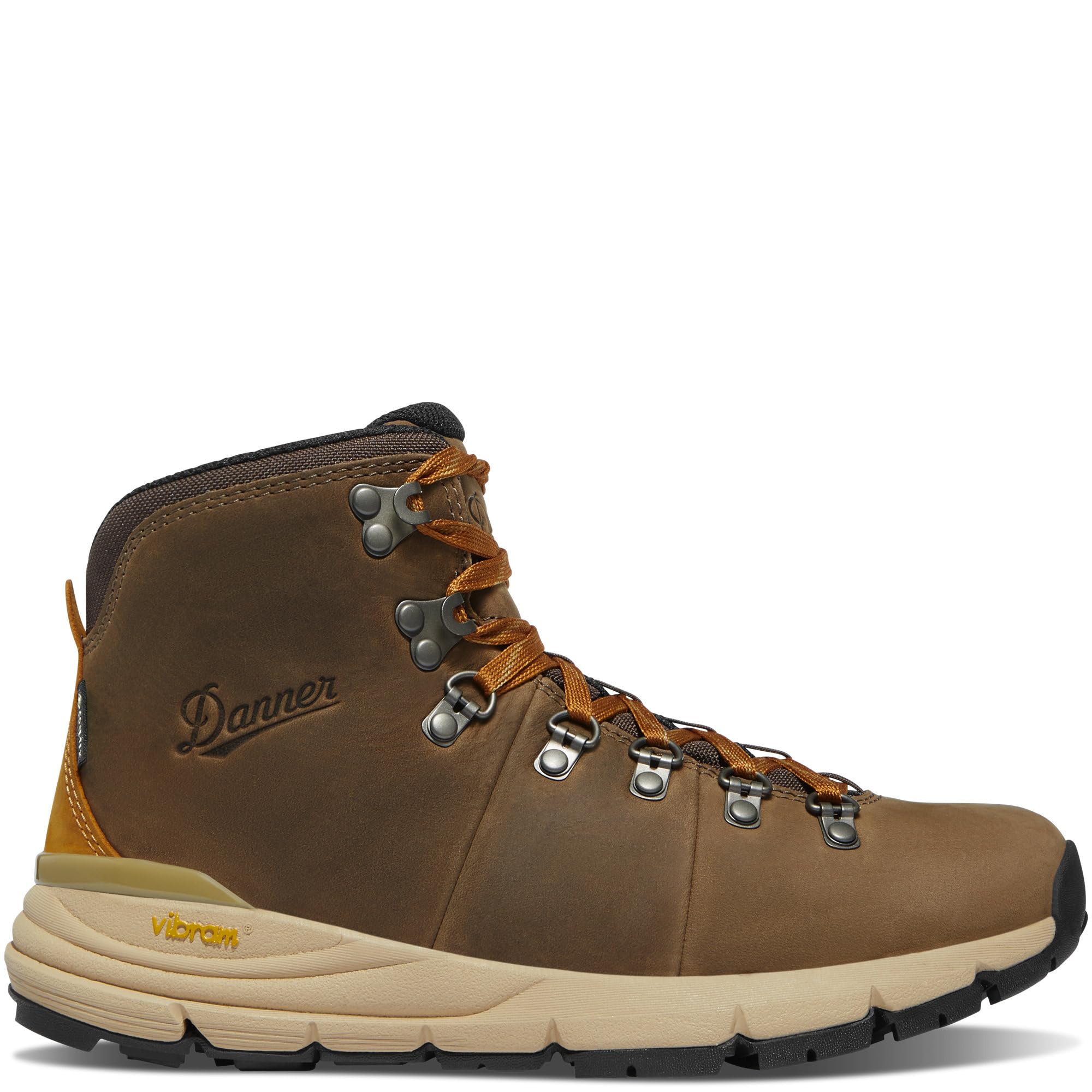
The first recraftable Mountain 600 — designed to be resoled and reconditioned for years on the trail.
This is a boot built for the long haul. The 100% waterproof Gore-Tex liner (a sealed membrane that blocks water but lets sweat out) made from recycled materials keeps feet dry through wet trails and streams, while the Vibram Megagrip outsole (the top-rated rubber compound for wet-rock grip) with self-adapting lugs delivers exceptional traction on all kinds of terrain. The triple-density comfort footbed and rubberized EVA midsole fight fatigue by absorbing shocks. Owners find them comfortable immediately with zero break-in needed, and the ankle support is excellent — feet feel fully supported at every angle. The classic Danner suede look is stylish without being heavy.
Compared to the Oboz Bridger, the Danner Mountain 600 is noticeably more cushioned and flexible right from the start. However, a small number of reviewers point out the leather splitting at the eyelet after extended use, which can compromise waterproofing. It fits true to size with room for thick socks, but narrow heels are well accommodated.
for long miles: hikers who want a premium, recraftable boot that combines instant comfort with long-term durability and superior wet-weather grip.
if speed hiking: price sensitivity is your primary concern, or you prefer a lightweight trail runner over a mid-height boot.
9. Viakix Monterra Mid Women’s Waterproof Hiking Boots
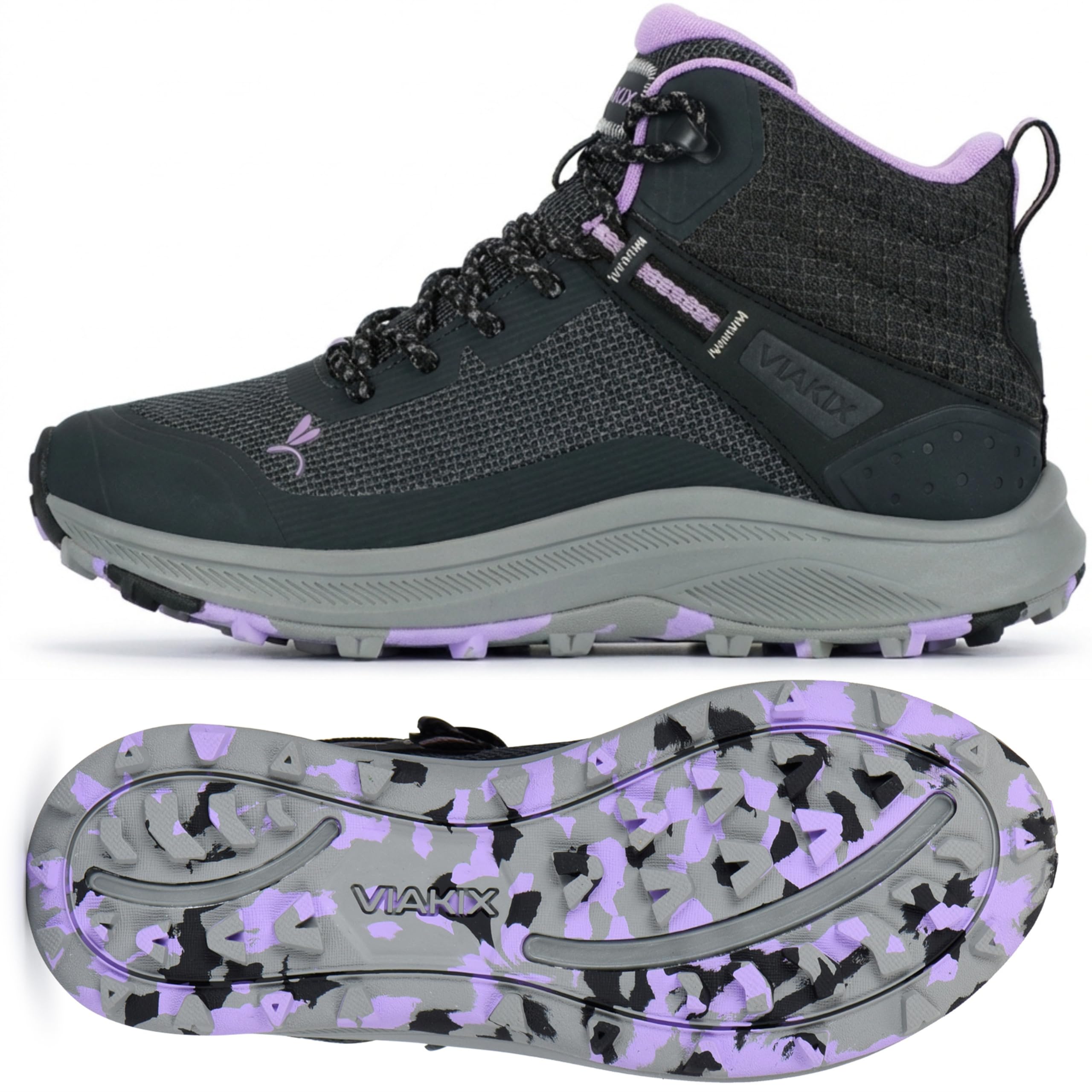
A featherweight mid-cut boot that covers serious miles without weighing you down.
At just 11.7 ounces for a size 7, this is the lightest boot in the lineup — ideal for thru-hiking and backpacking where every ounce counts. The Grip360 rubber outsole with a 4mm deep lug pattern (the tread depth that bites into mud) provides dependable traction that owners say is grippy without being grabby. The ergonomic 8mm heel-to-toe drop (the height difference from heel to forefoot, supporting a natural stride) supports a natural walking stride. The waterproof construction kept one owner warm and dry for six days of hiking in South Dakota with no blisters. The generous forefoot and small heel design fits well, with owners noting good arch and ankle support. The mesh upper is breathable and vegan-friendly.
The fit leans narrow, especially in the toe box, so owners with wider feet may need a half-size up or an expander. It is a newer model with a smaller review base, so long-term durability is less proven than the Merrell or Danner options.
for easy trails: thru-hikers, fast-packers, and anyone who prioritizes minimal weight without sacrificing waterproofing and mid-cut ankle support.
if wet rocks: you have wide feet that need a generous toe box, or you prefer the heft and protection of a full-leather boot.
10. Orthofeet Dakota Orthopedic Women’s Hiking Boots

Built specifically for foot pain relief, this boot wraps your foot in orthotic support and cushioning.
Orthofeet designed this boot around the Ortho-Cushion system: a built-in orthotic insole, a shock-absorbing sole, and a pressure-free wide toe box. For owners dealing with bunions, high arches, bad knees, or stiff feet, this boot is a standout. One owner wore them for 12 days straight in Alaska through rain and snow, reporting warm, dry feet with no fatigue. The wide base and slip-resistant sole improve stability for those with balance concerns. The removable insole also accommodates custom orthotics. The hands-free slip-on design makes them easy to get on and off.
The catch is that some owners find the sole too thin for rocky paths, and the heel fit does not work for everyone — one owner noted instability and heel lift despite trying the included fitting spacers. Durability and sturdiness receive mixed feedback. This is less a technical hiker for aggressive terrain and more a comfort-focused walking boot for trails and travel.
for foot pain: hikers with foot pain, bunions, high arches, or knee issues who need orthopedic-level support in a hike-ready package.
if agile hiking: you need a boot for technical, rocky trails with heavy loads, or you have a narrow heel that tends to lift.
11. Danner Hiker Women’s Adrika 5″ Boot Waterproof
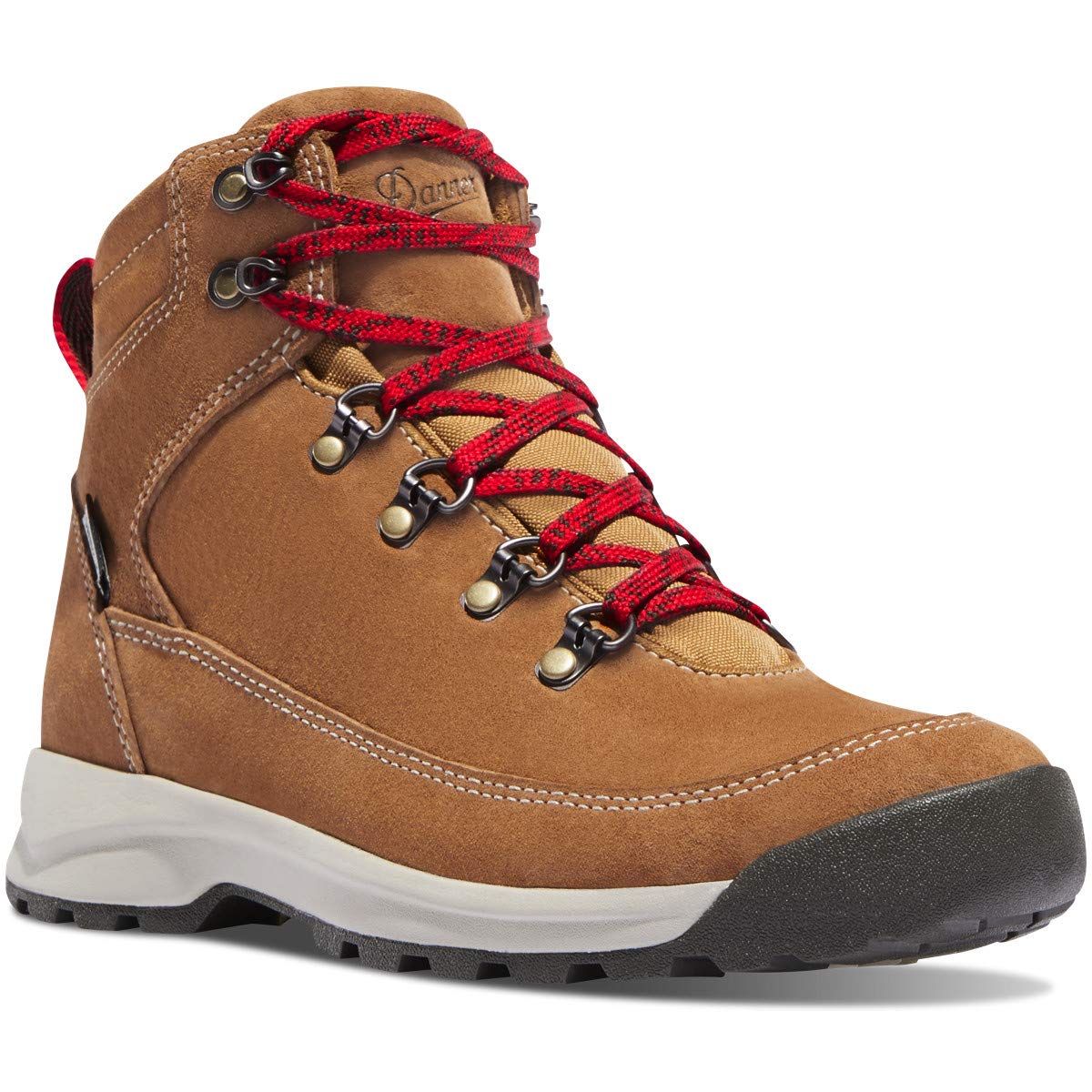
A premium boot that delivers exceptional out-of-the-box comfort with zero break-in needed.
Owners describe the Danner Adrika as the “most comfortable boot” they have ever worn. The durable suede upper with waterproof Danner dry lining (the brand’s own membrane that stops water while letting sweat out) kept feet completely dry during an entire day of rain in Spain. The removable Ortholite footbed adds a layer of cushioning, and the second lace option gives versatility in style. At just 14.8 ounces, it is light enough for a business casual traveler’s wardrobe while providing serious traction and ankle support. The boot feels like a supportive high-top tennis shoe, not a clunky hiker. The grip is reliable, with owners reporting no slips on wet pavement or uneven ground.
Compared to the Danner Mountain 600, the Adrika is less technical — the grip is not as aggressive for steep, rocky terrain. Some owners note that toes can slam into the front on steep descents, and the boot runs slightly narrow. Arch support is minimal, so those with high arches will want an insert. The color may be slightly different from product photos.
for serious hikers: you want a premium, comfortable, waterproof boot that transitions smoothly from city travel to light trail hiking with zero break-in.
if budget tight: you need aggressive traction for technical mountain hikes, or you have wide feet that require a generous toe box.
Understanding the Specs
Waterproofing Technology
A waterproof membrane is a thin layer laminated inside the boot that physically blocks liquid water while allowing water vapor (sweat) to pass through. Different brands call it different things — Gore-Tex, B-DRY, KingTex, Danner Dry — but the function is the same. A boot without a named membrane is not fully waterproof, only water-resistant. This is the single most important spec if you hike in wet climates or cross streams.
Traction: Lug Depth & Rubber
Lug depth is the depth of the tread pattern on the outsole, measured in millimeters. A 4mm lug depth (seen on the Viakix Monterra) bites into mud and loose soil. Deeper lugs mean better grip in soft terrain but can feel clumsy on pavement. The rubber compound matters too — Vibram Megagrip is the gold standard for wet-rock grip. Look for both numbers when comparing traction between boots.
FAQ
Should I size up or down in women’s trail boots?
What is the difference between a waterproof boot and a water-resistant boot?
How long do hiking boots typically last?
Do I need a mid-cut boot or a low-cut shoe for day hikes?
Can I use custom orthotics in these boots?
What does “zero break-in” mean in a hiking boot?
Are wide-width boots different from sizing up?
How do I maintain the waterproofing on my boots?
Final Thoughts: The Verdict
For most people, the Women’s Trail Boots winner is the Merrell Moab 3 Mid because it combines legendary comfort, a proven waterproof design, and aggressive Vibram traction at a price that makes it the most-purchased hiker in the world for good reason. If you want instant comfort with zero break-in and a lighter feel, grab the Columbia Vertisol Trail. And for premium durability and the ability to be recrafted for years of use, the Danner Mountain 600 is the one to reach for.
How We Picked
We do not accept paid placement. Every pick is matched to a real buyer and a real use-case; we do not hands-on test units.
Sources & Methodology
Specifications: manufacturer listings and product documentation. Review insights: verified customer reviews, as of July 2026. Pricing: not shown on this page (it changes often); check the current price via the retailer link.
As an Amazon Associate, Calories Fit earns from qualifying purchases. This does not affect which products we feature.