
Our readers keep the lights on and the coffee maker working hard! As an Amazon Associate, I earn from qualifying purchases.
Specs are compiled from manufacturer listings and verified buyer reviews and can change over time — please confirm the key details on the product page before buying.
The wrong pair of women’s summer hiking shoes can turn a sunny ridge walk into a day of hot, blistered feet. You need something that breathes, grips loose gravel, and lets your toes splay on descents — without weighing you down. This guide cuts through the noise to find nine pairs that deliver on all three.
I’m Mohammad — the founder and writer behind Calories Fit. This guide is built by comparing the manufacturers’ published specifications and the patterns across verified customer reviews, so you get each pick’s real strengths and trade-offs instead of marketing spin.
Whether you are a weekend day‑hiker or someone who logs trail miles every week, the right pair starts here with this breakdown of the best women’s summer hiking shoes for warm‑weather comfort and traction.
Our Picks at a Glance
How To Choose The Best Women’s Summer Hiking Shoes
Summer hiking footwear is a balancing act. You need ventilation to keep feet cool, enough tread to hold on dry, loose dirt, and a fit that accommodates natural foot swell in the heat. Here are the three factors to weigh before you buy.
Upper Material & Breathability
A mesh or ripstop upper is your best friend in warm weather. It lets hot air escape and dries fast if you hit a stream crossing. Avoid full‑grain leather for summer — it traps heat and takes forever to dry. Look for a breathable mesh with reinforcing overlays in high‑wear zones for durability without the sauna effect.
Traction & Outsole Design
Summer trails are often dry, dusty, and scattered with loose rock. A sticky rubber compound like MaxTrac or Vibram with moderate lugs (3–4 mm) gives you grip without picking up mud. Check that the lugs are spaced wide enough to shed debris — packed dirt between treads is useless traction.
Fit & Toe Box Room
Your feet expand in the heat, so a cramped toe box is a recipe for black toenails on long descents. Many summer hikers use a wider, FootShape design that lets toes spread naturally. A zero‑drop platform (heel and forefoot at the same height) encourages a more natural gait and can reduce knee strain on steep terrain, but it takes a short adjustment period if you are used to raised heels.
Quick Comparison
| Model | Best For | Weight (oz) | Drop (mm) | Upper Material | Amazon |
|---|---|---|---|---|---|
| ALTRA Lone Peak 8★ Best Overall | All‑day thru‑hiking | 11.15 oz | 0 mm | RPET Ripstop Mesh | Amazon |
| Columbia Vertisol TrailBest Value | Budget‑friendly versatility | — | — | Engineered mesh | Amazon |
| CC‑Los WaterproofBudget Champion | Entry‑level value | — | — | Waterproof mesh | Amazon |
| Columbia Strata Trail Low | Supportive day hikes | — | — | Mesh with overlays | Amazon |
| ASICS Gel‑Venture 11 | Daily walking & light trails | 1.44 lb (pair) | — | Polyester mesh | Amazon |
| KEEN Terradora Speed | Trail‑to‑town hybrid | — | — | Performance mesh | Amazon |
| New Balance Dynasoft Tektrel V1 | Aggressive traction | 2.1 lb (pair) | — | Suede / Mesh | Amazon |
| adidas Terrex Ax4 | Wet & alpine conditions | 2.43 lb (pair) | — | GORE‑TEX / Mesh | Amazon |
| Merrell Speed Strike 2 | Fast & light day hikes | 1.5 lb (pair) | — | Recycled mesh | Amazon |
In‑Depth Reviews
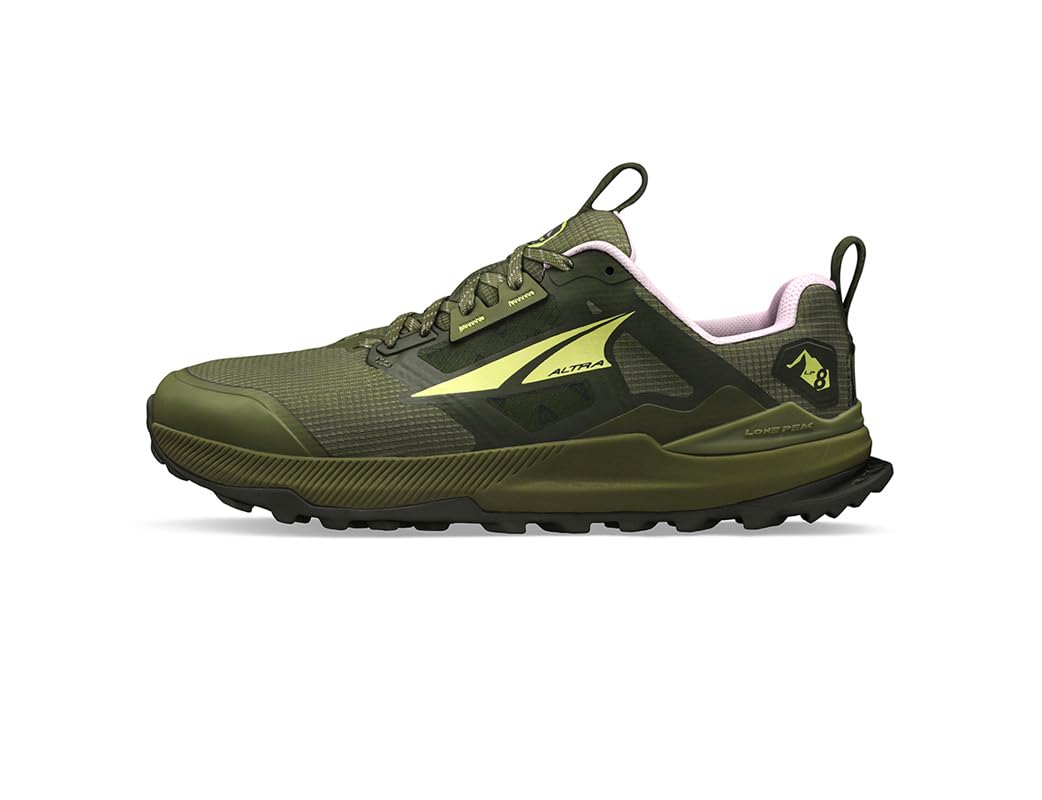
1. ALTRA Women’s Lone Peak 8
Our pick — over 4.5★ from 750+ verified ratings; the strongest balance of quality and price.
The thru‑hiker’s gold standard that brings zero‑drop stability to every summer mile.
Buyers with plantar fasciitis often switch to this shoe and stay with it. The Lone Peak 8 uses a Balanced Cushioning platform that keeps your heel and forefoot at the same 25 mm stack height (the amount of cushion underfoot), which encourages better alignment and a lower-impact landing. It has the roomiest toe box in the category — Altra calls it FootShape — so your toes spread naturally on descents, and buyers report no toe pinching even after steep, rocky hikes. The MaxTrac outsole (a sticky rubber compound) gives you grip on loose dirt and rock, and the 0 mm drop (no height difference between heel and toe) helps your body move naturally on uneven ground.
Comfort is the most‑mentioned praise — and for good reason. The ripstop mesh upper is rugged enough for bigger miles, and the TrailClaw canted lugs beneath the metatarsals add extra traction when you need it most. One buyer who tried Hoka, Brooks, Kuru, On Cloud, and New Balance rated this a 10/10 and the others 8 or below, noting zero foot, knee, hip, or plantar fasciitis pain after 10 days of straight packing. The trade‑off: if you need doctor‑prescribed insoles, the wide platform can cause side‑to‑side sliding — something a few owners mention. At 11.15 oz per shoe, it is not the lightest in this list, but the durability and traction make it the go‑to for long summer adventures.
Why Thru‑Hikers Love It
- Zero‑drop platform promotes natural gait and reduces knee strain
- MaxTrac outsole grips loose dirt and rock with confidence
- Wide toe box prevents black toenails on long descents
A Fit Note
- Side‑to‑side sliding can occur with bulky custom orthotics
- Not the most fashionable silhouette for casual wear
Reach for this if: You want a zero‑drop trail shoe that has earned its reputation among long‑distance hikers and people with past foot pain.
Think twice if: You need a tall, structured heel cup for rigid orthotics — the wide platform may not hold them firmly.
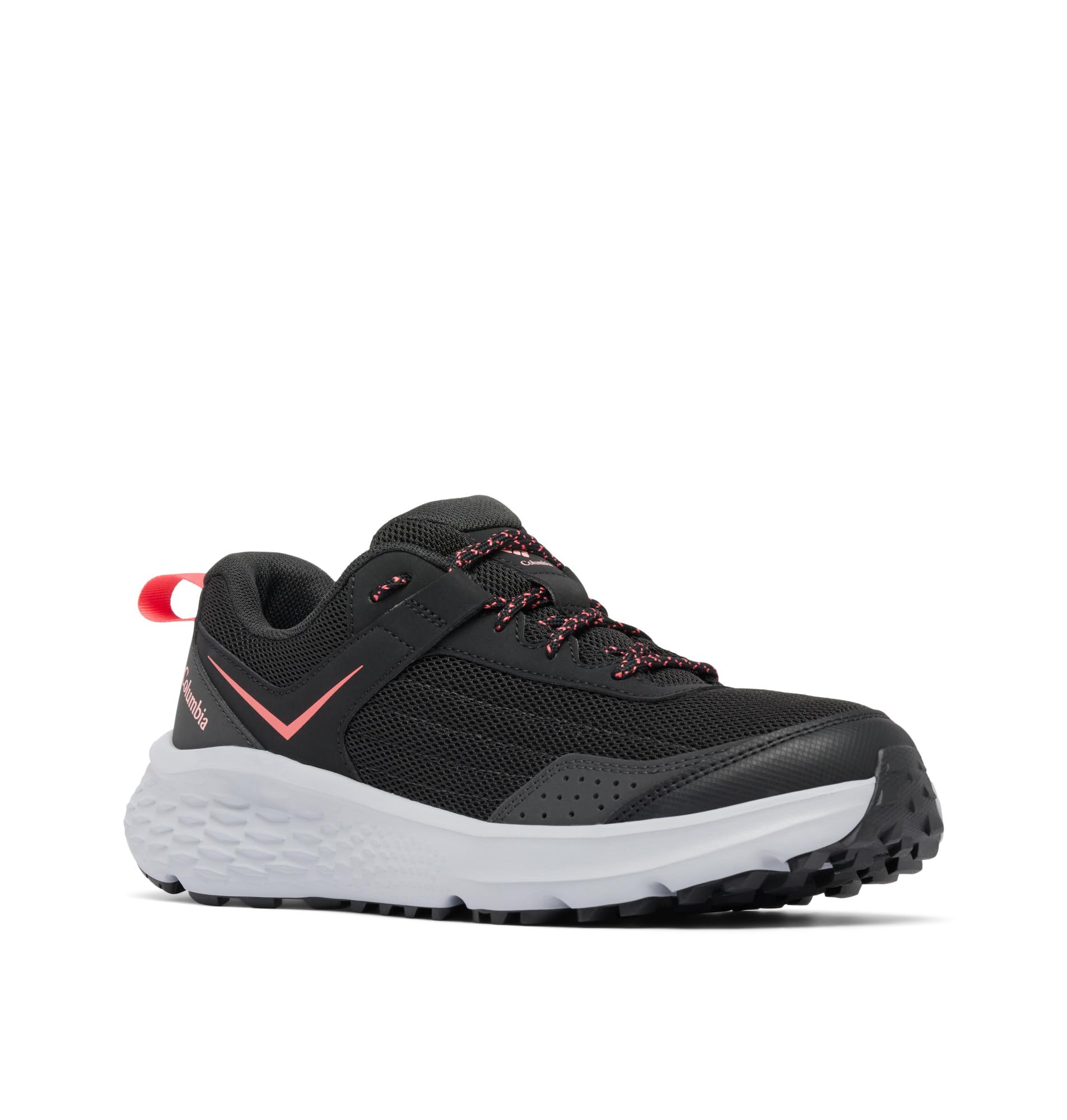
2. Columbia Vertisol Trail™
The no‑break‑in trail shoe that performs like a premium pick for a fraction of the cost.
Columbia’s Vertisol Trail is the shoe that lets you open the box and head straight for a 7‑mile hike — no blisters, no soreness. The engineered underfoot system delivers comfort, stability, and rebound that feels far above its price tier. A roomy toe box accommodates wider feet without squeezing, and the traction rubber sole keeps you sure‑footed on everything from paved roads to slippery slopes. Owners consistently call it comfortable and well‑fitting, with one noting it worked for narrow feet thanks to supportive lacing, while another praised its cushion comfort on the trail.
What makes this a standout value is the combination of all‑day comfort and lightweight design. It is light enough for casual walking yet supportive enough for serious day hikes. The fit is the second most‑praised aspect, with many buyers finding it true to size and orthotic‑friendly. The only open question is long‑term durability — some owners mention it is too early to judge how the sole holds up over many seasons. But at this price, it is an easy recommendation for anyone who wants a summer hiker that works immediately.
Zero Break‑In Confidence: This shoe is comfortable straight from the start. Owners mention going straight to a 7‑mile hike and a 5.5‑mile hike the next day without blisters or soreness — rare in any price bracket.
Grab this for: A budget‑friendly hiker that needs zero break‑in and fits a wide range of foot shapes comfortably.
Keep in mind: Long‑term durability across many seasons is still unconfirmed by owners.
3. CC‑Los Women’s Waterproof Hiking Shoes
The surprise entry that delivers waterproofing and arch support at an entry‑level price.
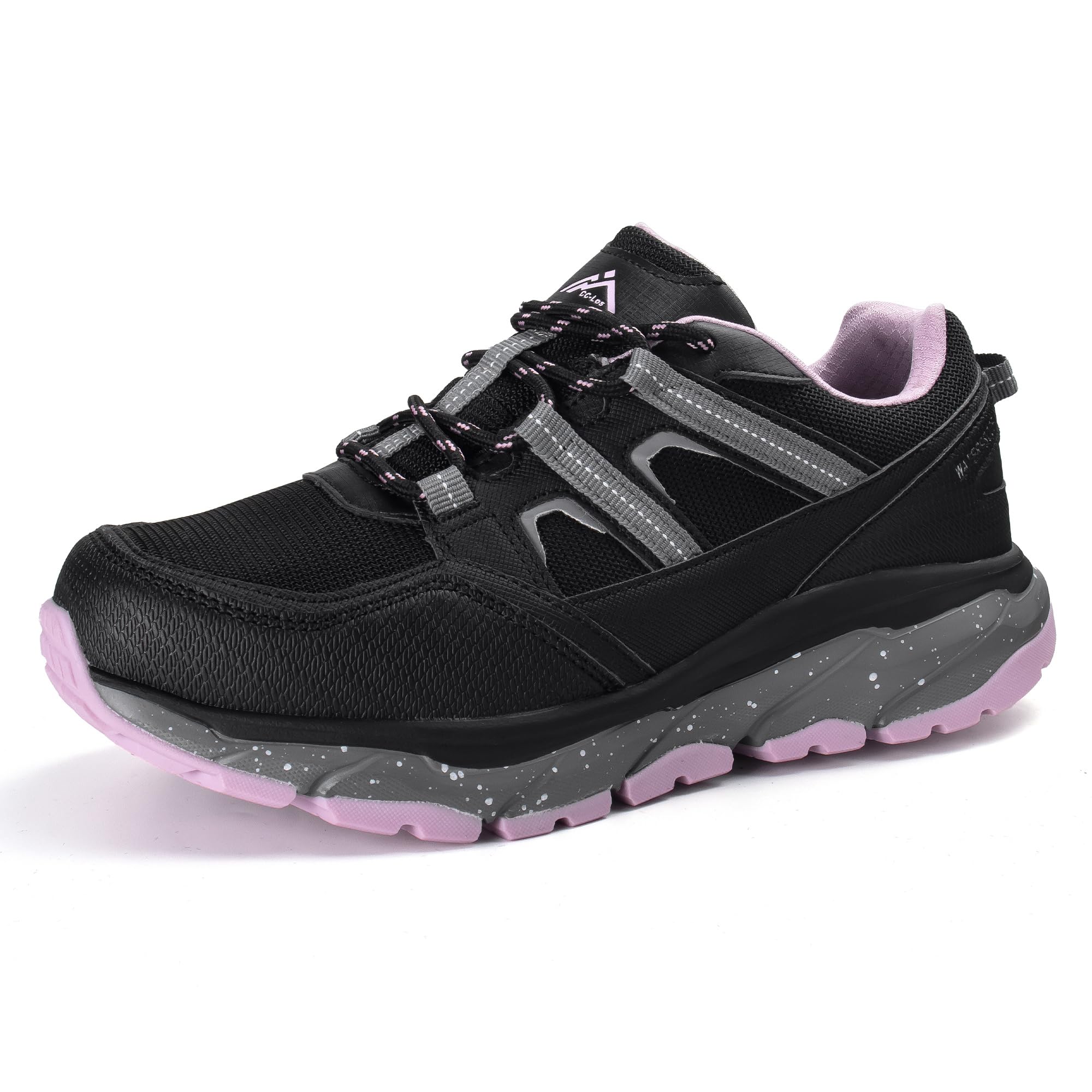
CC‑Los is a newcomer that punches above its weight. This shoe is built with a waterproof membrane that actually works — owners confirm it keeps feet dry on wet trails. Built‑in arch support and all‑day comfort are rare at this price. Buyers describe the fit as surprisingly good, with one calling the quality “high end” and another saying they look “far more expensive than they were.” The pink colorway even draws compliments on the trail.
The catch: sizing runs a bit big, so you may want to order down a half size. One size‑5 buyer found the fit slightly loose. And while the waterproofing is genuine, heavy use over many months is still unproven. But for the price, this is a solid entry‑level option that feels more premium than it costs — especially if you want waterproof protection without spending mid‑range money.
Surprise Value: Owners say these look and feel like a more expensive shoe, with solid waterproof performance and arch support built in — a rare combination at this price.
Best for: Hikers on a tight budget who still want waterproof protection and arch support for day hikes and beach camping.
Note: Sizing runs large — consider ordering a half size smaller than usual.
4. Columbia Women’s Strata Trail Low

A rigid, supportive hiker that cyclists also love for its stiff platform and grippy sole.
This Columbia model is built for tough conditions with a gusseted tongue that keeps debris out on rocky trails. Buyers praise its comfort and quality, with one calling the sole “rigid enough for biking” and giving it a 10/10 for support during push‑off. The toe width is ideal for thick hiking socks, and the heel support is strong without pinching. It is lightweight for a supportive shoe, and the color options — including a purple lace accent — add some style.
The fit receives mixed opinions. Some find it true to size, while others note it runs wide — a size‑9W fitting like a 9.5‑10. Water resistance is also a mixed bag: it handles some wet conditions but is not fully waterproof. If you want a shoe that leans supportive and rigid for both hiking and cycling, this is a strong candidate. But if you need a precise narrow fit or total waterproofing, look elsewhere.
Cyclist‑Approved Rigidity: The stiff, grippy sole works well for bike pedals, providing a firm platform that owners describe as “perfect for push off” — a rare dual use for a hiking shoe.
Great for: Hikers and cyclists who want a supportive, rigid shoe that performs on both the trail and the bike.
Skip if: You need a precise narrow fit or full water resistance — this one runs wide and is not fully waterproof.
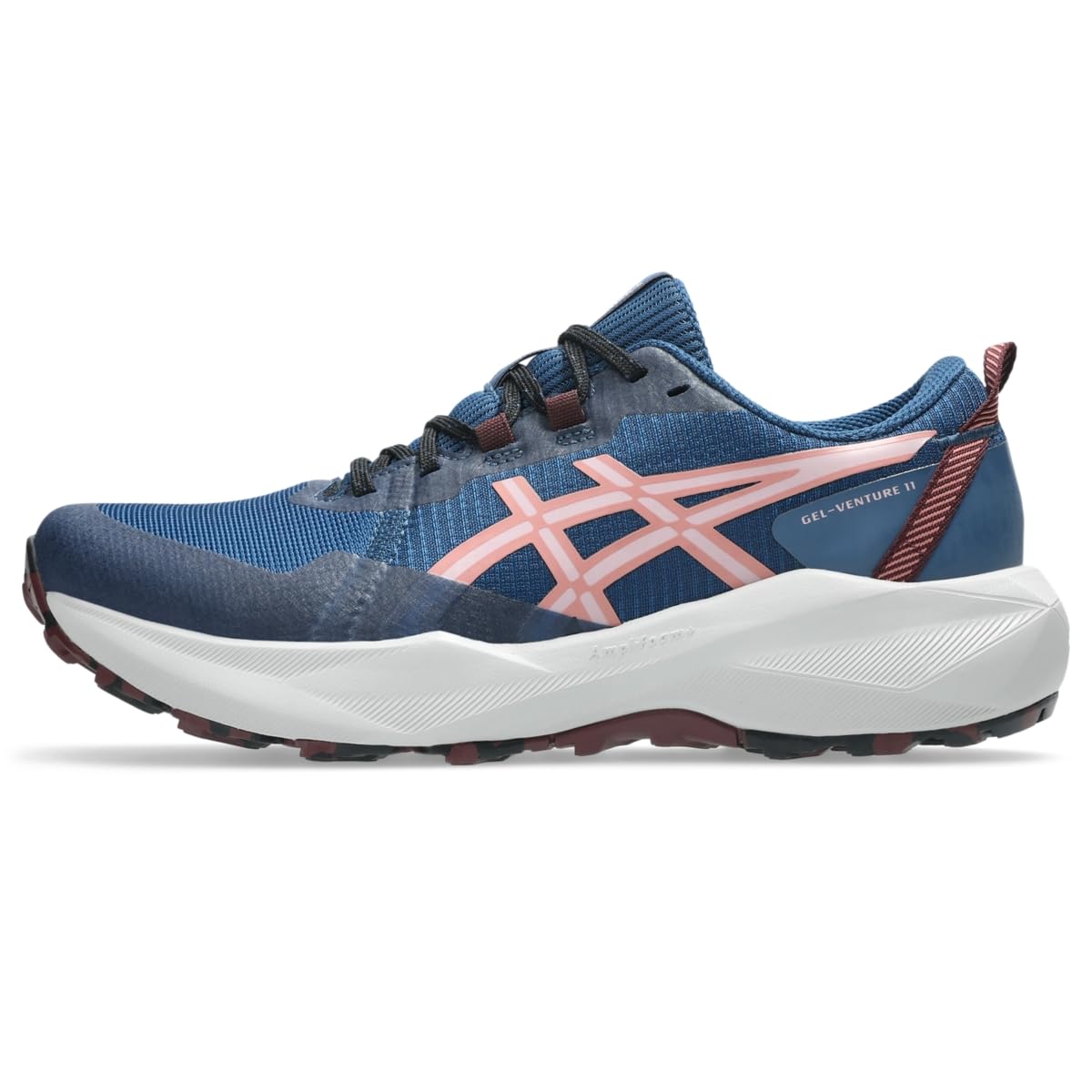
5. ASICS Women’s Gel‑Venture 11
The running‑shoe crossover that brings proven heel‑pain relief to the trail.
The Gel‑Venture 11 uses AMPLIFOAM PLUS cushioning with a 2 mm higher stack height than previous versions, giving you better impact absorption for all‑day comfort. It is a true hybrid: comfortable for walking, running, and hiking, with good arch support that helps relieve heel pain — a point owners consistently highlight. The polyester mesh upper is breathable and machine‑washable, and the synthetic rubber outsole provides solid traction on varied terrain. Many buyers own multiple pairs and log hundreds of miles per year in them.
The main trade‑off is durability. While some customers note years of use, others note that newer versions may not last as long as older ASICS models — a few mention the plastic eyelet tabs feeling cheap. Fit is also a mixed area: some find the toe box ample, others find it tight. Sizing up a half size is a common workaround. If you prioritize comfort and arch support for daily walking and light trails over burly off‑road toughness, the Gel‑Venture 11 is a strong, affordable choice.
Heel Pain Relief: Reviewers point out that switching to this shoe eliminated heel pain from other brands with no break‑in needed.
Pick this for: Daily walking, light trails, and anyone who needs reliable arch support to keep heel pain at bay.
Consider carefully: Durability reports are mixed — some pairs last for years, while others show wear sooner than expected.
6. KEEN Women’s Terradora Speed
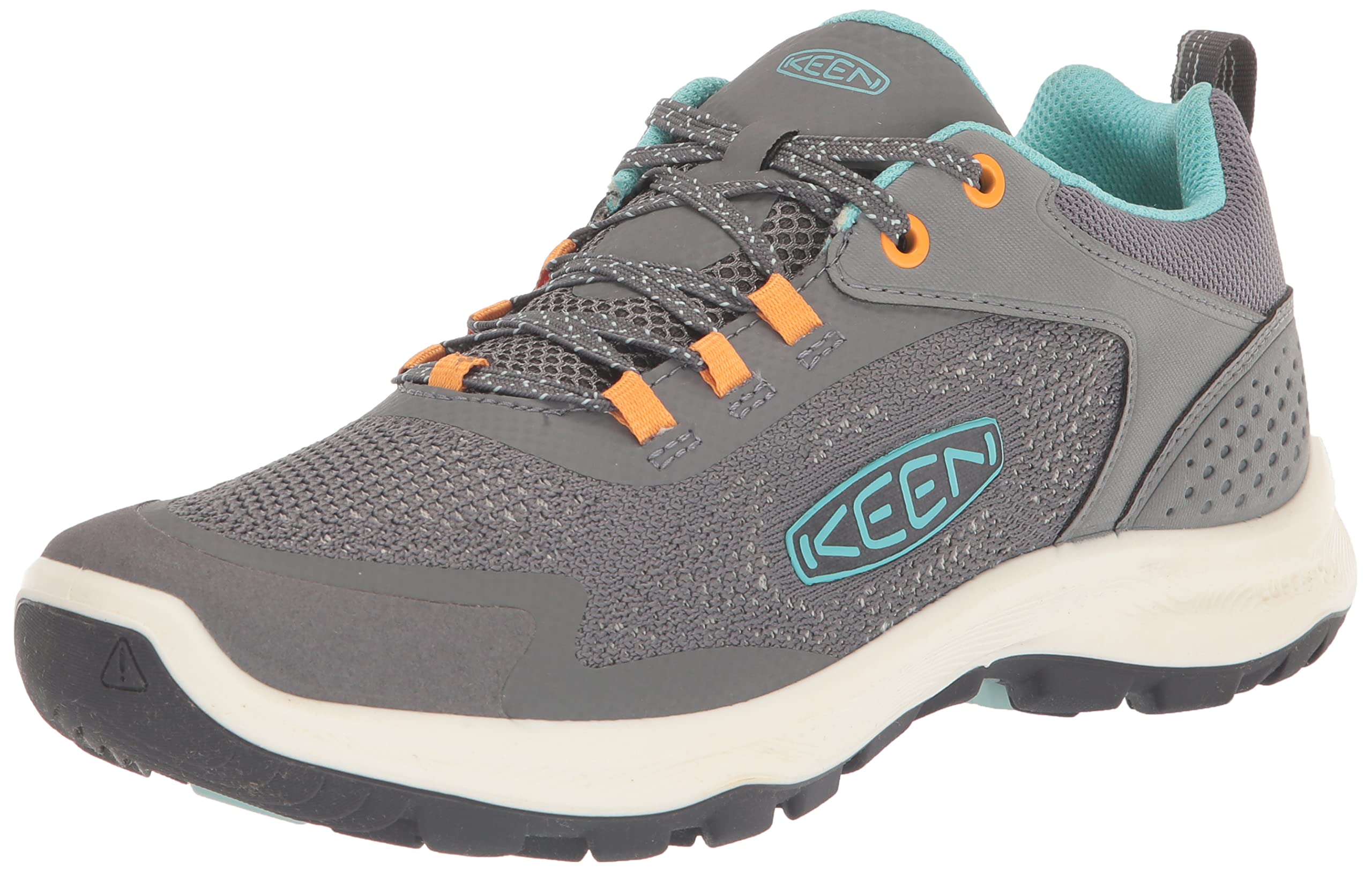
The casual sneaker that secretly handles light trails and daily dog walks with ease.
KEEN designed the Terradora Speed to bridge the gap between an athletic sneaker and an outdoor trail boot. It features breathable performance mesh with reinforcement panels in high‑wear zones, and an air‑infused underfoot cushioning system that keeps you comfortable all day. This is a narrower fit than classic KEENs, built on the brand’s Contoured Fit form, so it works for those who find traditional KEENs too roomy. It also uses PFC‑free water repellent and leather from LWG‑certified tanneries.
Style and comfort are the top draws — owners find it good‑looking and comfortable for all‑day wear, including light hiking. The roomy toe box fits custom orthotics, and the water repellency is a nice bonus for damp grass or light rain. However, fit is divisive: some report the foot slides around due to a large opening and high heel, causing an unstable feel. Heel cushioning is also thinner than in other KEEN models. This is a shoe for casual use, not technical terrain.
Casual Versatility: This is a hybrid that looks at home in town and on easy trails. Owners appreciate the style and the fact it fits custom orthotics while remaining lightweight.
Best for: Everyday casual wear, dog walks, and light trails where style matters as much as function.
Not ideal for: Technical hikes or anyone who needs a snug, locked‑down heel fit — the large opening can cause sliding.
7. New Balance Dynasoft Tektrel V1 Suede
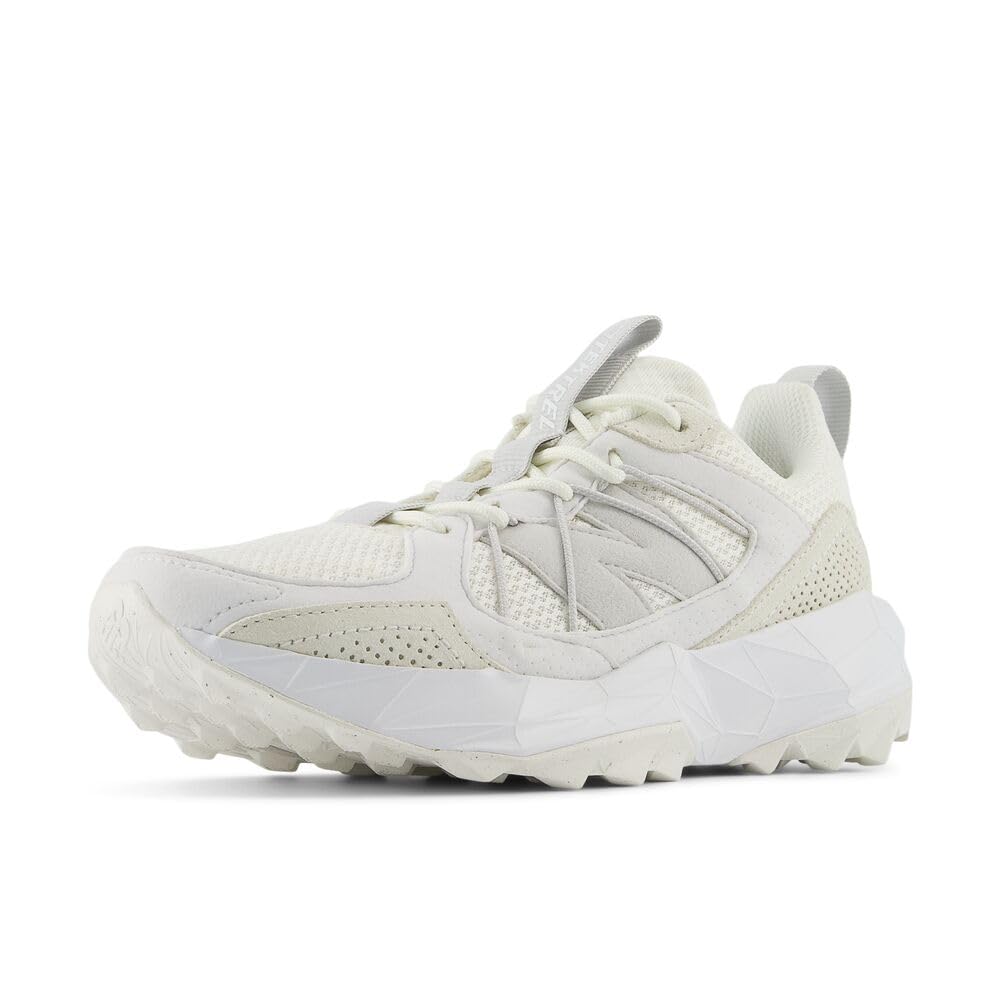
The rugged‑looking trail shoe that grips wet pavement and loose scree without looking like a boot.
The Tektrel was built to tackle less‑traveled trails with confidence. Its aggressive lug design and Dynasoft midsole provide a responsive, cushioned ride that owners describe as comfortable all day — teachers and walkers alike report no foot pain even after hours of wear. The suede and mesh upper is lightweight at 2.1 lb per pair, and the wide platform offers stability on uneven ground. Owners praise the great grip on slippery surfaces, including snow and rain puddles, making it a versatile choice for varied summer weather.
The fit runs small, which is the most common note. Many buyers recommend sizing up — one went from 10 to 11W. The tongue is also unusually narrow, and the suede upper is a magnet for pet hair and lint. Arch support is a mixed area, with some finding it sufficient and others wanting more. If you size correctly, the comfort and traction are outstanding for the price.
All‑Conditions Grip: Owners consistently note the excellent traction on wet pavement, uneven terrain, and even snow — making this a summer shoe that handles unpredictable weather with ease.
Choose this for: Hikers who want aggressive tread and all‑day comfort in a lightweight, sporty package.
Watch out: Sizing runs small — order a half to full size up, and be aware the suede upper attracts lint and pet hair.
8. adidas Women’s Terrex Ax4 Hiking
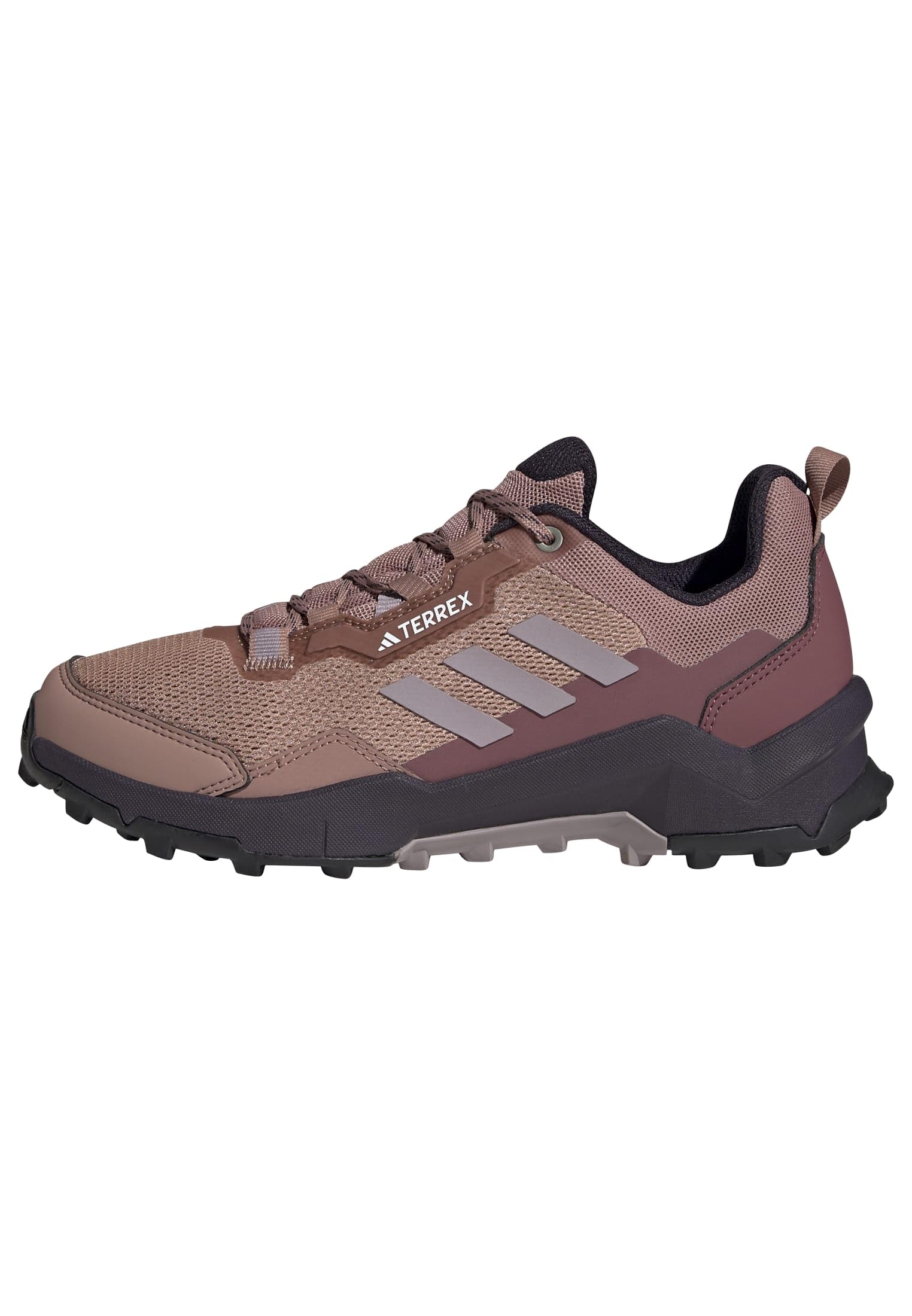
The GORE‑TEX shield that handles alpine scrambles and wet roots without missing a step.
adidas built the Terrex Ax4 for high and low, near and far. The GORE‑TEX membrane seals out water and mud while letting your feet breathe, and the Continental Rubber outsole provides all‑conditions grip on rocky scree, wet roots, and loose, dusty trails. Owners confirm it is comfortable for 10‑hour days on their feet and handles all types of weather — one delivery associate wears them daily in all conditions and reports they last about 8 months of constant use. The multisport design is light enough for day hikes but technical enough for alpine scrambles and via ferratas.
The fit runs small. Most owners recommend sizing up a half size for a comfortable fit with hiking socks. A few note that the heel can slip if the shoe is slightly long. But the durability, stability, and grip earn high marks across the board. The Terrex Ax4 is a premium choice for summer hikers who encounter wet conditions and want a shoe that can handle real mountain terrain.
Alpine‑Ready Protection: Owners test this shoe on everything from desert mountains to knee‑deep slushy snow — and it handles 3 hours in snow without soaking through, even though it is not advertised as fully waterproof.
Best for: Hikers who tackle varied weather, technical terrain, and want a durable GORE‑TEX shoe that performs in wet and rocky conditions.
Note: Sizing runs small — order a half size up, and be aware that the heel may feel slightly loose if you go up too much.
9. Merrell Women’s Speed Strike 2
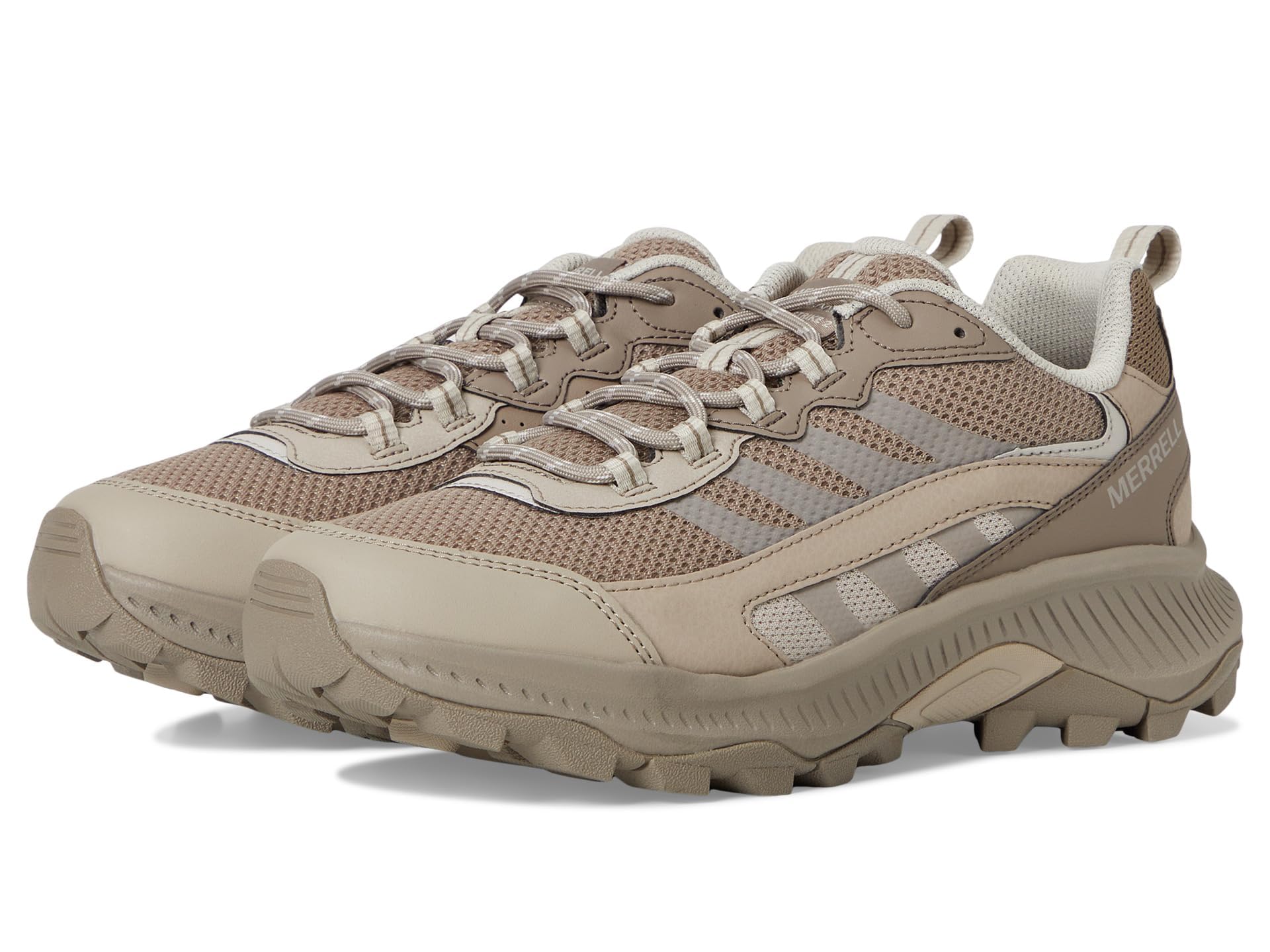
The athletic‑style hiker that feels like a running shoe but protects like a boot.
The Speed Strike 2 blends the comfort and protection of a hiking shoe with a faster, more athletic feel than traditional hikers. It is packed with 100% recycled materials — from laces and webbing to the mesh lining and footbed cover — and a 50% recycled removable EVA foam footbed. The Merrell sticky rubber outsole provides durable traction that grips when and where you need it, and owners confirm it never slipped during hikes in Sedona, even on rocky terrain. The wide toe box accommodates thick socks without looking oversized, and the zero‑break‑in design means you can wear them straight from the start.
Fit and comfort are the top praises, with buyers noting the arch support helps prevent shin splints and the roomy toe box works well for wider feet. One owner with one foot wider than the other found the fit excellent. The main concern is durability — some owners question how the sole will hold up over time, and one noted the thick laces require retightening. But for a lightweight, eco‑conscious hiker that performs beautifully on the trail, the Speed Strike 2 is a top contender.
Eco‑Friendly Performance: This is a hiking shoe built from primarily recycled materials that does not compromise on comfort or traction — owners call it “comfortable out of box” with “no break‑in” and praise its grip on rocky trails.
Reach for this if: You want a lightweight, eco‑conscious hiker that feels athletic on the trail and fits wider feet comfortably, with zero break‑in.
Keep an eye on: Some owners note thick laces need retightening mid‑hike, and long‑term sole durability is still an open question.
Understanding the Specs
Zero Drop vs. Raised Heel
Zero‑drop shoes place your heel and forefoot at the same distance from the ground, promoting a more natural stride and better alignment. They take a short adaptation period if you are used to a raised heel. Raised‑heel shoes (4–12 mm drop) feel more familiar and reduce Achilles strain for beginners. For summer hiking on varied terrain, zero drop encourages better feel for the ground, while a small drop (4–6 mm) offers a gentler transition.
Lug Depth & Outsole Rubber
Lug depth (the height of the tread teeth) determines grip on loose surfaces. For dry summer trails, 3–5 mm lugs provide traction without packing with mud. Softer rubber compounds like MaxTrac or Vibram Megagrip offer superior grip on wet rock but wear faster on pavement. Harder compounds last longer but sacrifice grip. Match the rubber to your typical terrain: sticky for technical trails, harder for fire roads and casual walks.
FAQ
How should women’s summer hiking shoes fit?
Are mesh uppers durable enough for rocky trails?
Can I wear trail running shoes for summer hiking?
How do I know if I need zero‑drop shoes?
Do summer hiking shoes need to be waterproof?
How often should I replace my summer hiking shoes?
Can I use my summer hiking shoes for running or gym workouts?
What socks should I wear with summer hiking shoes?
Are women’s summer hiking shoes different from men’s?
Can I machine wash my hiking shoes?
Final Thoughts: The Verdict
For most hikers, the top pick among women’s summer hiking shoes is the ALTRA Lone Peak 8 because it offers the most proven zero‑drop platform with a toe box that prevents blisters on long summer miles. If you want a budget‑friendly shoe that works straight from the start, grab the Columbia Vertisol Trail. And for tackling wet, alpine terrain with GORE‑TEX protection, the adidas Terrex Ax4 is the one to reach for.
How We Picked
We do not accept paid placement. Every pick is matched to a real buyer and a real use-case; we do not hands-on test units.
Sources & Methodology
Specifications: manufacturer listings and product documentation. Review insights: verified customer reviews, as of July 2026. Pricing: not shown on this page (it changes often); check the current price via the retailer link.
As an Amazon Associate, Calories Fit earns from qualifying purchases. This does not affect which products we feature.