
Our readers keep the lights on and the coffee maker working hard! As an Amazon Associate, I earn from qualifying purchases.
Specs are compiled from manufacturer listings and verified buyer reviews and can change over time — please confirm the key details on the product page before buying.
A set of women’s snow boots with real traction is the difference between a brisk walk and a slip‑hazard shuffle. The problem is that “non‑slip” gets stamped on soles that turn rigid in the cold or lose their bite on polished ice. This guide pulls nine mid‑range to premium boots that actually earn their grip rating, each one backed by specs that matter — the outsole compound, the lug depth, the temperature rating — so you stop guessing and start walking.
I’m Mohammad — the founder and writer behind Calories Fit. This guide is built by comparing the manufacturers’ published specifications and the patterns across verified customer reviews, so you get each pick’s real strengths and trade-offs instead of marketing spin.
Whether you commute on salted sidewalks or trek through backcountry drifts, the sticking point is always the same: which women’s snow boots with traction actually deliver steady footing when the mercury drops below freezing and the pavement turns to polished glass.
Our Picks at a Glance

How To Choose The Best Women’s Snow Boots With Traction
A grippy outsole is the headline, but three other factors decide whether a snow boot actually works for your winter. Here is what to check before you add to cart.
The Outsole Compound — Not All Rubber Is Equal
Standard rubber stiffens below freezing, losing its grip just when you need it most. Look for a specialized winter compound — Polar Rubber, Vibram Arctic Grip A.T., or Columbia’s Omni-Grip — that stays flexible in sub‑zero temperatures. A flexible rubber conforms to the irregular surface of ice, creating friction that a hard, cold sole simply cannot produce.
Insulation Depth vs. Activity Level
Heavy insulation, like B‑Tek Heat or 200G of synthetic fill, keeps you warm when standing still, but it can make your feet sweat during active shoveling or hiking. If you plan to walk briskly for extended periods, a lighter fleece lining with a breathable membrane often works better — and it keeps your socks dry, which is itself a cold‑protection factor.
Boot Height and Closure System
Deep snow demands a tall shaft (12 inches or higher), but a tall boot with a loose cuff lets snow in. A locking drawstring collar or a snug calf fit seals moisture out. Slip‑on styles trade some security for convenience, while lace‑up or toggle‑lace closures lock the heel in place, which improves your stability on uneven terrain.
Quick Comparison
| Model | Best For | Traction Tech | Temperature Rating | Weight | Amazon |
|---|---|---|---|---|---|
| Baffin ICEFIELD Tall★ Best Overall | Polar‑level extreme cold | Polar Rubber outsole | Polar‑rated | 4 lb | Amazon |
| Project Cloud WaterproofBudget Champion | Budget‑conscious everyday wear | Non‑slip rubber sole | Not specified | 1 lb | Amazon |
| SOREL Explorer lll JoanTop Performer | Versatile city‑to‑trail use | I‑got‑this tread | Not specified | 3.19 lb | Amazon |
| BOGS Neo‑Classic Mid | Mud, muck, and wet snow | Burly nonslip outsole | Sub‑zero Neo‑Tech | — | Amazon |
| Columbia Ice Maiden Slip III | Slip‑on convenience | Omni‑Grip non‑marking rubber | Not specified | — | Amazon |
| Kamik Momentum 3 | Lightweight warmth | Impressive ice traction | HEAT‑MX™ | — | Amazon |
| Columbia Moritza Shield | Ultra‑grip with Omni‑Heat | Ultra‑grippy outsole | Omni‑Heat thermal‑reflective | — | Amazon |
| MUCK Arctic Ice Mid | Extreme ice traction | Vibram Arctic Grip A.T. | -40°F to 40°F | 4.5 lb | Amazon |
| UGG Adirondack Boot Tall III | Luxury cold‑weather boot | Molded spider rubber outsole | -32°F | — | Amazon |
In‑Depth Reviews
1. Baffin Women’s ICEFIELD Tall Waterproof Lightweight Polar-Rated Snow Boots
Our pick — over 4.5★ from 450+ verified ratings; the strongest balance of quality and price.
The arctic‑rated boot that ice fishers and polar trekkers rely on.
This boot leads the list because it solves the two biggest snow‑boot problems at once — extreme warmth and genuine ice bite. The Polar Rubber outsole stays flexible in sub‑zero conditions, so the lugs actually grip instead of skidding. The multi‑layer insulation system, with B‑Tek Heat foam and a breathable Thermaplush lining, kept buyers warm while ice fishing in negative‑degree Fahrenheit temps, as several owners reported. A drawstring locking collar seals out snow, and the 12‑inch shaft gives deep‑drift coverage.
The trade‑off shows up in the fit notes: the toe area runs narrow, and some owners needed to size up to wear thick wool socks. The Baffin weighs 4 pounds and the Project Cloud weighs 1 pound, so this is not a casual errand boot. The crowdsourcing is clear on what matters most: warmth and quality dominate the conversation, with over 130 owners singling out the heat retention. For anyone facing prolonged sub‑zero exposure, this is the pick.
Why it wins
- Polar Rubber outsole rated for maximum grip on ice and rugged surfaces
- Field‑tested at the North and South Poles — real polar‑level engineering
- Removable inner boot with dual‑layer B‑Tek Heat and reflective aluminum insole
The fit note
- Narrow toe box; most owners recommend sizing up for thick socks
- 4‑lb weight makes it best for serious outdoor work, not casual wear
- Slender calves may find the side‑to‑side toggle lacing hard to cinch tight
Reach for this if: you stand or work in extreme cold for hours — ice fishing, snowmobiling, or outdoor jobs in sub‑zero temps.
Think twice if: you need a lightweight boot for shoveling the driveway or quick errands; the bulk and narrow fit are overkill for milder winters.
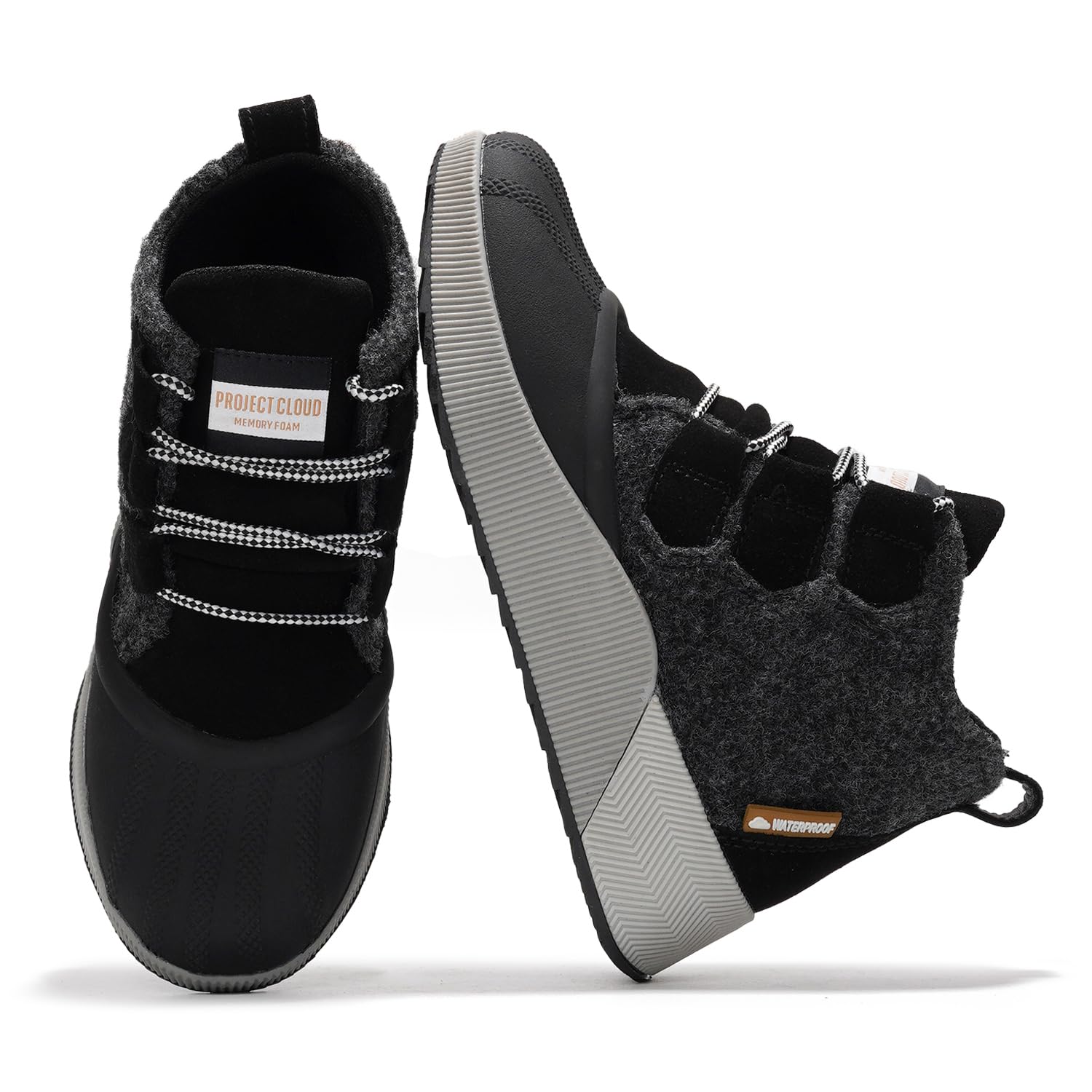
2. Project Cloud Waterproof Snow Boots for Women – Memory Foam Insole Non-Slip Womens Snow Boots
The lightest boot here at 1 lb — ideal for muddy commutes and dry winter walks.
This is the entry‑level contender, and it nails the “cute and comfortable” brief that many buyers want. The memory foam insole and non‑slip rubber sole make it suitable for light snow, rain, and muddy yards. The Project Cloud weighs 1 pound and the Baffin weighs 4 pounds, so it disappears on your feet rather than weighing you down. Owners consistently call out the comfort and appearance as the top reasons to buy.
The honest catch is durability: after about five months of regular use, some buyers report visible wear on the sole and cracking in the black rubber lining. The toe box is notably narrow — a few owners described numbness after 30 minutes of wear and strongly advise sizing up. This boot works best for moderate climates where you need a waterproof shoe that looks good and feels plush, not a hardcore winter fortress.
What stands out
- Extremely lightweight at 1 lb — easy to pack and wear all day
- Memory foam insole provides immediate step‑in comfort
- Water‑resistant upper handles mud, rain, and slush
What to watch
- Narrow toe box; most buyers need a full size up for toe comfort
- Premature sole wear reported around the five‑month mark
- No temperature rating — not designed for sub‑zero or deep snow
Best for: mild winters, school drop‑offs, and muddy dog walks where weight and style matter more than arctic‑level protection.
Not for: extended hours in freezing temperatures or heavy snow; the build is fashion‑forward, not expedition‑grade.
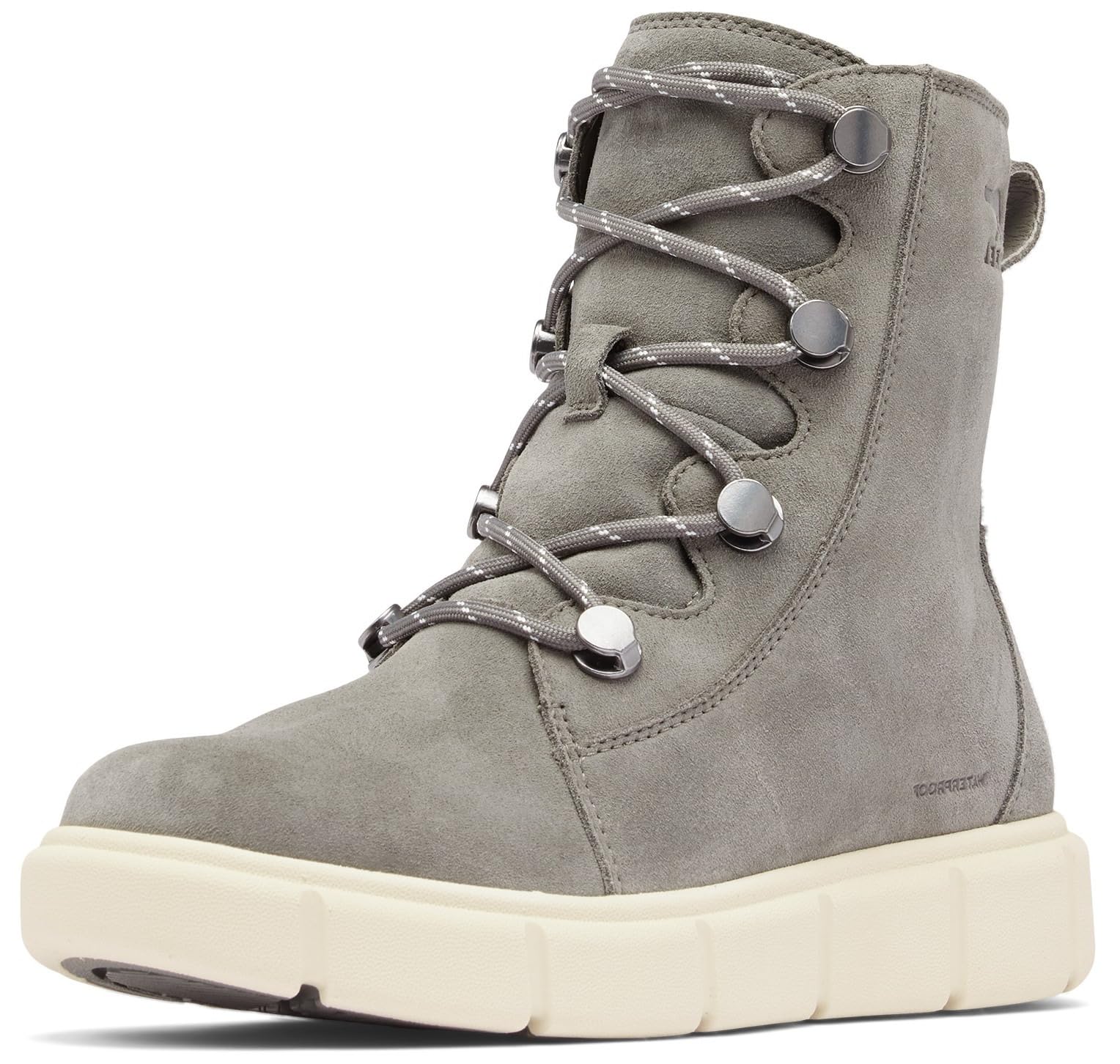
3. SOREL Women’s Explorer lll Joan Waterproof Boot
the just-right boot that handles 8 inches of snow without feeling bulky.
SOREL’s Explorer Joan strikes a rare balance: enough warmth and weatherproofing for a full day in the snow, but light and flexible enough for 15,000 steps around a city. Owners rave about the out‑of‑box comfort — no break‑in period needed — and the “I‑got‑this tread” that delivers reliable grip on wet, muddy, and packed surfaces. One buyer walked through 3 feet of snow for 9 hours at 27°F with dry, warm feet.
The fit runs true‑to‑size for most, though a few owners note a slightly wide toe box and wish the tread was more aggressive for icy Colorado days. The durability conversation is balanced: the majority find the build solid, but a small group notes the outsole shows wear faster than expected with heavy daily use. What wins people over is the warmth‑to‑weight ratio — it is 3.19 pounds, noticeably lighter than the Baffin, and the waterproof bootie construction earns high marks from buyers who tested it in relentless rain.
What buyers love
- Comfortable straight from the box — no break‑in period needed
- Lightweight feel despite 3.19‑lb build; easy to wear all day
- Reliable waterproof performance in slush, rain, and deep snow
The honest caveat
- Tread is moderate, not designed for polished ice or extreme incline
- Wide toe box may feel loose for narrow‑footed buyers
- Durability is mixed for heavy daily use over multiple seasons
Your pick if: you want one boot for commuting, hiking, and snow play without the bulk of an extreme‑cold boot.
skip it if: your daily terrain is sheet ice; that scenario calls for Vibram Arctic Grip or Polar Rubber outsoles.
4. BOGS Neo-Classic Mid Women’s Boot

The farmer‑proven boot that stands up to muck, mud, and sub‑zero barn work.
BOGS started in Oregon’s soggy fields, and the Neo‑Classic Mid carries that heritage in every seam. It is 100% waterproof with a burly nonslip outsole that navigates mucky stalls and icy paddocks. The Neo‑Tech insulation keeps feet warm even in sub‑zero temps — one reviewer noted comfortable feet at -25°F. The pull‑on handles make entry quick, which owners love for barn chores.
The sizing runs large; many buyers find that a size 8 fits a true 8.5 or 9 with thick socks, so downsizing is worth considering. A small number of owners found the boot stiff and lacking cushion for all‑day walking. For heavy daily use exceeding 14 hours in snow and mud, some say the boot lasted under a year — though the majority report durable performance across several winters. This is a purpose‑built work boot for wet, cold environments, not a fashion statement.
Why it works
- Completely waterproof with a durable nonslip outsole for mud and ice
- Neo‑Tech insulation tested at -25°F
- Easy pull‑on handles and easy‑to‑clean rubber construction
Know before you buy
- Runs large; most owners size down or plan for thick socks
- May feel stiff and heavy for extended walking on pavement
- Some heavy‑duty users report sole separation before one year
Reach for this if: you need a waterproof work boot for farm, stable, or outdoor job sites where mud and sub‑zero temps are daily realities.
Look elsewhere if: you want a boot for city walks or casual winter outings; the BOGS is built for muck, not pavement comfort.
5. Columbia Women’s Ice Maiden Slip III Snow Shoe

A slip‑on snow boot that clears the bar for warmth, waterproofing, and grip.
Columbia’s Ice Maiden Slip III is designed for people who hate bending over to lace up. The slip‑on entry saves time, and the Omni‑Grip non‑marking traction rubber provides steady footing on wet pavement and packed snow. The TechLite midsole adds cushioning, and the seam‑sealed membrane bootie construction kept owners dry through heavy rain and 2+ year‑old pairs still look new. One buyer mentioned the sole became “buttery and flexible” after a short break‑in.
The fit is polarizing: the boot mouth is narrow, making it tough to slide your foot in, and multiple owners describe the toe box as extremely tight. The stiffness is another common note — some hope for a break‑in that never fully arrives. Columbia’s Omni‑Grip rubber earns high marks for traction, but the overall take is that this boot suits buyers with average‑to‑narrow feet who prioritize convenience over immediate plushness.
What it does well
- Omni‑Grip rubber outsole provides reliable traction on wet surfaces
- Seam‑sealed membrane bootie construction keeps feet bone dry
- TechLite midsole delivers long‑lasting comfort and energy return
The fit factor
- Boot mouth is narrow — difficult to slide foot in without struggling
- Toe box runs small and stiff; many owners need a half‑size up
- Some users report persistent stiffness that never fully breaks in
Best for: quick‑on, quick‑off winter use for average to narrow feet — commuting, school runs, and shoveling the walk.
Not for: wide feet or anyone who needs a spacious toe box; the narrow opening and toe area are the main deal‑points in the reviews.
6. Kamik Momentum 3 Insulated Snow Boots – Extreme Cold Protection & Waterproof Winter Boots for Women
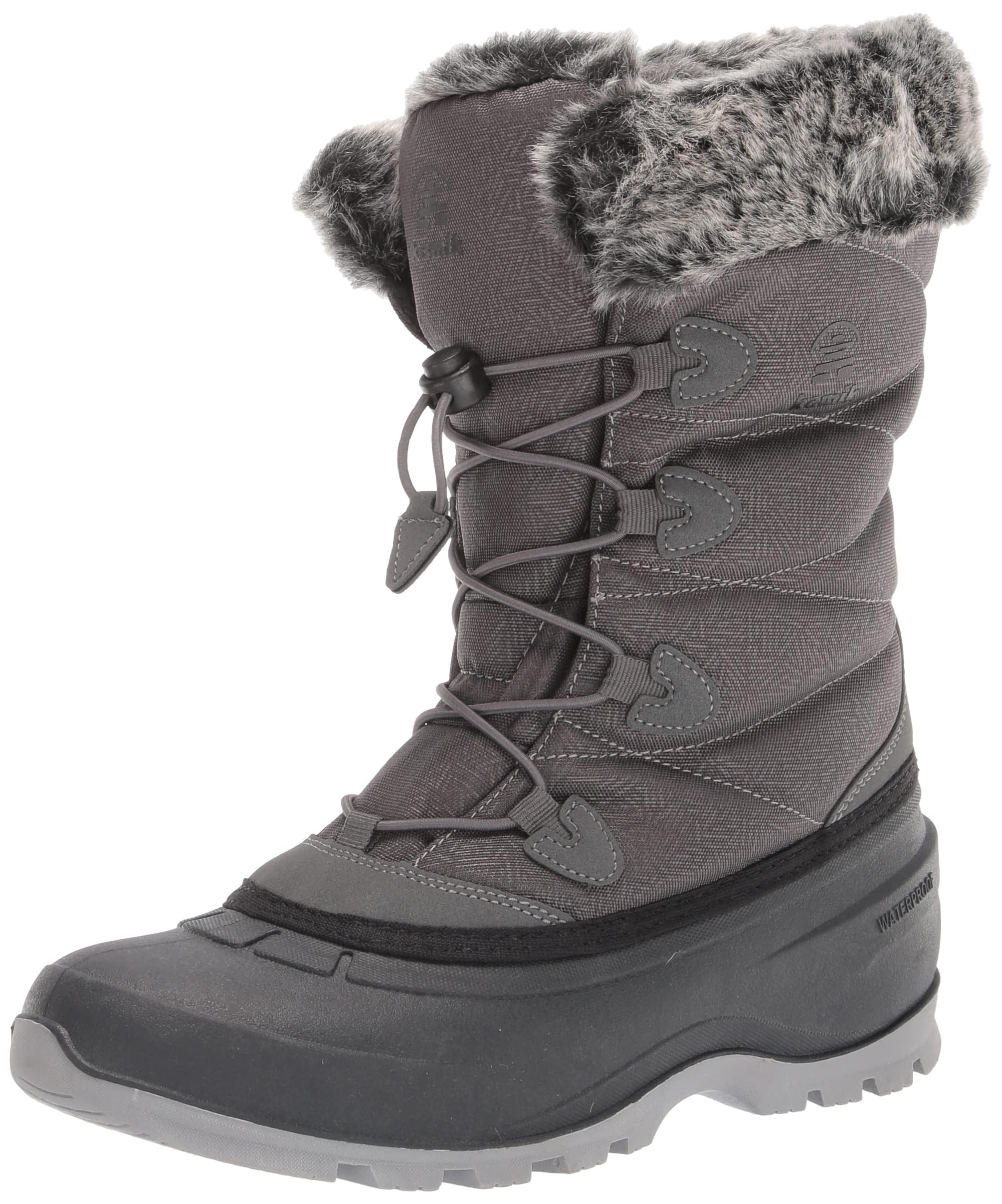
Warmth and traction at a lightweight build that disappears on your feet.
The Kamik Momentum 3 earns high marks from owners who walked around snowy Lapland for 9 days without a single slip or cold foot. The HEAT‑MX™ technology provides all‑day warmth, and the waterproof seam‑sealed construction keeps moisture out. One owner reported that the boot performed flawlessly at -26°F, with no blisters and no wet socks after hours of walking. The elastic lace and pull‑button closure make on‑off fast, and the fur lining extends all the way to the toes.
The durability conversation is honest: while many owners find the build solid for a season or two, a small number report seam separation after four months of light use. The ankle area runs slightly narrow, which actually helps prevent heel slip but can feel restrictive for wider calves. The traction on ice earns consistent praise — the #1 positive aspect is warmth, with traction arriving as the third most‑discussed feature.
Why owners recommend it
- HEAT‑MX™ insulation keeps feet warm in sub‑zero conditions
- Excellent ice traction praised by multiple buyers
- Lightweight build with fur lining to toes for instant warmth
The honest downsides
- Durability mixed — some units show seam separation within months
- Ankle area runs narrow; may feel restrictive for wider legs
- Not ideal for long walks on pavement; lacks arch support
Reach for this if: you want a lightweight, warm boot with real ice traction for active winter days — snowshoeing, dog walks, or travel to snowy destinations.
Think twice if: you need a boot that lasts through multiple seasons of daily heavy use; the build is better suited to moderate‑duty winter wear.
7. Columbia Womens Moritza Shield Omni-Heat Insulated Snow Boot

An ultra‑grippy, thermal‑reflective boot that feels more like a winter combat boot.
Columbia claims “ultra‑grippy” on the spec sheet, and owners confirm it: the outsole provides excellent traction on snow and ice, with one buyer calling it “winter‑tire‑like grip.” The Omni‑Heat thermal‑reflective lining bounces body heat back, keeping feet warm down to -15°F without heavy bulk. Several owners describe the boot as comfortable right from the start, with a fleece interior that feels cozy from the first wear. The reinforced toe and shock‑absorbing sole give it a sturdy, boot‑like feel.
The fit challenge is similar to the Ice Maiden: the toe area runs narrow, and most buyers recommend going up half a size. The ankle area feels bulky to some, though that extra structure aids stability on uneven ground. For deep‑snow play, a few owners note the top of the foot gets cool after 15−20 minutes, making it better for shoveled walks than post‑holing through drifts. Warmth and comfort tie as the most‑praised aspects in the review data.
The edge it has
- Omni‑Heat reflective lining keeps warmth in without adding bulk
- Ultra‑grippy outsole with excellent snow and ice bite
- Lightweight design with reinforced toe and roll‑proof ankle
The fit note
- Toe area narrow; sizing up half a size is the common recommendation
- Ankle feels bulky to some buyers
- Not ideal for deep‑snow play; top of foot cools in deep powder
Your pick if: you want a sleek, grippy winter boot for everyday cold‑weather wear — commuting, errands, and mild trails.
Look elsewhere if: you have wide feet or spend hours in deep snow; the narrow toe and shallow snow performance are real limits.
8. MUCK Women’s Arctic Ice Mid Boot + Vibram Arctic Grip A.T.
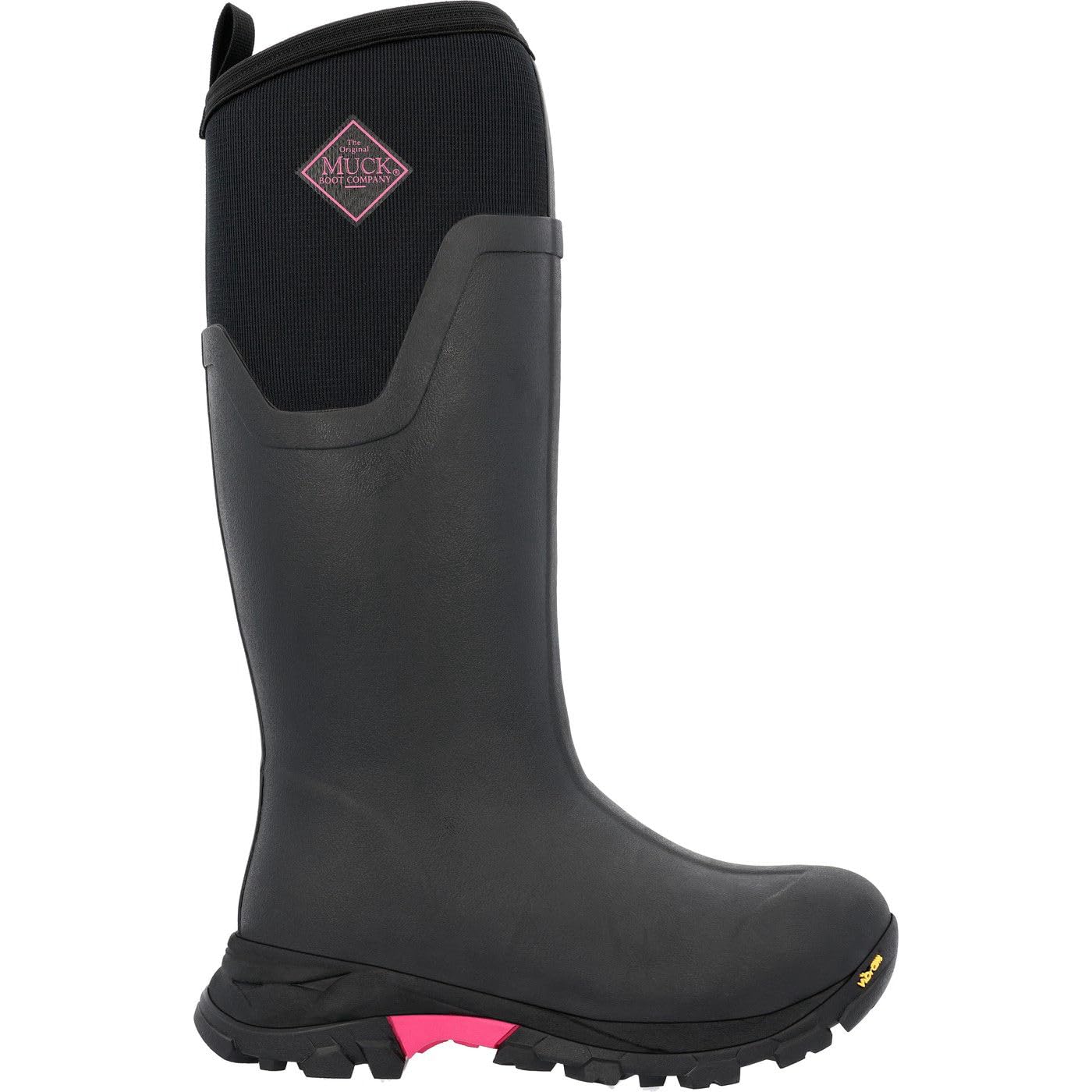
The boot with Vibram Arctic Grip — engineered for wet ice, not just snow.
This is the specialist in the lineup. The Vibram Arctic Grip A.T. outsole uses a dedicated compound that grips wet ice, which is the type of surface that defeats standard winter rubber. The boot is rated from -40°F to 40°F, making it suitable for the coldest winter days. The 5mm CR Flex‑Foam neoprene inner boot, layered with fleece, provides exceptional warmth and flexibility. Owners mention walking in 22 inches of snow with no slipping and no moisture ingress.
The comfort range is broad, but the fit is not universal. Some buyers find the boot runs large; others find it snug — the removable insole can be taken out to create more width, which helped several owners. At 4.5 pounds it is one of the heavier boots, but the warmth‑to‑traction ratio justifies the weight for serious ice conditions. A small number of customers note premature waterproofing failure, though this is not a dominant pattern.
The secret weapon
- Vibram Arctic Grip A.T. — the gold standard for wet‑ice traction
- Rated -40°F to 40°F; covers the coldest winter ranges
- 5mm neoprene with fleece lining for extreme warmth and flexibility
Heads‑up
- Fit is polarizing — removable insole helps, but sizing is not one‑size‑fits‑every‑foot
- Heaviest in the list at 4.5 lb; not a lightweight commuter boot
- Inconsistent long‑term waterproofing reported by a fraction of owners
Reach for this if: your daily winter terrain includes sheet ice, frozen lakes, or slick city sidewalks that regular boots cannot handle.
Not for: light snow shoveling or mild climates where + premium is not justified.
9. UGG Adirondack Boot Tall III Womens Boot
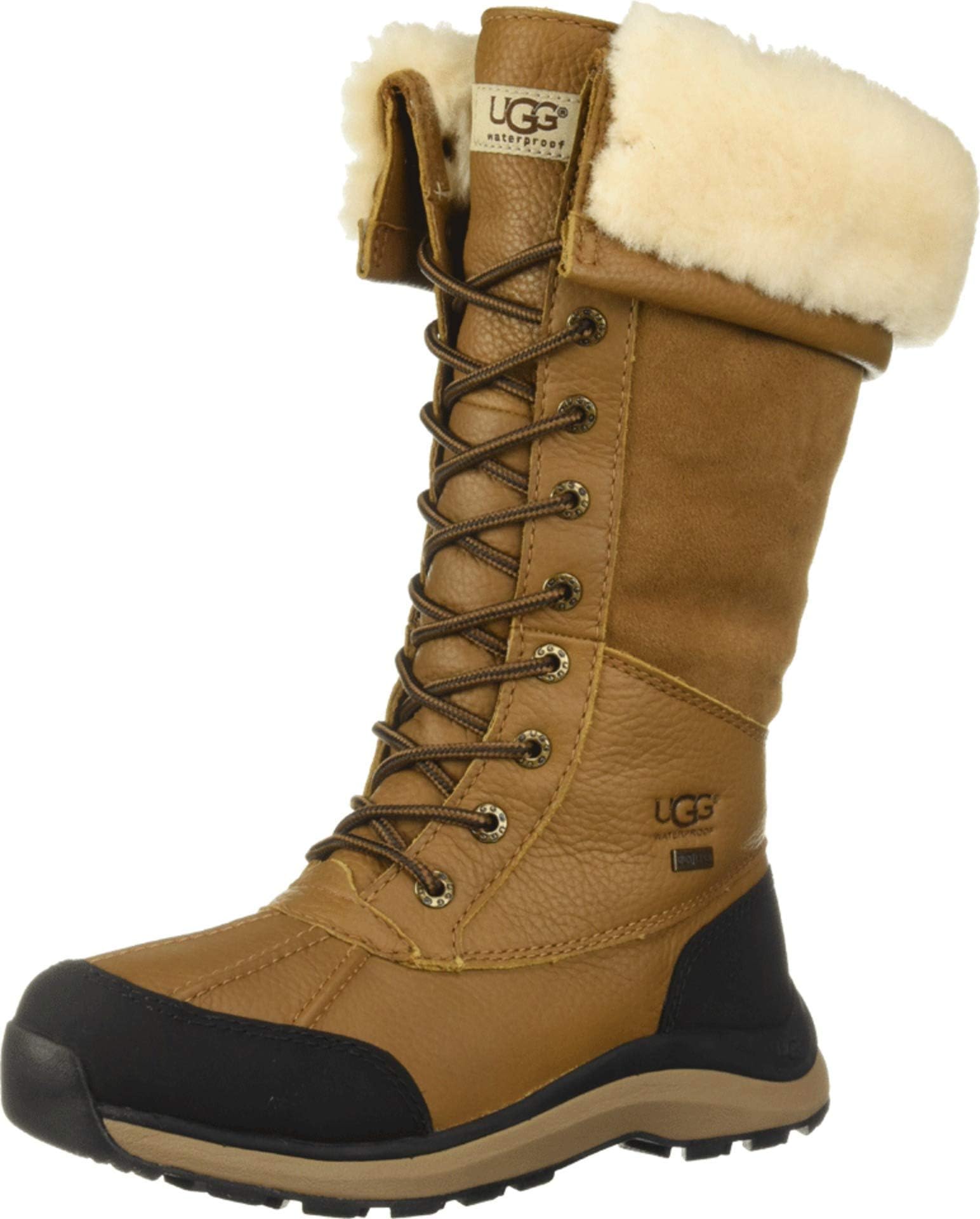
Luxury meets cold‑weather performance — sheepskin warmth with a serious outsole.
UGG’s Adirondack III is their best‑selling temperature‑rated boot for a reason: 200G of insulation, a DryTech waterproof bootie, and a molded spider rubber outsole that delivers stability on snow. The 17mm UGGpure sheep wool lining runs from the insole to the shaft, keeping feet cozy and dry even in weather rated to -32°F. The premium leather upper and dual‑density EVA midsole add a level of refinement that most snow boots do not touch.
The fit runs true‑to‑size for most, though a notable group of owners needed to size up half a size for thick socks. The boot is not easy to pull on and off — the laces and tall shaft require patience — but owners consistently say the warmth and quality justify the extra effort. The spider rubber outsole provides solid traction, though a few buyers wish for a more aggressive lug pattern. The durability is widely praised, with many reporting boots that look new after several winters.
What justifies the price
- 17mm UGGpure sheep wool lining for natural, breathable warmth
- DryTech waterproof bootie and 200G insulation rated to -32°F
- Molded spider rubber outsole for stability on snow and ice
The trade‑offs
- Difficult to put on and take off; the tall shaft and lacing system take time
- Premium price point — a true luxury investment
- Some owners find the traction adequate but not extreme‑ice grade
Your pick if: you want a premium, stylish, all‑day warm boot that doubles as a winter fashion statement and cold‑weather performer.
pass on it if: you need quick on‑off access or you face extreme ice conditions; the Adirondack’s traction is good, not Vibram‑grade.
Understanding the Specs
Temperature Rating
A temperature rating (like -40°F or -32°F) tells you the coldest conditions the boot can handle while keeping your feet safe. But that number is measured at a specific activity level — stand still and your feet will feel colder. A boot rated to -40°F is overkill for a 20°F commute, while a boot with no rating at all is a gamble in deep winter.
Outsole Compound vs. Tread Pattern
Deep lugs look aggressive, but the rubber compound matters more when the temperature drops. Standard rubber hardens below freezing and loses its grip. Specialized compounds like Polar Rubber, Vibram Arctic Grip, or Omni‑Grip stay flexible so the lugs actually conform to the ice surface and create friction. A boot with a winter‑specific compound will grip better than a boot with deeper lugs made from standard rubber.
Insulation Type and Weight
Insulation falls into two categories: synthetic (like B‑Tek Heat, 200G fill, or HEAT‑MX) and natural (like sheep wool). Synthetic insulations trap air efficiently and dry fast. Sheep wool is breathable and manages moisture naturally. More insulation does not always mean better — if you walk briskly, heavy insulation makes your feet sweat, which then cools you down. Match the insulation weight to your activity level, not just the temperature.
Boot Height and Calf Fit
Tall boots (12 inches or more) keep deep snow out, but only if the top seals well. A locking drawstring collar, a snug neoprene binding, or a lace‑up shaft prevents snow from funneling in. Slip‑on boots are convenient but often leave a gap at the top. If you are working in drifts or snowshoeing, a tall boot with a secure closure is non‑negotiable.
FAQ
How do I know if a snow boot has real traction?
Should I size up in snow boots for thick socks?
What is the best outsole for wet ice?
Can I wear snow boots for walking all day?
How do I clean winter boots without damaging them?
What does “Polar‑rated” mean?
How does insulation weight (200G) translate to warmth?
Will these boots fit wide calves?
Are waterproof and water‑resistant the same thing?
What is Omni‑Heat and how does it work?
Final Thoughts: The Verdict
For most buyers, the women’s snow boots with traction winner is the Baffin ICEFIELD Tall because it combines polar‑level warmth with a Polar Rubber outsole that genuinely bites into ice — an unbeatable combination for anyone facing real winter. If you want lightweight everyday traction, the SOREL Explorer Joan is the most versatile middle‑ground pick. And for pure ice performance — the kind where you walk on polished frozen lakes — the MUCK Arctic Ice Mid with Vibram Arctic Grip is the one to reach for.
How We Picked
We do not accept paid placement. Every pick is matched to a real buyer and a real use-case; we do not hands-on test units.
Sources & Methodology
Specifications: manufacturer listings and product documentation. Review insights: verified customer reviews, as of July 2026. Pricing: not shown on this page (it changes often); check the current price via the retailer link.
As an Amazon Associate, Calories Fit earns from qualifying purchases. This does not affect which products we feature.