
Our readers keep the lights on and the coffee maker working hard! As an Amazon Associate, I earn from qualifying purchases.
Specs are compiled from manufacturer listings and verified buyer reviews and can change over time — please confirm the key details on the product page before buying.
If your foot rolls inward too much when you walk or run — that’s overpronation — the wrong pair of sneakers can leave you with shin splints, knee pain, and tired feet by lunch. These sneakers use firmer foam and arch guidance systems to counteract overpronation and keep your stride aligned.
I’m Mohammad — the founder and writer behind Calories Fit. This guide is built by comparing the manufacturers’ published specifications and the patterns across verified customer reviews, so you get each pick’s real strengths and trade-offs instead of marketing spin.
These reviews focus on genuine stability and motion-control features that make a real difference for overpronation, covering everything from lightweight daily trainers to plush premium cruisers in the search for the best women’s sneakers for overpronation.
Our Picks at a Glance
How To Choose The Best Women’s Sneakers for Overpronation
Overpronation means your foot rolls inward excessively as you push off each step, which can strain your ankles, knees, and hips. A structured midsole — a denser foam on the inner side or a wider platform — resists that roll and guides your foot into a straighter stride. Look for terms like “stability,” “support,” or “motion control” in the shoe’s description.
The Stability Mechanism
Not all stability shoes feel the same. Some use a firm medial post (a harder foam wedge under the arch), while others use a guidance frame (a plastic or foam cradle that wraps the heel). Try both types to see which feels more natural under your foot without feeling like you are walking on a ramp.
Quick Comparison
| Model | Best For | Stability Tech | Midsole Foam | Weight | Amazon |
|---|---|---|---|---|---|
| ASICS GT-1000 13★ Best Overall | Best Overall, all-day comfort | 3D Guidance System | FLYTEFOAM | 1.44 lb | Amazon |
| PUMA Softride Symmetry FuzionBest Value | Value with great arch support | Fuzion Fit, CPU heel clip | Softride | 2.43 lb | Amazon |
| Saucony Omni 21Best Responsive Ride | Responsive ride, walking & runs | Dual-density PWRRUN | PWRRUN | 2.43 lb | Amazon |
| ASICS Gel Kayano Lite 2 | Sustainable, plush stability | 3D Space Construction | FLYTEFOAM (bio-based) | 3 lb | Amazon |
| New Balance Fresh Foam X Vongo V6 | Soft yet supportive, back pain relief | Wide base, firm sole | Fresh Foam X | 2.1 lb | Amazon |
| Saucony Hurricane 24 | Maximum cushion, premium support | Revolutionary platform | PWRRUN | 1.88 lb | Amazon |
| Brooks Glycerin GTS 23 | Plush, holistic support | GTS structured support | DNA LOFT v3 | 9.8 oz | Amazon |
| Hoka Arahi 7 | J-Frame stability in a lightweight package | J-Frame technology | Compression-molded EVA | 3 lb | Amazon |
In‑Depth Reviews
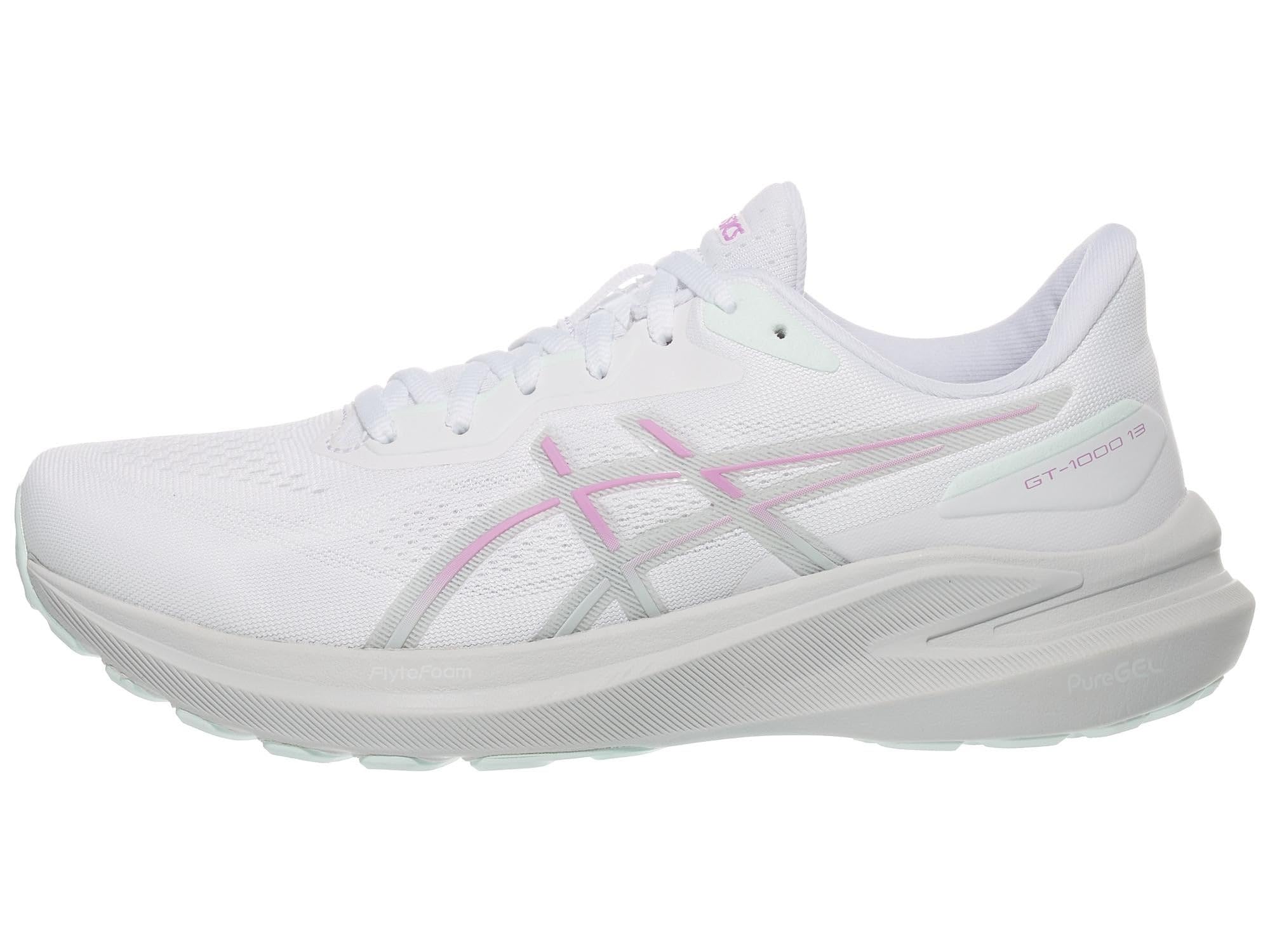
1. ASICS Women’s GT-1000 13 Running Shoes
Our pick — over 4.5★ from 850+ verified ratings; the strongest balance of quality and price.
This crowd favorite balances stability with all-day wearability.
The GT-1000 13 blends correction into a comfortable daily shoe you barely notice. The 3D Guidance System is a framework built into the midsole that increases stability for a more balanced stride without making the shoe feel like a rigid board. Pair that with FLYTEFOAM cushioning and PureGEL technology in the heel for softer landings, and you get a shoe that works for 12-hour shifts as easily as it works for a 5-mile run.
Over 100 owners praise its comfort, arch support, and roomy toe box. It handles a wide 9W foot well, with buyers noting it fits perfectly from the start with no break-in period needed. At just 1.44 pounds, it is significantly lighter than several competitors on this list, a 2.1x gap compared to the nearly 3-pound Gel Kayano Lite 2. The big caveat? The laces are short, and some runners wish the sole was slightly denser under the forefoot for toe-strikers. That said, the support is real enough that buyers recovering from ankle surgery and those with flat feet report it as the only shoe they can survive long hours in.
Buyers report: “Size 9.5 fits well; 10 too loose in toe box,” so consider sizing carefully if you are between sizes.
What wins people over
- Top-rated comfort with excellent arch support that handles 12-hour shifts
- Lightweight at 1.44 pounds — noticeably lighter than premium stability shoes
- Roomy toe box accommodates wide feet and allows for swelling
The honest trade-offs
- Laces are short; some buyers replace them immediately
- Lacks the springy bounce some runners want for pace work
- Not ideal for forefoot strikers who want a denser sole
Your all-day stability companion: Choose this for reliable arch support and a balanced stride during walking, standing, or casual running.
Think twice if: You are a serious runner needing a high-rebound trainer — look at the GT-2000 14 or Hurricane 24 instead.
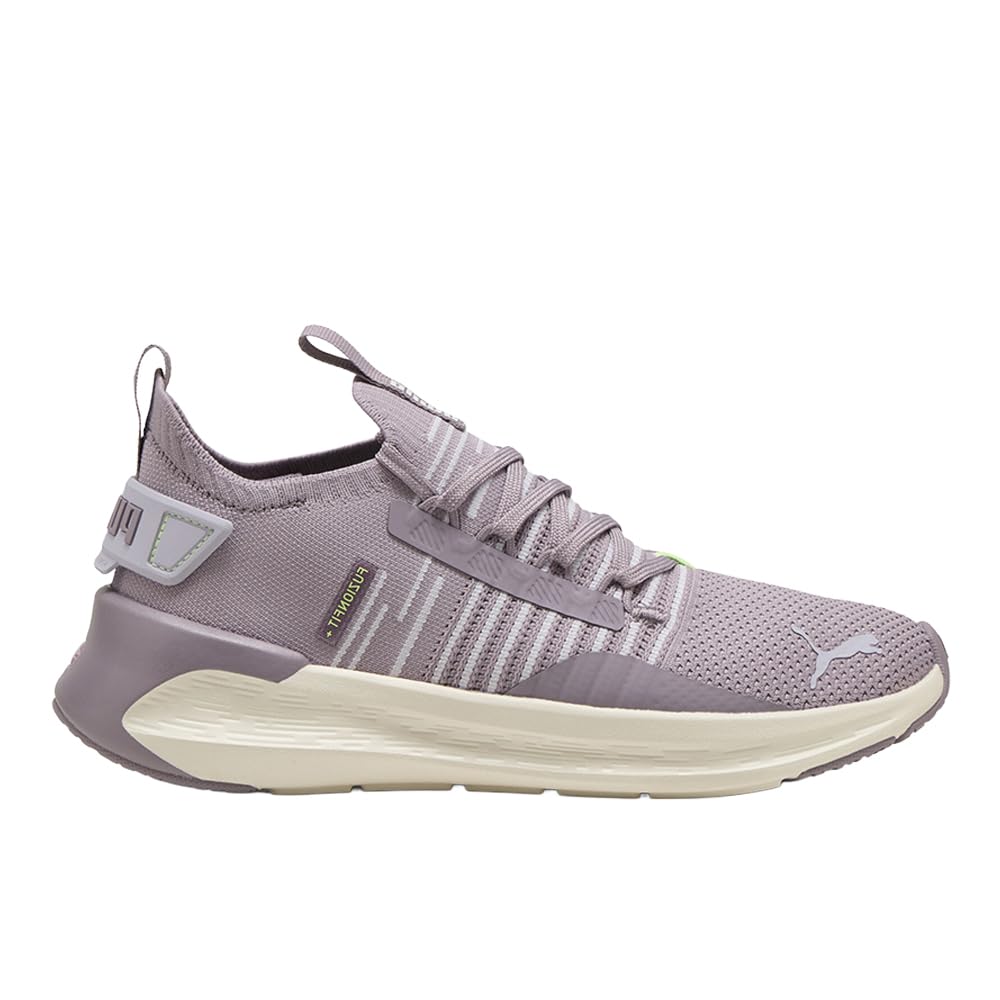
2. PUMA Womens Softride Symmetry Fuzion Running Shoes
Surprisingly durable arch support that feels good from the first step.
PUMA packs two of its own technologies into this shoe to create stability without a high price tag. Softride cushioning provides the softness underfoot, while Fuzion Fit technology delivers targeted support around the midfoot. A CPU heel clip adds extra stability at the back, and the unique lacing system helps lock your foot in place. Buyers describe it as a comfortable walking shoe with great arch support and zero break-in needed — you can wear them straight from the start.
The quality is what consistently surprises owners, with 18 people specifically mentioning it. As one buyer put it: “I took these out of the country and they were so durable I was amazed!” The white color holds up even on dirty streets, which is a rare compliment for light-colored sneakers. The main thing to watch is fit — the data shows it runs slightly smaller than expected for some, so going up a half size is a common recommendation. If you need a reliable daily walker or travel shoe that won’t hurt your feet, this is a smart choice that leaves cash in your pocket.
Smart value play: Excellent arch support and proven durability at an entry-level price point. Size up half a size for the best fit.
Reach for these if: You want a comfortable, supportive shoe for walking and everyday wear without spending a premium.
Look elsewhere if: You need the most advanced stability guidance for serious running — the GT-1000 13 is a better bet.
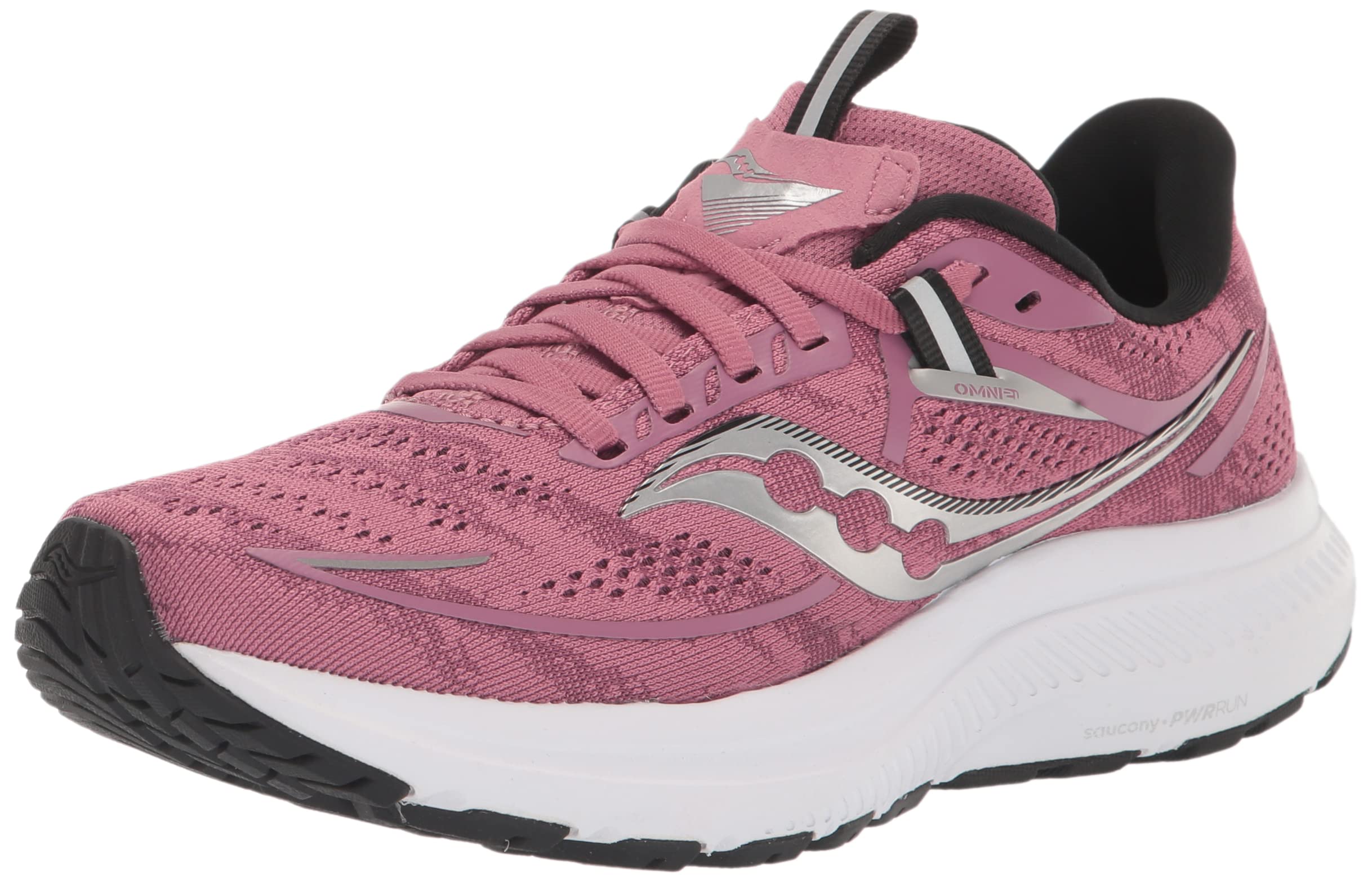
3. Saucony Women’s Omni 21 Running Shoes
A responsive stability shoe that feels like walking on springs.
Saucony’s Omni 21 uses dual-density PWRRUN cushioning — a firmer foam on the inner side of the shoe to resist overpronation, with a softer feel everywhere else. The result is a shoe that supports your stride without feeling like a brick underfoot. The upper is more adaptive than previous versions, wrapping the foot comfortably, and the toe box is notably roomy, which buyers with bunions or wide forefeet appreciate. “After 2 months, feet, legs, hips feel great” is the kind of long-term feedback owners give after putting real miles on these.
The sole has a hiking-boot-like tread pattern that adds traction on trails and loose surfaces, making it more versatile than a pure road shoe. The shoe runs slightly snug at first for some, but reviews say it loosens up naturally after a few wears. Durability gets mixed reactions — some owners feel the materials don’t hold up as long as they hoped, though the majority find the quality solid. For the sub- price, you get a well-cushioned support shoe with real spring in your step. It is heavier at 2.43 pounds compared to the 1.44-pound GT-1000 13, so it leans more towards daily walking and easy runs than speed work.
Springy and supportive: Great for walkers and runners who want cushioning with a bounce. The roomy toe box is a win for wide forefeet.
Best for: Daily walking, gym workouts, and easy runs where you want comfort plus a responsive feel.
Skip if: You need a lightweight speed shoe or prioritize maximum durability over initial comfort.
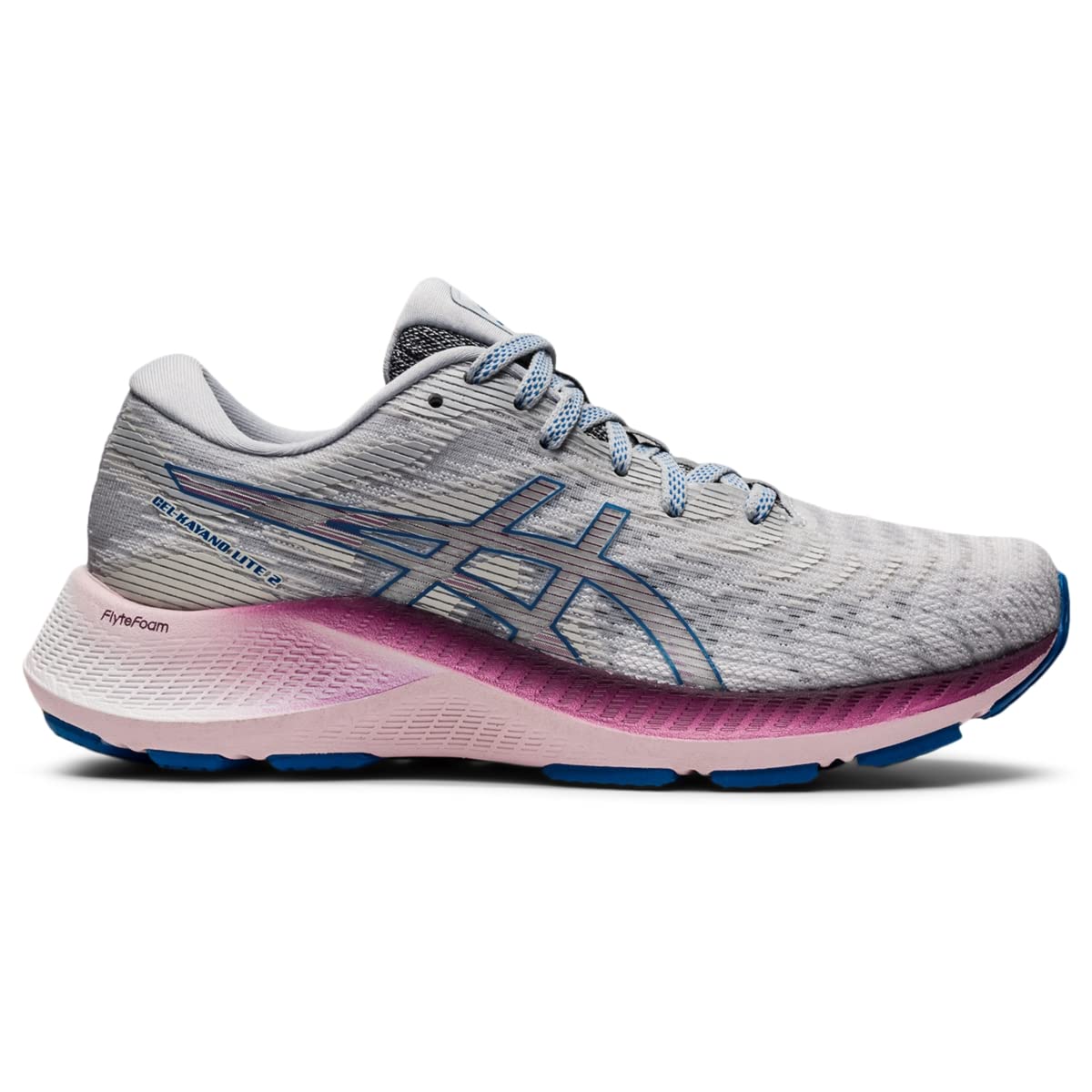
4. ASICS Women’s Gel Kayano Lite 2 Shoes
A sustainably-built trainer that cradles the heel with reassuring stability.
The Gel Kayano Lite 2 takes the famous Kayano support and gives it an eco-friendly twist. The engineered mesh upper uses a higher percentage of recycled materials, and the FLYTEFOAM cushioning comes from organically derived sources. But the real story is the 3D Space Construction feature — it addresses the gait differences between male and female runners, specifically designed to reduce overpronation by keeping your foot supported through each stride. The result is a shoe that feels like it is gently guiding your foot, not forcing it.
Owners consistently praise the arch support, with 21 people highlighting it, and the cushioning gets described as “running on pillows.” Several buyers mention it helped their plantar fasciitis and Achilles tendinitis. One long-term owner says this is their tenth pair over twelve years. However, at 3 pounds, it is the heaviest shoe on this list — the GT-1000 13 is 2.1x lighter — so it is more suited to walking and steady runs than fast sessions. Durability is the main concern: a few owners mention tearing at the crease after daily wear. If sustainability matters to you and you need solid arch support, this is a thoughtful choice that holds up well for most.
Plush and purposeful: Excellent for walking and recovery runs. The bio-based materials are a genuine bonus for eco-conscious buyers.
Reach for these if: You prioritize arch support and sustainability over sheer weight savings.
Think twice if: You need a lightweight shoe for speed work or have had durability issues with soft midsoles in the past.
5. New Balance Women’s Fresh Foam X Vongo V6 Running Shoe
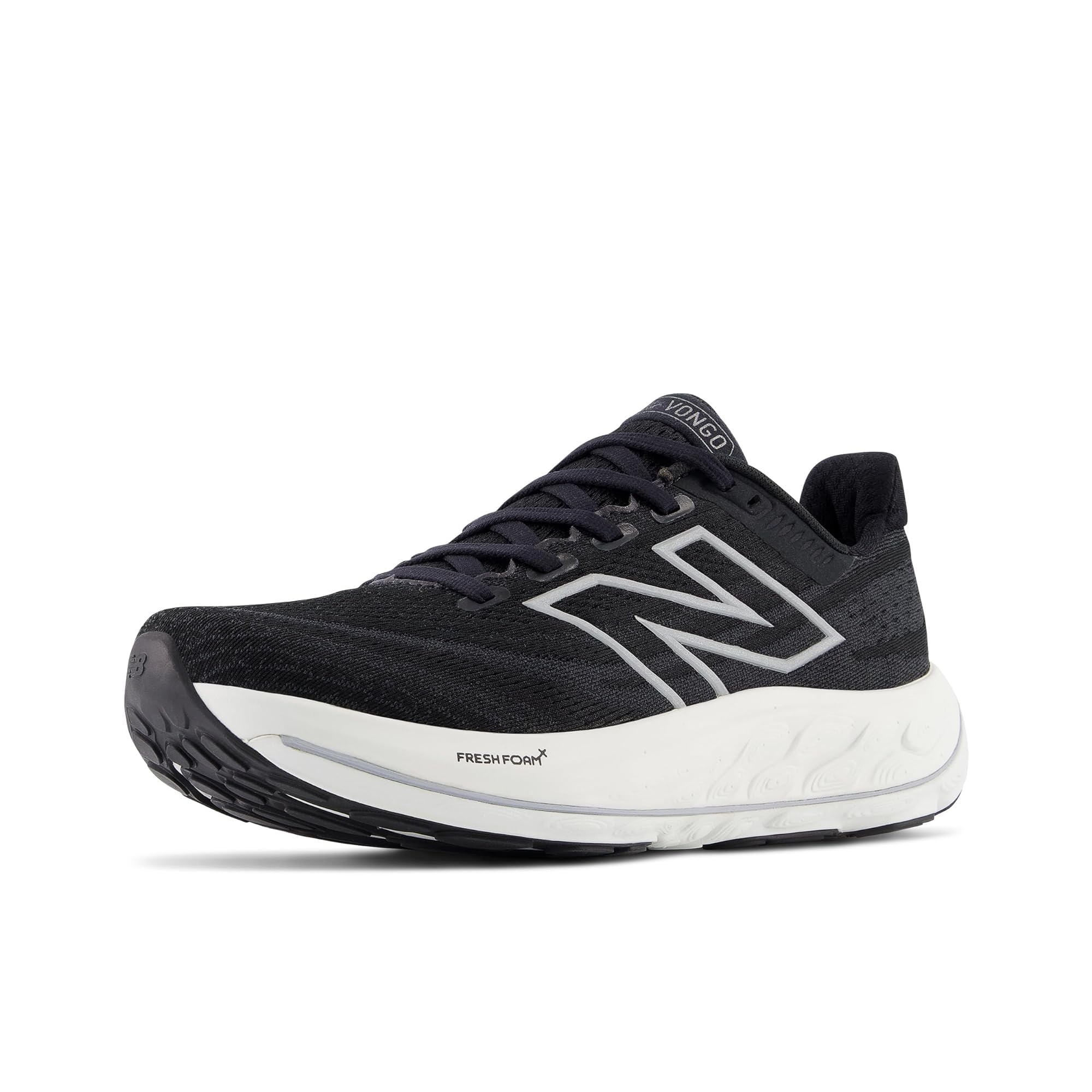
Plush cushioning that fights overpronation and lower back pain in one package.
If you want to ease lower back pain along with foot fatigue, the New Balance Vongo V6 is worth a look — several customers note reduced back pain after switching to these. The shoe uses a wide base and a firm sole to stop your foot from rolling inward (overpronation), while the Fresh Foam X midsole (a thick, soft foam layer) gives you a plush, cushioned step. One reviewer called the cushioning “top notch” and immediately ordered a second pair in a different color. It is also machine washable, so you can clean it easily after muddy runs. The Vongo V6 is a better pick than the Hoka Arahi 7 if you want a softer, plusher feel underfoot rather than a firmer cradle.
The fit works well for wide feet, with owners saying the sides are roomy without being sloppy. It accommodates custom orthotics without lifting your foot uncomfortably high. At 2.1 pounds, it sits in the middle of the pack weight-wise, lighter than the Gel Kayano Lite 2 but heavier than the GT-1000 13. The biggest complaint is stiffness — one buyer found it extremely stiff and uncomfortable even on carpet, causing calf soreness and rubbing on bunions. That makes this a shoe that fits a specific foot shape better than others. If you have wide feet and back pain, it is worth trying on to see if it clicks for you.
Plush with purpose: Excellent for those with back pain or wide feet. The machine-washable feature is a nice perk.
Best for: Walkers and runners with wide feet who need soft cushioning and back pain relief.
Side note: The stiff feel and potential bunion rubbing mean it is not for every foot — try before committing.
6. Saucony Women’s Hurricane 24 Sneaker
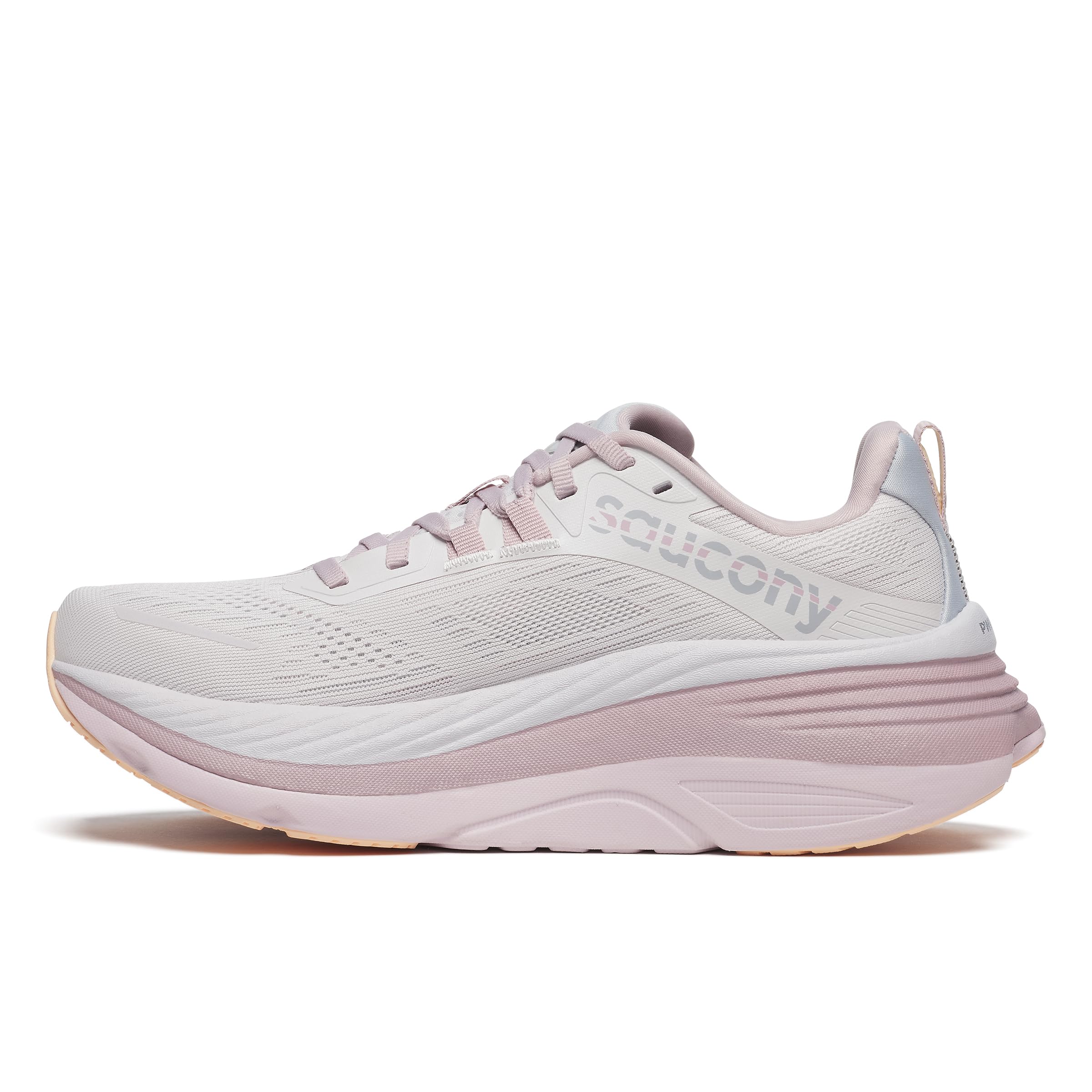
Saucony’s most premium shoe wraps your foot in cloud-like cushioning without sacrificing stability.
The Hurricane 24 is Saucony’s top-tier stability shoe, designed with a revolutionary new platform that delivers maximum cushioning and support. The 1.88-pound shoe packs a lot of foam underfoot, creating an aggressive toe rocker that propels you forward with each step. Buyers describe the feeling as “walking on clouds” and report it significantly reduces foot and leg fatigue, even during long days of wear. The arch support is a standout — 44 people mention it positively — making it a favorite for overpronators and those with plantar fasciitis.
The shoe has a wide platform with a roomy toe box and a narrower heel, which helps lock your foot in place. It is heavy for faster running — one buyer switched to a lighter New Balance for long distances — but for walking, everyday wear, and steady runs, it is exceptionally comfortable. The fit is tricky: some find true-to-size works, while others need a half-size up, especially in the toe box. A few durability complaints mention the fabric quality, with the insole color staining the mesh and reflective strips detaching. At this price point, you expect premium materials, and those reports are worth noting.
Cloud-like stability: Maximum cushioning that helps with overpronation and fatigue. Best for walking and recovery days.
Best for: Walkers and runners who want the most plush feel possible while still getting stability support.
Think twice if: You need a lightweight speed shoe or worry about fabric durability at a premium price.
7. Brooks Women’s Glycerin GTS 23 Supportive Running Shoe
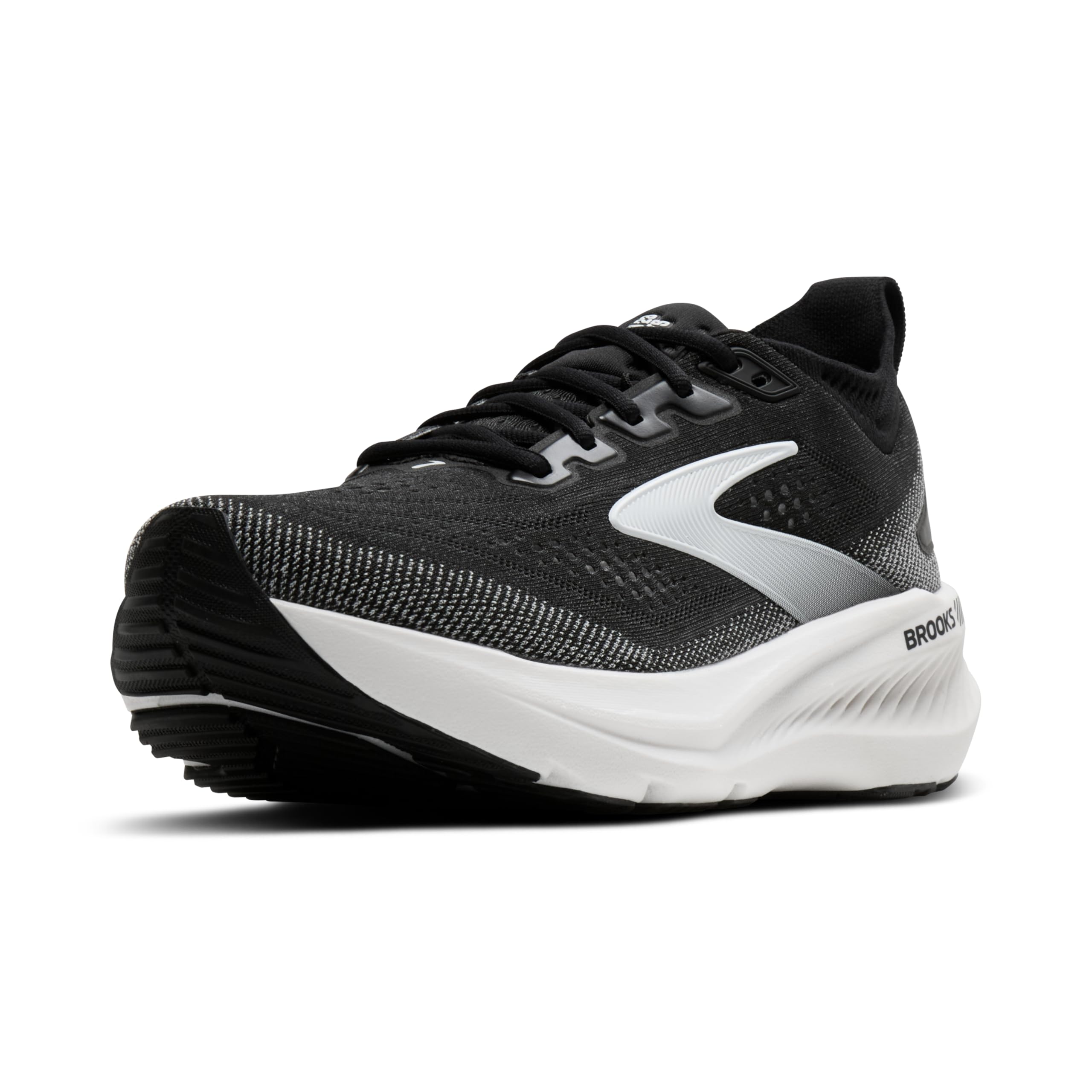
A plush premium shoe that combines luxurious softness with holistic stability support.
The Glycerin GTS 23 is Brooks’ approach to stability in their most cushioned line, using GuideRails technology (their GTS system) to support your body’s natural motion path without forcing your foot into a rigid position. The shoe is APMA accepted and PDAC A5500 certified as a diabetic shoe, adding credibility for foot health needs. It weighs 9.8 oz (277.8g) with an 8mm midsole drop, delivering plush, luxurious soft landings with structured support. Buyers consistently mention that their feet “don’t ache at all” after wearing them, and the arch support is strong without feeling stiff.
The roomy toe box prevents blisters and sore toenails, a common complaint with tighter stability shoes. One owner who had sesamoid pain in another brand reported “all pain is gone” after switching to the Glycerin GTS. The wide width option is appreciated by many, though owners wish more colors were available in wide. The main downside is weight — at 9.8 oz, it is heavier than the GT-2000 14 but lighter than the Hurricane 24. A plus-size buyer noted it is great for everyday wear but less ideal for long-standing days like theme parks. The biggest caution is a small number of buyers reporting receiving fake or defective units, so purchase from a trusted seller.
Luxury stability: Excellent for those who want plush cushioning without losing support. The GuideRails system is subtle but effective.
Reach for these if: You want a premium, comfortable stability shoe with a roomy toe box and proven arch support.
Be aware: The weight makes it better for daily runs and walking than speed work, and buyer beware on counterfeits.
8. Hoka ONE ONE Womens Arahi 7
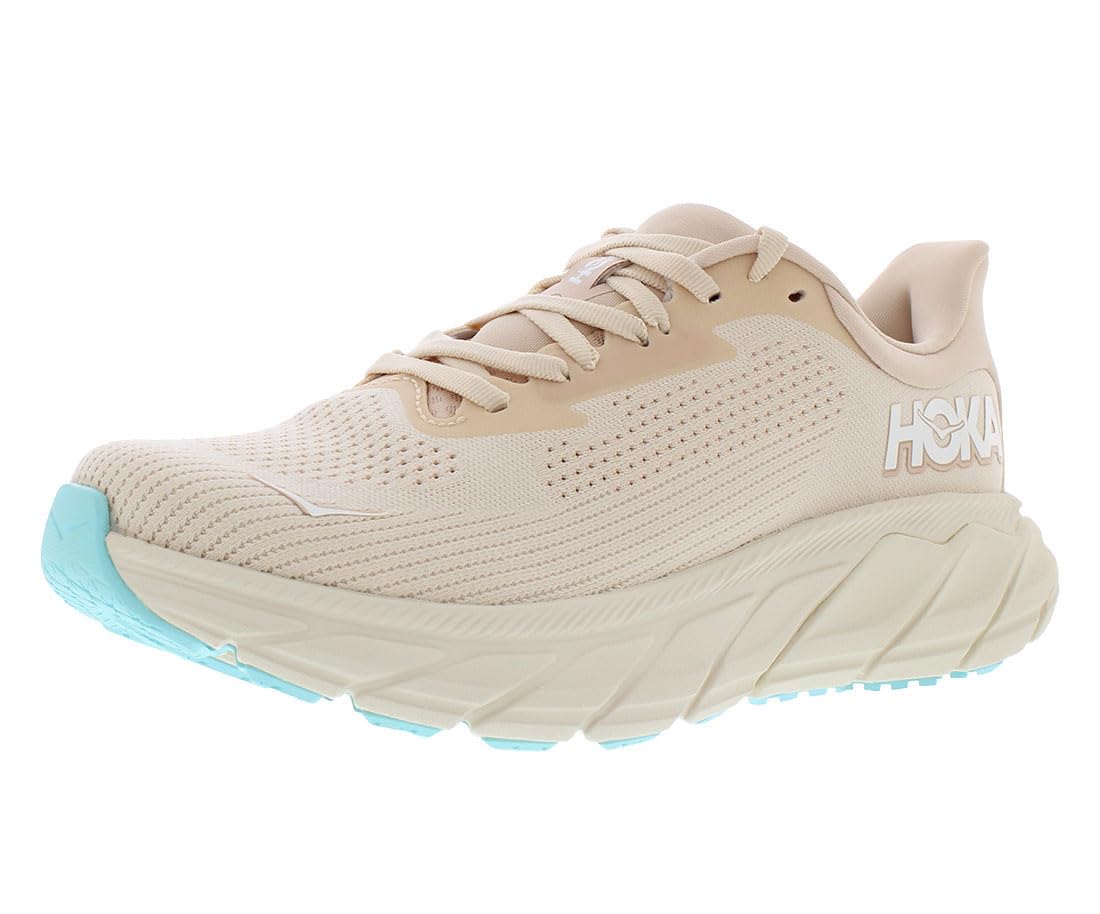
Hoka’s patented J-Frame delivers stability in a lightweight, modern package.
The Hoka Arahi 7 controls overpronation with its patented J-Frame technology — a firmer foam cradle that wraps around your heel and runs along the inner side of the shoe to stop your foot from rolling inward, without using a traditional medial post (a stiff wedge on the inner sole). The updated flat knit upper (a smooth, woven fabric) improves midfoot lockdown, and the plusher tongue with ghillie lacing (loops that hold the laces in place) prevents the tongue from sliding sideways. At 3 pounds it is not the lightest shoe here, but the compression-molded EVA midsole (foam shaped under heat and pressure) makes it feel much lighter on your feet than the scale suggests. Skip the Arahi 7 if you prefer a plush, soft cushioning — the Vongo V6 gives you that instead.
Comfort tops the feedback with 121 people praising it, and the quality follows closely behind at 61 mentions. Buyers recovering from posterior tibial tendon injuries and plantar fasciitis report significant pain reduction. The shoe works well for teachers and anyone on their feet all day. The fit is divisive — 63 people have mixed feelings, with some finding it too narrow and others saying it runs true to size. Value for money is also a split topic; at a premium price point, some expect more durability than they get, with a few owners noting the inner heel fabric rubbing off after several months. If you love Hoka’s aesthetic and need stability, this is a unique, comfortable option that feels different from traditional stability shoes.
Unique stability feel: The J-Frame is a genuine innovation that works well for many. Comfort and quality are the highlights.
Best for: Those who prefer Hoka’s ride and need stability without a traditional medial post.
Consider carefully if: You have a narrow foot — the fit is polarizing, and durability concerns at this price are worth weighing.
Understanding the Specs
Stability Technology
This is the core feature for overpronation. It can be a medial post (a denser piece of foam on the inner sole), a guidance frame (a plastic or foam cradle around the heel), or a dual-density midsole. Each brand calls it something different — ASICS has the 3D Guidance System, Brooks uses GuideRails, Hoka relies on J-Frame. The key is that it resists the inward roll of your foot, keeping your stride aligned.
Midsole Cushioning
The foam compound determines how soft or firm the shoe feels underfoot. FLYTEFOAM, Fresh Foam X, and PWRRUN are all examples. A denser foam provides more stability but less bounce; a softer foam feels more luxurious but can lack support for heavy overpronators. The weight of the shoe is directly tied to how much foam is used — heavier shoes like the Hurricane 24 have more cushioning, lighter shoes like the GT-2000 14 sacrifice some plushness for speed.
FAQ
What is the difference between stability and motion control shoes?
How do I know if I overpronate?
Can I wear stability sneakers if I have neutral pronation?
Will these sneakers help with plantar fasciitis?
How much do these sneakers weigh?
What is the difference between the ASICS GT-1000 13 and GT-2000 14?
Should I buy a half size up for stability sneakers?
Can I use custom orthotics with these shoes?
Final Thoughts: The Verdict
For most people, the women’s sneakers for overpronation winner is the ASICS GT-1000 13 because it hits a strong balance of proven comfort, real stability technology, and a weight that won’t slow you down. If you want the most plush cushioning possible, grab the Saucony Hurricane 24. And for a lightweight, bouncy daily trainer, the ASICS GT-2000 14 is the one to reach for.
How We Picked
We do not accept paid placement. Every pick is matched to a real buyer and a real use-case; we do not hands-on test units.
Sources & Methodology
Specifications: manufacturer listings and product documentation. Review insights: verified customer reviews, as of July 2026. Pricing: not shown on this page (it changes often); check the current price via the retailer link.
As an Amazon Associate, Calories Fit earns from qualifying purchases. This does not affect which products we feature.