
Our readers keep the lights on and the coffee maker working hard! As an Amazon Associate, I earn from qualifying purchases.
Specs are compiled from manufacturer listings and verified buyer reviews and can change over time — please confirm the key details on the product page before buying.
A puffy parka that works for shoveling the driveway will leave you soaked and stuck on the chairlift ten minutes into your first run. Real ski clothing breathes, sheds snow, and lets you move through a full range of motion on a board or skis without feeling like you are wrapped in a sleeping bag. This guide cuts through the hype to focus on the three specs that actually matter on the mountain: waterproof rating, insulation type, and how the fit handles active use.
I’m Mohammad — the founder and writer behind Calories Fit. This guide is built by comparing the manufacturers’ published specifications and the patterns across verified customer reviews, so you get each pick’s real strengths and trade-offs instead of marketing spin.
Whether you are lapping groomers in Colorado or side-country hiking in Vermont, the best women’s ski clothing balances warmth with mobility and rain-shedding power with breathability, so you stay comfortable run after run.
Our Picks at a Glance

How To Choose The Best Women’s Ski Clothing
The difference between a great day on the mountain and a miserable one often depends on three decisions: how waterproof your outer layer is, how well the insulation matches the temperature you ride in, and whether the cut lets your body move naturally. Here is how to nail each one.
Start With Waterproofing, Not Style
A 10,000 mm rating is the standard ski brands aim for, and for good reason. At this level, a jacket or pant sheds moderate snow and wet chairlift seats without letting moisture soak through to your base layer. Lower ratings work for dry-powder days but fail in sleet or spring slush. The three products in this guide that carry a 10,000 mm rating — the Skieer jacket, the FREE SOLDIER jacket, and the Roxy snow pants — give you a verified seal against wet weather that a casual raincoat simply cannot match.
Match Insulation to Your Activity Level
Not all warmth is the same. A jacket with heavy insulation (like the Columbia Powder Lite II) traps heat for static cold, making it ideal for beginners who stand around more than they ski. A fleece-lined shell (like the Skieer jacket) breathes better for active skiers and snowboarders who generate their own warmth. If you run hot or ski in variable weather, look for a jacket that works as a mid-layer under a shell — that flexibility saves you from overheating by lunch.
Check the Fit Where It Matters Most
Every product block in this guide mentions how the fit lands on the body, and there is a reason. The most common complaint across all nine products is that the waist or thighs feel unexpectedly snug — a problem that turns a good day on the slopes into a frustrating one. Look for pants with adjustable waist tabs or Velcro side straps, like the GS SNOWING bibs or the North Face Sally pant, so you can fine-tune the fit over a base layer without feeling restricted in the hips.
Quick Comparison
| Model | Best For | Waterproof Rating | Insulation Type | Key Feature | Amazon |
|---|---|---|---|---|---|
| Columbia Powder Lite II Jacket★ Best Overall | Everyday warmth & resort casual | Rain-and-stain repellent | Recycled synthetic + thermal-reflective lining | Packs down small in a backpack | Amazon |
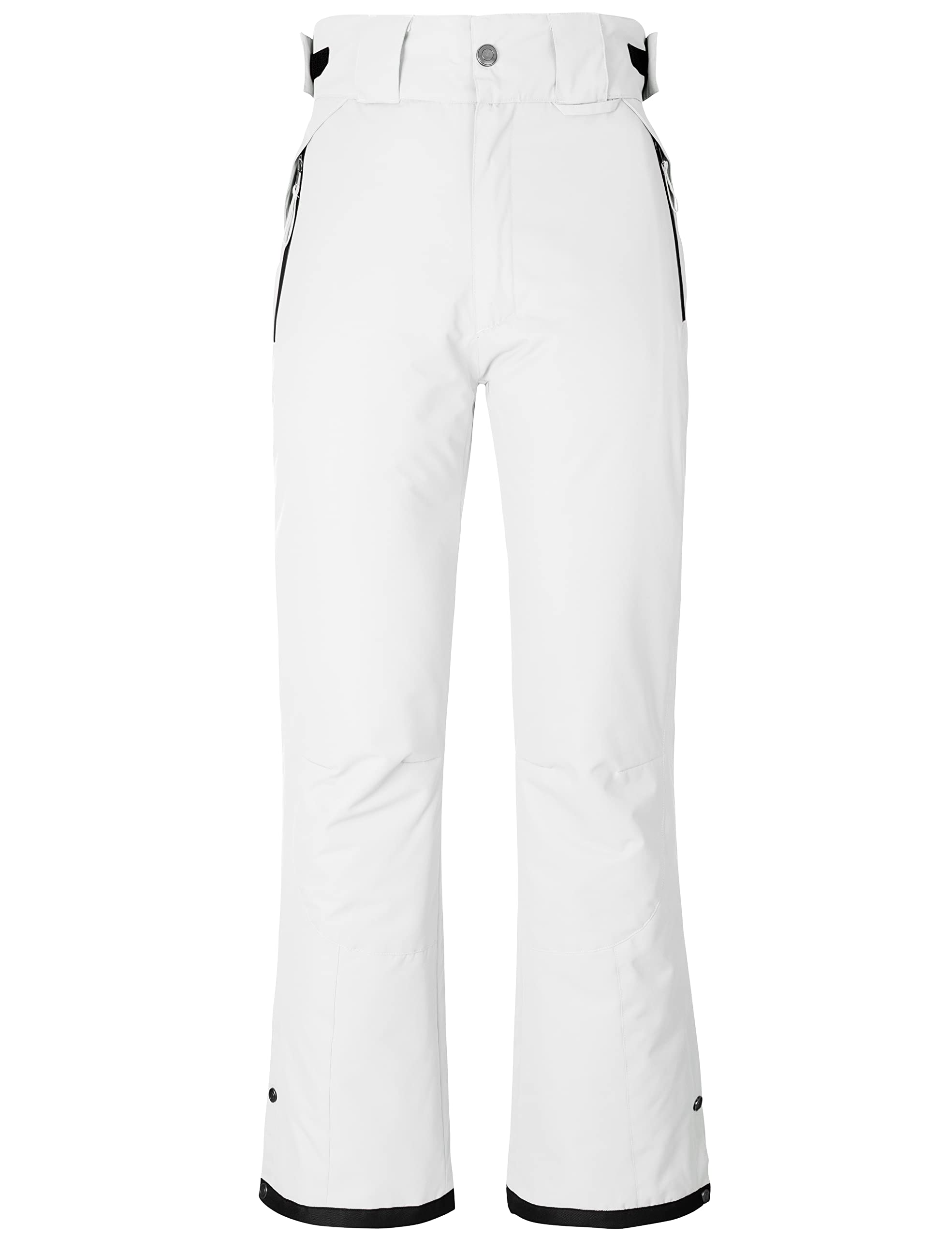
| wantdo Snow PantsBest Value | Budget all-mountain snow pants | 10,000 mm | Honeycomb insulated fabric | Adjustable waist & boot gaiters | Amazon |
| Skieer Ski JacketTop Performer | Windproof cross-country & resort | 10,000 mm | Fleece lined + soft thicken filling | Removable hood with fleece lining | Amazon |
| GS SNOWING Snow Bibs | Deep-powder days & cold-weather protection | Waterproof (no rating listed) | Insulated | Detachable suspenders & checkered straps | Amazon |
| FREE SOLDIER Ski Jacket | All-conditions resort & backcountry | 10,000 mm DWR + fully taped seams | Fleece + cotton padding | 6 pockets with thumb-hole cuffs | Amazon |
| Roxy Backyard Snow Pants | Eco-conscious resort riders | 10,000 mm | Polyfill synthetic | 100% recycled PFAS-free fabric | Amazon |
| North Face Junction Jacket | Cold-weather commuter & light resort | Non-PFC DWR water repellent | 100g HEATSEEKER synthetic | 100% recycled polyester shell | Amazon |
| North Face Sally Snow Pant | Tall skiers & resort versatility | Water repellent (no rating listed) | Insulated (not specified) | Wide-leg boot opening & Velcro side tabs | Amazon |
| Columbia Abbott Peak II Jacket | Serious cold & Alaska-grade winters | Weather-resistant build | Insulated + thermal-reflective lining | Adjustable powder skirt & comfort cuffs | Amazon |
In‑Depth Reviews
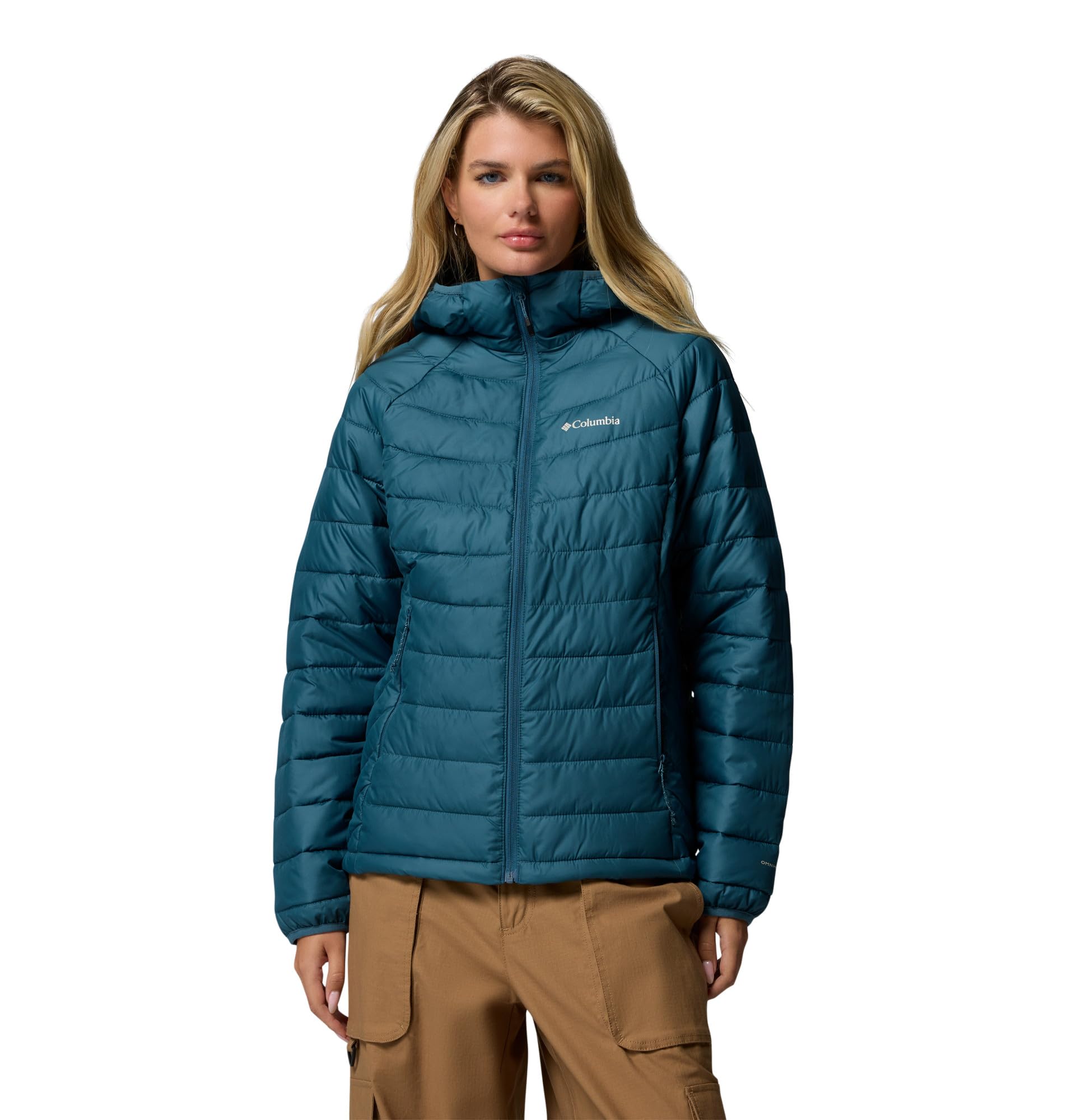
1. Columbia Women’s Powder Lite II Hooded Jacket
Our pick — over 4.5★ from 450+ verified ratings; the strongest balance of quality and price.
A mid-weight jacket that goes from the lift line to the grocery aisle without skipping a beat.
What makes this the top pick is how it nails the everyday winter jacket equation that so many others miss: it is genuinely warm without the bulk. The recycled synthetic insulation paired with Columbia’s thermal-reflective lining means you stay comfortable in temps above 30°F, as one buyer report put it, while the shell sheds light rain and snow and repels stains. The active fit is slim enough that you can move freely, but owners consistently call the sizing true-to-fit — a 5’6″ 115-pound owner in a Small says it fits without feeling snug. Warmth and quality are the two things owners praise most here, and the numbers back that up: over 460 owners give it a 4.7-star average, making it the highest-rated product in this guide.
Compared to the heavier North Face Junction Jacket, the Columbia is significantly less bulky — it packs down small enough to toss in a backpack for hiking, which a long-time buyer specifically noted. The trade-off is that it is not built for extreme cold or deep backcountry days; owners say it shines in the 30°F-and-above balance. And a few buyers mention the zipper can snag, so treat it gently when you are layering up in a hurry.
What owners love most
- Warm without the puffy Michelin-man look — the thermal-reflective lining punches above its weight
- Light enough to roll up small and stash in a daypack for après-ski
- True-to-size fit that a 5’6″ 115-lb buyer in Small calls perfect for layering a hoodie underneath
The honest trade-offs
- The zipper can stick and snag, which a few owners flagged as frustrating on a jacket at this price
- Best for 30°F and above — not enough insulation for single-digit chairlift days
Reach for this if: you want one jacket that handles resort skiing, commuting, and daily errands without feeling like a ski-specific shell.
Think twice if: you need a heavy-duty parka for sub-zero temperatures — this is a mid-weight, not a summit coat.
2. wantdo Women’s Snow Pants Waterproof Insulated
Snow pants that a buyer wore in 12°F with 30 MPH winds and came back warm — for under mid-range cash.
These pants carry a 10,000 mm waterproof rating, the same standard you find on pants costing three times as much. The honeycomb fabric is soft against the skin, and the adjustable waist, boot gaiters, and four pockets (two zippered, two cargo) give you the same features as premium ski pants. The real headline here is warmth: one owner said they wore these in 12-degree weather with 30 MPH winds over just lycra leggings and stayed perfectly comfortable. That is the kind of real-world performance that matters more than any spec sheet.
The catch is sizing — they run large. Multiple buyers advise sizing down or ordering your normal size and cinching the waist tabs. A 5’3″ 110-pound owner found a Small roomy but fine after tightening the belt. The flared leg cut also surprises some buyers, so expect a wider boot opening than a slim snowboard cut.
Who these work for: skiers and snowboarders who want verified cold-weather performance without paying brand-name markup. The 491 ratings speak to their staying power, though the 4.0 average reflects the sizing inconsistency.
Skip if: you have a curvy build — the straight cut runs narrow in the hips for some owners.
3. Skieer Women’s Waterproof Ski Jacket Fleece Snowboarding
A windproof shell that cross-country skiers call excellent — and it costs half of what the big names charge.
The Skieer jacket uses a 10,000 mm waterproof PU membrane and a fleece-lined interior to block wind and snow without the stiffness of a hard shell. Owners who cross-country ski specifically praise how well it handles wind chill — one buyer wore it in 0°F conditions with 18 MPH winds and felt no cold breakthrough. The removable hood has fleece lining so it stays soft against your ears and cheeks, and the sturdy SBS zipper that owners mention is notably smooth compared to the Columbia Powder Lite II’s snag-prone zipper. Warmth and quality are the top two aspects that owners rave about, with over 870 ratings pushing the overall score to 4.5 stars.
Where it beats the FREE SOLDIER jacket is weight — the Skieer is noticeably less bulky, making it easier to pack and move in. The bulkiness here is actually the main point of mixed feedback: some owners find it slightly boxy, though most say it is not restrictive. Buyers also note the side Velcro flaps on the hood can flap annoyingly when not cinched.
The bottom line: This is the jacket to grab if windproofing is your top priority and you want a removable hood that stays put in a gust. At 4.5 stars from nearly 900 owners, it is the crowd favorite for good reason.
4. GS SNOWING Women’s Insulated Snow Pants Waterproof Ski Bibs
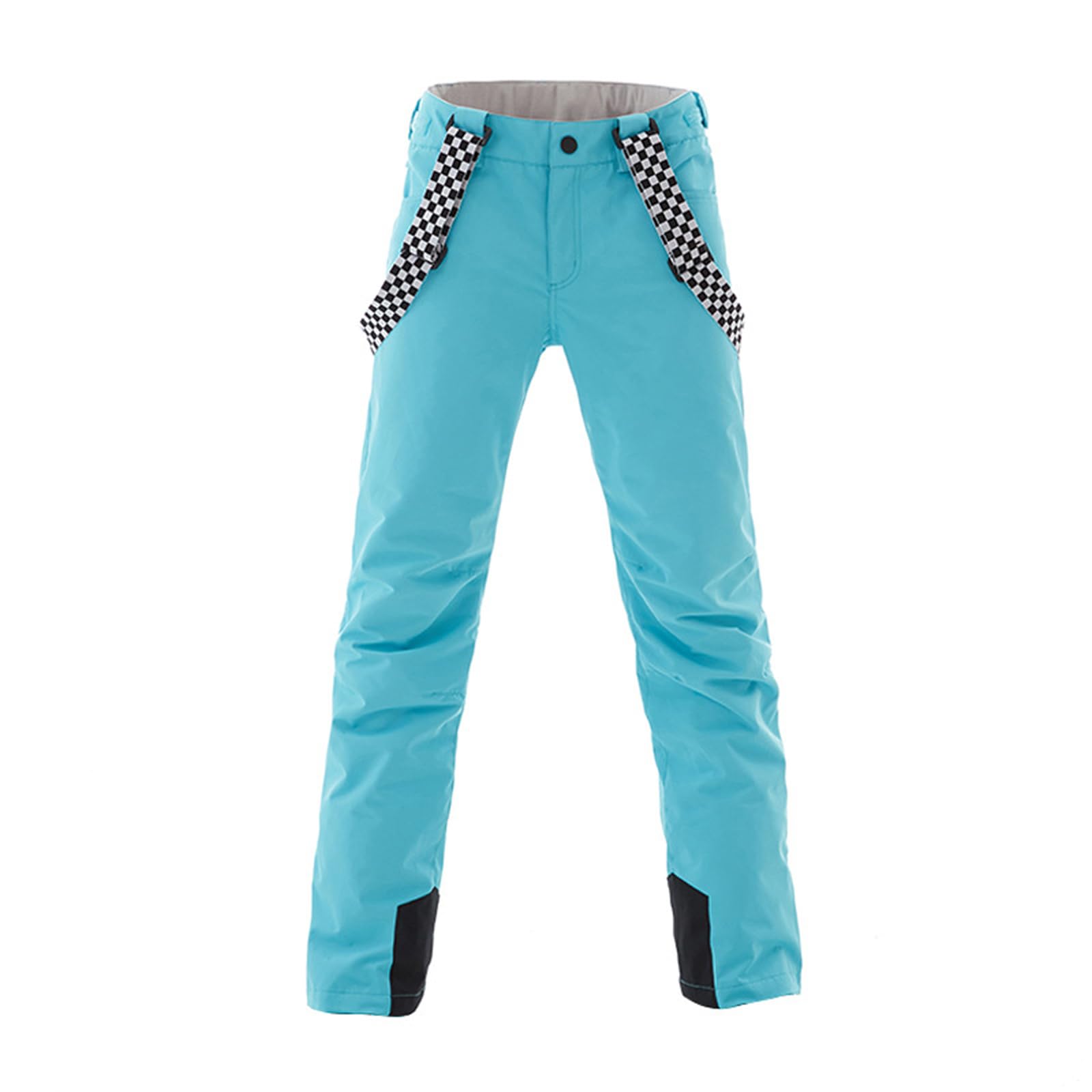
Bib-style pants that one owner wore in -15°F thigh-high snow without a single cold spot.
The GS SNOWING bibs bring the one feature that pants cannot match: coverage that extends up your torso so snow cannot sneak in at the waist. The detachable suspenders are the standout detail — they let you wear them as regular pants on milder days or clip them on for deep-powder sessions. The fit is where opinions split. The pants run small, especially in the thighs and hips, so the consistent advice from owners is to go up one size. A size-2 owner with “twig legs” found the Small too tight in the legs and waist. But for the right body type, the warmth is undeniable — one buyer stayed dry and warm in -15°F while snowmobiling in thigh-high Colorado snow.
Versus the wantdo pants, the GS SNOWING bibs offer better protection against powder intrusion but feel heavier and less streamlined. The durability gets mixed marks — a single owner reported a rip on day one, though most owners say the pants held up well over multiple seasons.
Who should reach for these: anyone who skis or snowboards in deep powder and wants the security of suspenders. Size up one full size and you will likely love the coverage.
5. FREE SOLDIER Women’s Waterproof Ski Snow Jacket
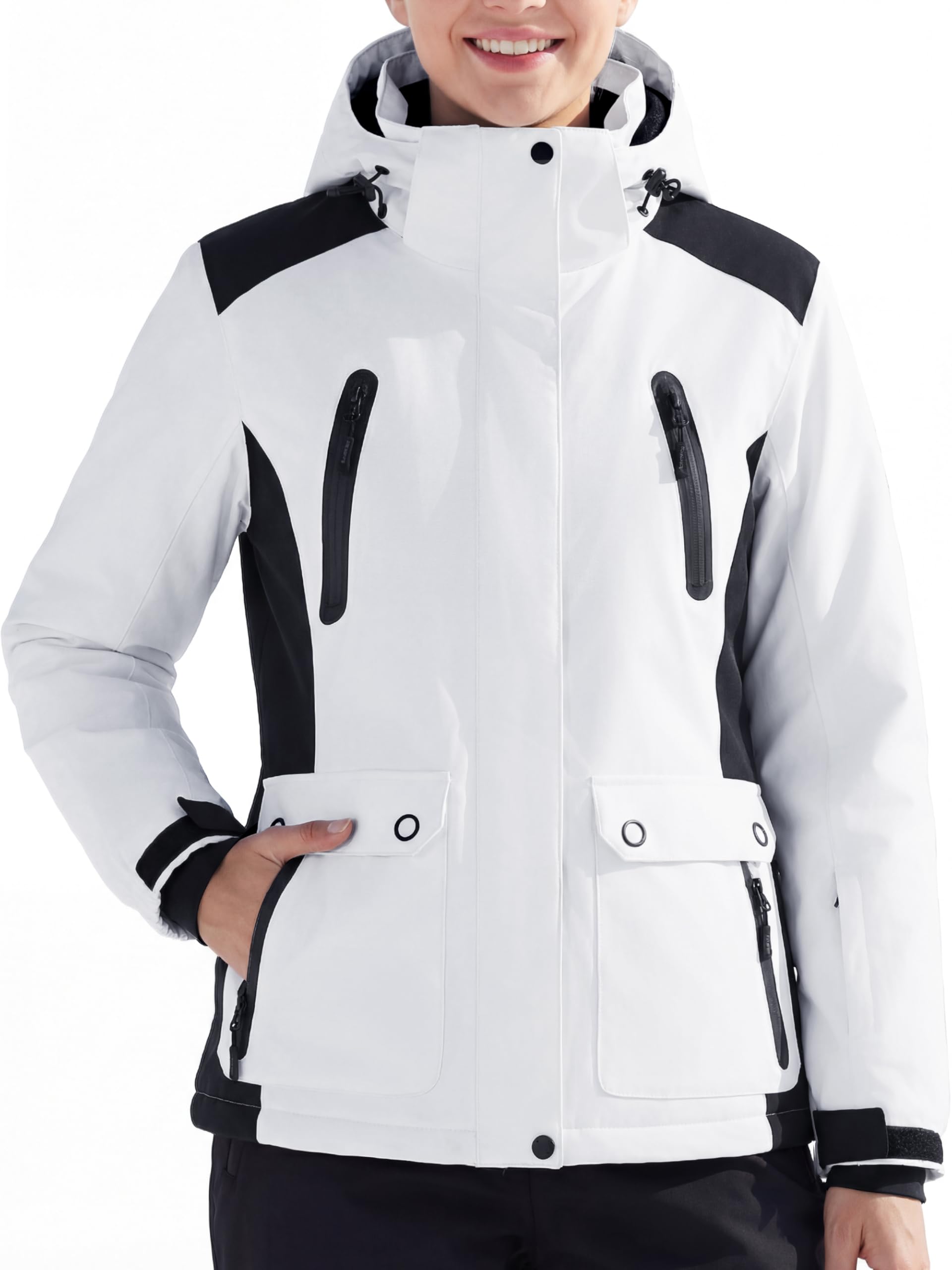
A 10k-rated shell with a powder skirt and six pockets that reviewer called “the perfect coat.”
This jacket is the most feature-dense option in the guide. The 10,000 mm DWR coating plus fully taped seams mean it seals out moisture as effectively as the Skieer jacket, but FREE SOLDIER adds a snap-back powder skirt, a helmet-compatible hood, and internal thumb holes in the cuffs that owners appreciate for keeping sleeves from riding up on the lift. The six-pocket layout — two zippered hand pockets, a chest pocket, an internal zip pocket with headphone port, plus an inner mesh goggle pocket and a lift-pass arm pocket — is frankly overbuilt in the best way. Warmth earns the top praise from buyers, with quality close behind, and the 4.5-star score is backed by over 360 ratings.
The one consistent note from owners is that the fit runs snug in the waist if you size by your usual number. Sizing up is common advice, especially if you plan to layer a mid-weight fleece underneath. The white side panels also make some wearers feel wider, so the dark-color options are the safer visual bet.
What makes it stand out
- 6 pockets that rival backcountry vests for organization — including a dedicated goggle stash
- Fully taped seams seal out slush and sleet better than any DWR-only jacket
The honest trade-offs
- Waist runs narrow — size up for layering unless you are between sizes
- White-colored sides create a wider visual silhouette that some owners dislike
6. Roxy Women’s Backyard Insulated Snow Pants
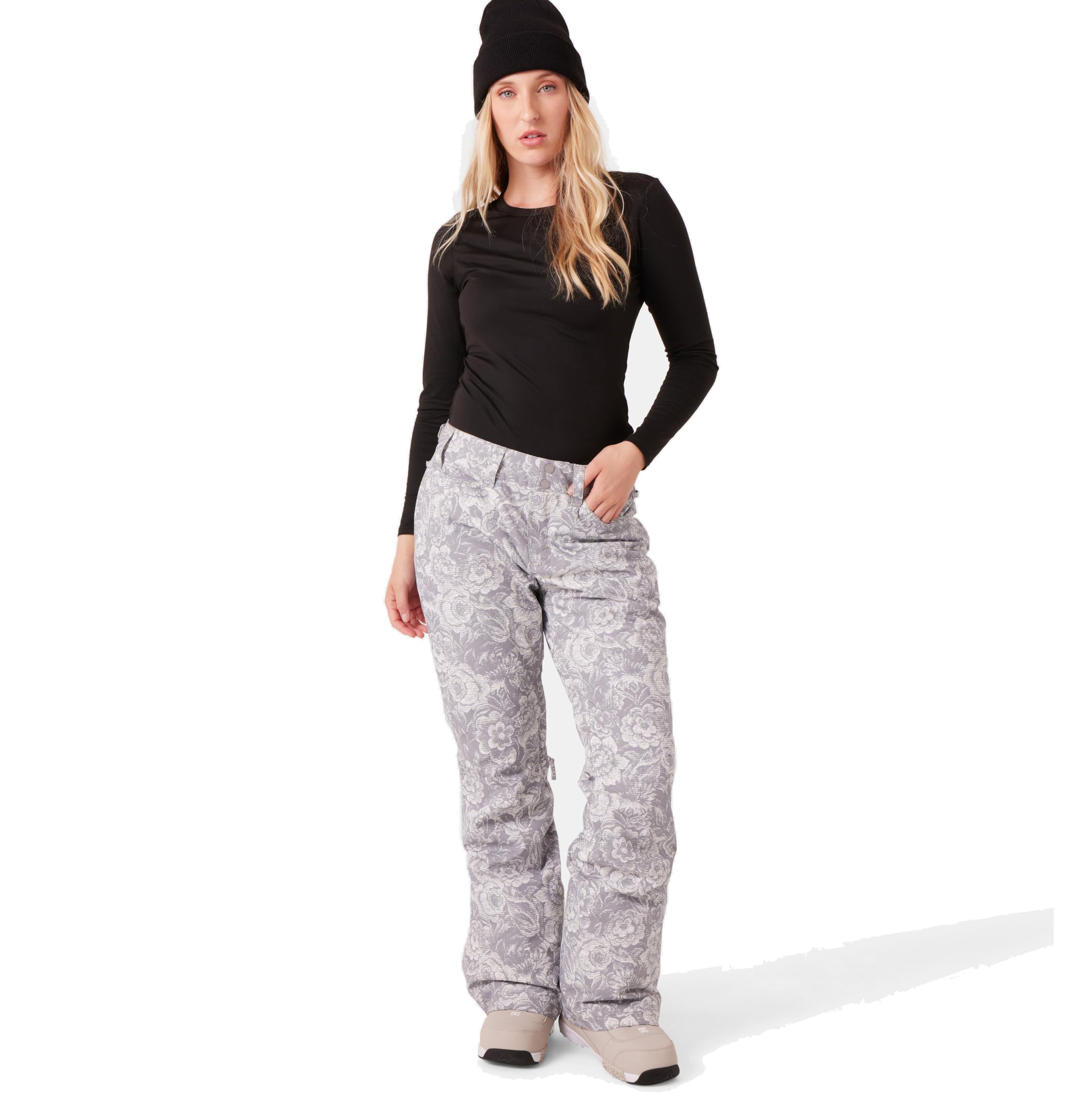
The first pair of snow pants in this guide built from recycled materials without PFAS chemicals.
Roxy engineered these pants with 10K waterproofing and critically taped seams, so the primary job of keeping you dry is handled. What sets them apart is the material story: 100% recycled polyester that is PFAS-free — meaning no forever chemicals in the waterproof coating. That matters for skiers who want high performance without the environmental baggage. The pants include mesh-lined vent zippers for dumping heat on warm spring days, plus snap leg gussets and coated boot gaiters that lock snow out. The overall quality is what owners praise most, and the warmth score is strong even though a few buyers mention the label says “water resistant” on the tag despite the website claiming “waterproof.”
The fit is where things get tricky. The most mentioned aspect by a wide margin is fit — and it is a mixed verdict. These pants run small, especially through the thighs and seat. A 5’7″ 165-pound owner who bought a Large said it fit well with extra room, but a buyer with a curvier build found the Medium too tight to sit down in. This is a straight-cut pant, not designed for wider hips.
Best suited for: riders who prioritize sustainable materials and have a slender-to-athletic build. Size up at least once if you carry any curve in the hips.
7. The North Face Women’s Junction Insulated Jacket
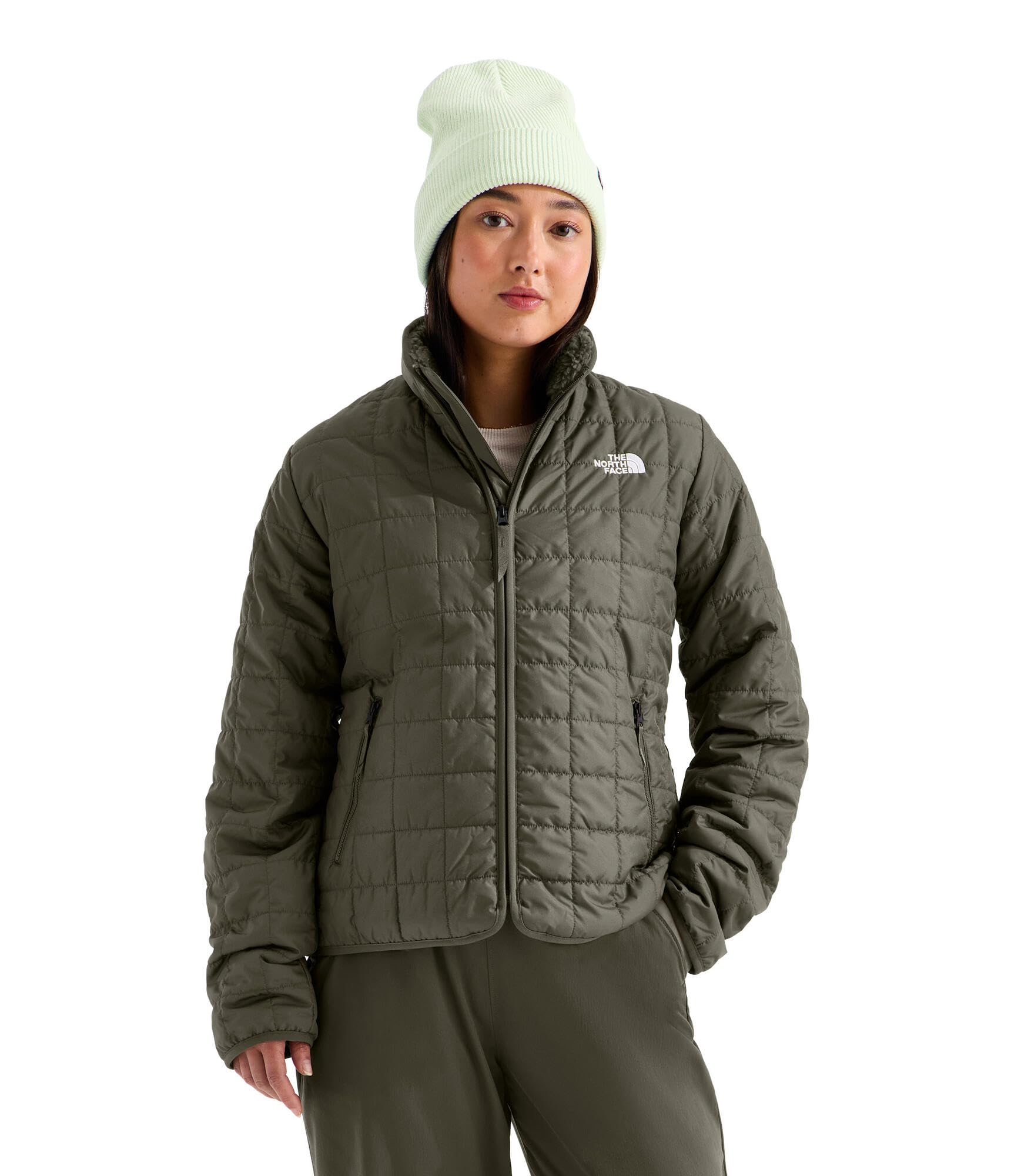
A quilted jacket that packs 100g of synthetic insulation into a 9.6-ounce featherlight body.
The North Face Junction is not a ski-specific jacket in the way the FREE SOLDIER or Skieer are — it lacks a powder skirt, helmet-compatible hood, or taped seams. What it offers instead is an astonishing warmth-to-weight ratio. The 100g HEATSEEKER synthetic insulation uses hollow-core fibers that trap heat without the bulk, making this jacket comfortable in the 30°F to 40°F range while weighing under 10 ounces. That means you can wear it as an everyday winter jacket and still layer it under a hard shell for resort days. Owners consistently praise the quality and the color options, and at 4.5 stars over 440 ratings, it is a proven design.
The asterisk is the fit. The sleeves run notably long — even buyers with long arms say the sleeves are too long, and the body runs smaller than typical North Face sizing. The consensus from owners is to order at least one size up. Compared to the Columbia Powder Lite II, the North Face is slightly warmer for the weight but less versatile as a standalone ski jacket because of the missing snow-specific features.
The honest take: a brilliant lightweight insulator that doubles as a ski mid-layer or city coat, but size up generously and be ready for long sleeves.
8. The North Face Women’s Sally Insulated Snow Pant

The rare snow pant that a 6’1″ skier found long enough — and it still fits a 5’3″ owner too.
Finding snow pants with enough inseam for taller women is a persistent headache, and the Sally pant solves it. The wide-leg boot opening clears ski boots easily, and the Velcro side adjustment straps let you cinch the waist without making the hips tight — a detail that owners specifically call out as missing from earlier versions. The 4.5-star score across 180 ratings is solid, and warmth is the top praised aspect. A 5’3″ 118-pound 60-year-old owner who replaced her previous North Face pants after 15 years noted she skied frigid Montana temps in 2025 with just fleece tights underneath and stayed perfectly warm.
The fit is not universal. The most-mentioned aspect is fit, and it is a mixed verdict: the XS runs tight in the seat and thighs for some, while the length works best for taller frames. The material has no stretch, so if you have curvy hips or glutes, the lack of give makes squatting and bending feel restrictive. Size up if you plan to layer thick merino under them.
Best for: tall skiers who have struggled with too-short pants. Not ideal for curvier builds unless you size up and accept a looser waist.
9. Columbia Womens Abbott Peak II Insulated Jacket
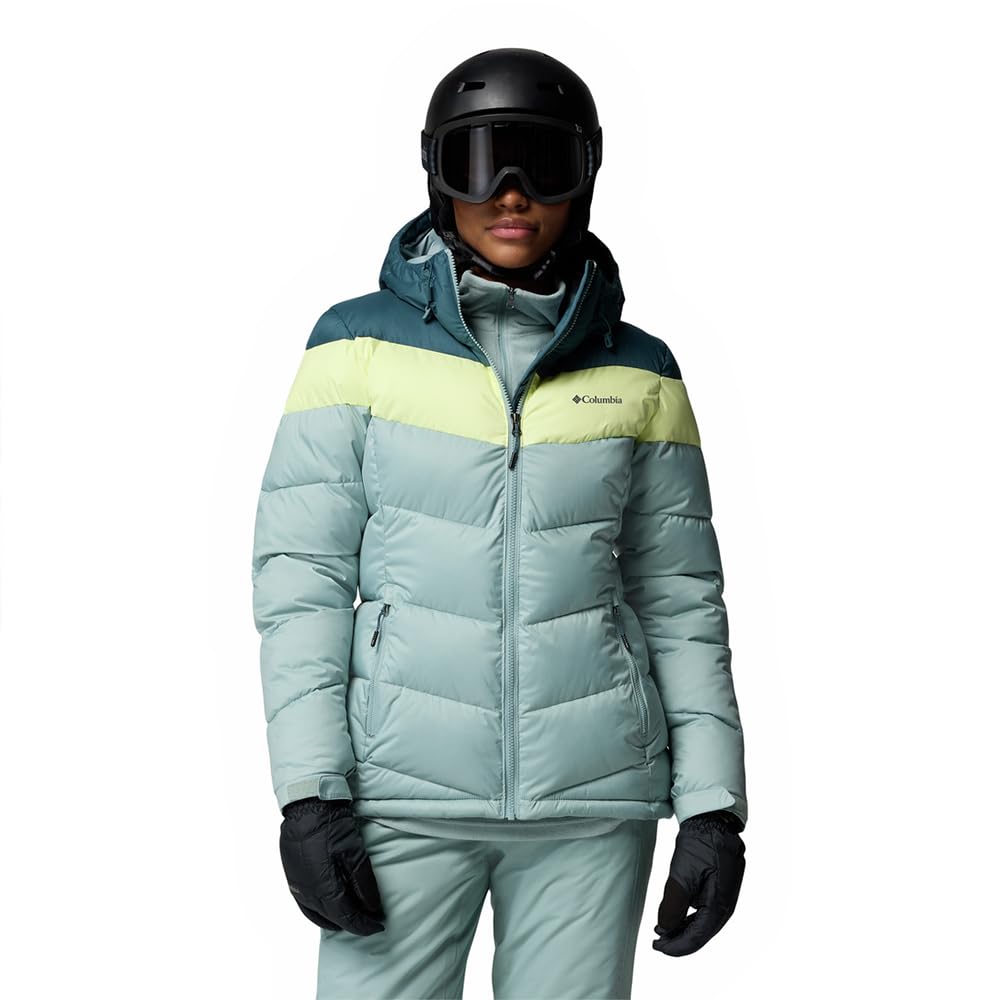
The jacket that Alaska-bound buyers pick when the forecast reads “extreme cold.”
The Abbott Peak II is the heaviest-insulated jacket in this lineup, and it shows. The thermal-reflective lining bounces body heat back at you, and the adjustable powder skirt, comfort cuffs, and adjustable hood form a closed system that keeps cold air from finding any entry point. Quality is the top praised aspect, followed closely by warmth, and owners specifically call out the drawstring hood with Velcro adjustment and the flat powder skirt as well-thought-out details. A buyer who took this to Alaska for winter conditions gave it a perfect score.
Compared to the lighter Columbia Powder Lite II, the Abbott Peak II is a meaningfully warmer coat — but it also runs smaller. The persistent feedback from owners is to size up. A petite buyer in XS said it was tight enough that she could not breathe once zipped. The XL buyer wished she had ordered XXL. So if you are between sizes, go up one full size. The stylish black-and-white color scheme gets consistent compliments, giving you serious resort style without sacrificing function.
Reach for this if: you ski or spend time in genuinely cold conditions (think New England or mountain West winters) and value a locked-in, draft-free fit.
Watch out for: the snug sizing — treat the size chart as a minimum, not a guide.
Understanding the Specs
Waterproof Rating (mm)
The number you see on ski jackets — 10,000 mm, 5,000 mm — tells you how much water pressure the fabric can handle before leaking. For resort skiing and snowboarding, 10,000 mm is the balance: it sheds heavy snow and wet chairlift seats without feeling stiff or breathable like a rain jacket. Jackets and pants rated lower than that work for dry-powder days but will wet out in spring slush or sustained precipitation. The Skieer, FREE SOLDIER, wantdo, and Roxy products all carry this 10,000 mm rating.
Insulation Type (Synthetic vs. Fleece)
Synthetic insulation uses hollow fibers to trap heat, and it is measured in grams (like the North Face Junction’s 100g HEATSEEKER). More grams means more warmth but also more bulk. Fleece lining is lighter and breathes better for high-output activities like cross-country skiing, but it does not insulate as well when wet. A jacket with synthetic insulation plus a fleece lining, like the Skieer, gives you the best of both: high warmth-to-weight with a soft inner surface against your base layer.
FAQ
What waterproof rating do I actually need for resort skiing?
Should I size up in ski jackets or pants?
Can I use a regular winter jacket for skiing?
What does a powder skirt do on a ski jacket?
How do I wash ski clothing without ruining the waterproof coating?
Which is better for snowboarding: a jacket or a bib?
Are more pockets on a ski jacket really useful?
How long should a good pair of snow pants last?
Can I wear ski pants for hiking or everyday winter use?
What is the difference between DWR and a waterproof membrane?
Final Thoughts: The Verdict
For most buyers, the best women’s ski clothing pick is the Columbia Powder Lite II Hooded Jacket because it combines warmth, lightweight packability, and a true-to-size fit at a price that undercuts everything in its class while earning the highest owner rating. If you need a fully-equipped shell for variable mountain conditions, the FREE SOLDIER Ski Jacket gives you the deepest feature set with a powder skirt, taped seams, and six pockets. And for serious cold where comfort is non-negotiable, the Columbia Abbott Peak II Insulated Jacket is the one to reach for — just be sure to size up.
How We Picked
We do not accept paid placement. Every pick is matched to a real buyer and a real use-case; we do not hands-on test units.
Sources & Methodology
Specifications: manufacturer listings and product documentation. Review insights: verified customer reviews, as of July 2026. Pricing: not shown on this page (it changes often); check the current price via the retailer link.
As an Amazon Associate, Calories Fit earns from qualifying purchases. This does not affect which products we feature.