
Our readers keep the lights on and the coffee maker working hard! As an Amazon Associate, I earn from qualifying purchases.
Specs are compiled from manufacturer listings and verified buyer reviews and can change over time — please confirm the key details on the product page before buying.
You need a shoe that stops the ache in your feet all day — at work, on a walk, or just running errands — without looking like a medical appliance. Most shoes either lack real arch support or feel like clunky orthotics. This guide compares nine top-rated options based on the specific support features that matter for plantar fasciitis (a painful heel condition), flat feet, high arches, and plain tired feet.
I’m Mohammad — the founder and writer behind Calories Fit. This guide is built by comparing the manufacturers’ published specifications and the patterns across verified customer reviews, so you get each pick’s real strengths and trade-offs instead of marketing spin.
You want shoes that support your feet through everything, so here is a deep look at the best women’s shoes with excellent arch support — ranked by real owner experiences and hard specs.
Our Picks at a Glance


How To Choose The Best Women’s Shoes With Excellent Arch Support
Arch support varies by design: some shoes build it into the midsole, others rely on the insole. Some shoes build it into the midsole (the foam layer between the outsole and the insole), which provides a firm, stable base. Others rely entirely on the insole, which is the removable liner inside the shoe. If you need custom orthotics, a shoe with a removable insole is non-negotiable — you can take the stock insole out and replace it with your prescribed support. If you just need decent built-in support, a shoe with a structured midsole and a supportive footbed will do the job.
Fit and Width — The Foundation of Support
Arch support only works if the shoe fits your foot properly. A loose heel lets your foot slide, rendering arch support useless and risking blisters. A narrow toe box cramps toes and can cause neuromas or bunion pain. Look for a secure heel fit and a toe box roomy enough to wiggle your toes. Many brands offer wide-width options for feet that need volume without slip.
Drop and Cushioning — The Third Dimension
The “drop” is the heel-to-toe height difference, measured in millimeters. A higher drop (10mm to 12mm) shifts weight toward the heel, which can relieve strain on the Achilles tendon (the cord at the back of the ankle) and calf muscles. A lower drop (4mm to 8mm) encourages a more natural midfoot or forefoot strike, which some runners prefer. For walking and all-day standing, a moderate drop (8mm to 12mm) is a common safe zone. Cushioning is personal — some people want a plush, soft landing, while others need a firmer, more responsive platform for stability. Both can work with good arch support, but very soft cushioning can sometimes destabilize the foot if the arch support is not firm enough.
Quick Comparison
| Model | Best For | Weight | Midsole Drop | Arch Support Type | Amazon |
|---|---|---|---|---|---|
| Brooks Trace 4★ Best Overall | Everyday walking & running | 8.1 oz | 12mm | Built-in midsole support | Amazon |
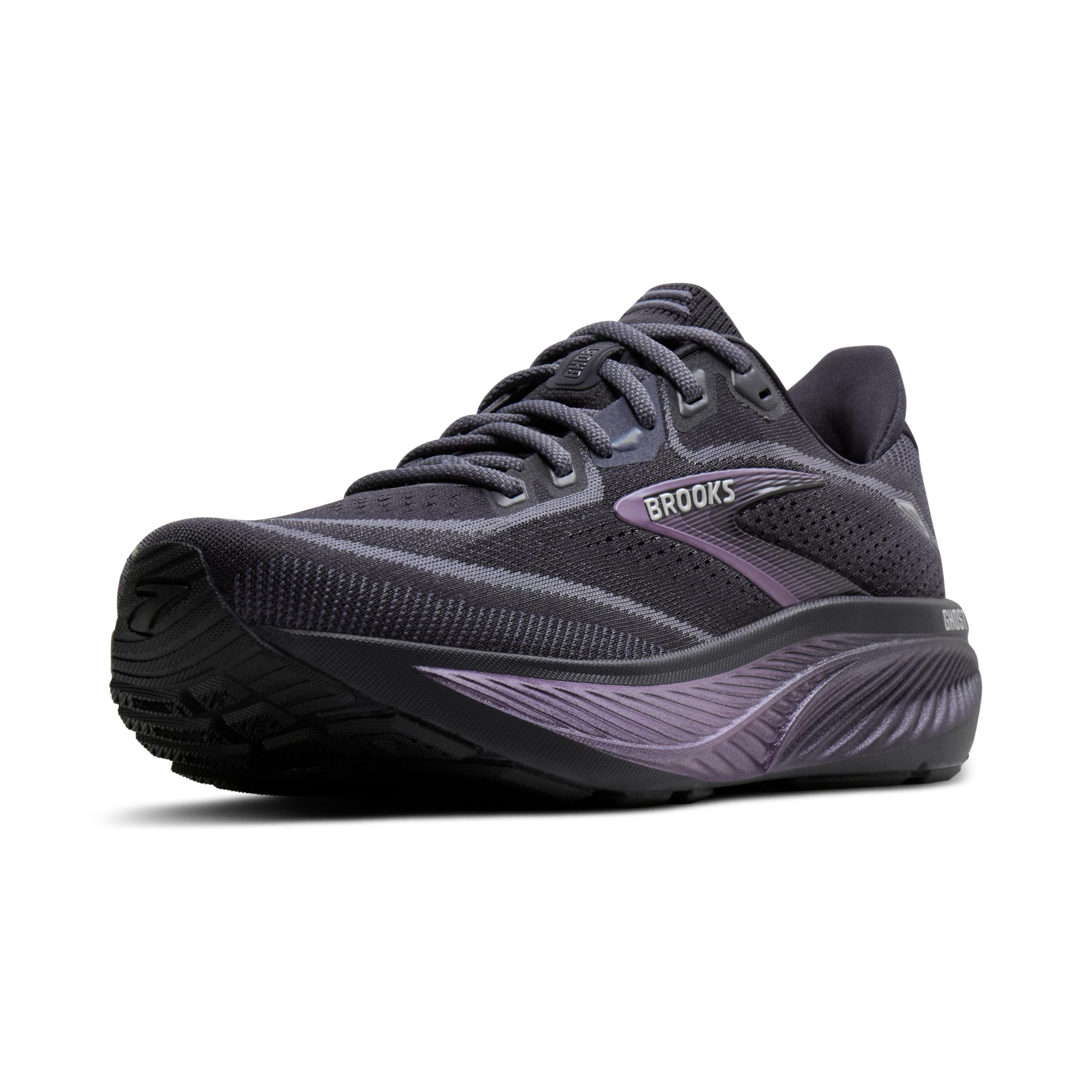
| Brooks Ghost 18Premium Pick | Premium daily walking & recovery | 9.0 oz | 10mm | Built-in midsole support | Amazon |
| Skechers Go Walk Arch Fit 2.0Best Slip-On | Easy slip-on support | — | — | Podiatrist-certified arch support | Amazon |
| RomenSi Arch Support | Severe plantar fasciitis relief | 14.11 oz | — | Removable supportive insole | Amazon |
| Orthotic Fashion Sneakers | All-day comfort & style | 1.1 lbs | — | Removable insole | Amazon |
| New Balance 460 V4 | Budget-friendly walking | 1.5 lbs | — | Built-in midsole support | Amazon |
| Ephiza Plantar Fasciitis | Impact absorption & support | 1.1 lbs | — | Removable orthotic insole | Amazon |
| AOV Arch Support | Standing all day | 1.1 lbs | — | Removable insole | Amazon |
| Skechers Max Cushioning Arch Fit | Maximum cushion & high arches | 1.7 lbs | — | Podiatrist-certified arch support | Amazon |
In‑Depth Reviews
1. Brooks Women’s Trace 4 Neutral Running Shoe
Our pick — over 4.5★ from 800+ verified ratings; the strongest balance of quality and price.
You get a lightweight shoe at 8.1 oz with a roomy toe box and a high 12mm drop that reduces strain on your Achilles (the tendon at the back of your ankle).
The Brooks Trace 4 is a neutral shoe, meaning it is built for runners and walkers who do not need heavy motion control (extra support for overpronation) — but the built-in midsole support still provides a stable, comfortable platform. At 8.1 oz, it is noticeably lighter than the premium Brooks Ghost 18 at 9.0 oz, so it feels nimble on your feet. The 12mm drop (the difference between heel and toe height) is on the higher end, which relieves pressure on the Achilles and makes this an excellent choice for heel-strikers or anyone who stands for long periods. The thing owners rave about is the fit: a wide toe box that does not squish your toes, and a secure heel that keeps your foot in place. One buyer wore them for a three-mile walk right from the start with zero break-in issues — that is a hallmark of a well-designed shoe. The trade-off is the cushioning is described as “standard” (the firmest option in Brooks’ Ghost family lineup), so if you want a super-soft, cloud-like feel, you might prefer the Ghost 18. But for a do-it-all walking and light running shoe, this is a rock-solid pick.
Why It Wins
- Lightweight at 8.1 oz — feels fast and easy all day.
- Generous toe box that prevents toe-cramping, a common complaint with narrower shoes.
- High 12mm drop reduces Achilles strain, great for heel-strikers and standing.
The Trade-Off
- Cushioning is standard, not plush — those wanting a softer landing should look at the Ghost 18.
- Not the best Brooks model for those needing maximum support or a structured arch.
Grab these if: you want a reliable, lightweight walking and running shoe that fits a wide foot and provides good arch support straight from the start.
Think twice if: you need a very soft, plush cushion or a shoe with a structured, motion-control frame.
2. Brooks Women’s Ghost 18 Neutral Running & Walking Shoe
Plush cushioning and a spacious toe box make this the go-to shoe for long walks and recovery, especially if you use custom orthotics.
The Ghost 18 is the next step up from the Trace 4. It uses a “Balanced, soft and dynamic” cushion that owners describe as plush but not mushy. The midsole drop is 10mm — slightly lower than the Trace 4’s 12mm, so it feels a bit more natural underfoot for some people. The real difference is the room: the toe box is even more spacious than the Trace 4, which is a massive win for anyone who wears orthotics. The Ghost 18 is an APMA-accepted shoe (the American Podiatric Medical Association seal of approval), meaning it has been reviewed by a panel of podiatrists and found to promote good foot health. This is the shoe you reach for when your feet are tired, recovering from an injury, or you just need a supremely comfortable ride. A buyer with Haglund’s deformity (a painful bony bump on the heel) found these comfortable for 10,000 to 12,000 steps a day. The one catch is the sole is slightly high and clunky — not the sleekest look, and the outsole tread can wear faster than some competitors.
The Star Features
- APMA-accepted and PDAC A5500 diabetic-shoe approved — serious foot-health credentials.
- Spacious toe box easily accommodates custom orthotics.
- Plush cushioning ideal for recovery and long walks, with no break-in period.
One Thing to Know
- The sole feels high and can look clunky, and some owners mention faster outsole wear.
- Heavier than the Trace 4 at 9.0 oz vs 8.1 oz.
This is your shoe if: you need maximum comfort for long walks, recovery, or daily wear with orthotics, and you don’t mind a slightly heavier feel.
skip it if: you prefer a more lightweight, streamlined shoe or need a lower profile for a dressier occasion.
3. Skechers Women’s Go Walk Arch Fit 2.0 Delara Hands Free Slip-ins
Hands-free slip-on design meets podiatrist-certified arch support for easy everyday wear without bending down.
If lacing up feels like a chore, the Skechers Go Walk Arch Fit 2.0 Delara is your answer. These shoes feature a “Heel Pillow” technology — a padded collar that grips your heel without you having to bend down and tie anything. The arch support is podiatrist-certified, which is a strong third-party endorsement that the support is legit, not just marketing. Owners describe them as “roomy” and “let your feet stretch out,” which is perfect for swollen feet or anyone who wants a relaxed fit. They are vegan-friendly and machine-washable, so maintenance is simple. The main downsides are fit-related: some owners with wide feet find the toe box too narrow (the shoe runs snug in the midfoot), and a few with narrow heels experience slippage. If you are between sizes, size down to prevent the heel from slipping. The cushioning is described as “adequate” for walking but not for running.
The defining moment: “All day work shoe if you’re on your feet. Roomy, let your feet stretch out.” — buyers consistently highlight the ease of slipping them on and off.
The honest limit: This is not an athletic shoe for jogging or gym workouts; it excels for casual wear, standing all day, and light walking.
Perfect for: anyone who wants a supportive slip-on for work, errands, or travel — especially if you have trouble bending over.
Not for: narrow-footed individuals who need a locked-in heel, or anyone planning to run in them.
4. Skechers Womens Max Cushioning Arch Fit Roslyn
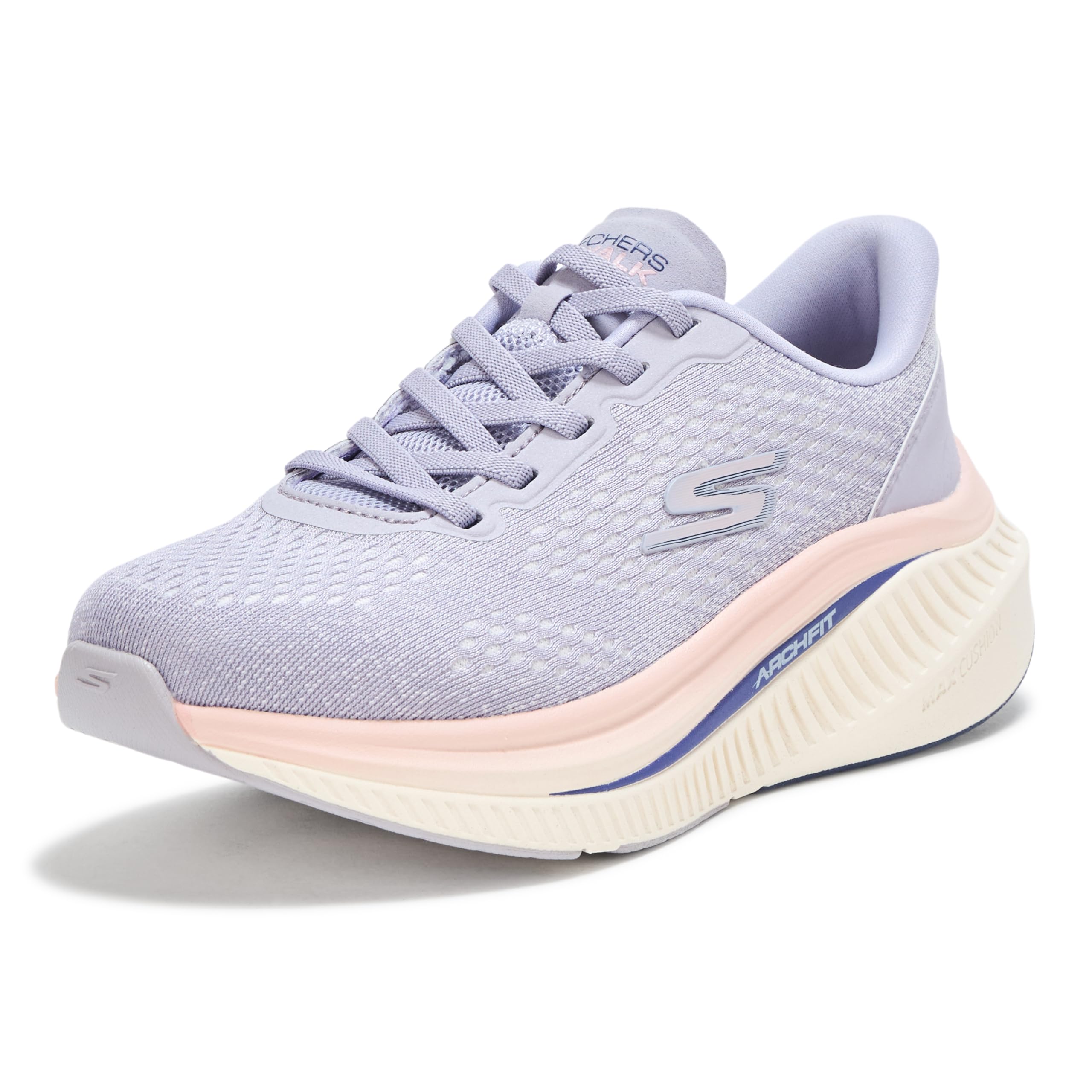
Owners with high arches and bad knees call this shoe a “miracle” for its podiatrist-certified arch support and thick cushion.
This Skechers model takes the Arch Fit platform and adds “Ultra Flight” cushioning and “Hyper Arc” technology (a design that claims to provide a responsive, bouncy feel) for a responsive, bouncy feel. The arch support is once again podiatrist-certified, and owners with high arches consistently call it “phenomenal.” The slip-on design uses bungee laces, so you get the same hands-free convenience as the Go Walk model but with significantly more cushion underfoot. One buyer with bad knees said these are “absolutely the best cushioning, ever” and that they are a “miracle” for knee pain. Another owner noted that the improve heel was recommended by their podiatrist, and the shoe does not irritate Achilles tendinitis. At 1.7 lbs, it is the heaviest shoe in this lineup, and the cushioning is so substantial that it can feel less stable for uneven terrain. The fit runs slightly narrow, so wide feet may find the toe box constricting.
What Owners Love
- Outstanding arch support for high arches, combined with thick, plush cushioning.
- Slip-on with bungee laces is genuinely convenient and secure.
- Podiatrist-certified support that helps with Achilles tendinitis and knee pain.
The Downside
- Heaviest in this list at 1.7 lbs — not ideal for fast walking or running.
- Not suitable for wide feet; the toe box runs narrow.
Choose this for: maximum cushioning and high-arch support — especially if you have knee, Achilles, or general foot pain and need a comfortable all-day shoe.
Look elsewhere if: you have wide feet or prefer a lightweight, streamlined shoe for exercise.
5. RomenSi Women’s Arch Support Walking Shoes Orthotic Plantar Fasciitis
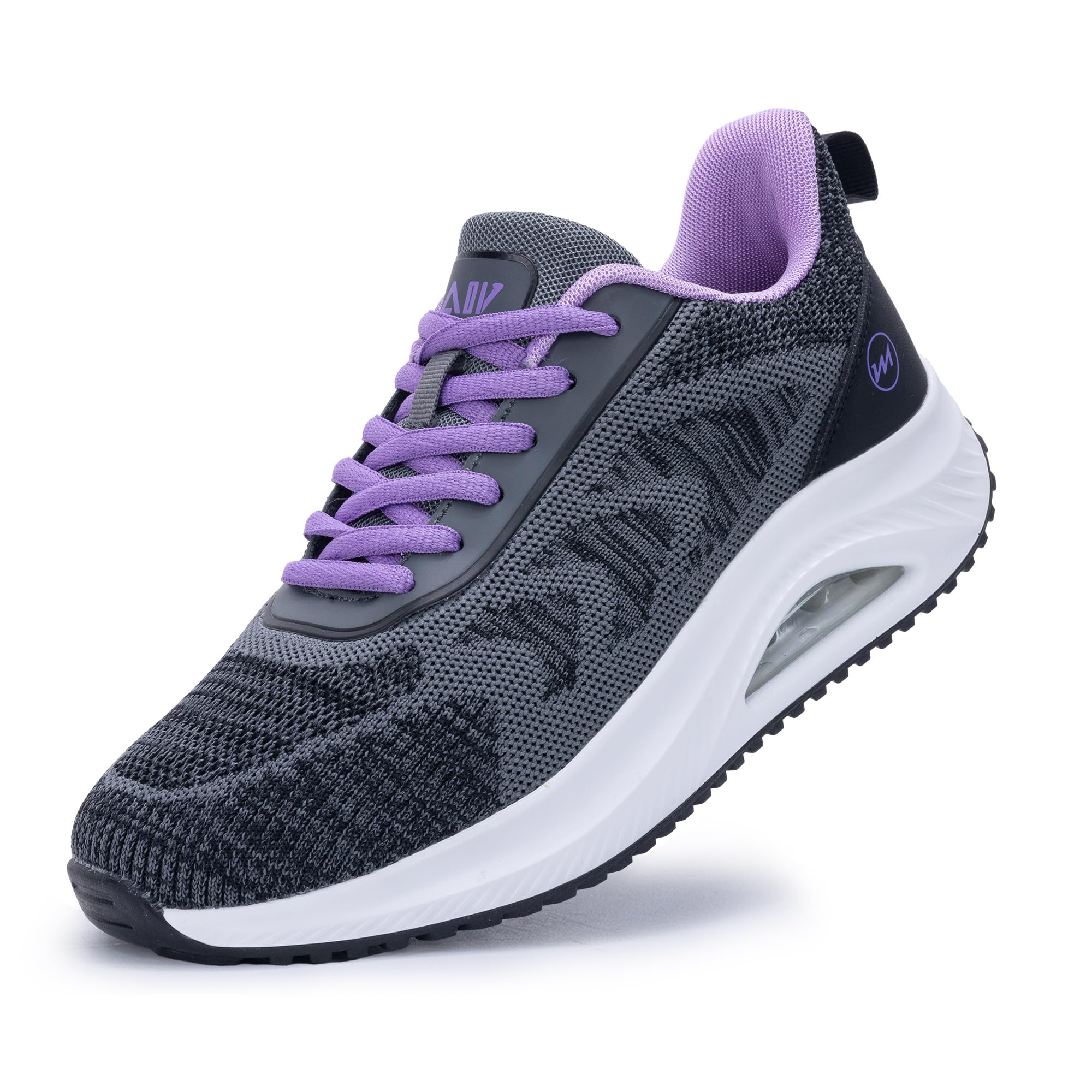
Purpose-built for plantar fasciitis — one buyer reports that a daughter with severe plantar fasciitis (four physical therapy sessions a week) finds these the only shoes that help.
The RomenSi is a value-driven shoe that punches well above its price in support. The key feature is a supportive, removable insole, which is exactly what you need if you want to swap the stock support for custom orthotics. The Amazon summary notes it is designed for “women who walk frequently, stand for long periods, or experience mild foot discomfort,” but the reviews tell a stronger story. One buyer shared that their daughter with severe plantar fasciitis (four physical therapy sessions a week) finds these shoes help her pain — a powerful endorsement. The shoe is built with a slip-resistant outsole, which adds safety on slick floors. However, the insole can separate from the shoe over time — a few owners note the liner comes out after regular use, which is the main durability gripe. At 14.11 oz they are not the lightest shoe, but they are lighter than the Skechers Max Cushioning at 1.7 lbs.
What wins people over: the comfort and support are immediate — no break-in period — and the price is significantly lower than premium brands like Brooks.
The recurring gripe: the insole can shift or detach after a few months, so plan to either glue it in place or replace it with a high-quality orthotic.
Reach for these if: you need serious plantar fasciitis relief on a budget and want a shoe that works well with custom orthotics.
Consider alternatives if: you want a shoe with a single-piece, durable insole that won’t ever shift or require replacement.
6. Womens Walking Shoes Arch Support Sneakers US 5.5-11 | Orthotic Fashion Sneakers Tennis Shoes for Plantar Fasciitis Pain Relief
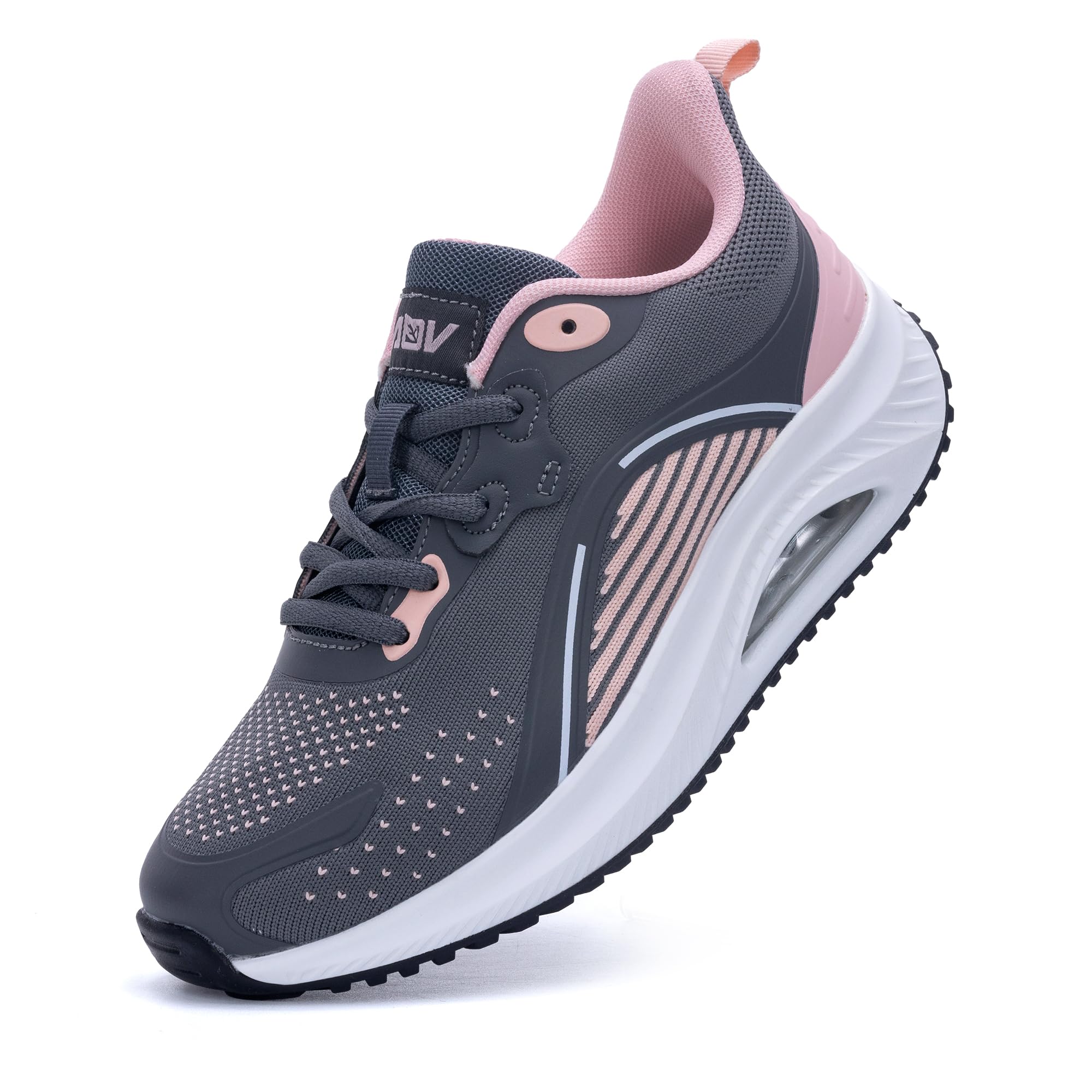
A lightweight sneaker at 1.1 lbs that looks good with jeans and still delivers arch support — buyers report wearing them all day at Disneyland without foot pain.
This shoe is 1.1 lbs — lighter than the RomenSi shoe at 14.11 oz and significantly lighter than the Skechers Max Cushioning at 1.7 lbs. The difference is noticeable when you wear them; they feel less like a clinic shoe and more like a casual everyday sneaker. Owners mention wearing them all day at Disneyland without foot pain, which is a great real-world test. The arch support comes from a removable insole, so you can slip in your preferred orthotics. The cushioning is a point of debate: some owners find the sole too hard and not pillowy-soft, while others appreciate the firm support. The fit runs slightly wide, which is a plus for many, but a few with narrow feet found the ankle area too loose and unsupportive. Overall, this is the best-looking shoe in the lineup that still takes foot support seriously.
Best for Daily Wear
- Lightweight at 1.1 lbs — easy to pack and comfortable for all-day wear.
- Stylish design that works with casual outfits, unlike clunkier orthopedic shoes.
- True to size and offers good arch support, especially for plantar fasciitis.
The Catch
- Cushioning is firmer than expected — not a soft, plush ride.
- Loose ankle fit may not work for narrow feet or those needing extra ankle support.
Buy this for: a lightweight, good-looking everyday sneaker that handles plantar fasciitis and long days on your feet — especially if you add your own orthotic for a custom fit.
Pass if: you need a plush, soft cushion or have very narrow feet that slide around in the heel.
7. AOV Women’s Arch Support Walking Shoes Orthotic Tennis Sneakers
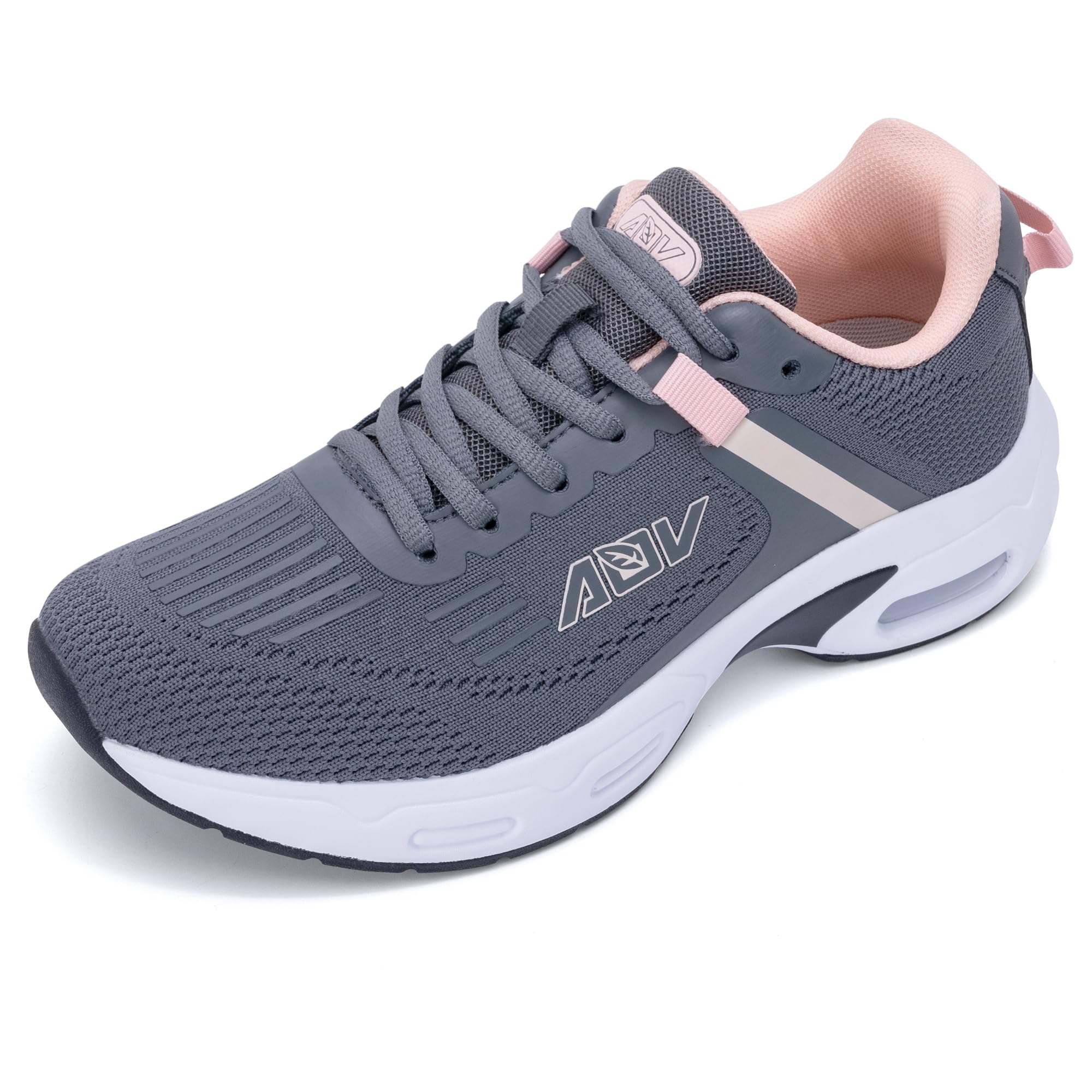
Excellent for wide feet with deep heel cups and a spacious interior — designed for all-day standing professions like teaching or nursing.
The AOV shoe is specifically marketed toward people who stand all day: teachers, nurses, cashiers, servers, hairdressers. It features a removable insole with a deep heel cup and a wide toe box, making it orthotic-friendly. At 1.1 lbs, it is just as light as the Orthotic Fashion Sneaker above. The arch support is described as “high” by owners, which is a boon for people with high arches who often struggle to find enough support in standard shoes. The breathable mesh upper is good for warm environments. However, the arch support approach is unusual: the shoe comes with adhesive arch pads (stickers) that you place yourself, not a pre-molded insole. This means you can customize the position, but some owners find the pads ineffective or that they fall off. The fit can also be inconsistent — a size 9 reportedly fits like an 11 for some buyers.
What owners praise most: the comfort and wide toe area — “excellent for wide feet, immediate comfort, prevents foot soreness during long standing/walking.”
The honest trade-off: the adhesive arch pads are a cost-saving measure; if you need real, fixed arch support, plan to swap them out for a quality orthotic insole from the start.
Ideal for: wide-footed individuals who need a lightweight, breathable shoe for standing all day and plan to add their own custom orthotics.
Not your best bet if: you want a shoe with a single, solid, pre-molded arch support that works perfectly from the start.
8. Women’s Plantar Fasciitis Orthotic Walking Shoes Arch Support Sneakers (Ephiza)
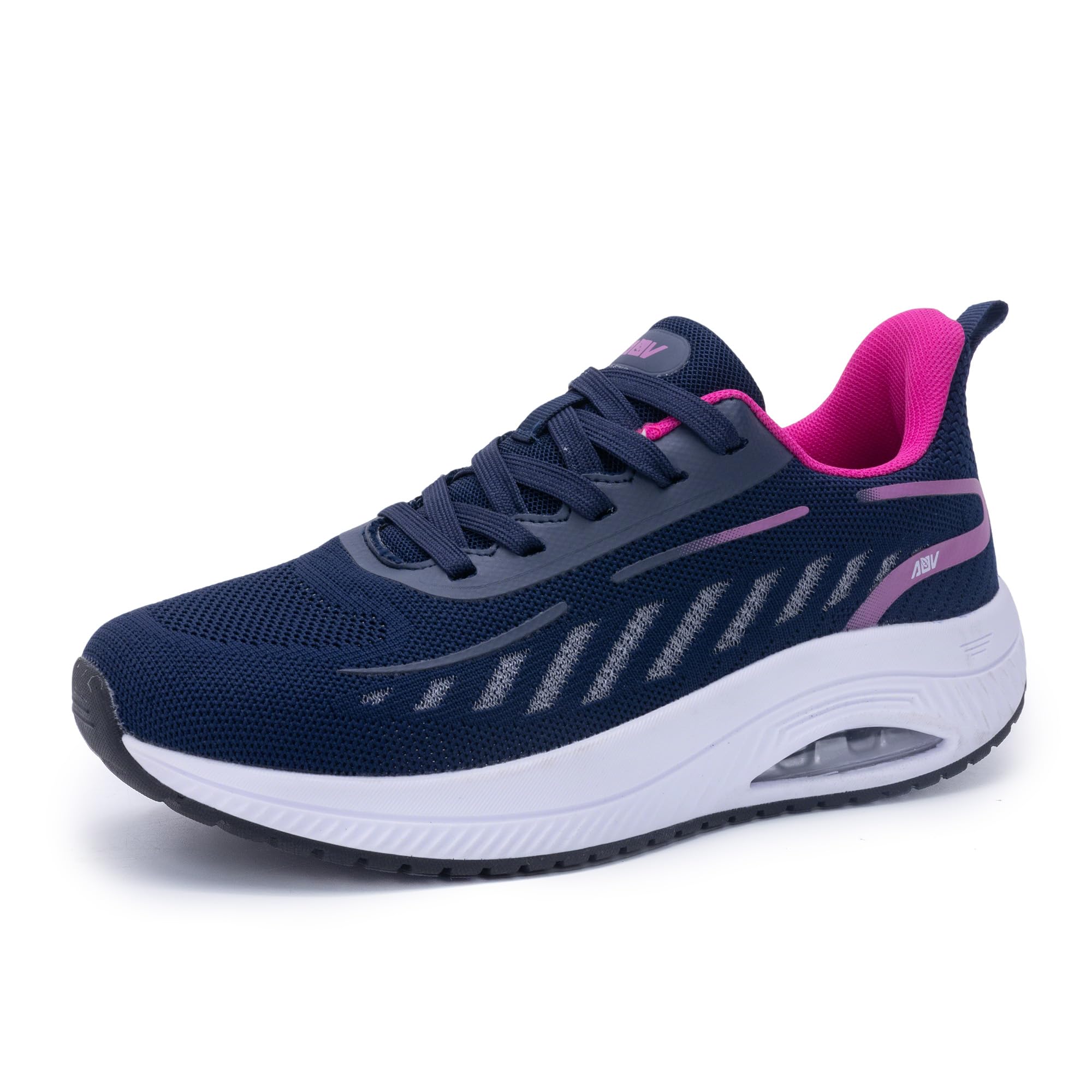
Memory foam arch support that one owner says “eliminated all back and foot pain” during daily walks — but sizing is a gamble.
The Ephiza shoe uses a removable orthotic insole with memory foam, which can absorb impact and relieve foot pressure. The shoe is designed for people with flat feet, plantar fasciitis, and general foot pain. The insole is what does the work — it provides a structured arch that supports the foot’s natural shape. The outsole has a textured pattern for reliable grip on various surfaces. Owners who sized up 1.5 sizes (because the shoe runs very small) found the arch support excellent. Several customers note it significantly reduced heel pain from plantar fasciitis and heel spurs (bony growths on the heel bone) and was more comfortable than Nike Air Max. A chiropractor even approved them for their own wife. The catch is sizing is wildly inconsistent — some run huge, some run tiny — and a few owners found the shoe caused more pain than before. The build quality feels entry-level, with the materials not as luxurious as the Brooks or Skechers options.
Standout Benefit
- Memory foam insole provides excellent arch support and impact absorption for plantar fasciitis relief.
- Very lightweight at 1.1 lbs and slip-resistant outsole.
- Multiple reviewers point out immediate pain relief with no break-in period.
Heads-Up
- Sizing is a gamble — some say run very small (size up 1.5), others say run larger.
- Not the most durable shoe; materials feel budget-tier compared to premium brands.
Try this if: you are on a tight budget and need a lightweight, supportive shoe for plantar fasciitis — but be prepared to order two sizes and return one.
pass on it if: consistent sizing and premium materials are non-negotiable for you.
9. New Balance Women’s 460 V4
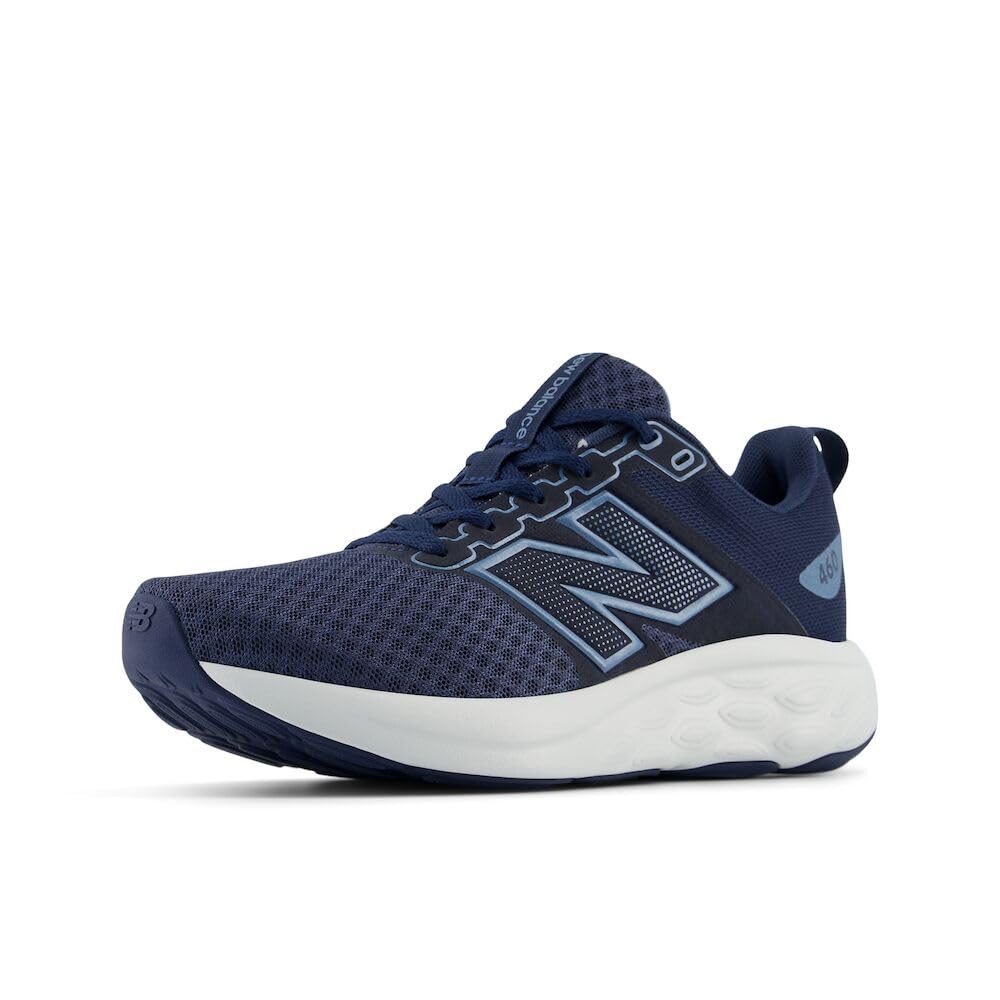
A budget-friendly New Balance that delivers surprising support for daily walks — owners say it is “very comfortable, sturdy and stable” even after a 13-hour shift.
The New Balance 460 V4 is the heaviest budget shoe at 1.5 lbs, but owners consistently say the arch support is present and the shoe is “very comfortable, sturdy and stable.” It is built around a lightweight EVA foam midsole (ethylene-vinyl acetate — the same kind of foam used in many running shoes) that provides a cushioned but supportive ride. The shoe runs narrow, so many buyers recommend going up half a size. If you have a wide foot, the standard width may feel tight in the toe box. Owners who bought the wide-width version (if available) report a much better fit. The main durability issue is the outsole tread — one owner noted the tread wore down while the upper was still in great shape. This is a solid entry-level option for someone who wants a trusted brand like New Balance at a lower price, but it is not the best choice for severe foot conditions like plantar fasciitis. At 1.5 lbs versus the Orthotic Fashion Sneaker at 1.1 lbs, the difference in weight is noticeable if you compare them side-by-side.
The owners’ take: “Worn from 4 am to 530 pm. Didn’t hurt my feet. Will def buy again.” — a strong recommendation for all-day wear.
The honest limit: the narrow fit is the most common complaint; if you have medium to wide feet, order a half-size up or look for a different model.
Best for: budget-conscious buyers who need a comfortable, supportive shoe for daily activity and have narrow-to-average width feet.
Not for: wide feet, severe plantar fasciitis, or those who want a premium, durable outsole that lasts for years.
Understanding the Specs
Midsole Drop
The “drop” is the measurement in millimeters of the difference in height between the heel and the toe of the shoe. A higher drop (like 12mm on the Brooks Trace 4) puts more cushion under the heel, which is common for walking and running shoes. It shifts the impact of each step to the heel, which can reduce strain on the Achilles tendon (the cord at the back of the ankle) and calf muscles. A lower drop (like 6mm or 8mm) forces a more natural, midfoot strike, which some runners prefer. For walking and standing, a drop between 8mm and 12mm is a comfortable balance for most people.
Removable Insole
A “removable insole” means the foam liner inside the shoe can be taken out. This is critical if you need custom orthotics (prescribed shoe inserts) — you simply pull out the stock insole and place your prescribed orthotic in the shoe. Shoes without a removable insole have the footbed glued or molded in place, making it impossible to swap in your own support. If you use orthotics, look for this feature. If you don’t, a good built-in support (like in the Brooks Trace 4) can be just as effective.
FAQ
Can I wear arch support shoes if I don’t have foot pain?
How do I know if I need high arch support or low arch support?
Will arch support shoes help with plantar fasciitis?
Can I replace the insole in any of these shoes with my own orthotic?
Do I need to buy a half size up for arch support shoes?
What is the difference between “neutral” and “stability” shoes?
How long do arch support shoes typically last?
Are slip-on shoes with arch support as effective as lace-up shoes?
Can I wear arch support shoes for standing all day at work?
Do I need to break in arch support shoes?
Final Thoughts: The Verdict
If you want one dependable pick, the