
Our readers keep the lights on and the coffee maker working hard! As an Amazon Associate, I earn from qualifying purchases.
Specs are compiled from manufacturer listings and verified buyer reviews and can change over time — please confirm the key details on the product page before buying.
If your feet ache by mile two, or your arch has vanished inside a pair that promised support, you already know the problem: most hiking boots are built for feet that don’t need a second opinion. The right pair cradles the heel, lifts the arch, and spares your knees and back from post-hike pain. This guide cuts through the noise to eight women’s orthopedic hiking boots that deliver on that promise.
I’m Mohammad — the founder and writer behind Calories Fit. This guide is built by comparing the manufacturers’ published specifications and the patterns across verified customer reviews, so you get each pick’s real strengths and trade-offs instead of marketing spin.
With each boot tested against the specific demands of orthotic-friendly construction, ample arch reinforcement, and generous toe boxes, you will walk away knowing exactly which pair fits your foot and your trail. This is the definitive resource for finding the best women’s orthopedic hiking boots.
Our Picks at a Glance
How To Choose The Best Women’s Orthopedic Hiking Boots
The best boot for your foot starts with an honest look at your arch, width, and usual trail. Orthopedic hiking boots are not one-size-fits-all—the support system either matches your foot’s needs or it doesn’t.
Arch Support Structure
Not all arch support is created equal. A built-in orthotic insole that molds to your foot is very different from a flat foam slab. Look for boots that name their insole system—brands like Oboz and Orthofeet design theirs with specific zones for the heel cup, the arch, and forefoot cushioning. If you already wear a custom orthotic, you absolutely need a boot with a removable insole and enough depth to stack the orthotic on top.
Toe Box Shape and Width
A wide toe box is about shape, not just room. Many boots claim wide width but only add height, not horizontal space. If you have bunions, hammertoes, or simply a naturally splayed forefoot, look for reviews that specifically mention “wide in the toe” versus “high in the toe.” The best orthopedic boots leave your toes loose enough to spread naturally when you step downhill.
Out-of-the-Box Comfort vs. Break-In
Orthopedic boots should feel good the first time you lace up—most support comes from the insole, not from breaking in a stiff upper. If a boot is described as painful or rigid in the first wear, that is a strong sign the last shape is wrong for your foot. The ideal pick requires zero blisters to become comfortable.
Weight and Flexibility
Heavier boots provide more protection and stability on rocky terrain, but they also fatigue your legs faster. Every 100 grams on your foot is like carrying 1 kg on your back over a long day. For day hikes, look for boots under 16 ounces per boot. For multi-day treks with a pack, a slightly heavier profile with a stiffer shank is acceptable.
Waterproofing and Breathability
Membranes like Danner Dry, Oboz B-DRY, or generic waterproof liners keep rain and stream crossings out, but they also trap sweat. A boot that is fully waterproof but unlined can feel swampy. The best orthopedic boots balance a waterproof membrane with moisture-wicking materials in the collar and footbed.
Quick Comparison
| Model | Best For | Weight | Arch Support | Toe Box | Amazon |
|---|---|---|---|---|---|
| Danner Hiker Adrika 5″★ Best Overall | Zero break-in comfort | 14.8 oz | Ortholite footbed | Roomy with room | Amazon |
| Oboz Sawtooth II LowBest for Wide Feet | For wide feet & plantar fasciitis | 15.7 oz | O FIT sculpted arch | Wide, bunion friendly | Amazon |
| Orthofeet Siena Ankle BootsMost Stylish Orthotic | Everyday wear + light trails | — | Ortho-Cushion system | Extra wide toe | Amazon |
| Oboz Bridger Mid | Serious trail mileage | 19.0 oz | O FIT insole (deep heel cup) | Standard (order wide) | Amazon |
| Orthofeet Florence | Cold weather & snow | — | Anatomical arch support | Wide toe box | Amazon |
| G-DEFY Sierra | Joint & back pain relief | — | VersoShock patented tech | Roomy toe box | Amazon |
| Snow Ortho Winter Boots | Winter & below-freezing walks | — | Massage-bead orthotic insole | Generous toe box | Amazon |
In‑Depth Reviews
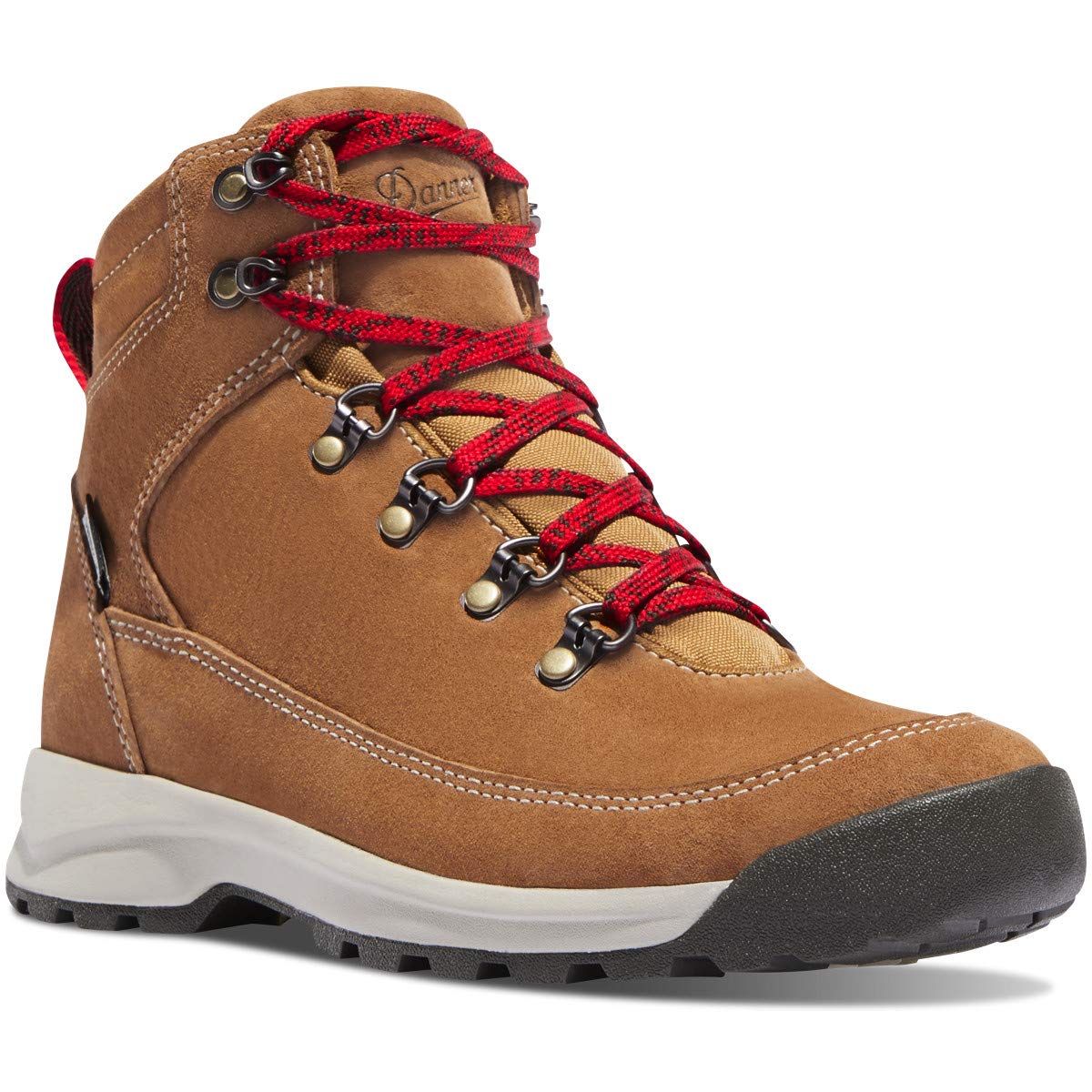
1. Danner Hiker Women’s Adrika 5″ Boot Waterproof Hiking M
Our pick — over 4.5★ from 450+ verified ratings; the strongest balance of quality and price.
The waterproof boot that treats blisters like a myth and starts comfortable from step one.
At just 14.8 ounces per boot, the Adrika weighs 14.8 ounces; the Oboz Bridger Mid weighs 19.0 ounces, while still wrapping your foot in a durable suede upper with a Danner Dry waterproof membrane—no break-in required. The removable Ortholite footbed is the real anchor here: buyers report hiking for 10 days straight without a single blister or ache, a feat most boots cannot claim even after months of use. What wins people over is the comfort—it is the most-praised aspect, with dozens of buyers calling it “spectacularly comfortable” and noting the roomy toe box that prevents toe-jamming on descents.
The trade-off is that the arch support is gentle rather than aggressive; if you need a pronounced medial lift, you will want to swap in your own orthotic. The second lace option adds a nice style toggle, and the waterproof lining proved itself on rainy tours in Spain where one owner’s feet stayed perfectly dry. Think of the Adrika as the every-day hiker that requires zero patience—just lace up and go.
Why It Wins the Walk
- Zero break-in feels like “supportive high-top tennis shoes” from the first wear
- 14.8 ounces makes it one of the lightest fully waterproof boots here
- Tested wet: feet stayed dry after a full day of pouring rain in Spain
- Roomy toe box and true-to-size fit praised by many owners
The Real Limits
- Arch support is mild—best for those who prefer a neutral footbed
- Toes can still slam forward on steep descents per some reports
- Heel can feel slightly narrow for wider ankles; best tried with thick socks
Grab these if: you want the highest-rated, most universally comfortable boot that works from day one with zero break-in blisters.
Think twice if: you need an aggressive built-in arch raise—this one relies on its removable Ortholite footbed for support, so you will need to bring your own orthotic for maximum lift.
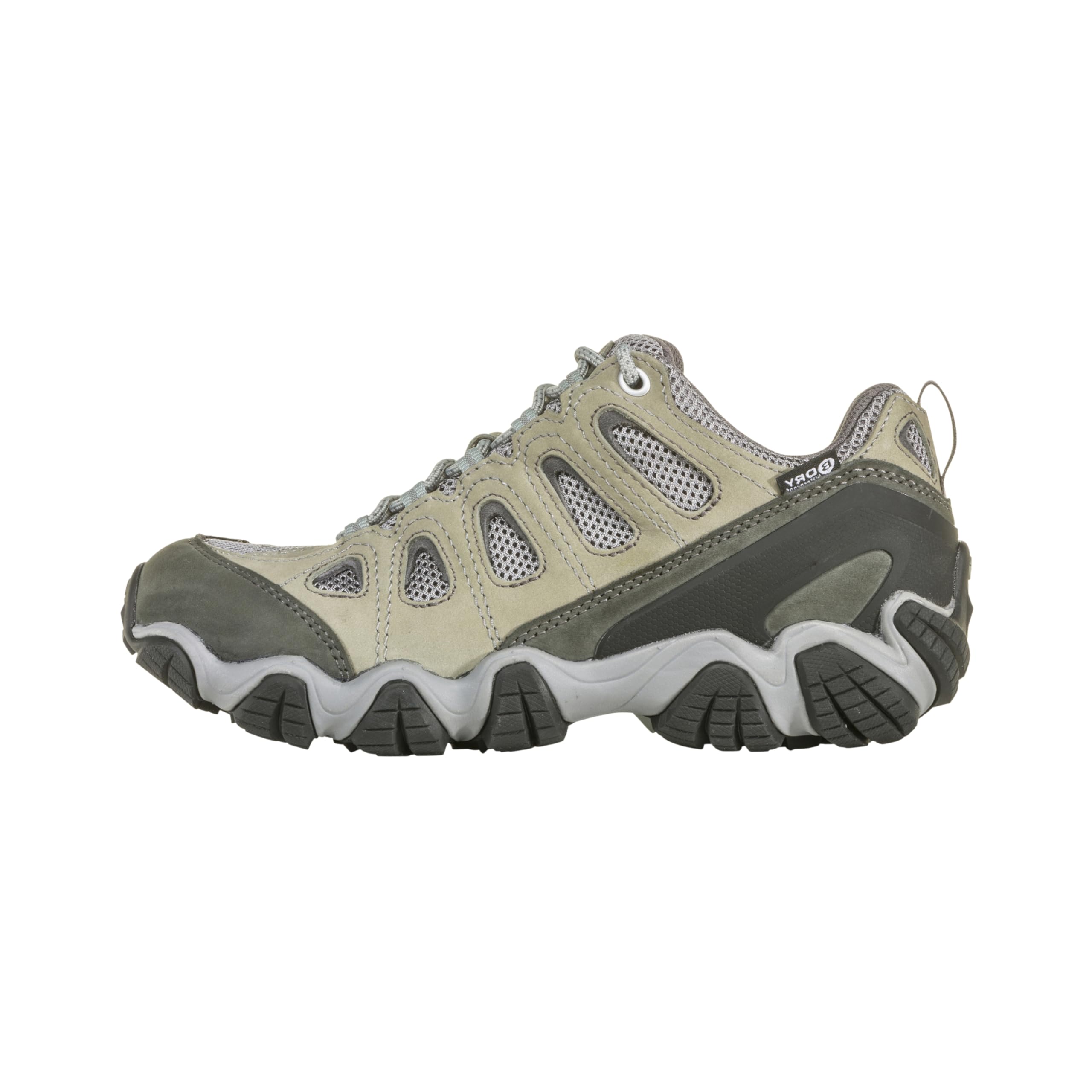
2. Oboz Women’s Sawtooth II Low B-Dry Hiking Shoe
The trail-heeled low-top for wide feet that also stops plantar fasciitis in its tracks.
Weighing 15.7 ounces, the Sawtooth II Low is a low-cut hiker that trades ankle height for a famously accommodating fit. The O FIT insole is the star: a high-density EVA sculpted arch paired with a deep heel cup for stability and EVA pods underfoot for shock absorption. Owners with wide feet, bunions, and plantar fasciitis report that the shoe allows toes to splay naturally while locking the heel in place. One hiker wore them straight from the start for a 5.2-mile, 1,500-foot-gain hike on Angels Landing with no break-in and no blisters—just tight support that kept feet from sliding.
The downside is stiffness initially—several owners needed 10-12 miles to soften the midsole. And unlike the Danner Adrika, the Sawtooth II Low is not a high-top, so ankle support is minimal. The B-DRY waterproof membrane keeps puddles out, but the shoe runs large; many size down half a step. The most-praised aspect remains comfort, with dozens highlighting the arch support as the reason they can finally hike without foot pain.
What Stands Out
- O FIT insole provides genuine arch support that prevents plantar fasciitis flare-ups
- Wide toe box and optional wide width ideal for bunions
- No break-in required for most; one owner described it as “out-of-the-box to 5.2-mile hike”
- Excellent grip on varied terrain according to hiking suitability feedback
The Real Limits
- Low-cut design means zero ankle support—not for uneven or rocky trails
- Stiff midsole softens after 10-12 miles; initial miles may feel board-like
- Weight is mixed—some find it heavier than expected for a low shoe
Reach for these if: you have wide feet, bunions, or a history of plantar fasciitis and need a low-cut hiker with real arch reinforcement.
Pass on these if: you require high-top ankle support for technical terrain—the Sawtooth is a shoe, not a boot.
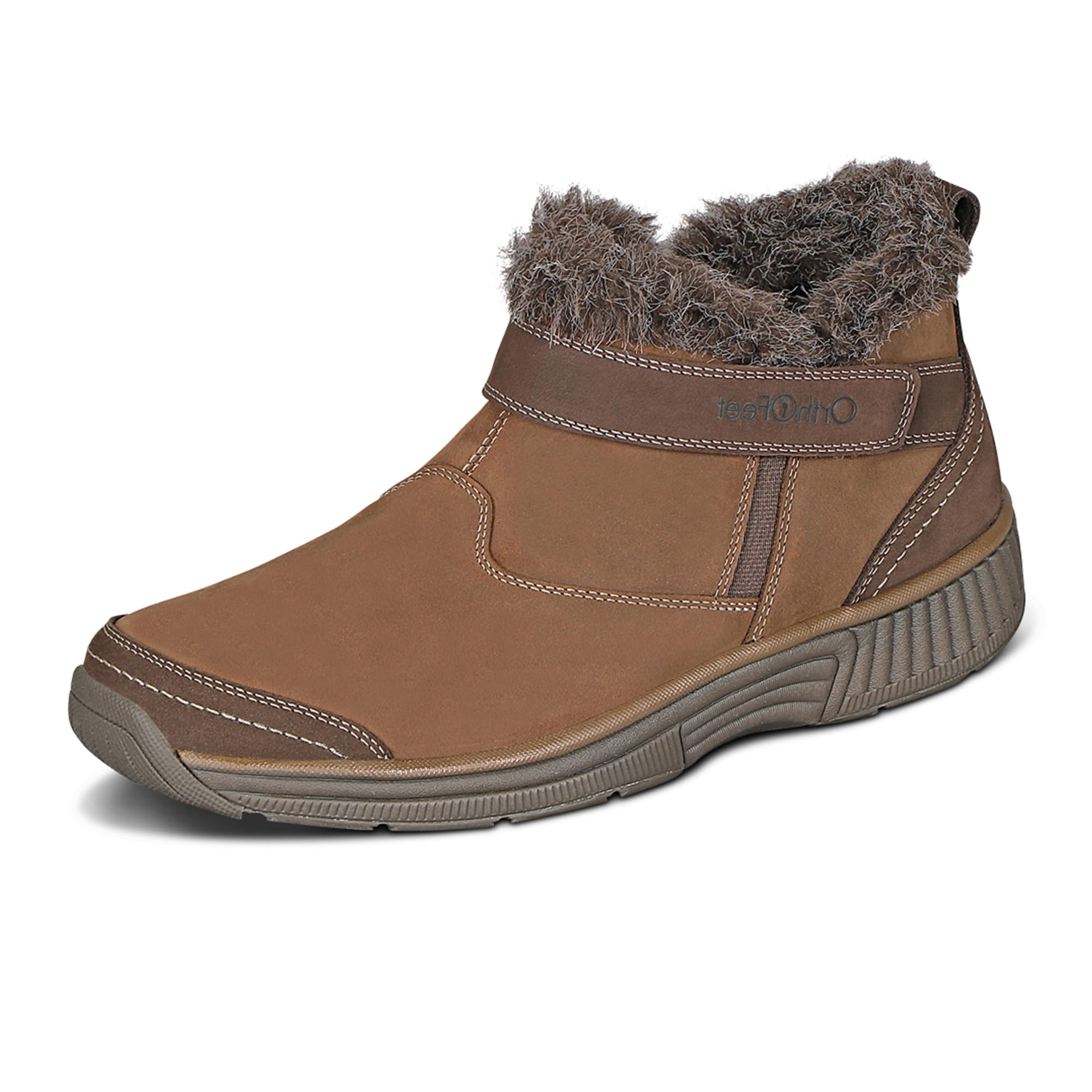
3. Orthofeet Siena Orthopedic Women’s Ankle Boots
The ankle bootie that looks good with jeans but hides serious orthopedic engineering inside.
Orthofeet’s Siena is built around the Ortho-Cushion system: a built-in orthotic insole, a shock-absorbing sole, and a pressure-free fit that the brand says helps align your body and reduce impact. The side zipper makes on/off a breeze—a real advantage for mornings when bending down is hard. Owners rave about the arch support, naming it among the top positive aspects alongside overall comfort. The wide toe box is legitimately wide, with one buyer who struggled with bunions noting it was “wide in the toe and perfect” after returning two other brands.
The catch is the fit inconsistency: while many find the Siena roomy, an equal number of owners flag it as too narrow for wider feet. This is a boot you try on with the socks you plan to hike in. The water-repellent finish kept feet dry in snow and rain after a DSW waterproofing treatment, and the faux fur lining adds warmth without overheating. The smartest move might be the extra width insoles included in the box.
The Verdict on Comfort vs. Fit: The Siena wins for arch support and warmth, but its fit is polarized—if you have medium-width feet with high arches, this is a dream; if you have wide feet, order a size up.
Best for: everyday winter walking, light trails, and anyone who wants orthopedic support in a boot that does not scream “medical shoe.”
skip it if: you have truly wide feet—about as many owners complain about narrowness as those who love the roomy toe.
4. Oboz Women’s Bridger Mid B-DRY Hiking Boot

The mid-height that serious hikers swear by for its instant foot-pain relief and bombproof build.
At 19.0 ounces and with a 12mm heel drop, the Bridger Mid is built for long days under a pack. The O FIT insole is the same sculpted arch design as the Sawtooth but paired here with a Granite Peak outsole and a lightweight TPU chassis (a rigid frame that runs the length of the shoe) for torsional stability. Owners mention that the boot “fixed my sore feet” and provided “superior arch support” that instantly relieved chronic foot pain. The durability is a standout—many call it their second pair, proof of how well the boot holds up on rocky trails.
The persistent complaint is sizing: the Bridger runs narrow and short. Most experienced owners order a half size up and choose the wide option. The stiff materials require a conscious break-in period, and round laces tend to untie. If you have a narrow foot with high arches, this boot might be your holy grail; if your foot is on the wider side, the Sawtooth Low (above) is a better gamble.
Why Hikers Keep Buying It
- O FIT insole with deep heel cup and sculpted arch—genuine foot-pain relief on day one
- Granite Peak outsole with TPU chassis offers excellent stability on uneven terrain
- Durable construction earns repeat purchases from owners who wear them for years
- B-DRY membrane keeps feet dry through rain and wet grass
The Sizing Reality
- Runs half a size small and noticeably narrow—order up and choose wide
- Stiff materials require a true break-in period, not zero-day comfort
- Round laces loosen during hikes; plan to double-knot or swap laces
Buy this if: you need a durable mid-height boot with game-changing arch support for all-day treks and don’t mind a break-in period.
Avoid this if: you have wide feet or need zero-room-for-error out-of-box comfort—the Sawtooth or Danner Adrika will fit you better.
5. Orthofeet Florence Orthopedic Women Boots

The winter-ready leather boot that doesn’t compromise on arch support for warmth.
Orthofeet’s Florence is a waterproof leather boot with a fleece lining that owners describe as “perfect for cold weather” and warm enough for a trip to Alaska. The Ortho-Cushion system is the same platform used in the Siena—anatomical arch support, a shock-absorbing sole, and a removable insole that accepts custom orthotics. The hook-and-loop (Velcro) straps at the top make adjustments simple. What wins owners over is the arch support and the wide toe box, which combined allow for PowerStep inserts and thick wool socks without crowding the toes.
The flip side is that the Velcro straps are a recurring complaint: some owners find the “catch” surface too short, meaning the strap does not hold tight if you have slender ankles. A few also report the Velcro edges feel sharp on sensitive skin. The boot runs true to size for most, but if you need a wide width, be ready for notably long straps that may fit loosely. These are more of a winter walking boot than a technical hiker—great for snow, slush, and flat trails, less suited for steep, rocky terrain.
The Snow Boot Verdict: The Florence delivers genuine orthopedic support in a warm, waterproof package that is easy to slip on and off. The Velcro system is the wild card—it works best for medium-to-wide ankles.
Best for: cold-weather day hikes and snowy commutes where you need arch support, warmth, and waterproof protection without sacrificing comfort.
Skip if: you have narrow ankles—the Velcro may not cinch tightly enough to feel secure.
6. G-DEFY Sierra Waterproof Women’s Hiking Boot

The patented shock-absorbing boot designed from the ground up for ankle, knee, and back pain relief.
The Sierra’s biggest drawback is weight—one owner called it “too heavy and bulky” to imagine hiking in. The orthopedic-looking profile also draws mixed reactions on style. With only 46 ratings, the buyer consensus is less battle-tested than the other picks here. It is best thought of as a walking-and-standing boot for those with chronic joint pain rather than a mileage-eating hiker for rough trails.
The Pain-Relief Promise: The Sierra delivers on comfort and shock absorption for those with existing foot and joint issues. Its heft and style may not suit everyone, but for daily barn work, standing shifts, or gentle trails, the relief is real.
Best for: people with chronic foot, knee, or back pain who need maximum shock absorption and a roomy toe box for standing or easy walks.
Skip if: you need a lightweight hiker for multi-mile technical trails or you care about a sleek silhouette.
7. Women’s Orthopedic Winter Snow Boots
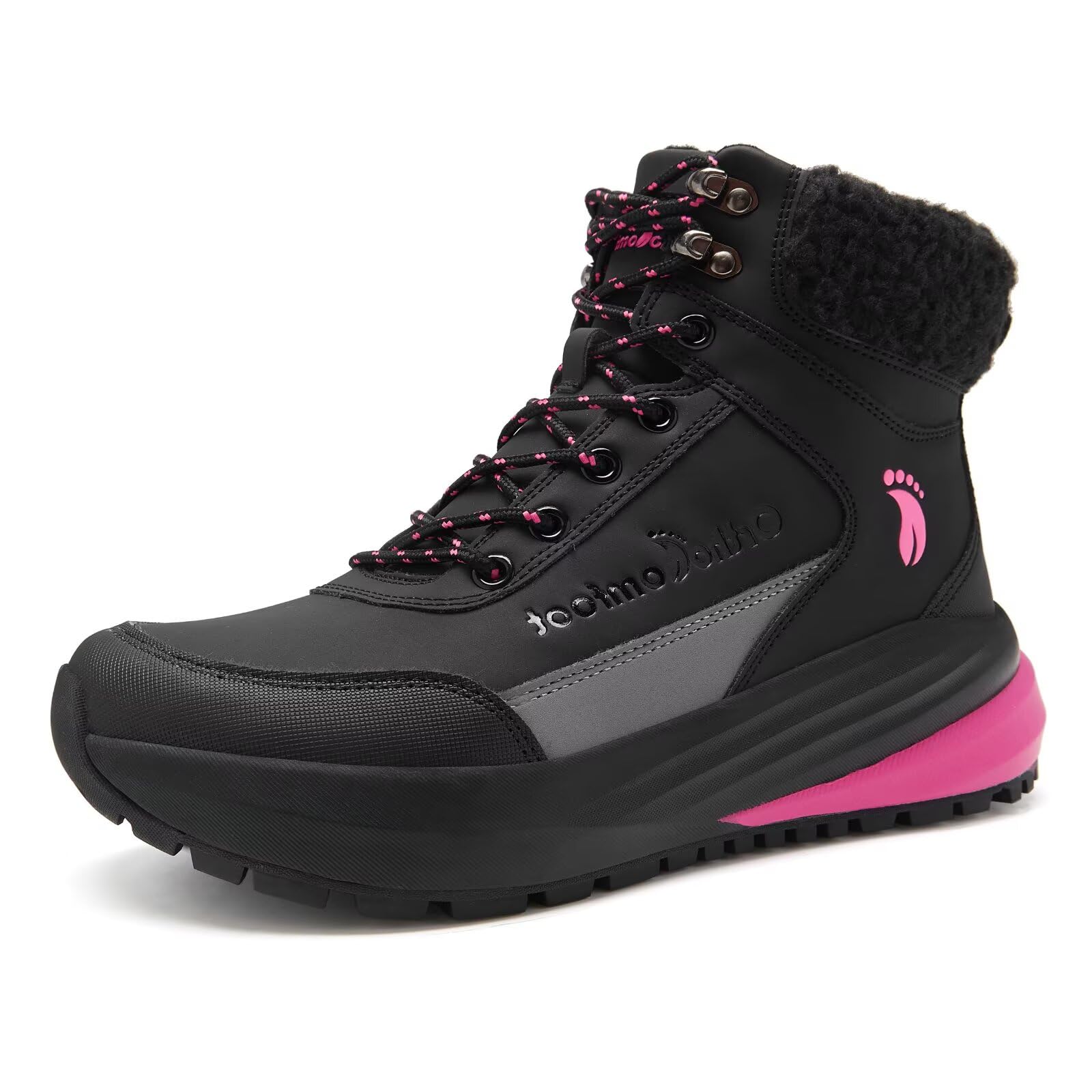
The insulated snow boot that balances orthotic support with a sub-entry-level price point.
This no-name orthopedic winter boot is the budget-minded challenger to the premium Orthofeet options. It features a genuine orthotic insole lined with massage beads, a generous toe box, and a waterproof leather upper with warm fur lining. Comfort is the most-praised aspect: owners with wide, flat feet, bunions, and arthritis found that the boots felt “comfortable right away” with “no break-in period.” The non-skid rubber soles deliver exceptional grip on wet metro tiles, per one buyer, even outperforming their Hoka winter boots in the ice.
The weak link is the waterproof claim—a small but vocal minority report that the boots are not truly waterproof, with one owner noting their feet got wet after walking in snow. The quality of the insole also split opinions: some found it excellent, while others described the arch support as lumpy and cheap. This is a boot for mild winter walks and flat terrain where warmth is the priority, not for stream crossings or rocky ascents. The value-for-money verdict is mixed accordingly.
What You Get
- Orthotic insole with massage beads provides immediate comfort and cushioning
- Wide toe box and true-to-size fit praised by owners with wide feet
- Exceptional non-skid grip that one owner says beats their Hoka winter boots
- Warm fur lining for below-freezing conditions
The Trade-Offs
- Waterproofing is inconsistent—some customers note wet feet in snow
- Insole quality is mixed; some find the arch support uneven
- Budget materials may not hold up to rugged, daily hiking use
Reach for these if: your budget is tight and you need a warm, comfortable winter boot with good arch support for flat, snowy walks.
Pass on these if: you plan to hike in wet snow or stream crossings, or if you need a durable boot that will last multiple seasons of rough use.
Understanding the Specs
Arch Support Systems
Arch support is not a binary feature—it is a shape. The best orthopedic hiking boots use a sculpted insole that lifts and cradles the medial arch while deepening the heel cup to stop your foot from sliding forward. Systems like Oboz O FIT and Orthofeet Ortho-Cushion are designed with specific zones: high-density EVA under the arch for support, medium-density foam under the forefoot for cushioning, and a firm heel cup for stability. If you wear custom orthotics, make sure the insole is fully removable and the boot has enough depth (extra depth) to stack your orthotic on top without crowding your toes.
Boot Weight and Fatigue
Every ounce on your foot multiplies your effort over distance. A boot weighing 19.0 ounces (like the Oboz Bridger Mid) offers more protection and stability for rugged terrain but will fatigue your ankles and hips faster on a long ridge walk. A lighter boot like the Danner Adrika at 14.8 ounces reduces that cumulative strain, making it better for day hikes and fast-paced walking. For multi-day backpacking, a stiffer shank and heavier build can be worth the weight penalty; for casual weekend trails, lighter is almost always better.
FAQ
Are orthopedic hiking boots the same as regular hiking boots with added insoles?
Will these boots fit my custom orthotics?
How do I know if a boot has a wide toe box or just a high toe box?
Can I use these boots for daily walking or standing at work?
What does “break-in period” actually mean for an orthopedic hiking boot?
Should I size up for thick hiking socks?
Are these boots truly waterproof or just water-resistant?
Which boot is best for plantar fasciitis?
How long do orthopedic hiking boots typically last?
Can I hike in these boots if I have arthritis in my feet or ankles?
Final Thoughts: The Verdict
For most buyers, the women’s orthopedic hiking boots winner is the Danner Hiker Adrika 5″ Boot because it delivers supreme comfort with zero break-in, a light 14.8-ounce build, and proven waterproofing—all backed by the strongest owner consensus on this list. If you need serious arch support and a genuinely wide toe box for bunions or plantar fasciitis, the Oboz Sawtooth II Low is the deep-support pick. And for cold-weather day hikes where warmth and orthotic comfort are non-negotiable, the Orthofeet Florence earns its keep with waterproof suede and a fleece lining that actually works.
How We Picked
We do not accept paid placement. Every pick is matched to a real buyer and a real use-case; we do not hands-on test units.
Sources & Methodology
Specifications: manufacturer listings and product documentation. Review insights: verified customer reviews, as of July 2026. Pricing: not shown on this page (it changes often); check the current price via the retailer link.
As an Amazon Associate, Calories Fit earns from qualifying purchases. This does not affect which products we feature.