
Our readers keep the lights on and the coffee maker working hard! As an Amazon Associate, I earn from qualifying purchases.
Specs are compiled from manufacturer listings and verified buyer reviews and can change over time — please confirm the key details on the product page before buying.
I’m Mohammad — the founder and writer behind Calories Fit. This guide is built by comparing the manufacturers’ published specifications and the patterns across verified customer reviews, so you get each pick’s real strengths and trade-offs instead of marketing spin.
Our Picks at a Glance

How To Choose The Best Women’s Hiking Clothes
Trail clothes have a tough job—they have to move with you, shed weather, dry fast, and survive a few tree scratches. The most important thing is to match the fabric to your terrain and season, not just the color.
Fabric and stretch
Nylon and polyester blends are the workhorses for hiking pants and shirts—they resist snags, dry quickly, and hold a soft feel on the skin. Spandex or elastane (the stretchy fiber that gives fabric its give) is what lets you lunge over a log or scramble up a rocky slope without popping a seam. Look for at least 6–10% elastane in pants if you need mobility on mixed terrain.
Weather protection vs. breathability
A DWR (durable water-repellent) finish is common on many of the pants here—it makes light rain bead up and roll off, but it is not the same as a fully waterproof membrane. For steady downpours, a seam-sealed rain pant (like the Columbia Storm Surge II we review below) is the real answer. Fleece-lined gear adds warmth but can feel clammy if you are moving hard on a mild day—think of it as cold-weather kit, not a year-round piece.
Pockets and sun protection
A good hiking pant or shirt should have at least one zippered pocket to keep your phone, room card, or cash secure on a chairlift or a trail run. Many shirts and pants now carry a UPF (ultraviolet protection factor) rating—UPF 50+ blocks about 98% of UV rays, which matters even on an overcast day at elevation. The higher the UPF number, the less sun exposure your skin absorbs.
Quick Comparison
| Model | Best For | Fabric | Water Resistance | Pockets | Amazon |
|---|---|---|---|---|---|
| baleaf Fleece Lined Leggings★ Best Overall | Cold-weather activity | 75% Polyester, 25% Spandex | DWR finish (water-repellent) | 2 zip pockets + 2 hand | Amazon |
| 33,000ft Sun Protection ShirtSun Shield | Hot-weather sun defense | Quick-dry with DWR | DWR finish (water-repellent) | 3 (1 zippered) | Amazon |
| Eddie Bauer Rainier PantTrail Cruiser | Lightweight warm-weather hiking | Nylon | No (soaked through in rain) | 2 hand (no back pockets) | Amazon |
| baleaf Plus Size Hiking Pants | Curvy fits & summer travel | Lightweight stretch-woven | Yes (water-resistant) | Multiple zippered | Amazon |
| MAGCOMSEN Winter Snow Pants | Freezing-weather insulation | Fleece-lined, nylon shell | Water-resistant (not waterproof) | 5 (large flap + zip) | Amazon |
| The North Face Aphrodite Motion | Premium all-day comfort | 50–74% recycled, FlashDry | Non-PFC DWR finish | 2 hand + back pockets | Amazon |
| Columbia Storm Surge II | Heavy-rain downpours | Waterproof/breathable shell | Yes (fully seam-sealed) | 2 hand (no zippered) | Amazon |
| Under Armour Defender Pants | Durable tactical-style wear | 87% Polyester, 13% Elastane | UA Storm (water-repellent) | Zip cargo + reinforced knife pocket | Amazon |
| Mountain Hardwear Dynama™ | Ultralight travel & hiking | 94% Nylon, 6% Elastane | PFC-free DWR finish | Zip thigh + hand pockets | Amazon |
In‑Depth Reviews
1. baleaf Women’s Fleece Lined Leggings
Our pick — over 4.5★ from 850+ verified ratings; the strongest balance of quality and price.
The warm-weather legging that does double duty on the trail and at the airport.
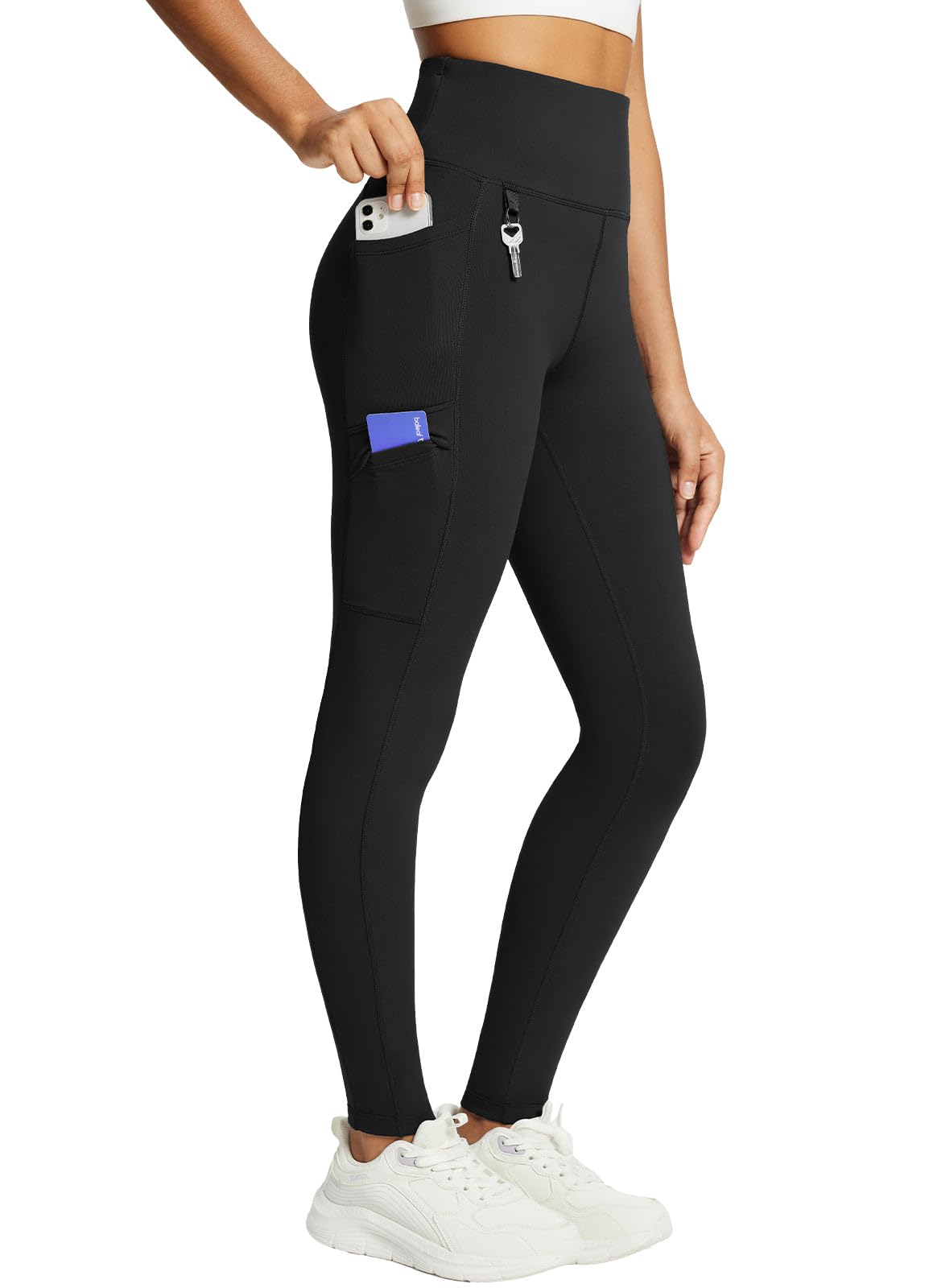
These leggings combine a DWR (durable water-repellent) finish with a fleece lining that buyers call “the ultimate fall/winter legging”—perfect for a cold morning hike or a layover in a drafty terminal. The fabric blend of 75% polyester and 25% spandex gives enough stretch for a deep lunge on a rocky trail without going sheer. What wins people over here is the warmth: owners consistently say they stay toasty at the trailhead and still feel comfortable moving into an indoor workout. The high waist is a 4-inch panel that many find flattering, though a few would prefer it a touch lower.
The thigh zipper pocket is the real headline—big enough for a phone and a room key, making it ideal for amusement parks or travel days. Buyers report that the fabric packs small, dries fast when hand-washed in a hotel sink, and resists that “gathering and bulking” that plagues cheaper thermal tights. Hand-washed on a trip to Scandinavia, one pair hung dry in under 24 hours. The honest limit: the DWR finish is for light rain, not a downpour—as one owner put it, “wouldn’t trust them to keep me dry in the rain but that is what rain pants are for.”
Versatility is the biggest selling point—these work for pickleball, airplanes, dog walks, and even casual office days. Compared to the MAGCOMSEN snow pants below, these are much lighter and less bulky, making them a warmer-weather cold layer rather than a deep-freeze shell. The fit runs true to size, with a great length for taller frames at 5’8″.
Trail-Ready Perks
- Fleece lining delivers real warmth without making you sweat on the uphill
- Two zip pockets keep phone and cards secure on chairlifts and crowded trails
- DWR finish sheds light rain and morning dew so you stay dry on the first mile
- Fast-drying fabric can be sink-washed and hung dry overnight on a multi-day trip
Fair Warning
- The water repellency is for drizzle, not a downpour—bring rain pants for heavy weather
- High waist can feel too tall for shorter torsos or those who prefer a mid-rise fit
Who this fits: Cold-weather hikers, active travelers, and anyone who wants a legging that transitions from trail to town without a change.
The one catch: If your hike is through steady rain, you will want a waterproof outer shell—this is a warmth layer with a light water shield, not a rain pant.
2. 33,000ft Women’s UPF 50 UV Protection Shirt
The travel shirt that rinses out in a sink and is dry before dinner.
This long-sleeve shirt uses a quick-dry fabric with a DWR and stain-resistant finish, plus air-hole technology (tiny vents that let heat escape as you sweat) to keep you cool even when the sun is relentless. Buyers swear by the UPF 50+ rating—one with sensitive skin reported “great UV protection” after hours in the yard. The fabric is lightweight and silky, and the shirt has three pockets including a large zippered pocket on the side, a rare feature for a sun shirt that keeps your phone secure without a bulky chest pocket. The roll-up sleeves are a smart touch, letting you convert from full coverage to a short-sleeve feel when the afternoon shade hits.
The recurring praise is about travel convenience: as owners mention, “you can rinse it out and it dries really fast (no ironing required).” That makes it a strong candidate for a backpacking trip where every gram counts. The fit runs slightly small—several owners recommend ordering up if you plan to layer a tee underneath. The air-hole technology is the standout engineering here, using ventilation to create a cooling effect when you sweat, which the data describes as “the more you sweat, the cooler you get.”
Compared to the heavier winter options on this list, the 33,000ft shirt is purpose-built for hot, sunny climates where breathability is the priority. The color selection (including army green and dusty blue-green) blends well with trail surroundings and doubles as a casual travel top. The rod-holder feature on the chest is a thoughtful addition for anglers.
Real-world verdict: A do-it-all sun shirt that handles heat, laundry-in-a-sink trips, and UV exposure without riding up or feeling stiff. The sizing inconsistency is the only knock—check the measurements and probably size up once for a relaxed fit over a base layer.
3. Eddie Bauer Women’s Rainier Pant
A featherweight nylon pant that disappears in a daypack and feels great on the trail.
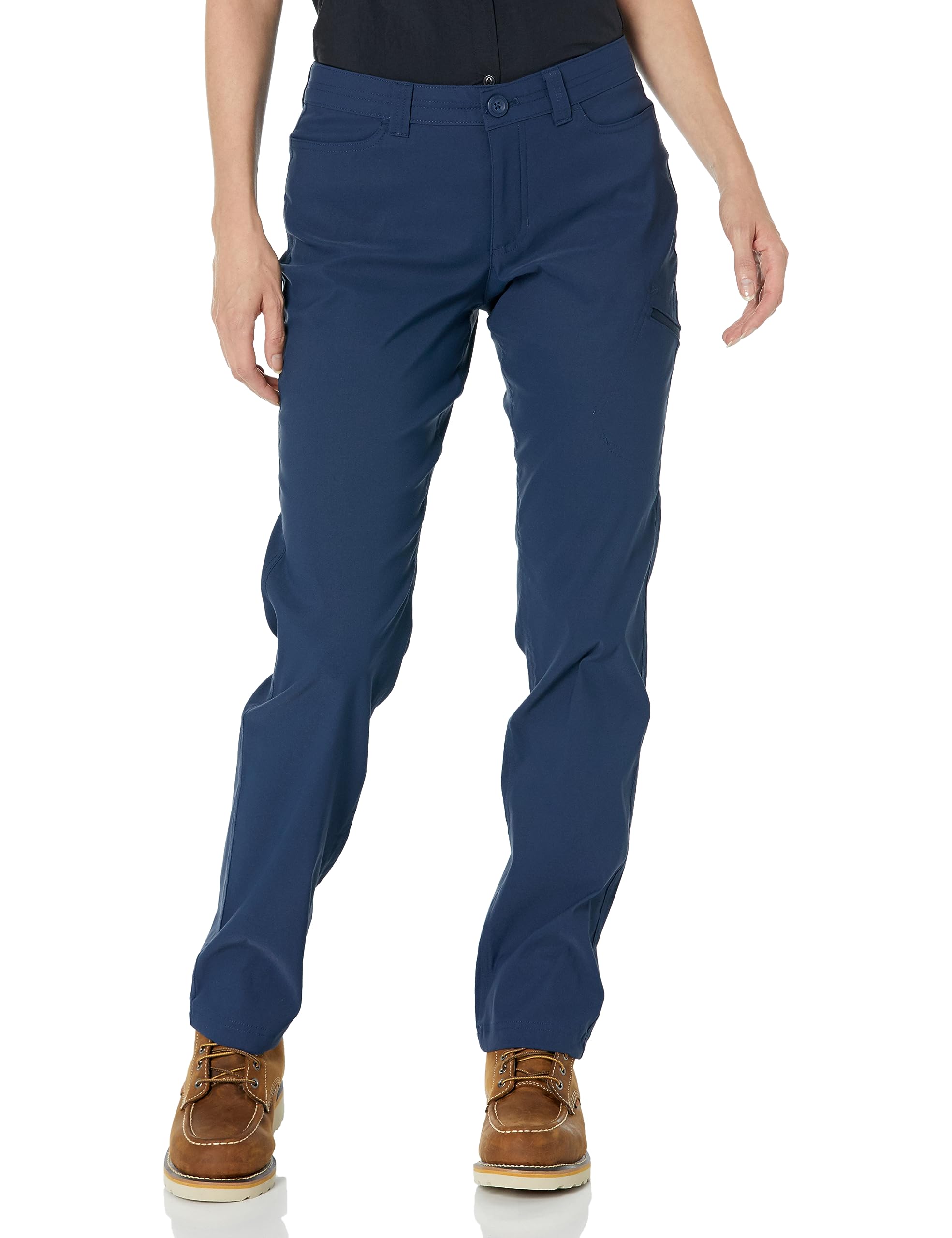
The Rainier Pant is the kind of gear you forget you are wearing—lightweight nylon that is “not overly swishy” according to owners, with a close fit through the hips and a slightly baggier leg for easy movement. It is not waterproof (customers note that a 15-minute rain soaked it through), but it dries fast and works beautifully as a warm-weather hiking or travel pant. The nylon fabric is breathable and holds its color and shape through washes, coming out of the laundry looking like new with no wrinkles. The 32-inch inseam is a generous length for taller frames, and the 8-inch leg opening keeps the hem from dragging on muddy trails.
What makes this a standout for casual hikers is its versatility—people wear it on rainy 50°F hikes, to work as a comfortable office pant, and even as a lightweight tick-protection layer in tall grass. The absence of back pockets is the most common trade-off; some note it can make the rear area feel less defined. The cut is true to size, with a black color option featuring a cursive logo and a Sprig green option with a block print. It is a solid choice if you want a single pant that bridges trail and town without looking like you just came off a mountain.
Compared to the more rugged baleaf Plus Size pants below, the Rainier is lighter and more tailored, but it sacrifices water resistance and zippered pocket security. Great for dry-weather day hikes and travel; skip it if you anticipate sudden rain or need to stash valuables securely.
The bottom line: A comfortable, stylish, lightweight pant that is a joy to wear on a warm, dry trail—but pack a rain shell if the forecast threatens showers, and know that the missing back pocket means your wallet rides in a hip belt or jacket.
4. baleaf Women’s Plus Size Hiking Pants

A lightweight, sun-protective pant that fits curvy bodies without sacrificing function.
These pants are built for plus-size women who want trail performance without looking like a tent. The stretchy waistband and adjustable ankle cinches let you dial in the fit, and the UPF 50+ fabric blocks harsh rays on exposed ridges. Buyers with apple-shaped bodies and round thighs report the cut is “loose but not baggy,” with enough room through the hip while staying fitted through the calves. The multiple zippered pockets—including a big one on the thigh—are a huge win for security on the trail; the pockets also shed water, keeping your phone dry during a drizzle. The material is thin and airy enough for summer but can be layered over a base layer when temperatures drop.
The durability surprises many: after multiple washes, there is no sign of pilling or thigh chafing, and the fabric holds its shape better than comparable Columbia or Eddie Bauer options. A 5’10” owner found them ankle-length with a full range of motion, while a petite owner appreciated the cord locks at the ankles to avoid tripping on excess fabric. The honest note is that the elastic waistband can “pooch” out when you bend at the waist—the fit is functional, not ultra-flattering for every body shape. Sizing seems generous, so check the size chart and consider ordering down if you are between sizes.
Compared to the standard baleaf fleece-lined leggings (product 1), these are lighter, more breathable, and better for warm-weather hiking. The trade-off is less warmth in cold conditions. Across the available reviews, these are a top-tier pick for curvy hikers who need UPF protection, quick-drying fabric, and ample pocket space.
Why Hikers Love Them
- UPF 50+ fabric blocks sun exposure on exposed ridges without feeling heavy
- Multiple zippered pockets keep phone, keys, and trail pass secure through stream crossings
- Adjustable ankle cinches let you shorten the leg for petite frames or tuck into boots
- Lightweight, wrinkle-resistant material packs flat for carry-on travel
Who Might Pass
- Elastic waistband can create a bulge at the belly when bending—form over function for some
- Not warm enough alone for winter hiking below freezing
Best for: Curvy women seeking a light, breathable trail-to-town pant with real sun protection and secure pockets.
Skip if: You need deep-winter insulation (layer under these or choose the MAGCOMSEN below) or prefer a super-slim, compressive fit.
5. MAGCOMSEN Women’s Fleece Lined Winter Hiking Pants
The thermal fortress that kept one buyer warm all night in Alaska chasing the Northern Lights.
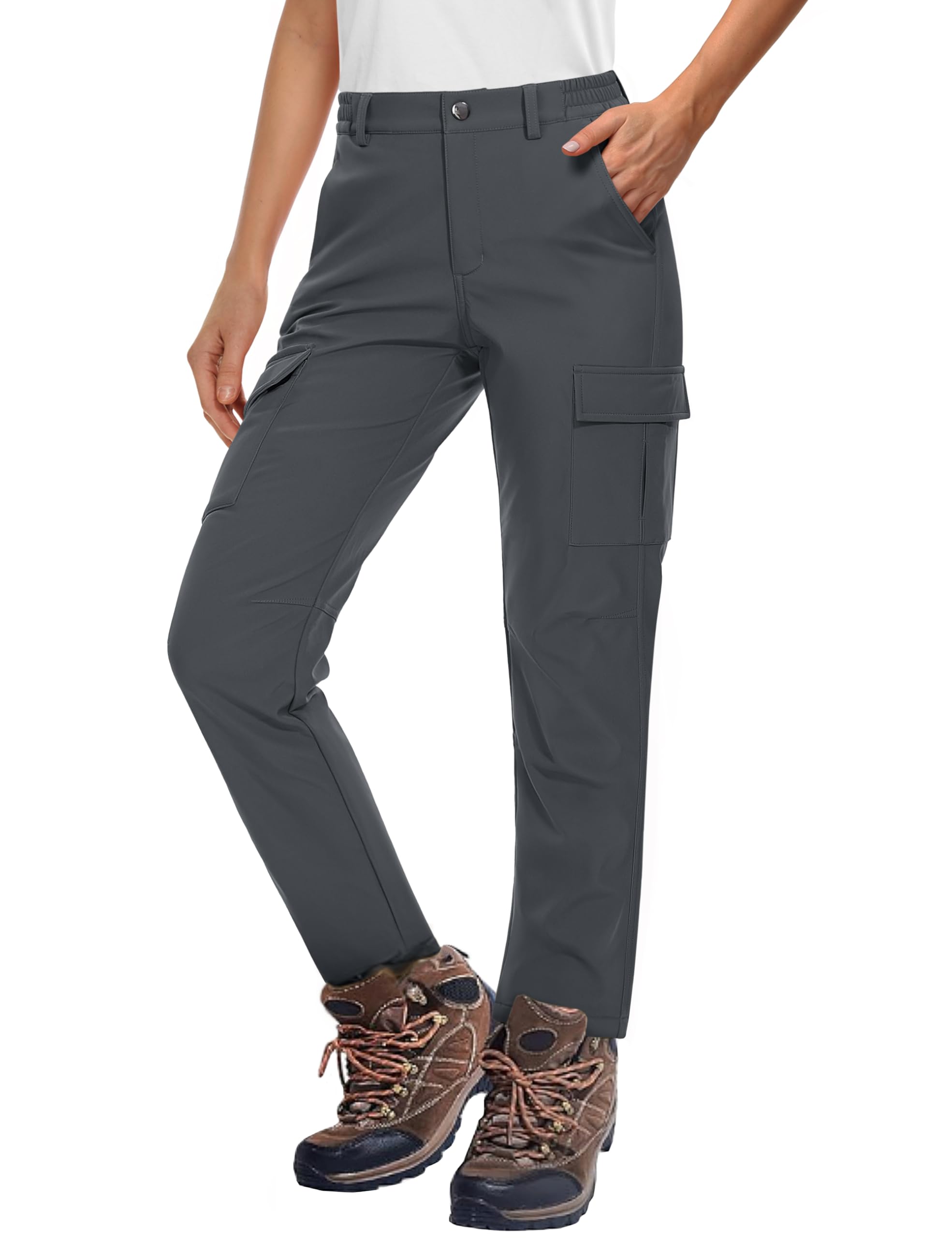
These are the pants you reach for when the temperature drops below freezing and you need real insulation. The fleece lining locks in body heat, while the water-resistant outer shell (featuring a waterproof coating) repels rain and snow. Owners rave about how warm they stay in 35°F conditions, with one buyer reporting zero cold seepage even after sitting on an icy bench in Alaska. The five large pockets—including flap and zippered options—are a massive upgrade over standard hiking pants, letting you stash gloves, phone, and snacks without a backpack. The elastic waistband and button-and-zip fly make them easy to get in and out of when you are wearing thick thermal layers underneath.
The caveat is fit: the sizing chart can be inaccurate, and the material is somewhat stiff when new (it softens with wear). A buyer at 5’4″ and 148 pounds in a size 10-12 found the fit “beautiful” and the length perfect for riding horses and running errands. The pant is windproof—a big plus for exposed ridgelines—but it is water-resistant, not fully waterproof, so a steady downpour will eventually wet through. One owner noted the blue-grey color is brighter than product photos show, so manage expectations on shade. Overall, these are a high-value winter option that punch above their price point on warmth.
Compared to the lightweight Eddie Bauer Rainier, the MAGCOMSEN is significantly warmer and more weather-resistant, but also bulkier and less packable. If you hike only in summer, pick the Rainier or the North Face Aphrodite; if your season includes snowy trails, this is your pant.
Final read: A solid, functional winter pant for women who regularly hike, snowshoe, or walk the dog in near-freezing weather. Order with the expectation that you may need to exchange for the right size, and do not treat it as rainwear for a deluge.
6. The North Face Women’s Aphrodite Motion Pants
A sustainable, lightweight pant that moves like a second skin on warm trails.
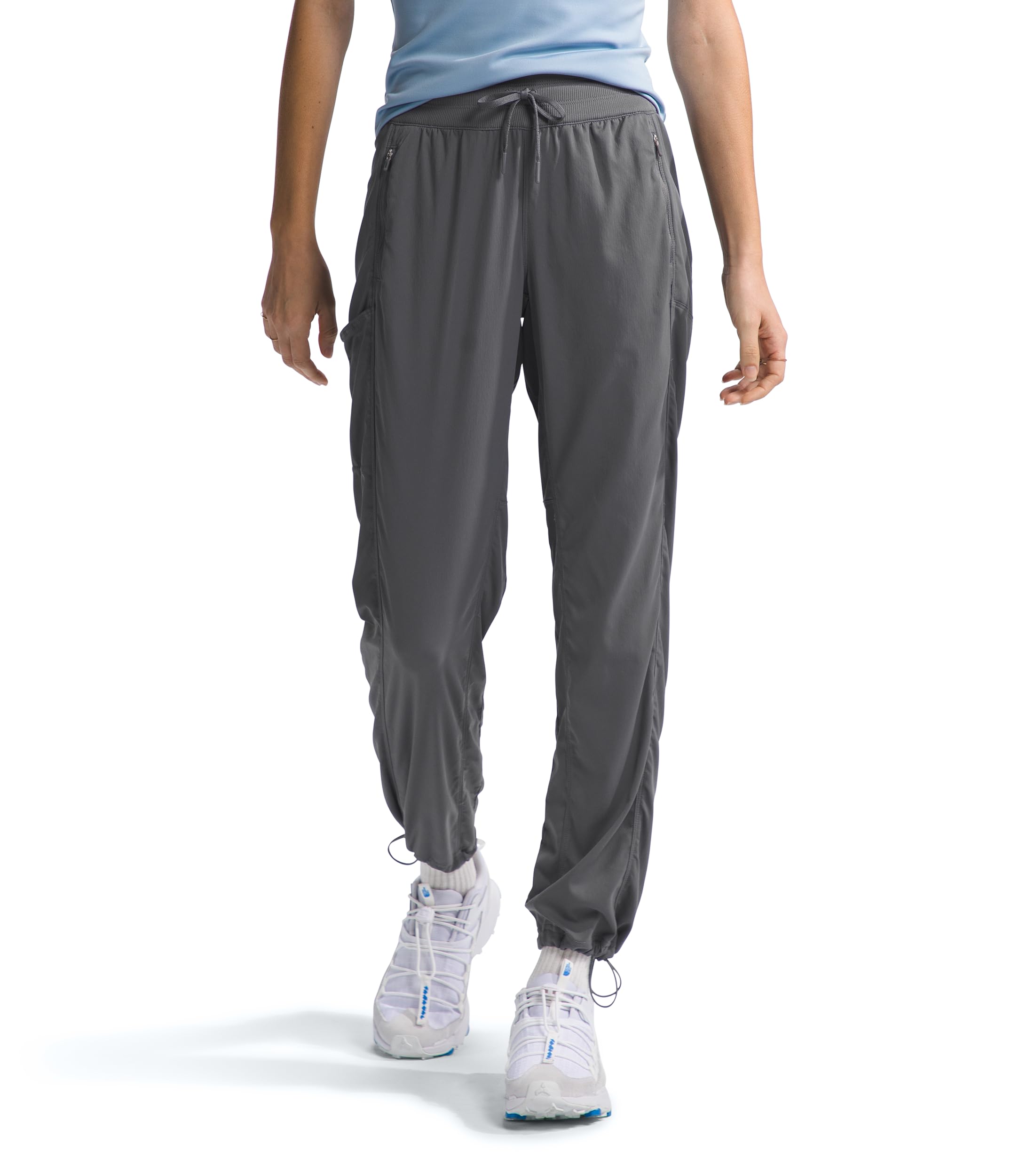
The Aphrodite Motion pants from The North Face blend 50-74% recycled materials with FlashDry™ Technology—a moisture-wicking treatment that pulls sweat away from your skin and speeds up evaporation so you stay cool on a strenuous climb. The regular fit is cut for a woman’s body without being too slim or too baggy, and the Non-PFC DWR finish (a water-repellent coating made without perfluorinated chemicals) handles a light sprinkle. Owners describe them as “super comfy” for everything from running errands to working outside, with the lightweight summer fabric making them ideal for travel. The fabric itself is noticeably soft and breathable, and the back pockets (which the newer version lacks) are a hit for storing a wallet on a quick trip into a café.
The most discussed issue is sizing inconsistency: a buyer who wore a small last summer could not pull the same size small from this season over her hips. That suggests a QC variance that is note if you are ordering online without trying them on. The leg opening does not tighten at the bottom, so if you need a cinched ankle for tucking into boots, look elsewhere. The UPF 40+ rating is a step down from the 50+ found on the 33,000ft shirt and baleaf pants—still solid protection, but less than max.
Compared to the Under Armour Defender pants, the Aphrodite Motion is lighter, more sustainable, and better for summer use, but it lacks the cargo pockets and tactical features of the UA option. This is a premium pick for the eco-conscious woman who wants a well-fitting pant that works for a 5-mile hike and a coffee date afterward.
What Stands Out
- Recycled-material construction with FlashDry™ moisture wicking keeps you cool on the ascent
- Non-PFC DWR finish offers light rain protection without harsh chemicals
- Soft, breathable nylon fabric feels great against skin on hot days
- Versatile cut works for hiking, travel, and casual everyday wear
Consider This
- Sizing can vary between batches—order a backup size or buy from a store with a generous return policy
- No ankle cinch for tucking into gaiters or boots on muddy sections
Reach for this if… You want a sustainable, high-comfort pant for warm-weather hiking and travel where packability and a polished look matter.
Look elsewhere if… You are on a tighter budget or need a fully waterproof or fleece-lined winter pant—the Aphrodite is a summer-day specialist.
7. Columbia Women’s Storm Surge II Hiking Pants

The over-pants that slide over your boots and handle an Icelandic waterfall spray.
These are not your everyday hiking pants—they are a dedicated rain shell designed to be worn over your regular pants when the sky opens up. The fabric is fully waterproof, breathable, and fully seam-sealed, meaning every stitch line is taped to block water entry. Buyers took them to Norway and Iceland and reported staying “warm and dry” through heavy rain, ice cave hikes, and slippery waterfalls. The pants stuff down into a pack with little room taken up, making them a no-brainer for carry-on travelers heading to rainy climates. The slip-on design goes easily over hiking boots, though a side zipper would make that even simpler (a few owners wish for it). The regular fit is true to size, with enough room to layer over jeans—buyers wearing a size 14 reported that an extra large was “very roomy” over jeans.
The lack of zippered pockets is the biggest complaint: you get two hand pockets, but nothing secure for a phone or passport. The inner mesh lining is a nice touch for breathability, preventing that clammy sweat layer that some rain pants produce. A petite buyer at 5’2″ found the medium short a bit long and baggy, so paying attention to the available inseam lengths is important. The Columbia Storm Surge II is the only true waterproof pant on this list—every other pick here uses a DWR finish that will wet through in sustained rain.
Compared to the Eddie Bauer Rainier pant (which lacks any water resistance), the Storm Surge II is your go-to for a trip to the Pacific Northwest or any high-precipitation destination. It is heavier than the Rainier but much more capable in a deluge.
The verdict: genuinely useful in any hiker’s rain wardrobe—lives in the bottom of your pack until the clouds break, then becomes your most valued item. Just bring a separate zip pouch for your phone and wallet since the pockets are unsecured.
8. Under Armour Women’s Defender Pants

A rugged, stretchy work pant with enough pockets for a field day and a knife clip.
The Under Armour Defender pants are built for women who need durability and utility on the trail or at the job site. The UA Storm technology repels water without sacrificing breathability, and the 4-way stretch fabric (87% polyester, 13% elastane) moves in every direction—great for scrambling, squatting, or kneeling to check a map on the ground. The seam design at the knees gives you a full range of motion that non-articulated pants lack. The pocket layout is a notable upgrade: open hand and back pockets, a secure zip cargo pocket, and a reinforced knife pocket, plus a badge clip on the front belt loops. For hikers who carry a multi-tool or work in outdoor trades, this is a significant advantage.
The fit is the main split among buyers. The intended cut is a straight-leg silhouette with a 32-inch inseam, but several owners found the waist runs small and the inseam long—a woman who normally wears a size 4 in Kuhl pants had to size up to a 6 in these, and a 5’5″ owner found the inseam a full 4 inches too long. The fabric is thin, which is great for warm weather but not for cold climates. The pocket fabric is another weak point: one long-time user reported that the pocket lining failed after a few months of weekly wear (though they repaired it themselves).
Compared to the Mountain Hardwear Dynama below, the Defender is heavier, more pocket-laden, and better suited to active work or high-scrub bushwhacking. The Dynama is softer, lighter, and better for travel. If you need a pant that feels like tactical gear but moves like activewear, the Defender is worth a look—just plan to order a size up and hem the inseam if you are shorter than 5’8″.
Pros for the Trail and Shop
- 4-way stretch fabric gives unrestricted motion for scrambling and kneeling
- UA Storm coating sheds light rain and brush wetness without feeling plastic-y
- Multiple secure pockets (zip cargo, knife slot) handle gear without a pack
- Articulated knee seams improve comfort on steep terrain
Points to Weigh
- Waist runs small, and the 32-inch inseam is too long for many shorter women
- Pocket fabric durability raised concerns in long-term wear
Grab these if: You want a tough, stretchy pant with a knife clip and cargo storage for fieldwork, horseback riding, or heavy brush hikes.
Hold back if: You are short (sub-5’6″) or want a soft, ultralight travel pant—the Dynama is a better fit for those needs.
9. Mountain Hardwear Dynama™ Pant
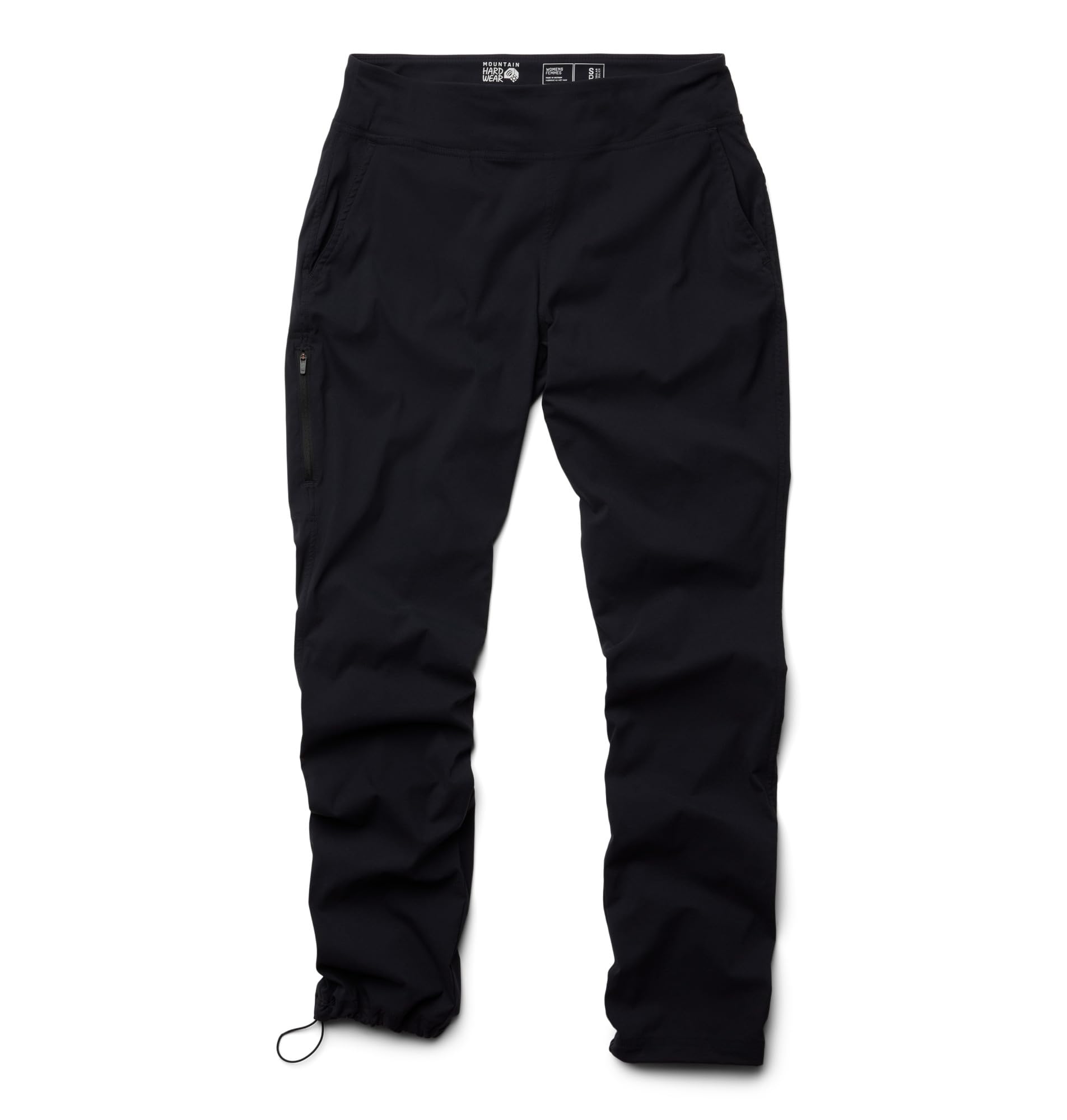
A stretchy, ultra-packable pant that disappears into a daypack and comes out wrinkle-free.
Mountain Hardwear’s Dynama pant is built from a lightweight 94% nylon and 6% elastane blend that feels like a second skin—stretchy enough for a full day of hiking, but polished enough for a post-trail dinner. The fabric is one of the softest on this list, and it packs down to a tiny bundle that fits in your hand, making it the go-to for minimalist travelers and thru-hikers. The UPF 50+ rating offers excellent sun protection, while the PFC-free DWR finish (a water-repellent coating made without perfluorinated chemicals) handles morning dew and light rain. The internal drawcord at the waist gives you a custom fit without a bulky buckle, and the flat, wide stretch waistband is flattering on a variety of body shapes.
The zip pocket at the right thigh is the kind of detail that matters on the trail—big enough for a phone and secure enough that you do not worry on a chairlift. The side-entry hand pockets are generous, and the hem cinch lets you adjust the leg length to avoid dragging in mud. Buyers describe them as “ridiculously packable” and “perfect for hiking in warm weather,” with a 5’8″ owner loving the length and stretch. The main caution is sizing: the cut runs large, so consider sizing down—a few buyers who ordered their usual Mountain Hardwear size found them too big and wished they had returned for a smaller size. The anti-odor fabric is a subtle bonus for multi-day trips where sink-washing is not an option.
Compared to the Under Armour Defender pants, the Dynama is much lighter, softer, and better for warm-weather hiking and travel, but it lacks the cargo pockets and knife clip of the Defender. If you are looking for the single best travel-and-hike pant that packs small and feels great, this is it.
The final call: The Dynama does nearly everything well—breathable, sun-safe, fast-drying, and comfortable. The only real friction is the sizing (size down if you are between sizes) and the price point, which is the highest on this list. If you hike or travel often, the investment pays off in years of comfortable trail use.
Understanding the Specs
DWR vs. Waterproof
A DWR (durable water-repellent) coating makes water bead up and roll off the fabric surface—it sheds light rain, morning dew, and splashes, but it is not a barrier. Once the coating wears off or the fabric is saturated, water soaks through. Fully waterproof pants (like the Columbia Storm Surge II) use a laminated membrane and seam-sealed construction; they stop water completely but can feel less breathable. For most day hikes, DWR is enough; for a trip to a rainy climate, get a dedicated waterproof layer.
UPF Ratings Explained
UPF (Ultraviolet Protection Factor) measures how much UV radiation a fabric blocks. A UPF 50+ rating means the fabric blocks at least 98% of ultraviolet rays—enough to prevent sunburn even on a long day above the treeline. A UPF 40 fabric (like the North Face Aphrodite) still offers good protection but lets through slightly more UV. The difference matters most for fair-skinned hikers or those on exposed, high-altitude terrain where the sun is intense.
Fabric Blends and Stretch
The balance between nylon, polyester, and spandex/elastane determines how a pant moves, dries, and lasts. Nylon is tough and abrasion-resistant (great for scrambling). Polyester dries faster and resists fading but is less rugged. Spandex or elastane (the stretchy fiber) provides the “give” that keeps a pant from binding when you lunge or bend—look for at least 6% elastane in hiking pants for real mobility. A 4-way stretch fabric stretches in both length and width, while 2-way stretches only in length.
Fleece Lining and Insulation
A fleece lining adds a soft, warm layer on the inside of a pant. It traps body heat by creating tiny air pockets that insulate, making it ideal for cold-weather hiking below 40°F. The trade-off is breathability—fleece-lined pants can make you sweat if you are moving hard on a mild day, and they are bulkier to pack than a thin shell plus a separate base layer. For winter day hikes, a fleece-lined pant (like the baleaf or MAGCOMSEN) is a simple, effective solution; for multi-day trips where pack weight matters, a separate baselayer under a shell is more flexible.
FAQ
Are DWR-coated hiking pants enough for a rainy hike?
How does UPF clothing block the sun?
What is the difference between 2-way and 4-way stretch?
How should I layer hiking clothes for cold weather?
Will a size small in one hiking brand fit me the same in another?
How do I wash and maintain DWR-coated hiking pants?
What does “quick dry” actually mean for hiking clothes?
Can I hike in fleece-lined leggings in warm weather?
How many pockets do I really need in hiking pants?
Should I buy hiking pants with an adjustable waistband?
Final Thoughts: The Verdict
For most hikers, the women’s hiking clothes pick that balances warmth, mobility, and everyday versatility is the baleaf Fleece Lined Leggings because they handle cold-weather hike mornings, a trip to the grocery store, and a plane seat without needing a wardrobe change. If you need a lightweight pant for hot, sunny trail days, grab the baleaf Plus Size Hiking Pants for their UPF 50 protection and zippered pocket security. And for a do-it-all travel pant that packs down to the size of a sandwich and feels soft against the skin, the Mountain Hardwear Dynama Pant is the one to reach for, provided you check the sizing chart and maybe size down.
How We Picked
We do not accept paid placement. Every pick is matched to a real buyer and a real use-case; we do not hands-on test units.
Sources & Methodology
Specifications: manufacturer listings and product documentation. Review insights: verified customer reviews, as of July 2026. Pricing: not shown on this page (it changes often); check the current price via the retailer link.
As an Amazon Associate, Calories Fit earns from qualifying purchases. This does not affect which products we feature.