
Our readers keep the lights on and the coffee maker working hard! As an Amazon Associate, I earn from qualifying purchases.
Specs are compiled from manufacturer listings and verified buyer reviews and can change over time — please confirm the key details on the product page before buying.
Finding women’s grounding shoes that actually connect you to the earth without falling apart after a few weeks is harder than it should be. The wrong pair leaves you either slipping on wet grass or watching the conductive patch peel off mid-stride. This guide cuts through the noise to the three styles worth your time — from hand-stitched leather moccasins to breathable mesh sneakers — so you know exactly which sole, fit, and build matches how you actually walk.
I’m Mohammad — the founder and writer behind Calories Fit. This guide is built by comparing the manufacturers’ published specifications and the patterns across verified customer reviews, so you get each pick’s real strengths and trade-offs instead of marketing spin.
Whether you are new to earthing or replacing a worn-out favorite, these are the best women’s grounding shoes that keep you connected, comfortable, and on your feet for the long haul.
Our Picks at a Glance
How To Choose The Best Women’s Grounding Shoes
You want a shoe that connects you to the ground, fits your foot well, and lasts on the surfaces you walk. Here is what to look for.
The Conductive Path
Every genuine grounding shoe needs a conductive element — a plug, a patch, or a natural hide — that lets electrons flow from the earth up into your body. Some use a black conductive plug pressed into the sole. Others rely on a full leather bottom with no synthetic insulator in between. If that path is broken by a thick rubber midsole or a non-conductive insole, you are just wearing normal shoes.
Sizing and Fit
Earthing shoes tend to run larger or narrower than standard footwear, and half sizes are rare. Most brands tell you to order one full size down — or one and a half if you are between sizes. A shoe that is too loose kills the grounding contact, and one that is too tight makes walking painful. Measure your foot length in centimeters and compare it to the brand’s specific size chart, not your usual shoe size.
Sole Durability
The soft, flexible sole that gives you that barefoot feel is also the part that wears fastest. Leather soles can be slick on grass until broken in, and rubber plugs can delaminate if the glue fails. If you plan to walk on pavement or rough trails daily, look for a thicker oil-tan leather or a securely bonded conductive plug that buyers report surviving months of regular use.
Quick Comparison
| Model | Best For | Sole Material | Upper Material | Closure | Amazon |
|---|---|---|---|---|---|
| Bastien Industries Moose Hide Moccasins★ Best Overall | Natural terrain & daily home wear | Oil tan leather | Moose hide leather | Rawhide laces | Amazon |
| Grounding Earthing Shoes Mesh | All-day comfort & breathability | EVA + Rubber | Mesh | Slip-on & Lace-up | Amazon |
| earthinglife Barefoot Lace Up | Barefoot feel & wide toe box | Rubber | Mesh | Lace-up | Amazon |
In‑Depth Reviews
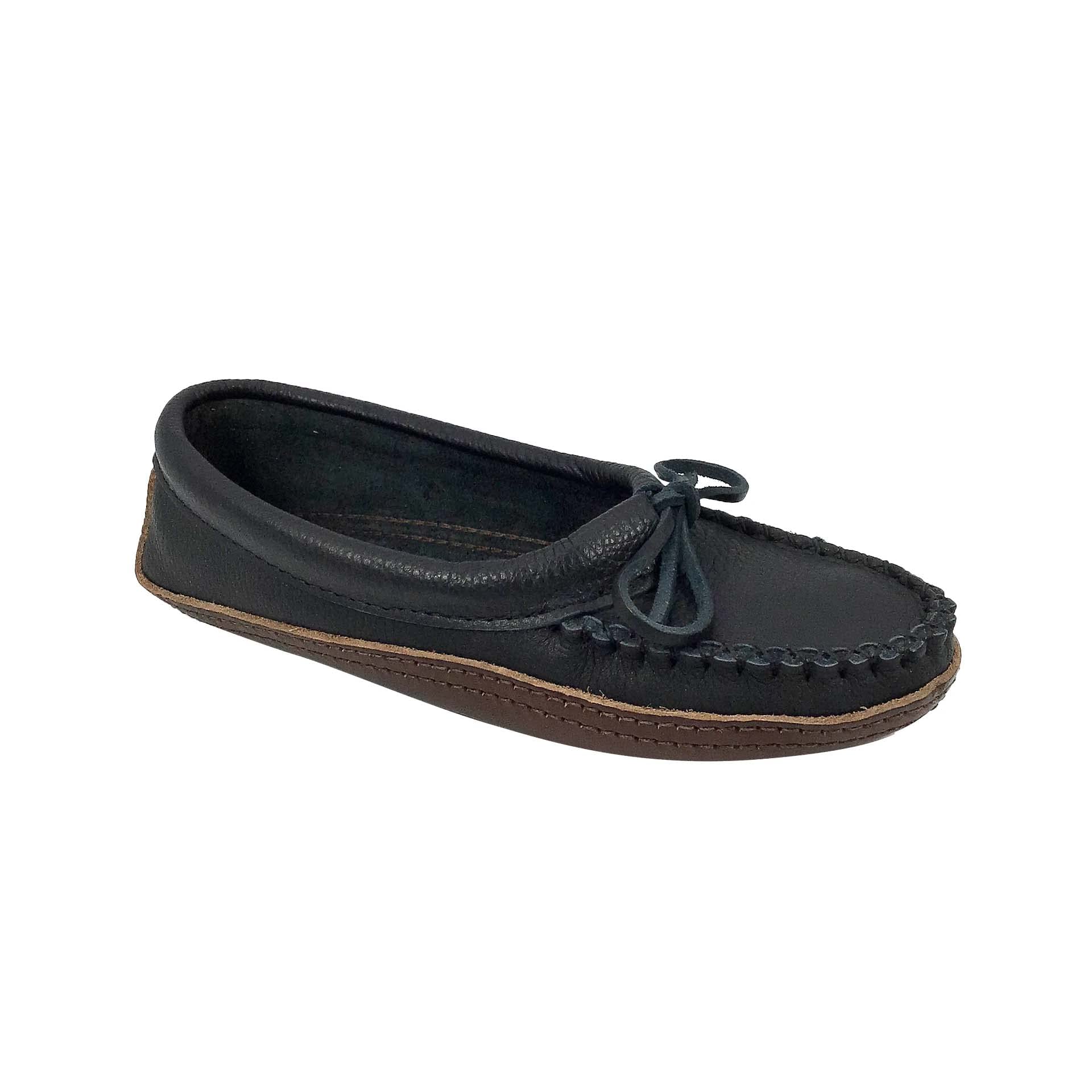
1. Bastien Industries Women’s Moose Hide Leather with Heavy Oil Tan Sole Ballet Earthing Moccasins
Our pick — over 4★ from 60+ verified ratings; the strongest balance of quality and price.
Hand-stitched moosehide moccasins that actually get better the longer you wear them.
If you want a grounding shoe built to last years rather than weeks, this is the one. These ballet-style moccasins are made from genuine moose hide leather with an oil tan leather sole — no synthetic materials between you and the earth. The conductive path is the leather itself, so there is no plug to delaminate and no foam insole to block the connection. That natural construction is exactly what owners praise most: quality gets the most mentions by far, and owners mention these lasting six-plus years with daily wear. The leather is soft from the start and stretches to fit your foot over time.
The catch is sizing and the break-in period. The shop says these run large, so you order one full size down (one and a half if you are a half size). Several owners confirm that advice is critical — ordering true to size leaves you swimming. Also, the oil tan sole can feel dangerously slick on grass until you scuff it up, so take your first walks on pavement or carpet. The low sides also let sand in on trails, which is note if you plan to hike.
Versus the mesh picks below, the trade-off is simple: you trade breathability and zero-drop flexibility for genuine durability and a completely natural grounding path. The crowd favorite here handles everything from backyard gardening to a day at the office, and the moose hide molds to your foot in a way synthetic uppers cannot match.
Built to outlast: Handmade from genuine moose hide with no synthetic insole — the leather itself is the conductor.
Real sizing challenge: You must order one full size down; half-sizes order 1.5 sizes down, and the oil tan sole needs a break-in period before it grips on grass.
Reach for these if: you want a grounding moccasin that feels like a second skin and holds up through years of daily walks on soft terrain.
Think twice if: you need a shoe for wet pavement, sandy trails, or the first day from the start — this one needs a break-in.
2. Grounding Earthing Shoes with Breathable Mesh Upper Conductive Grounded Shoes
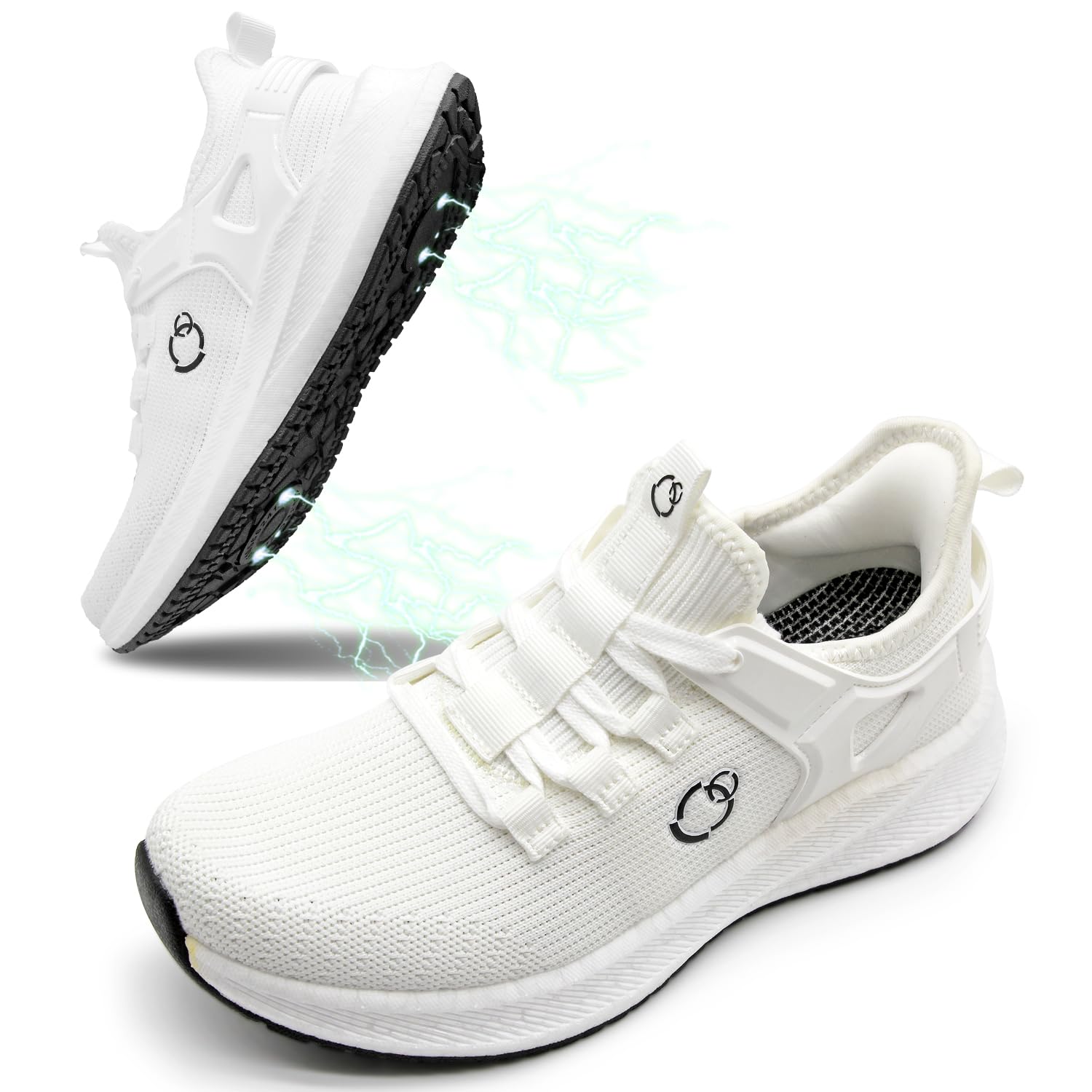
The most-reviewed grounding sneaker that owners genuinely love wearing every day.
This is the mesh sneaker that has earned the most real-world feedback by a wide margin — comfort is the thing owners rave about most, with 66 people singling it out. The upper is a breathable mesh that flexes with your foot, and a black conductive plug sits in the sole to create the grounding path. Buyers describe them as “so comfortable and nice” and say they wore their first pair out completely. The lightweight, flexible feel means you forget you have shoes on, which is exactly the point for daily earthing.
The fit is a mixed bag. The shoe runs snug with socks, so owners suggest ordering half a size up. Some report the white sole stains quickly and is hard to clean. There is also a persistent squeaking noise from some pairs — one owner noted the constant sound in quiet hospital corridors. A handful of buyers tested the grounding with a multimeter and found zero conductivity, so if the grounding function is your sole reason to buy, this is a risk to weigh against the generally positive comfort reviews.
It beats the Bastien moccasins on breathability and modern sneaker styling, but falls short on durability and the certainty of the conductive path. For casual walking on pavement and indoor wear, it is the most accessible entry point. One owner sums it up: “I got these shoes while back to ground myself and they were so comfortable and nice I really loved them, I’m going to have to buy another pair just because I wore them out already.”
What owners love
- Extremely comfortable — the top praise across hundreds of buyers
- Lightweight and flexible with a breathable mesh upper
- Reasonable construction for the price point
The honest trade-offs
- Some pairs arrive with no actual grounding conductivity when tested
- Runs narrow with socks — go up half a size
- White sole stains easily and the heel can cause blisters without tall socks
Grab these for: lightweight, everyday grounding on pavement and indoors where breathability matters most.
Skip them if: you absolutely need guaranteed earthing function or plan to walk on rough terrain daily.
3. earthinglife Barefoot Grounding Shoes Lace Up Wide Toe Box Conductive Flexible Outsole
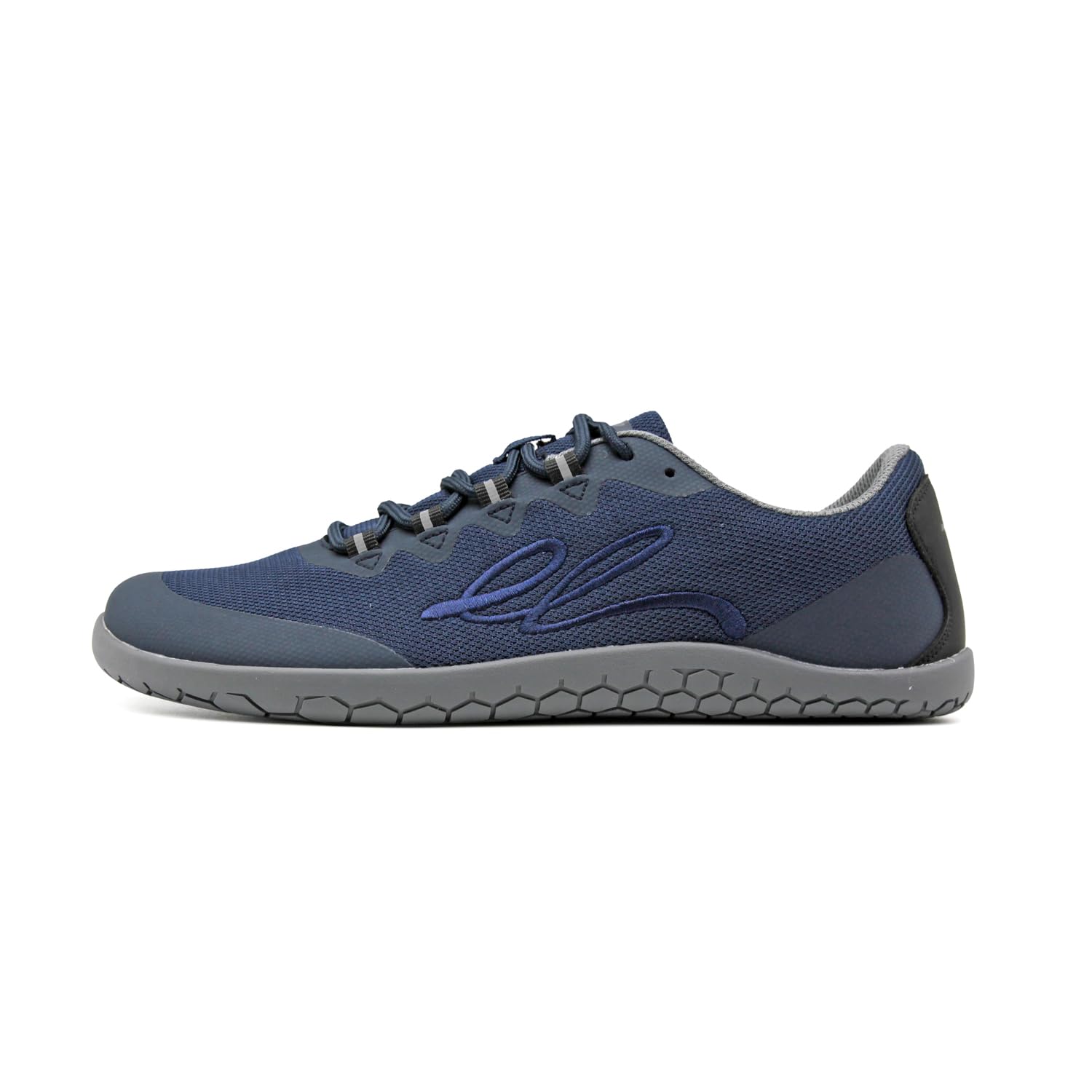
A lightweight zero-drop sneaker with a wide toe box — if only the sole held together.
This is the newest design of the three, and the idea is right: a lace-up sneaker with a wide toe box, zero drop from heel to toe, and a flexible outsole that mimics barefoot walking. When it works, owners say it feels “weightless” and comfortable for running, and it fits wide feet well. The conductive plug is meant to create that earthing path, and the overall build looks modern enough to wear daily.
The problem is durability. This is the one area where the feedback is overwhelmingly negative — durability is the most-discussed aspect, and it is the only aspect that earns a negative verdict from customers. Multiple customers note the grounding patch in the sole starts coming loose within a week. As buyers put it: “Save your money. I bought these and within a week the earthing patches in the soul started to come loos.” Another owner saw the sole detach from the cloth after just seven days. At the 3.4-rating tier with only 51 reviews, this is a clear caution — the design is promising, but the execution on the conductive path is not there yet.
Compared to the Bastien moccasins, this shoe is lighter and more athletic, but it entered the market nearly three years later and still has a fraction of the satisfied owners. The wide toe box is a genuine draw for anyone with broad feet, but the delamination issue makes it hard to recommend for daily wear. If the manufacturer fixes the bonding on the conductive patch, this could be a strong contender.
Promising shape, fragile sole: Wide toe box and zero-drop design feel great, but the grounding patch detaches after one to three weeks for multiple owners.
Best for: trying the barefoot sneaker feel at a low cost if you are willing to risk replacing them soon.
Not for: anyone who expects their grounding shoes to last longer than a month of regular use.
Understanding the Specs
Conductive Plug vs Natural Leather
The grounding path in these shoes comes from either a black conductive plug pressed into the rubber sole or from a full natural leather bottom. A plug can wear out or detach if the glue fails, while a leather sole grounds through its entire surface but needs a break-in period and can be slick on wet grass. For a guaranteed connection, a one-piece natural leather sole is the more reliable long-term choice.
Zero Drop and Toe Box Width
A zero-drop shoe means the heel and forefoot sit at the same height off the ground, mimicking your natural barefoot posture. A wide toe box lets your toes splay the way they do when you walk unshod. Together they reduce strain on your knees and hips, but they also mean you need to order carefully — a shoe that is too narrow in the toe box (like some of the longer, narrower moccasins here) can pinch even when the length is correct.
FAQ
How do grounding shoes actually work?
Will these shoes work on pavement and concrete?
How do I know if my grounding shoes actually ground?
Can I wear grounding shoes in the rain?
How long do grounding shoes typically last?
Do grounding shoes help with foot pain or inflammation?
Are grounding shoes safe to wear with socks?
Is a wide toe box important for grounding shoes?
Why do some grounding shoes run so large?
Final Thoughts: The Verdict
For the majority of shoppers, the best women’s grounding shoes is the Bastien Industries Moose Hide Moccasins because it offers a completely natural conductive path from genuine moose hide leather and owners confirm it holds up for years. If you want a breathable, lightweight sneaker with modern styling, grab the Grounding Earthing Shoes with Mesh Upper. And for a budget barefoot feel with a wide toe box, the earthinglife Lace Up is the one to reach for — just know the sole durability is a gamble.
How We Picked
We do not accept paid placement. Every pick is matched to a real buyer and a real use-case; we do not hands-on test units.
Sources & Methodology
Specifications: manufacturer listings and product documentation. Review insights: verified customer reviews, as of July 2026. Pricing: not shown on this page (it changes often); check the current price via the retailer link.
As an Amazon Associate, Calories Fit earns from qualifying purchases. This does not affect which products we feature.